Bookbot

Paul Ekman

    15. február 1934

    Paul Ekman je americký psycholog, 59. nejcitovanější psycholog 20. století a spisovatel. Hlásí se k darwinismu. Proslavil se studiem emocí, především jejich vztahu k mimice. Tvrdí, že v lidské mimice existují mikrovýrazy, které není člověk schopen...

    Paul Ekman
    Unmasking the face : a guide to recognizing emotions from facial clues
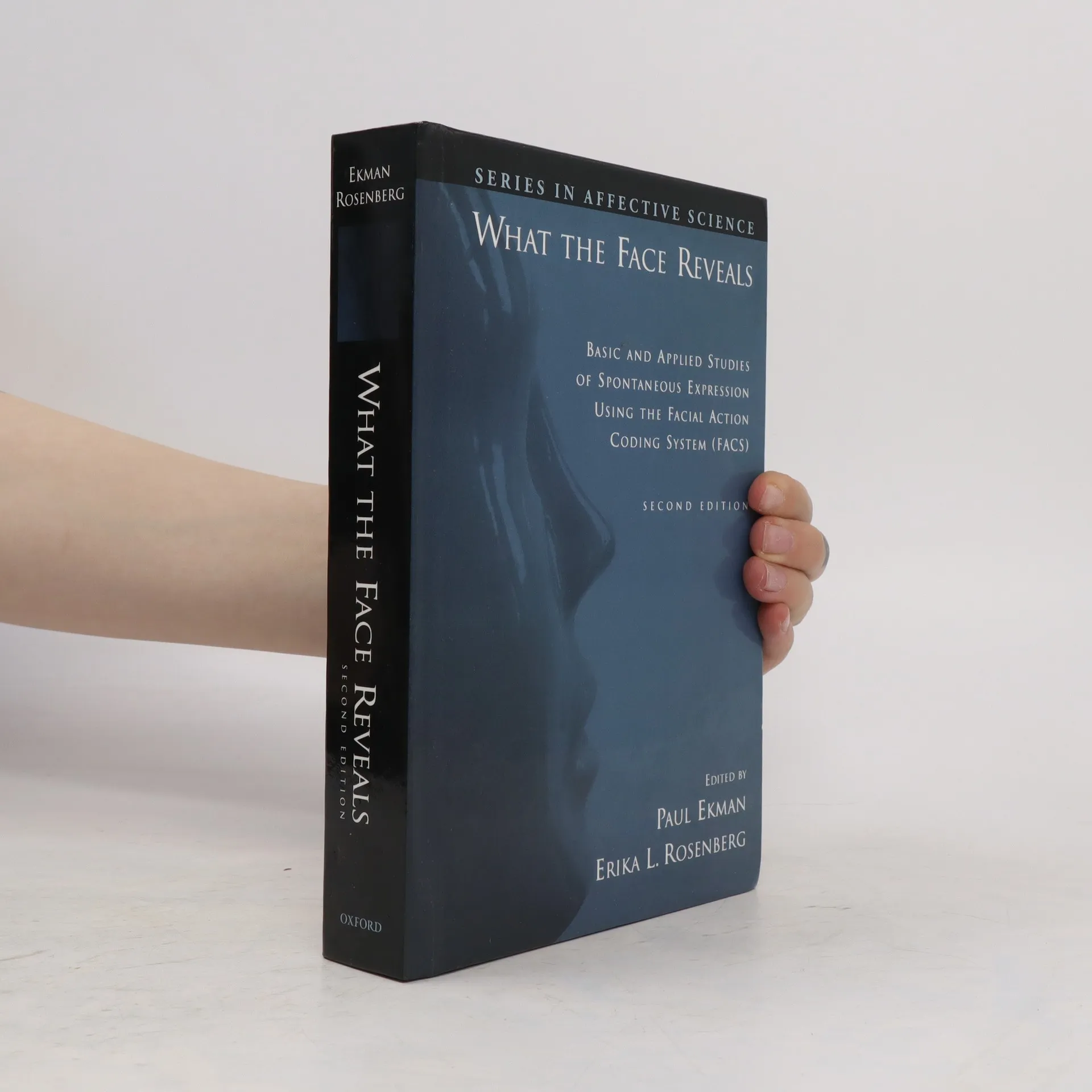
    What the Face Reveals
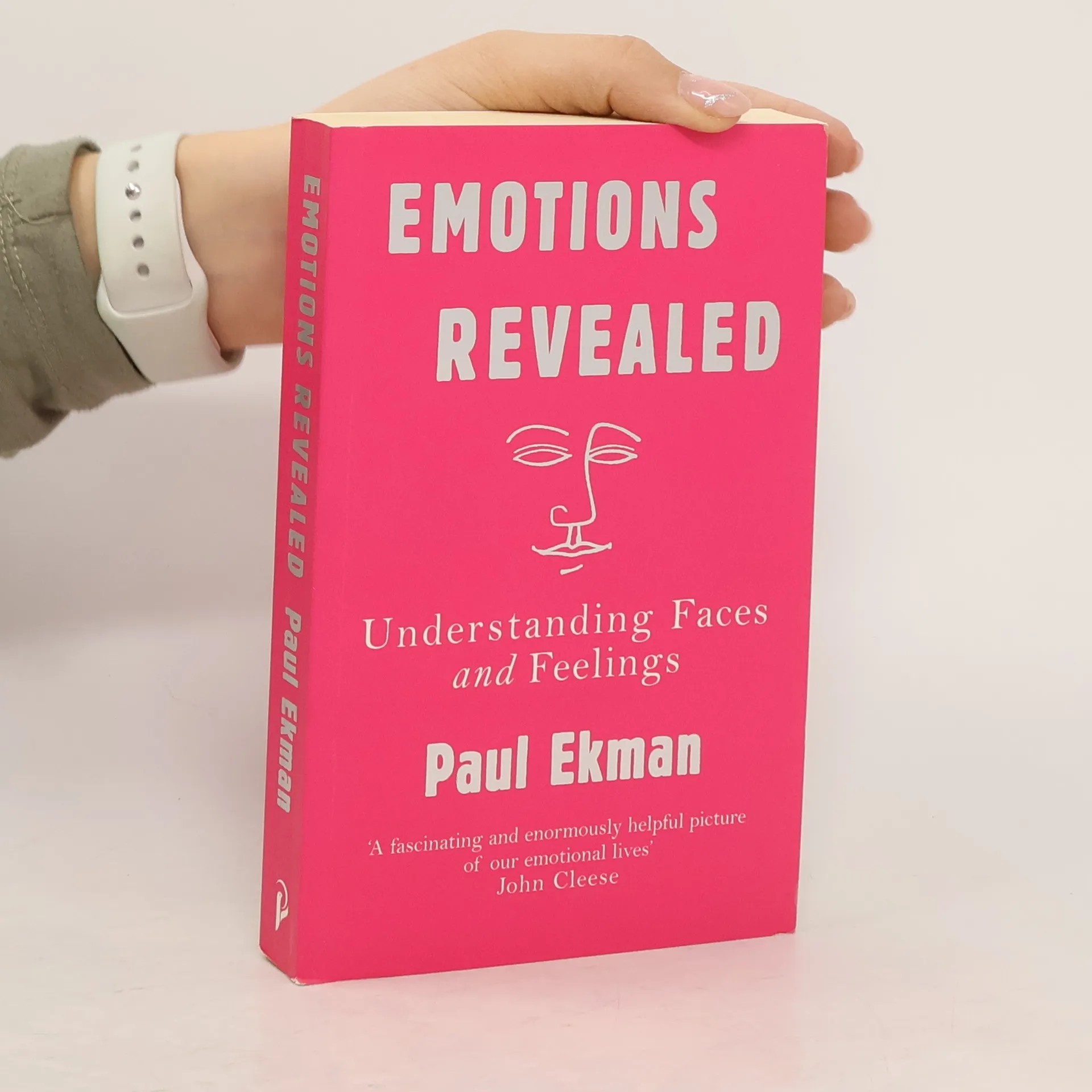
    Emotions Revealed. Understanding Faces and Feelings
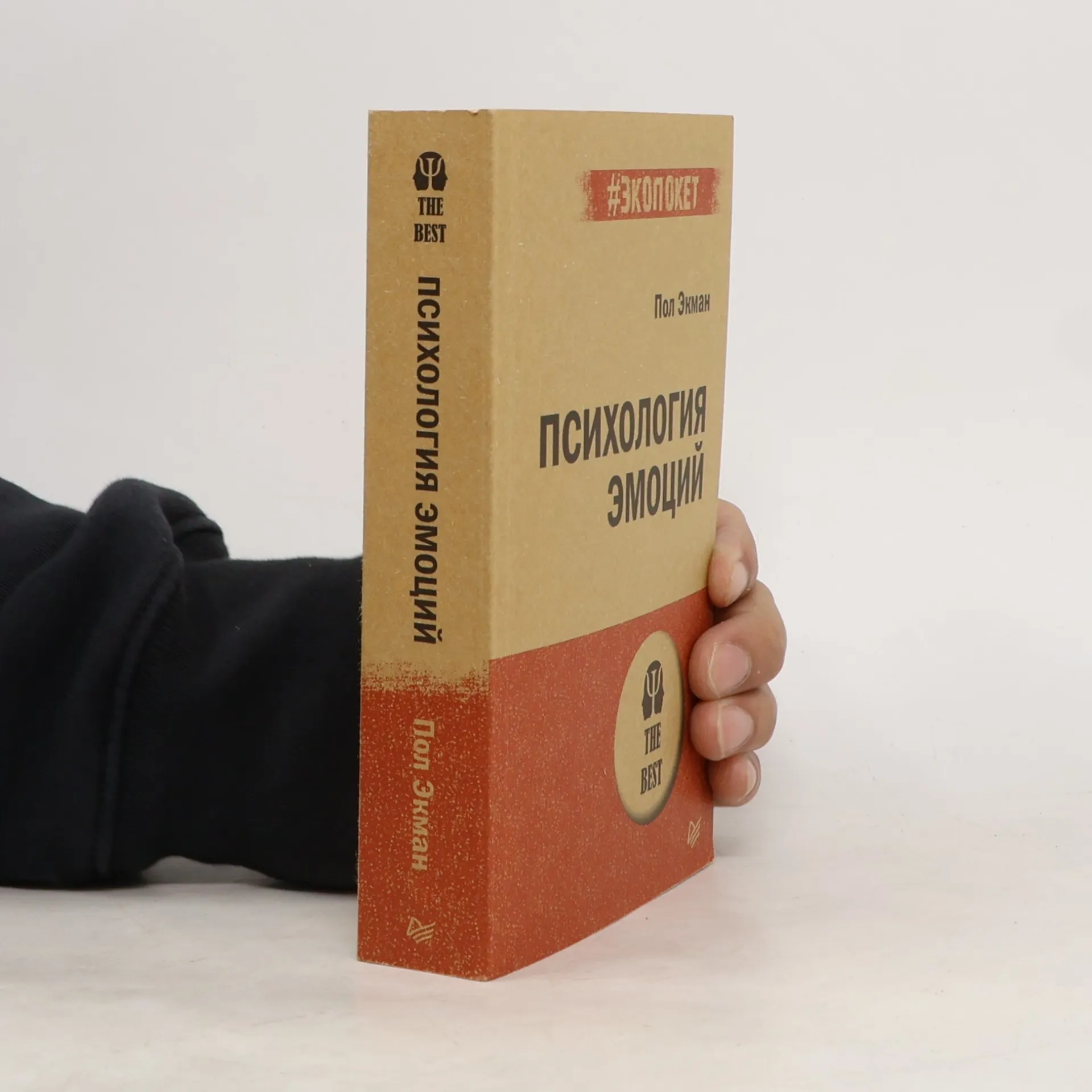
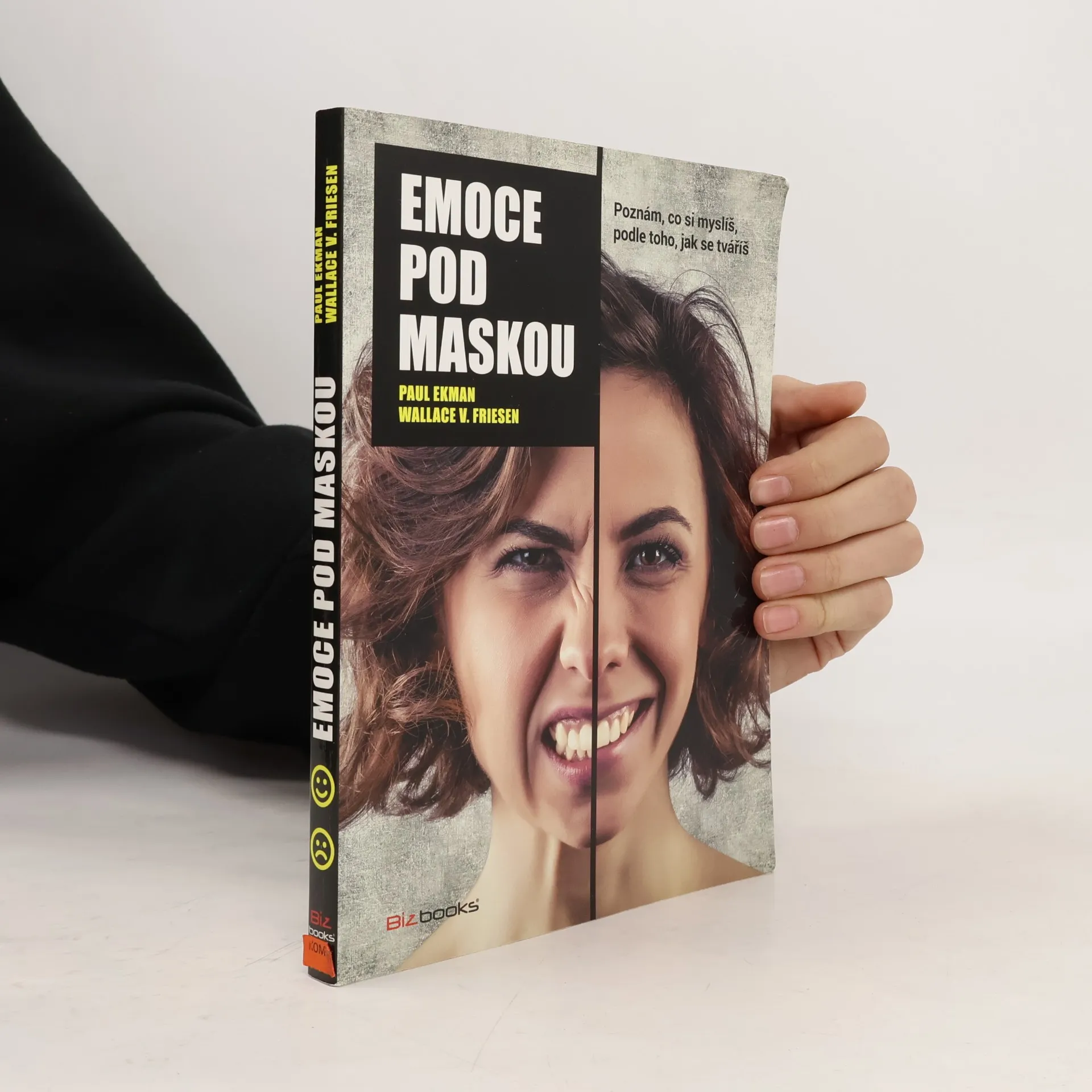
    Emoce pod maskou
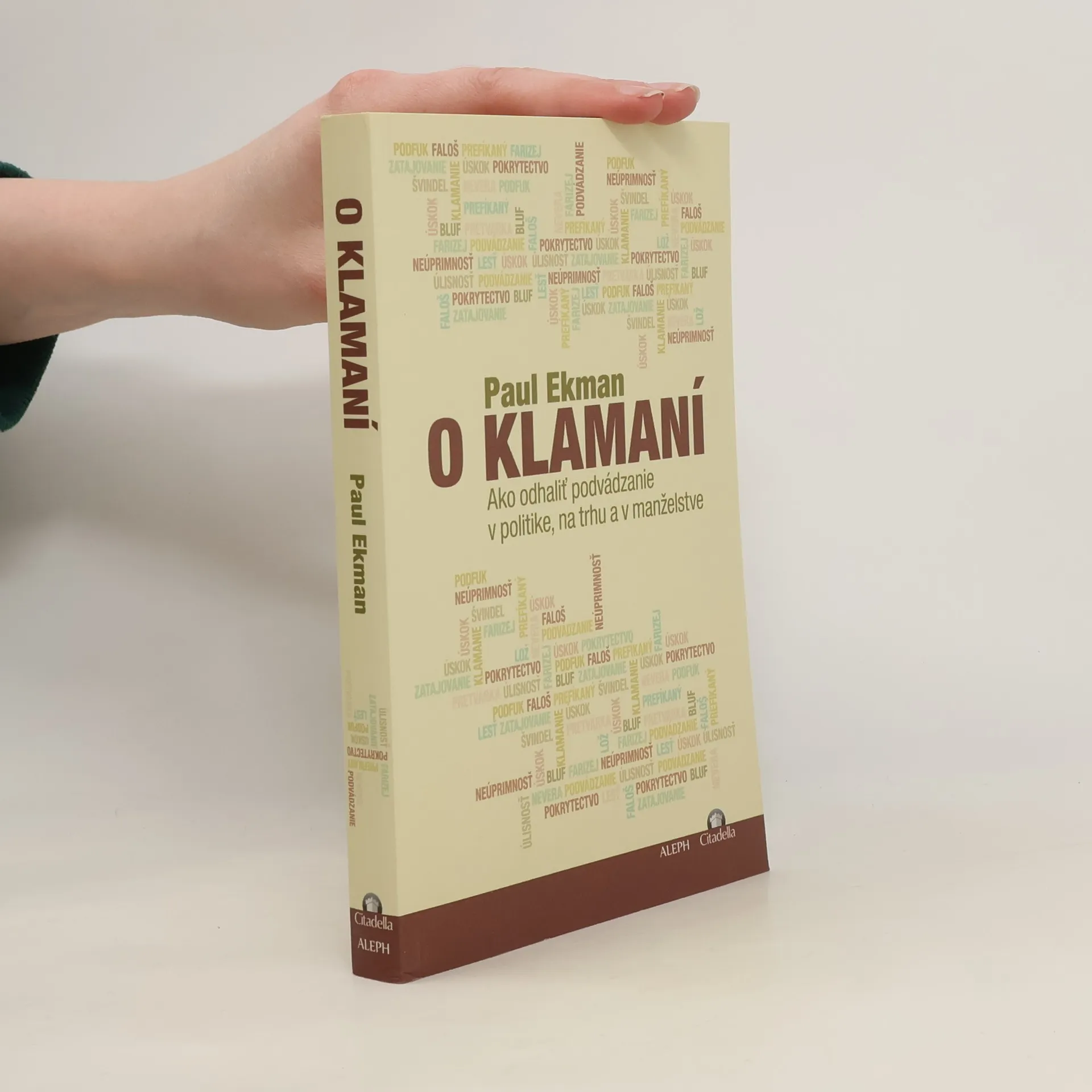
    O klamaní
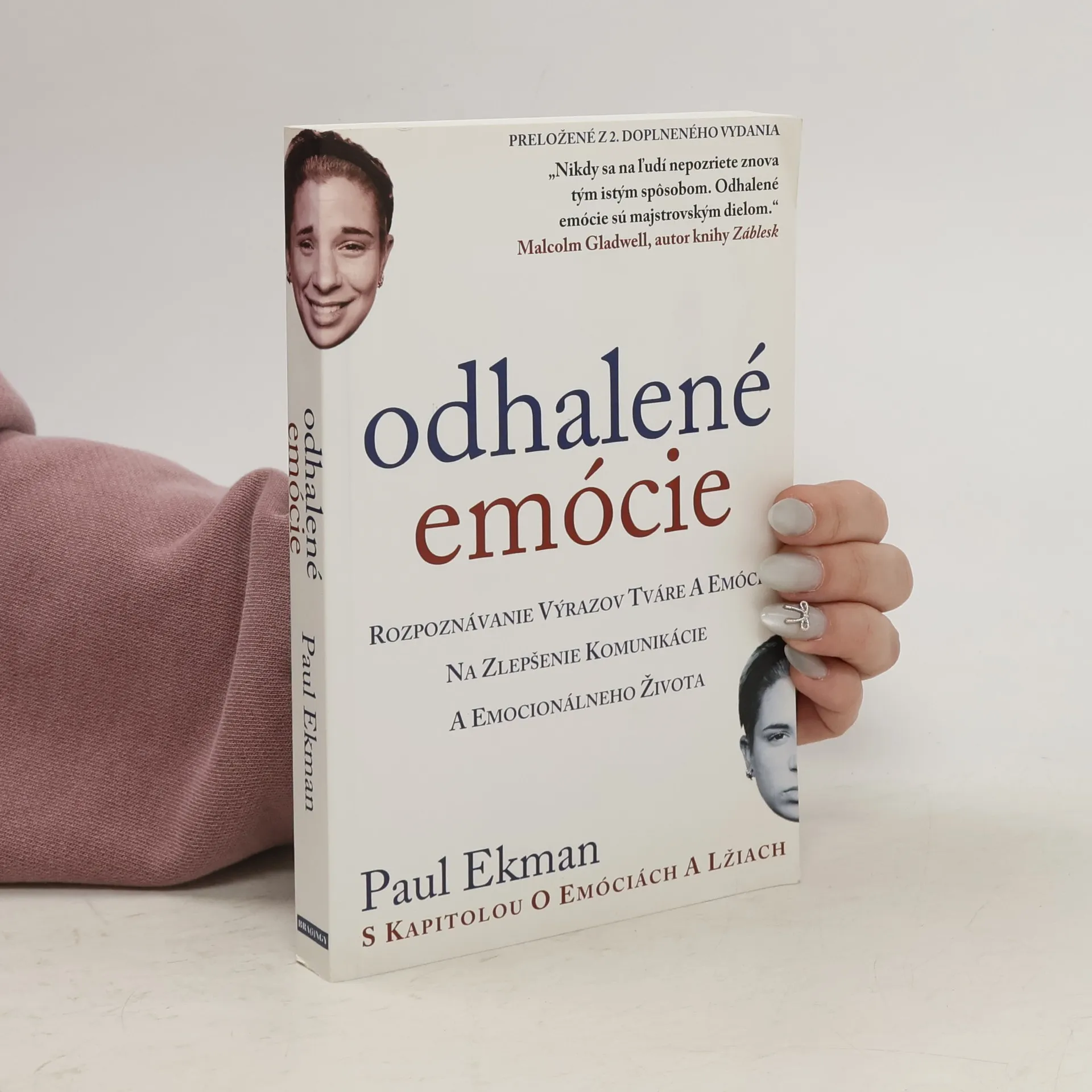
    Odhalené emócie
    • Emoce pod maskou

      • 216 stránok
      • 8 hodin čítania

      Kniha proslulého psychologa Paula Ekmana, kterou sepsal na základě svých dlouholetých výzkumů, vám pomůže vyznat se ve vý- razech tváře lidí kolem vás i té vaší. Budete schopni lépe rozeznávat emoce podle mimiky. Autoři se podrobně věnují jednotlivým emocím – překvapení, strachu, znechucení, vzteku, štěstí a smutku, které dokumentují na sériích pečlivě vybraných fotografi í, ale také popisují, co se v nás odehrává při prožívání daných pocitů.

      Emoce pod maskou2015
      5,0
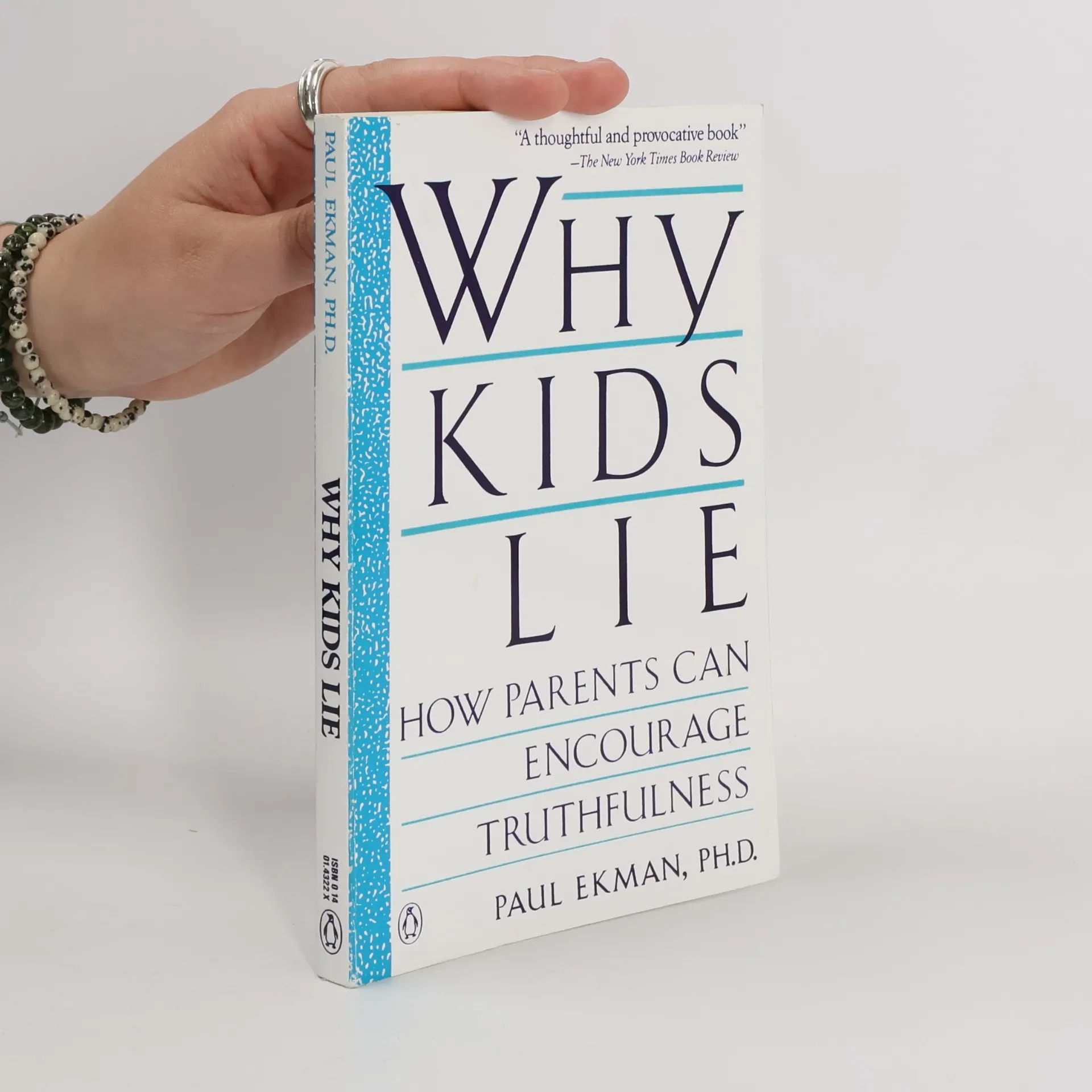
    • Dlaczego dzieci kłamią

      • 240 stránok
      • 9 hodin čítania

      Trudno w to uwierzyć, a jednak Paul Ekman, światowej sławy ekspert w dziedzinie wykrywania kłamstwa, przypadkiem dowiedział się… że został okłamany przez swojego trzynastoletniego wówczas syna, Toma. Wiadomość ta była szokująca zarówno dla Ekmana-ojca, jak i dla Ekmana-naukowca. Postanowił więc dowiedzieć się jak najwięcej na temat kłamstwa wśród dzieci, a do spisania tej wiedzy zaprosił syna i żonę. Efektem rodzinnej współpracy jest wartościowa, poparta pierwszorzędną wiedzą z zakresu psychologii, ale także inspirowana codziennym życiem , książka. Jeśli chcesz dowiedzieć się: • Z jakich powodów dzieci decydują się skłamać? • Kiedy dzieci zaczynają rozumieć ideę kłamstwa? Czy przemilczenie prawdy jest dla nich równoważne z kłamstwem? Jak traktują kłamstwo wypowiedziane w obronie siebie lub innej osoby? • Dlaczego jedne dzieci kłamią więcej, a inne mniej? Czy dzieci, które kłamią, są bardziej, czy mniej inteligentne od prawdomównych? • Dlaczego kłamią nastolatki i jak rodzice mogą ich zachęcać do prawdomówności? Koniecznie przeczytaj Dlaczego dzieci kłamią! To jest książka rodzinna, napisana dla rodzin przez rodzinę. Mamy nadzieję, że pomoże ona rodzicom lepiej przygotować się do wdrożenia programów wspierających prawdomówność i – ostatecznie – przyczyni się do powstania bliższych relacji między rodzicami a dziećmi, zbudowanych na wzajemnym zaufaniu i miłości. Z tekstu

      Dlaczego dzieci kłamią2014
      3,8
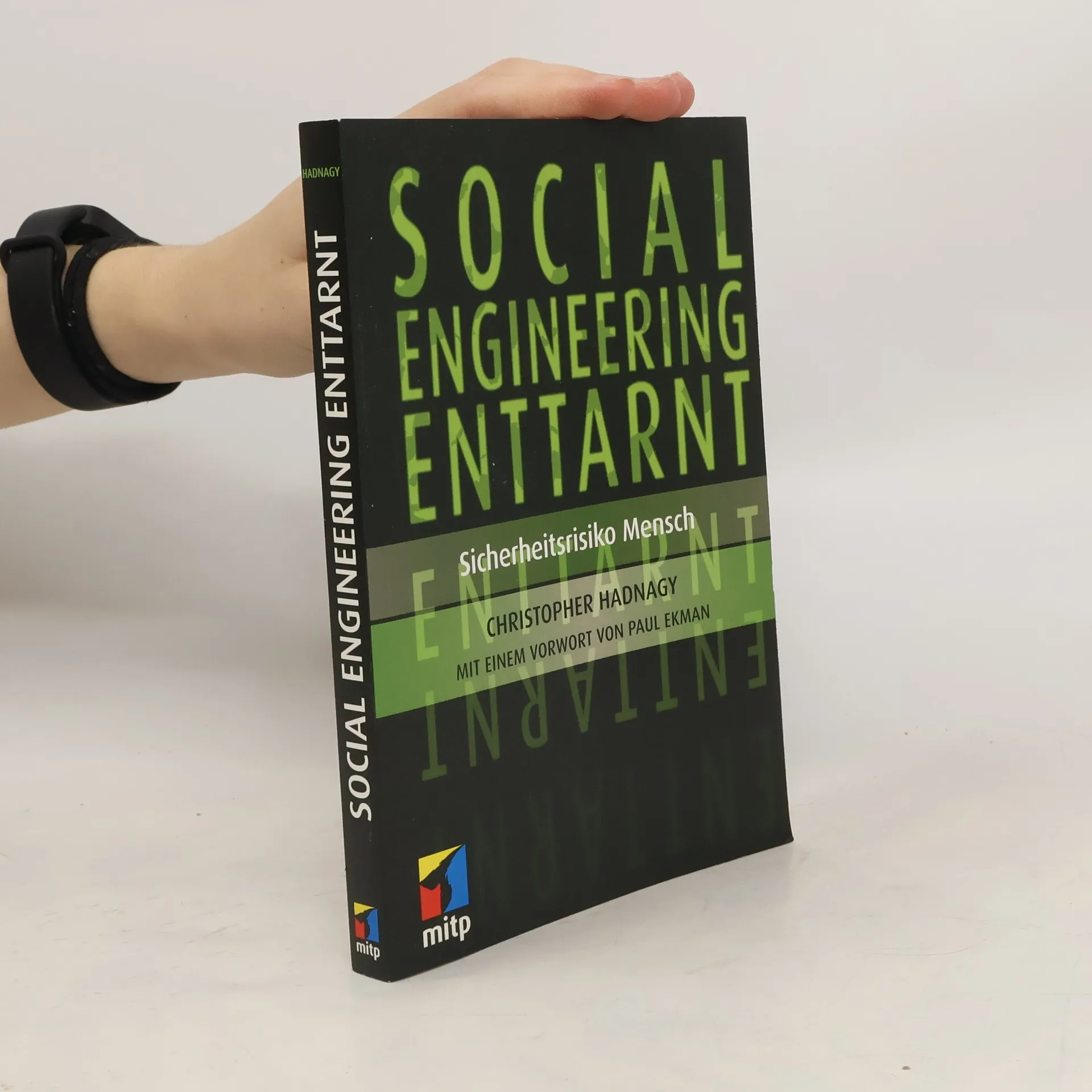
    • Social Engineering enttarnt

      Sicherheitsrisiko Mensch

      Verstehen Sie die menschliche Körpersprache und die verschiedenen Gesichtsausdrücke Lernen Sie, wie Hacker versuchen, Ihr Vertrauen zu gewinnen Erkennen Sie die Sicherheitslücken jenseits der IT-Infrastruktur Setzen Sie Ihre neu erworbenen Kenntnisse und Fertigkeiten der wachsenden Bedrohung durch Human Hacker entgegen Social Engineers sind Experten in der Manipulation ihres Gegenübers und wissen, mit welchen Mitteln sie ihr Ziel erreichen können. Mit diesem Buch werden Sie verstehen lernen, was jemand wirklich denkt – auch wenn er Sie etwas anderes glauben lassen möchte. Gleichzeitig lernen Sie, wie Sie Menschen durch Mimik und Gestik dazu bringen, Ihnen zu vertrauen. Christopher Hadnagy, Dr. Paul Ekman und der Fachredakteur Paul Kelly haben sich in diesem Buch zusammengetan, um zu erklären, wie Social Engineering funktioniert und wie Sie sich davor schützen können. Denn Sicherheit bedeutet mehr als die Abwehr von hinterhältigen Angriffen. Vielmehr geht es darum, das Wissen um Social Engineering und Human Hacking so zu nutzen, dass Sie selbst jederzeit Herr der (Kommunikations-)Lage sind. Aus dem Inhalt: Was ist nonverbale Kommunikation? Was ist Social Engineering Die Sprache der Hände Rumpf, Beine und Füße Die Wissenschaft vom Gesicht Nonverbale Anzeichen von Wohlbefinden und Unbehagen Die nonverbale Seite des Elizitierens Nonverbale Kommunikation und der Mensch

      Social Engineering enttarnt2014
      3,0
    • V knihe svetoznámy psychológ a expert na neverbálnu komunikáciu Paul Ekman zhrnul štyridsať rokov prevratných výskumov do fascinujúceho a prakticky využiteľného čítania. Opisuje, kedy a ako sa stávame emotívnymi, a čo sa pri tom deje – od fyziologických zmien v našom tele po signály vysielané rečou tela, hlasom a mimikou. Tieto signály, najmä jemné pohyby svalov tváre, sa dajú kombinovať viac ako 10.000 spôsobmi, pričom niektoré z nich vyjadrujú univerzálne emocionálne stavy ako smútok, hnev či strach. Ekman sa zaoberá otázkami najčastejších spúšťačov emócií a ich vedomou kontrolou. Prečo niekedy reagujeme prehnane alebo zažívame neprimerané emocionálne reakcie? Môžeme s tým niečo robiť? Prečo niektorí ľudia skrývajú svoje emócie, zatiaľ čo iní ich vyjadrujú verejne? Kniha obsahuje test na odhaľovanie emócií a ponúka cvičenia na zlepšenie vnímania a interpretácie jemných emocionálnych signálov druhých. Tieto aktivity zvýšia vašu pozornosť pri vnímaní telesných pocitov vyvolaných emóciami. Tak sa z napínavého čítania o vede o emóciách stáva návod na ich lepšie a uvedomelejšie prežívanie v každodennom živote.

      Odhalené emócie2012
      4,3
    • In „Gefühle lesen“ fasst Paul Ekman, ein führender Psychologe und Experte für nonverbale Kommunikation, vierzig Jahre seiner Forschung zu einer faszinierenden und praktischen Lektüre zusammen. Er erklärt, wann und wie Emotionen entstehen und was dabei geschieht – von physiologischen Veränderungen bis hin zu den Signalen, die wir durch Körpersprache, Stimme und Mimik aussenden. Letztere zeigt eine immense Vielfalt: Feinste Muskelbewegungen im Gesicht ergeben über 10.000 Kombinationen, von denen viele universelle Ausdrucksformen für Gefühle wie Trauer, Wut oder Angst darstellen. Das Buch behandelt zentrale Fragen: Was sind die häufigsten Auslöser von Emotionen und wie können wir sie bewusst kontrollieren? Warum überreagieren wir manchmal oder zeigen unangemessene emotionale Antworten? Zudem wird erörtert, warum einige Menschen ihre Gefühle besser verbergen können als andere. Ein Test zur Selbsteinschätzung der eigenen Fähigkeit, Emotionen zu erkennen, sowie Übungen zur Wahrnehmung subtiler emotionaler Signale helfen, das Bewusstsein für körperliche Empfindungen zu schärfen. Ekmans Erkenntnisse bieten Perspektiven für den Alltag und zeigen, wie wir bewusster mit unseren Gefühlen leben können.

      Gefühle lesen. 2. Auflage2010
      4,1
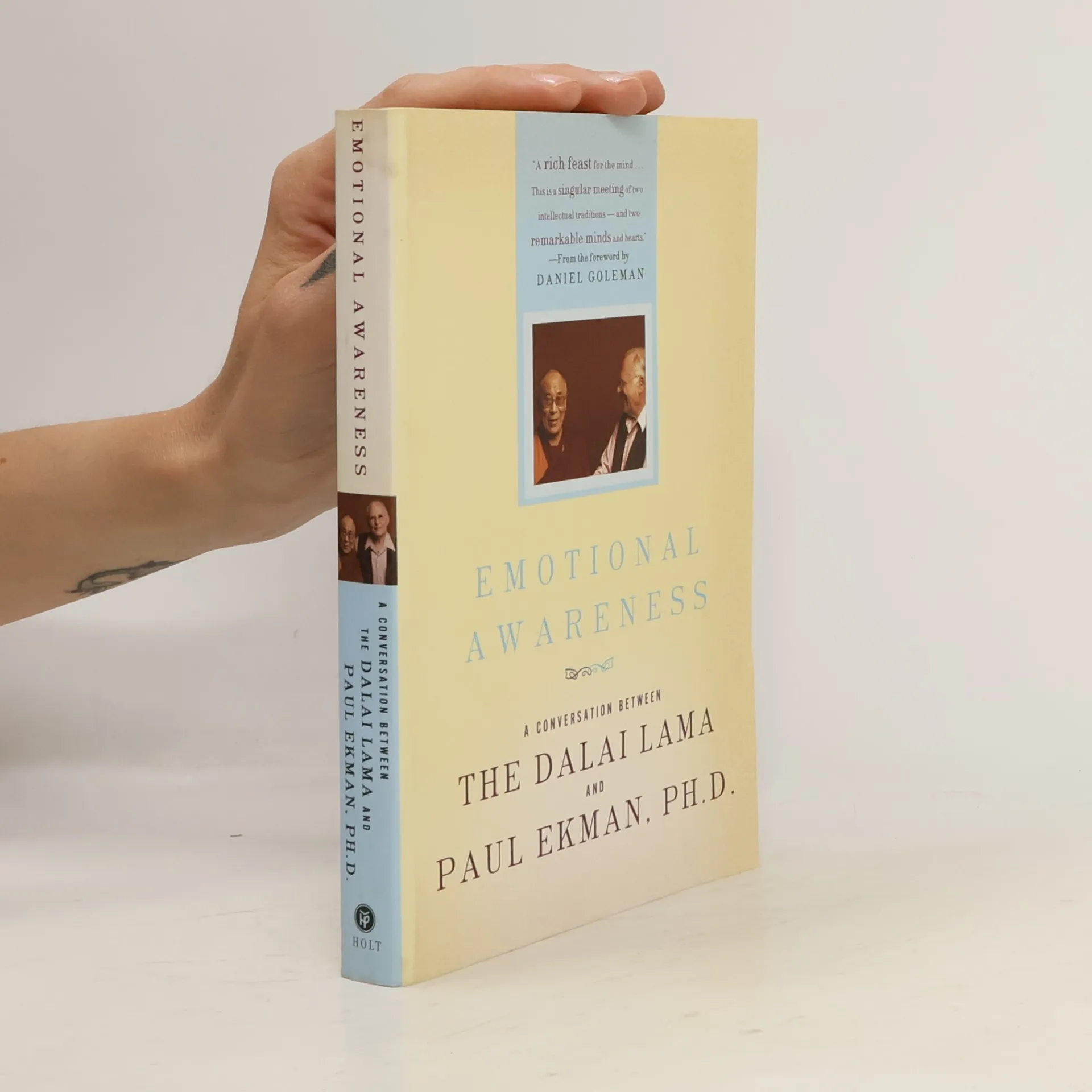
    • Felicità emotiva

      • 348 stránok
      • 13 hodin čítania

      Le emozioni stanno alla base di tutte le nostre azioni, dalle più virtuose alle più malvagie. Ci possono salvare la vita, permettendoci di agire in fretta, ma possono anche rovinarci per sempre. Senza emozioni non ci sarebbero empatia, compassione, eroismo, ma nemmeno crudeltà, egoismo o disprezzo. Indispensabile, quindi, imparare a conoscerle e trovare il giusto equilibrio. Il grande maestro buddista e lo psicologo americano pioniere nella scienza delle emozioni ci guidano alla ricerca della giusta via per trovare la felicità emotiva, attingendo alla millenaria saggezza buddista e alla più avanzata scienza occidentale. Un libro facile e concreto che può cambiare il modo in cui guardiamo a noi stessi. Un leader spirituale erede di una cultura millenaria e lo psicologo che ha contribuito a definire la moderna scienza delle emozioni mettono a confronto il loro pensiero, tracciando un percorso comune per la costruzione della felicità. Le emozioni stanno alla base di tutte le nostre azioni, dalle più virtuose alle più malvagie. Possono salvarci la vita, o rovinarcela per sempre.

      Felicità emotiva2010
      4,0
    • What the Face Reveals

      • 672 stránok
      • 24 hodin čítania

      While we have known for centuries that facial expressions can reveal what people are thinking and feeling, it is only recently that the face has been studied scientifically for what it can tell us about internal states, social behavior, and psychopathology. Today's widely available, sophisticated measuring systems have allowed us to conduct a wealth of new research on facial behavior that has contributed enormously to our understanding of the relationship between facial expression and human psychology. The chapters in this volume present the state-of-the-art in this research. They address key topics and questions, such as the dynamic and morphological differences between voluntary and involuntary expressions, the relationship between what people show on their faces and what they say they feel, whether it is possible to use facial behavior to draw distinctions among psychiatric populations, and how far research on automating facial measurement has progressed. The book alsoincludes follow-up commentary on all of the original research presented and a concluding integration and critique of all the contributions made by Paul Ekman.As an essential reference for all those working in the area of facial analysis and expression, this volume will be indispensable for a wide range of professionals and students in the fields of psychology, psychiatry, and behavioral medicine.

      What the Face Reveals2005
      4,3
    • 'A charming, sound, sane map to the world of emotions, the perfect guide' Daniel Goleman, author of EMOTIONAL INTELLIGENCE. Using 40 years of groundbreaking research, Paul Ekman explores why and when we become emotional and what happens when we do - the external signs and facial expressions. So much of what we communicate is non-verbal. In this very practical book, Paul Ekman helps the reader to observe the underlying, concealed emotions that we can observe in those around us, and understand why our bodies react in the ways they do. EMOTIONS REVEALED also helps the reader to identify why they might feel 'overly' emotional in some situations, and why some people wear their heart on their sleeve whilst others manage to conceal their feelings, even from those close to them. Chapters include 'When do we get emotional?', 'Changing what we become emotional about' as well as 'Anger', 'Fear', 'Surprise' and 'Happiness'. Most importantly, it shows how we can apply this understanding to everyday situations to improve our quality of life.

      Emotions Revealed. Understanding Faces and Feelings2003
      4,1
    • Filled with breakthrough research, the book explains how to identify the facial expression of basic emotions and how to tell when people try to mask, simulate or neutralize their expression. Features practical exercises to help build skills.

      Unmasking the face : a guide to recognizing emotions from facial clues2003
      4,0
    • Warum Kinder lügen

      • 287 stránok
      • 11 hodin čítania

      Wenn Kinder damit beginnen ihre Eltern anzulügen, empfinden Mutter und Vater meist Enttäuschung und Ratlosigkeit, die zu Problemen zwischen Eltern und Kindern führen können, wenn sie nicht rechtzeitig geklärt werden.Der Psychologe Paul Ekmann beschreibt in seinem Buch die unterschiedlichsten Formen des kindlichen Lügens und macht auf die Einflüsse durch Alter, familiäre oder schulische Situationen aufmerksam. Er macht Vorschläge, wie die Eltern ihre Kinder zur Wahrheitsliebe motivieren können.

      Warum Kinder lügen1990
      3,7
    • O klamaní

      • 320 stránok
      • 12 hodin čítania

      Vieme, kedy ľudia klamú? Profesor Paul Ekman presvedčivo ukázal, že lož vieme odhaliť a nepotrebujeme na to ani detektor lží. So svojimi kolegami zostavil metodiku a celú sieť kritérií na odhaľovanie mikrovýrazov tváre a ďalších behaviorálnych kľúčov, ako je reč tela, pomocou ktorých vieme zistiť, či daná osoba klame. Kniha O klamaní opisuje, ako sa lži líšia svojou formou a ako sa môžu líšiť od iných typov dezinformácií, ktoré môžu pomýliť aj profesionálnych lovcov lží: sudcov, policajných dôstojníkov či agentov tajných služieb. Vo svojej knihe sa usiluje ukázať, ako možno výsledky jeho dlhoročného vedeckého výskumu aplikovať aj v bežnom živote, v politike, v manželstve, skrátka všade tam, kde sa stretávame s klamaním a podvádzaním.

      O klamaní1989
      3,9