Antonio Mele sa zameriava na finančnú ekonómiu, pričom jeho výskum sa sústreďuje na dynamiku finančných trhov, makroekonómiu a behaviorálne financie. S hlbokým pochopením trhových mechanizmov a psychológie investorov jeho práca odhaľuje zložitosť moderných finančných systémov. Jeho akademické pôsobenie na popredných inštitúciách mu umožňuje skúmať kľúčové otázky, ktoré formujú globálnu ekonomiku. Meleho analýzy ponúkajú cenné poznatky pre pochopenie finančných trendov a rizík.
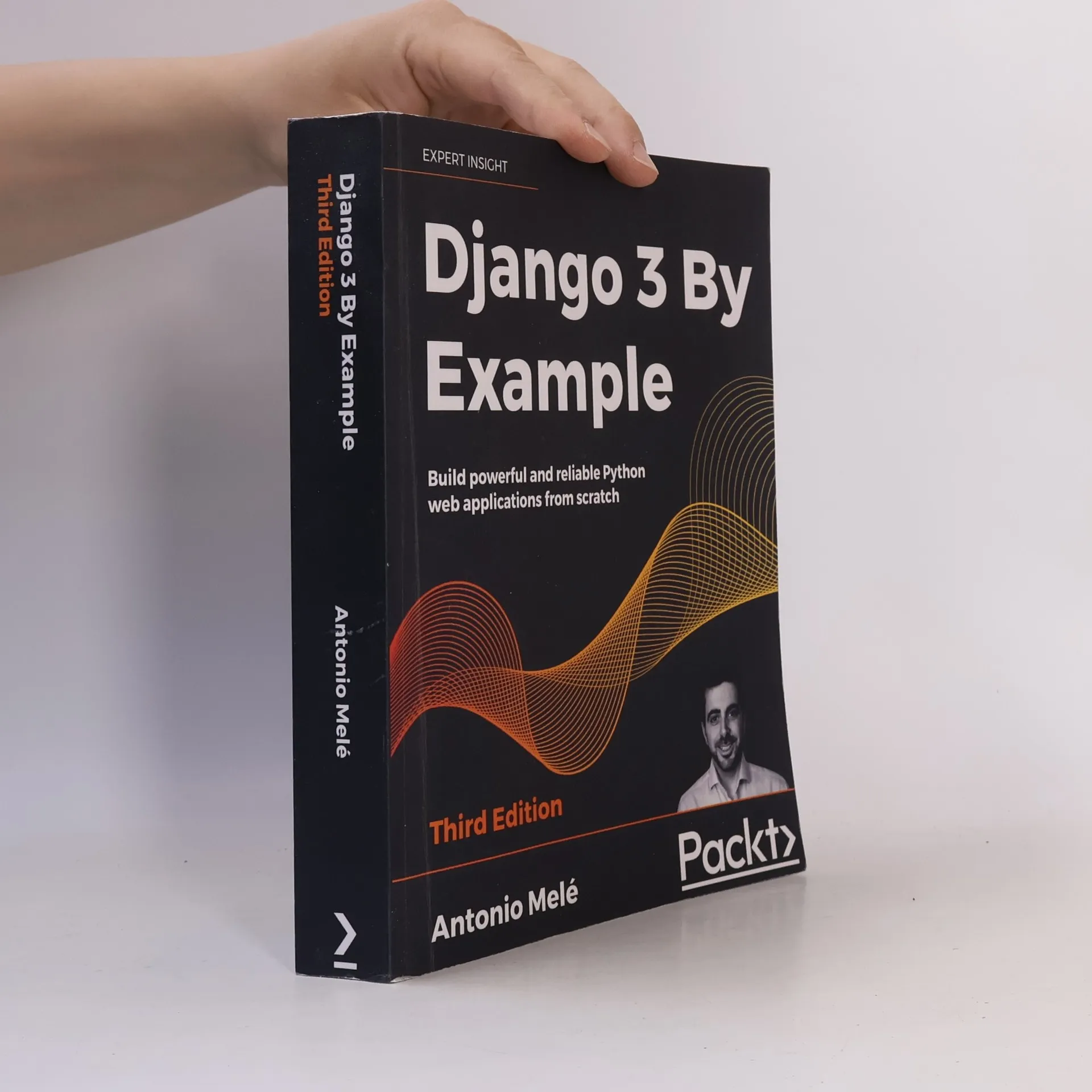
Django 3 By Example, Third Edition, explores key Django features and best practices that every Python web developer should be aware of. This third edition is fully updated for Django 3 and a new chapter on Django Channels for real-time features has been added. Much more than just a reference guide, this book shows you how Django works in the ...
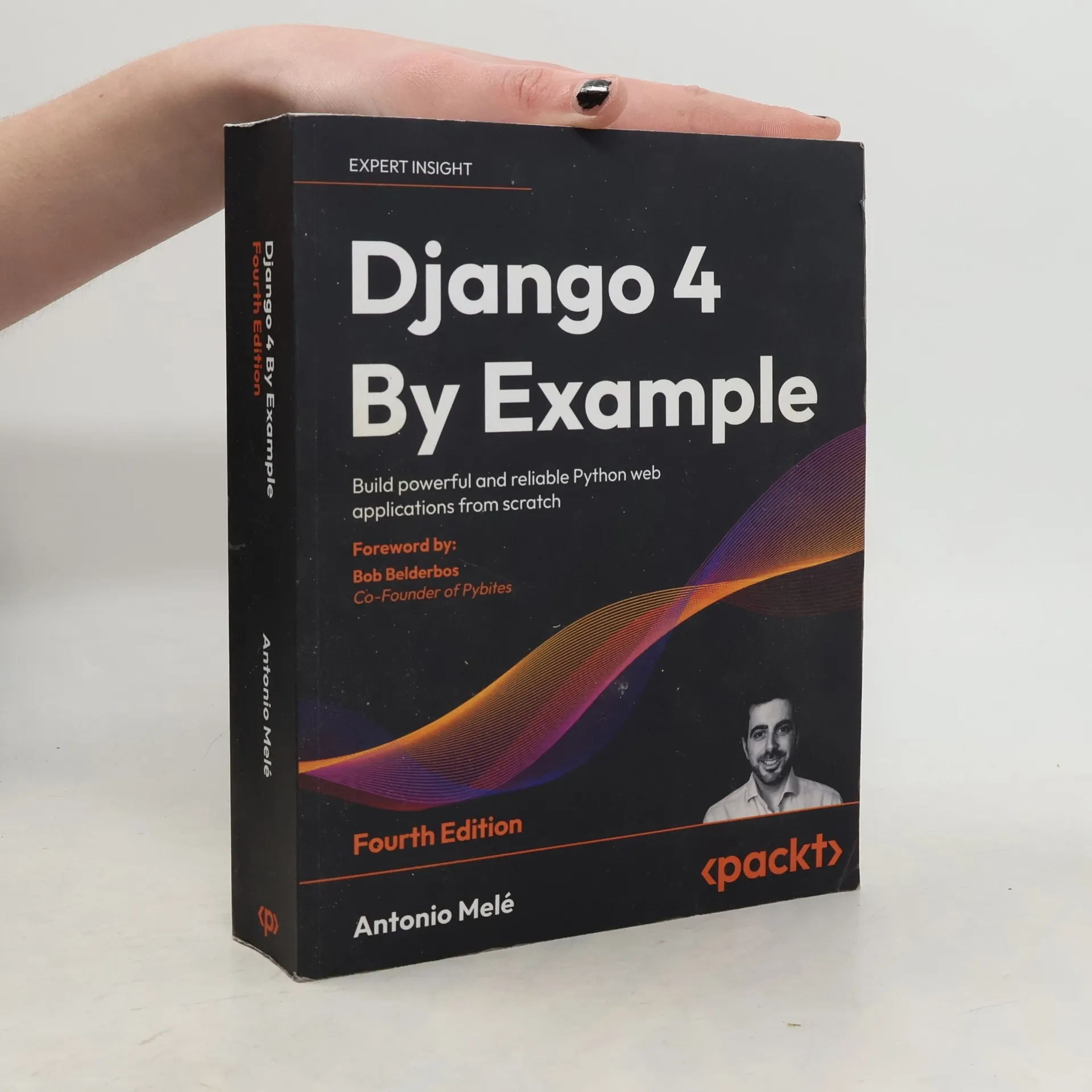
Build Powerful and Reliable Python Web Applications from Scratch - Fourth Edition
766 stránok
27 hodin čítania
Learn to create fully functional web applications with features like authentication, content management, payment processing, and RESTful APIs. Key functionalities include full-text search engines, user activity streams, payment gateways, and recommendation engines. Integrate technologies such as JavaScript, PostgreSQL, Redis, Celery, and Memcached, and add real-time features using Django Channels and WebSockets.
This 4th edition guides you through building real-world applications with a step-by-step approach, covering a variety of development topics through four distinct projects. You'll create a blog application with data models, views, URLs, an admin site, sitemaps, RSS feeds, and a PostgreSQL search engine. For a social website, you'll implement authentication via Facebook, Twitter, and Google, along with user profiles, image thumbnails, and an activity stream. The e-commerce application includes a product catalog, shopping cart, asynchronous tasks with Celery, Stripe payment processing, and a product recommendation engine. Lastly, the e-learning platform features a content management system, caching with Memcached and Redis, a RESTful API, real-time chat with WebSockets, and a production environment setup using NGINX, uWSGI, and Docker Compose.
This practical guide is suitable for readers with basic Python knowledge and those transitioning from other frameworks, aiming to master Django through hands-on projects. Prior k