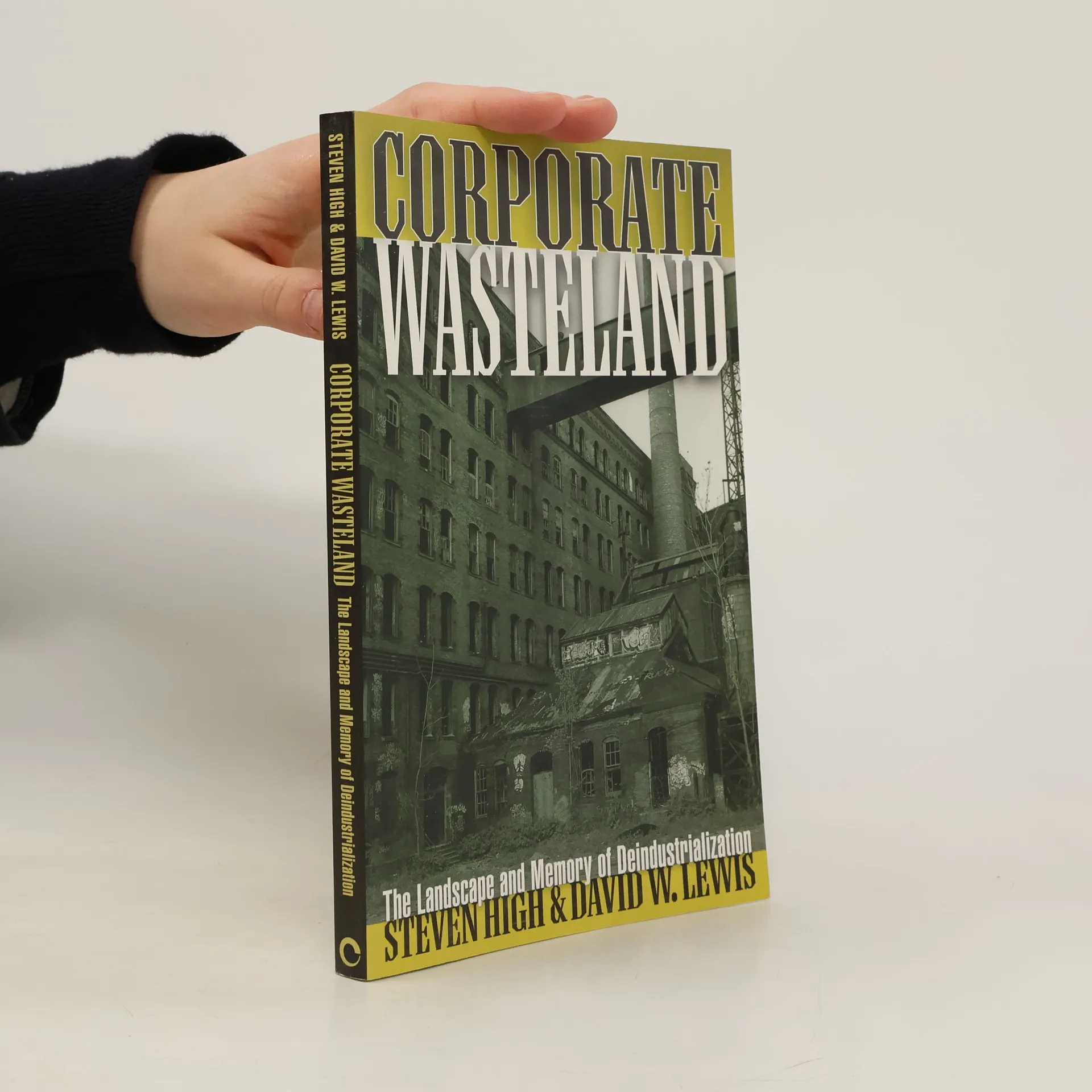
Deindustrialization transcends mere economics, encompassing social and cultural dimensions. The remnants of our industrial past—dilapidated factories, abandoned machinery, and obsolete infrastructure—have long shaped the North American landscape. Recently, these modern ruins have transformed into cultural attractions, appealing to adventurers, artists, and those drawn to forgotten heritage. Through a blend of oral history, photographs, and essays, this work delves into the loss and rediscovery of these sites. The authors introduce the concept of the deindustrial sublime, examining how the demolition of iconic industrial structures marks significant transitions in history. They follow urban spelunkers who explore former industrial sites, sharing their experiences and images within a vibrant online community. To explore how geographic and emotional proximity influences the memory and representation of deindustrialization, the narrative focuses on Youngstown, Ohio, where residents and former steelworkers navigate reminders of better times. The work concludes with photo essays from Michigan, Ontario, West Virginia, and Pennsylvania, pairing haunting visuals with the poignant testimonies of those who remember these sites as workplaces rather than relics. This exploration compels readers to move beyond nostalgia, reinterpreting the deindustrialized landscape as a historical and imaginative challenge to our understanding of the dis
David W. Lewis Knihy
David W. Lewis je dekanom Univerzitnej knižnice IUPUI a asistentom viceprezidenta pre digitálnu vedeckú komunikáciu na Indiana University. Jeho práca sa zameriava na kritické otázky v oblasti knihovníctva a vedeckej komunikácie. Lewis sa zaoberá budúcimi trendmi a výzvami v prístupe k informáciám a ich správe. Jeho vízia prispieva k formovaniu budúcich knižničných služieb a vedeckých iniciatív.