Don't Push the Button! A Halloween Treat
- 22 stránok
- 1 hodina čítania
Approaching a scary house while treat-or-treating, a reluctant monster warns readers not to ring the doorbell or the monsters that live there may gobble them up.


Bill Cotter je vášnivým bádateľom a fanúšikom svetových výstav od svojej prvej návštevy Svetovej výstavy v New Yorku v rokoch 1964–1965. Jeho zbierka vintage fotografií bola prezentovaná v mnohých knihách, vrátane troch predchádzajúcich titulov pre Arcadia Publishing, ako aj v článkoch, dokumentoch a na webových stránkach, ktoré dokumentujú históriu výstav. Jeho tvorba sa sústreďuje na vizuálne rozprávanie príbehov a nostalgické zobrazenie technologického pokroku a kultúrnej atmosféry minulej éry.
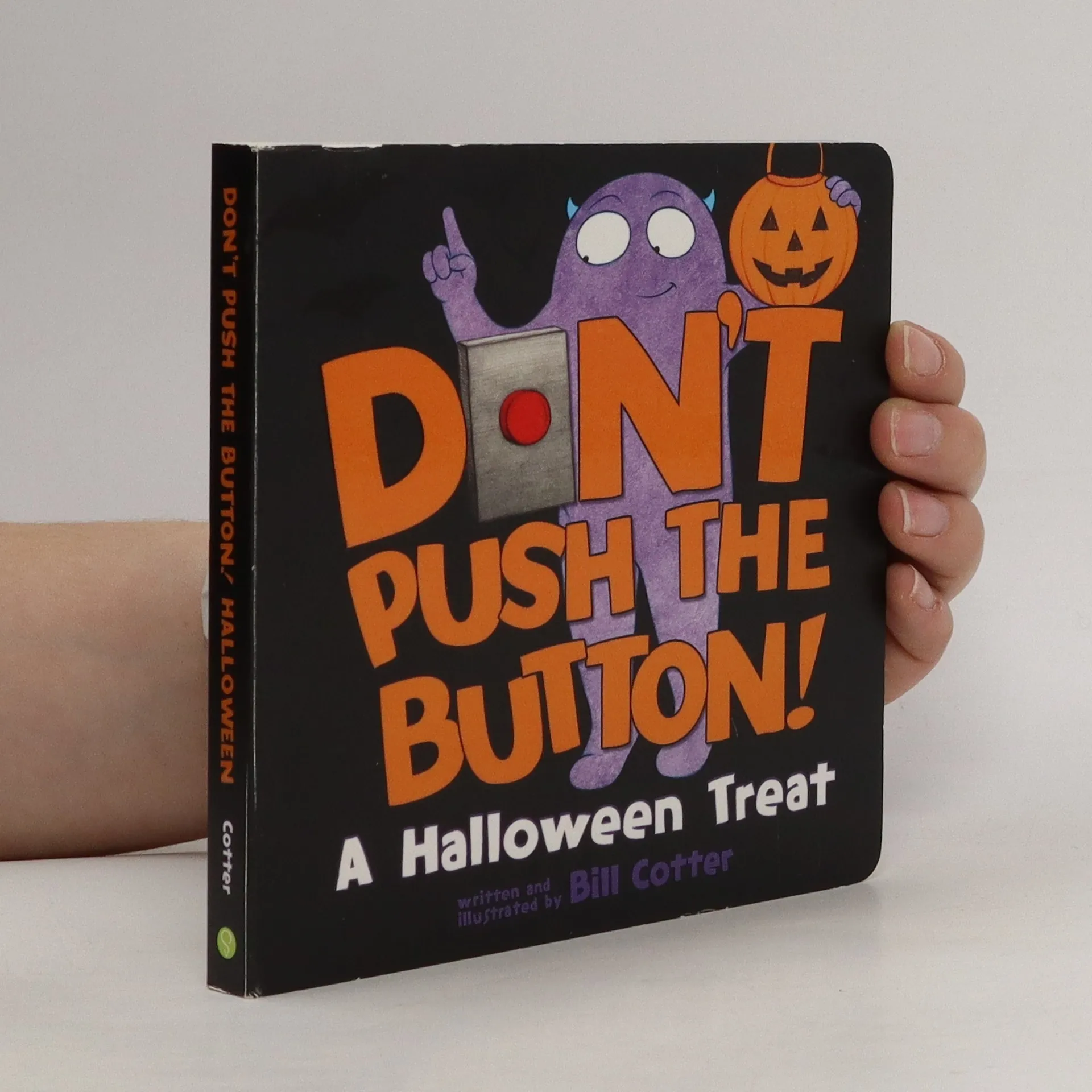

Approaching a scary house while treat-or-treating, a reluctant monster warns readers not to ring the doorbell or the monsters that live there may gobble them up.
Larry the lovable monster from Don't Push the Button! is back with another hilarious, interactive adventure!I know what you're thinking: this is a pretty cool-looking book. But ... DON'T TOUCH THIS BOOK! (Don't even try it, bub.)Okay, okay. You can touch, but you can only use ONE finger. Whoa
Set against the backdrop of the Great Depression, the 1933-34 Chicago World's Fair celebrated a century of progress in the city. It featured participation from major American companies and international countries, showcasing innovations and histories. Despite initial financial struggles, small investors helped bring the fair to life, which ultimately attracted 39 million visitors and turned a profit. This book includes a collection of rare and previously unpublished photographs that capture the fair's major attractions and the transformations that occurred between its two seasons.
The only rule in Larry's book is that the reader not push the button, but when no one is looking, it may be irresistible
Set against the backdrop of the 1960s Space Race, Seattle's ambitious campaign for the 1962 World's Fair transformed the city into a futuristic showcase. With over nine million visitors, the fair featured a vibrant array of exhibits from around the globe, reimagining urban life and technology. Iconic structures like the Space Needle and monorail emerged, leaving a lasting legacy on Seattle's landscape. After the fair, the site evolved into a complex of parks and museums, continuing to enrich the city's culture and community.
After enduring 10 harrowing years of the Great Depression, visitors to the 1939-1940 New York World's Fair found welcome relief in the fair's optimistic presentation of the "World of Tomorrow." Pavilions from America's largest corporations and dozens of countries were spread across a 1,216-acre site, showcasing the latest industrial marvels and predictions for the future intermingled with cultural displays from around the world. Well known for its theme structures, the Trylon and Perisphere, the fair was an intriguing mixture of technology, science, architecture, showmanship, and politics. Proclaimed by many as the most memorable world's fair ever held, it predicted wonderful times were ahead for the world even as the clouds of war were gathering. Through vintage photographs, most never published before, The 1939-1940 New York World's Fair recaptures those days when the eyes of the world were on New York and on the future.
WONDERFUL WORLD OF DISNEY TELEVISION, THE: A COMPLETE HISTORY by Cotter, Bill