

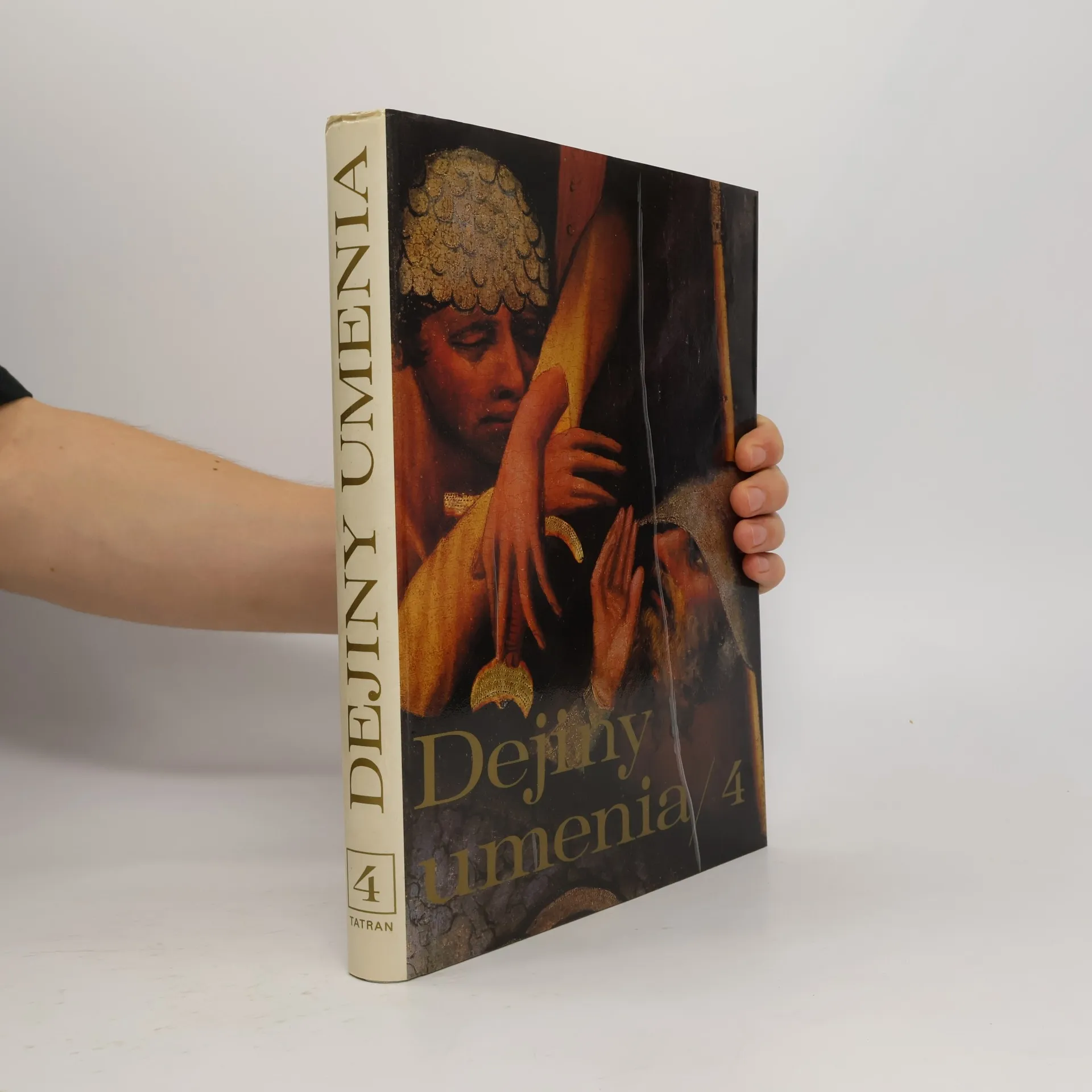
Predgotické umenie, prehľad gotického umenia v Európe a východnom Stredomorí, islamské umenie, pamiatky Indie, juhovýchodnej Ázie, Číny a Japonska
Libuše Macková Knihy
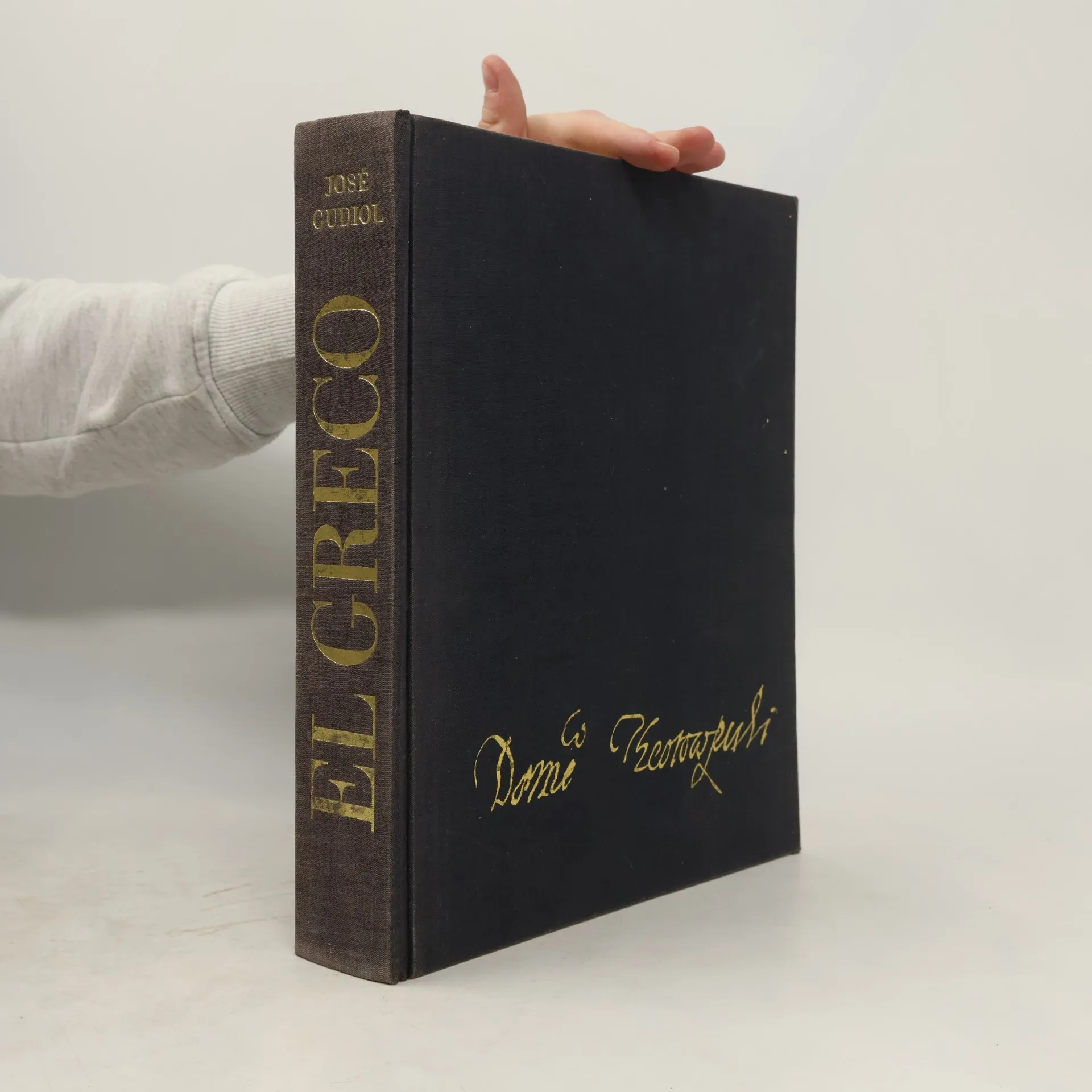

Prvý zväzok diela oboznamuje čitateľa s prvými prejavmi výtvarného cítenia prehistorického človeka.
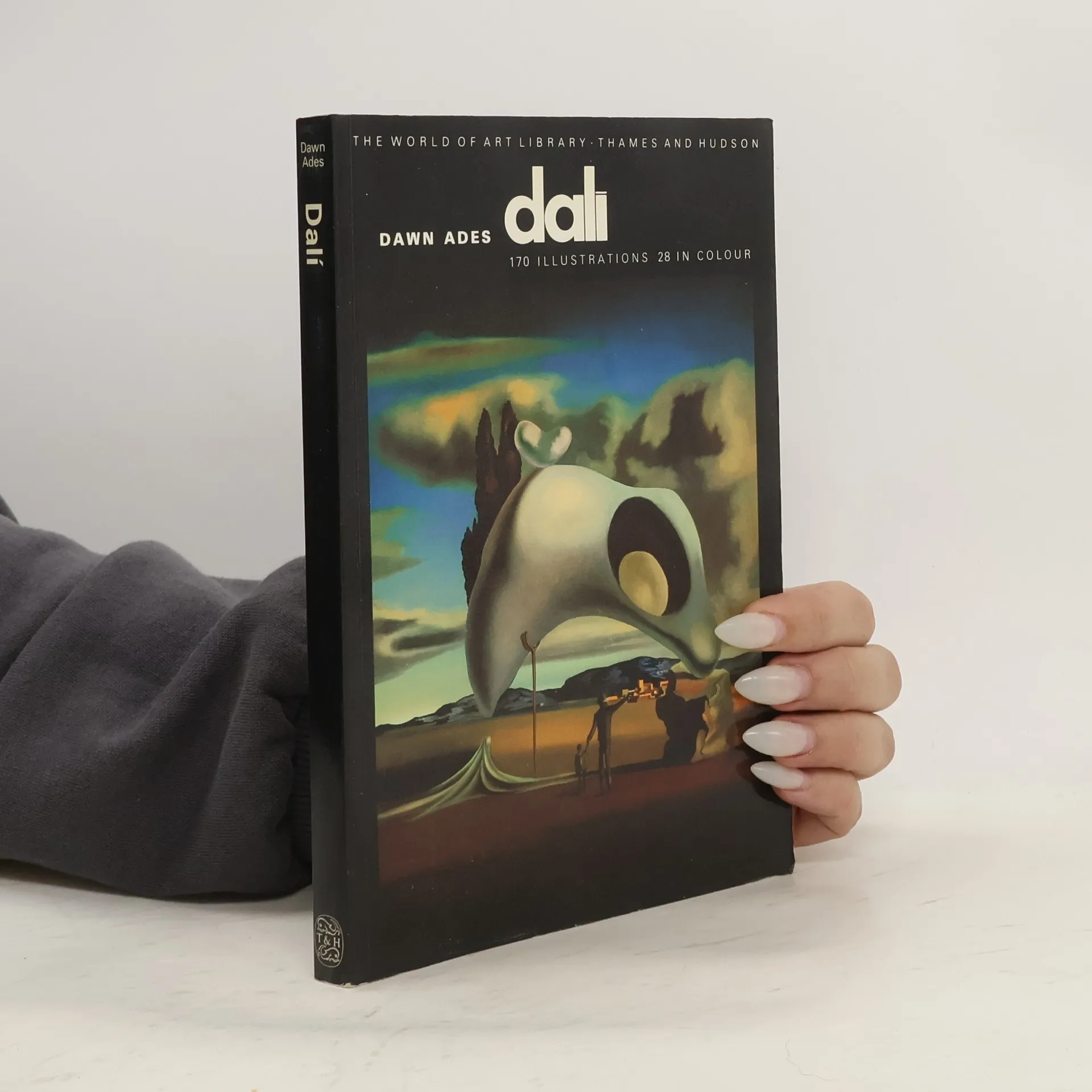
Dalí
- 216 stránok
- 8 hodin čítania
The volume contains an introductory essay by Dawn Ades, with scholarly research incorporated in a 'Dali Dictionary' in the entries on individual works, and in the chronology, which includes a quantity of new material.
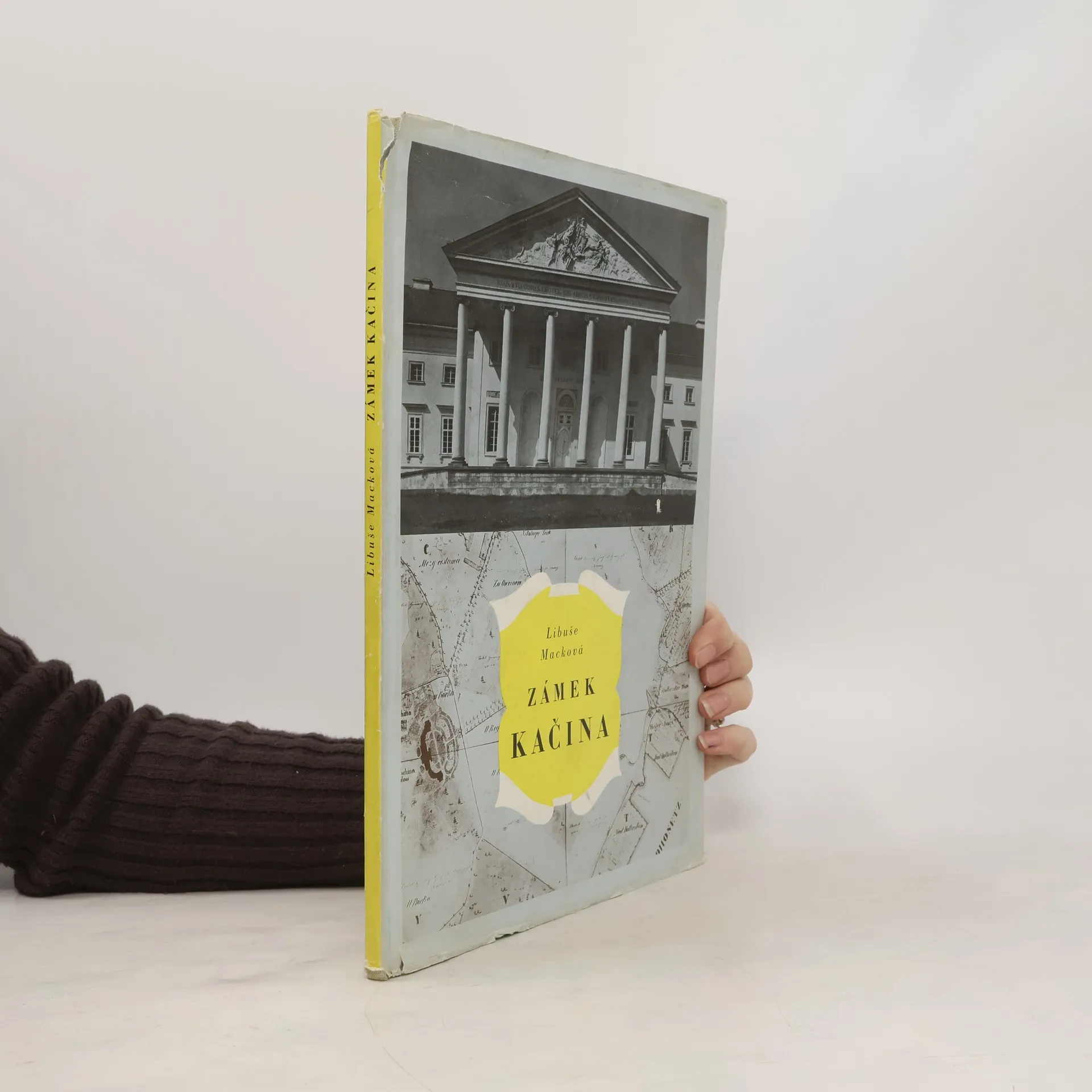
Studie podává podrobný popis zámku Kačiny, význačné památky klasicistní architektury u nás. Probírá hlavní rysy klasicistní theorie architektury a na stavbě zámku ukazuje, jak tato theorie dosahovala v praxi s minimálními prostředky maximálního estetického a ideového účinku. Text je doprovozen četnými záběry zámku, nárysy i snímky jeho detailů.
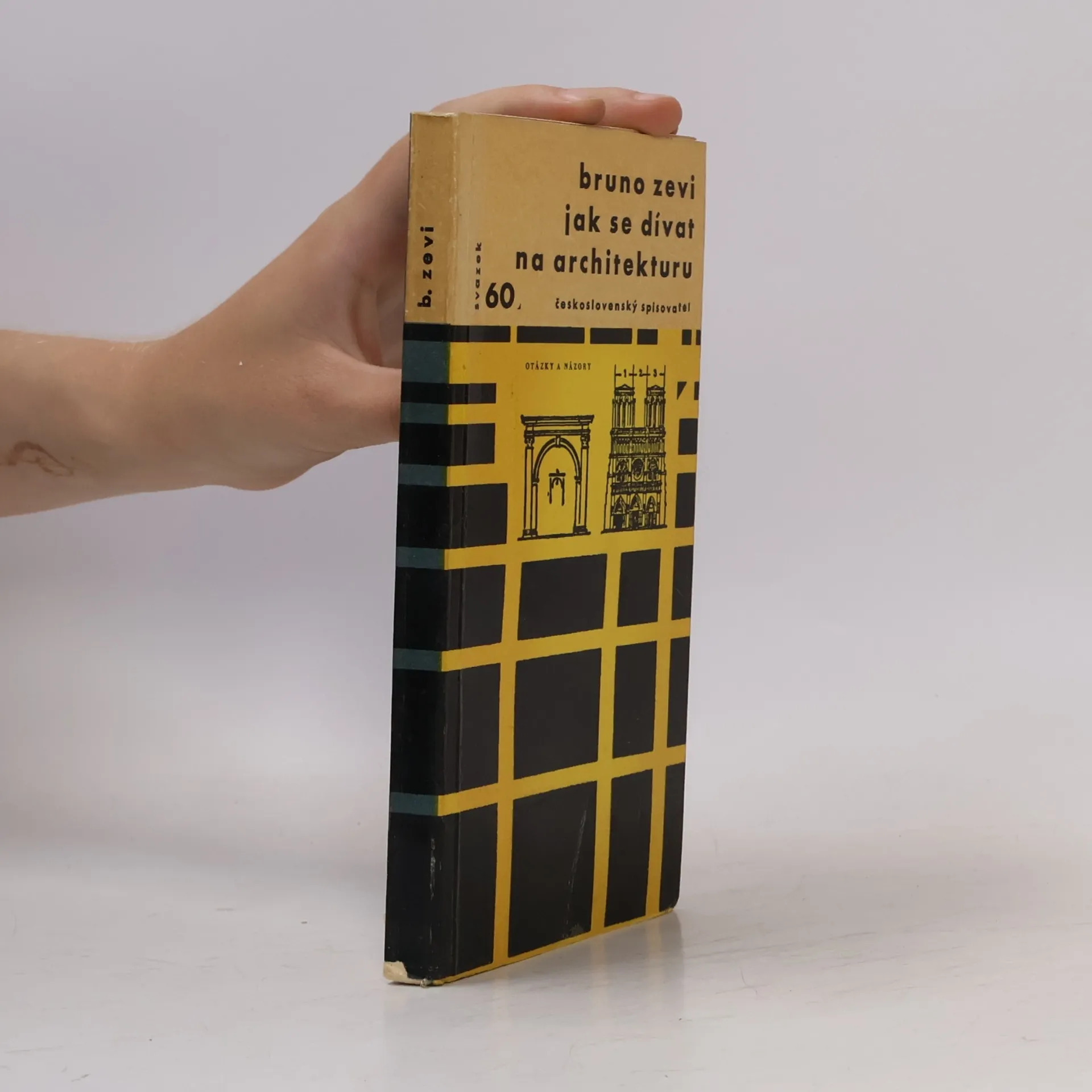
Autor se zamýšlí nad všeobecnou neznalostí, nezájmem a neporozuměním moderní architektuře. Účelem studie je proto naučit dívat se na moderní architekturu a vysvětlit její podstatu. V jednotlivých kapitolách objasňuje pojem časoprostoru a jeho význam v architektuře, zobrazování prostoru a hlediska, která ovlivňovala jednotlivé prostorové koncepce. Další stať je věnována rozboru jednotlivých architektonických teorií od politickéafilosoficko-náboženské až k formalistické a nynější prostorové teorii. Závěr se zabývá dalším vývojem a perspektivou moderní organické architektury.