Focusing on accessibility, this book is a reproduction of a historical work published by Megali, a house dedicated to producing large print editions. This initiative aims to enhance reading experiences for individuals with impaired vision, ensuring that important historical texts remain available and legible for a wider audience.
Titus Lucretius Carus Poradie kníh (chronologicky)
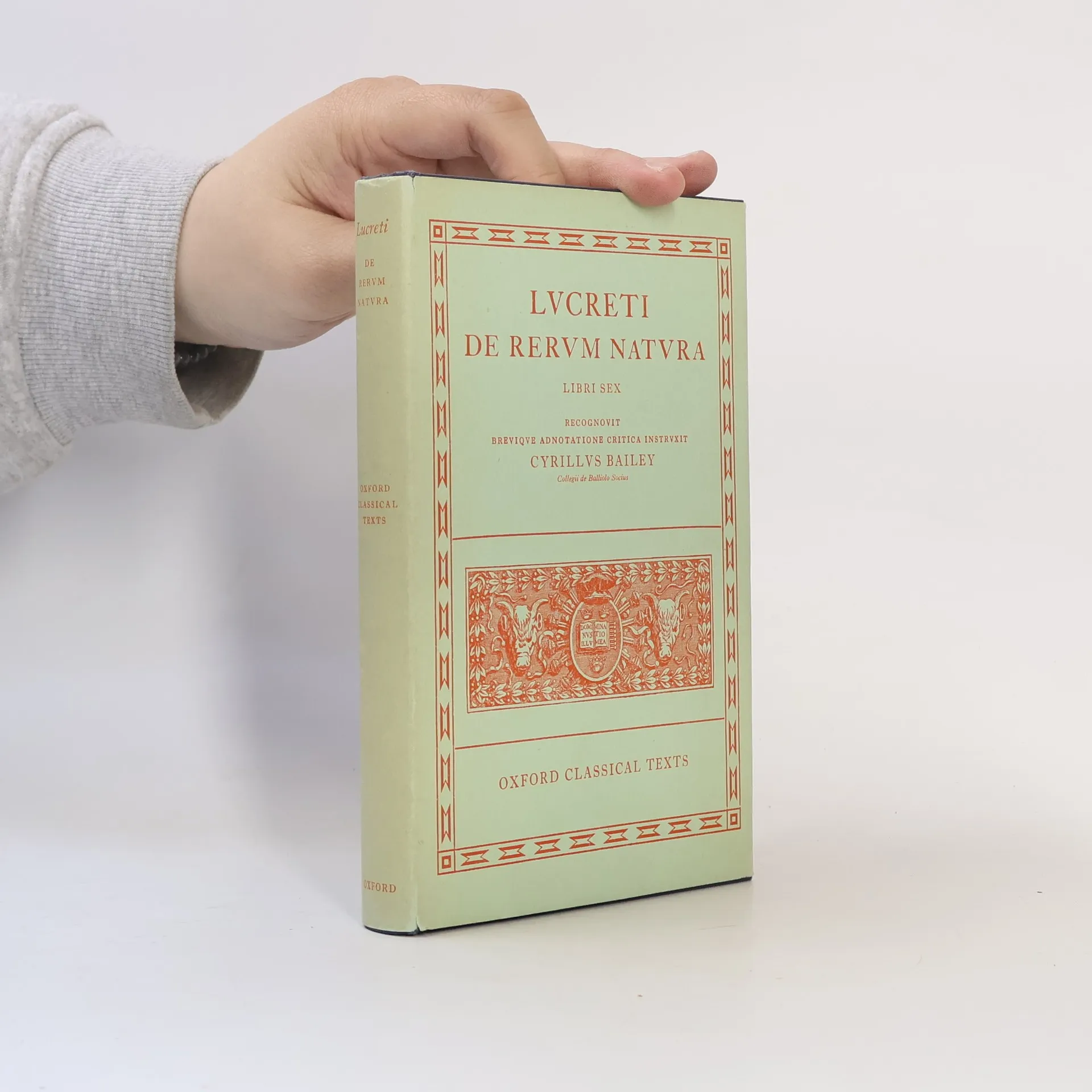
Lucretius bol rímsky básnik a filozof, ktorého jediné známe dielo je epická filozofická báseň zaoberajúca sa princípmi a filozofiou epikureizmu. Vo svojej práci sa ponoril do zložitosti vesmíru a ľudskej existencie, ponúkol racionálny pohľad na svet a snažil sa oslobodiť ľudí od strachu zo smrti a bohov. Jeho písanie je známe svojím vznešeným jazykom a presvedčivou argumentáciou, ktorá čitateľov vyzýva k hlbokému zamysleniu nad povahou reality. Lucretiov majstrovský kus je nadčasovým svedectvom o snahe pochopiť naše miesto vo vesmíre.


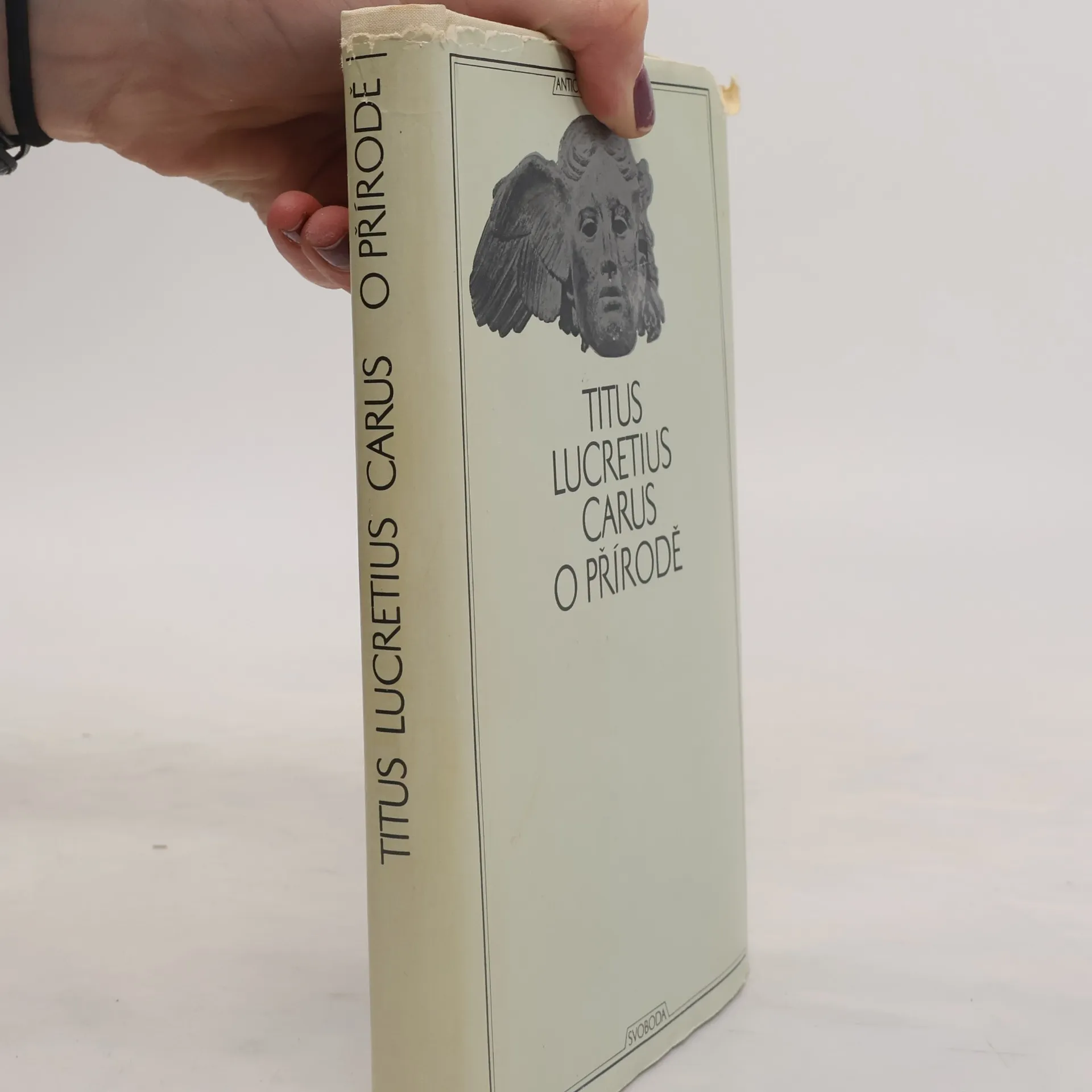
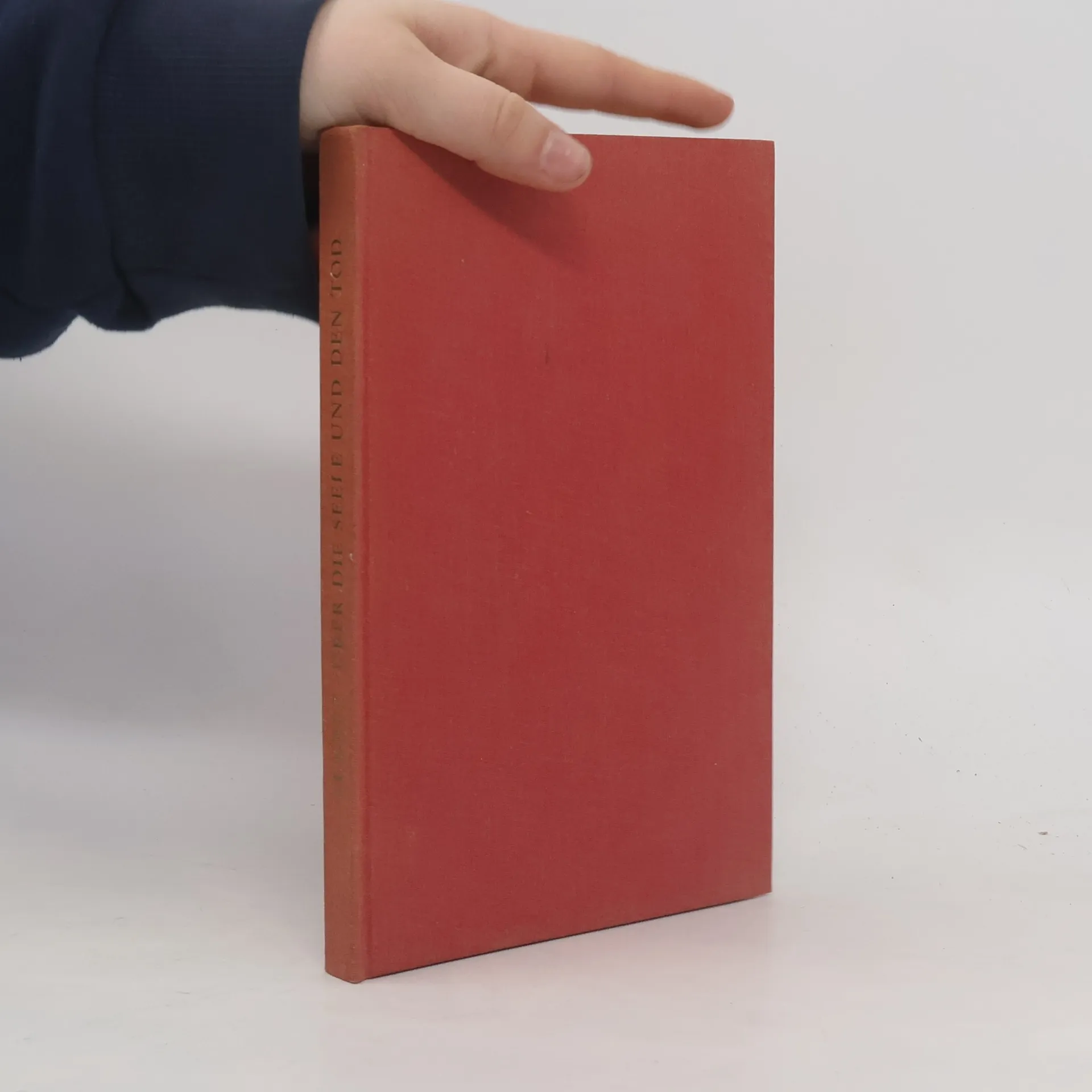
T. Lucretius Carus: Von der Natur der Dinge. Band 2
- 332 stránok
- 12 hodin čítania
Keine ausführliche Beschreibung für "CARUS: V. D. NATUR D. DINGE BD. 2 (KNEBEL) LCND" verfügbar. Frontmatter -- VIERTES BUCH -- FÜNFTES BUCH -- SECHSTES BUCH Inhaltsverzeichnis Frontmatter -- VIERTES BUCH -- FÜNFTES BUCH -- SECHSTES BUCH
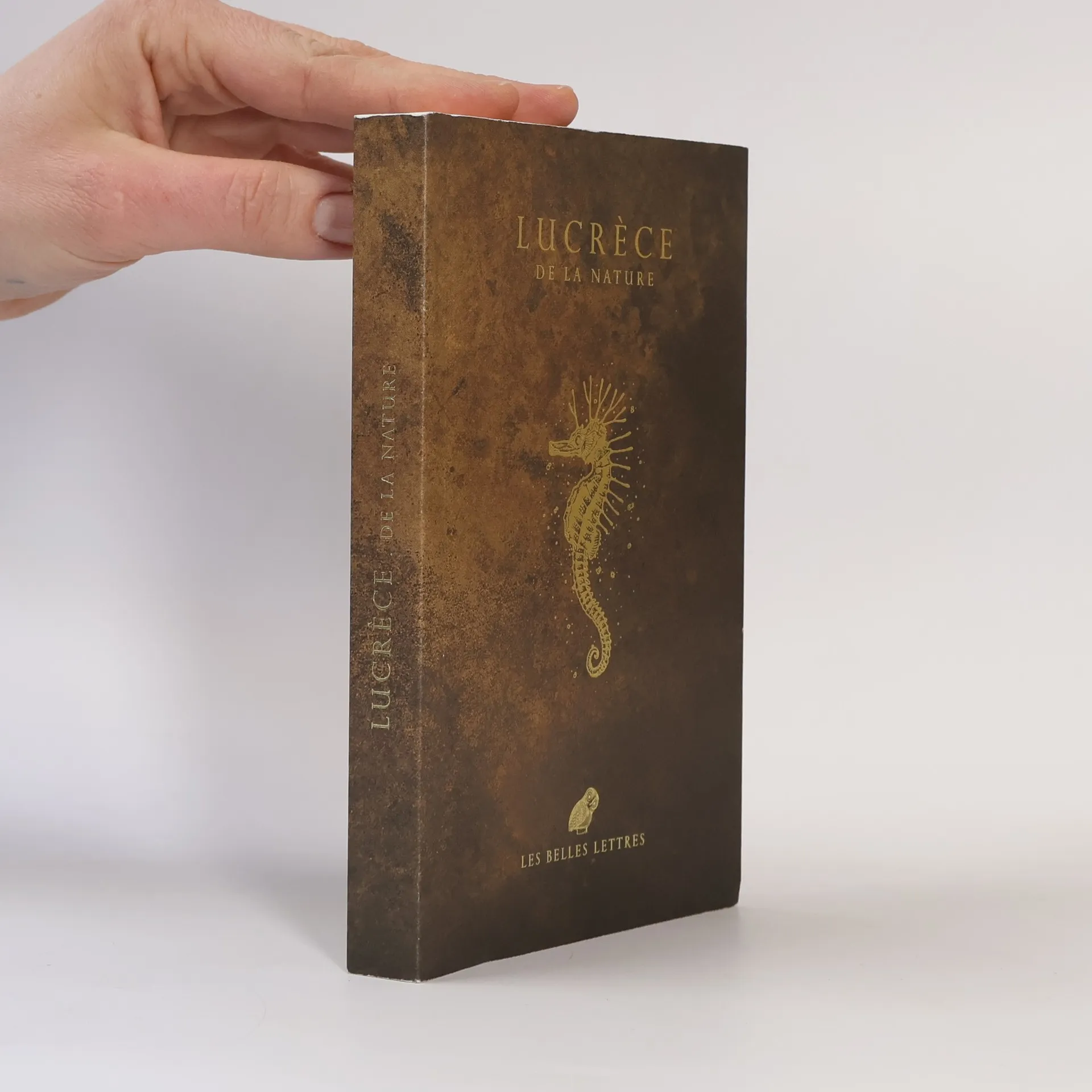
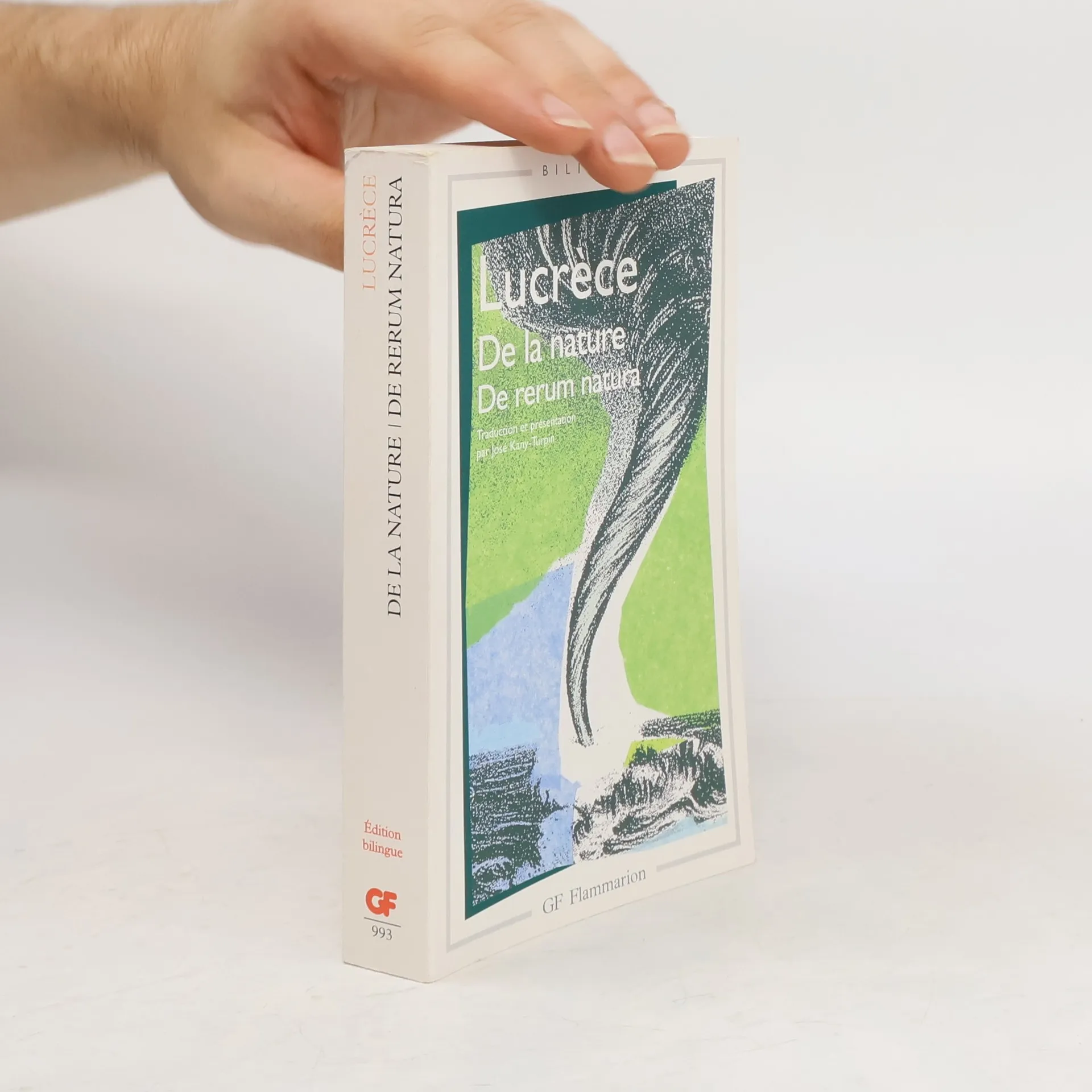
Lucrece, de la nature
- 313 stránok
- 11 hodin čítania
Je veux te révéler les principes des choses, te montrer où la nature puise les éléments dont elle crée, fait croître et nourrit toutes choses, ou elle les ramène de nouveau après la mort et la dissolution. I, 55-57.
Exploring the philosophy of Epicureanism, this collection features six essential works that delve into the pursuit of pleasure, the nature of the universe, and the contrast between Stoicism and Epicurean thought. Key texts include Epicurus's letters and doctrines, Cicero's examination of good and evil, Lucretius's insights on nature, and essays by Temple and Hicks that further illuminate Epicurean beliefs. Together, these writings provide a comprehensive understanding of Epicurean philosophy and its significance in the broader context of ancient thought.
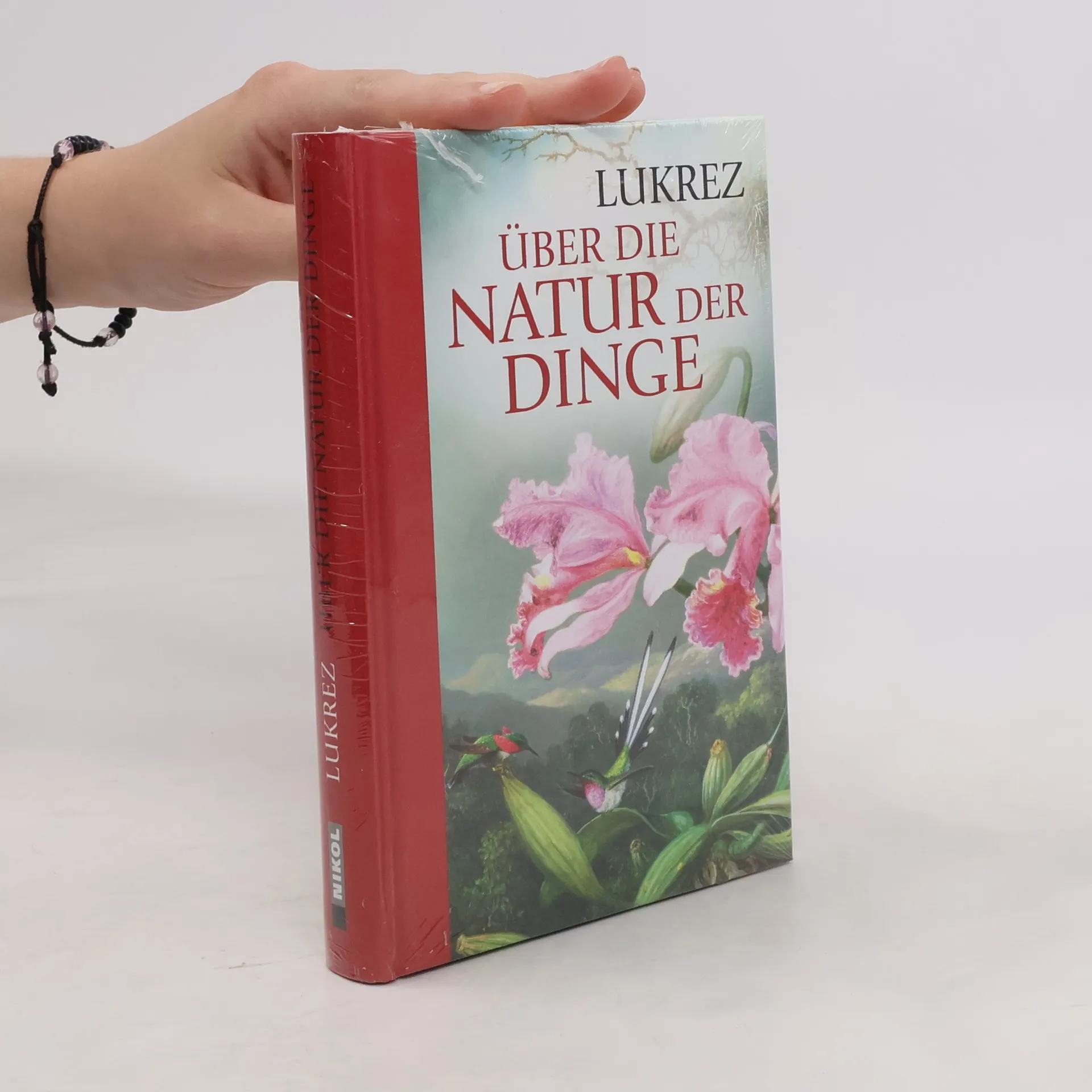
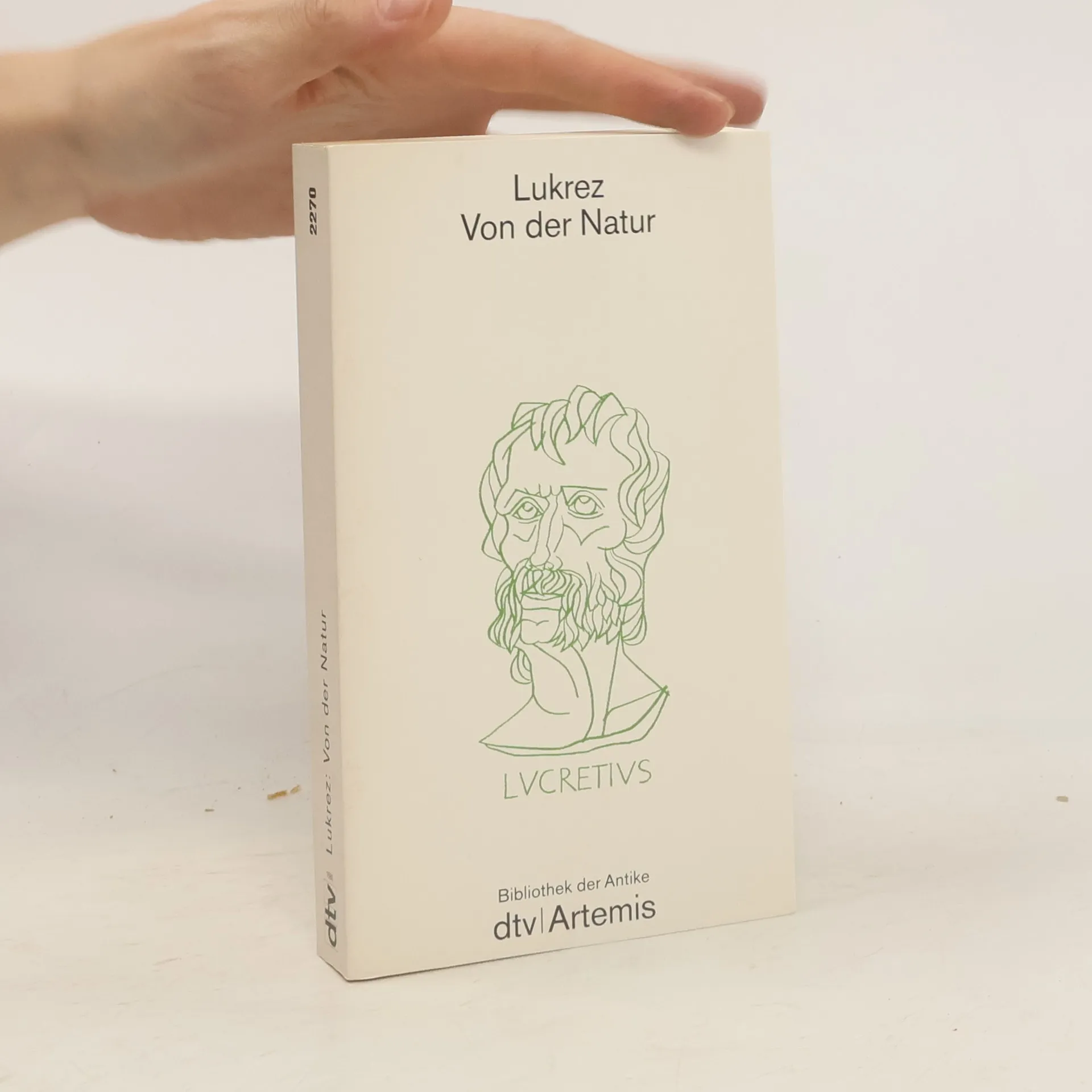
Über die Natur der Dinge
- 256 stránok
- 9 hodin čítania
Lukrez, eigentlich Titus Lucretius Carus, war ein Vertreter der Philosophie Epikurs. In seinem in Versform verfassten Werk »Über die Natur der Dinge« (lat. De rerum natura) entwickelt er ein sehr rationalistisches und materialistisches Weltbild mit Hilfe des antiken Atomismus, der für die damalige Zeit geradezu visionär war.
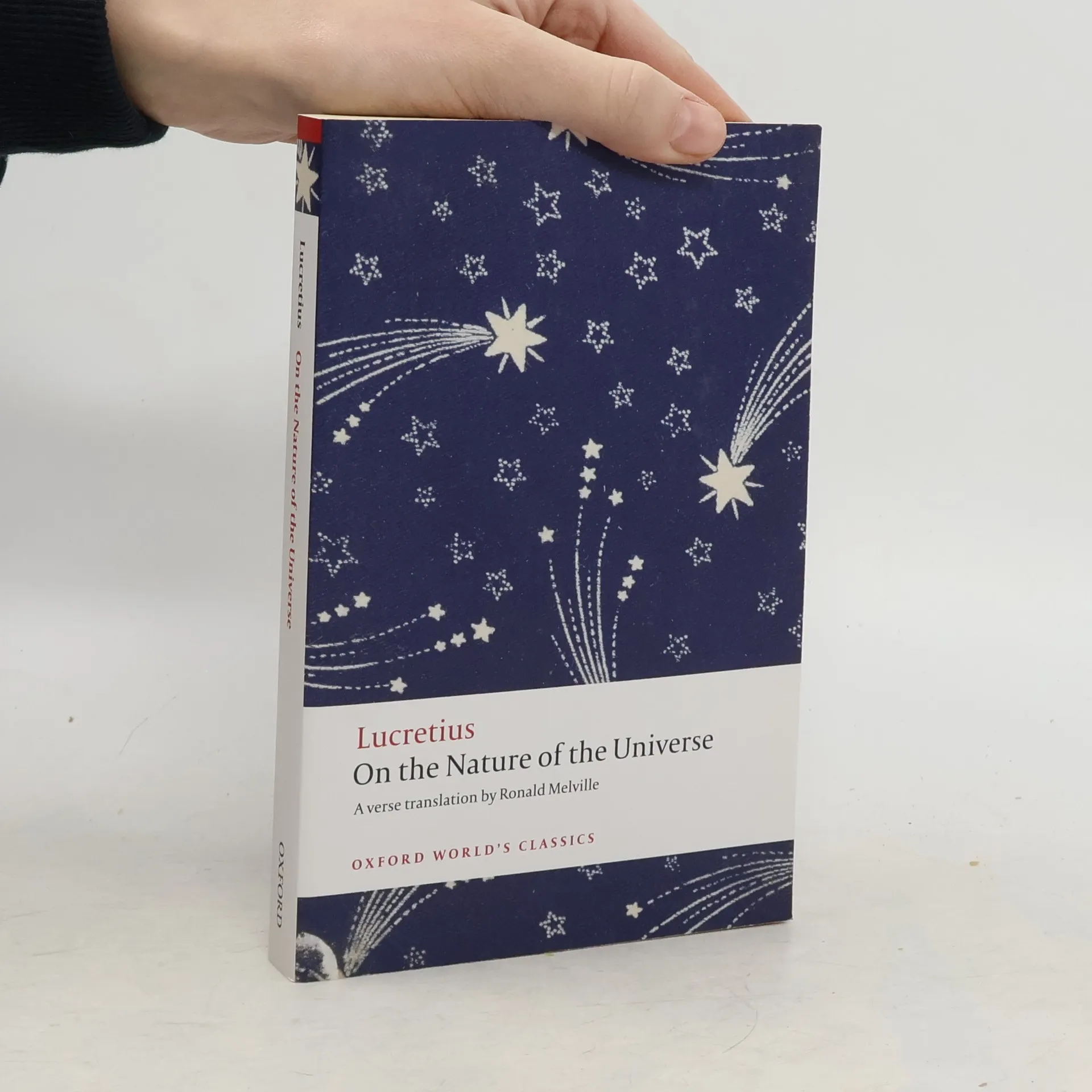
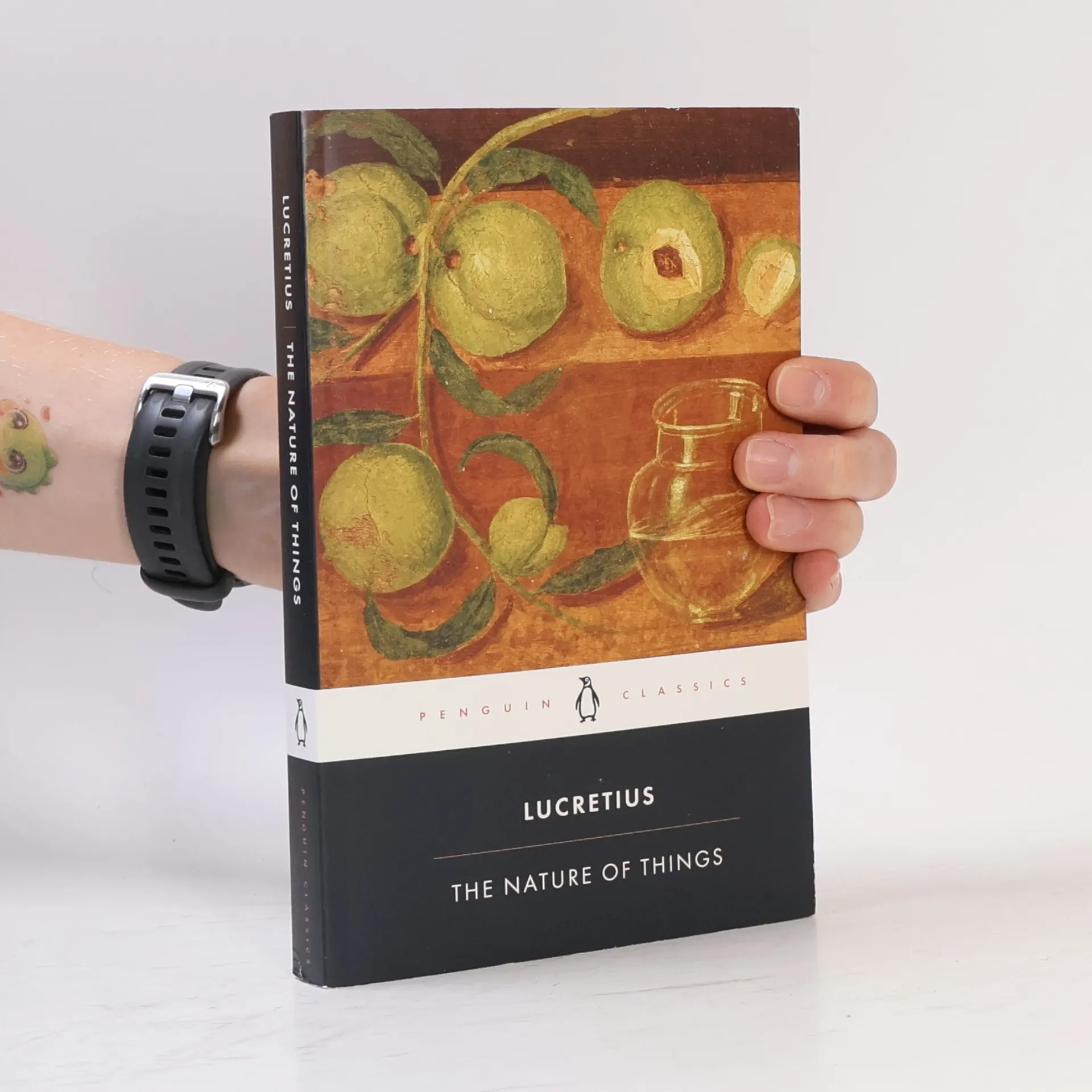
Oxford World's Classics: On the Nature of the Universe
A Verse Translation by Ronald Melville
- 275 stránok
- 10 hodin čítania
This ed. of this translation originally published: 1997.
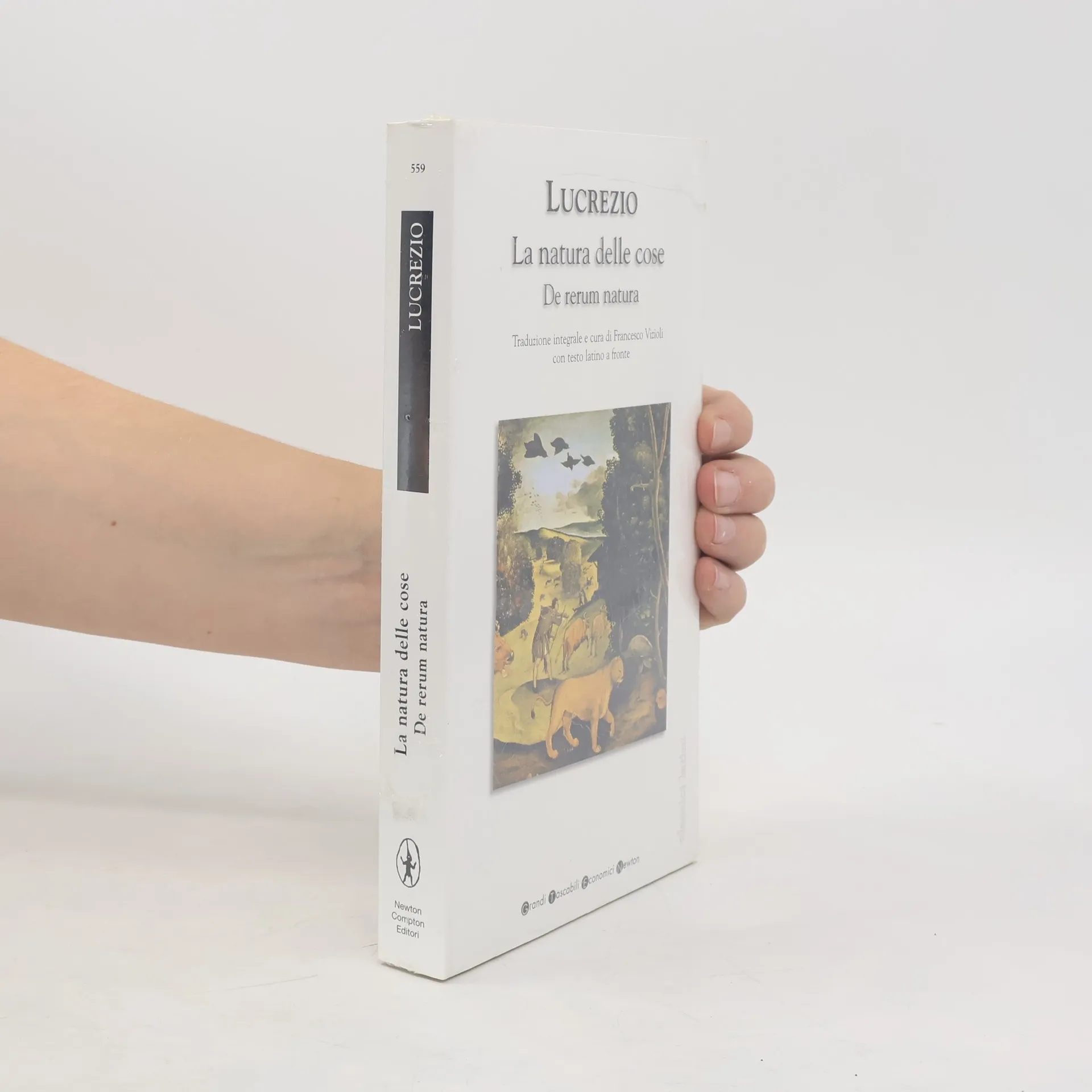
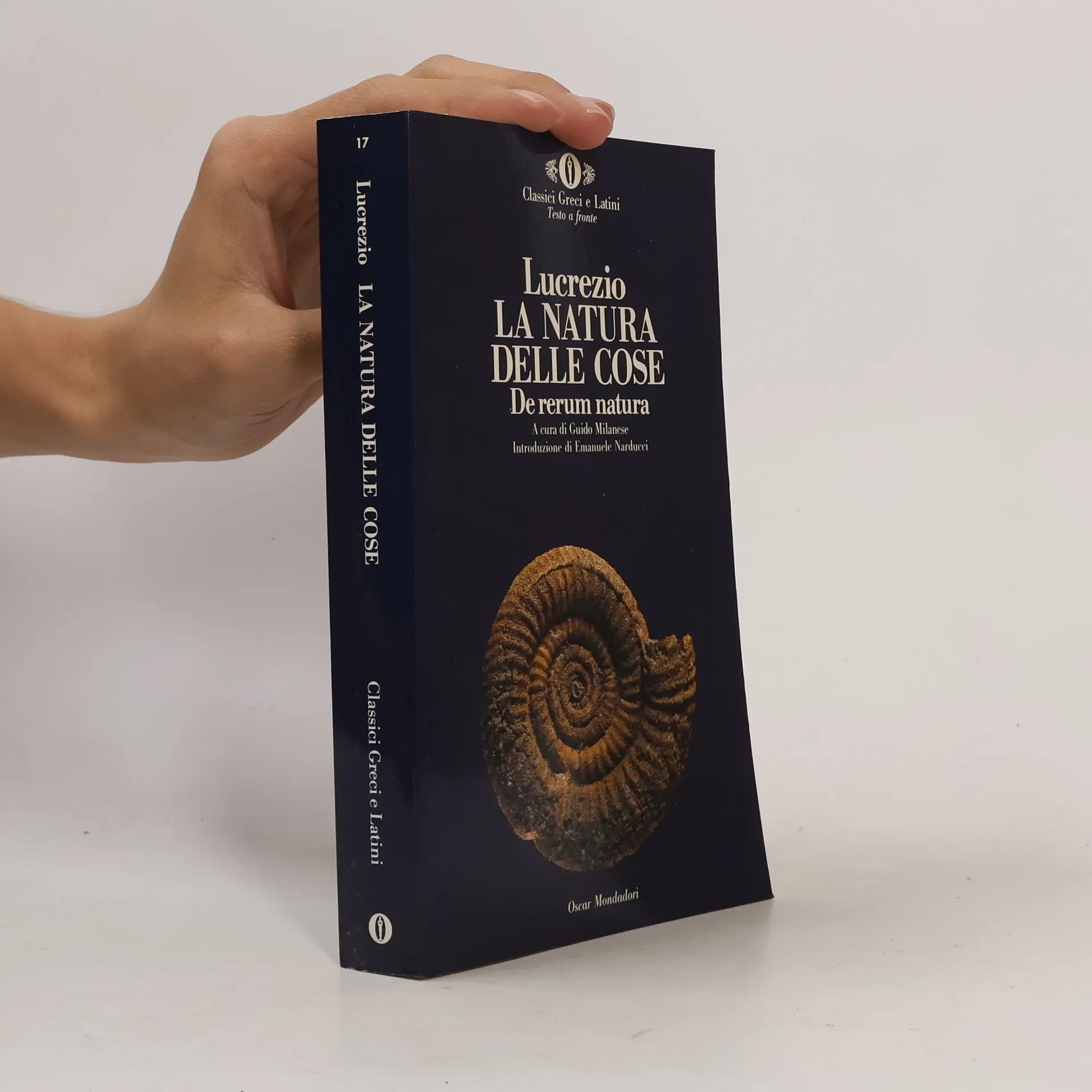
La natura delle cose. De rerum natura
- 367 stránok
- 13 hodin čítania
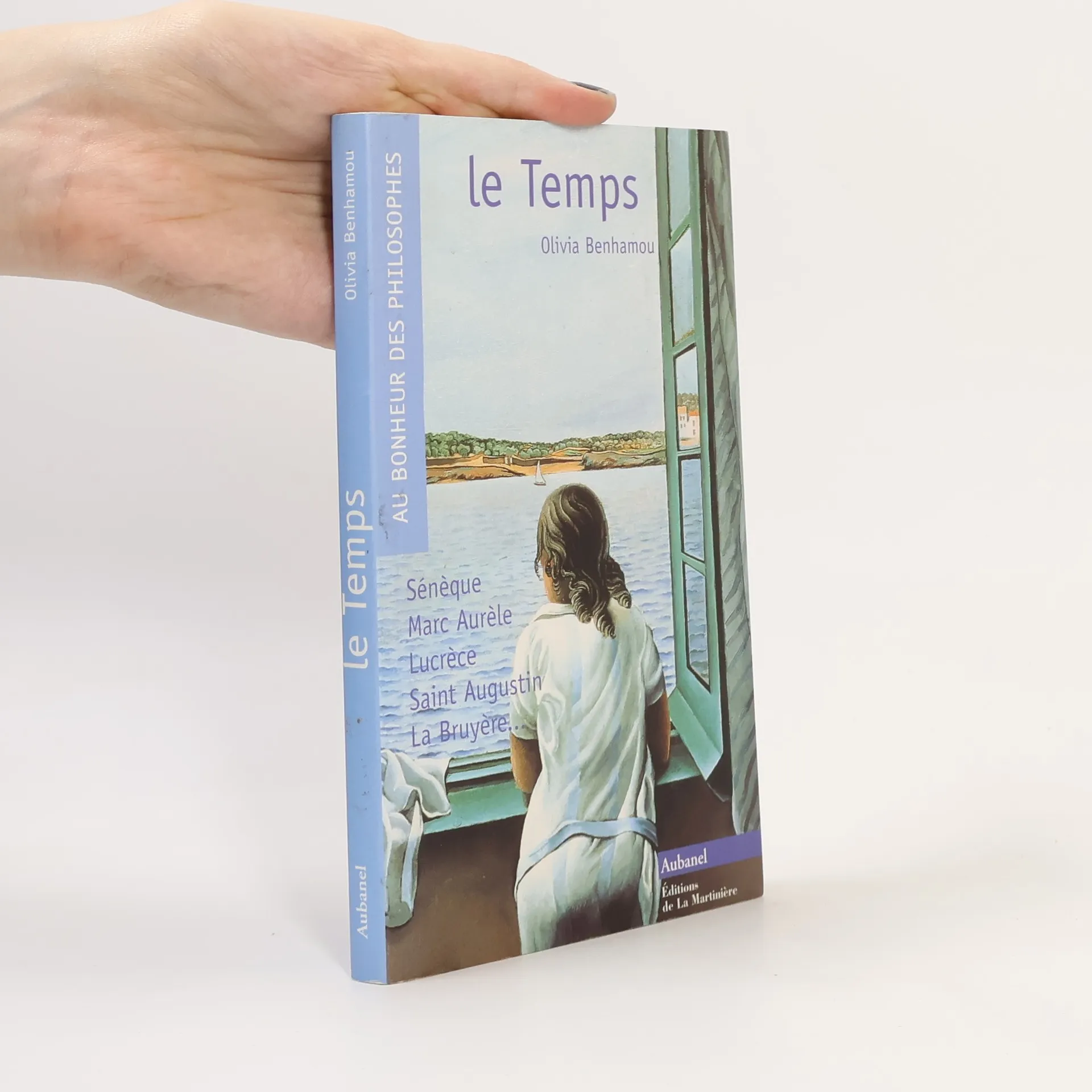
Le Temps
- 150 stránok
- 6 hodin čítania
Comment ne pas perdre son temps, à défaut de ne pouvoir l'économiser ? Peut-on vivre l'instant présent sans se projeter sans cesse dans le passe ou l'avenir ? Est-il possible de vivre heureux dans le temps qui nous est imparti ? D'accepter les effets du vieillissement ? Sénèque, Lucrèce, Descartes, Marc Aurèle, Kierkegaard, Schopenhauer, Nietzsche... aucun n'a pu échapper à ces interrogations métaphysiques. Hommes avant d'être philosophes, soumis eux aussi aux exigences du temps qui passe, ces penseurs ont toujours considéré ce sujet comme un défi lancé à leur intelligence. Leurs réflexions denses et passionnantes réunies dans ce guide proposent une alternative rafraîchissante aux éternels clichés énoncés sur ce thème.
Oscar Classici greci e latini - 17: La natura delle cose
De rerum natura - Testo a fronte
- 519 stránok
- 19 hodin čítania
Lucretius' poem On the Nature of Things combines a scientific and philosophical treatise with some of the greatest poetry ever written. With intense moral fervour he demonstrates to humanity that in death there is nothing to fear since the soul is mortal, and the world and everything in it is governed by the mechanical laws of nature and not by gods; and that by believing this men can live in peace of mind and happiness. He bases this on the atomic theory expounded by the Greek philosopher Epicurus, and continues with an examination of sensation, sex, cosmology, meteorology, and geology, all of these subjects made more attractive by the poetry with which he illustrates them.
Název De rerum natura je přesným latinským překladem starého Epikúrova spisu Peri fyseós, dílo tedy objasňuje epikúrejské učení lidu, didakticko-epická báseň (6 knih) je hlavním představitelem materialismu, dokazuje, že příroda se řídí odvěkými zákony, kde vše vzniká, trvá a zaniká,bohové nemohou zasahovat do světa, který povstal z atomů, neexistuje ani podsvětí a bohové žijí v nečinnosti v nebesích, kde se radují ze své blaženosti, Psáno hexametrem, ale používá, oproti Ovidiovi nebo Vergiliovi, neobvyklé řazení přízvuku, používá archaismy i novotvary, podílí se na vytváření latinské filosofické terminologie převodem z řečtiny, věnovánu příteli Gaiu Memmiovi.