Liebesbriefe einer portugiesischen Nonne
- 240 stránok
- 9 hodin čítania


Mariana Vaz Alcoforado bola portugalská mníška, ktorej život je neoddeliteľne spojený s kláštorom v Beji. Jej meno je najviac spájané s Listami portugalskej mníšky, ktoré skúmajú zakázanú lásku a citové dilemy. Hoci sa o autorstve týchto listov stále vedú spory a niektorí ich pripisujú inému autorovi, príbeh oddanej mníšky a jej vášnivá, aj keď zrejme neopätovaná láska, inšpirovali po stáročia. Jej údajný milostný vzťah s francúzskym dôstojníkom preslávil jej kláštor v literárnych kruhoch.

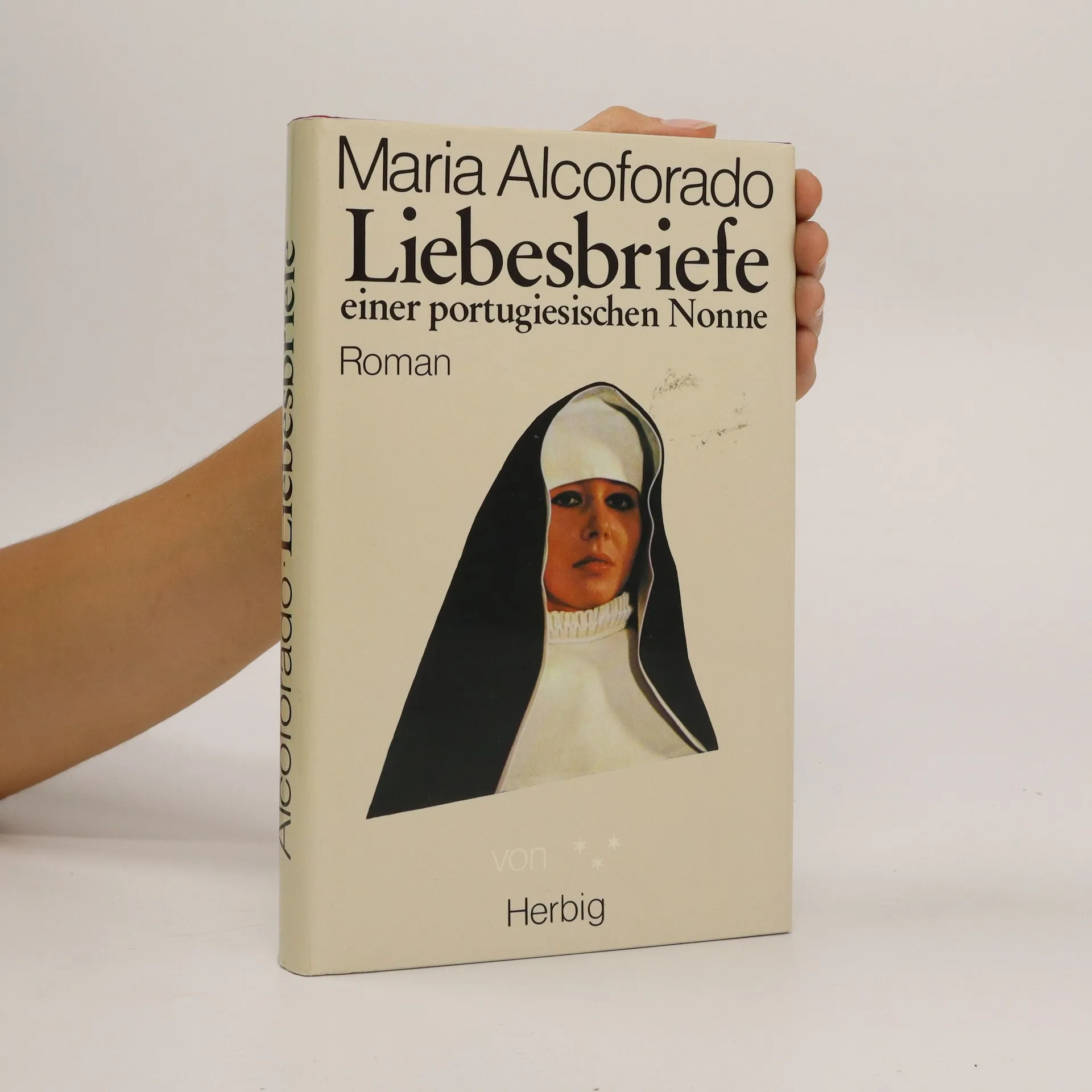

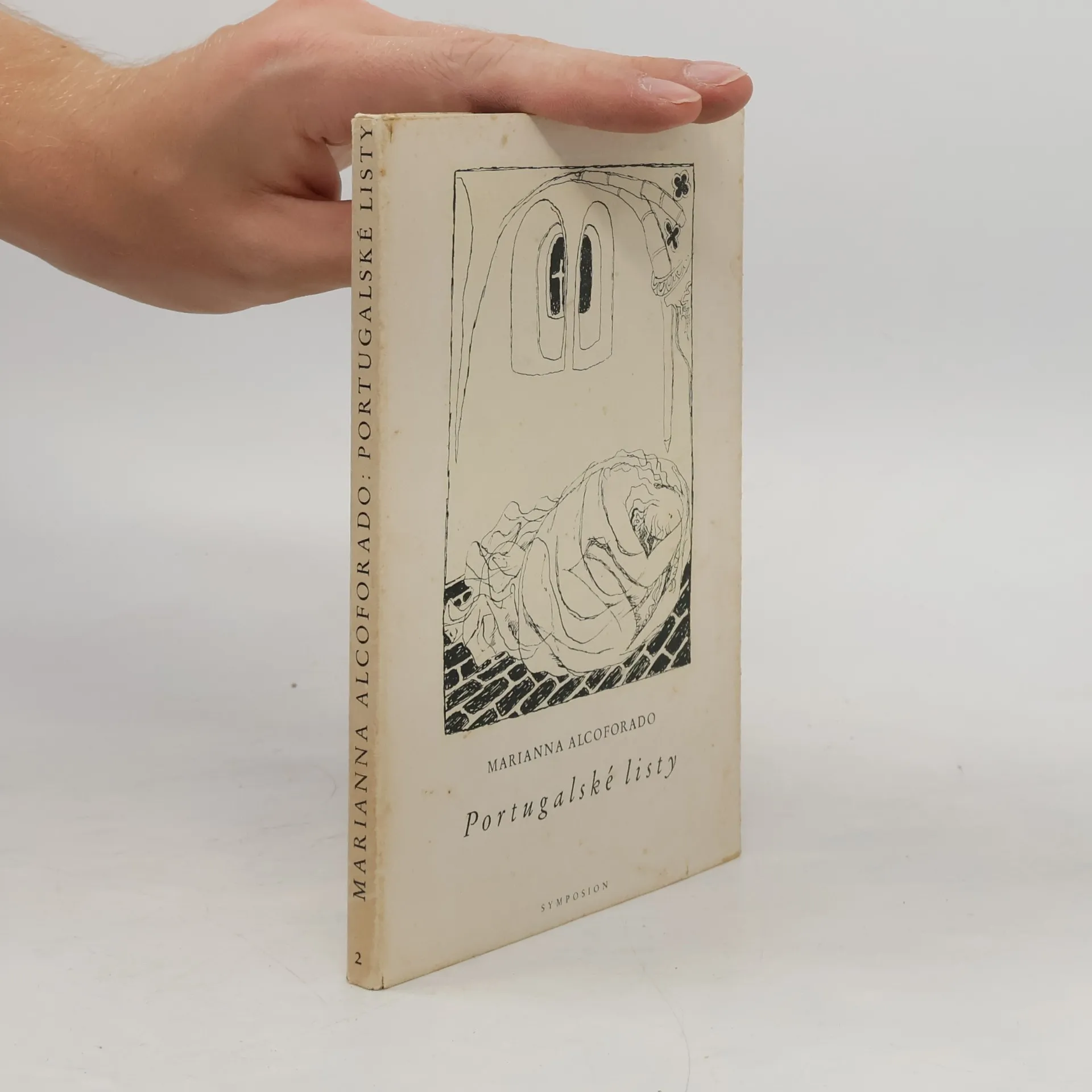
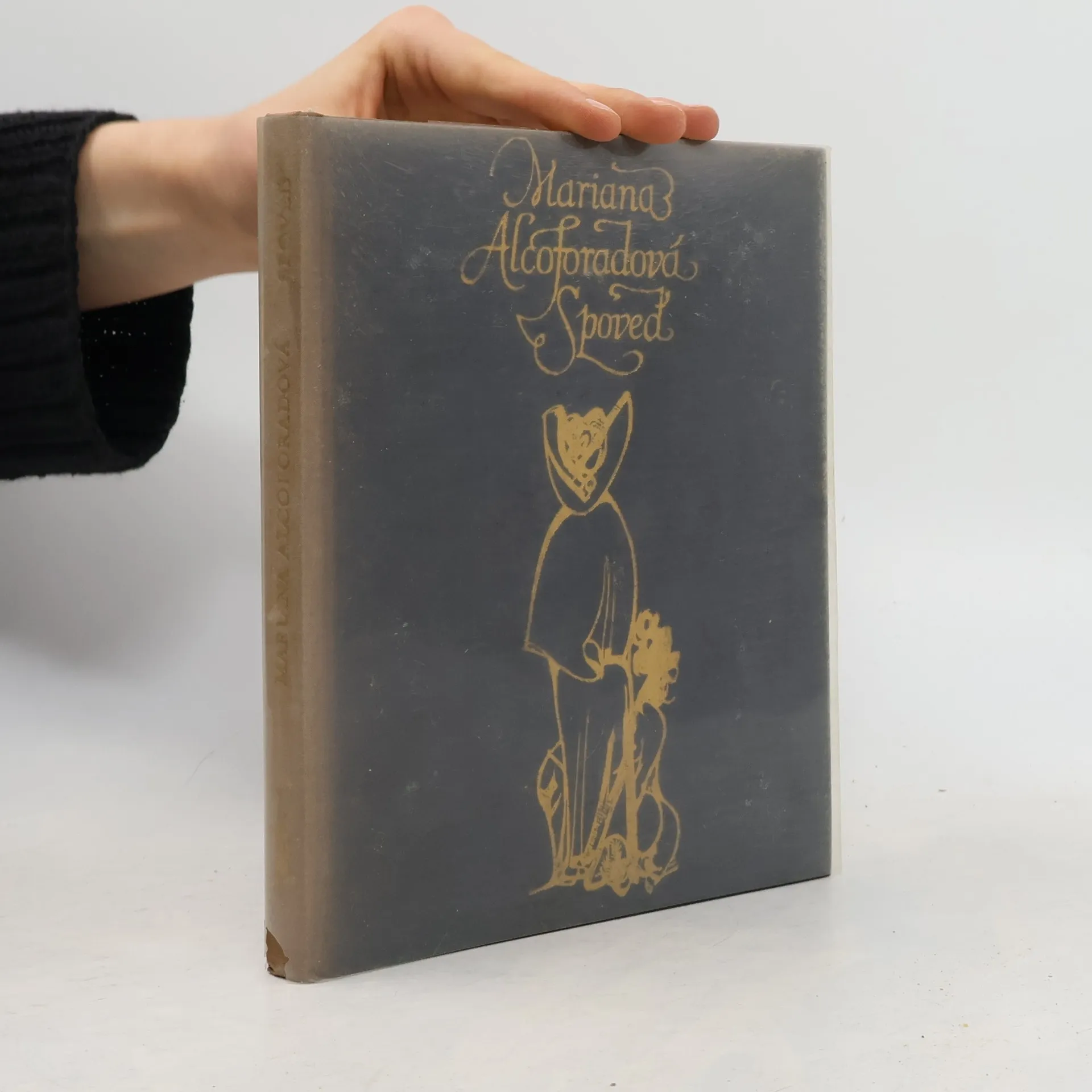
Stendhal wrote in " Life of Rossini" " It is necessary to have loved as implacably as the Portuguese Nun, and with all the unquenchable ardour of which she has left us so vivid an echo in her immortal Letters" First published in 1668 by then small Parisian bookseller Claude Barbin, the Love Letters of a Portuguese Nun (known in French as " Portuguese Letters translated into French" or " Portuguese Letters" ) witnessed immediate success. It is one of the first fictional epistolary novels that inspired many to come in French literature, such as Dangerous Liaisons by Pierre Choderlos de Laclos and Julie by Jean-Jacques Rousseau. The Love Letters comprise of five love letters written by a Portuguese nun cloistered in the Franciscan convent of Beja to the French officer who went to Portugal to support the Portuguese in their war of independence against the Spanish and had loved her and left her. The letters showcase a remarkable depth of psychological insight into the inner workings of a woman in love, bearing witness to a gradual yet pivotal development of self-awareness and an elegantly controlled depiction of passion.
Domnělé autentické milostné dopisy ze 17. století, dopisy portugalské jeptišky Marianny Alcoforadové francouzskému šlechtici de Chamillymu. Teprve nyní na základě (zahraničních) odborných studií bylo objeveno, že jde o umělecké dílo francouzského autora (1628-1685), podílejícího se významně na politickém, společenském a kulturním životě doby Ludvíka XIV.