Tento autor skúma hlboké symbolické významy umenia južných Sanov prostredníctvom archeologických objavov. Jeho práca sa ponára do psychologických a kultúrnych vrstiev, ktoré stoja za povesťami a dávnymi maľbami. Skrze starostlivý výskum sa snaží odhaliť myšlienkové pochody a duchovné svety dávnych komunít. Jeho prístup prepája archeológiu s antropológiou a ponúka čitateľom fascinujúci pohľad do minulosti.
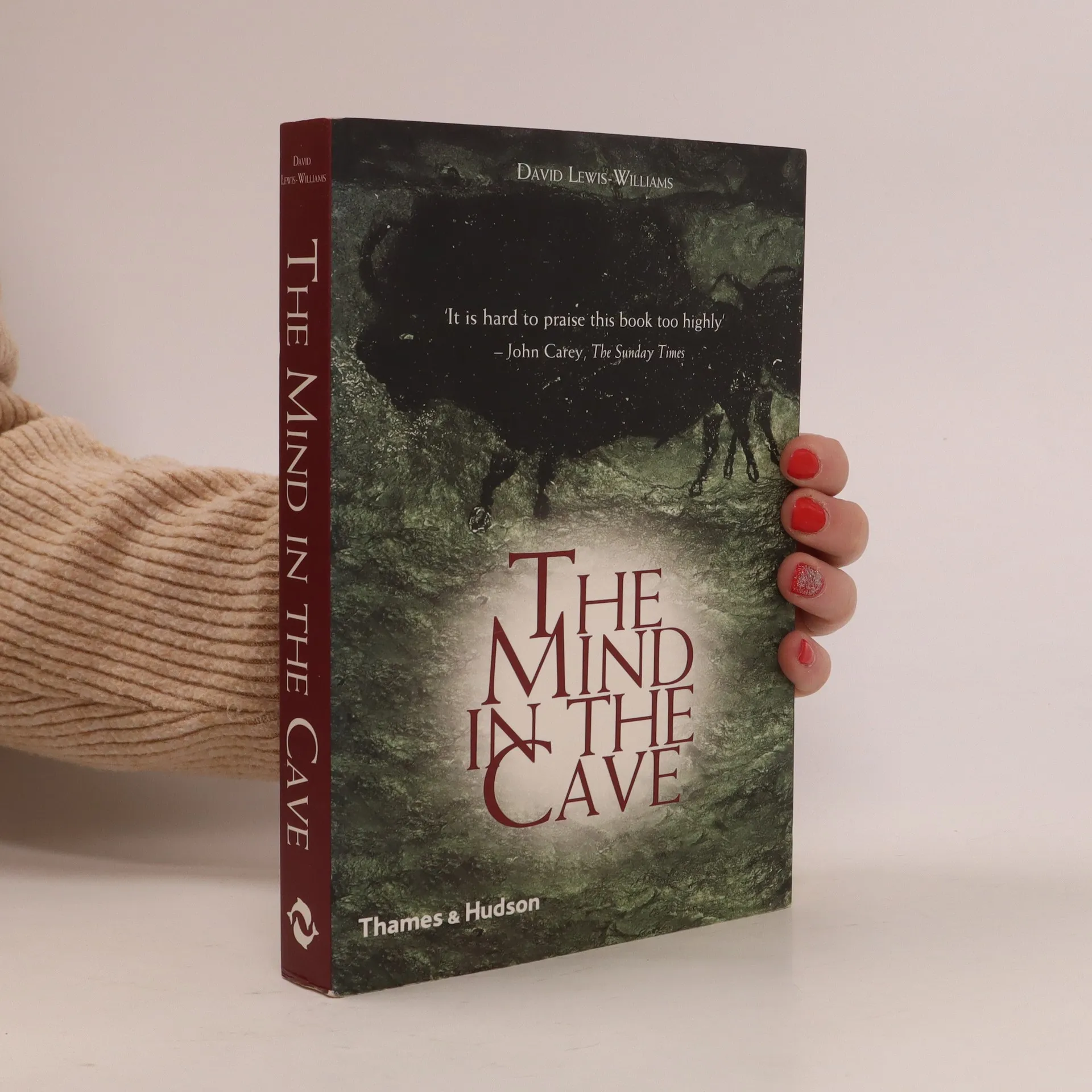
Offers an explanation for the origins of prehistoric cave art, providing a glimpse into the mind of humankind's earliest ancestors and insights into the relationship between consciousness and artistic representation. Reprint.
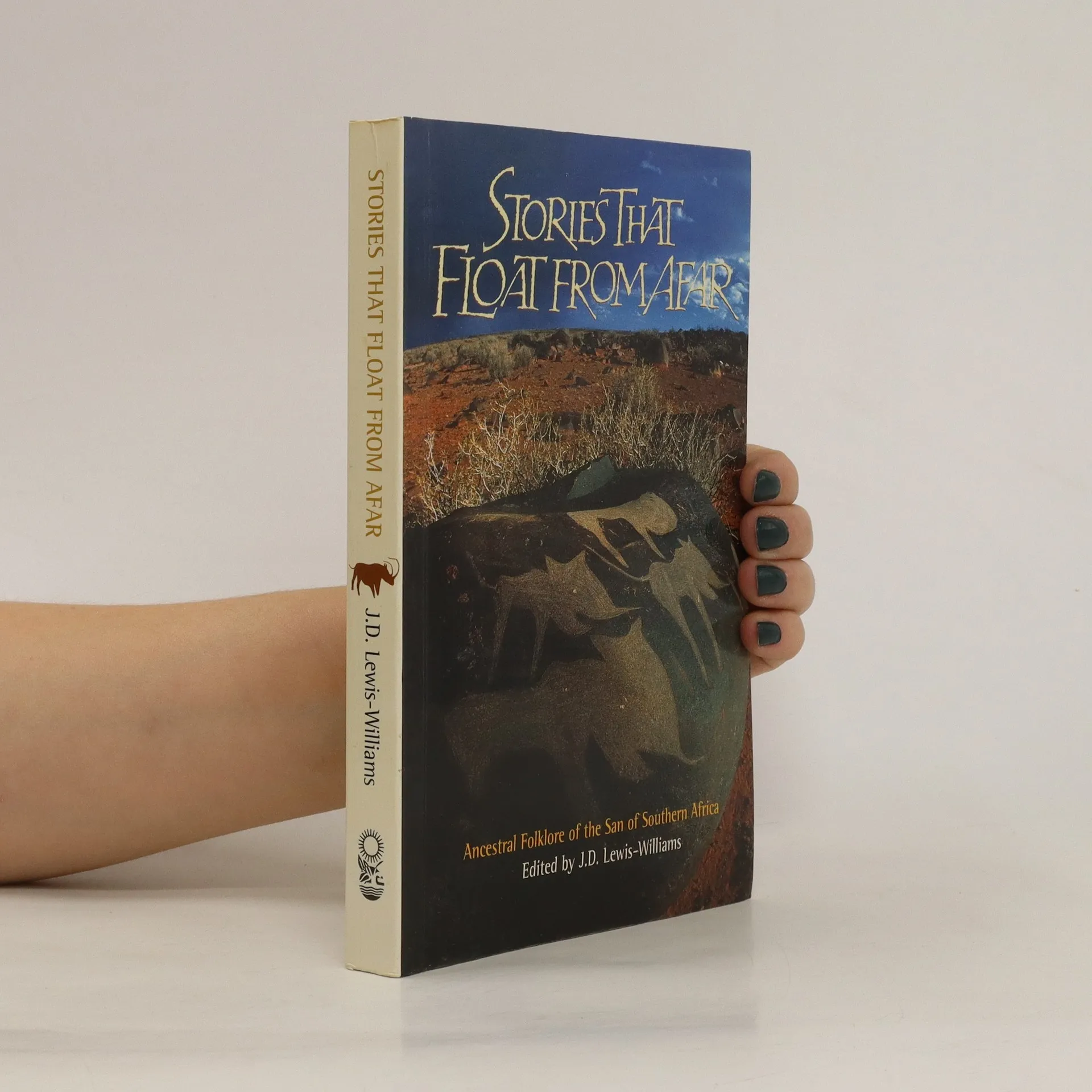
In this unique and enthralling collection of folk stories that float to us from afar, the voices of long-dead ‘Bushmen’, or San people, of southern Africa speak of their poignant myths and beliefs. We hear them speak of their tormented lives as the early colonist expanded into the semi-arid interior.All these stories have lain hidden since they were first collected more than a hundred years ago by a remarkable family in Cape Town who devoted their lives to recording the life-ways of the Xam San before their disappearance. Today there is a need for us to listen to these voices from the past. They fill in one of the tragic blanks in South Africa’s history. Suddenly a people who have spoken only through other’s voices, now speak out and come alive on the pages of this book.
The universality of shamanistic power and practice among today's hunter-gatherers - along with the similarity of rock art found in varied sites around the world - has led Jean Clottes and David Lewis-Williams to suggest in this new book that the great art of paleolithic caves can be best understood through the lens of shamanism. Indeed, this is not a monograph on a particular site, but a general discussion of the art of painted caves and their shamanistic meaning. Through the authors' revealing words and the abundant full-color illustrations, we follow shamans into their trance states, and we watch as they carefully paint and engrave on rock surfaces the shapes of animals whose power they seek. As we learn how drawings and rituals were likely modes of shamanistic contact, we understand best the actions, accomplishments, and traces left behind by prehistoric shamans