
Bookbot

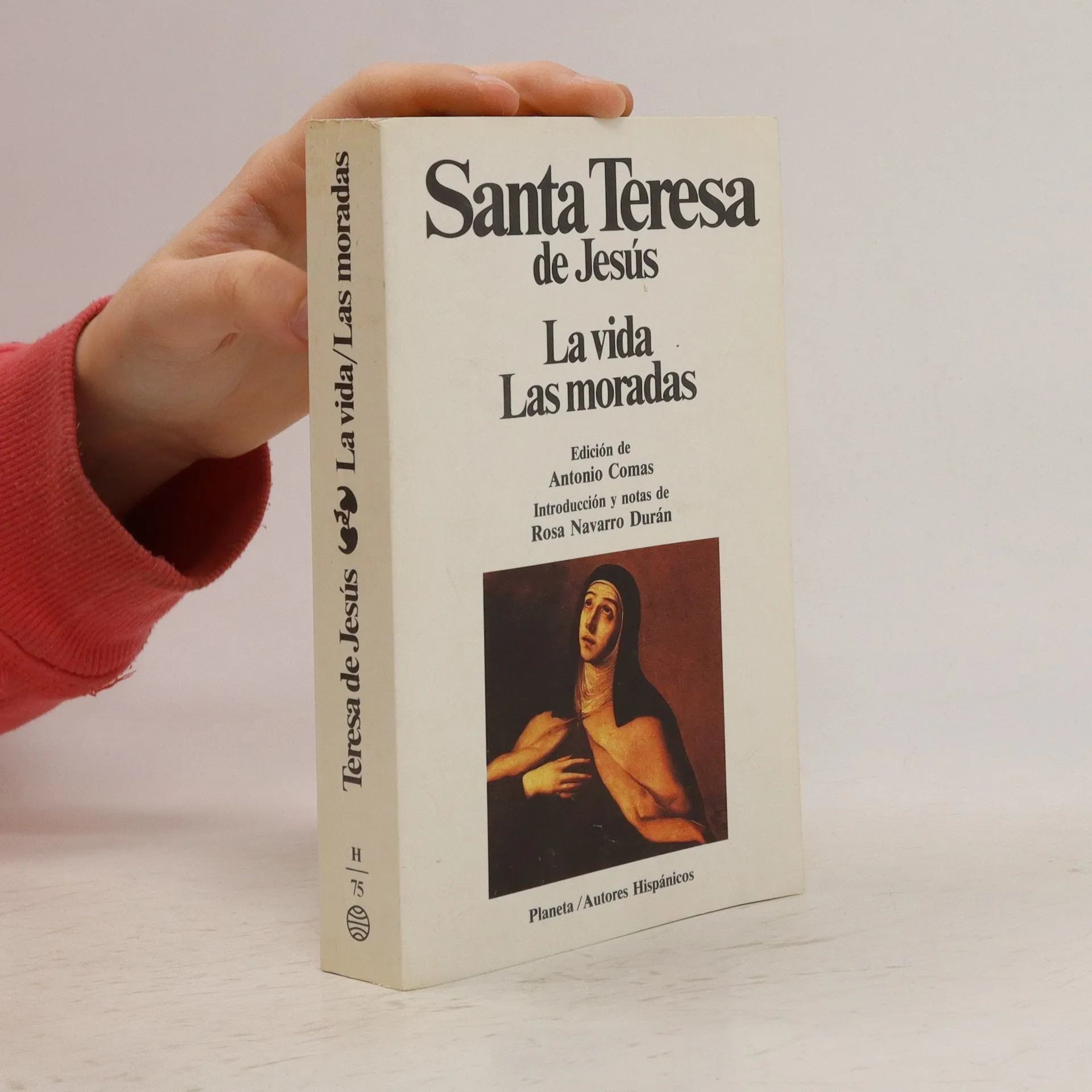
Santa Teresa De Jesús

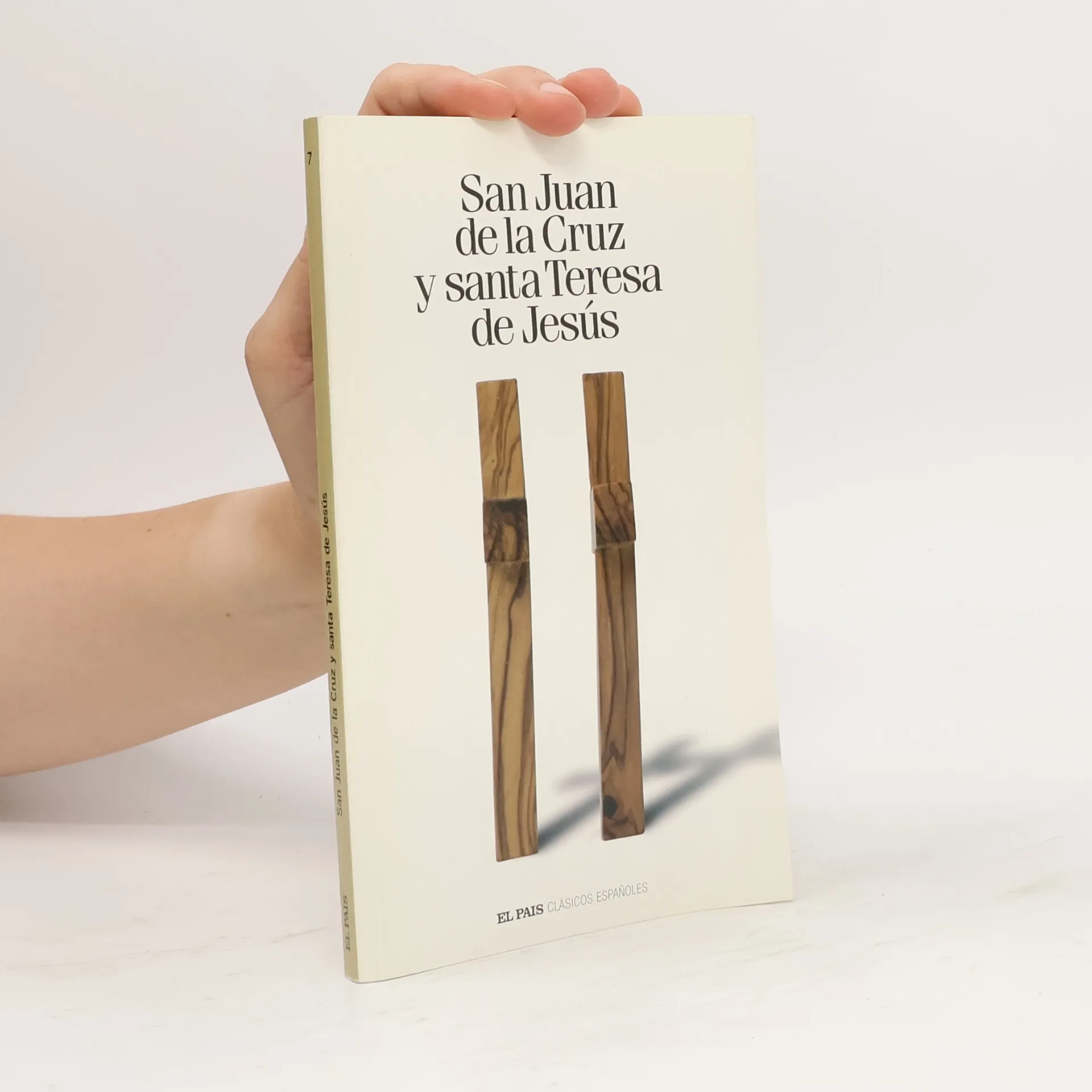
    San Juan de la Cruz y Santa Teresa de Jesús 7
    La vida
    Interior Castle
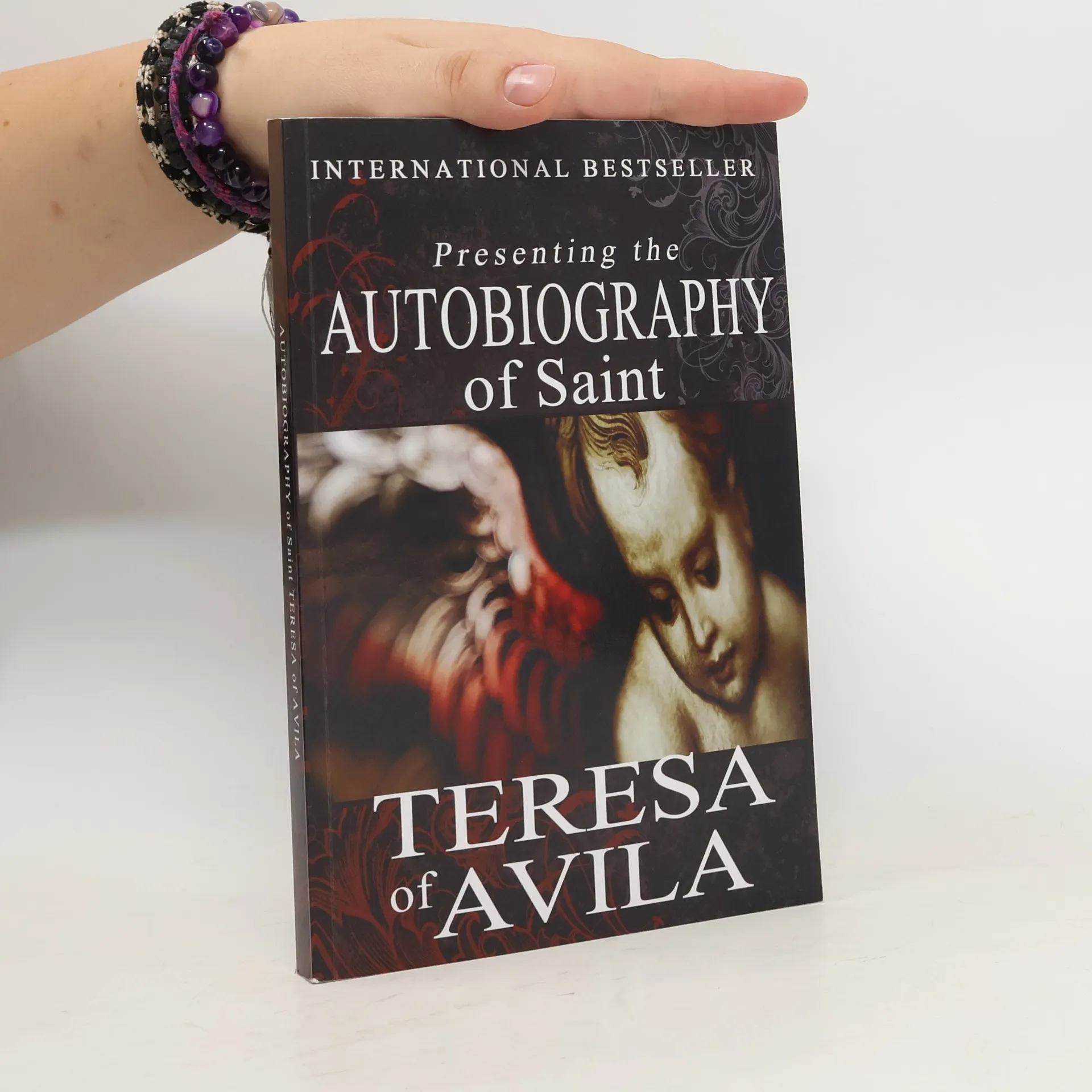
    Autobiography of St. Teresa of Avila
    • Autobiography of St. Teresa of Avila

      • 352 stránok
      • 13 hodin čítania

      In this landmark of Christian mysticism, the revered Carmelite nun presents moving accounts of her profound religious experiences and ultimate union with God. St. Teresa wrote this memoir at the behest of her confessor. It offers a warm, accessible account of her transformation into an impassioned leader and reformer of church doctrine. St. Teresa recounts her childhood and education in sixteenth-century Spain, her physical afflictions and spiritual crises, her many visions and mystical encounters, and her determination to embrace the contemplative life. In describing the ascent of the soul, she explains the core of her theology as a four-stage process that progresses from mental prayer to divine rapture. Next to Don Quixote, this timeless work constitutes Spain's most popular prose classic. It forms an excellent introduction to the saint's other writings and to the Christian tradition of mystical literature.

      Autobiography of St. Teresa of Avila
      4,7
    • Deeply spiritual and profoundly human, this 16th-century masterpiece is the work of a revered saint. Teresa of Avila visualized the soul as a many-faceted diamond, with the ecstasy of divine communion at its center. Her insights into prayer and meditation as the keys to fulfillment have inspired generations of readers.

      Interior Castle
      4,2
    • La vida

      • 417 stránok
      • 15 hodin čítania
      La vida
    • La fuerte presencia de lo religioso y la terrible represión que ejerció la Inquisición fueron notas dominantes de la cultura española del siglo XVI. Un claro ejemplo son los dos grandes místicos: san Juan de la Cruz (1542-1591) y santa Teresa de Jesús (1515-1582). Ambos nacieron en la provincia de Ávila -Teresa de Jesús en una adinerada familia judía- y juntos emprendieron la reforma de la Orden de los Carmelitas. La jerarquía eclesiástica consideró una amenaza su espíritu innovador, por lo que sufrieron continuas persecuciones y Juan de la Cruz fue encarcelado más de una vez. La mística, que refleja la más profunda unión con lo divino, acude a las formas de la lírica amorosa para expresar lo inefable. San Juan es por ello uno de los mejores poetas de amor de todos los tiempos. En Cántico espiritual, el apasionado diálogo entre el alma y su esposo nos recuerda al Cantar de los cantares, de la Biblia. La noche oscura del alma plasma, por el contrario, una absoluta desolación. La poesía de Teresa de Jesús es más autobiográfica: describe sus propios éxtasis y experiencias religiosas.

      San Juan de la Cruz y Santa Teresa de Jesús 7