

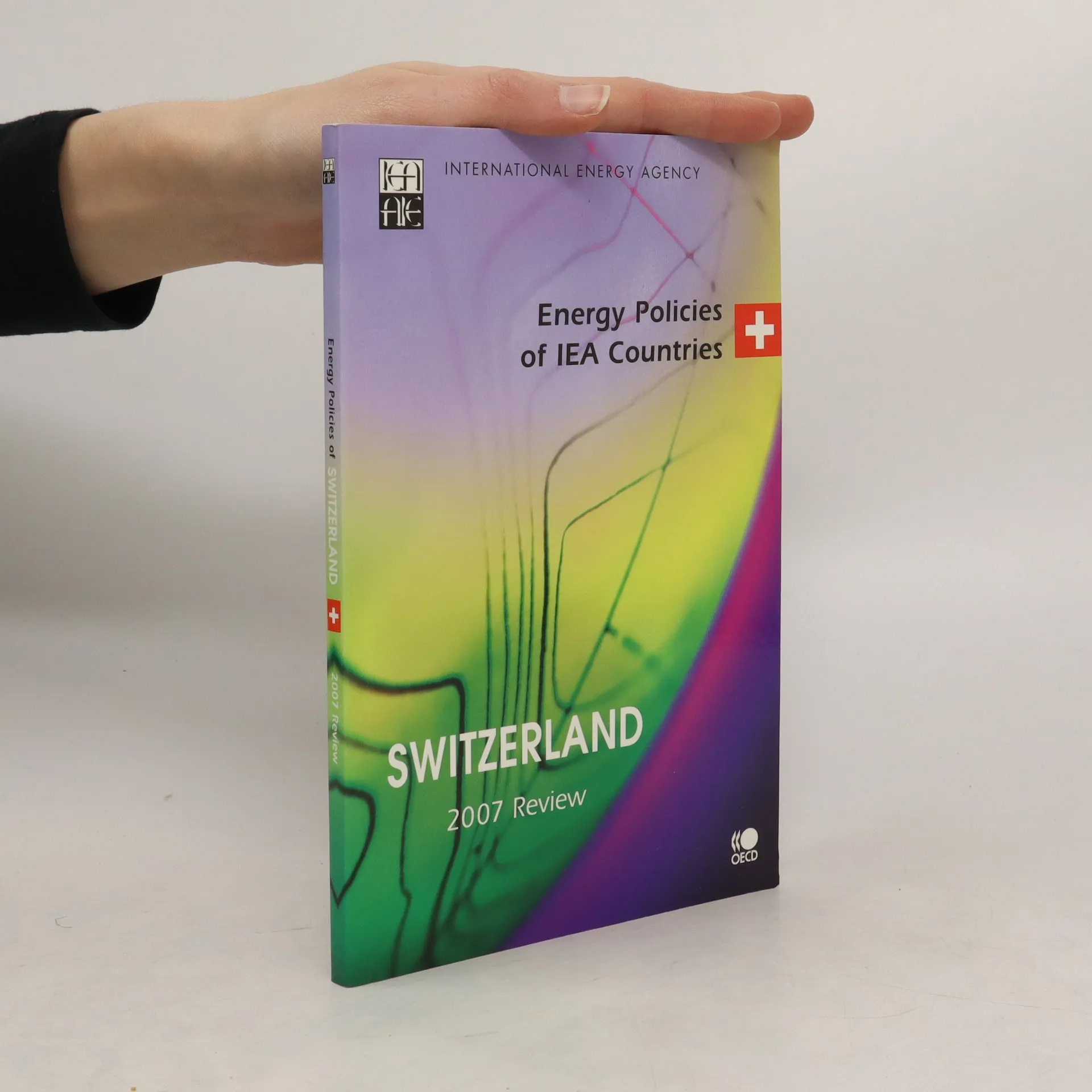
This 2007 edition of the International Energy Agencys periodic review of Switzerlands energy policies and programmes takes an in-depth look at the energy challenges facing Switzerland and provides critiques and recommendations for policy improvements. It finds that Switzerland is entering decisive times in its energy policy. In 2008, the country should see remarkable advance in electricity market reform. Support for renewable electricity is set to increase massively. Decisions on post-Kyoto targets are getting closer, and a CO 2 tax will be introduced for heating and process fuels. Plus, new measures to increase energy efficiency and the broader use of renewable energy are high on the political agenda. Since the last in-depth review in 2003, Switzerland has made progress in most areas of energy policy. Still, more work remains to be done. Maintaining sufficient electricity capacity implies even stronger policies to promote energy efficiency and renewable energy sources. Switzerland s climate policy should focus more on reducing emissions from private car use, the largest and fastest-growing emitter. Switzerland s world-class energy R D is expected to more than halve energy needs per capita by the second half of this century. This ambitious goal needs to be supported by consistent policies on energy efficiency and climate change.
International Energy Agency Knihy

World Energy Outlook 2008
- 569 stránok
- 20 hodin čítania
The World Energy Outlook (WEO) 2008 draws on the experience of another turbulent year in energy markets to provide new energy projections to 2030, region by region and fuel by fuel. It incorporates the latest data and policies. WEO-2008 focuses on two pressing issues facing the energy sector (i) Prospects for oil and gas production - through field-by-field analysis of production trends at 800 of the world's largest oilfields, an assessment of the potential for finding and developing new reserves and a bottom-up analysis of upstream costs and investment, WEO-2008 takes a hard look at future global oil and gas supply. (ii) Post-2012 climate scenarios - two different scenarios are assessed, one in which the atmospheric concentration of emissions is stabilised at 550 parts per million (ppm) in CO2 equivalent terms and the second at the still more ambitious level of 450ppm. The implications for energy demand, prices, investment, air pollution and energy security are fully spelled out. This ground-breaking analysis will enable policy makers to distill the key choices as they strive to agree in Copenhagen in 2009 on a post-Kyoto climate framework.