

Tento román zachycuje život francúzskeho ľudu v prvej tretine 19. storočia. Ústrednou postavou je Jean Valjean, bývalý galejník, ktorý sa dostal do väzenia za krádež chleba. Po úteku okradol starého kňaza, ktorý mu ponúkol nocľah. Keď ho však chytili četníci, kňaz im povedal, že mu stříbrné príbor dal ako dar, a pridal mu ešte strieborné svietniky, čím ho zachránil pred návratom do väzenia. Tento čin ovplyvnil Jeana, ktorý sa stal dobrodincem a ochrancom najbiednejších. Jeho protivníkom je policajný prefekt Javert, ktorý ho neustále prenasleduje, presvedčený, že galejník zostane galejníkom, a považuje dopadenie Valjeana za svoje životné poslanie. Ženskými hrdinkami románu sú Fantine, mladá žena, ktorú bída dohnala k prostitúcii, a jej dcéra Cosette, ktorú si Jean Valjean osvojil a vychováva. Román vyznieva ako obžaloba vtedajšej spoločnosti a mravov.
Marie-Hélène Sabard Knihy
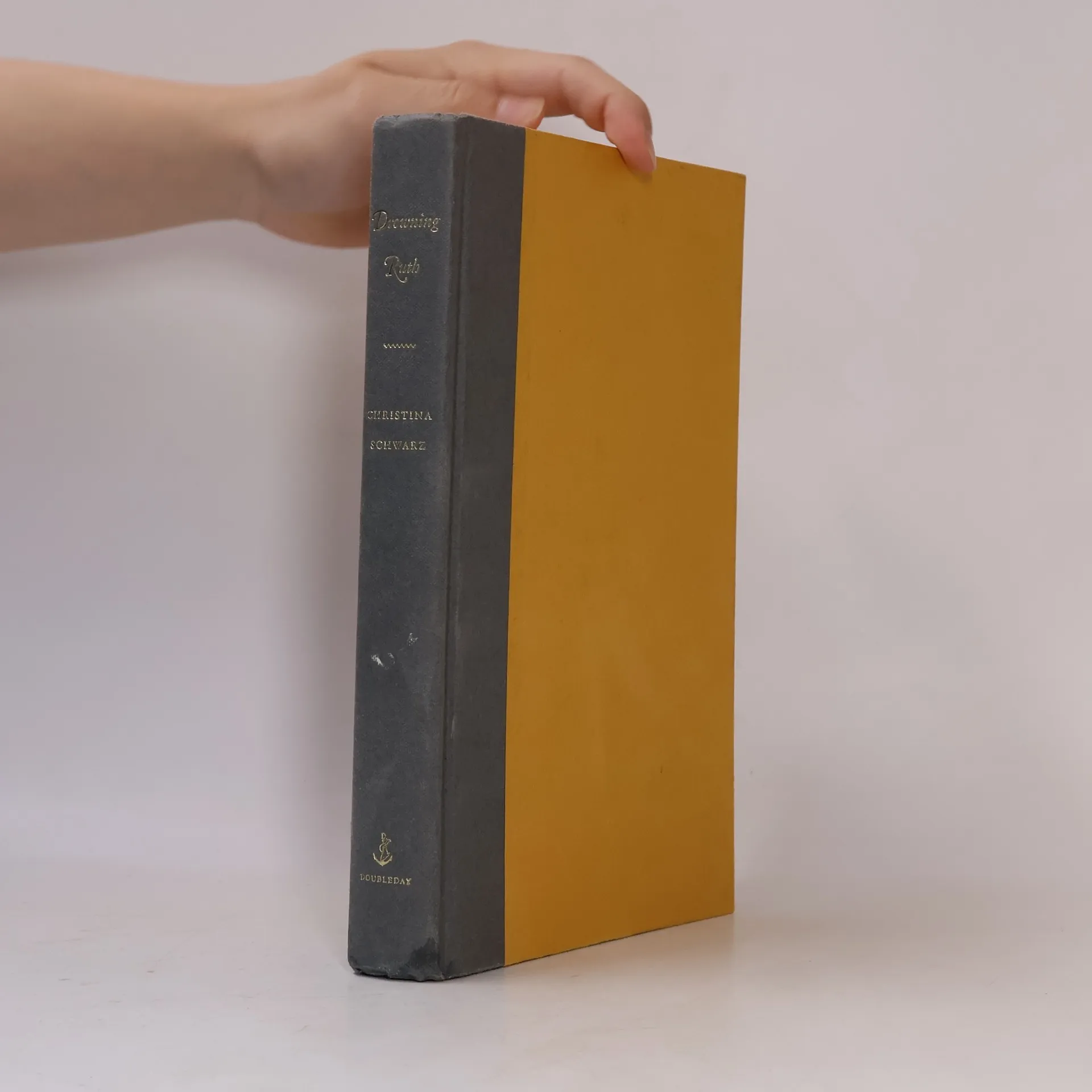

Drowning Ruth
- 338 stránok
- 12 hodin čítania
Oprah Book Club® Selection, September 2000: In the realm of 19th-century literature, social constraints created compelling narratives, but today's relaxed morals challenge the relevance of these classics. The allure of historical novels lies in revisiting a time when a woman's fate could hinge on her choices, with no options for reliable birth control or divorce. Christina Schwarz's gripping debut centers on the themes of silence and stoicism. Set in 1919, following the influenza epidemic post-World War I, the story unfolds in a small Wisconsin town where societal norms remain strict. Amanda Starkey, a Lutheran farmer's daughter, is pressured against marrying a Catholic boy. Later, as a nurse in Milwaukee, she succumbs to a dishonorable man's advances, leading to a nervous breakdown and a return to her family farm. Tragedy strikes when her sister Mathilde drowns under mysterious circumstances. Upon Mathilde's husband Carl's return from war, he finds his daughter Ruth in Amanda's care, who remains tight-lipped about the fateful night. Amanda reflects on her parents' deaths, feeling responsible for transmitting the influenza that claimed them. Schwarz masterfully weaves this grim narrative across decades, consistently returning to Mathilde's death, showcasing her talent for pacing and her commitment to a fitting, albeit harsh, conclusion. --Regina Marler