Yale and Slavery
- 448 stránok
- 16 hodin čítania
A comprehensive look at how slavery and resistance to it have shaped Yale University


Beth L. Bailey je americká historička, ktorá sa zameriava na históriu amerického juhu a americkej kultúry 20. storočia. Jej diela skúmajú, ako sa menili spoločenské normy a kultúrne identity v období významných sociálnych a politických zmien. Bailey píše prístupným štýlom, ktorý oslovuje akademickú obec aj širšie publikum, a ponúka nové pohľady na kľúčové momenty americkej histórie.



A comprehensive look at how slavery and resistance to it have shaped Yale University
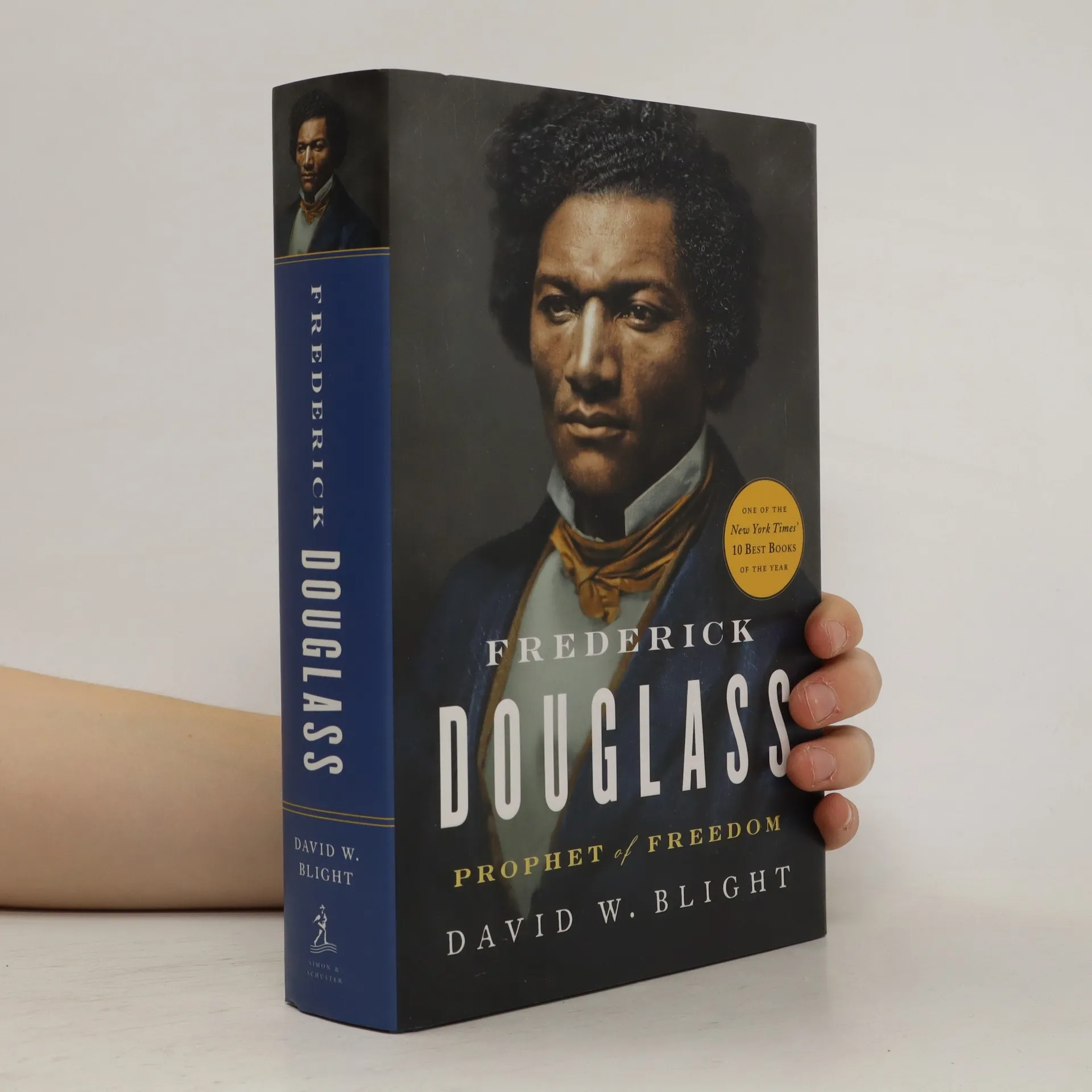
This dramatic biography chronicles the life of Frederick Douglass, the most significant African-American of the nineteenth century. Born into slavery in Baltimore in 1818, Douglass was fortunate to learn to read from his mistress, which paved the way for his emergence as a leading abolitionist and orator. Throughout his life, he authored three autobiographies and published his own newspaper, using his experiences to expose the horrors of slavery. Initially mentored by William Lloyd Garrison, Douglass captivated audiences with his powerful speeches, later evolving into a political abolitionist and supporter of the Republican Party and Abraham Lincoln. By the Civil War and Reconstruction, he had become the nation’s most renowned orator, vocally opposing the end of Reconstruction and the rise of Jim Crow laws. Douglass was a complex figure, critiquing the U.S. while remaining a radical patriot. He engaged in political debates with younger African-Americans but remained committed to civil rights. This biography by David Blight utilizes new sources, including private collections and Douglass's newspapers, to explore his two marriages and intricate family life. It presents Douglass not only as a master of words but also as a profound thinker influenced by Biblical theology, filling a significant gap in historical literature about this remarkable man.
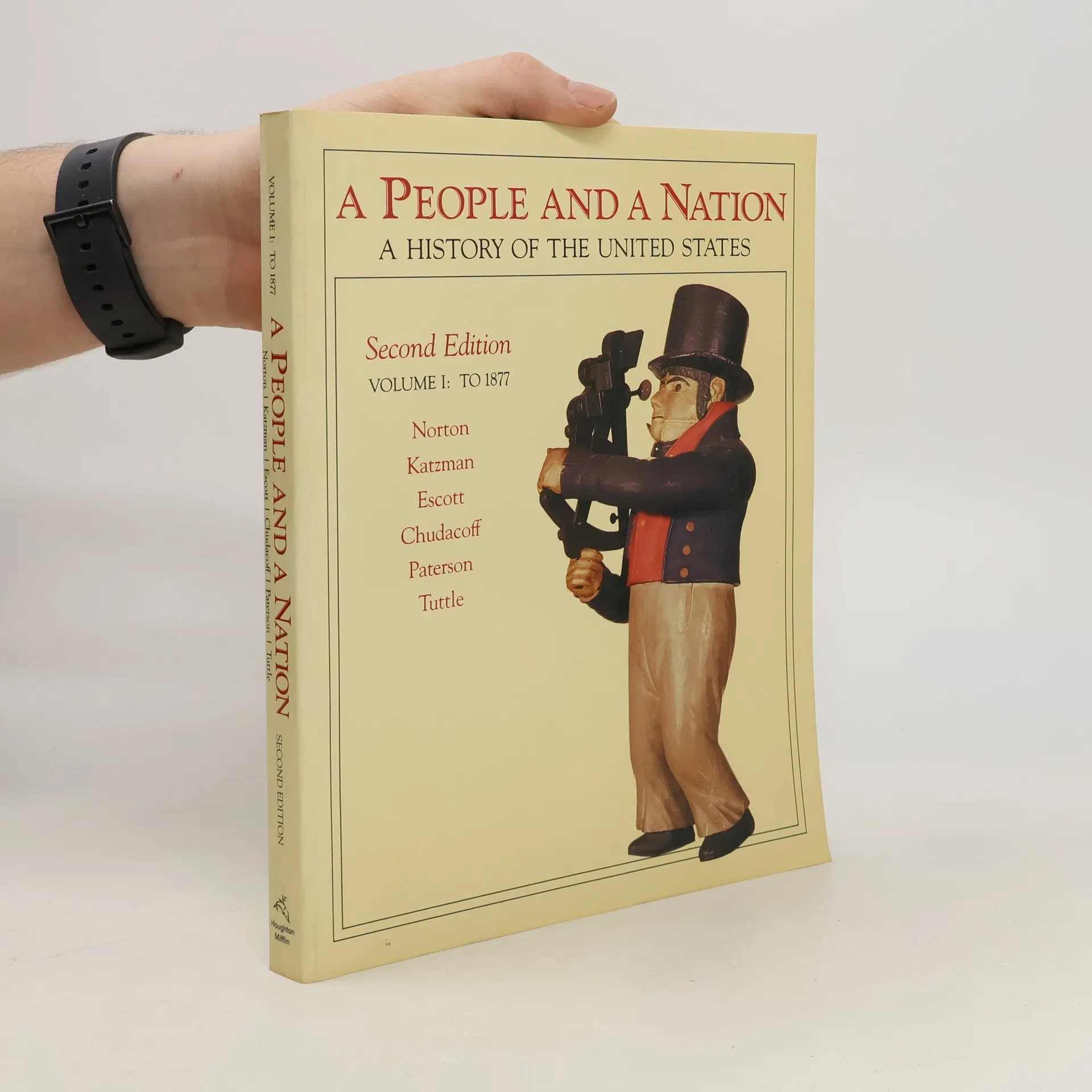
This spirited narrative challenges students to think about the meaning of American history. Thoughtful inclusion of the lives of everyday people, cultural diversity, work, and popular culture preserves the text's basic approach to American history as a story of all the American people. The Seventh Edition maintains the emphasis on the unique social history of the United States and engages students through cutting-edge research and scholarship. New content includes expanded coverage of modern history (post-1945) with discussion of foreign relations, gender analysis, and race and racial relations.
In 1865, in the aftermath of civil war, the North and South of America began a slow process of reconciliation. This book examines the construction of a culture of reunion during the ensuing decades and analyzes how this unity was created through increasing racial segregation.
This is the story of the sexual revolution in a small university town in the quintessential heartland state of Kansas. Bypassing the oft-told tales of radicals and revolutionaries on either coast, Beth Bailey argues that the revolution was forged in towns and cities alike, as ordinary people struggled over the boundaries of public and private sexual behaviour in postwar America.
Race and Sex in World War II Hawaii
As the forward base and staging area for all US military operations in the Pacific during World War II, Hawaii was the "first strange place" for close to a million soldiers, sailors, and marines on their way to the horrors of war. But Hawaii was also the first strange place on another kind of journey, toward the new American society that would begin to emerge in the postwar era. Unlike the rigid and static social order of prewar America, this was to be a highly mobile and volatile society of mixed racial and cultural influences, one above all in which women and minorities would increasingly demand and receive equal status. Drawing on documents, diaries, memoirs, and interviews, Beth Bailey and David Farber show how these unprecedented changes were tested and explored in the highly charged environment of wartime Hawaii.