

Bookbot

Aarathi Prasad

    Aarathi Prasad je autorka, ktorej dielo sa ponára do zložitého vzťahu medzi vedou a ľudstvom. Svojou prácou, ktorá vychádza z jej pozadia v genetike a rozsiahlych skúseností vo vedeckom výskume a komunikácii, skúma hlboké otázky o živote, spoločnosti a budúcnosti. Práce Prásad sa vyznačujú intelektuálnou prísnosťou a prístupným prístupom, čím sa zložité vedecké koncepty stávajú pútavými pre široké publikum. Má pozoruhodný talent na spájanie vedeckého bádania s presvedčivými príbehmi, čím čitateľom ponúka nové pohľady na prírodný svet a naše miesto v ňom.

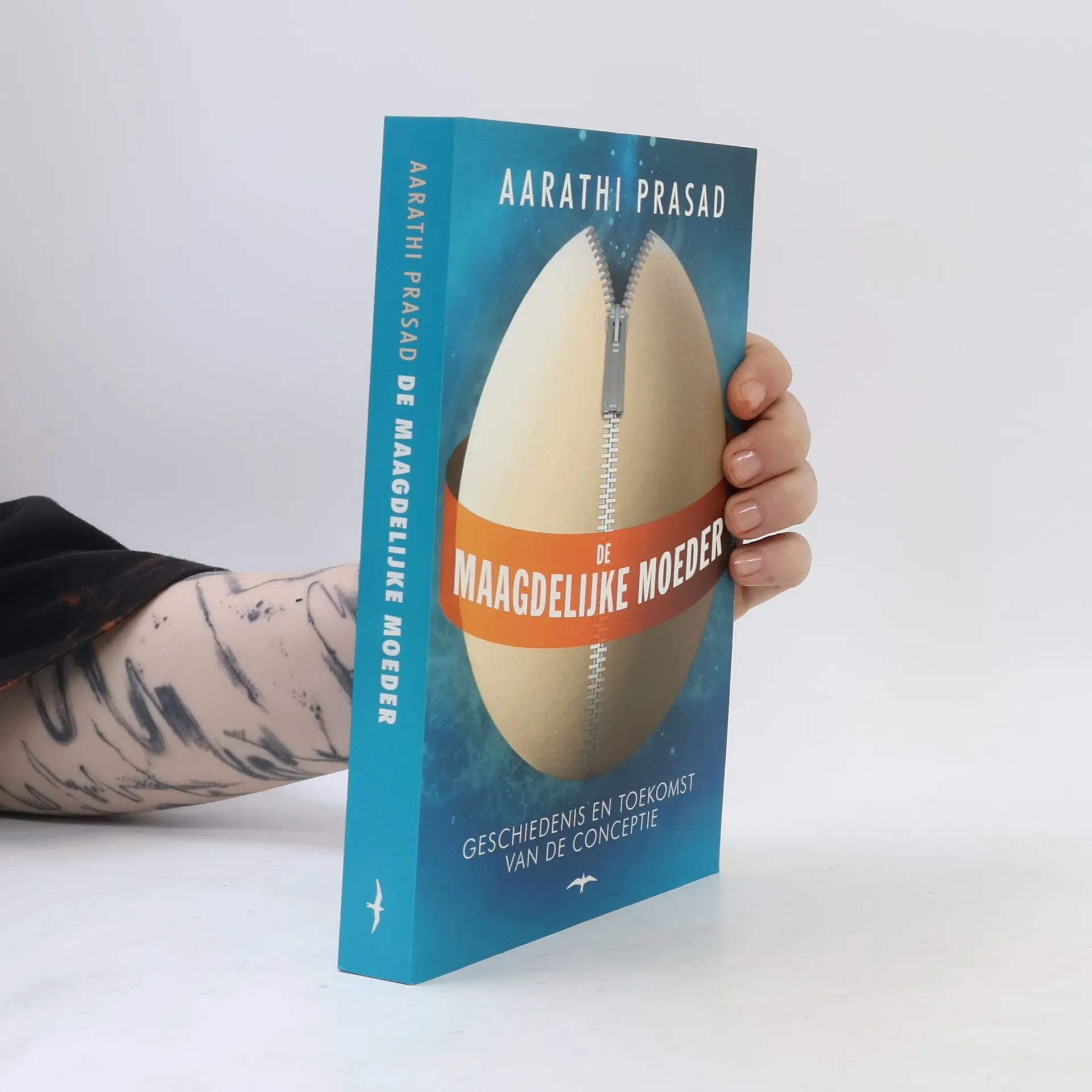
    De maagdelijke moeder
    Wellcome Collection: In the Bonesetter's Waiting Room
    Silk
    • Silk

      • 304 stránok
      • 11 hodin čítania

      In a captivating exploration that spans continents and millennia, Aarathi Prasad delves into the intricate history of the queen of fabrics. Through the lens of scientists and the biology of silk-producing animals, she examines the global, natural, and cultural narrative of this unique material that has captivated humanity for centuries. Silk, renowned for its lightness, luminosity, and beauty, is also one of the strongest biological materials known. Historically, it was used to create the first bulletproof vest, yet science has only begun to unlock its vast potential. The technologies inspired by silk—from sutures to pharmaceuticals and even holograms—are now emerging as sustainable alternatives to the plastics harming our environment. Prasad's work traces silk's origins and ancient trade routes, highlighting the biologists who have uncovered the secrets of silk-producing creatures, including moths, spiders, and mollusks. With multiple stories and pathways woven into its history, Silk reveals the diverse connections forged by scientists and the animal kingdom. This intoxicating blend of biography and science not only illuminates the rich history of silk but also envisions its promising future as a resource with immense, untapped possibilities.

      Silk2023
      3,6
    • Wellcome Collection: In the Bonesetter's Waiting Room

      Travels Through Indian Medicine

      • 224 stránok
      • 8 hodin čítania

      India defies definition, and the story of medicine in India is similarly rich and complex: shaped by unique challenges and opportunities, uniting cutting-edge technological developments with ancient cultural traditions, fuelled by political changes which transformed the lives of millions and moulded by the energy of forceful individuals. Here, Aarathi Prasad investigates how Indian medicine came to be the way it is. Her travels will take her to bonesetter clinics in Jaipur and Hyderabad and the waiting-rooms of Bollywood's best plastic surgeons, and introduce her to traditional healers as well as the world-beating heart surgeon who is revolutionising treatment of the poor around the globe. From the asthma treatment 'cure' that involves swallowing a live fish, to ground-breaking mental health initiatives in Mumbai's Dharavi mega-slum and ground-breaking neuroscience happening inside the Mughal walls of old Delhi, Indian Medicine tells the story of the Indian people, in sickness and in health, and provides a unique perspective on the most diverse and fascinating country in the world. Indian Medicine will accompany a programme of Wellcome Collection exhibitions and activity exploring India's rich plurality of cultures of medicine, healing and well-being in Indian cities in 2016.

      Wellcome Collection: In the Bonesetter's Waiting Room2016
      3,5
    • De maagdelijke moeder

      Geschiedenis en toekomst van de conceptie

      • 304 stránok
      • 11 hodin čítania

      De oude Grieken dachten dat de vrouw slechts een bijrol vervulde bij het krijgen van kinderen. Het complete kind zat tenslotte al in het zaad van de man. Die overtuiging was tamelijk hardnekkig. Zelfs Antoni van Leeuwenhoek, die aan het einde van de zeventiende eeuw met zijn microscoop het mannelijk zaad bestudeerde, concludeerde dat het zaadje zich in de vrouw nestelde om daar uit te groeien tot een kind. Pas twee eeuwen later kwamen wetenschappers op andere gedachten: het zaadje bleek ook nog een eitje nodig te hebben. De laatste decennia groeide onze kennis van de conceptie explosief. En in 1978 werd het eerste IVF-kindje geboren. Sindsdien levert wetenschappelijk onderzoek steeds meer fascinerende, en soms ook verontrustende inzichten. Hoe maken wij in de toekomst baby’s? Heeft de vrouw de man straks nog wel nodig, of maken we binnenkort kennis met de maagdelijke moeder?

      De maagdelijke moeder2012