Bookbot

Tony Judt

    2. január 1948 – 6. august 2010

    Tony Judt bol uznávaným historikom a mysliteľom, ktorého dielo sa hlboko ponorilo do modernej histórie Európy. Jeho písanie vynikalo prenikavou analýzou politických a spoločenských síl, ktoré formovali kontinent, a jeho schopnosťou prepojiť minulé udalosti s prítomnými výzvami. Judt skúmal zložitosť európskej identity, nacionalizmu a povojnového vývoja s jasným a analytickým štýlom. Jeho práca vyzýva čitateľov k zamysleniu sa nad cestou Európy a nad pretrvávajúcimi otázkami sociálnej spravodlivosti a politického života.

    Tony Judt
    Reappraisals
    Falešné ideje, cizí krev. Francouzská inteligence 1944-1956
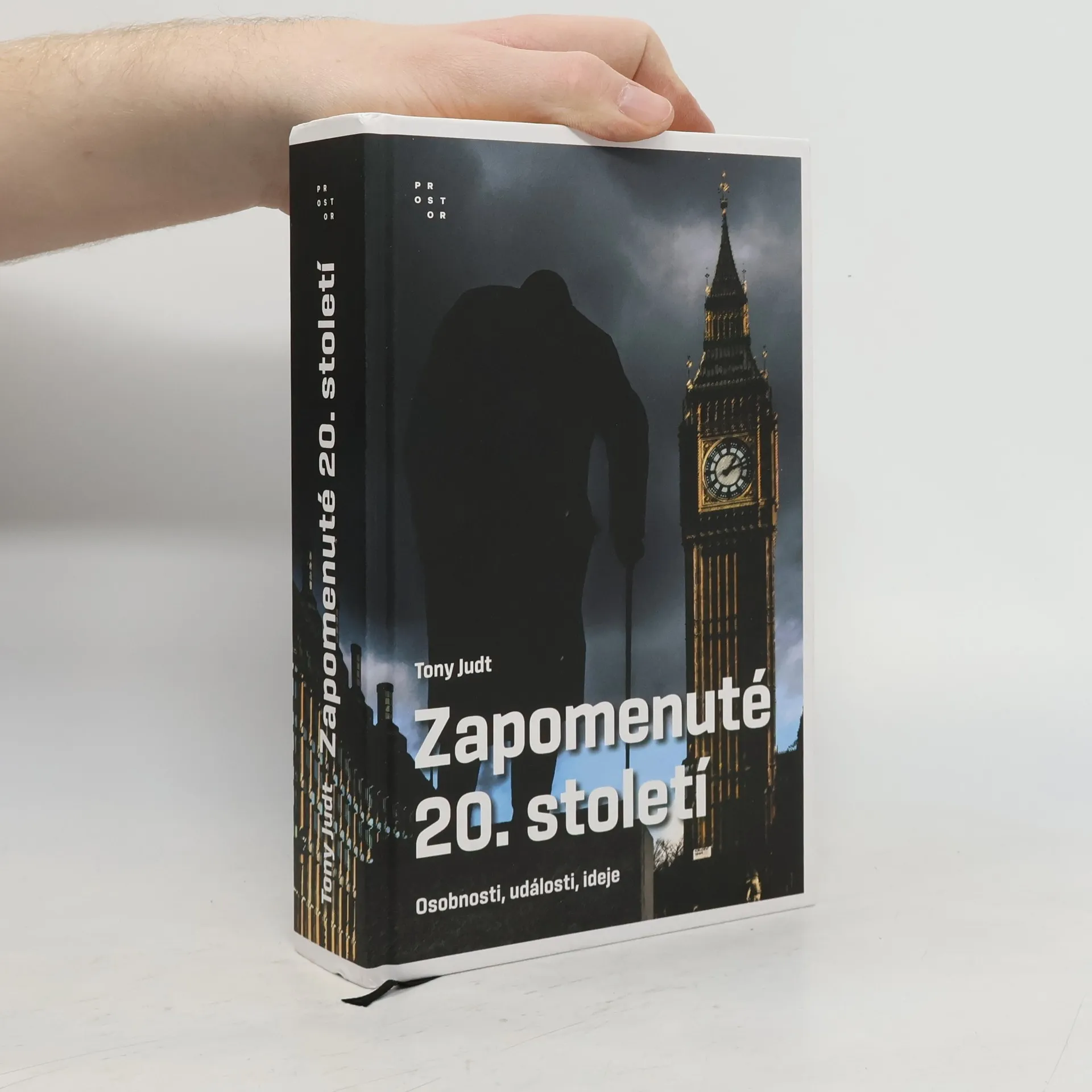
    Zapomenuté 20. století: Osobnosti, události, ideje
    Thinking the Twentieth Century. Nachdenken über das 20. Jahrhundert, englische Ausgabe
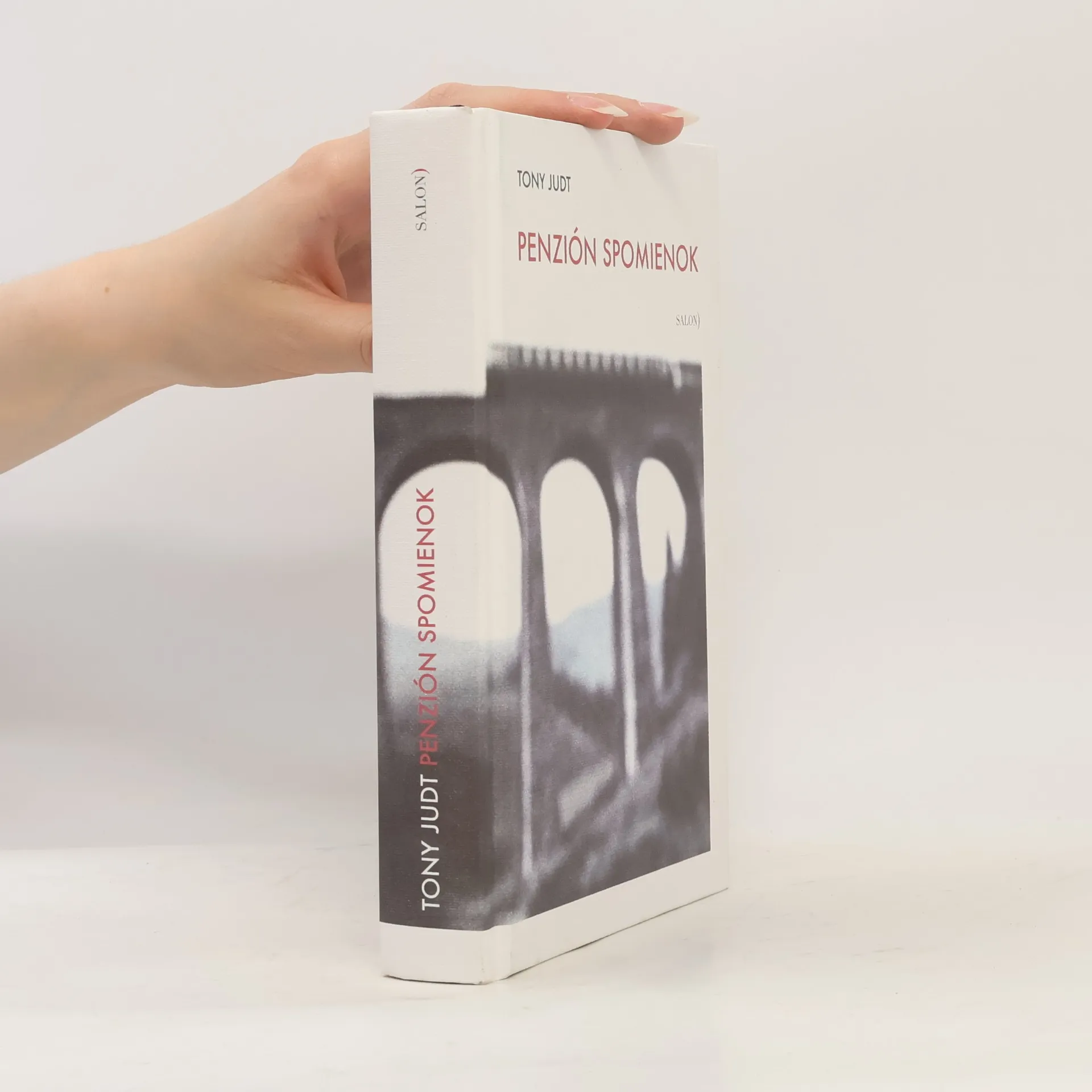
    Penzión spomienok
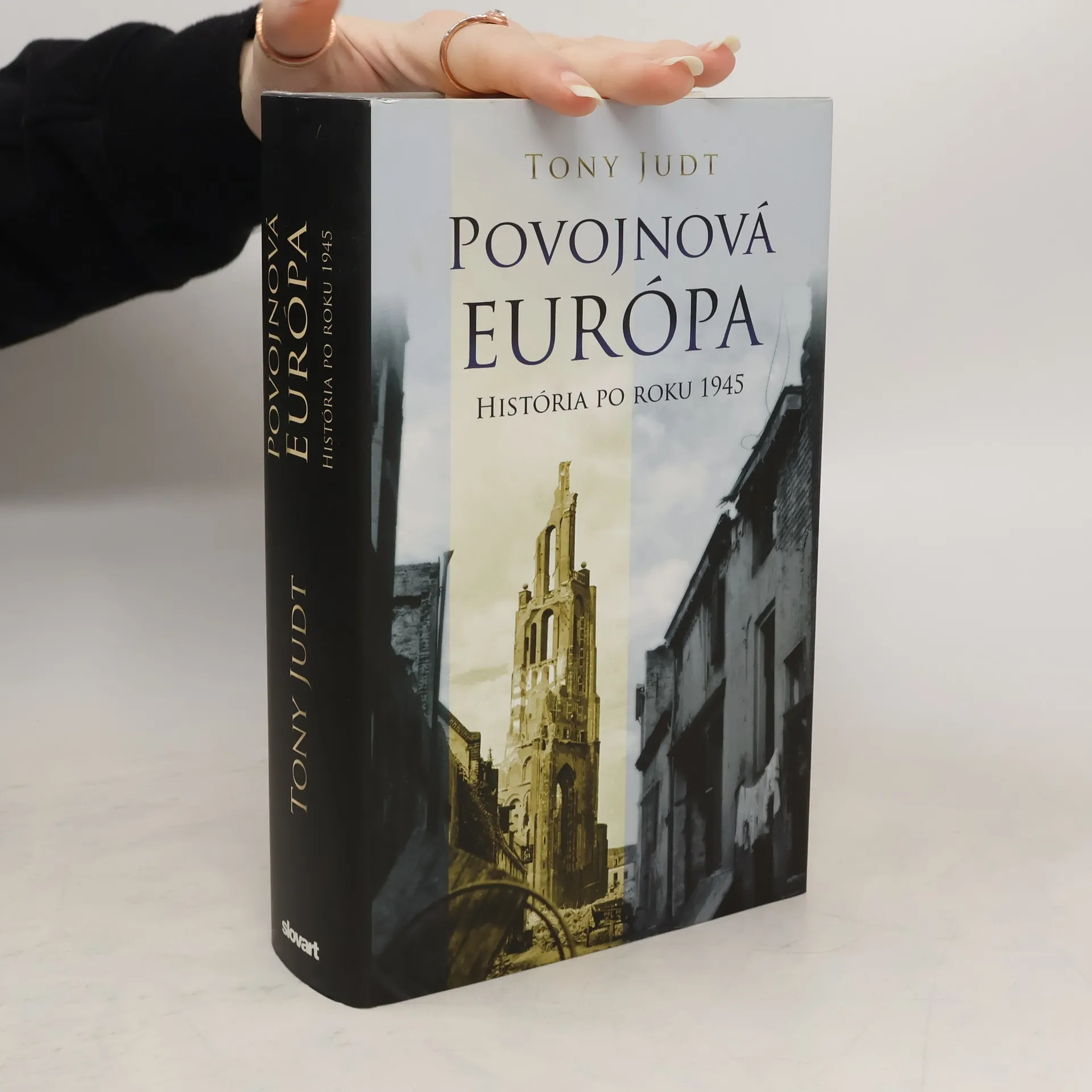
    Povojnová Európa: História po roku 1945
    • V roce 1945 byla Evropa na kolenou. Značnou část evropských zemí těžce postihlo válečné ničení, masové vraždění, letecké bombardování a rozvrat. Prakticky celá východní polovina kontinentu upadla pod sovětskou nadvládu, jednu totalitu tam nahradila druhá. Tony Judt přináší příběh vzkříšení Evropy, která povstala z trosek, příběh sestupu a pádu sovětského komunismu a vzestupu Evropského společenství a Evropské unie, příběh konce evropských říší a obtížného a proměnlivého vztahu Evropy k válečné minulosti a ke dvěma supervelmocím, které jej vymezují, Rusku a Americe. Autor jasně a přehledně zachycuje jak celkový vývoj Evropy, tak i protikladné zkušenosti Evropanů na Východě a na Západě. Kniha, časově dovedená až po válku v Iráku a volbu papeže Benedikta XVI., nám nabízí pochopení smyslu moderní evropské historie a identity, tedy toho, jaká Evropa je a jaká byla. Právem ji můžeme označit za jedinečnou práci na téma Evropa naší doby.
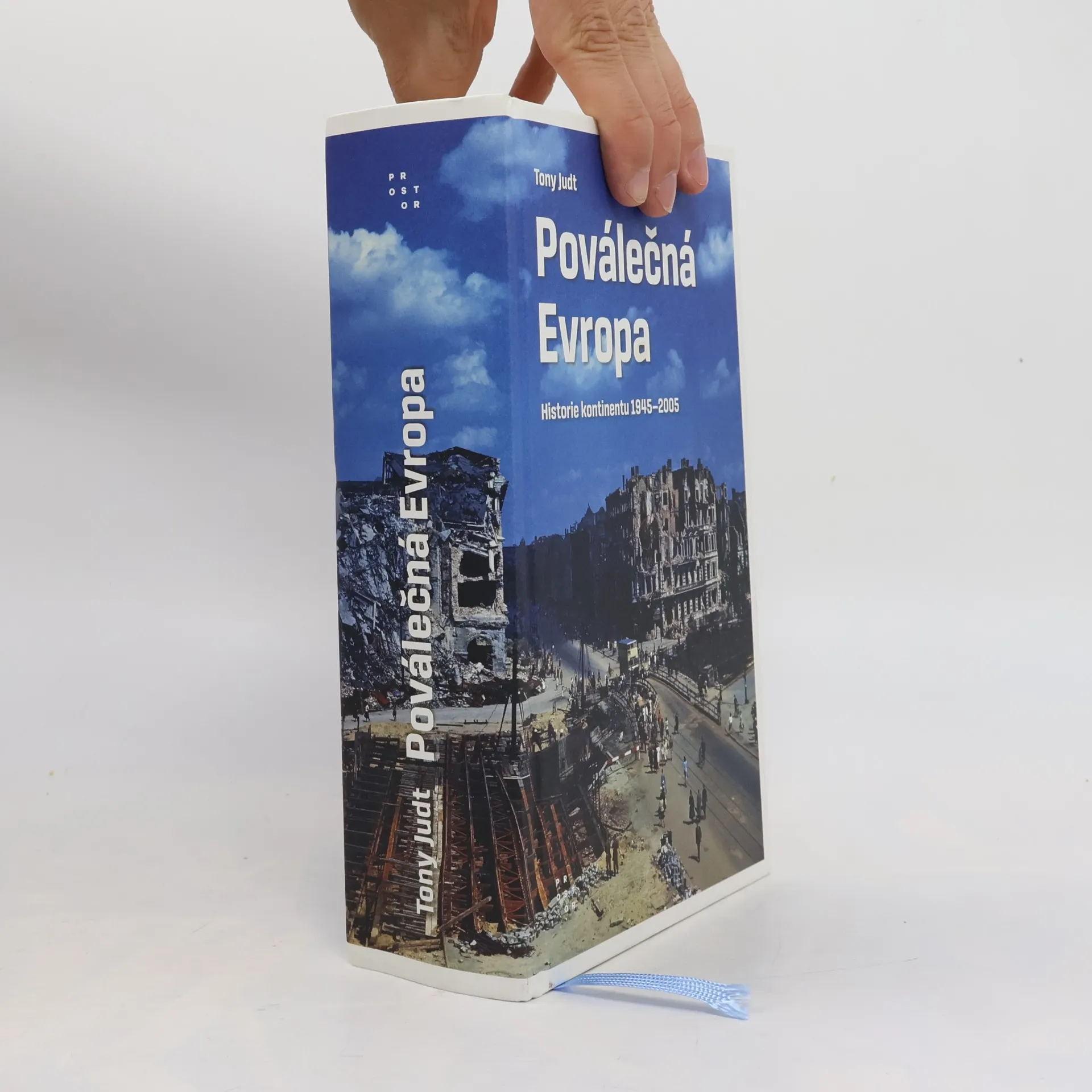
      Poválečná Evropa: Historie kontinentu od roku 1945-20052025
    • Brilantní britský historik, který se jako univerzitní profesor specializoval na moderní evropské dějiny, shromáždil 23 esejí z let 1994–2006. Na pozoruhodné škále osobností, událostí a idejí provádí Tony Judt nemilosrdnou pitvu iluzí po studené válce, že velké konflikty jsou bezpečně za námi, svět vstoupil do epochy míru a demokracie, a ukazuje, na co z historie 20. století zapomínáme a jak velká její část byla obětována mýtu o popření paměti. Nabízí cestu zpět ke smyslu dějin, který naléhavě potřebujeme.

      Zapomenuté 20. století: Osobnosti, události, ideje2024
      4,5
    • The Glory of the Rails

      • 26 stránok
      • 1 hodina čítania

      The essay explores the significant impact of railways on societal development, highlighting their role in shaping modern life. Historian Tony Judt delves into the transformative effects of rail transport on economies, communities, and cultural exchanges, illustrating how railways have interconnected people and places throughout history.

      The Glory of the Rails2022
      4,0
    • Britský historik, který se specializoval na moderní evropské dějiny, nabízí podnětný a silně kritický pohled na celou jednu generaci francouzských intelektuálů, publicistů a spisovatelů, jež byla po dobu zhruba dvanácti let, počínaje osvobozením země v roce 1944 až po maďarské události roku 1956, stržena vírem komunismu. Veřejnou debatu v zásadě formovalo to, jaké stanovisko k počínání zahraničních i domácích komunistů dotyčný zaujal. Autor se věnuje předválečnému kontextu, podává podrobný výklad východoevropských monstrprocesů, včetně těch v Československu, sleduje, jak na ně reagovali ve Francii, a zkoumá, nakolik byla tato zkušenost specificky francouzská. Judtova analýza se netýká jen nejznámějších osobností, jako byl Jean-Paul Sartre, Albert Camus či Simone de Beauvoirová, ale zahrnuje širokou intelektuální komunitu katolických filozofů, vlivných novinářů, literárních kritiků a básníků včetně komunistických. Převládající styl jejich myšlení, koketování s násilím a morální nezodpovědnost udávaly tón nejen ve Francii, ale v celém poválečném evropském kulturním a politickém životě.

      Falešné ideje, cizí krev. Francouzská inteligence 1944-19562018
      4,4
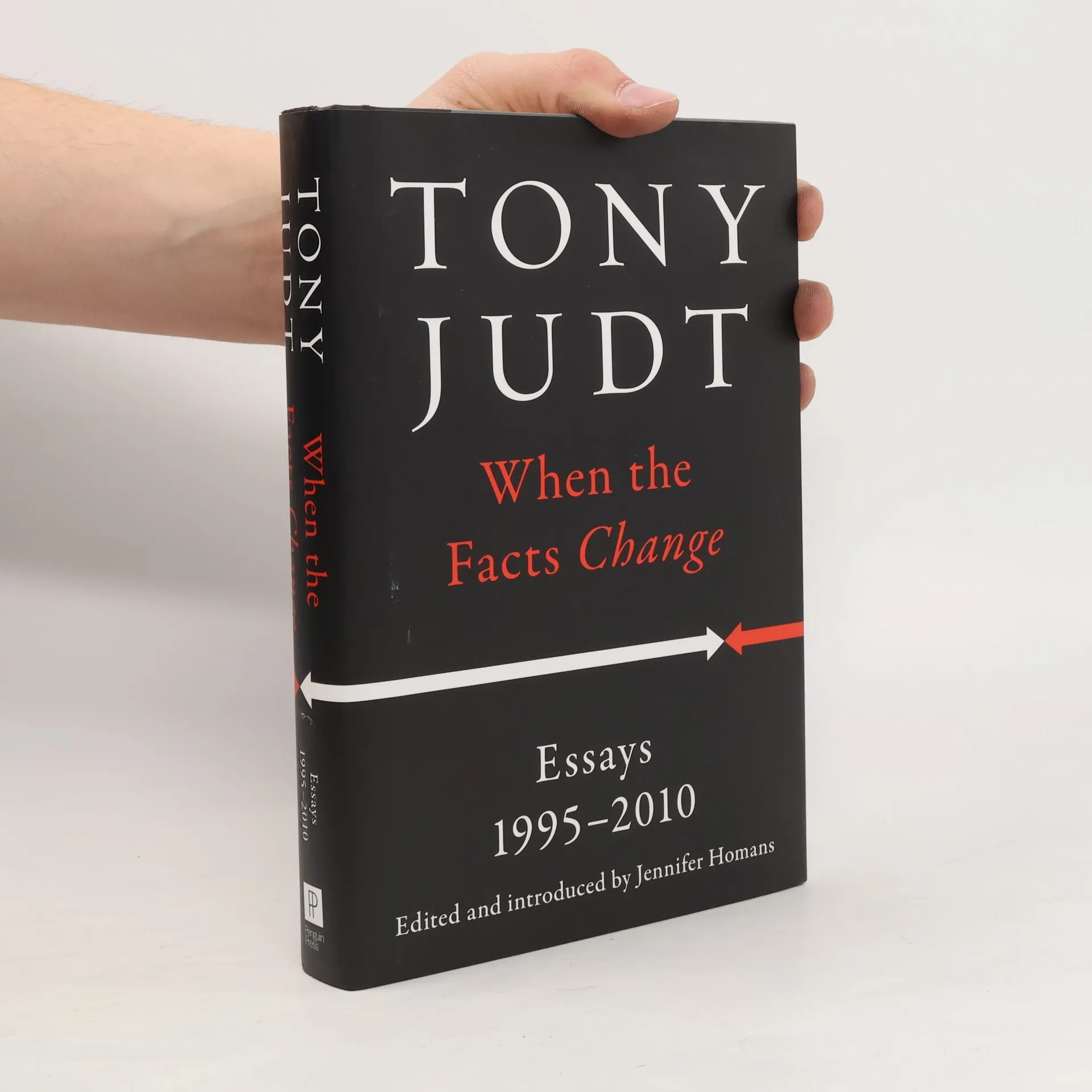
    • When The Facts Change. Essays 1995-2010

      • 386 stránok
      • 14 hodin čítania

      In an era marked by a scarcity of independent public intellectuals, historian Tony Judt emerged as a crucial voice, intertwining history with contemporary issues across Europe and America. In this essential collection curated by his widow, Jennifer Homans, the most significant essays from Judt's later years are presented, showcasing his evolving public discourse. The essays cover a wide array of topics, including the concept of Europe before and after 1989, Israel's complex relationship with the Holocaust and the Palestinians, American dominance post-9/11, and pressing social justice issues amid rising inequality. Judt, who felt a sense of internal exile from his native England and Europe, ultimately settled in New York, reflecting his deep engagement with the 20th century and its challenges. His candid critiques of Israeli policies sparked intense debates, and this collection features pivotal essays, including the previously unpublished "What Is to Be Done?" Judt's compassion for the Israeli dilemma drove him to seek a better path forward. The book also honors cultural figures who inspired him and includes a profound two-part essay on the significance of railway travel in shaping societal values. Additionally, it presents his final public speech on social democracy and a heartfelt dialogue with his son, Daniel. Reading this collection allows one to appreciate Judt's wise, informed perspective on urgent issues, even as his voi

      When The Facts Change. Essays 1995-20102015
      4,2
    • Powojnie

      • 1024 stránok
      • 36 hodin čítania

      W 1945 roku Europa była zniszczona przez wojnę, masowe rzezie i bombardowania, co wprowadziło chaos. Wschodnia część kontynentu znalazła się pod panowaniem ZSRR, co oznaczało zastąpienie jednego despotyzmu drugim. Dziś, po upadku ZSRR, demokratyczna Unia Europejska sięga granic Rosji. Książka przedstawia skomplikowane dzieje Europy, wciąż naznaczone cieniem wojny, opisując jej odbudowę, upadek radzieckiego komunizmu, powstanie Wspólnot Europejskich oraz zmieniające się relacje z supermocarstwami, takimi jak Rosja i USA. Autor bada przyczyny wzrostu niemieckiego przemysłu i upadku brytyjskiego, łączy wydarzenia z 1968 roku w Paryżu z tymi w Pradze, Warszawie i Włoszech. Porównuje dyktatury w Portugalii, Hiszpanii i Rumunii oraz przedstawia różnice między doświadczeniami Europy Wschodniej i Zachodniej. W książce znajdziemy również historie narodów i ludzi, takich jak Churchill, Mitterand, Franco czy Berlusconi. Judt porusza także historię kultury i społeczeństw, omawiając kino, imigrację, egzystencjalizm i punk rock. Autor, urodzony w 1948 roku, jest profesorem europeistyki i dyrektorem Instytutu Ericha Remarque’a. Jego prace są uznawane za znakomite osiągnięcia w historii Europy.

      Powojnie2014
      4,6
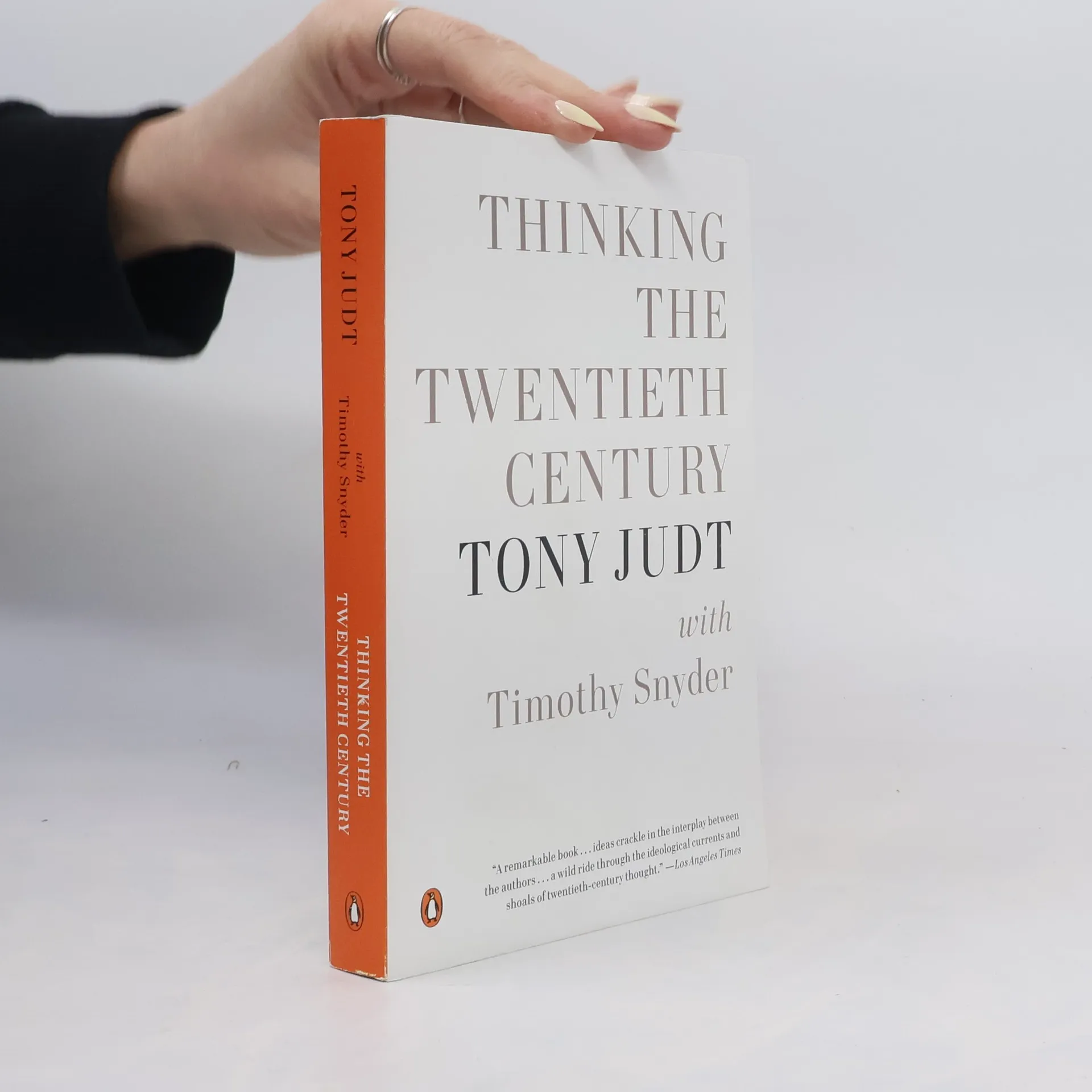
    • "Ideas crackle" in this triumphant final book of Tony Judt, taking readers on "a wild ride through the ideological currents and shoals of 20th century thought.” (Los Angeles Times) One of our most brilliant historians, Tony Judt brings the past century vividly to life in this unprecedented and original history. Structured as a series of intimate conversations between Judt and his friend and fellow historian Timothy Snyder, Thinking the Twentieth Century presents the triumphs and the failures of the twentieth century's most prominent intellectuals and their ideas, guiding readers through the debates that defined our world. Spanning an era with unprecedented clarity and insight, Thinking the Twentieth Century is a tour de force: a masterful analysis of the life of the mind and an unforgettable guide to leading the mindful life.

      Thinking the Twentieth Century. Nachdenken über das 20. Jahrhundert, englische Ausgabe2012
      4,6
    • Penzión spomienok

      • 260 stránok
      • 10 hodin čítania

      Texty v tejto útlej knižke vznikli pôvodne pre osobné potešenie autora, inšpirovaného Timothy Garton Ashom, ktorý si všimol jeho vnútorné zamyslenia. Autor, Tony Judt, vyjadril vďaku za podporu, ktorú dostal pri svojich prvých písaniach. Po dokončení polovice fejtónov ich ukázal agentom z Wylie Agency a Robertovi Silversovi z New York Review of Books, ktorých nadšenie mu dodalo odvahu, ale zároveň vyvolalo etickú otázku týkajúcu sa publikovania textov, ktoré neprešli redakčnou úpravou. Judtove memoáre sú jedinečné a v každej eseji sa odráža osobná skúsenosť zasadená do historického kontextu. Jeho mladistvá láska k trase londýnskeho autobusu sa transformuje na úvahy o verejnom občianstve. Spomienky na jedlá a vlaky ožívajú v povojnovom Londýne, Paríži, Prahe a východnom New Yorku, kde našiel domov. Judt do všetkého vnáša svoju morálku a humor, pričom sa dotýka tém ako rýchle autá, pivo, politický radikalizmus a jeho smrteľná choroba. Kniha vznikla v čase, keď bol Judt ochrnutý a nemohol písať, pričom sa inšpiroval obrazom švajčiarskeho horského hotela, ktorý mu ostal v pamäti ako teplý úkryt v tme. Úvod k slovenskému vydaniu napísal Judtov obdivovateľ Martin M. Šimečka, ktorý mal tú česť byť jeho hosťom.

      Penzión spomienok2011
      4,3
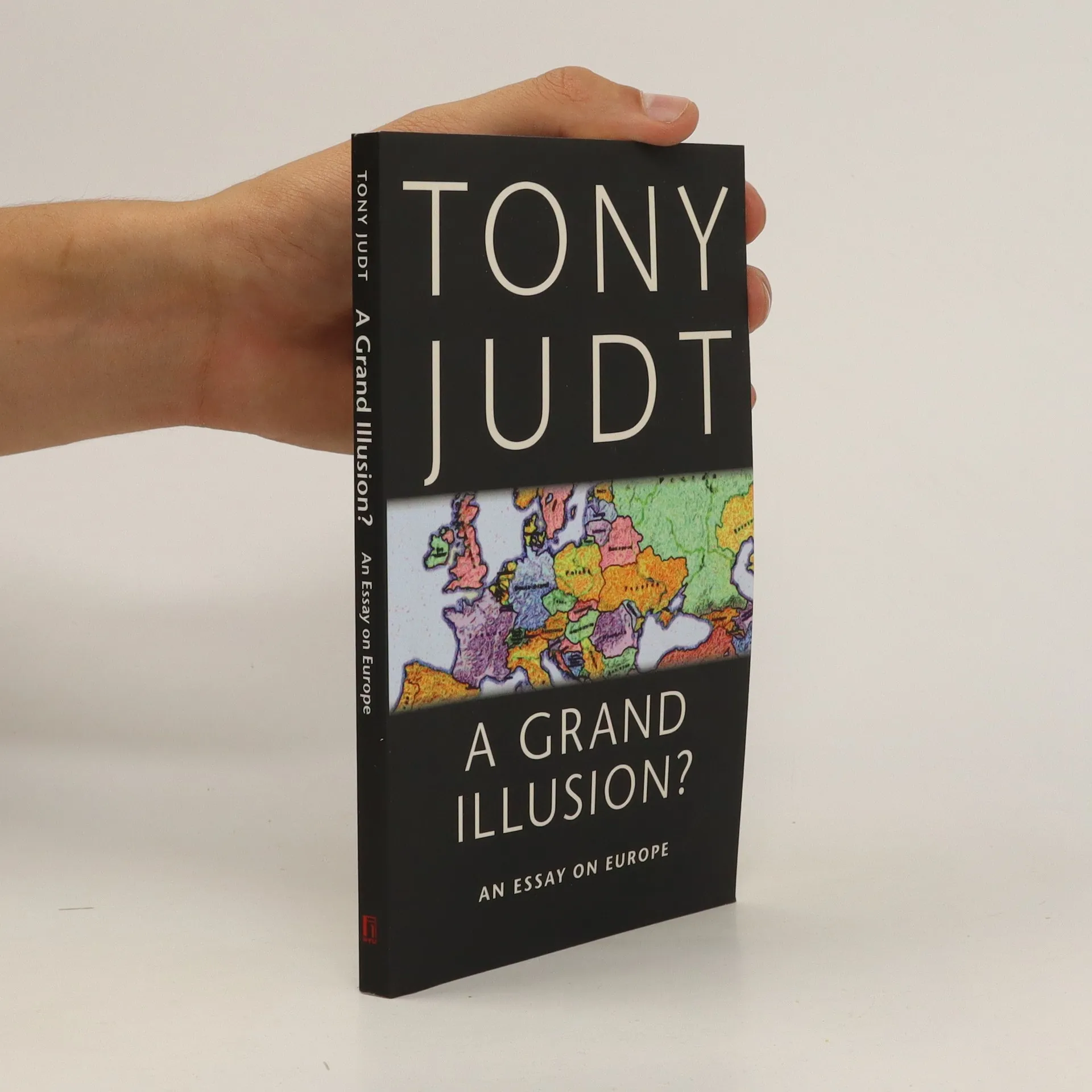
    • A grand illusion? : an essay on Europe

      • 149 stránok
      • 6 hodin čítania

      “I am enthusiastically European; no informed person could seriously wish to return to the embattled, mutually antagonistic circle of suspicious and introverted nations that was the European continent in the quite recent past. But it is one thing to think an outcome desirable, quite another to suppose it is possible. It is my contention that a truly united Europe is sufficiently unlikely for it to be unwise and self-defeating to insist upon it. I am thus, I suppose, a Euro-pessimist.” —Tony Judt

      A grand illusion? : an essay on Europe2011
      3,8
    • Retour sur le XXème siècle

      • 618 stránok
      • 22 hodin čítania

      Pour en finir avec l'ère de l'oubli De nos jours, les bouleversements géopolitiques sont si brusques que nous les oublions avant d'avoir pu les comprendre. C'est comme si un siècle de débats, de politique internationale, d'affaires sociales et d'enthousiasme collectif n'avait jamais existé. Nous ne savons plus d'où nous venons. Si cette ignorance croissante de notre passé est regrettable, notre hantise du futur s'avère pire encore. Nous ne parvenons plus à nous inscrire dans une tradition. Nous négligeons le rôle des idées et la responsabilité des intellectuels.Dans, Retour sur le XXe siècle , Tony Judt ressuscite les principaux courants fondateurs du monde moderne (le communisme, marxisme, capitalisme) et combat cette ère de l'oubli. Il nous rappelle à quel point les idées sont déterminantes : pour notre ancrage dans le présent et notre projection dans l'avenir. Il dénonce cette volonté active d'oublier, plutôt que de se souvenir, de nier la continuité pour proclamer à chaque occasion la nouveauté.D'un souffle rare, cet essai est ponctué d'analyses éblouissantes qui nous entrainent dans un voyage unique, par sa richesse et sa profondeur, à travers notre passé.

      Retour sur le XXème siècle2010
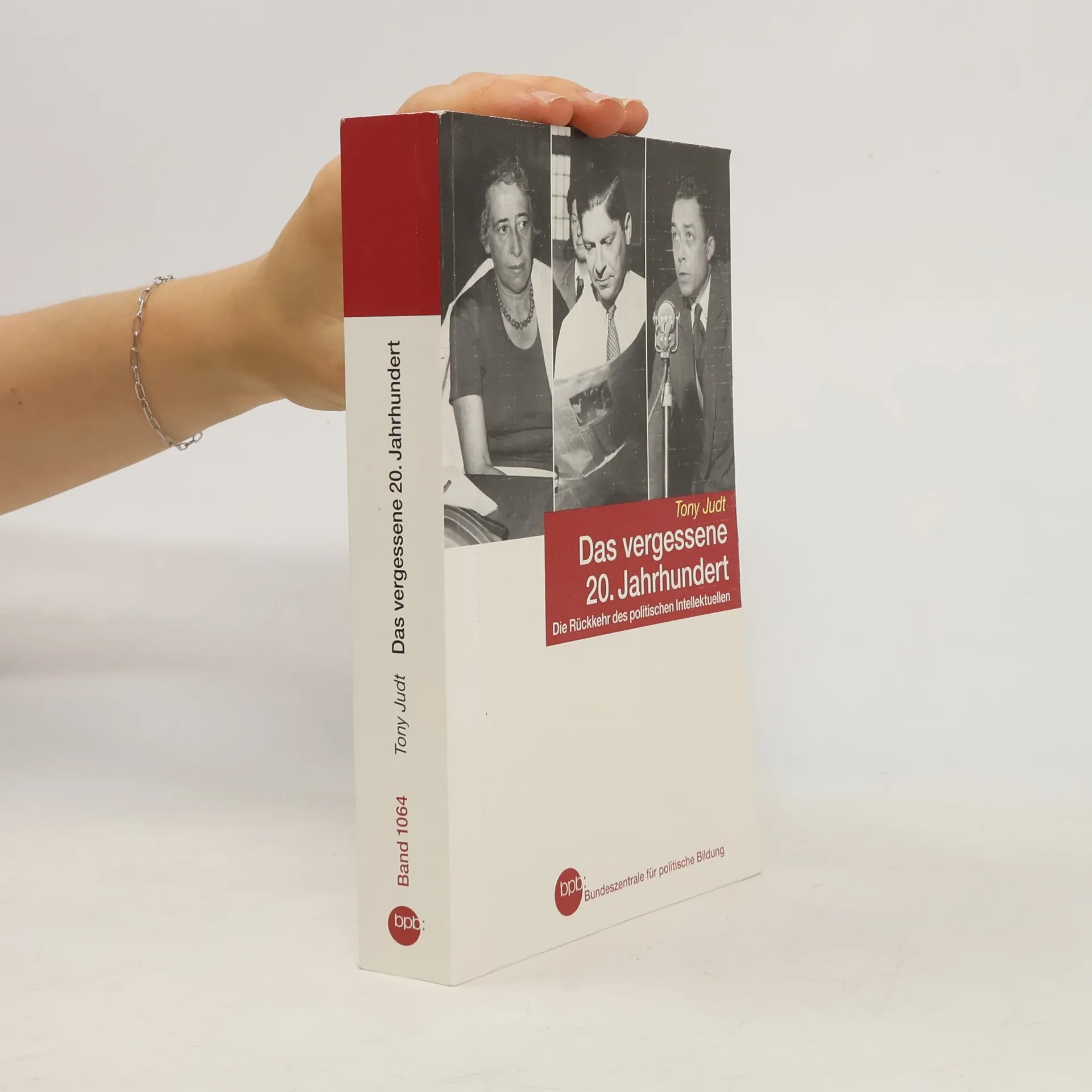
    • Das vergessene 20. Jahrhundert

      Die Rückkehr des politischen Intellektuellen

      • 480 stránok
      • 17 hodin čítania

      Was bedeutet soziale Gerechtigkeit? Welchen Platz nimmt Europa neben den Supermächten ein? In Zeiten der Krise rücken diese Grundsatzfragen wieder in den Mittelpunkt. Tony Judt präsentiert in seinem Buch die politischen Denker des 20. Jahrhunderts, die mit ihren Argumenten die großen Debatten dieser Ära beherrschten: Hannah Arendt, Eric Hobsbawm, Albert Camus und viele mehr. Gerade heute, in einer Zeit, in der Politik und Geschichte wieder dramatische Wendungen nehmen, sollten wir sie neu entdecken.

      Das vergessene 20. Jahrhundert2010
      4,4
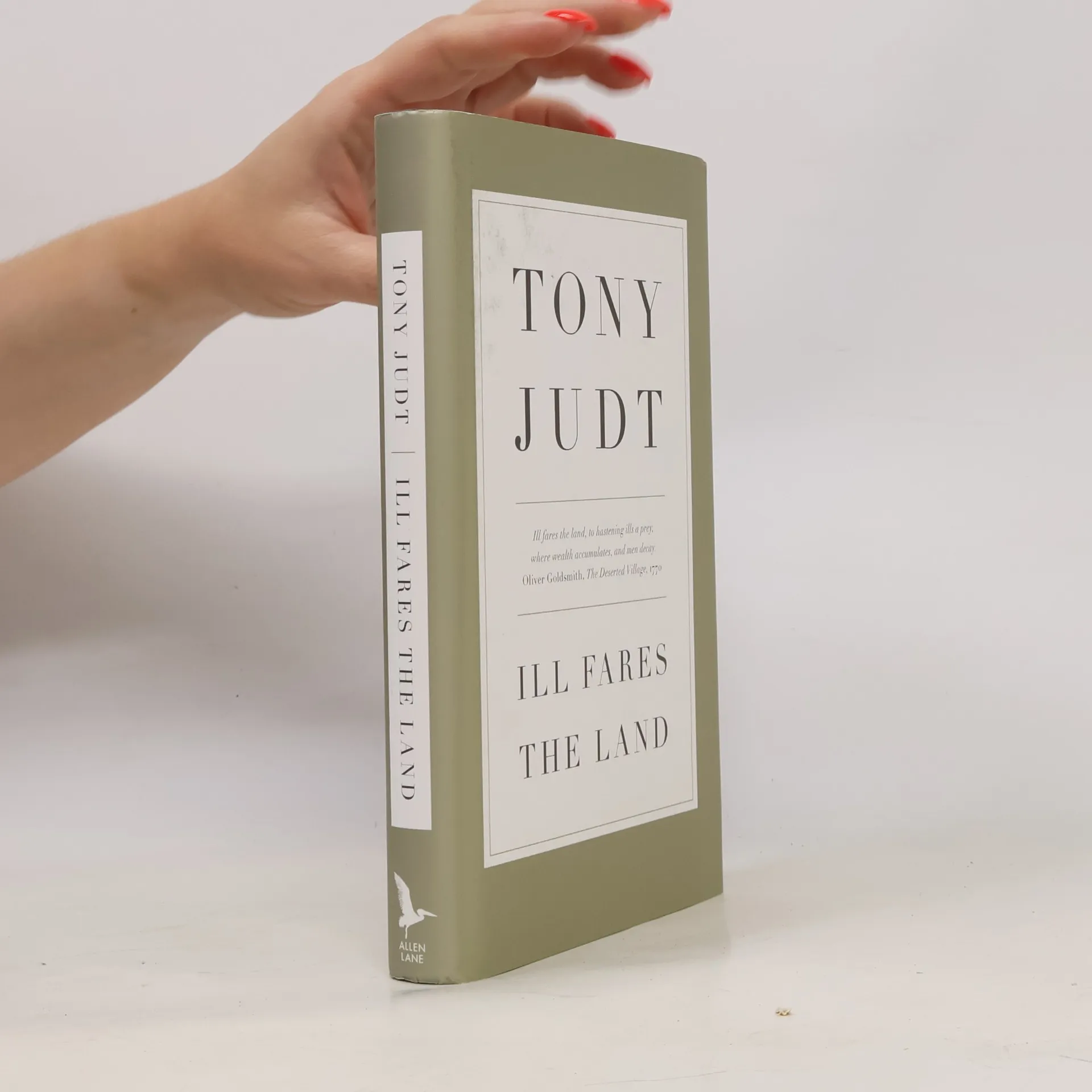
    • Ill Fares the Land

      • 256 stránok
      • 9 hodin čítania

      As the economic collapse of 2008 made clear, the social contract that defined postwar life in Europe and America is no longer guaranteed. Historian Judt challenges readers to confront societal ills and shoulder responsibility for the world they live in.

      Ill Fares the Land2010
      4,1
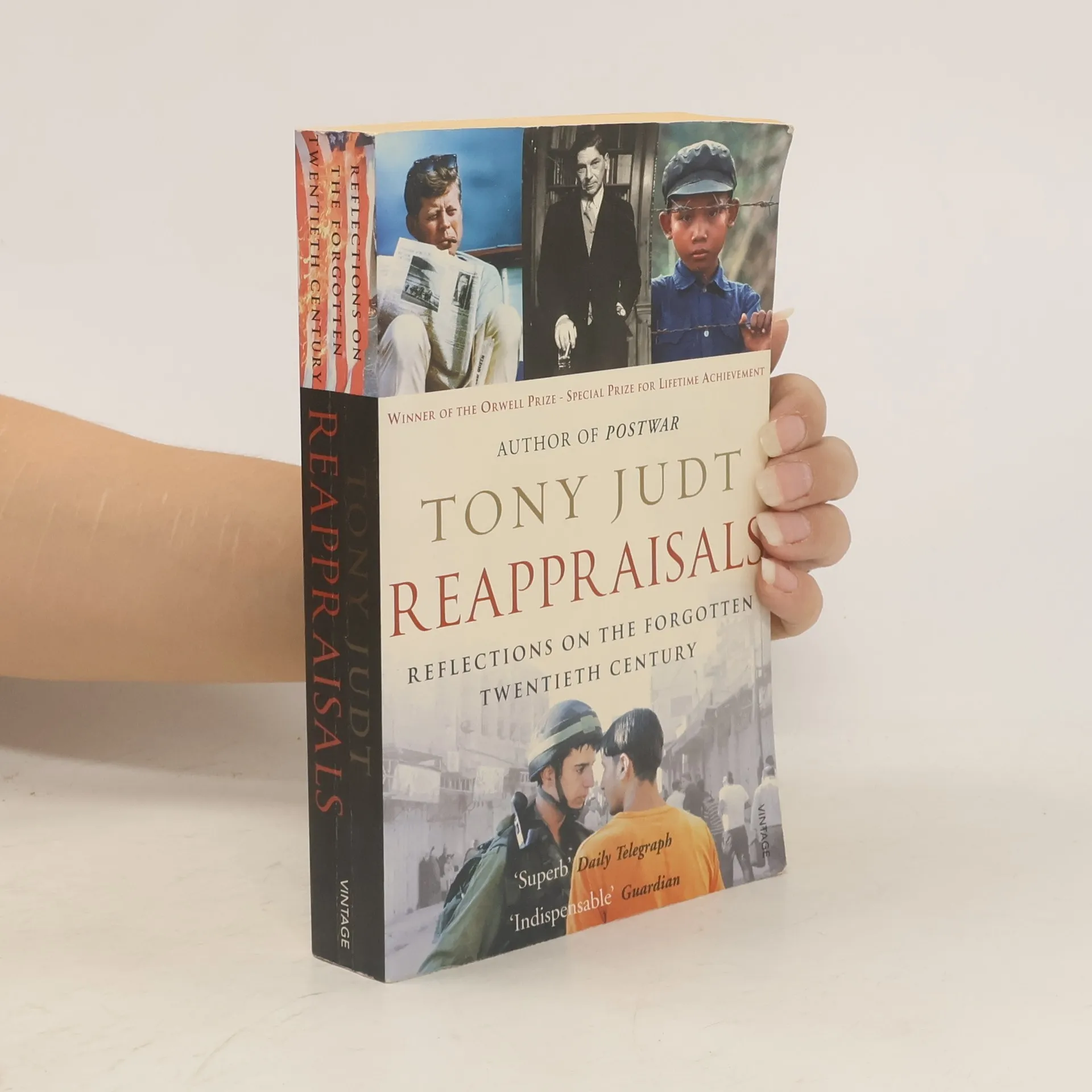
    • “Exhilarating . . . brave and forthright.” —The New York Times Book Review “Perhaps the greatest single collection of thinking on the political, diplomatic, social, and cultural history of the past century.” —Forbes We have entered an age of forgetting. Our world, we insist, is unprecedented, wholly new. The past has nothing to teach us. Drawing provocative connections between a dazzling range of subjects, from Jewish intellectuals and the challenge of evil in the recent European past to the interpretation of the Cold War and the displacement of history by heritage, the late historian Tony Judt takes us beyond what we think we know of the past to explain how we came to know it, showing how much of our history has been sacrificed in the triumph of myth—making over understanding and denial over memory. Reappraisals offers a much-needed road map back to the historical sense we urgently need. Judt's book, Ill Fares the Land, republished in 2021 featuring a new preface by bestselling author of Between the World and Me and The Water Dancer, Ta-Nehisi Coates.

      Reappraisals2009
      4,2
    • Argues that we have entered an 'age of forgetting', where we have set aside our immediate past before we could even begin to make sense of it. It examines the tragedy of twentieth-century Europe by way of thought-provoking pieces on Hannah Arendt, Edward Said, Albert Camus and Henry Kissinger amongst others.

      Reappraisals : Reflections on the Forgotten Twentieth Century2009
      3,9
    • Povojnová Európa: História po roku 1945

      • 841 stránok
      • 30 hodin čítania

      Táto kniha rozpráva príbeh Európy od konca druhej svetovej vojny. Jej dej sa teda začína v roku 1945 – v hodine nula, alebo, ako to volali Nemci – Stunde Null. Ale ako všetko ostatné v 20. storočí, aj tento príbeh sa odohráva na pozadí tridsiatich rokov vojny, ktoré sa začali v roku 1914, keď Európa nastúpila na svoju cestu ku katastrofe. Kapitoly knihy sú logicky rozdelené na štyri časti: prvá časť má názov Povojnová Európa: 1945 - 1953 a venuje sa zásadným témam ako obnovenie Európy, príchod studenej vojny. Druhá časť s názvom Prosperita a jej nálady sa sústreďuje na dianie v rokoch 1953 až 1971. Tretia časť nesie názov Recesia: 1971 - 1989 a posledná časť s názvom Po páda sa orientuje na najnovšie dejiny a pojednáva o dianí v Európe od roku 1989 až po súčasnosť (do roku 2005).

      Povojnová Európa: História po roku 19452005
      4,4
    • Was für eine herrliche Vision: nun, nach dem Verschwinden des Eisernen Vorhangs und des West-Ost-Antagonismus, das friedliche und prosperierende Westeuropa als vitalen Zellkern für die kommenden »Vereinigten Staaten von Europa« zu nutzen. Nur leider ist diese Vision eine Illusion, eine höchst riskante und gefährliche Selbsttäuschung. Weshalb das so ist, beschreibt Tony Judt mit der Unabhängigkeit eines Kosmopoliten, der sich seinen Blick weder durch leere Formeln noch durch das Pathos einer trügerischen Europabegeisterung verstellen läßt.

      Grosse Illusion Europa1996
      3,0