Standard Handbook for Electrical Engineers
Tenth Edition


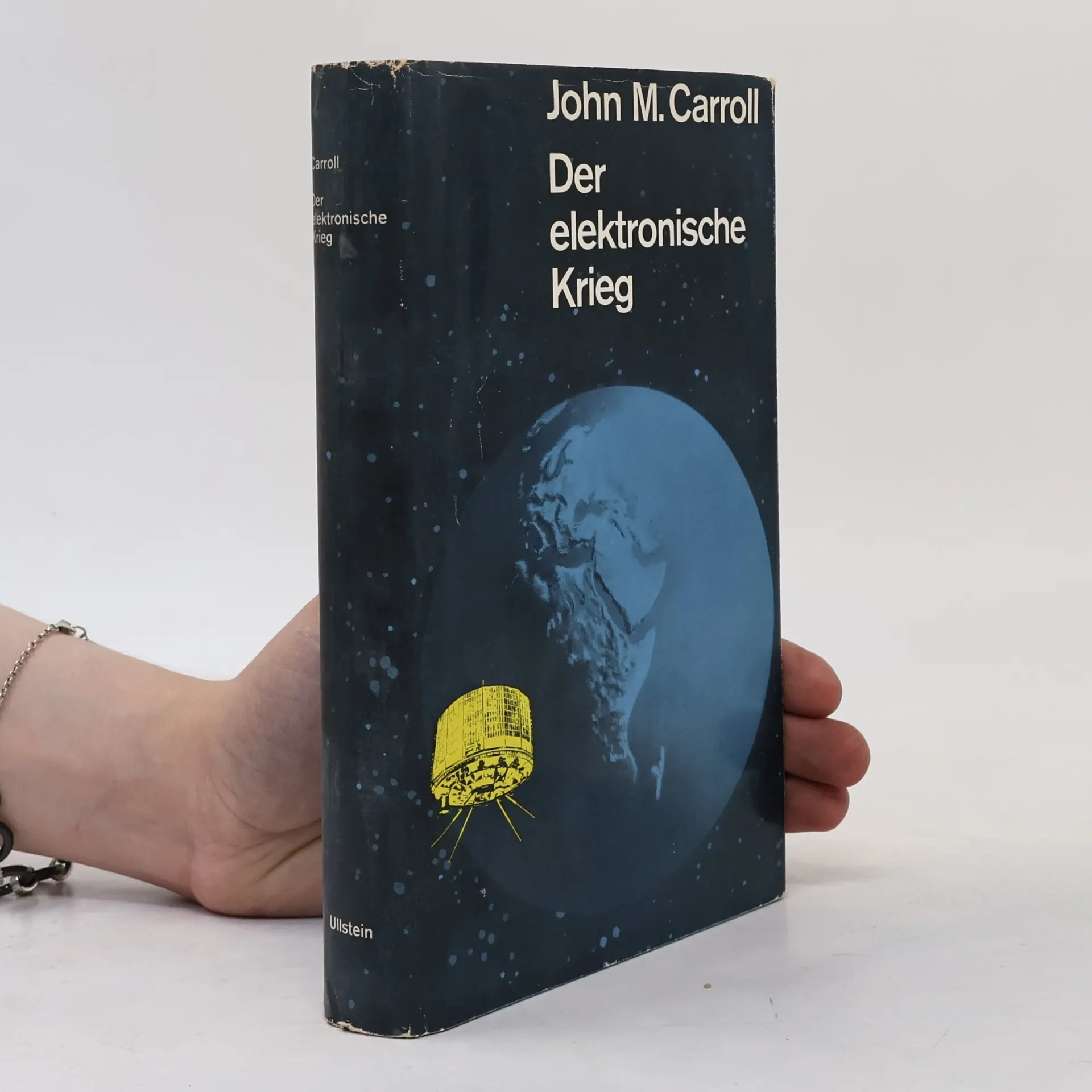
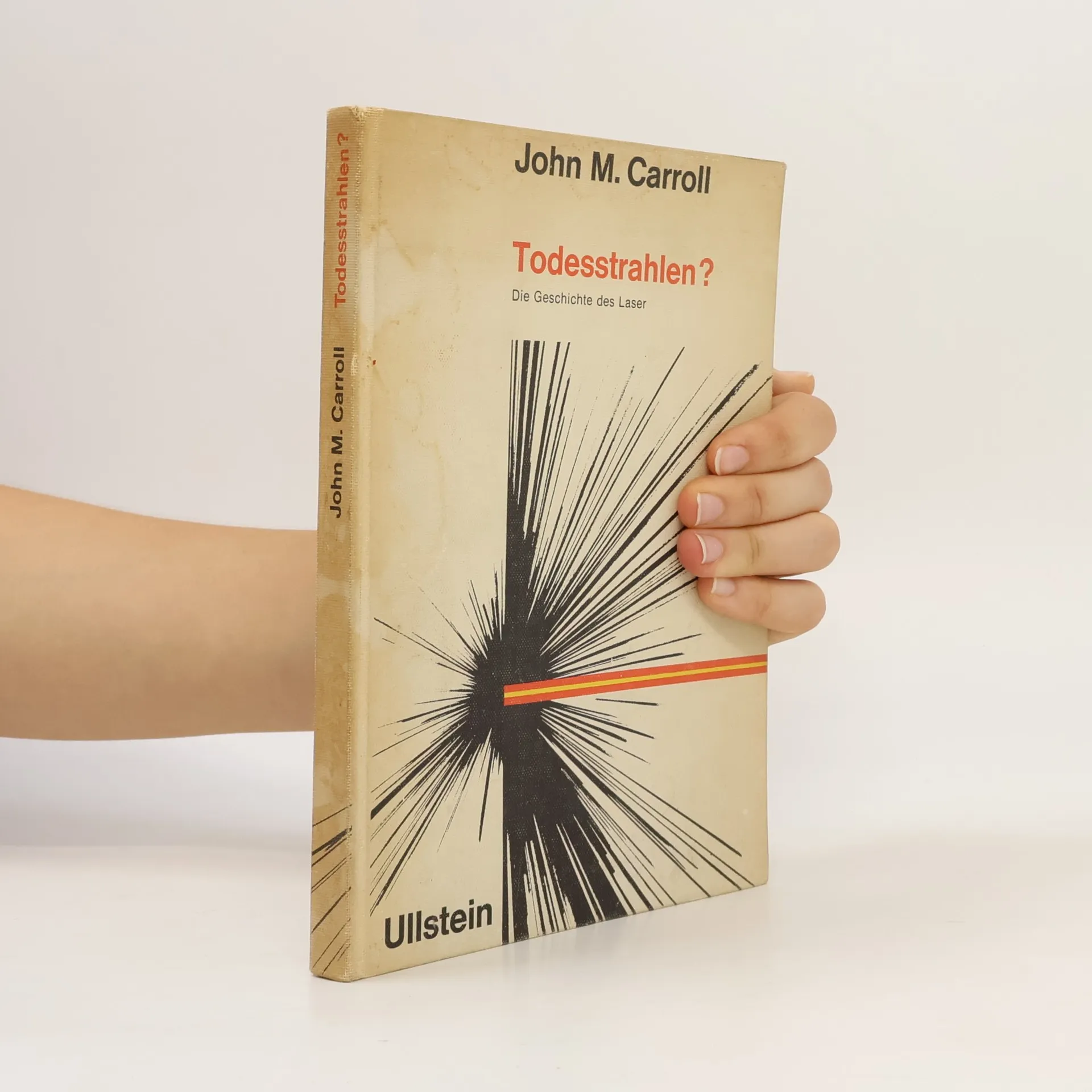
John Carroll je profesor sociológie, ktorého práca sa zameriava na skúmanie kultúrnych posunov a spoločenských trendov. Jeho analýzy sa hlboko ponárajú do podstaty modernej spoločnosti a skúmajú sily, ktoré formujú naše kolektívne správanie a myslenie. Prostredníctvom svojho akademického výskumu ponúka kritický pohľad na súčasné kultúrne javy a ich vplyv na jednotlivcov aj spoločnosť ako celok.


Tenth Edition
The book delves into the diverse perspectives of Britons living in late-imperial China, focusing on their frustrations with the Canton System's limitations. John M. Carroll vividly recounts a pivotal era in Anglo-Chinese relations, highlighting the significant roles of tea and opium through firsthand accounts from individuals who experienced this historical period firsthand.
Focusing on the British community in Canton and Macao from the mid-1700s to the end of the Opium War in 1842, this book challenges prevailing assumptions about British involvement in China. It provides a clear and engaging narrative that offers insights into the complexities of British imperial history and early modern Chinese interactions. This work is particularly appealing to readers interested in the nuanced dynamics of colonialism and cross-cultural exchanges during this pivotal period.
After ten years of production, the Solihull-manufactured Land Rover was established as a useful 4x4, popular with farmers, armies, and those whose employment took them far from the beaten track. Following a redesign, the Series II Land Rover was launched in April 1958. It was available in two wheelbases, with a choice of diesel or petrol engines and a variety of body styles including pick-ups and soft-tops and, aimed more at travel and people-carrying rather than agricultural work, short and long wheelbase Station Wagons. The main difference that identified the new Land Rovers at a glance was the radius pressed into the aluminum bodywork below the galvanized waist rail. This changed the Land Rover's appearance considerably and was a shape that endured until 2016 in the Land Rover Defender. The Series IIA was introduced in 1961 and through a production run that last until 1971, a succession of upgrades, mainly detail and cosmetic changes, followed.The distinctive Station Wagon models – unofficially referred to as 'Safari' models – became popular with overland travelers and were often seen on location in TV nature programs, in National Geographic magazine and in the hands of aid agencies all of which promoted the Land Rover, which had most of the market to itself, especially in export markets such as Australasia and Africa.
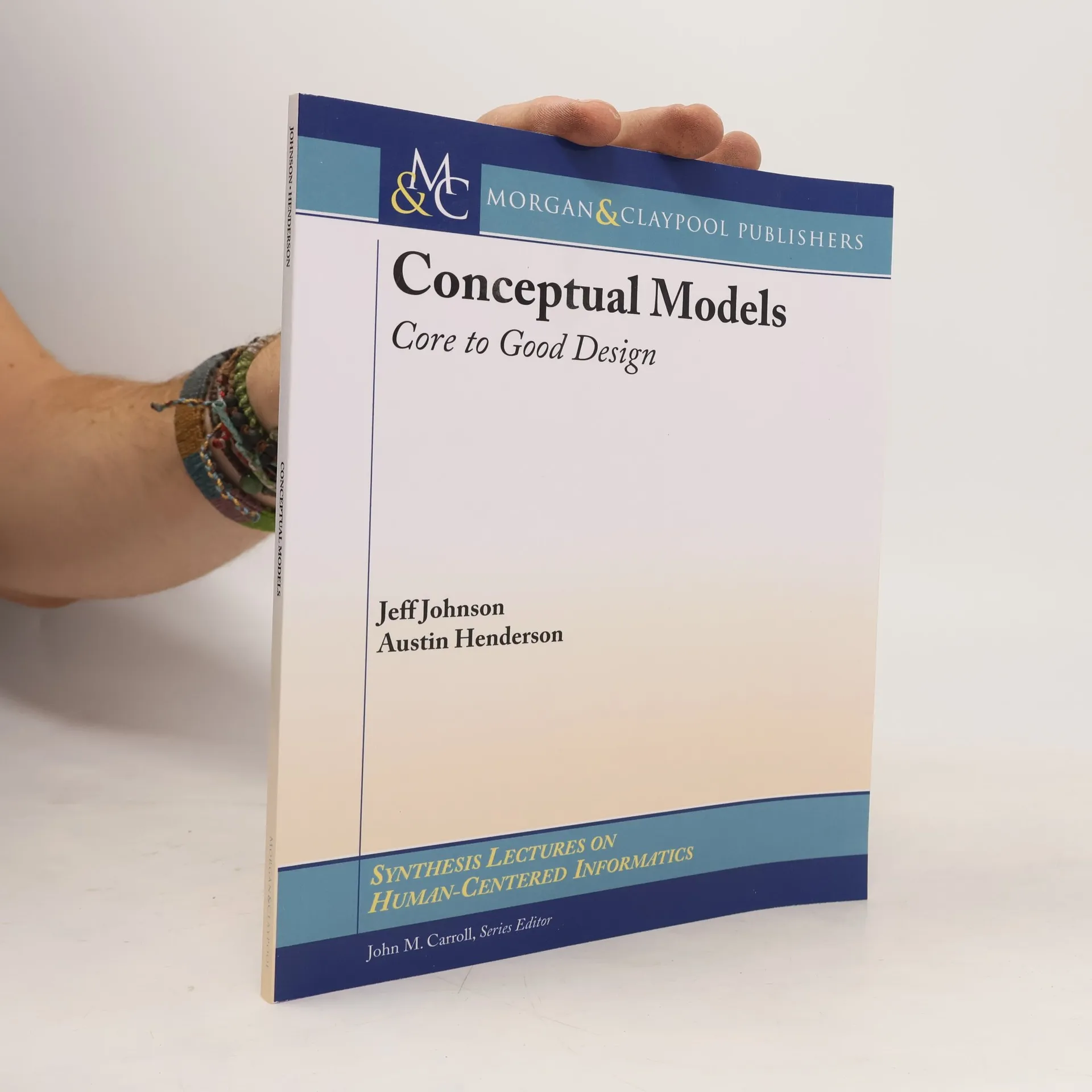
Core to Good Design
People make use of software applications in their activities, applying them as tools in carrying out tasks. That this use should be good for people--easy, effective, efficient, and enjoyable--is a principal goal of design. In this book, we present the notion of Conceptual Models, and argue that Conceptual Models are core to achieving good design. From years of helping companies create software applications, we have come to believe that building applications without Conceptual Models is just asking for designs that will be confusing and difficult to learn, remember, and use.We show how Conceptual Models are the central link between the elements involved in application use: people's tasks (task domains), the use of tools to perform the tasks, the conceptual structure of those tools, the presentation of the conceptual model (i.e., the user interface), the language used to describe it, its implementation, and the learning that people must do to use the application. We further show that putting a Conceptual Model at the center of the design and development process can pay rich dividends: designs that are simpler and mesh better with users' tasks, avoidance of unnecessary features, easier documentation, faster development, improved customer uptake, and decreased need for training and customer support.