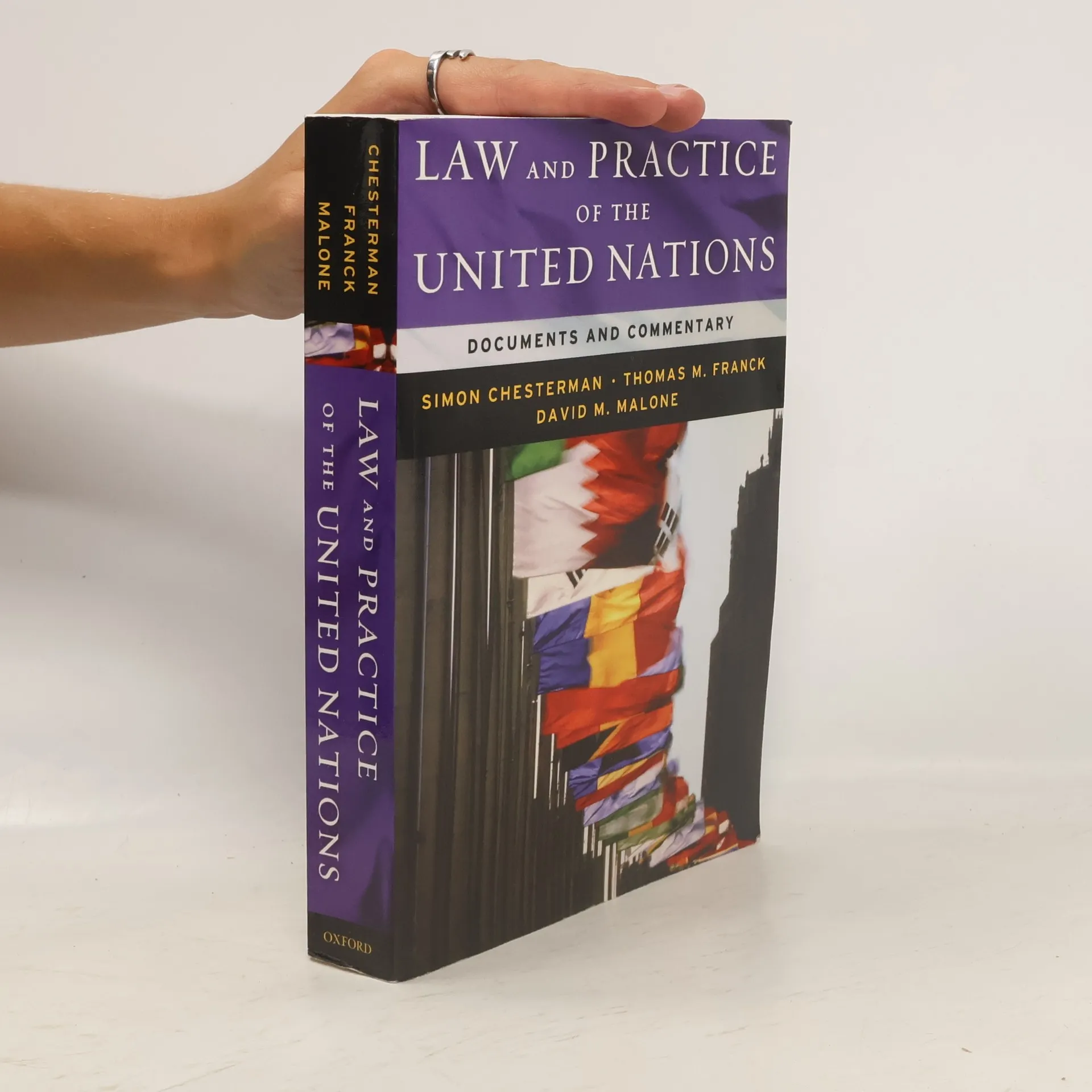
Simon Chesterman je uznávaný autor, ktorého diela sa hlboko ponárajú do zložitých vzťahov medzi právom, technológiou a spoločnosťou. Svojimi publikáciami skúma etické dôsledky moderných technológií a ich vplyv na ľudskú slobodu a demokraciu. Chestermanov prenikavý pohľad a jasný štýl písania ponúkajú čitateľom pútavú reflexiu nad výzvami, ktorým čelíme vo svete, ktorý je čoraz viac pod dohľadom. Jeho práca podnecuje k zamysleniu sa nad budúcnosťou vládnutia a nad tým, ako môžeme chrániť základné ľudské práva v digitálnom veku.
Should we regulate artificial intelligence? Can we? From self-driving cars and
high-speed trading to algorithmic decision-making, the way we live, work, and
play is increasingly dependent on AI systems. This book examines how our laws
are dealing with AI, as well as what additional rules and institutions are
needed.
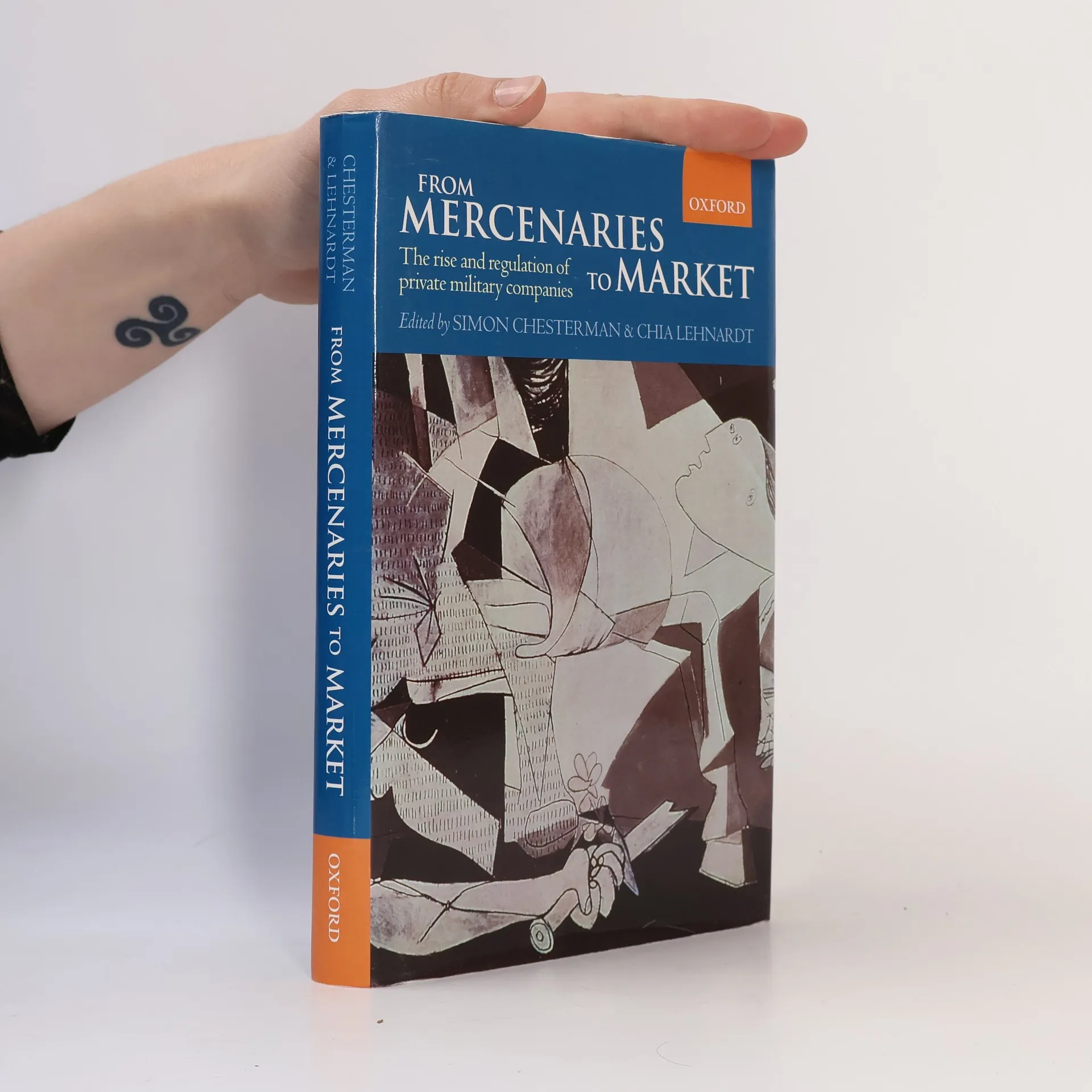
The Rise and Regulation of Private Military Companies
310 stránok
11 hodin čítania
Frequently characterized as either mercenaries in modern guise or the market's response to a security vacuum, private military companies are commercial firms offering military services ranging from combat and military training and advice to logistical support, and play an increasingly important role in armed conflicts, UN peace operations, and providing security in unstable states.As private military companies assume more responsibilities in conflict and post-conflict settings, their growing significance raises fundamental questions about their nature, their role in different regions and contexts, and their regulation. This volume examines the interaction between regulation and market forces and analyzes the current legal framework and the needs and possibilities for regulation in the years ahead.
The book critically analyzes the contentious right of humanitarian intervention, particularly in light of NATO's 1999 air strikes in Kosovo. It explores the UN Charter's prohibition of unilateral force and debates surrounding potential exceptions to this rule. By examining the evolving role of the Security Council, the author situates NATO's actions within a broader legal and historical context, providing insights into the complexities of international law and humanitarian intervention.