

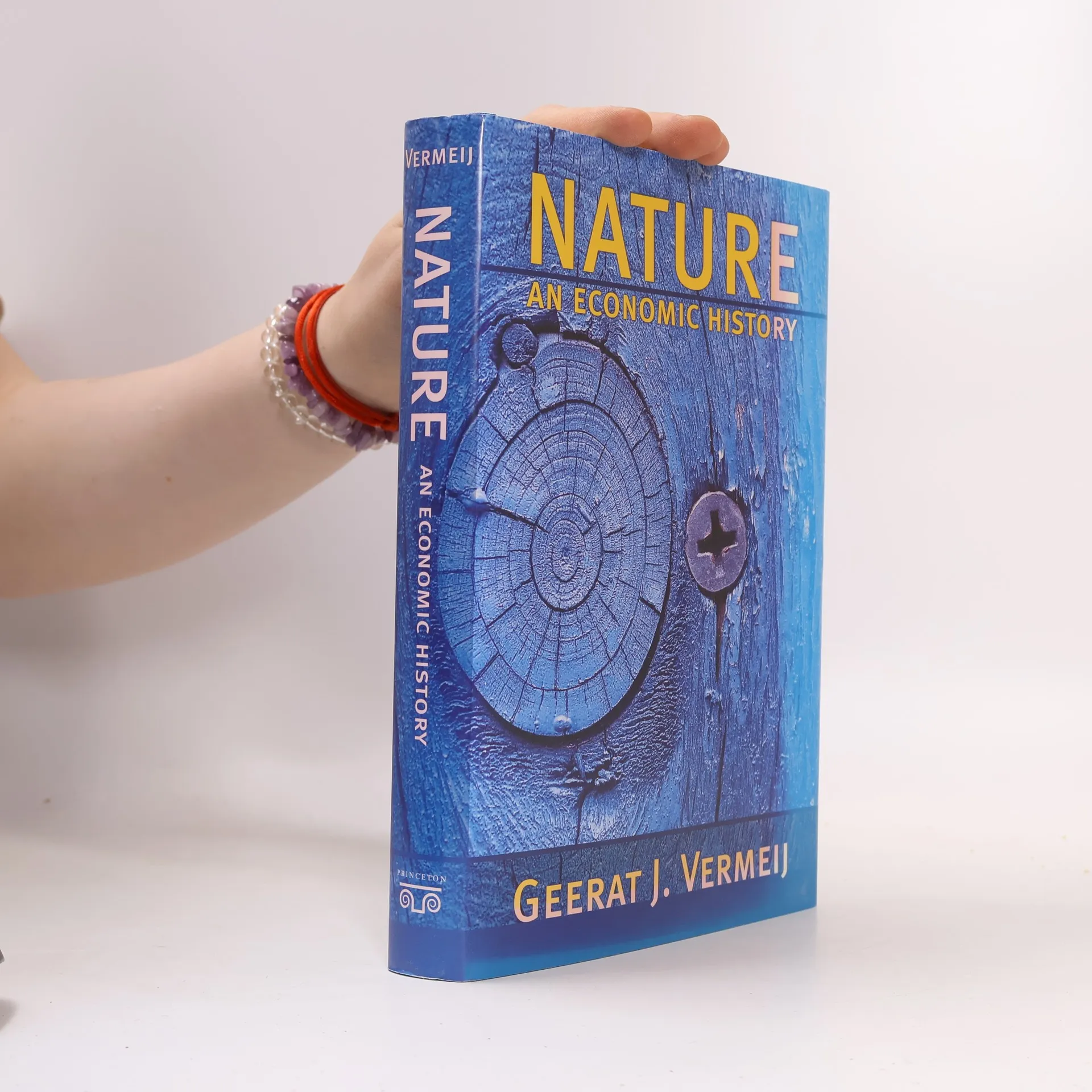
All living things, from humans to hermit crabs to deep water plankton, compete for limited resources, a universal truth that connects economics, evolution, and history. Geerat Vermeij explores the interplay of biology, economics, and geology, revealing how competition, cooperation, adaptation, and feedback govern both evolution and human economies. He illustrates that historical patterns in both human and nonhuman evolution stem from these shared principles. Through numerous examples of evolutionary innovations, Vermeij posits that evolution and economics are intertwined. Dominant consumers and producers exert significant influence over the characteristics and distribution of life forms. Consumer demand, paired with favorable supply-side conditions, drives adaptation and escalation among organisms. Although disruptions can temporarily halt these processes, they ultimately intensify escalation, leading to trends in economic systems toward increased power, production rates, and broader reach for dominant members. Despite our ability to shape our environment, humans remain subject to the same economic principles and historical trends that have existed since life's origin over 3 billion years ago. Engagingly written and brilliantly argued, this exploration reveals that the most enduring human institutions are structured like successful living organisms, emphasizing the importance of opportunity and adaptability.
Geerat Vermeij Knihy
Meer!
- 192 stránok
- 7 hodin čítania
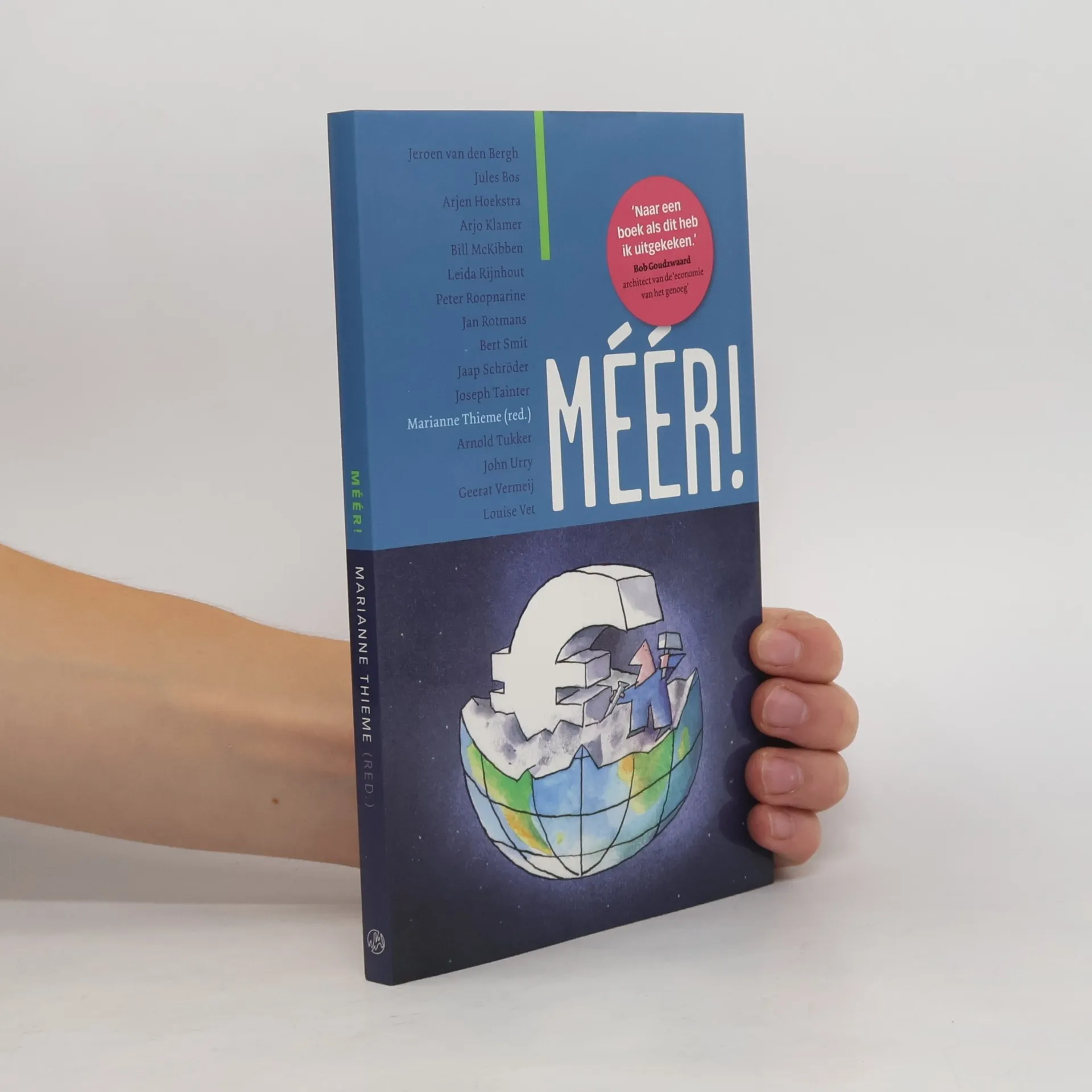
Méér! is het centrale thema van onze samenleving geworden, met een groeiend geloof in de onbegrensde groei van de economie als voorwaarde voor geluk. Marianne Thieme verzamelt wetenschappelijke inzichten die de huidige crises in kaart brengen en helpen oplossen. Economie, ooit gericht op schaarste, is aan het eind van de 20e eeuw verschoven naar een focus op geld en monetaire vraagstukken. De systeemcrisis die in 2008 begon als een bankencrisis, is nu een bredere monetaire crisis, verergerd door de biodiversiteitcrisis, klimaatcrisis en wereldvoedselcrisis, die allemaal de welvaart en het welzijn bedreigen. Onafhankelijke wetenschappers, bezorgd om de toekomst van mens, dier, natuur en milieu, pleiten vanuit verschillende invalshoeken voor een radicale beleidsomslag. Ze stellen de grenzen van de aarde centraal in ons handelen. Samen hebben deze wetenschappers een leidraad geschreven voor duurzame beleidskeuzes, die noodzakelijk zijn geworden door onze verslaving aan groei en schulden. De bijdragen komen van experts zoals Jeroen van den Bergh, Jules Bos, Arjen Hoekstra en Bill McKibben, die samen een dringende oproep doen tot verandering.