

Kellie Jones traces how the artists in L.A.'s black communities during the 1960s and 70s created a vibrant, productive, and engaged activist arts scene in the face of structural racism through the production of art works that spoke to African American migration and L.A.'s racial politics.
Kellie Jones Poradie kníh (chronologicky)
Kellie Jones je popredná teoretička umenia, ktorej práca sa zameriava na afroamerických umelcov a ich kľúčovú úlohu v umeleckých hnutiach 20. storočia. Skúma, ako títo umelci formovali a experimentovali s abstraktnými formami a vizuálnymi jazykmi, čím obohatili a rozšírili hranice umenia. Jej analýzy odhaľujú hlboké spojenie medzi umeleckou tvorbou, sociálnym kontextom a osobnou identitou, čím čitateľom poskytujú nový pohľad na históriu a súčasnosť moderného umenia. Jonesovej práca je zásadná pre pochopenie vývoja a vplyvu umelcov, ktorí boli často na okraji hlavného prúdu.
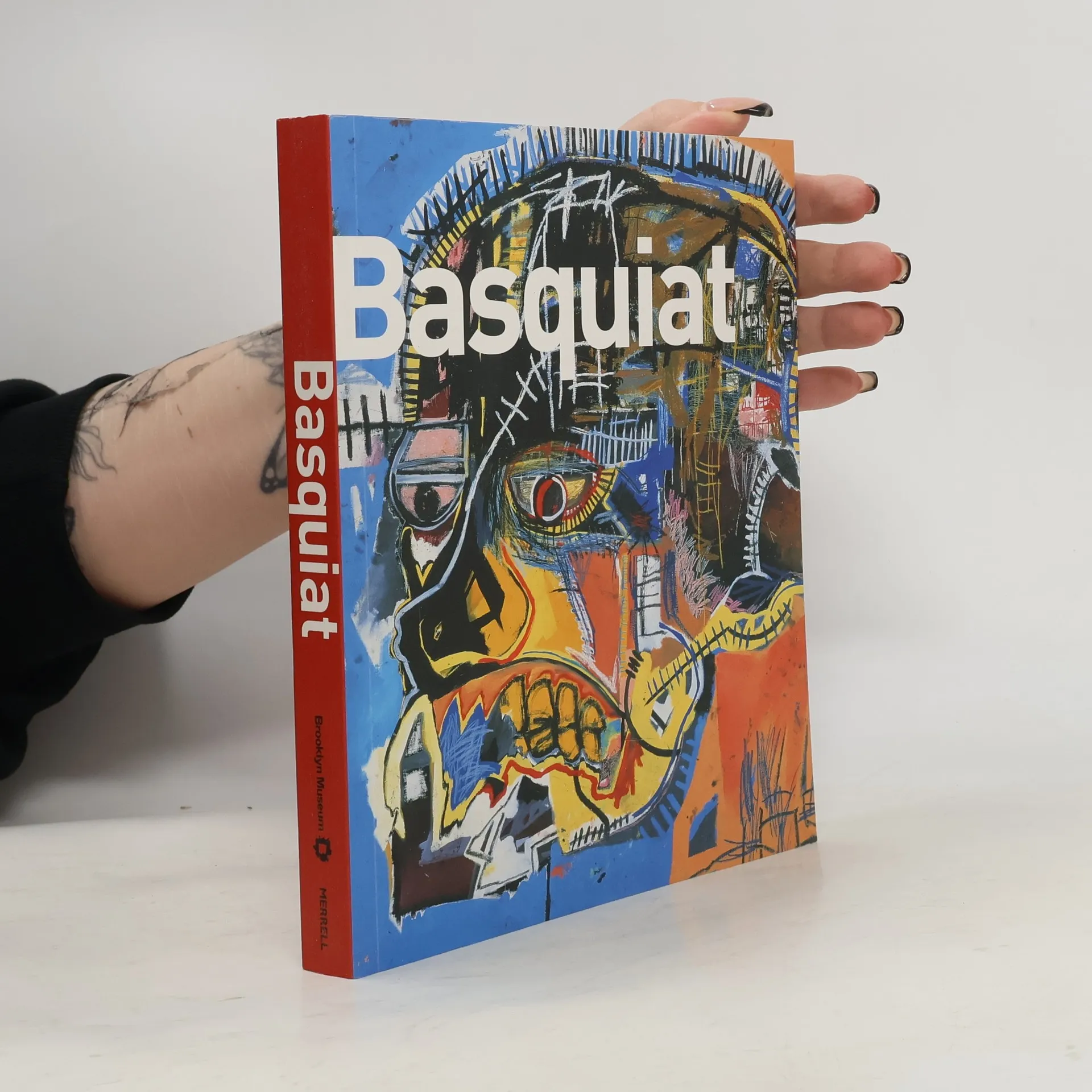

Basquiat
- 224 stránok
- 8 hodin čítania
Examines many of Basquiat's individual works in detail, with particular reference to his working methods and techniques. This unabridged compact edition of a critically acclaimed book, features spectacular reproductions of Basquiat's work.