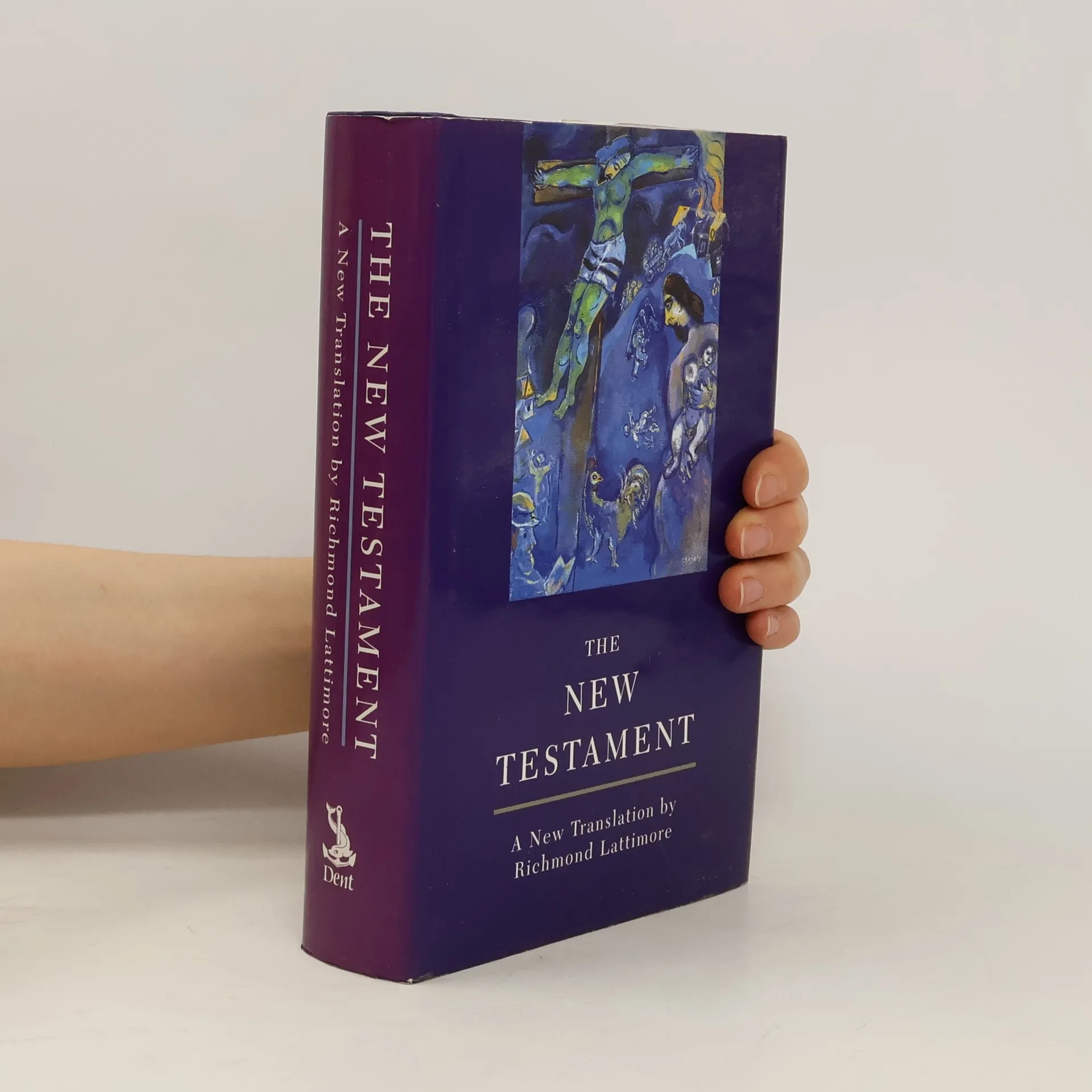
Richmond Lattimore bol americký básnik a klasicistický filológ, uznávaný pre svoje preklady gréckych klasikov. Jeho verzie eposov Illias a Odysea sú považované za jedny z najlepších dostupných v anglickom jazyku. Lattimorov prístup k prekladu sa vyznačoval snahou zachovať ducha originálu s modernou citlivosťou.
Richard Littlemore's translation of the New Testament keeps as close to the original Greek as possible, reflecting the style of the original and letting the words of the Apostles and early disciples speak for themselves.
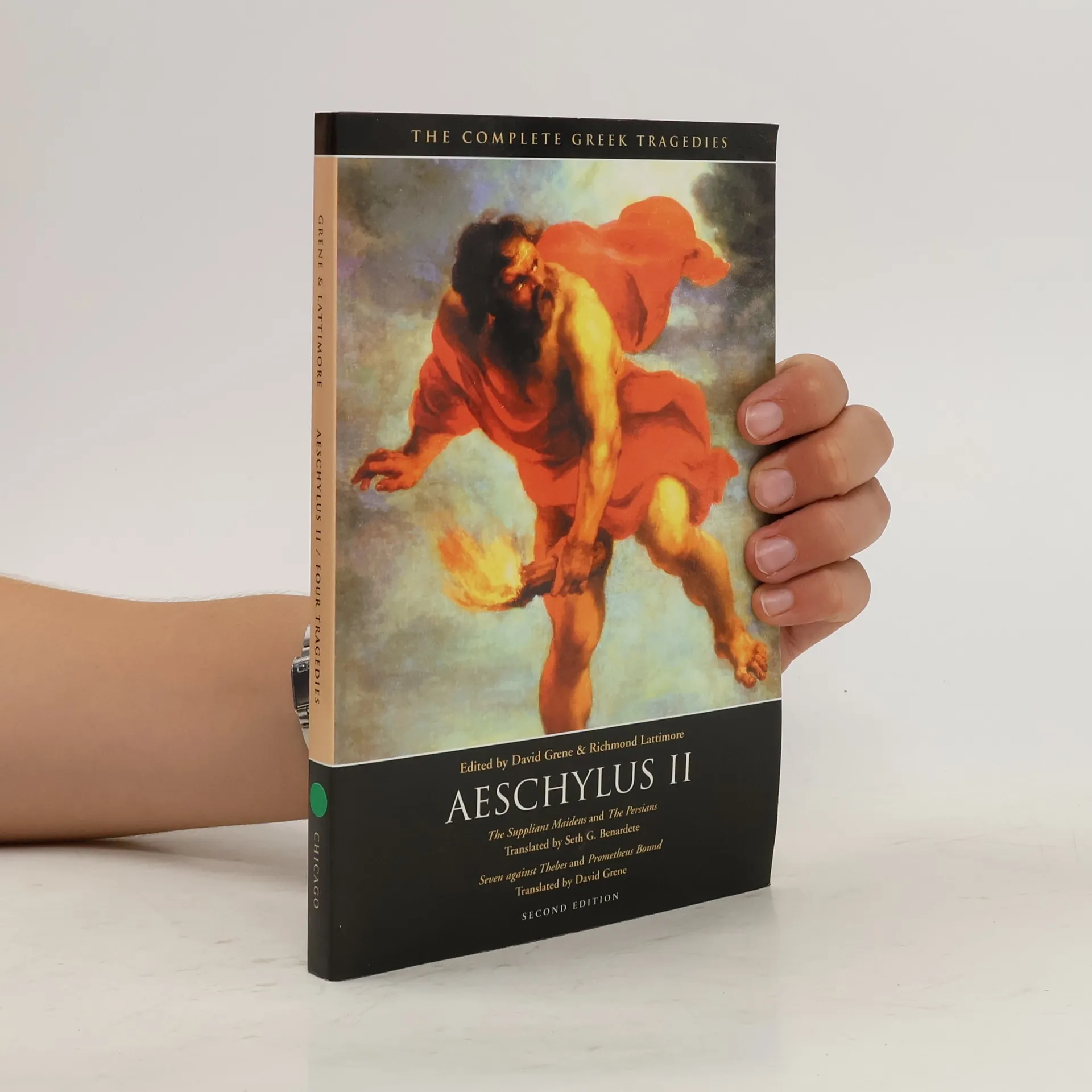
In nine paperback volumes, the Grene and Lattimore editions offer the most comprehensive selection of the Greek tragedies available in English. Over the years these authoritative, critically acclaimed editions have been the preferred choice of over three million readers for personal libraries and individual study as well as for classroom use.
This poem mainly centers on the Greek hero Odysseus (or Ulysses, as he was known in Roman myths) and his long journey home following the fall of Troy. It takes Odysseus ten years to reach Ithaca after the ten-year Trojan War.[2] In his absence, it is assumed he has died, and his wife Penelope and son Telemachus must deal with a group of unruly suitors, called Proci, competing for Penelope's hand in marriage.
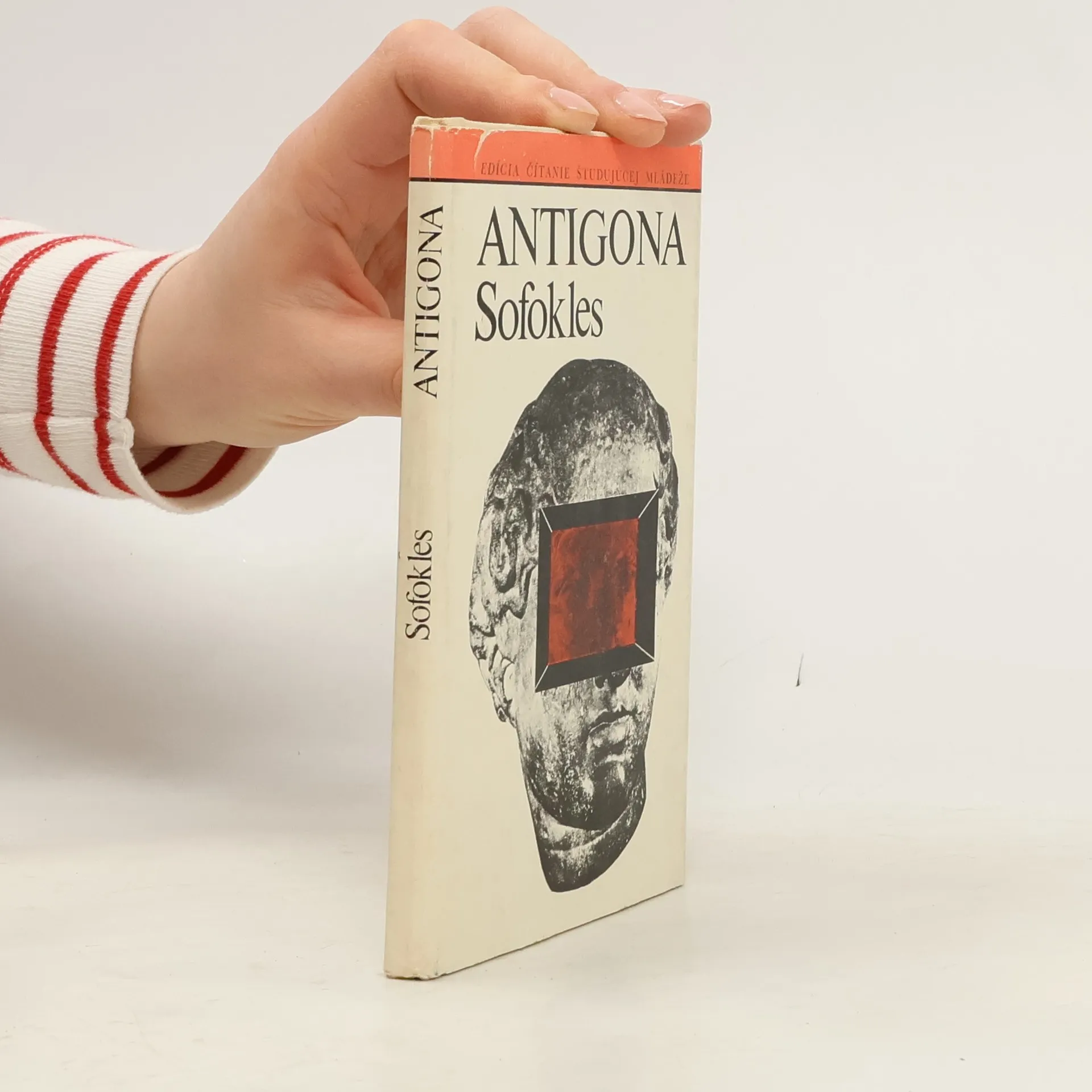
Deti kráľa Oipida Antigona, Ismena a Eteokles žijú v Tébach, kde vládne Kreon. Ich brat Polyneikos tiahne s vojskom proti Tébam. Obaja synovia v tomto boji padnú, Eteokles ako hrdinský obranca, Polyneikos ako vlastizradca. Kreon zakáže pochovať Polyneika, čo v očiach Grékov bola pre celú rodinu potupa. Antigona v rozhovore s Ismenou oznamuje, že nebude rešpektovať neľudský príkaz, ktorý šliape i po božských zákonoch a Polyneikovi preukáže posledné pocty. Sofokles je najznámejší grécky staroveký dramatik, najprv herec, neskôr autor tragédií. Dielo Antigona nadväzuje na udalosti v diele Kráľ Oidipus a Oidipus na Kolóne.