

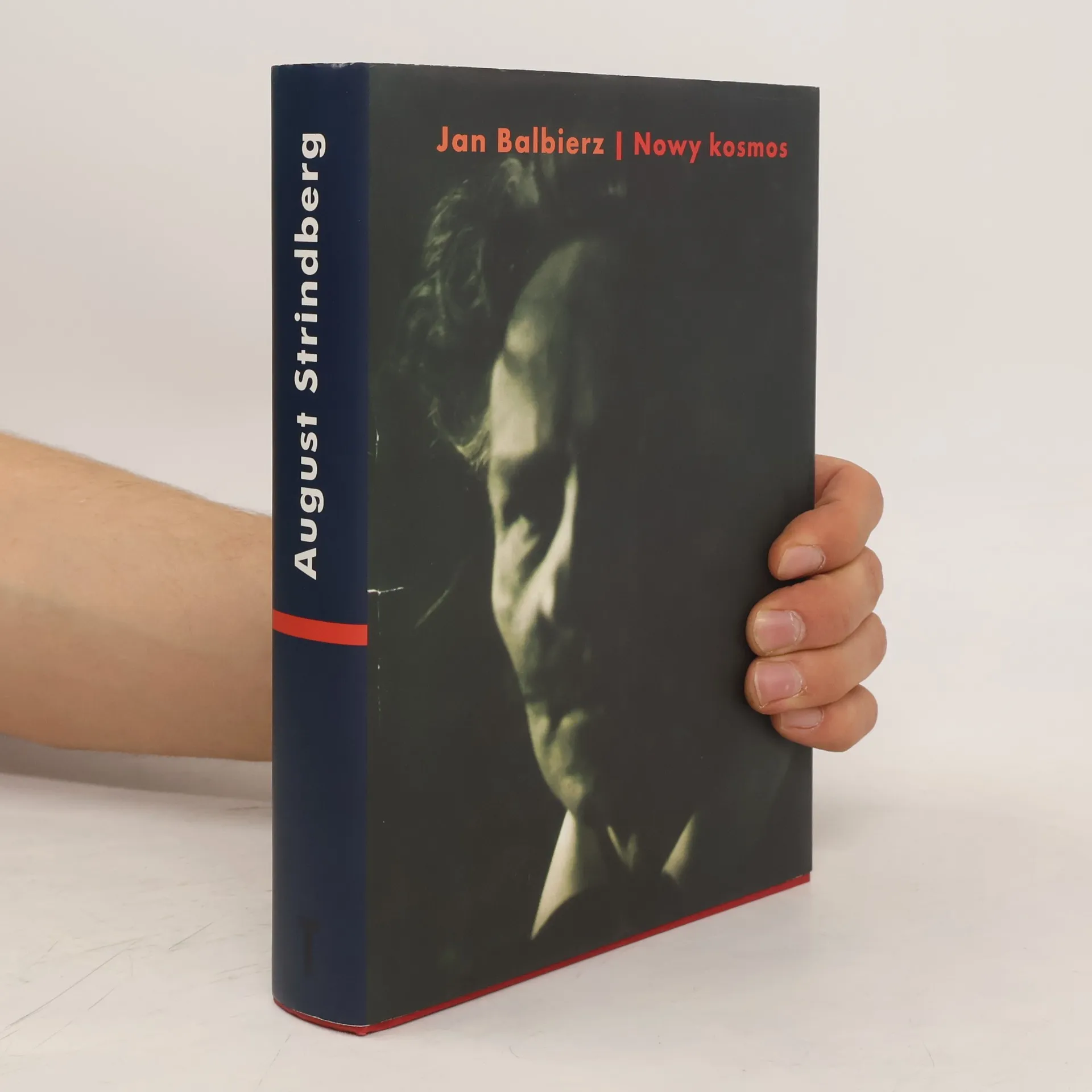

Strindberg and the Western Canon
- 450 stránok
- 16 hodin čítania
Throughout his writing career, August Strindberg was a restless canon-maker, engaging deeply with both historical and contemporary sources. He constantly quoted and evaluated authors, pushing the boundaries of cultural values at the turn of the twentieth century. As an active author living in self-chosen exile, he had a rich international intellectual background that complicates his relationship with the literary and cultural canon. The interplay between local and global culture permeates his work, positioning him among European authors who can be interpreted within the context of Weltliteratur. Strindberg was a multilingual cosmopolitan, an emigrant, theosophist, and reporter, drawing insights from the universalist tendencies of the fin de siècle. His ambition to become a French author led him to study Hebrew, Chinese logograms, Russian literature, and Middle Eastern history. This volume, edited by Jan Balbierz, compiles contributions from distinguished Strindberg scholars, exploring critical questions such as how Strindberg constructed his literary predecessors, the transformations of his texts in theatrical performance, and the complex relationship between his strong ties to Sweden and foreign cultural values.