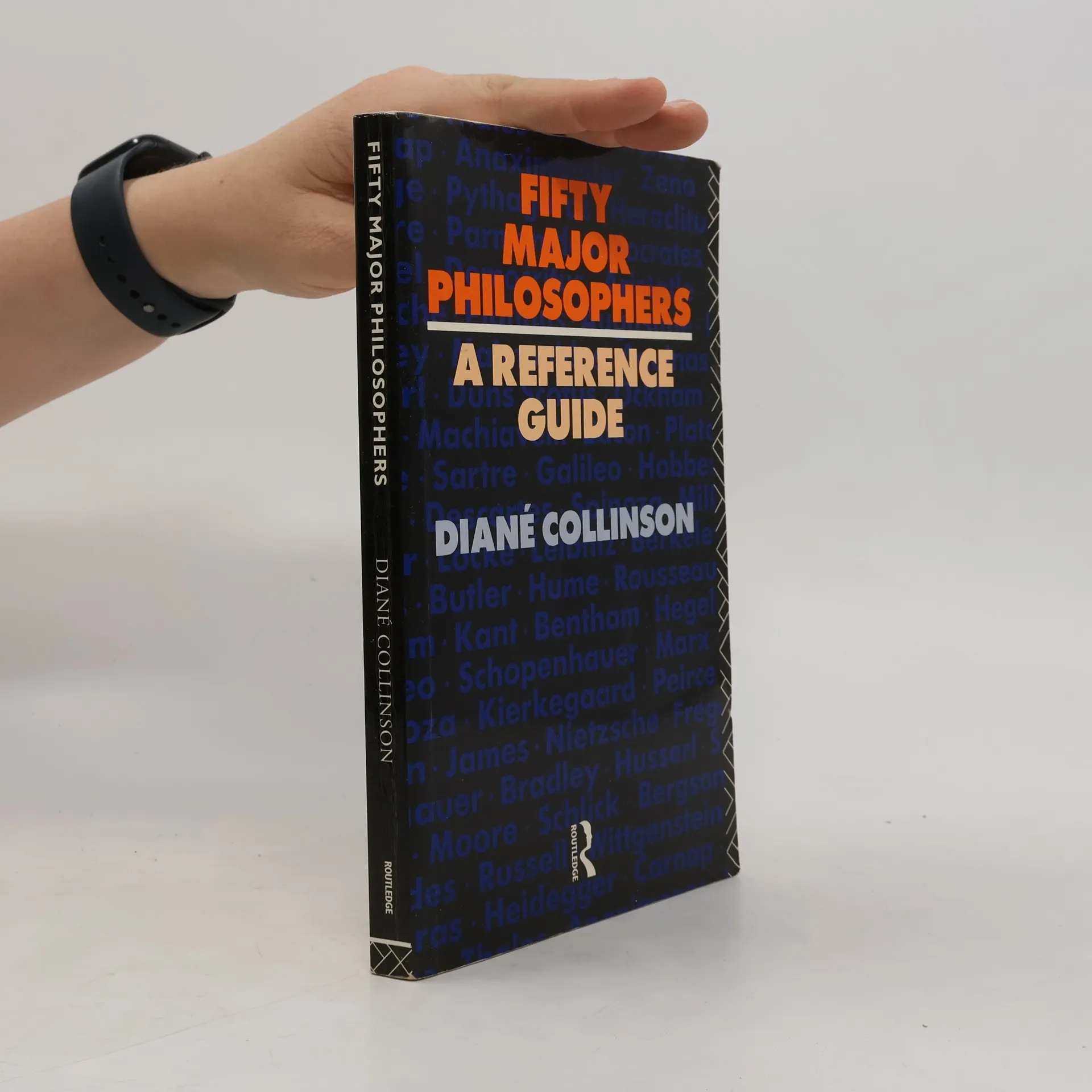
This is an updated and expanded edition of the successful Thirty-Five Oriental
Philosophers. It draws together thinkers from all the major Eastern
philosophical traditions, and from the earliest times to the present day.
It has been said that all Western philosophy is a series of footnotes to Plato, but this book takes a more accommodating view in selecting the fifty figures who have made the largest contributions to the development of our reflection upon the world.
A comprehensive update of the best-selling first edition, this revitalized new text presents readers with a series of clear, well-written entries focusing on fifty of the most influential philosophers from the last two thousand years. Chosen to present the traditional mainstream of European philosophy, the text also provides a critical survey that meets the needs of readers seeking a broad basic understanding as well as a foundation for further philosophical enquiry. Encompassing a wide range of ancient, medieval and modern philosophers, features of the second edition include: new entries on Dewey, Collingwood, Popper, Quine, Merleau-Ponty, Ayer and Rawls a thorough revision of existing entries a complete update of the further reading section an expanded glossary the addition of an alphabetical table of contents and an index for ease of use. Authoritative and highly readable, this book is a vital reference tool for all those wishing to improve their understanding of some of the world's most fascinating intellectual figures.
This book addresses the sensitive and complex issues of suicide and euthanasia. It examines the apparent contradiction that those who, in general terms, hold killing people to be wrong may well believe suicide or euthanasia to be morally justifiable, even though they are both cases of killing people. This in turn raises complex questions of is life just about the pursuit of happiness and the avoidance of suffering, or about doing what people want? To decide these issues we need an objective guide to what is good to help us determine whether it may be good to take someone's life. The authors cover the various approaches employed to dealing with these the autonomy position (killing is wrong because people object to being killed, therefore when there is no objection as with suicide or euthanasia, killing cannot be wrong); the utilitarian position (the promotion of happiness is the basis of good actions); and the quality of life position. The authors provide a summary of the positions and controversies surrounding life and death, including the sensitive issue of whether lack of medical resources can lead to involuntary euthanasia.