

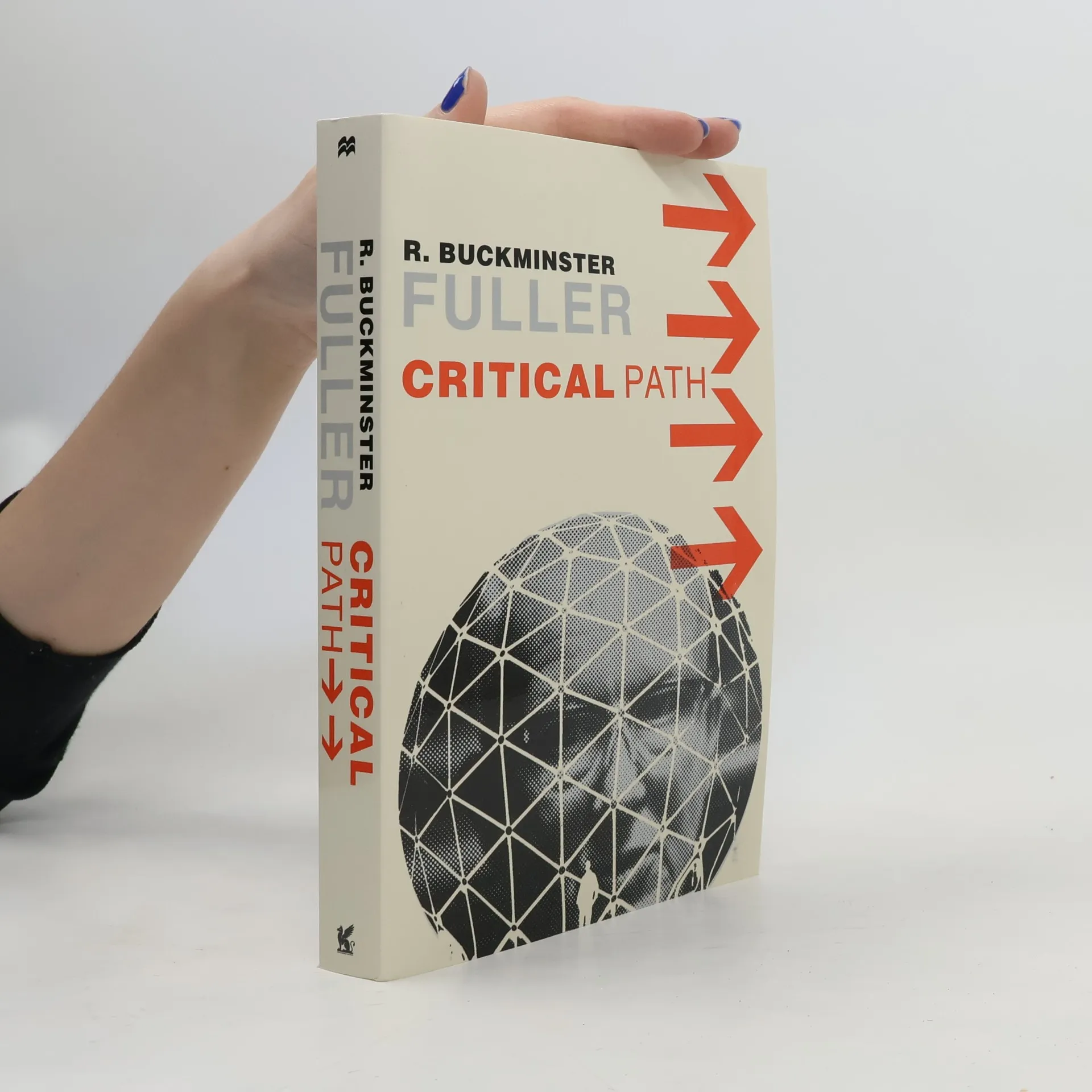
R. Buckminster Fuller is regarded as one of the most important figures of the 20th century, renowned for his achievements as an inventor, designer, architect, philosopher, mathematician, and dogged individualist. Perhaps best remembered for the Geodesic Dome and the term "Spaceship Earth," his work and his writings have had a profound impact on modern life and thought.Critical Path is Fuller's master work--the summing up of a lifetime's thought and concern--as urgent and relevant as it was upon its first publication in 1981. Critical Path details how humanity found itself in its current situation--at the limits of the planet's natural resources and facing political, economic, environmental, and ethical crises.The crowning achievement of an extraordinary career, Critical Path offers the reader the excitement of understanding the essential dilemmas of our time and how responsible citizens can rise to meet this ultimate challenge to our future.
Fuller R. Buckminster Knihy
Richard Buckminster Fuller bol vizionársky americký mysliteľ, ktorého dielo presahovalo tradičné hranice architektúry, teórie systémov a dizajnu. Stal sa priekopníkom myšlienok ako „Kozmická loď Zem“ a „efemeralizácia“, ktoré odrážajú jeho hlboké zamyslenie nad globálnymi systémami a udržateľným rozvojom. Jeho inovatívny prístup k dizajnu, stelesnený v ikonickej geodetickej kupole, demonštruje jeho talent pre syntézu komplexných princípov do elegantných a funkčných riešení. Fullerove literárne diela a vynálezy naďalej inšpirujú tých, ktorí sa usilujú o pochopenie a zlepšenie nášho sveta.

Utopia or Oblivion: The Prospects for Humanity
- 448 stránok
- 16 hodin čítania
A classic of utopian literature, more urgent than ever: Buckminster Fuller's provocative blueprint for the future Composed of lectures given by Buckminster Fuller throughout the world in the 1960s, Utopia or Oblivion presents the thesis that humanity, for the first time in its history, has the opportunity to create a world where the needs of 100% of humanity are met. Fuller's grandson, in the introduction, refers to this selection as "hardcore Bucky," as these essays display Fuller's investigations into mathematics, geometry and how they intersect with the arts, music and world peace. In Fuller's words, "This is what man tends to call utopia. It's a fairly small word, but inadequate to describe the extraordinary new freedom of man in a new relationship to universe--the alternative of which is oblivion. First published in 1969 and then reprinted by Lars Müller in 2008, Utopia or Oblivion also includes one of the earliest published discussions of Fuller's World Game, a revolutionary "game" that set as the goal for players, that the world "works" for 100% of humanity to nobody's disadvantage. It challenged players to overlook traditional world units such as nations, states and other political and economic divisions.
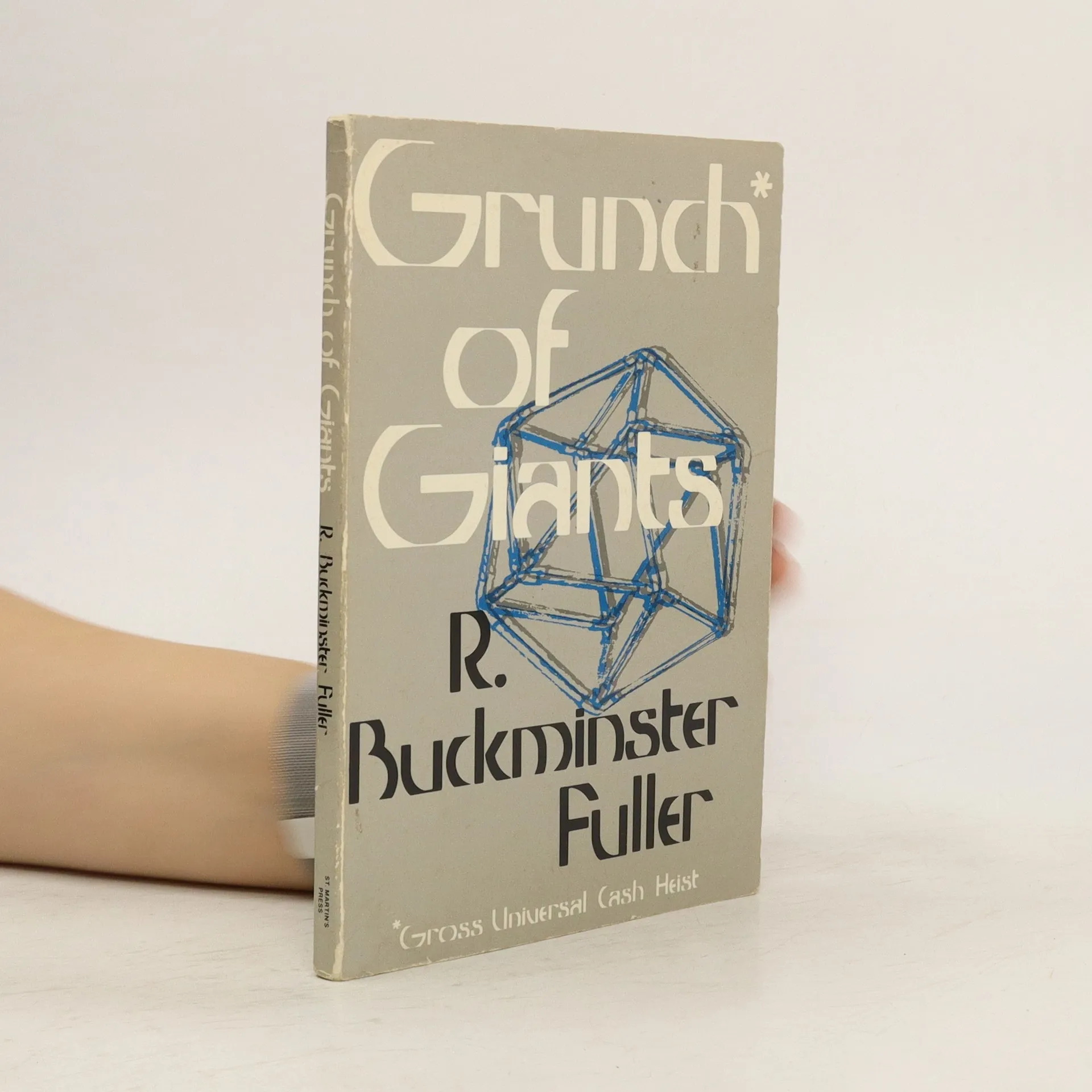
Here Buckminster Fuller takes on the gigantic corporate megaliths that exert increasing control over every aspect of daily life. In the form of a modern allegory, he traces the evolution of these multinational giants from the post-World War II military-industrial complex to the current army of abstract legal entities known as the corporate world.
Operating Manual for Spaceship Earth
- 152 stránok
- 6 hodin čítania
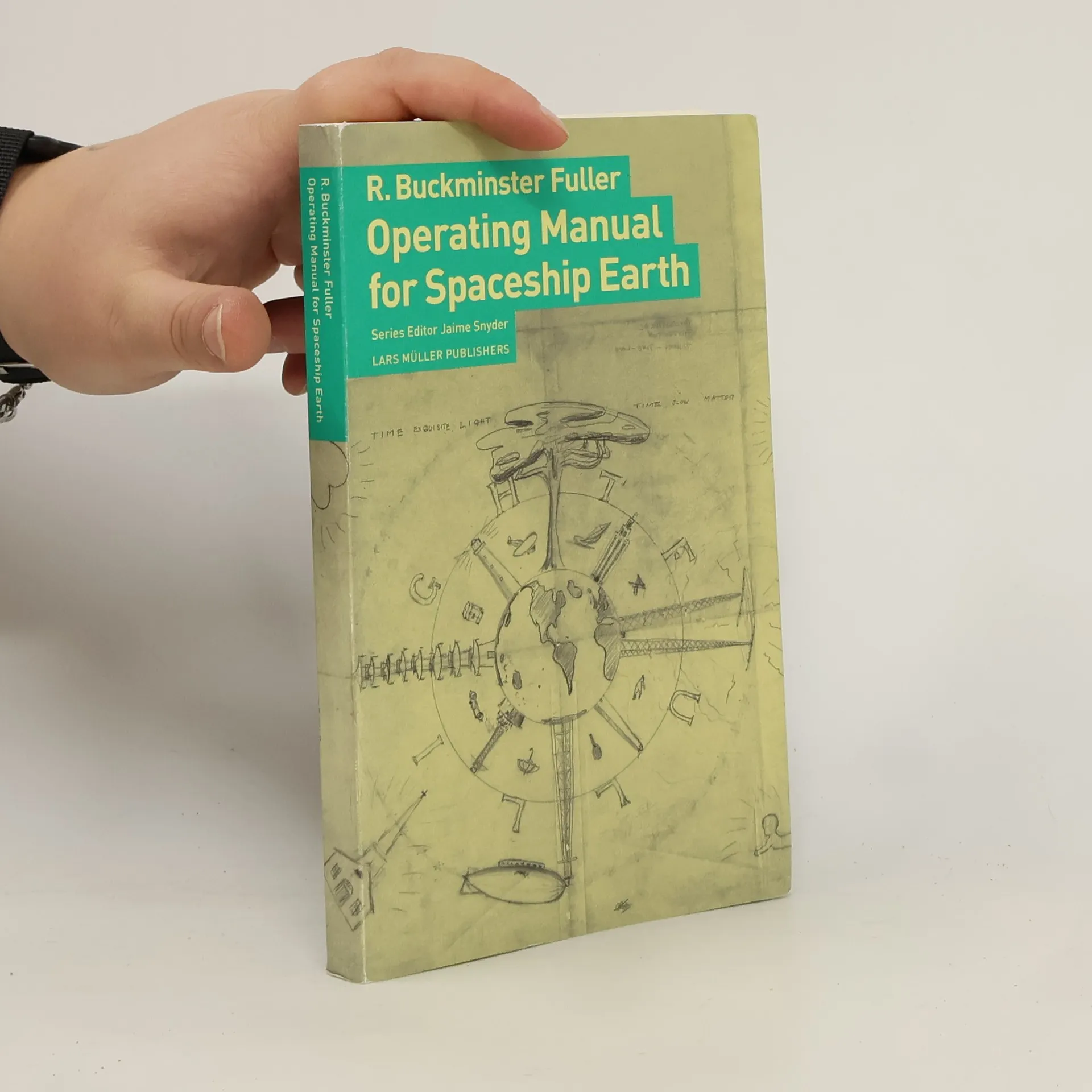
Edited and re-released by Fuller's grandson, Jamie Snyder, this edition is true to the original manuscript but adds helpful footnotes providing a modern context to some of the figures and predictions throughout the book.
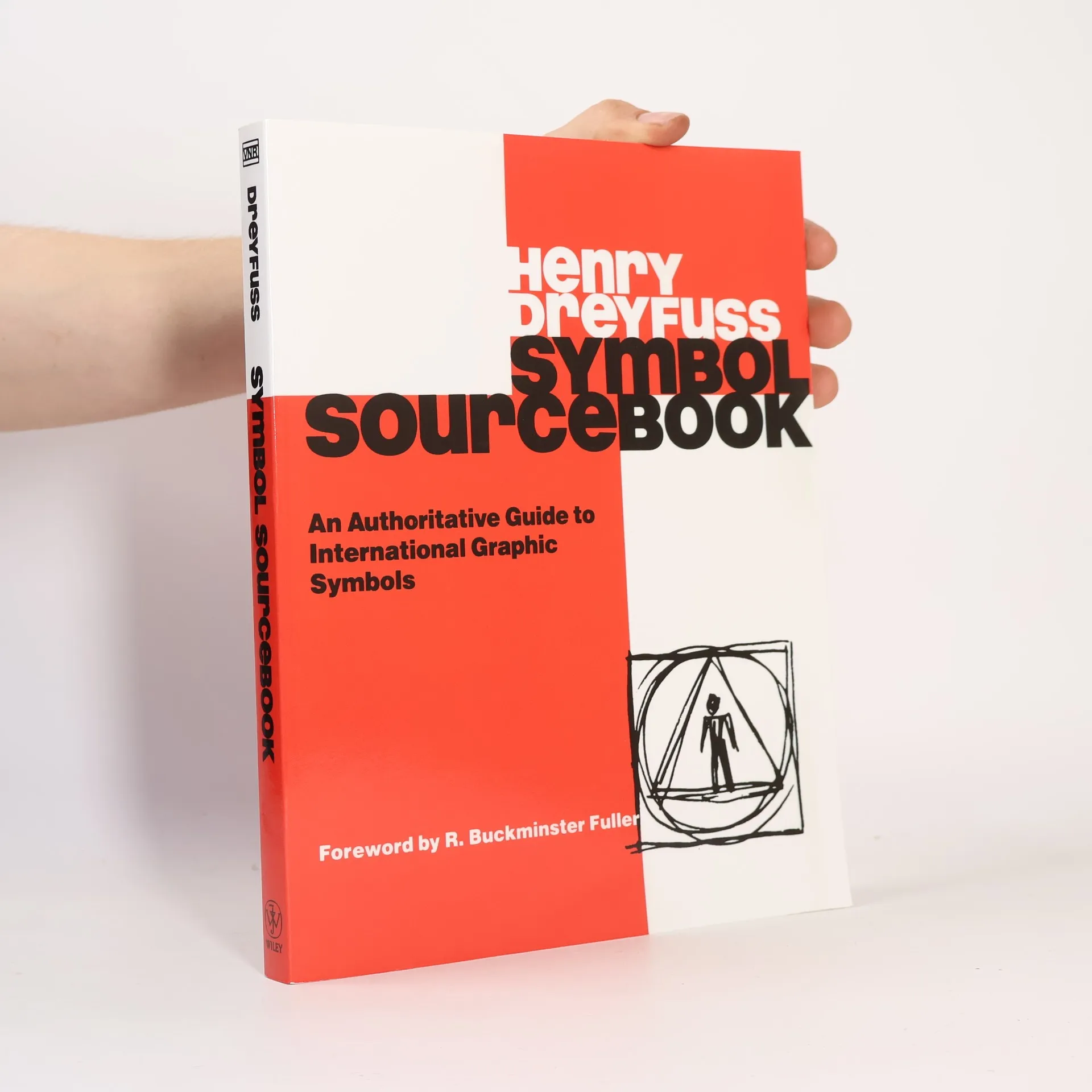
This unparalleled reference is a significant achievement in graphic design. Renowned industrial designer Henry Dreyfuss emphasized the importance of symbols for effective communication, leading him and his team to collect and categorize graphic symbols from various aspects of life worldwide. The result is a comprehensive "dictionary" of universally recognized graphic symbols. Designed for practicality, the sourcebook organizes symbol information into cleverly structured sections: Basic Symbols includes a selective array of commonly used symbols (e.g., on-off, up-down). The Disciplines section covers symbols relevant to areas such as travel, agriculture, architecture, business, communications, engineering, photography, sports, safety, and traffic controls. The Color section explains the meanings of colors across different cultures and applications. Graphic Form categorizes symbols by shape (squares, circles, arrows, human figures), facilitating the identification of symbols out of context and aiding designers in creating new ones. To enhance its universality, the Table of Contents features translations of section titles and discipline areas into 17 languages, including English. This sourcebook serves as both a practical tool and an inspiration for designers.