Bookbot

Jannis Ritsos

    1. máj 1909 – 11. november 1990

    Jannis Ritsos, považovaný za jedného z piatich veľkých gréckych básnikov dvadsiateho storočia, je oslavovaný pre svoj hlboký a často tragický pohľad na život. Jeho poézia, poznačená osobnými stratami a politickým bojom, skúma témy odolnosti, straty a hľadania zmyslu tvárou v tvár nepriazni osudu. Ritsosov štýl sa vyznačuje silnou emocionálnosťou a výraznými obrazmi, ktoré odrážajú jeho skúsenosti s útlakom a nádejou. Jeho dielo rezonuje s čitateľmi pre svoju surovú úprimnosť a nadčasové skúmanie ľudskej duše.

    Jannis Ritsos
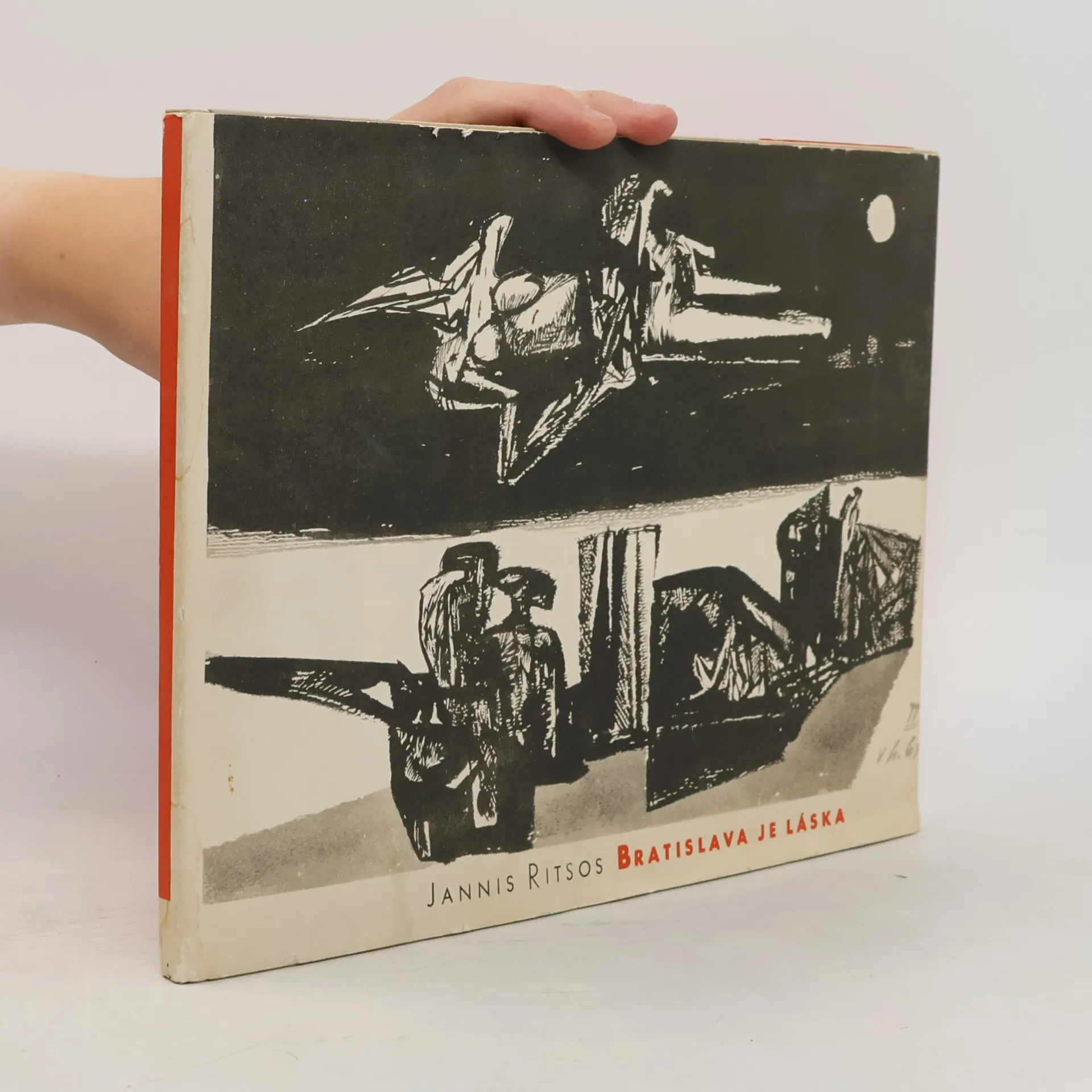
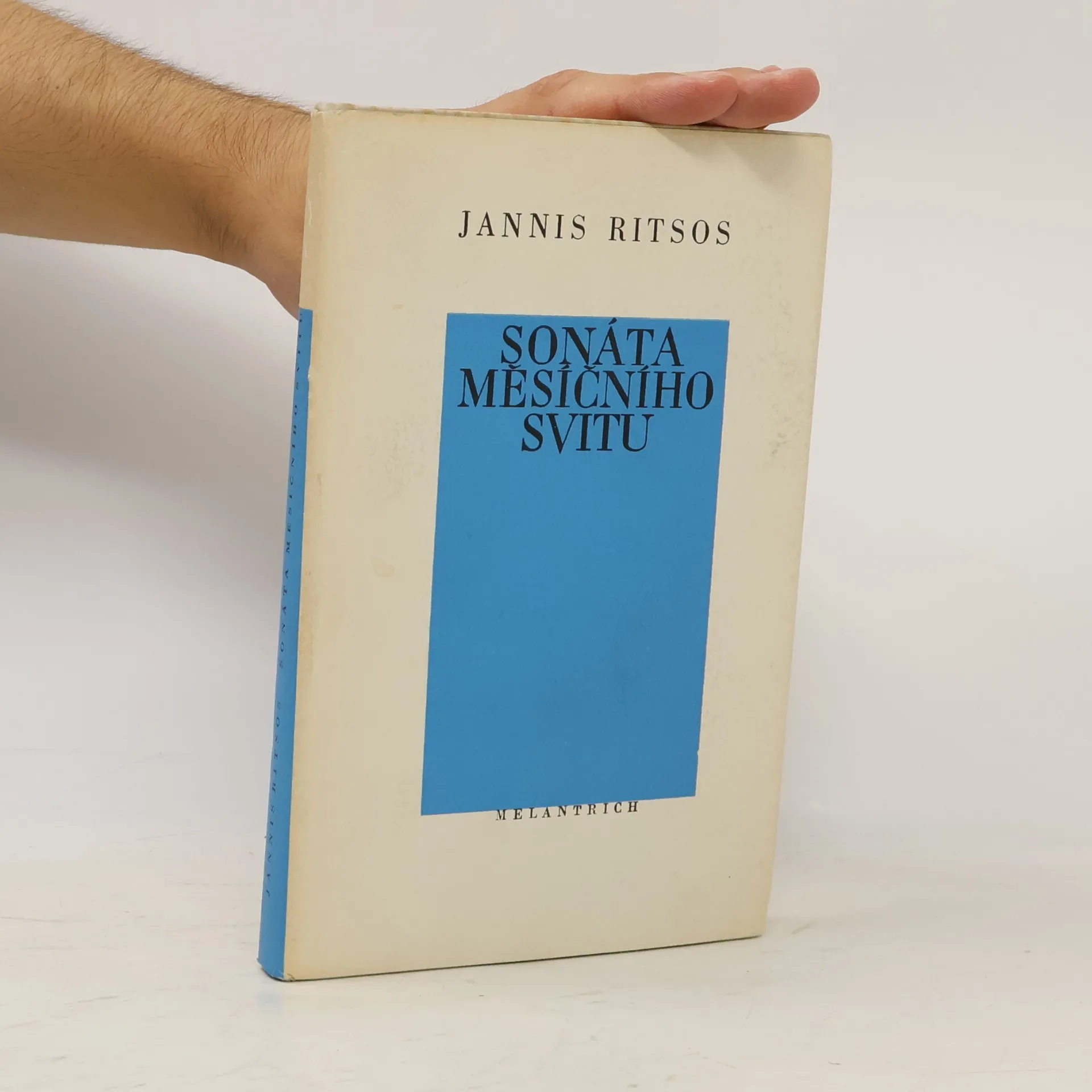
    Sonáta měsíčního svitu
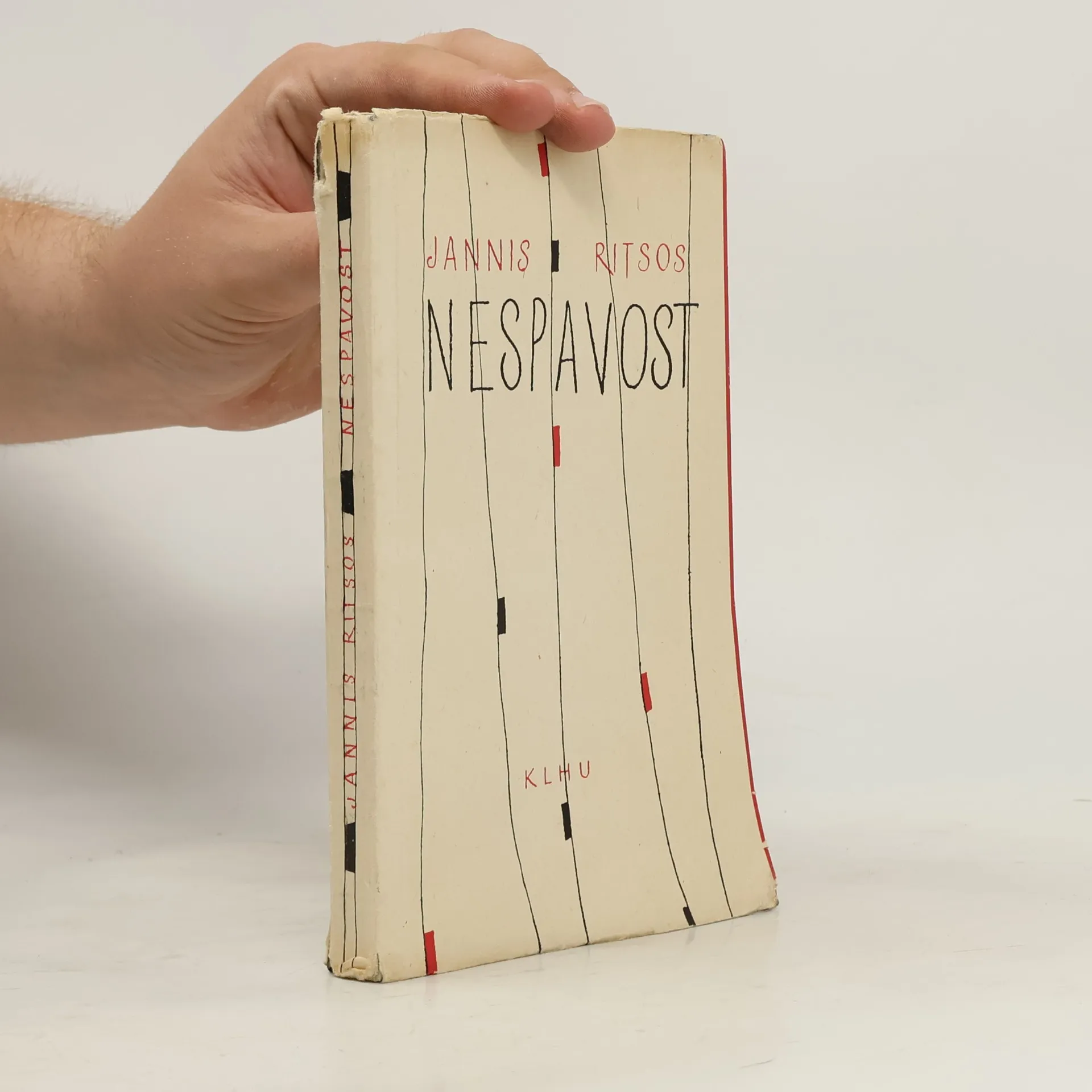
    Nespavost
    Sonát měsíčního svitu
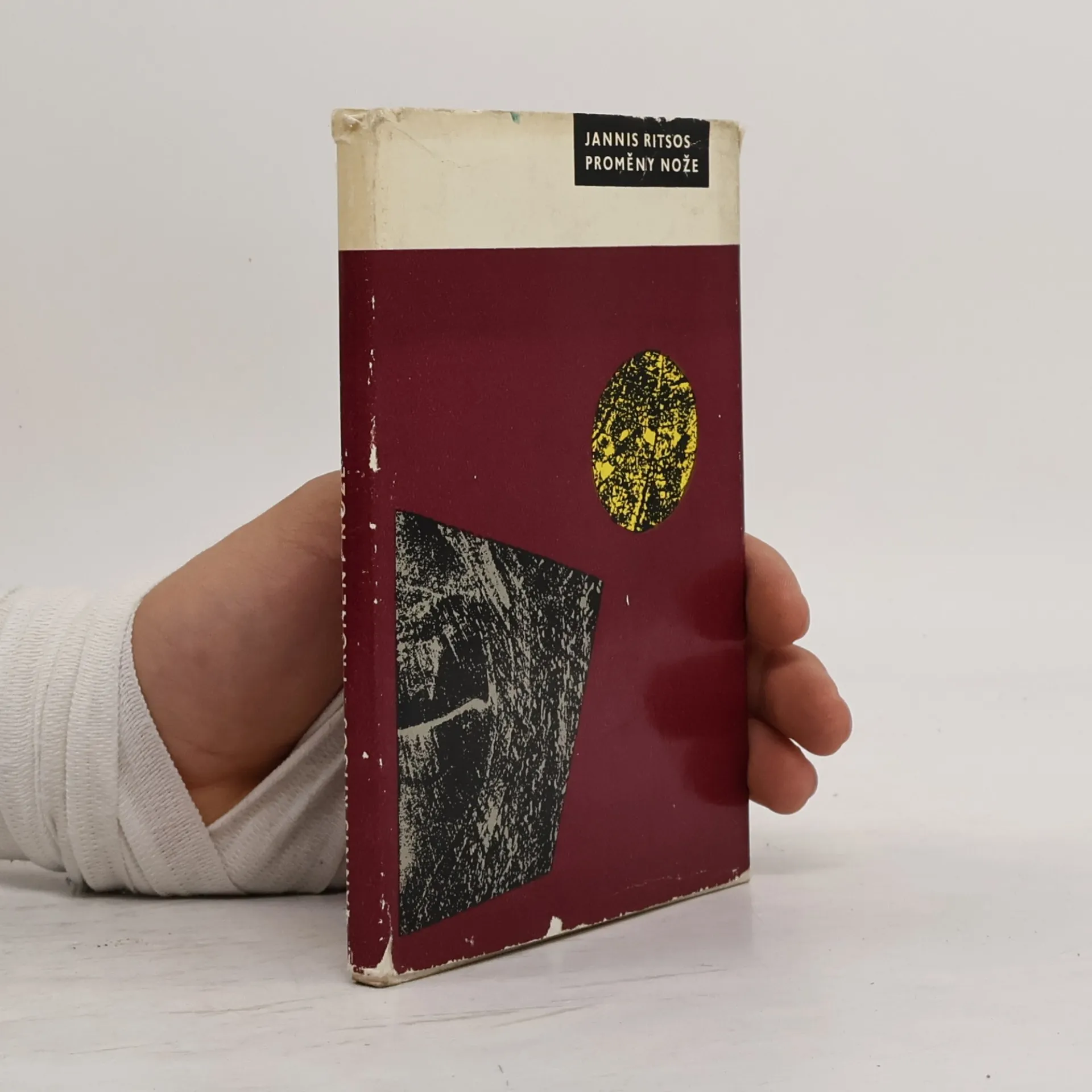
    Proměny nože
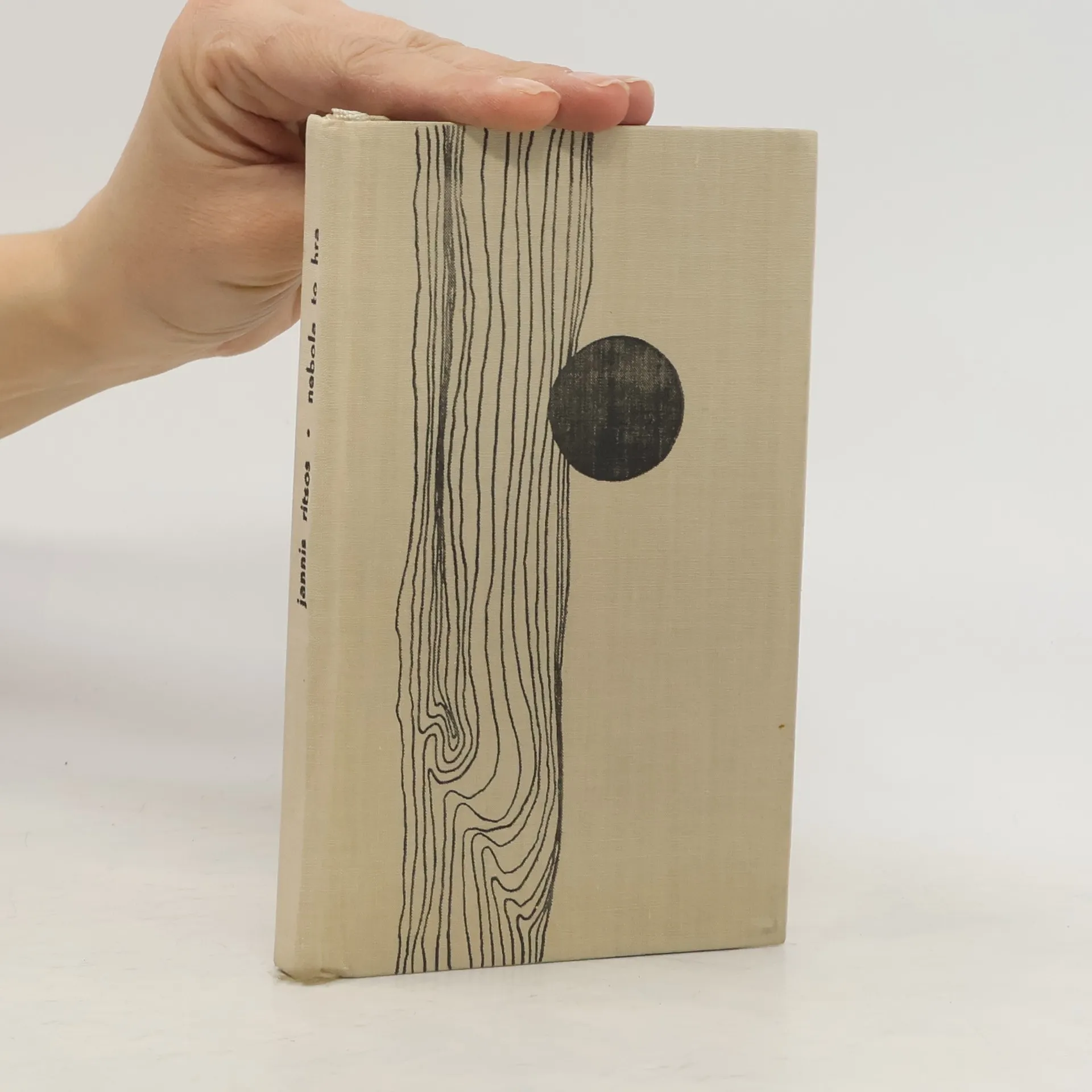
    Nebola to hra
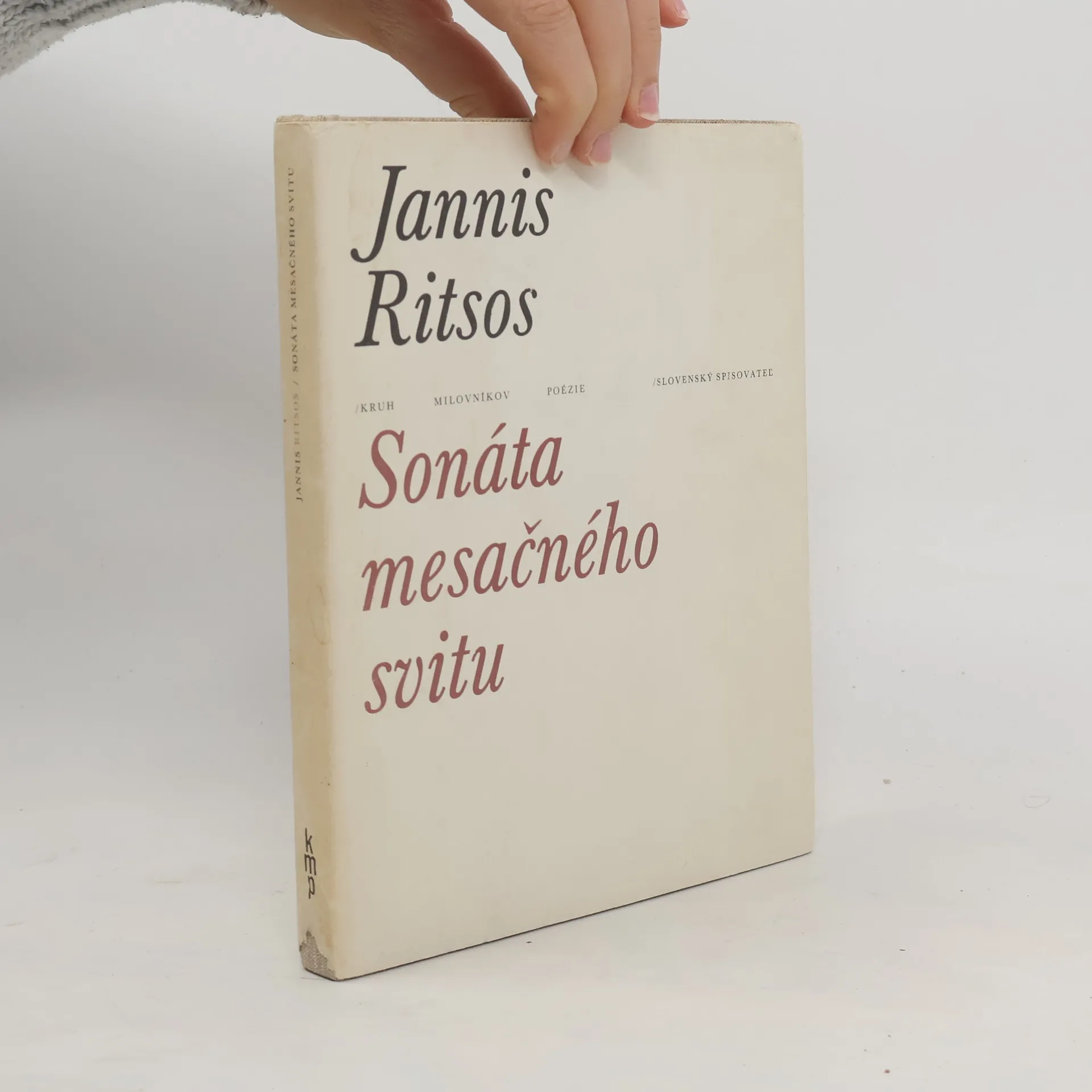
    Sonáta mesačného svitu
    • 2023

      Greek poet Yannis Ritsos' remarkable collection of 336 single-line poems, composed in 1979, with linocut responses by artist and filmmaker Chiara Ambrosio, created in 2020; each line and image an essential observation of a moment, a personal archive of time past, present and future.

      Monochords
    • 2022

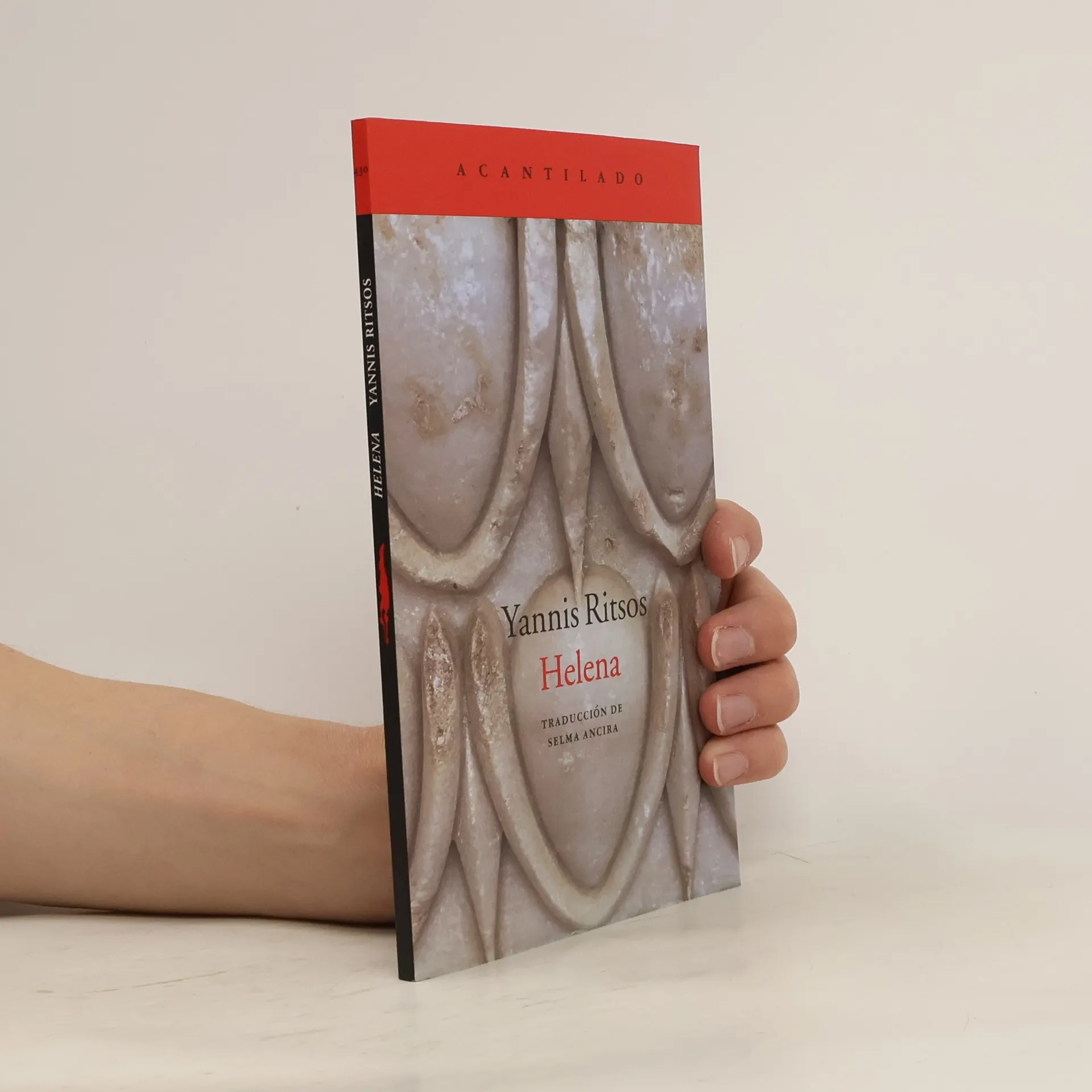
      Helena

      • 88 stránok
      • 4 hodiny čítania

      Ritsos, una de las mejores voces de la lírica europea, creó una serie de monólogos de excepcional sutileza, con los que consigue trasladar a nuestros días el pathos de la tragedia griega. En esta pieza, el poeta da voz a la anciana Helena, que examina su vida dejando que los recuerdos de quienes ya la abandonaron la conmuevan, y al recrear la interioridad del personaje mitológico nos descubre su vigencia: Helena pervive en tantas otras mujeres de hoy. Con esta obra proseguimos la publicación de los soliloquios dramáticos del autor en versión de Selma Ancira.
      Helena
    • 2001

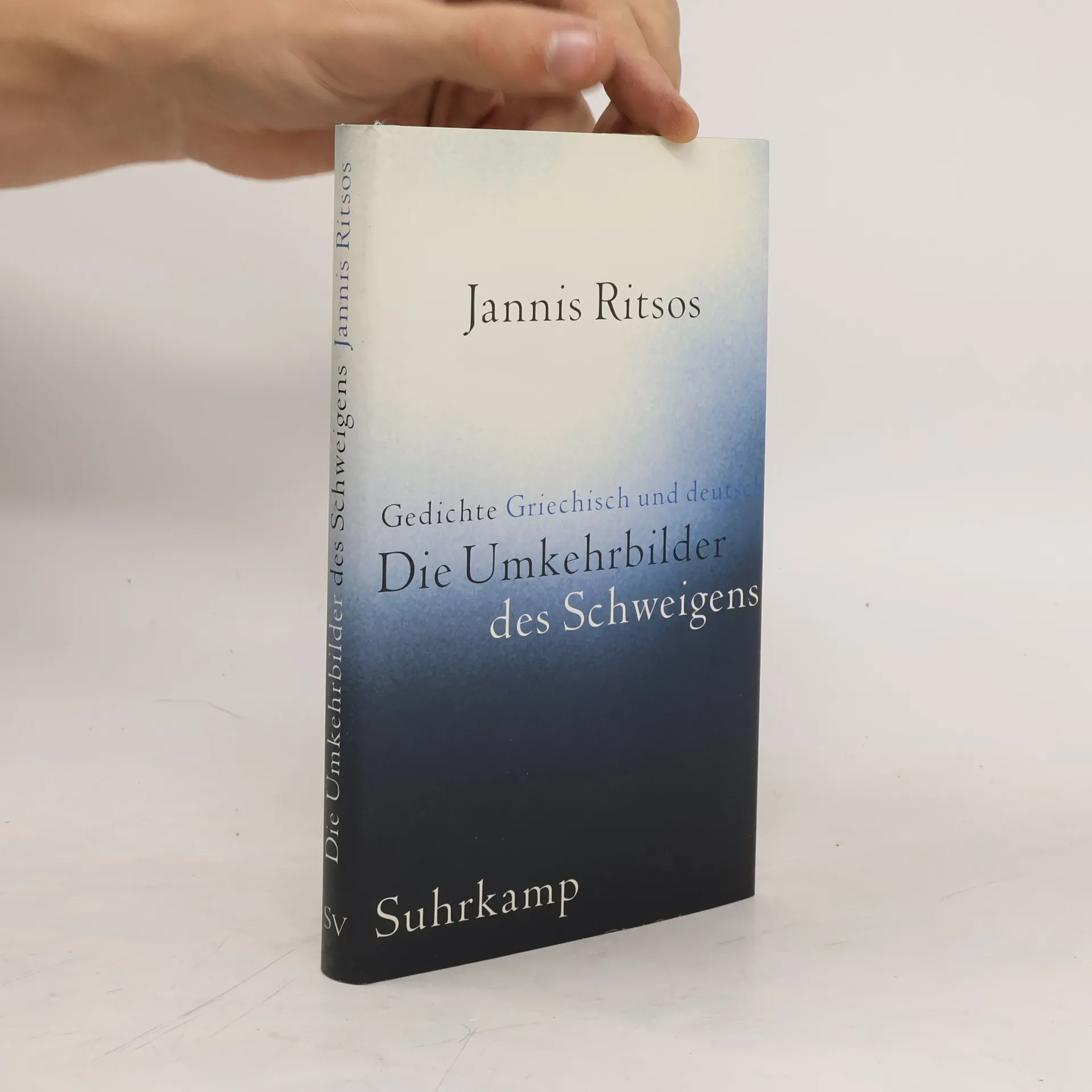
      Ritsos' Gedichtzyklus, eine Art literarisches Testament, das 1986 und 1987 entstand, wurde erst nach dem Tod des Autors veröffentlicht. In den achtundsechzig Gedichten dieses Gedankentagebuchs eines letzten strahlenden Ägäissommers unterzieht Jannis Ritsos (1909-1990) die tragenden Ideen seines literarischen und politischen Lebens einer illusionslosen Prüfung. Sie wird im Zeichen des nahe bevorstehenden Endes vollzogen. Radikal in der Bestandsaufnahme, läßt Ritsos als letzte Gewißheit nur mehr die der Selbsterneuerung fähige künstlerische Produktivität gelten - losgelöst von jeder externen Zwecksetzung.§Ein Höhepunkt innerhalb von Ritsos' Oeuvre ist dieses Alterswerk dadurch, daß die ideologischen und persönlichen Abschiede als Augenblicke intensivster Wirklichkeit des Verabschiedeten gestaltet sind. Ritsos' tiefe Trauer um die Schönheit der Welt, die er verlassen muß, macht diese desto überzeugender wahrnehmbar für die Lesenden.§§

      Die Umkehrbilder des Schweigens
    • 1996

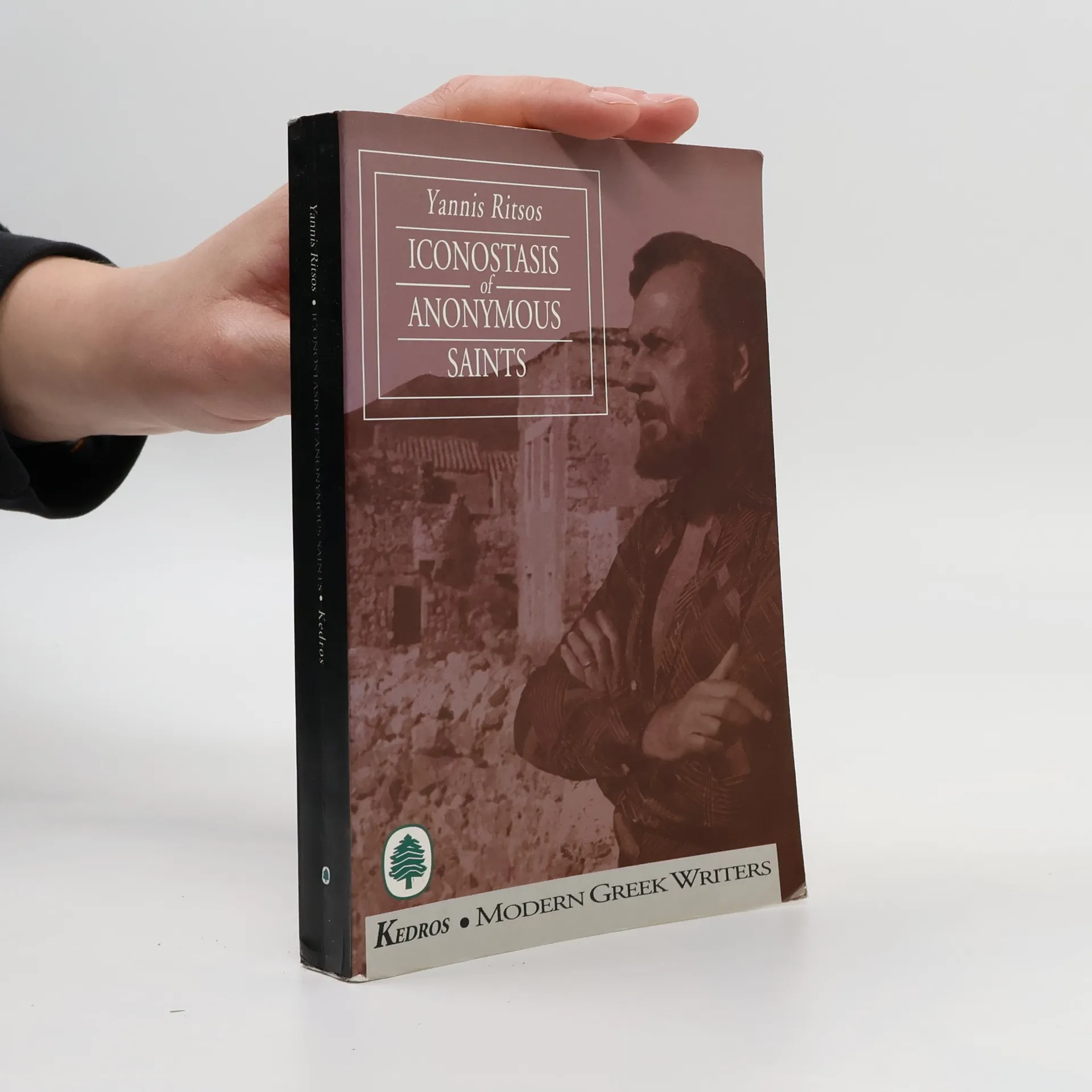
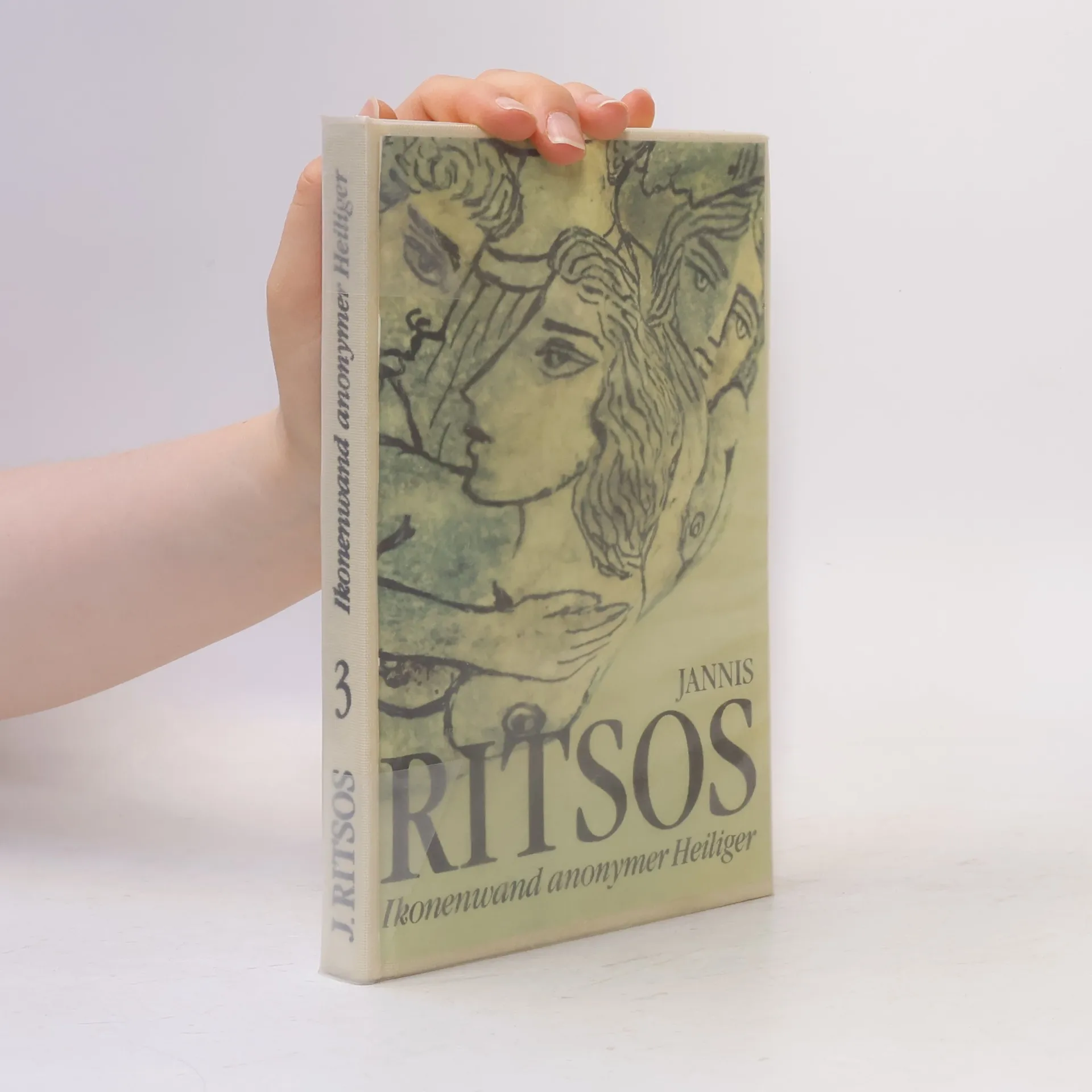
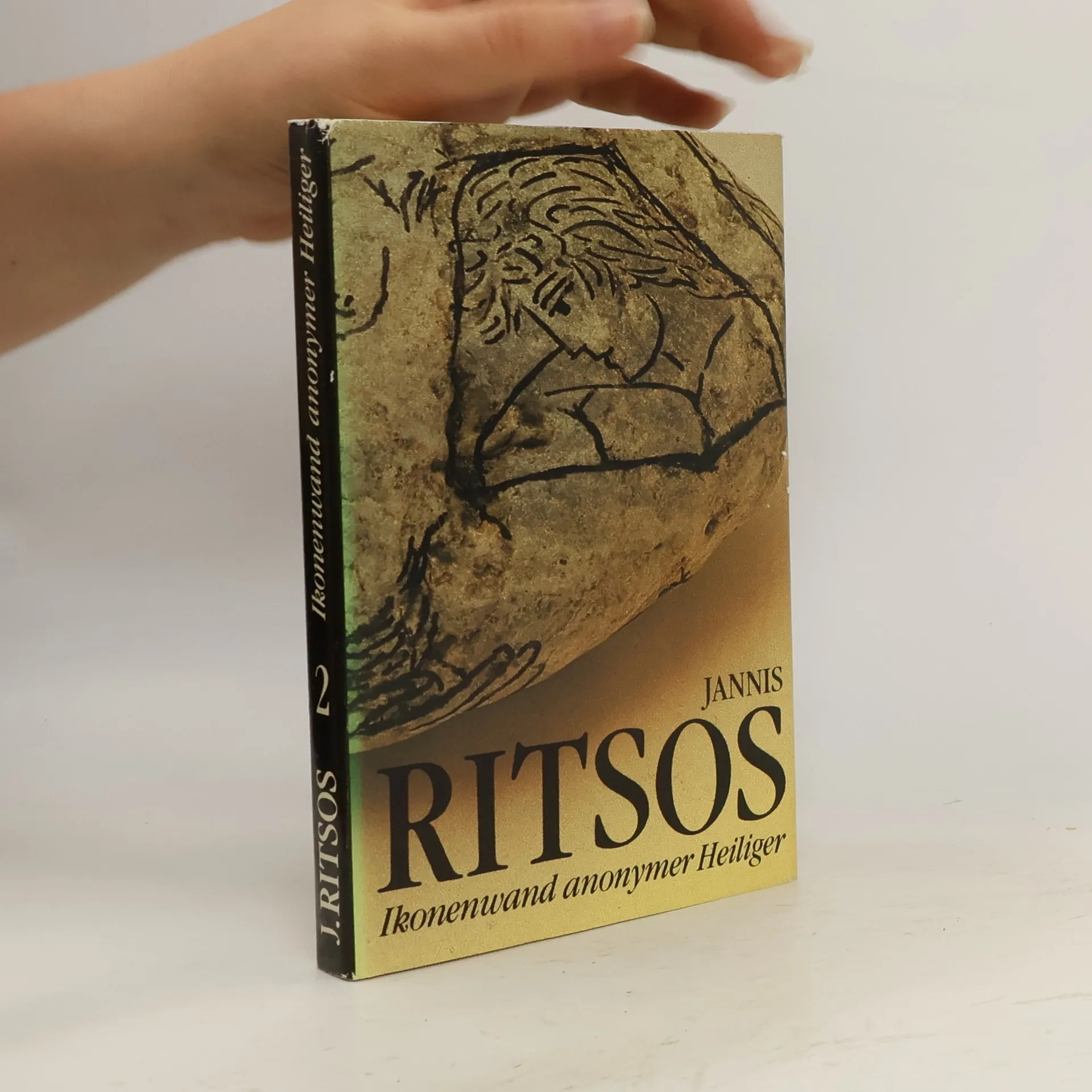
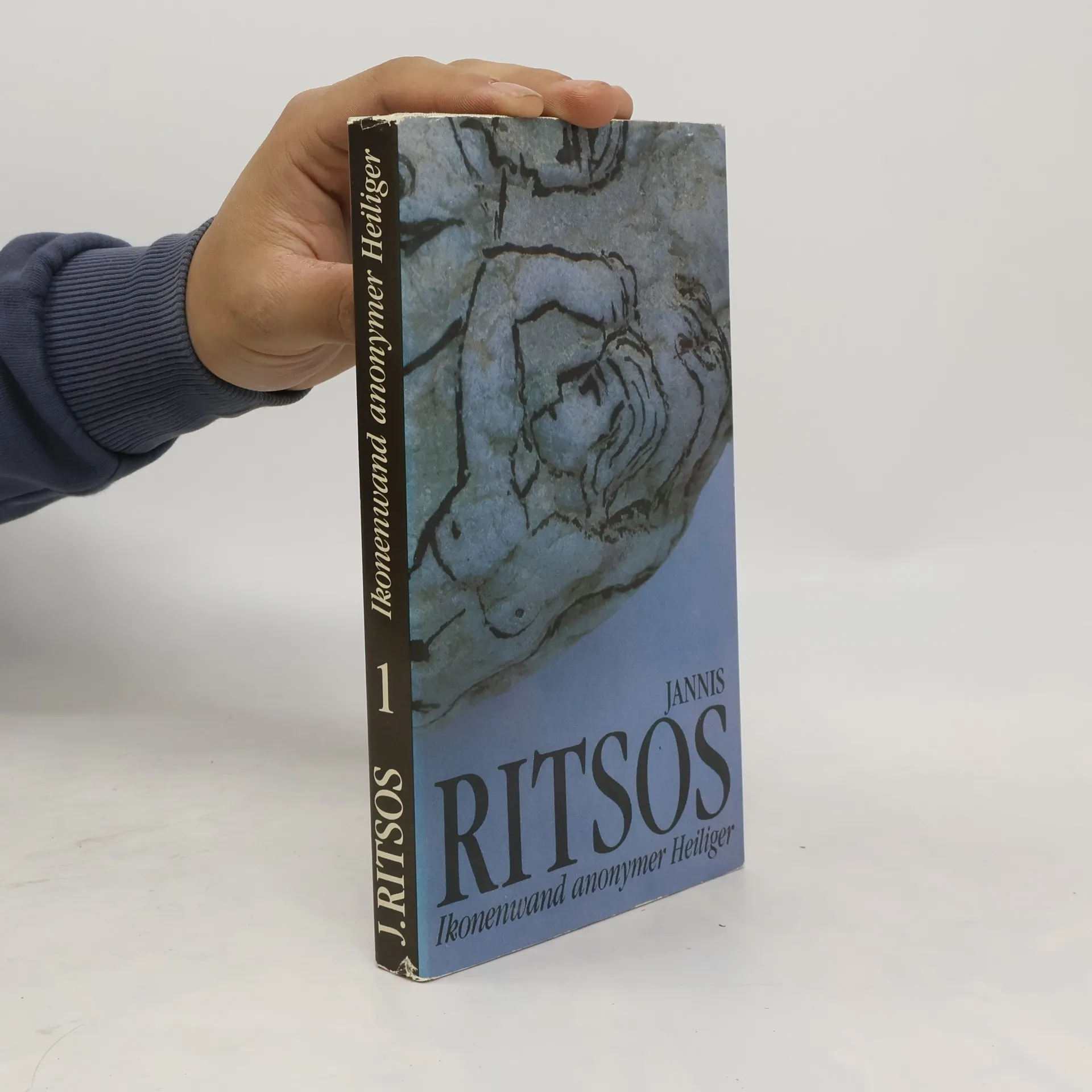
      This work of Ritsos is it a novel with an emphatic question mark added by the poet himself? Is it roman fleuve in the sense of Proust's Remembrance of things Past? Is it a wild prose-poetic fling in a "sarcastic climate?" Or is it an autobiography of Greece's most human poet, whom Aragon hailed as "the greatest poet of his time?" And what about the strange title? How are the established Orthodox saints, traditionally decorating the panels near the altar, how are they replaced by Anonymous human beings? "Everyday people from Ritsos" neighborhood; members of his large family and simple inhabitants of Monemvasia; unassuming fellow-prisoners on exile islands and a closely knit band of friends. All these "anonymities" are skillfully counterpoint with the hero- Ion- and Ion's alter ego Ariostos - and woven into a fascinating tapestry of reminiscences and reflections, vivid memories from childhood and ado- lescence, speculations on Greece's recent history

      Iconostasis of Anonymous Saints
    • 1989

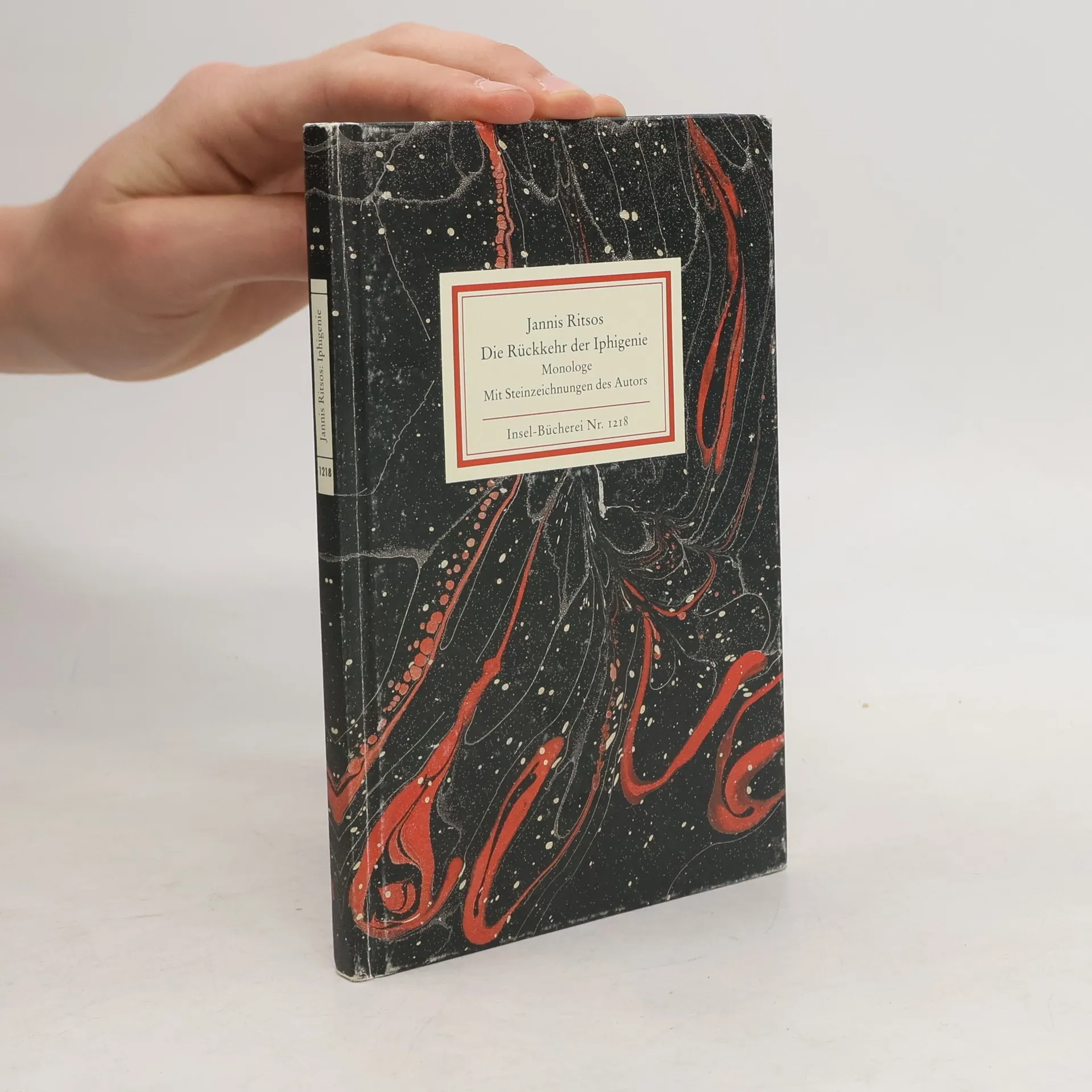
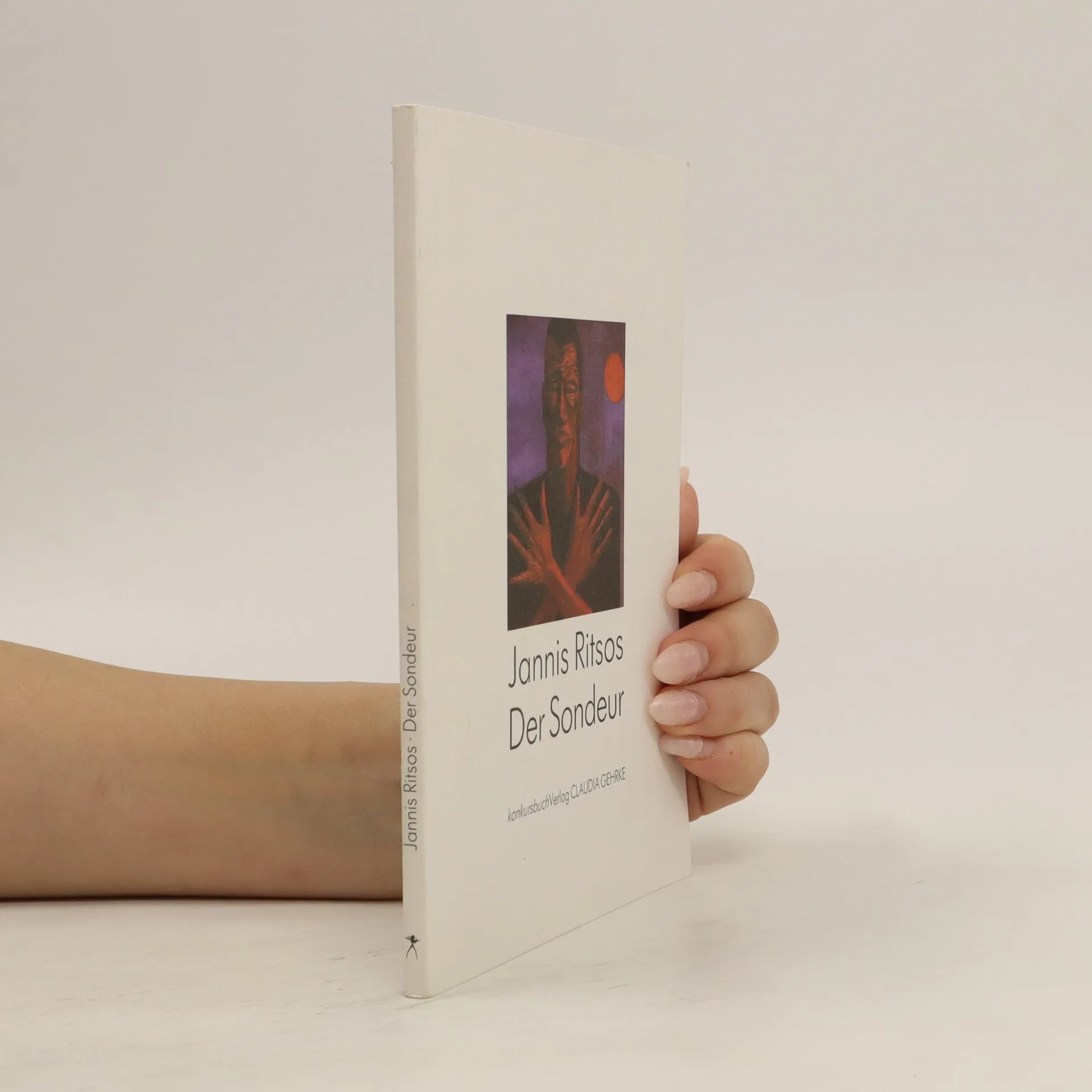
      Menschen treffen sich auf der Straße und reden in „irrer“ Sprache und in „irren“ Beziehungen untereeinander gegen die politische „Rationalität“ an. Mit Zeichnungen. die erste Auflage erschien 1989.

      Der Sondeur
    • 1985

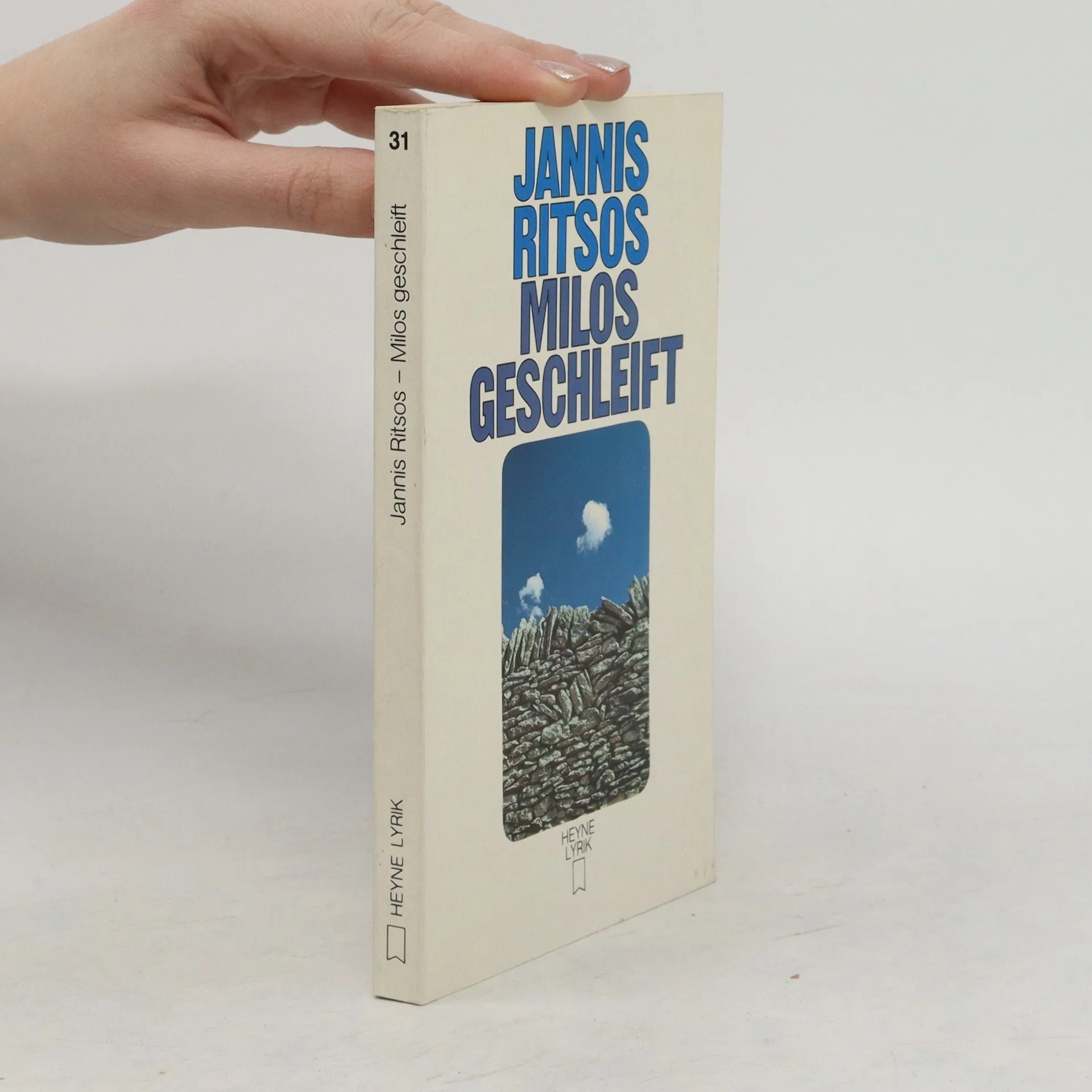
      Anlässlich des 70. Geburtstags des griechischen Lyrikers Jannis Ritsos erschien 1979 ein Gedichtband. Ritsos zählt zu den einflussreichsten modernen Lyrikern und wird weltweit übersetzt, ähnlich wie Raffael Alberti, Pablo Neruda und Nicolás Guillén.

      Milos geschleift. Poeme und Gedichte.
    • 1985