The Great Secret
- 400 stránok
- 14 hodin čítania
The gripping story of a chemical weapons catastrophe, its cover-up, and how one army doctor's discovery led to the development of chemotherapy.


Jennet Conant je americká autorka literatúry faktu a novinárka, ktorá sa venuje pútavému rozprávaniu o druhej svetovej vojne. Jej diela vynikajú dôkladným výskumom a schopnosťou vykresliť historické udalosti z novej perspektívy. Conantová sa zameriava na menej známe postavy a skryté príbehy, čím odhaľuje komplexnosť a ľudskosť v centre historických konfliktov. Jej štýl je analytický, no zároveň prístupný, čo z nej robí uznávanú autorku v oblasti populárno-náučnej literatúry.

The gripping story of a chemical weapons catastrophe, its cover-up, and how one army doctor's discovery led to the development of chemotherapy.
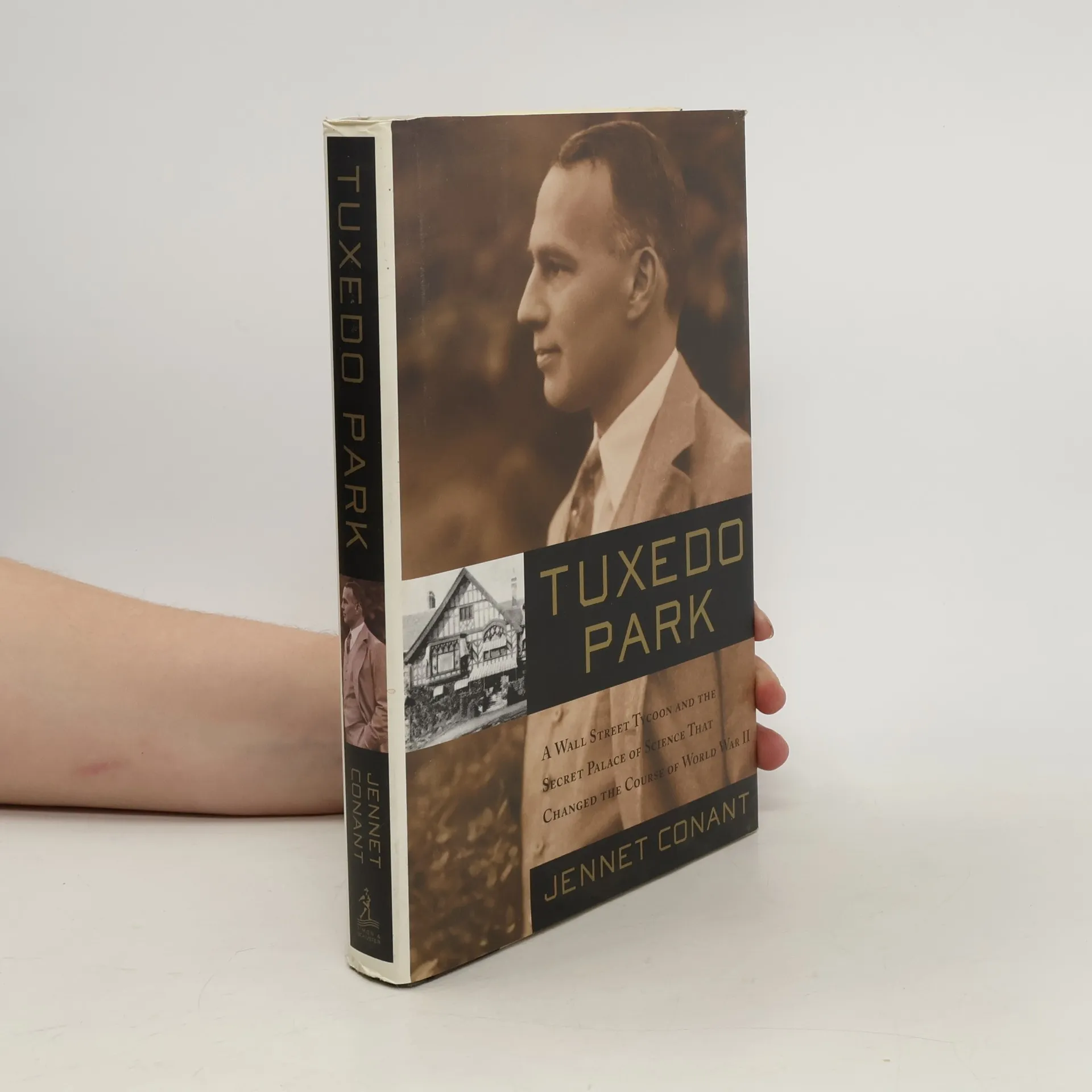
Set against the backdrop of World War II, the narrative follows a covert mission by British scientists who meet with American physicists to share vital military secrets. Central to this story is Alfred Lee Loomis, a wealthy Wall Street tycoon leading a dual life as a scientific innovator. Through extensive research and personal accounts, the book uncovers Loomis' hidden contributions to the war effort and his influential role in the development of nuclear technology, revealing a pivotal yet overlooked chapter in history.
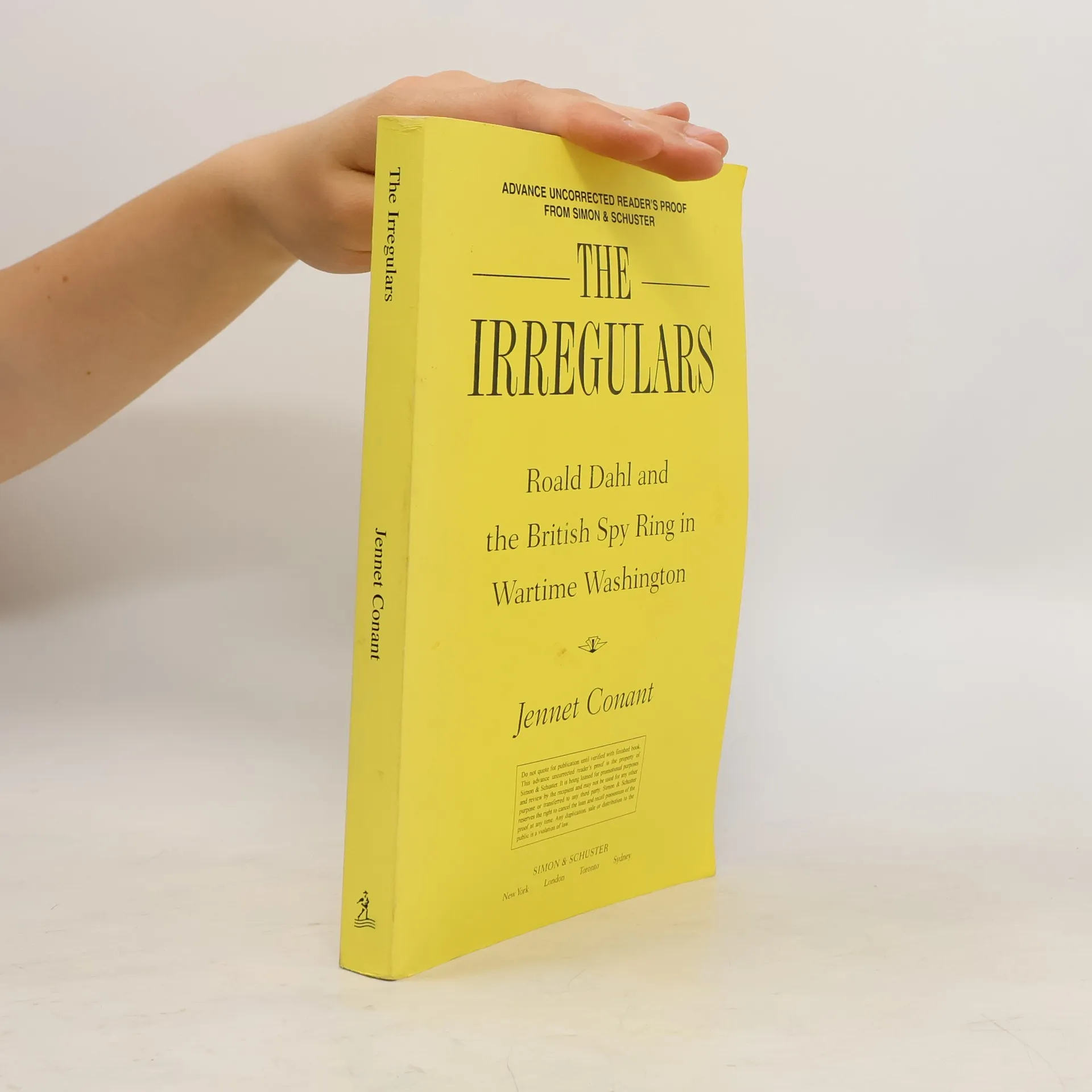
Describes the covert intelligence operations of allied forces during World War II as experienced by wounded RAF pilot Roald Dahl, a patriot who used his charm and wits to infiltrate the upper reaches of Georgetown society and influence U.S. policy in favor of England.