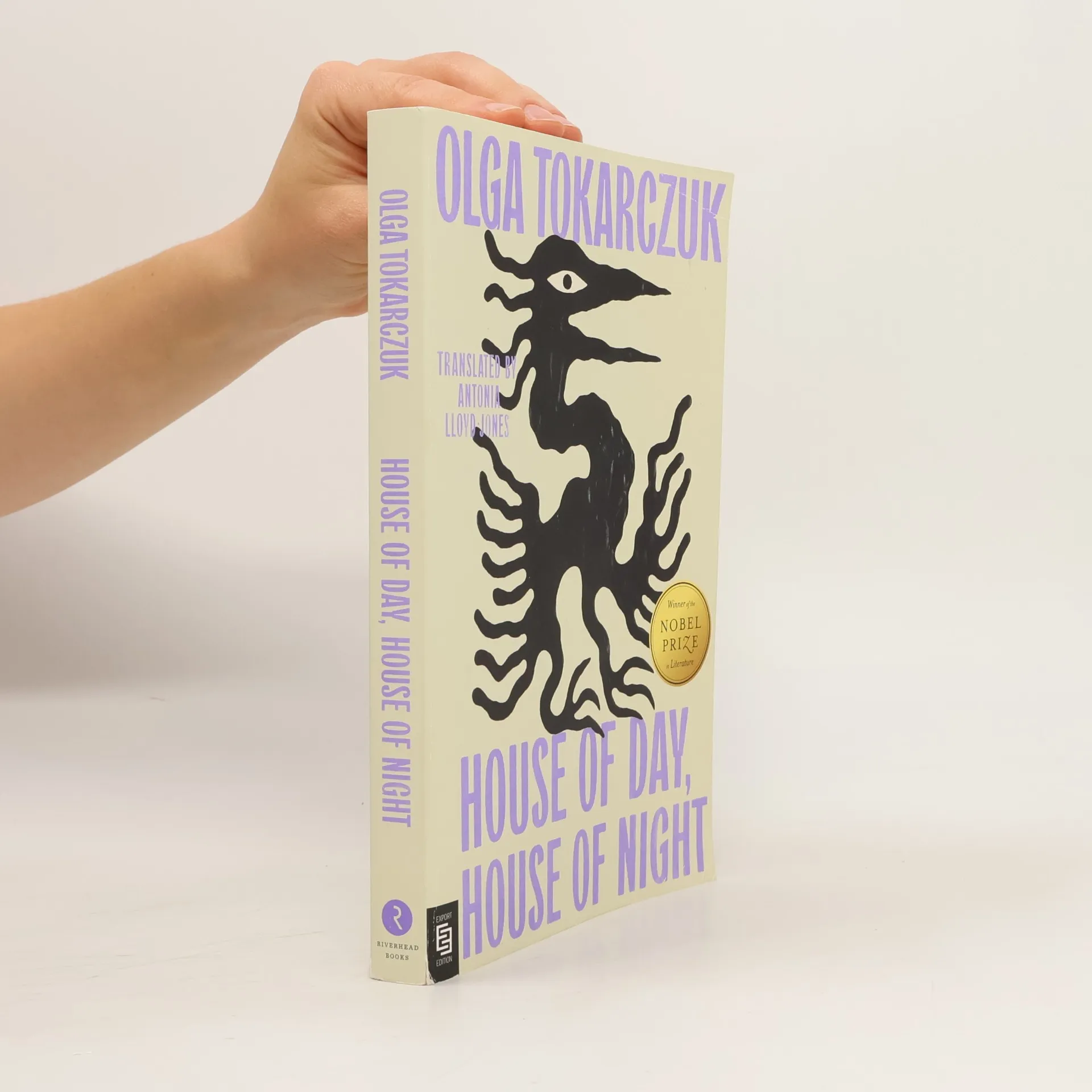
House of Day, House of Night
- 304 stránok
- 11 hodin čítania
A brilliantly imaginative epic novel of a small place by Nobel Prize in Literature laureate Olga Tokarczuk, one of the most daring and ambitious novelists at work today.



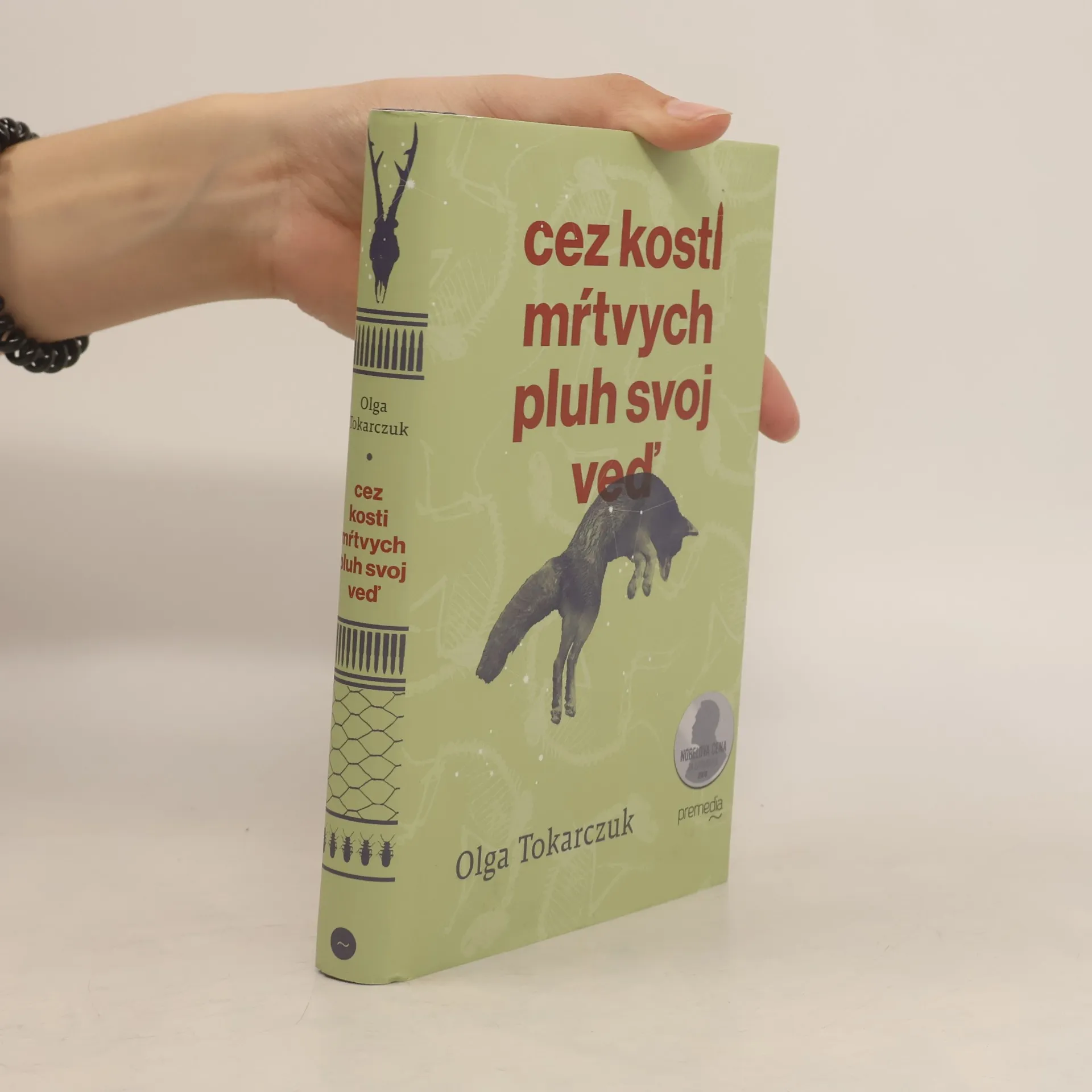


A brilliantly imaginative epic novel of a small place by Nobel Prize in Literature laureate Olga Tokarczuk, one of the most daring and ambitious novelists at work today.
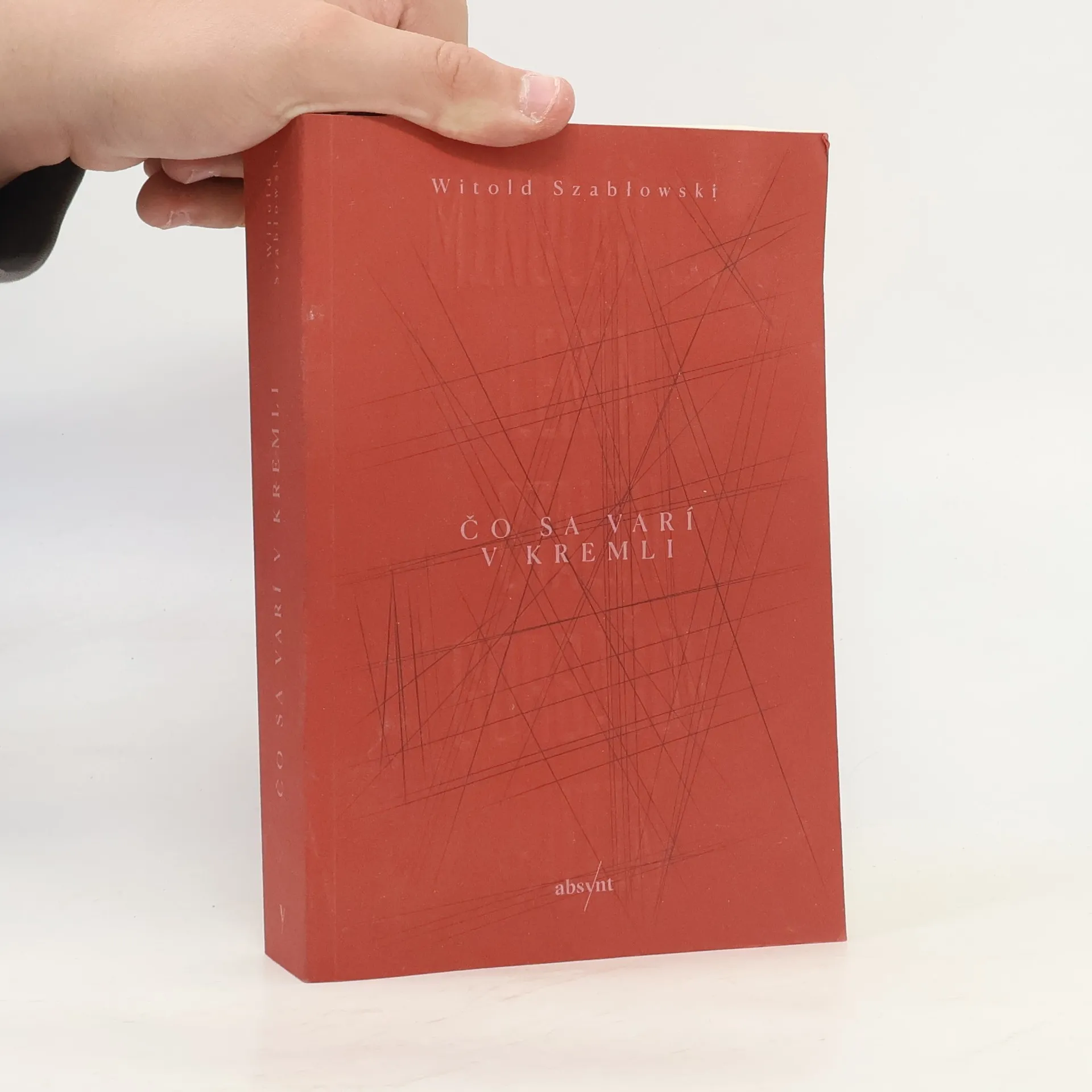
Ako vybudovať impérium nožom, naberačkou, vidličkouPrečo s posledným ruským cárom Mikulášom II. zastrelili aj jeho kuchára? Čo sa varilo prvým likvidátorom černobyľskej katastrofy? A kto dal Gagarinovi pred odletom do kozmu vypiť pohár mlieka? Spoznajte Rusko cez kuchynské dvere vo vynikajúcej kulinárskej reportáži Witolda Szabłowského!Po úspešnej knihe Ako nakŕmiť diktátora prichádza poľský reportér Witold Szabłowski s jej voľným pokračovaním. Tentoraz vo svojej kulinársko-reportážnej knihe nazerá pod pokrievku Ruska a bývalého Sovietskeho zväzu.Szabłowského kniha Čo sa varí v Kremli vám prezradí, čo jedával Stalin na svojej tajnej dači neďaleko Moskvy, čo sa pieklo v peciach obliehaného Leningradu či aké bolo prvé jedlo vodcov Ruska, Ukrajiny a Bieloruska po rozpade ZSSR. Szabłowski nám však ponúka aj niekoľko „receptov“ z obdobia veľkého ukrajinského hladomoru a v špeciálnom predslove k slovenskému vydaniu nás pozýva „do kuchyne“ v obliehanej mariupoľskej fabrike Azovstaľ.Spoznajte Rusko, krajinu, ktorá buduje svoju moc nožom, naberačkou, vidličkou a... hladom. Asi nie je náhoda, že v krajine, v ktorej sú ľudia zo všetkého najviac kŕmení propagandou, je prezidentom a neobmedzeným diktátorom práve vnuk kuchára – Vladimir Putin.
Detektívny príbeh o tom, kto zabíja miestnych poľovníkov a pytliakov v poľskom mestečku. Alebo rozprava o právach zvierat.Alebo ekologický thriller s feministickým pozadím. Alebo všetko v jednom tak by sa dal charakterizovať román Cez kosti mŕtvych pluh svoj veď, ktorý je zábavnou a dojemnou zmesou všetkého zmieneného a dôkazom Tokarczukovej všestrannosti a rozhľadu. Hlavnou hrdinkou príbehu je Janina Duszejková, stavebná inžinierka, ktorá si zarába na živobytie ako učiteľka angličtiny a zemepisu na škole v Kladskej kotline na česko-poľských hraniciach. V zime pracuje aj ako správkyňa letných bytov. Jej vášňou je astrológia a nadovšetko miluje zvieratá. Snaží sa im všemožne pomáhať a chrániť ich, bojuje proti ľuďom, ktorí im ubližujú. Varuje pred nerozvážnym ničením prírody, vidí ľudské osudy vpísané do hviezd. Jedného dňa nájdu Janininho suseda mŕtveho. A po ňom ďalšieho. Pytliaci a významní členovia spoločnosti záhadne umierajú. Nemými svedkami sú zvieratá. Janina Duszejková vie o tom svoje, ale polícia ju ignoruje. Filmovú adaptáciu románu pripravila známa poľská režisérka Agnieszka Holland.
Zapletení predstavujú labyrint postáv, ktorými sa prokurátor uprostred manželskej krízy musí prepliesť. Počas stretnutia psychoterapeutickej skupiny ktosi zavraždí Henryka Telaka. Medzi hlavnými podozrivými sú ďalší pacienti, ale aj samotný psychoterapeut a jeho zvláštna metóda, ktorá dokáže liečiť, ale aj privádzať do šialenstva. Na zoznam podozrivých patria aj tí, o ktorých sa na terapii iba hovorilo. Jedna zo stôp vedie k ďalšej vražde spáchanej ešte pred pádom komunizmu. Román Zapletení je úvodom voľnej trilógie, nadväzuje naň rovnako úspešné pokračovanie Zrnko pravdy.
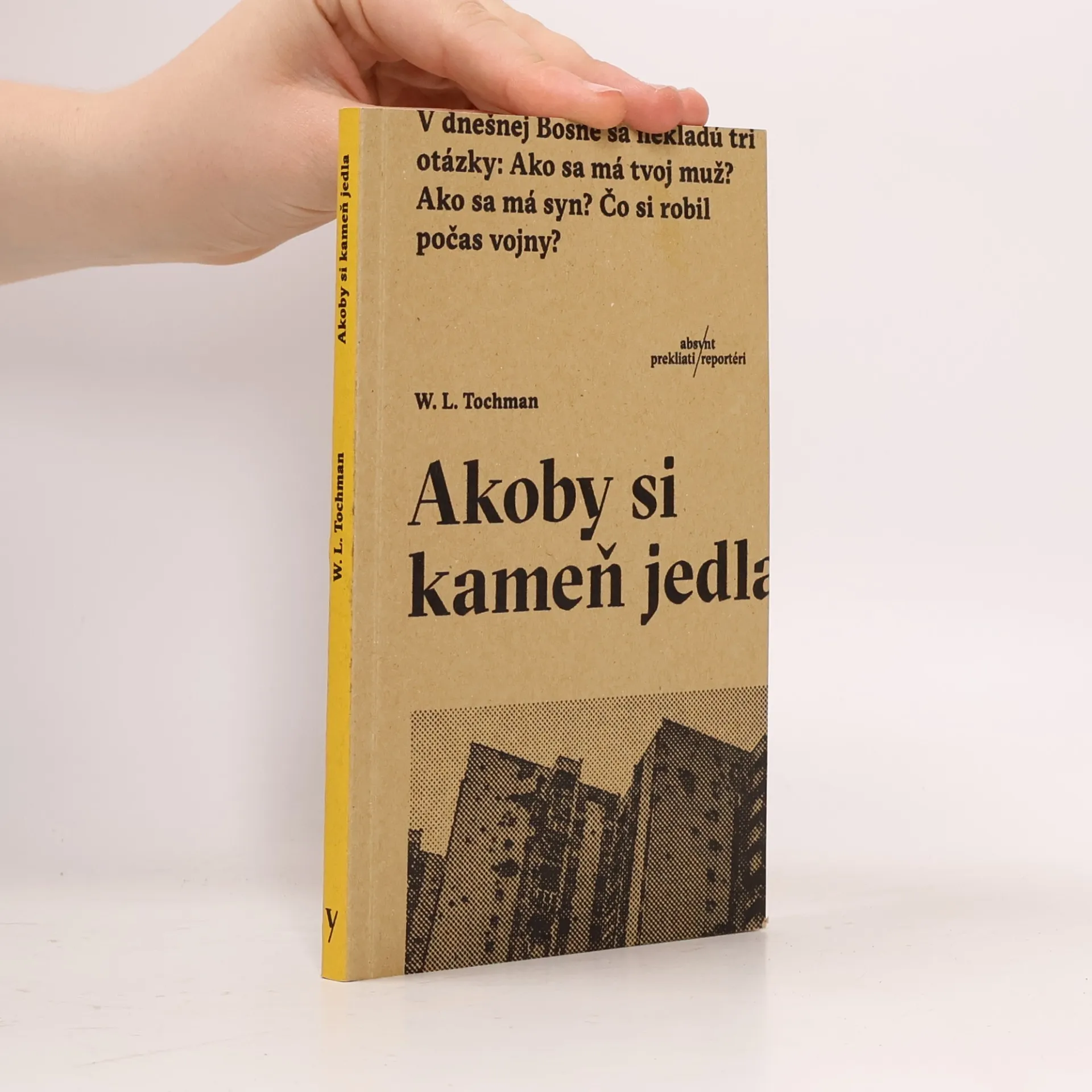
Bosna, roky deväťdesiate. Vojna, etnická nenávisť, smrť, masové exekúcie a koncentračné tábory. Reportéri a televízne štáby z celého sveta sa zhromažďujú na Balkáne, aby dokumentovali zverstvá v rozpadnutej Juhoslávii. Z médií prenikajú znepokojujúce obrazy, hlasy katov a obetí, odborníkov a politikov. Každá vojna sa však raz končí. Novinári odchádzajú, experti miznú v informačnom šume a pozornosť médií sa presúva k iným konfliktom. Čo sa deje v krajine, ktorou štyri roky zmietala vojna? Ako sa vyrovnávajú s tragédiou prežívajúci? Kde hľadajú svojich mŕtvych a ako ich nachádzajú? Na tieto otázky sa snaží odpovedať poľský reportér, ktorý sa o osudy ľudí v Bosne zaujímal nielen počas vojny, ale aj po nej. V roku 1999 sa vracia na miesto činu a sleduje antropologičku, ktorá zbiera a identifikuje pozostatky obetí z masových hrobov. Rozpráva sa s preživšími a z ich príbehov rekonštruuje vojnové osudy jednotlivcov a rodín. Jeho prostý jazyk zachytáva tragické, neskutočné a strašné aspekty vojny. Svedectvo núti zamyslieť sa nad hrôzami vojny, dvojznačnosťou ľudskej prirodzenosti a hlbokou potrebou pochovať a oplakať svojich mŕtvych.
The ancient Greeks referred to catharsis as the cleansing of both body and soul. In this inspiring work, renowned cardiologist Andrzej Szczeklik delves into the artistry and mystery of being a doctor, drawing on our humanistic heritage. He navigates between ancient and contemporary examples, illustrating how medicine and art share common roots and challenges. The process of diagnosis is likened to a poem or painting, requiring the physician to engage with it through alertness and receptivity. Speculation on slowing aging through genetics connects to the timeless dream of immortality cherished by artists and poets. The concept of catharsis has evolved from Aristotle's writings to modern interests in music's health benefits, particularly for newborns. Szczeklik examines the mysteries of heart rhythms, the history of pain relief, the logic of epidemics, and near-death experiences, weaving together classical literature, medical history, and poignant clinical anecdotes. The result is a life-affirming exploration that enriches the healing work of both patients and doctors, contributing significantly to our evolving understanding of the art of medicine.