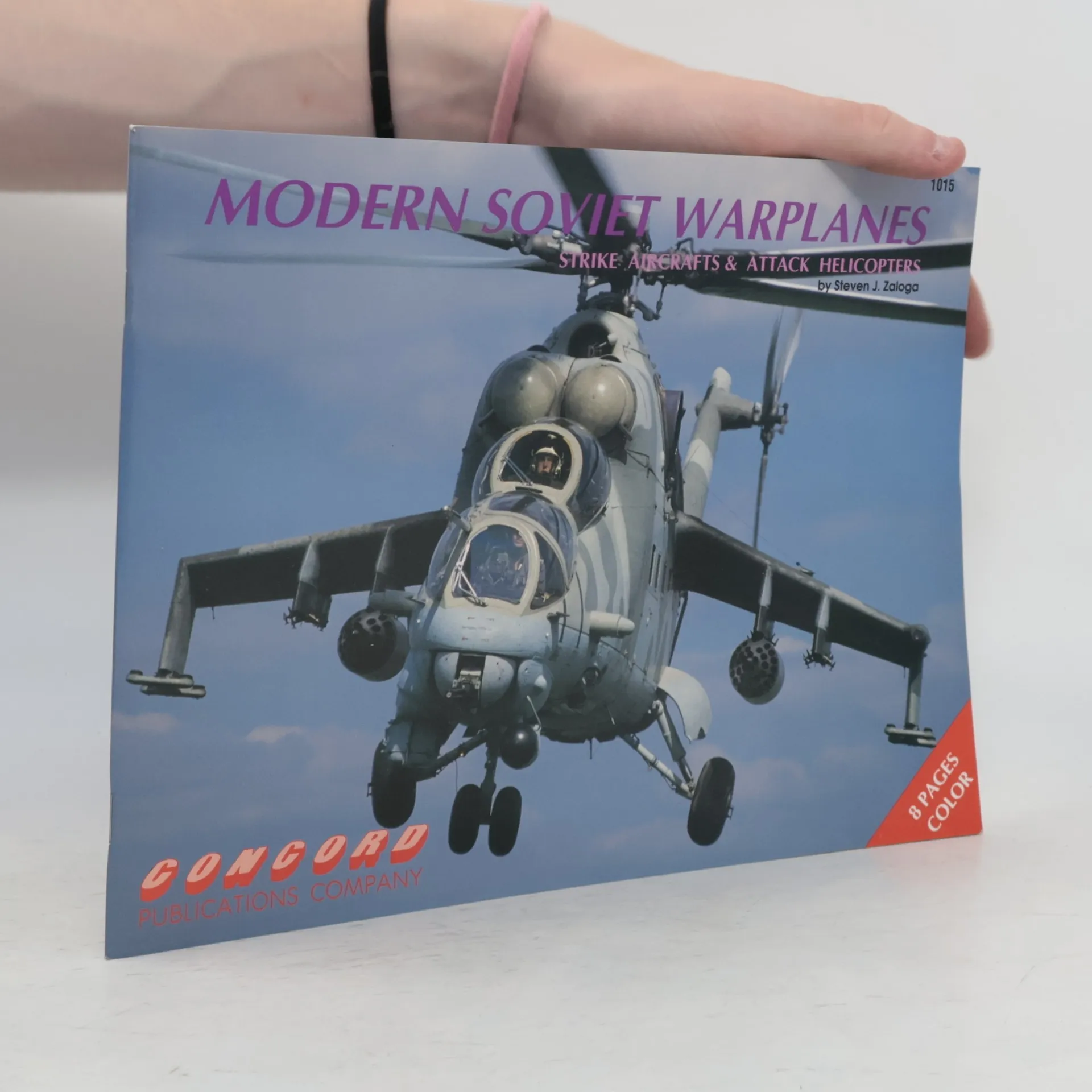
Steven Zaloga je svetovo uznávaný autor a obranný analytik, ktorý sa preslávil svojimi článkami a publikáciami o vojenskej technike. Jeho diela sa ponárajú do histórie a vývoja vojenskej techniky a ponúkajú hlboký vhľad do vojenskej histórie. Zalogaov prístup sa vyznačuje dôkladným výskumom a podrobným skúmaním tém, čo z neho robí popredného odborníka vo svojom odbore. Jeho odborné znalosti sú dobre etablované v akademických aj populárnych kruhoch.
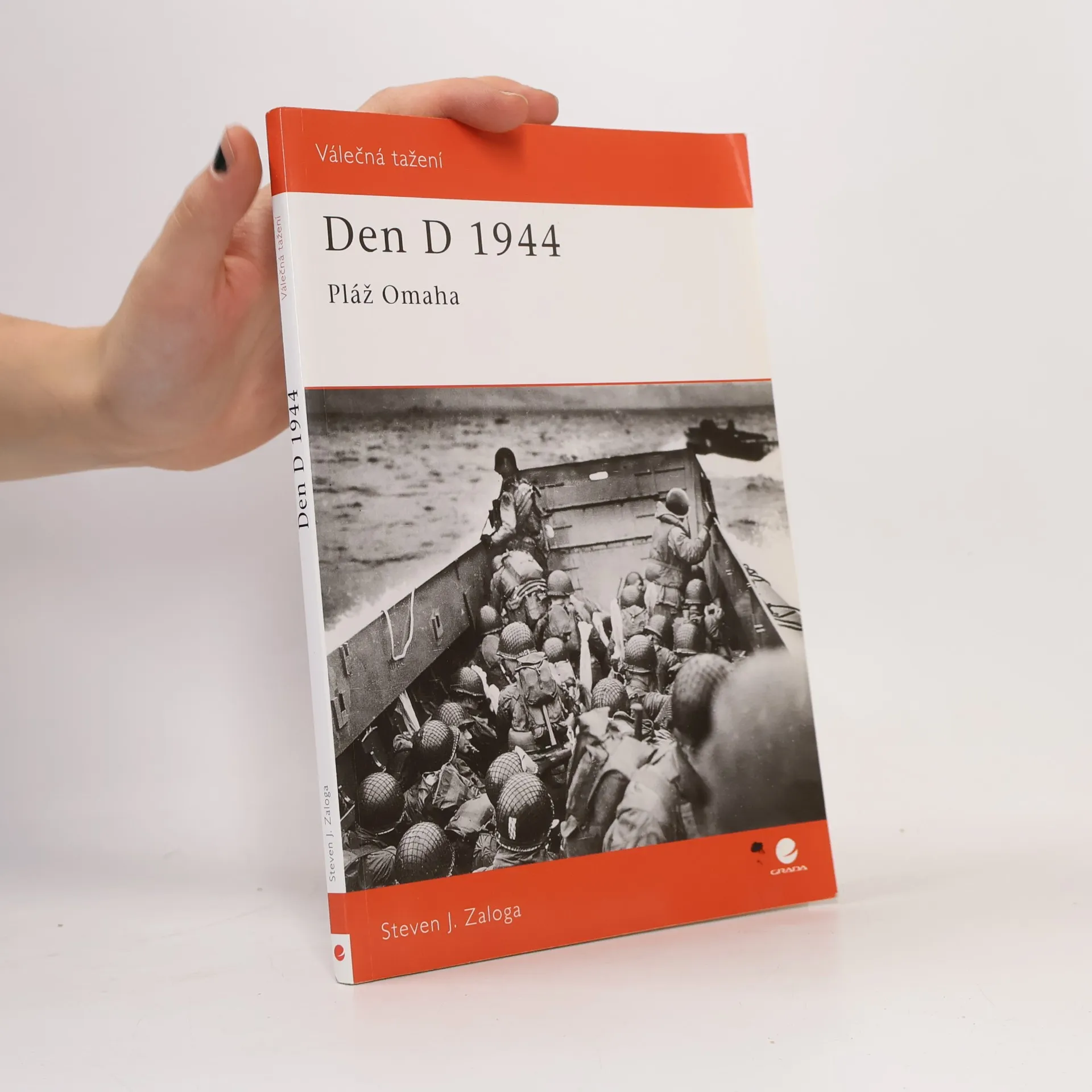
Strhující líčení největší obojživelné vojenské operace v dějinách z pera zkušeného amerického vojenského historika. Během této nesmírně náročné akce se přes Lamanšský průliv na francouzském pobřeží vylodila invazní spojenecká vojska, aby otevřela druhou frontu. Velké množství dobových fotografií, trojrozměrné plány a stejně tak do detailu autorem zdokumentovaný plán postupu spojenců i bránících se nacistů, popis použité výzbroje, výstroje, ženijních bojových prostředků a německých obranných zařízení jistě uvítají všichni milovníci vojenské historie.
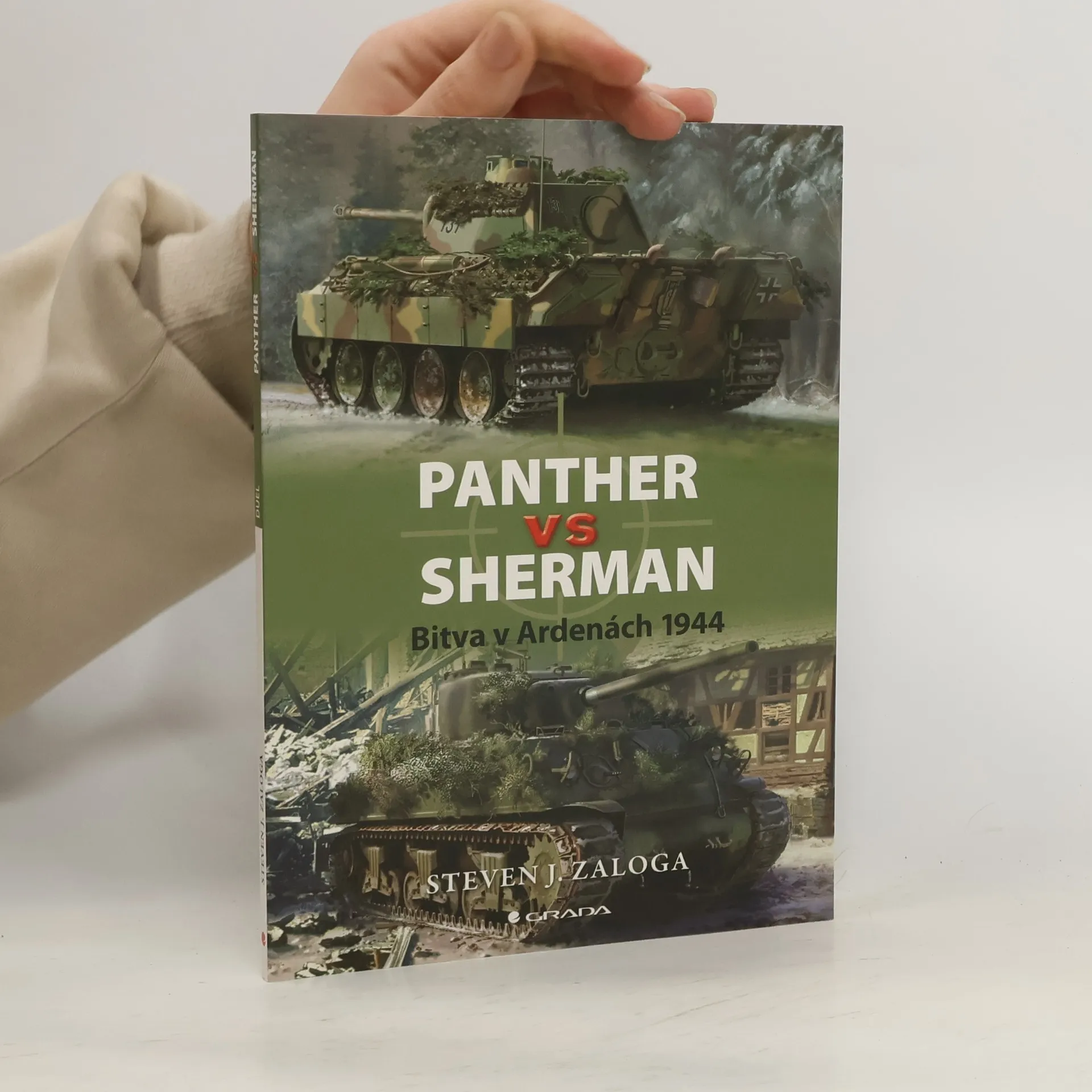
Otázka, zda měl na bojištích 2. světové války větší bojovou hodnotu tank Sherman, nebo Panther, zaměstnává vojenské historiky již celá desetiletí. Autor této knihy se rovněž snaží nalézt pravdivou odpověď a opírá se nejen o technické údaje o jednotlivých typech, ale nahlíží také do operačních záznamů, které jsou méně známé. A zjišťuje, že souboj mezi tanky Sherman a Panther předem daného vítěze v podobě německého stroje neměl, že technická nadřazenost nemusí automaticky znamenat úspěch na bojišti. Mnohem důležitější bývají jiné faktory - kvalita a výcvik osádek, taktika a podmínky na bojišti. Cílem této knihy, která proti sobě staví americký střední tank M4A3 Sherman (vyzbrojený kanonem ráže 76 mm ) a německý tank Panther Ausf. G, je popsat jejich vzájemný střet právě z tohoto pohledu.
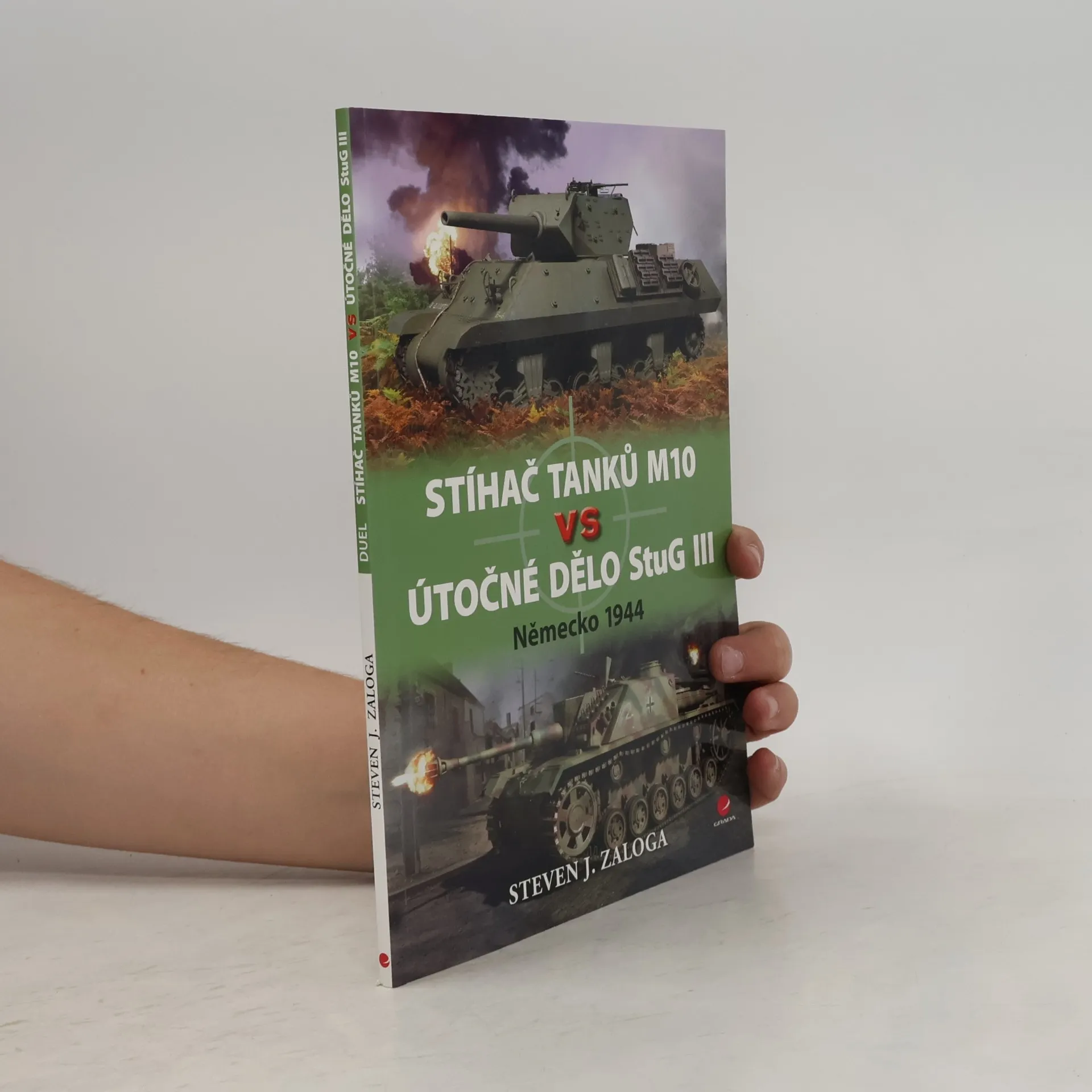
Americký stíhač tanků M10 Gun Motor Carriage (GMC) a německé útočné dělo Sturmgeschütz (StuG) III byly v letech 1944-1994 neopěvovanými tažnými koňmi bitevních polí v severozápadní Evropě. StuG III byl bezvěžový stroj s nízkou siluetou, který byl zpočátku určen k poskytování přímé palebné podpory pěším útvarům. Později však dostal silnější výzbroj a byl nasazován proti nepřátelským tankům. V roce 1944 byl naopak M10, původně vyvinutý jako stíhač tanků, ale zranitelný palbou německých pancéřů, stále častěji nasazován jako prostředek palebné podpory pěchoty. Tato dvě obrněná bojová vozidla se během jedenáctiměsíčního tažení Spojenců z Normandie do srdce Reichu opakovaně utkávala, zejména v okolí Cách v říjnu 1944. Tato bohatě ilustrovaná kniha obsahující i speciálně zadané umělecké ilustrace popisuje jejich konfrontaci v závěrečných fázích 2. světové války.
Tato knížka představuje první komplexně zpracovaný materiál o historii bojového tanku T-62 v češtině. Zabývá se procesem vývoje tohoto tanku a jeho technickými stránkami, jak dokládá velké množství fotografií a barevných kreseb. Autor podrobně popisuje i jeho bojové nasazení od Sinajské pouště až po drsný terén Afghánistánu a velice živě líčí také zákulisí jeho vzniku. Tank T-62 byl totiž klasickým příkladem kombinace politických zásahů z Kremlu a ambicí mladého závodu na výrobu tanků v průmyslovém zázemí, který se chtěl v očích Kremlu etablovat jako legitimní hráč. Tank se hodně se vyvážel, zúčastnil se válek na straně Egypta a Sýrie. I když je ve srovnání s nejmodernějšími hlavními bojovými tanky už zastaralý, stále budí respekt, a proto zůstane ve výzbroji patrně ještě mnoho let.
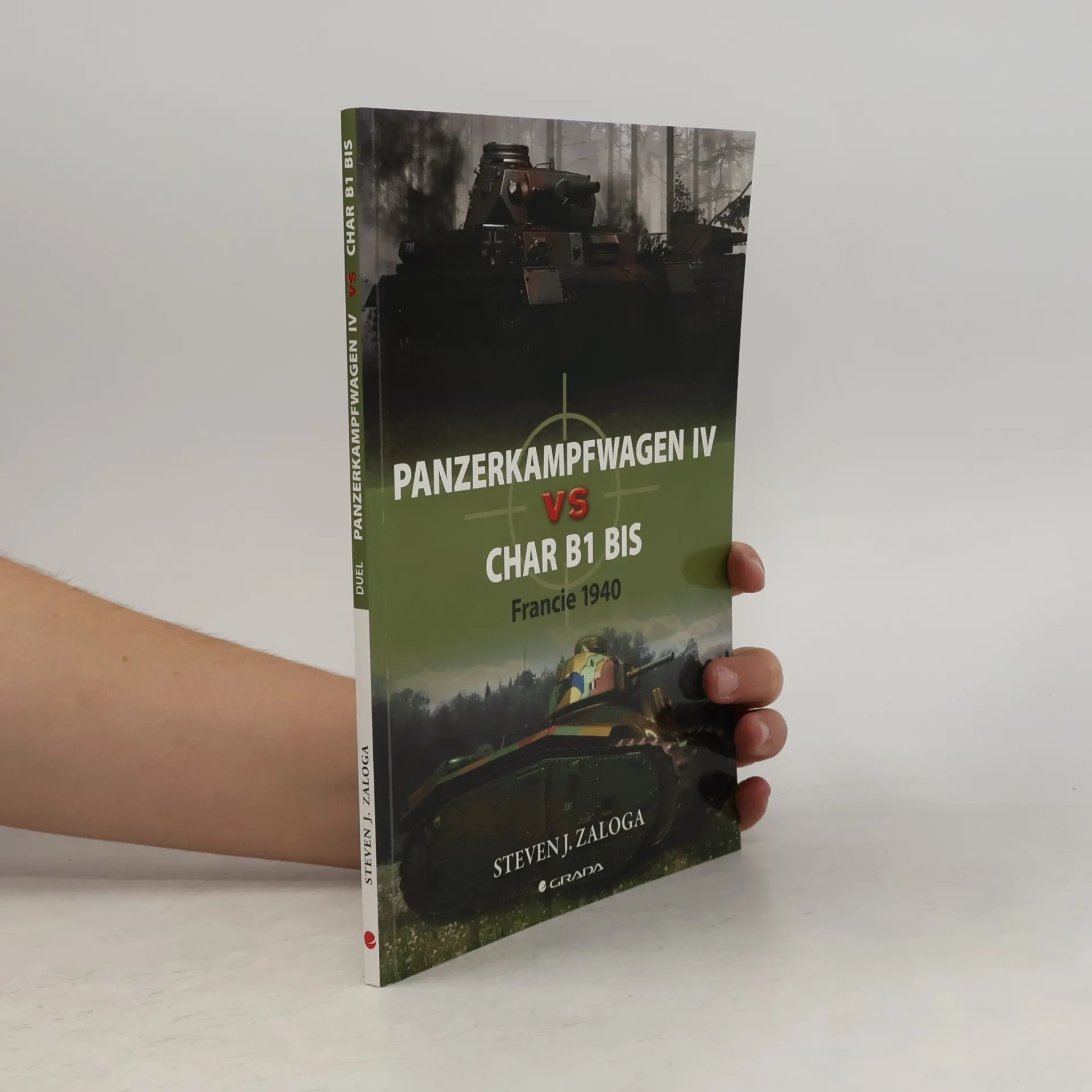
V této knize se zaměřuje na bitvu u Stonne, která je pro svou intenzitu a brutalitu přirovnávána ke Stalingradu a Monte Cassinu. Němečtí i francouzští veteráni jí nazvali "Verdun roku 1940". Na bojišti se střetly těžké tanky Panzerkampfwagen IV a Char B1 bis. Autor detailně popisuje průběh bojů mezi těmito dvěma tanky, přístupy obou stran k jejich nasazení, problémy s francouzskými tankovými divizemi, nedostatečný výcvik a nepružné velení. Dále se věnuje konstrukčním rozdílům obou tanků, jejich přednostem a nedostatkům, které ovlivnily výsledek bitvy, přičemž německá strana vynikala lepší taktikou a technickým vybavením. Historik zkoumá také vývoj a technické vlastnosti tanků, výcvik posádek a organizaci tankového vojska ve Francii a Německu před 2. světovou válkou. Pozornost je věnována strategické situaci před německým útokem na Francii (Fall Gelb) a průběhu bitvy o Stonne v květnu 1940. Text je doplněn ilustracemi, mapami a fotografiemi, které podporují srovnání bojových vlastností francouzského tanku Char B1 bis a německého PzKpfw IV.
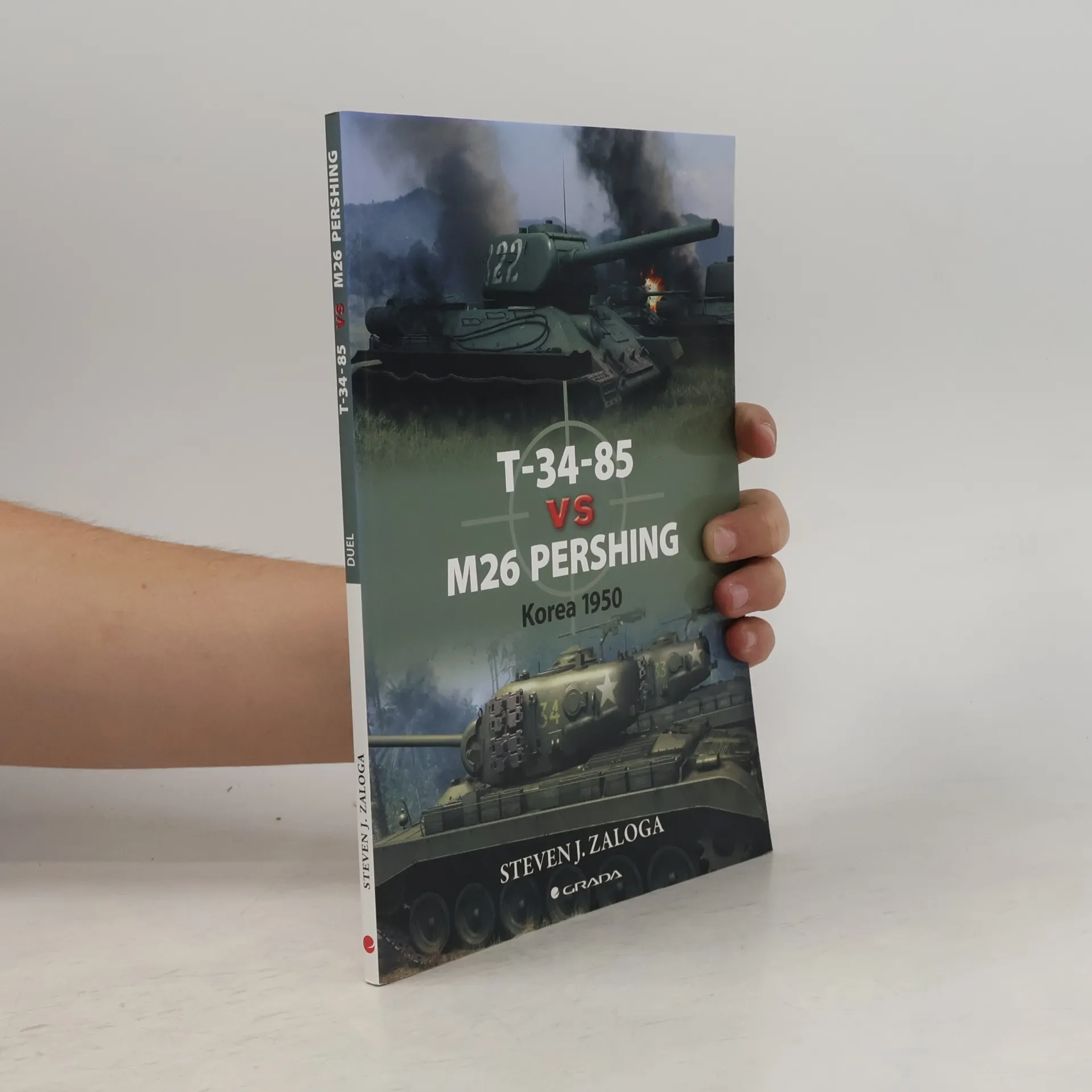
Další svazek edice Duel, který je opět nabitý spoustou technických a faktických informací. Korejská válka (1950-53) poskytla velice zajímavou příležitost srovnat americké a sovětské tanky ze 2. světové války, které původně měly společně bojovat proti německým Tigrům a Pantherům, a nyní stanuly proti sobě na bojišti studené války. Navíc se jejich vzájemné střety odehrály v rámci několika málo měsíců a existuje k nim mnoho statistických analýz, které pomáhají osvětlit relativní výkony severokorejských a amerických tanků v tomto konfliktu. Zaloga rozebírá vlastnosti obou typů tanků, jejich konstrukci a vývoj i způsob nasazení a svým líčením průběhu střetů mezi oběma stranami v divokých podmínkách korejské oblasti a osudů posádek nabízí čtenářům napínavou četbu. V knize je použita rovněž série jedinečných fotografií a bojových schémat.
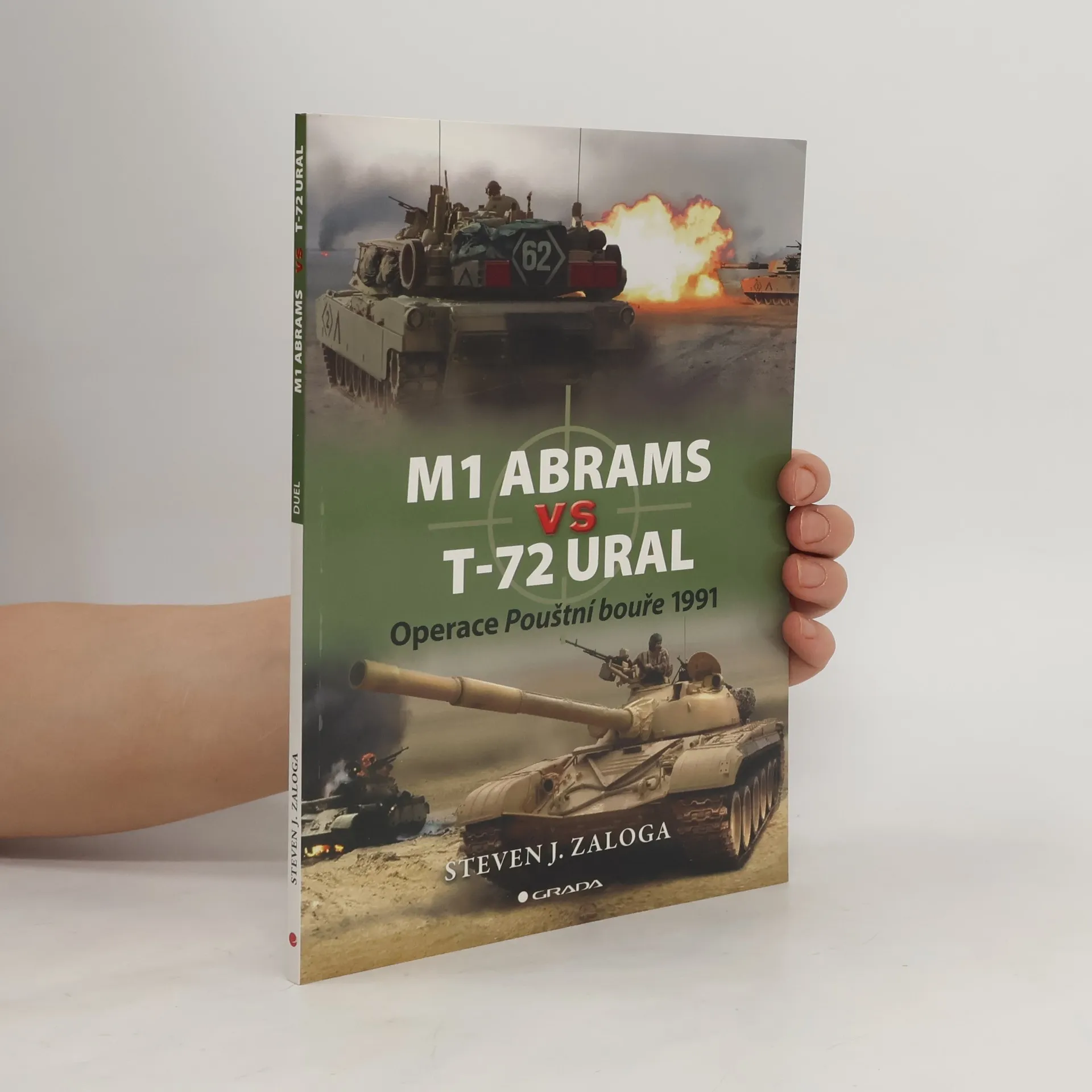
Operace Pouštní bouře v únoru roku 1991 je fascinujícím příkladem střetnutí mezi moderními tanky amerického a sovětského původu. Na jedné straně stál americký typ M1A1, tehdy pravděpodobně nejmodernější tank na světě, jehož nejnovější verze nebyla stará ani dva roky. Na straně druhé jeho rival z dob studené války, sovětský typ T-72, tvořící páteř výzbroje Rudé armády. Vynikající technická analýza předního znalce vojenské techniky, Stevena J. Zalogy, spolu s podrobnými vzpomínkami velitele tanku M1A1, který svedl boj s iráckými T-72, dělá z této knihy strhující příběh moderního tankového boje. Podrobně je tu podán průběh bojů v Iráku, zejména důvody toho, proč zdánlivě velice silná irácká armáda, její nejlepší obrněné jednotky byly tanky americké armády zcela zničeny, i velmi zajímavý pohled na úroveň tankové techniky a způsob jejího nasazení na samém konci studené války
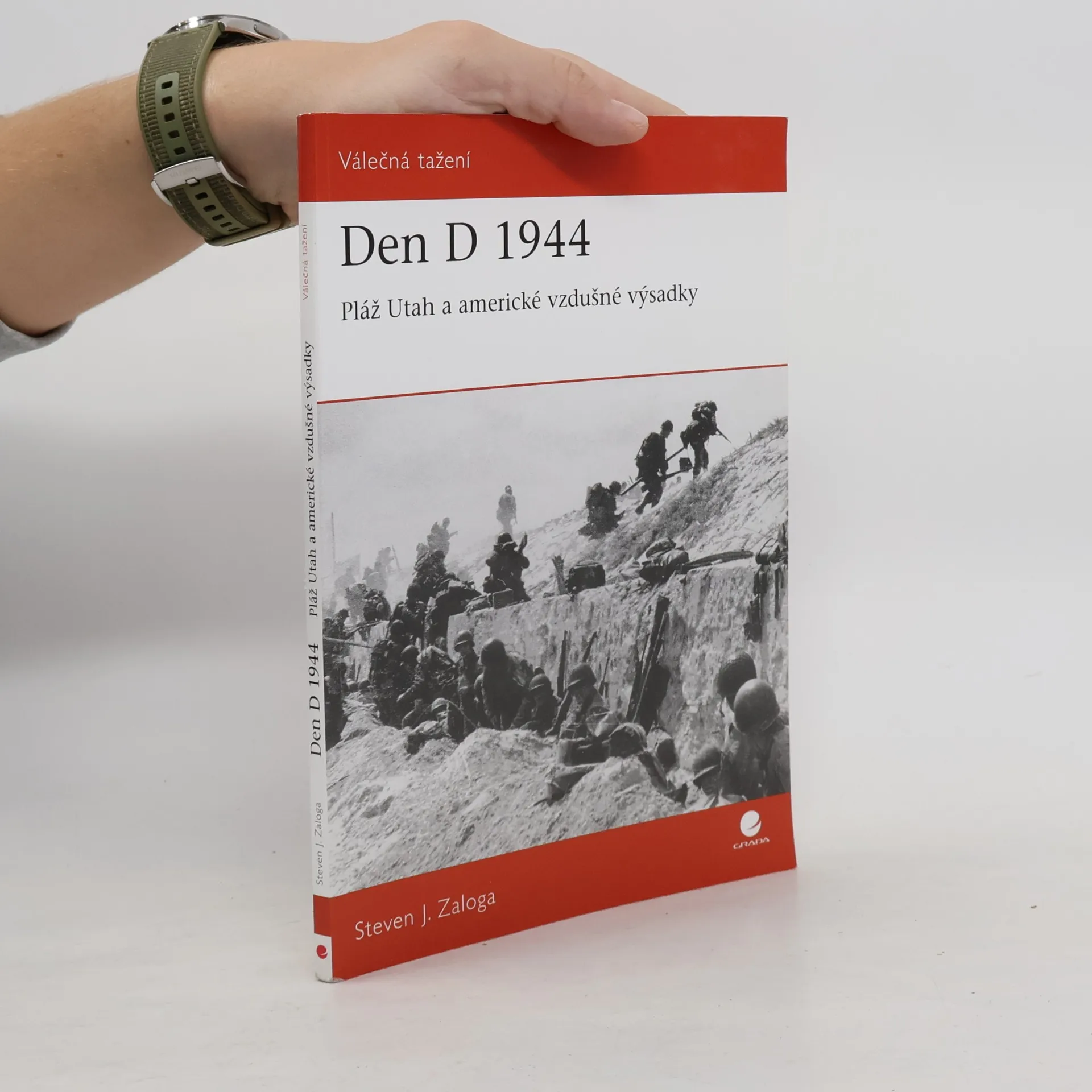
Druhý díl tetralogie, věnované dramatickým událostem odehrávajícím se na pobřeží Normandie v červnu 1944, čtenářům zprostředkovává nesmírně působivý a faktograficky přesný popis průběhu útoku spojeneckých vojsk v den D na západním křídle, na úseku s krycím označením Utah. Detailní pohled na operace amerických jednotek, mající za cíl dobytí klíčového přístavu Cherbourg a poloostrova Cotentin, a tím definitivní zachycení na území Francie, doprovází mnoho unikátních dobových fotografií, bojových schémat a trojrozměrné mapy.
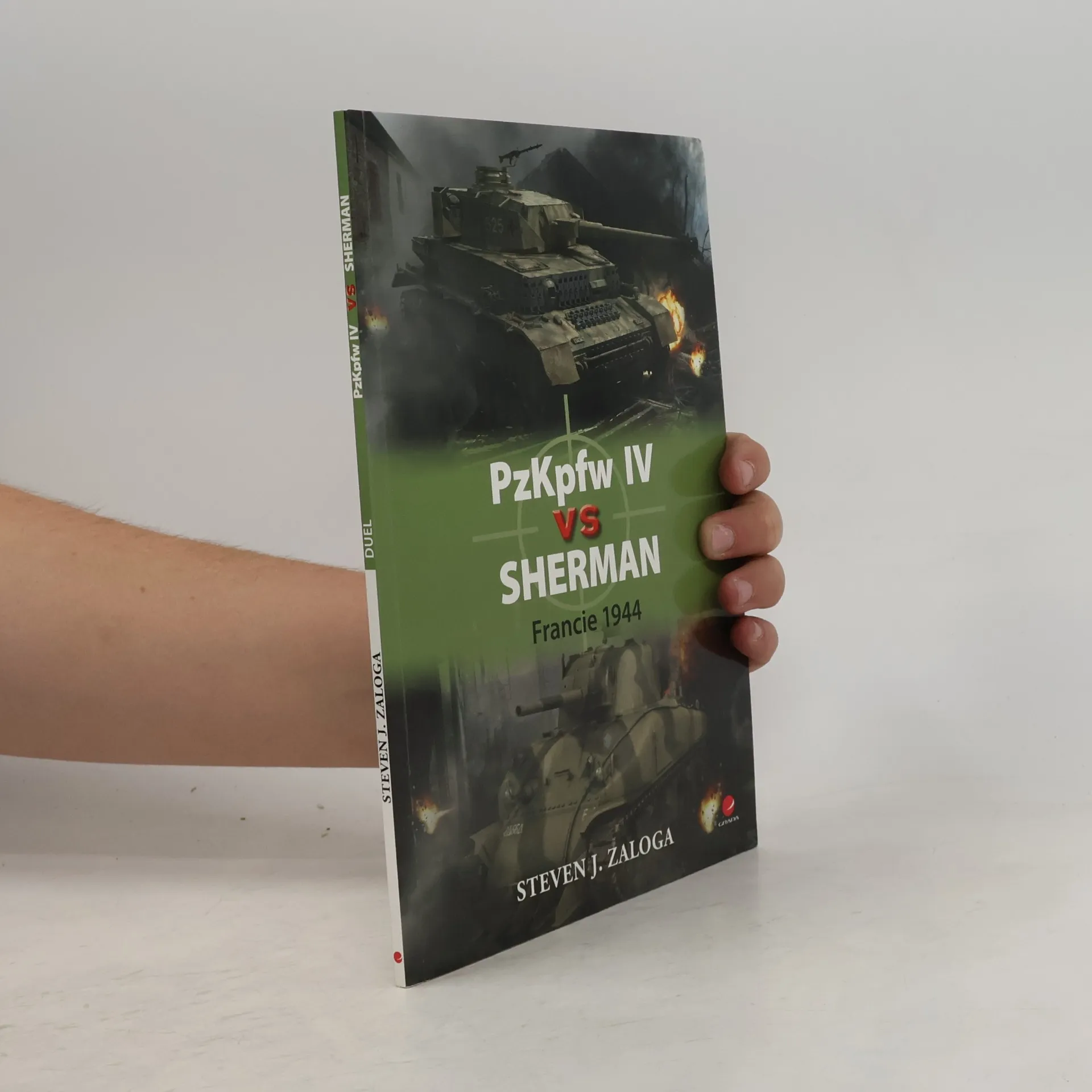
Když Spojenci v roce 1944 zahájili pokus o průlom v Normandii, záhy bylo jasné, že nad Němci nebude snadné zvítězit a že každý kousek území na cestě do Berlína obsadí až po těžkých bojích. Tato knížka se zaměřuje na urputné bitvy mezi německým tankem PzKpfw IV a americkým M4 Sherman, k nimž došlo v samém středu rozhodující fáze II. světové války.
ba tyto typy patřily mezi nejvíce vyráběné tanky na německé resp. americké straně a byly tradičními protivníky, kteří se opakovaně střetávali ve středomořském prostoru. Po celou dobu jejich dlouhé služby vznikla u obou tanků řada technických zdokonalení a modifikací. Došlo i k posunu v jejich původním určení - nicméně oba zůstaly na západní frontě v předních liniích.
Autor knihy, odborník na tankovou techniku, vybízí čtenáře k detailní prohlídce stísněných prostor těchto obrněných dříčů a současně nabízí barvitý popis s pomocí technických kreseb spolu se sérií dobových i soudobých fotografií, které věrně zachytily podmínky života osádek.
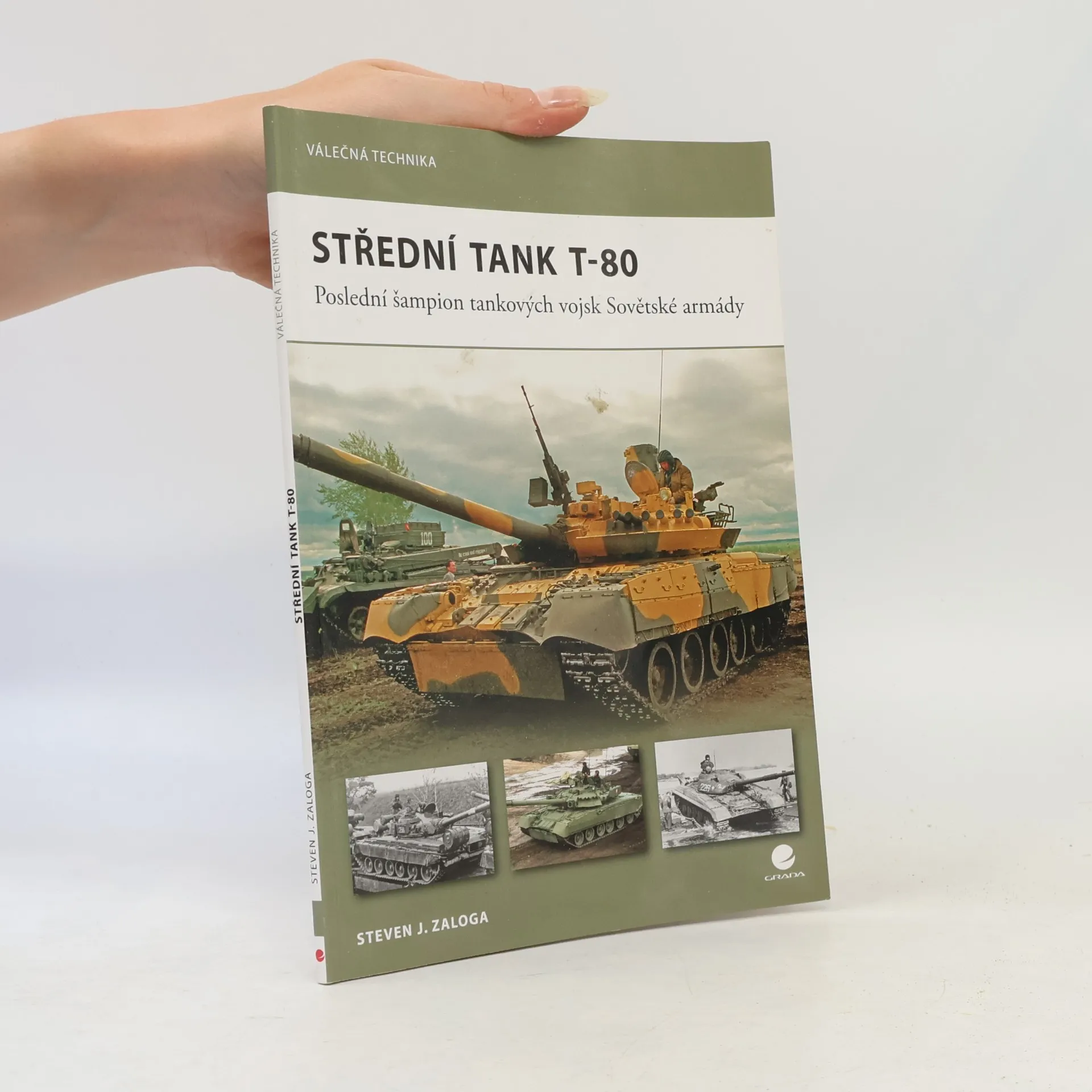
Zájemci o vojenskou techniku mají možnost prostřednictvím této publikace nahlédnout do málo známé historie tanku T-80, který byl posledním a zároveň nejkontroverznějším tankem zavedeným do sovětské výzbroje před rozpadem Sovětského svazu. Detailní popis a také četné ilustrace dokumentují neobvyklé konstrukční prvky, kvůli nimž byl tento tank tak rozporuplný. Autor seznamuje čtenáře s postupem prací na jeho různých variantách, s výsledky řešení požadavků na zcela nový typ, který měl z hlediska palebné síly, balistické ochrany a mobility předčit stávající řadu T-54. Poukazuje na problémy, se kterými zápasily jednotlivé konstrukční kanceláře ve snaze splnit někdy nereálné představy vedení státu. Na pouhých 48 stránkách knihy je fundovaně a poutavě zachycen celý vývoj T-80 od počáteční konstrukce až po poslední varianty T-84 a tajemný ruský stroj "Černý orel".
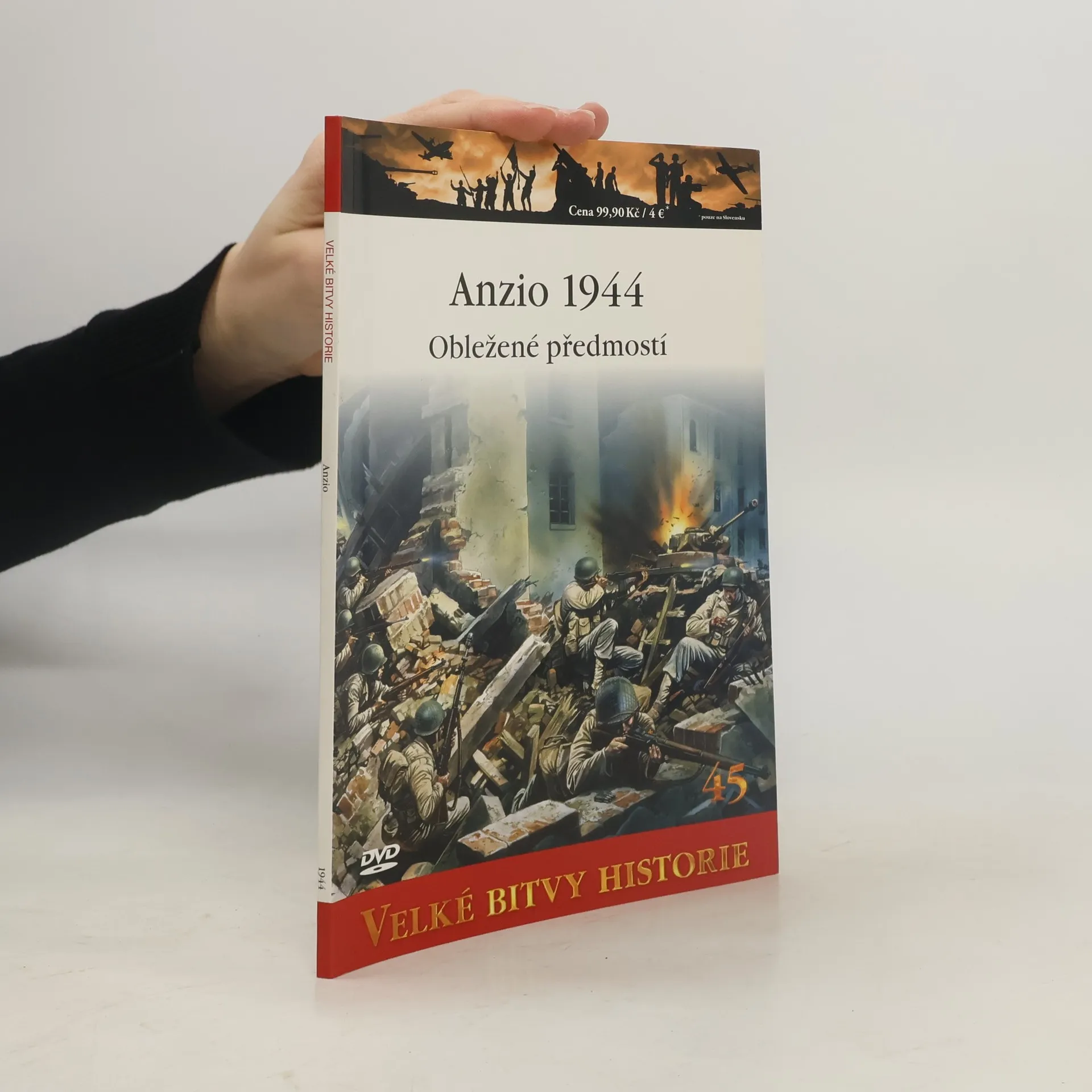
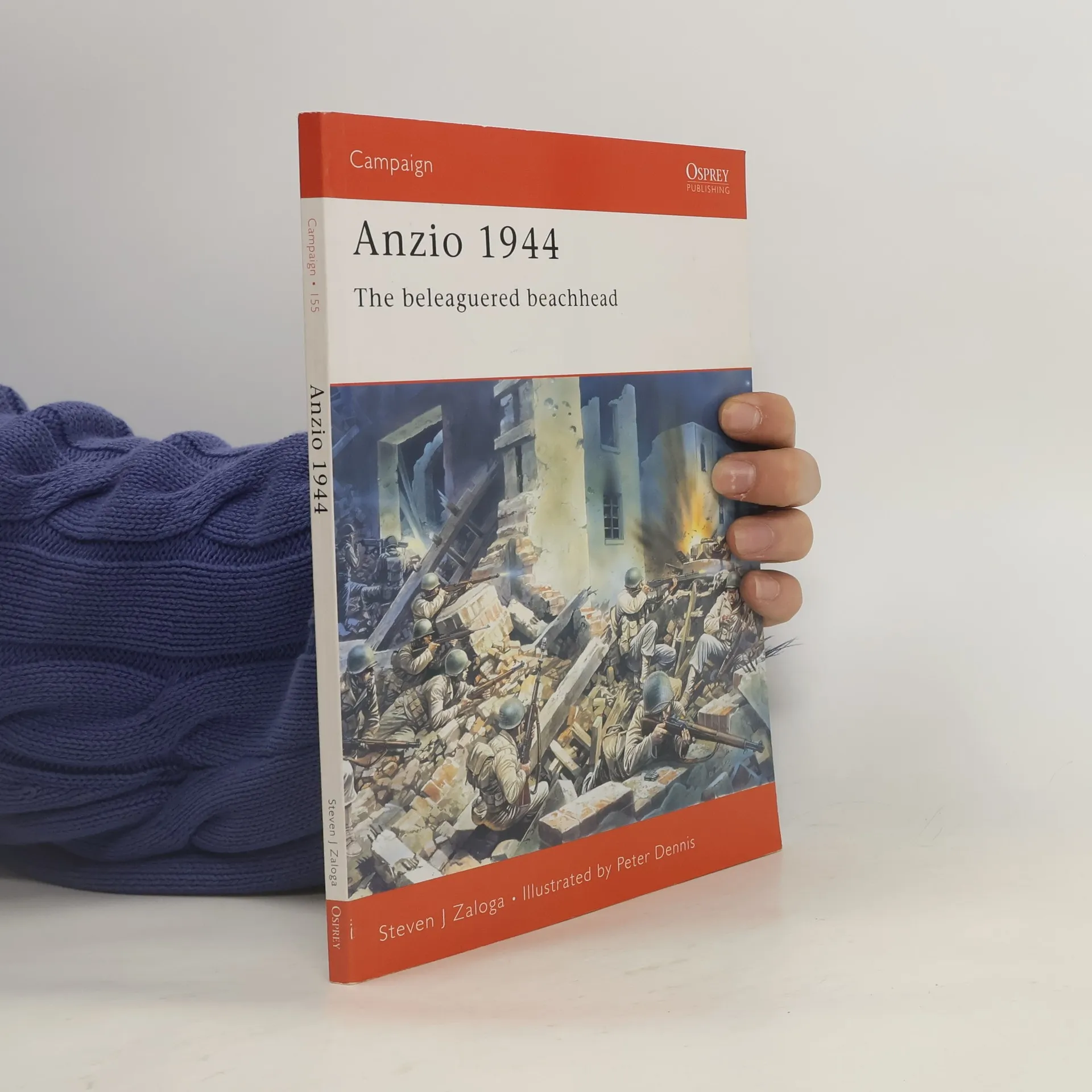
V lednu 1944 se spojenecké velení rozhdolo vyřešit patovou situaci u Monte Cassina vyloděním u Anzia. Tato obojživelná operace se následně proměnila v jedno z nejkontroverznějších tažení druhé světové války. Sporná rozhodnutí spojeneckých velitelů vedla ke zdlouhavým třem měsícům zákopových bojů, připomínajícím první světovouválku, kdy bylo celé předmostí pod neustálou palbou německého dělostřelectva. Kniha živě popisuje každý útok a protiútok a provází čtenáře krvavými bojišti, na nichž se obě strany úporně snažily nabít vrchu. Zdůrazňuje význam Anzia nejen pro osvobození Říma, ale celé Itálie.
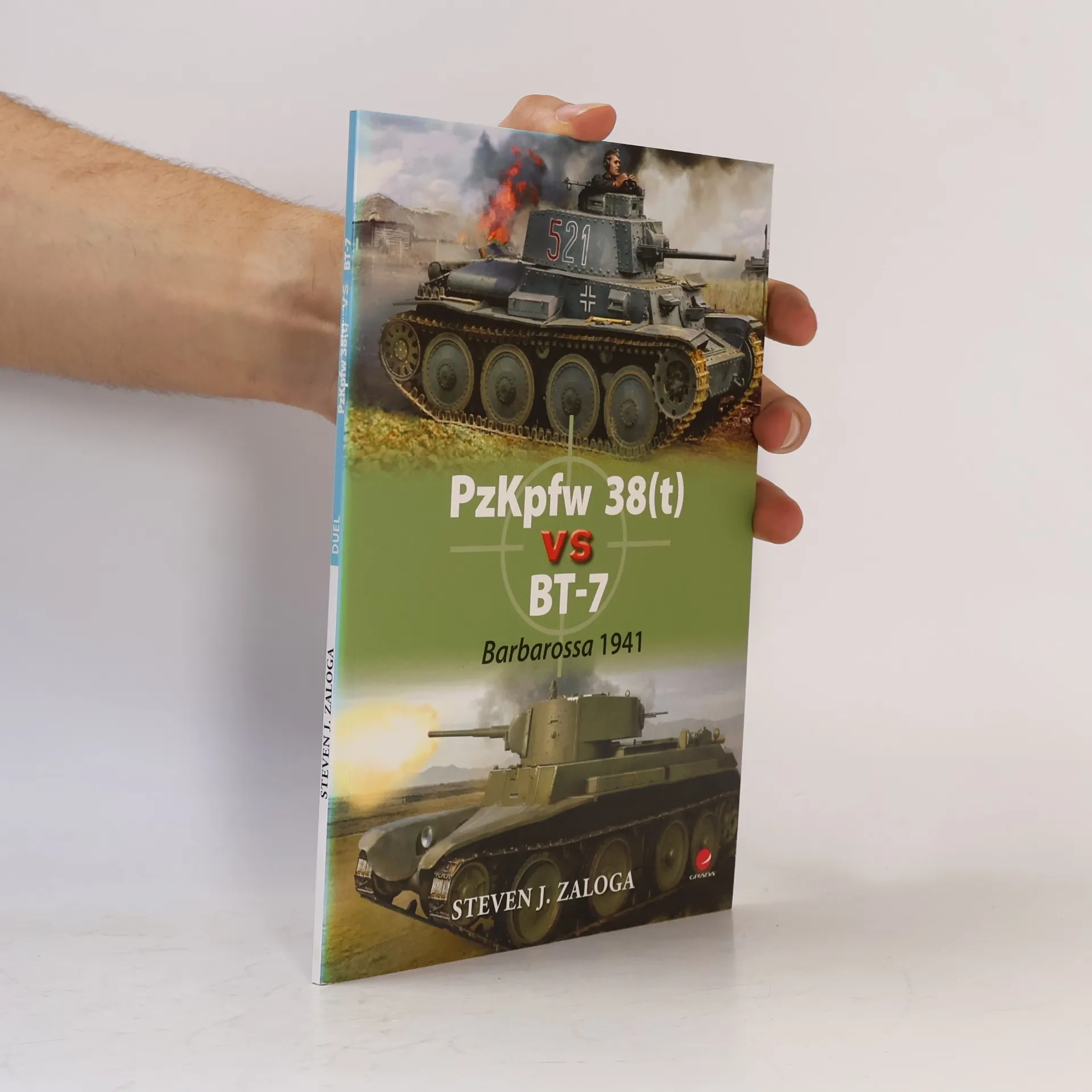
Tankové boje svedené na území Sovětského svazu v létě roku 1941 byly největší za celé období II. světové války. Překonaly dokonce i známou bitvu u Kurska z roku 1943. Byly to skutečně největší tankové boje v dějinách vojenství.
Tato kniha zkoumá dva vyrovnané soupeře, kteří se tehdy postavili proti sobě – německý PzKpfw 38(t) a sovětský BT-7. Oba tyto tanky se vyznačovaly srovnatelnou velikostí a palebnou silou jakož i zahraničním původem. PzKpfw 38(t) byl původní československou konstrukcí, zatímco BT-7 se vyvinul z amerického tanku konstruktéra Christieho.
Zajímavá studie, doplněná barevnými ilustracemi a mnoha archivními i současnými fotografiemi, hodnotí výkony, přednosti i slabé stránky těchto dvou tanků na širším pozadí doktríny vedení tankové války, platné v počátečních fázích operace Barbarossa.
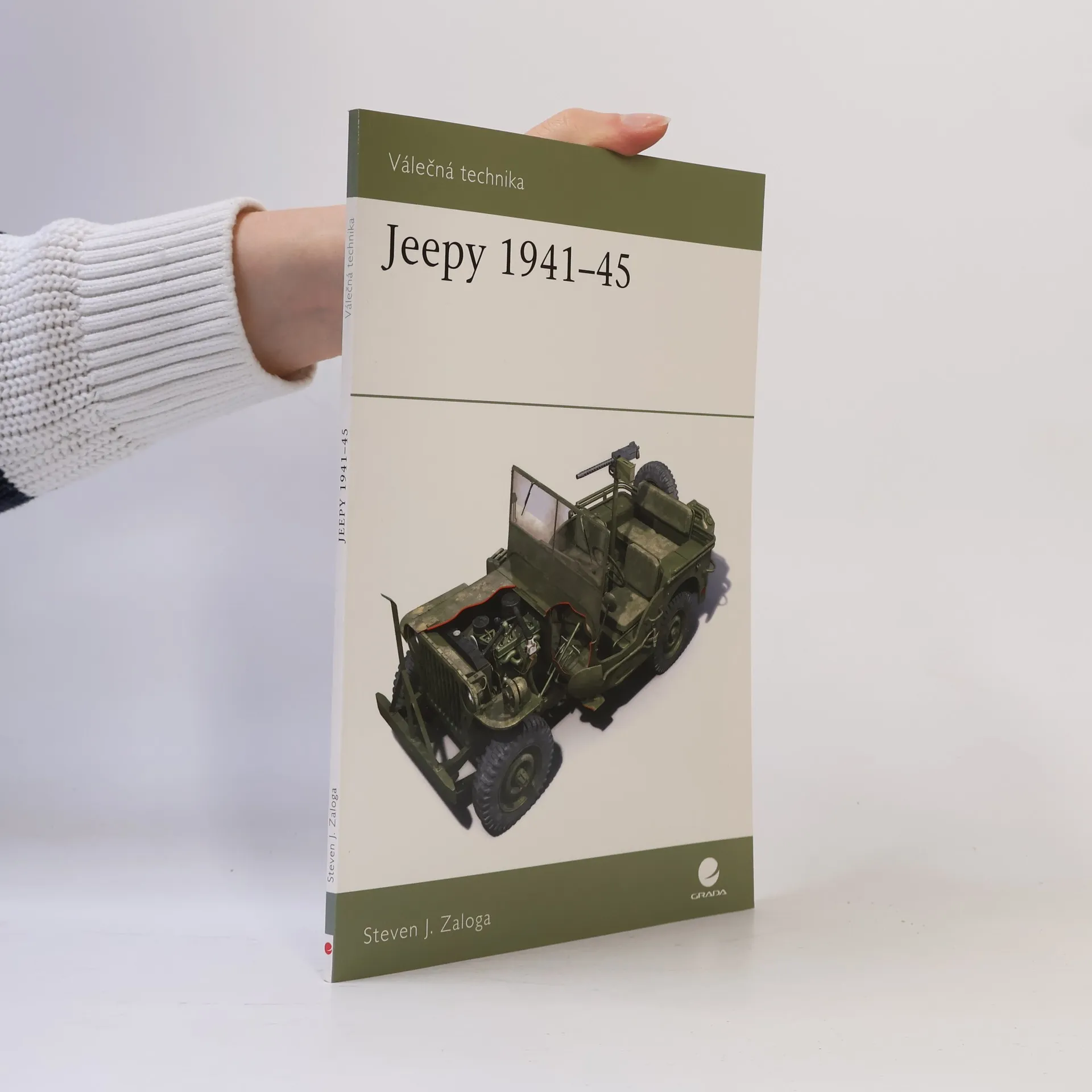
Čtenářům se dostává do rukou knížka věnovaná nejslavnějšímu vojenskému vozidlu 2. světové války, jehož jméno se posléze stalo legendou. Jak se čtenáři z knížky dozví, cesta k ekonomické a praktické konstrukci vozidla určeného pro základní užitkové činnosti rozhodně nebyla jednoduchá. Variant se objevila celá řada, autor je představuje a dokládá fotografiemi a kresbami, ať jsou to jeepy odlehčené, obojživelné, spojovací, vyzbrojené kulometem či kanonem, super jeepy, létající jeepy atd., každý návrh téměř vždy doprovázely nedostatky, a tak vznikala stále nová vylepšení, navíc se o budoucí výrobu rozhořel mezi potenciálními výrobci ostrý boj, který se řešil až na nejvyšší úrovni.
Z anglického vydání „New Vanguard 117: Jeeps 1941-45“ v Osprey Publishing Ltd., Midland House, West Way, Botley, Oxford 2005 přeložil Ing. Zbyněk Hruška.
První vydání.
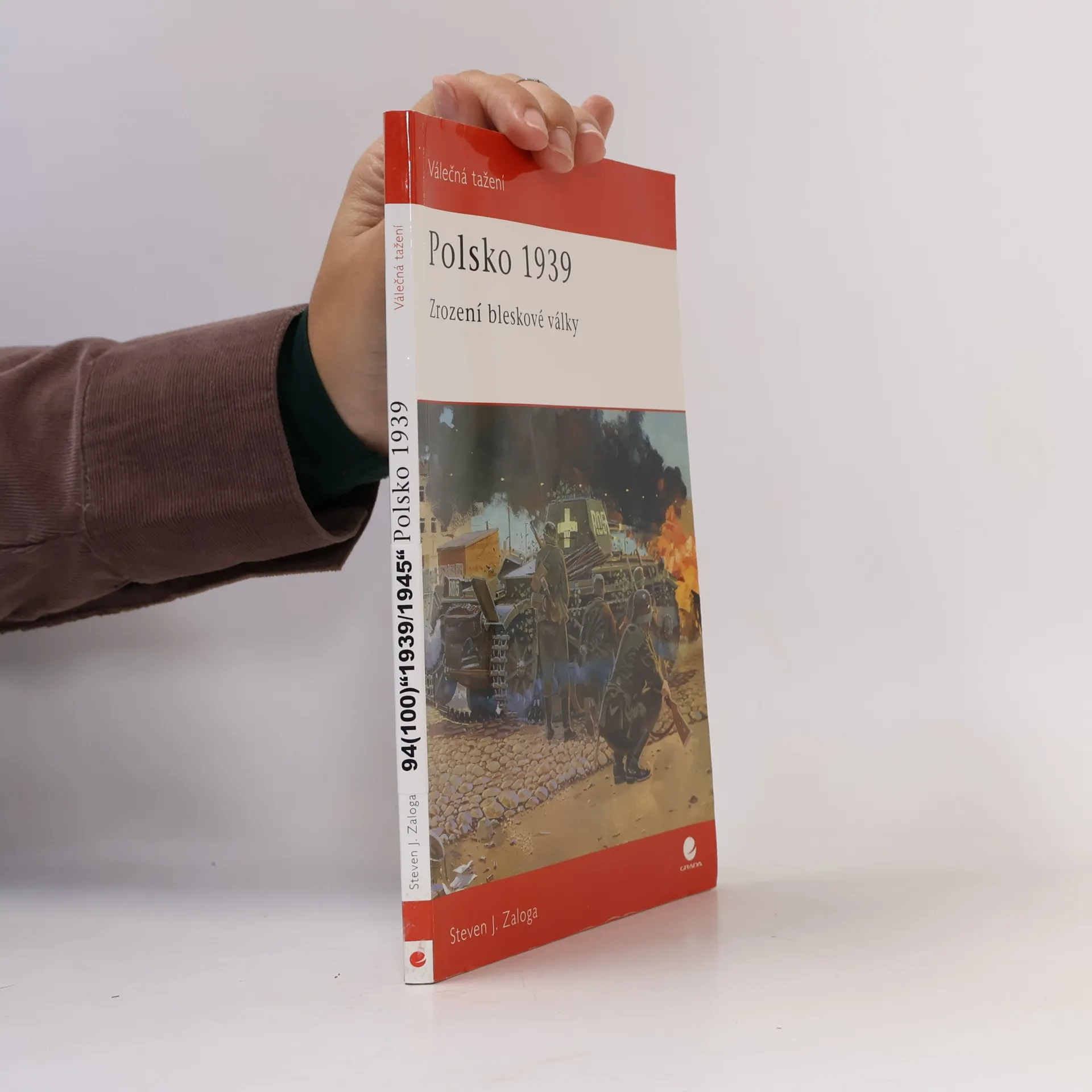
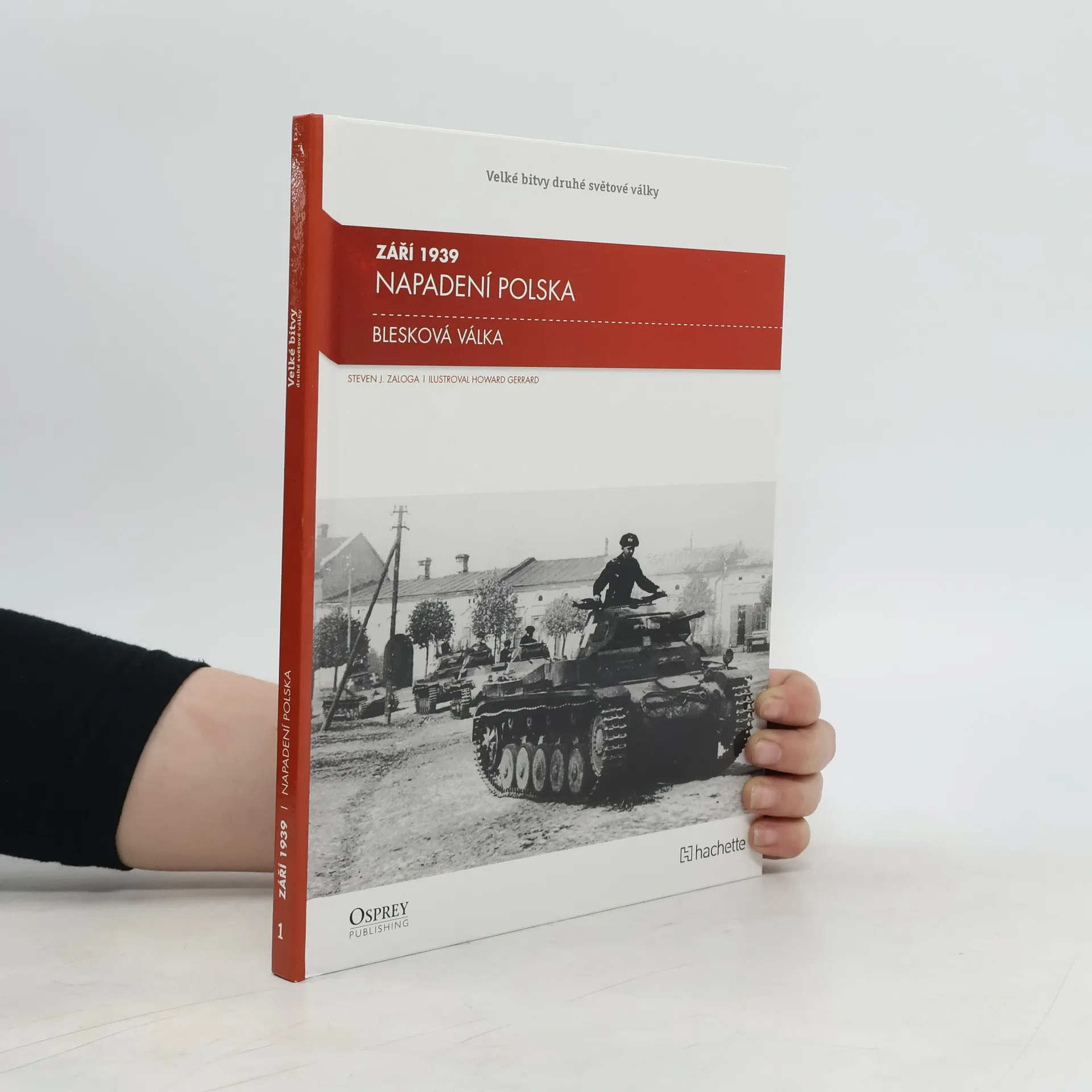
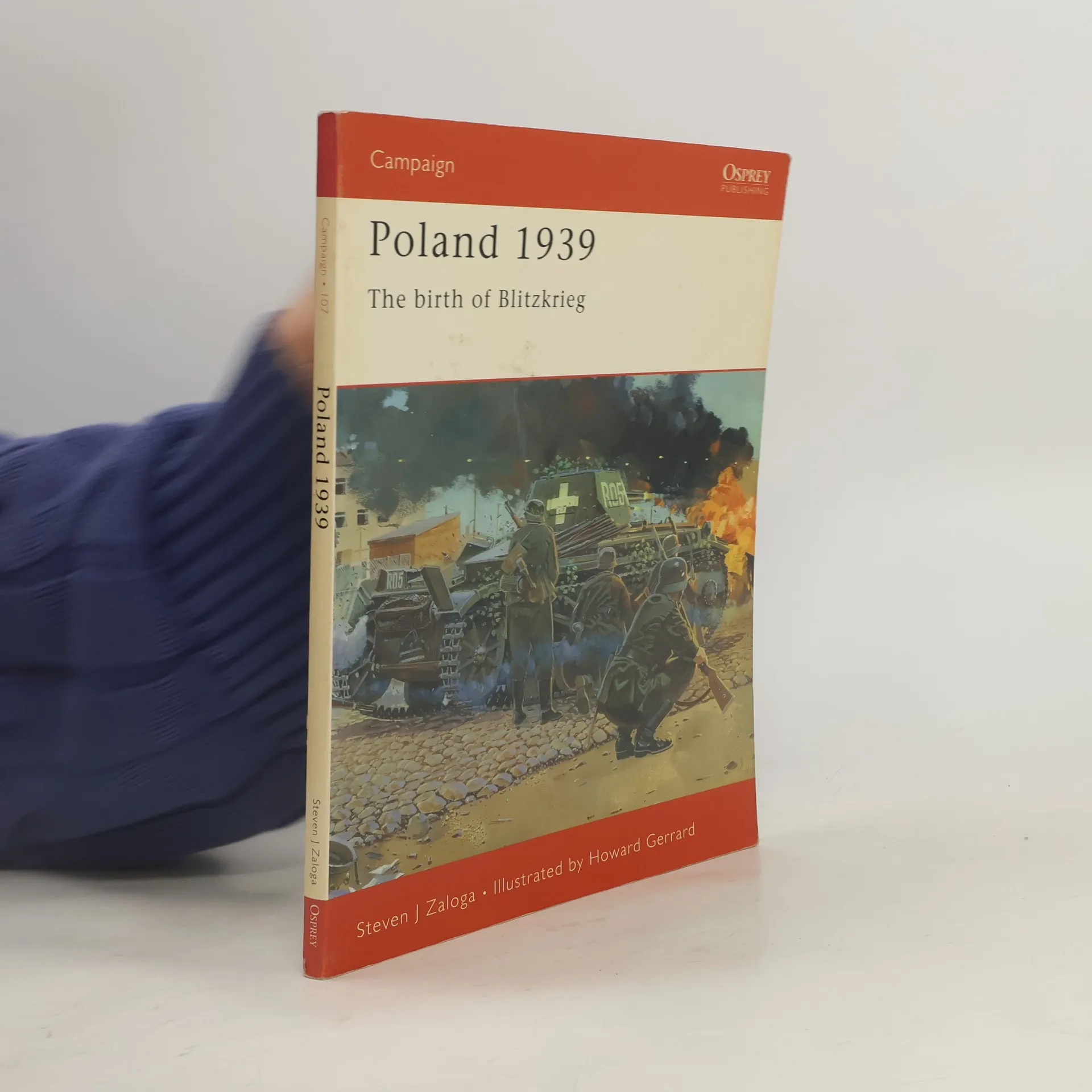
Německý vpád do Polska 1. září 1939 znamenal počátek 2. světové války. Výsledek tažení byl vzhledem k poměru a vybavenosti armád obou států předem rozhodnutou záležitostí. Její průběh se však předvídat nedal. Je proto nesmírně zajímavé sledovat na stránkách této knihy strategii velitelů nepřátelských armád, tím spíše, že tažení do Polska představovalo první ukázku nového stylu vedení války, jenž spojil taktické poznatky Němců z 1. světové války s využitím nových technologií v oblasti obrněných vozidel, bojových letounů a bezdrátového spojení. Nová taktika však měla ještě řadu nedostatků, navíc se Poláci nečekaně houževnatě bránili.
Líčení událostí v prvním měsíci války doprovází množství dobových snímků, bojová schémata a mapy.
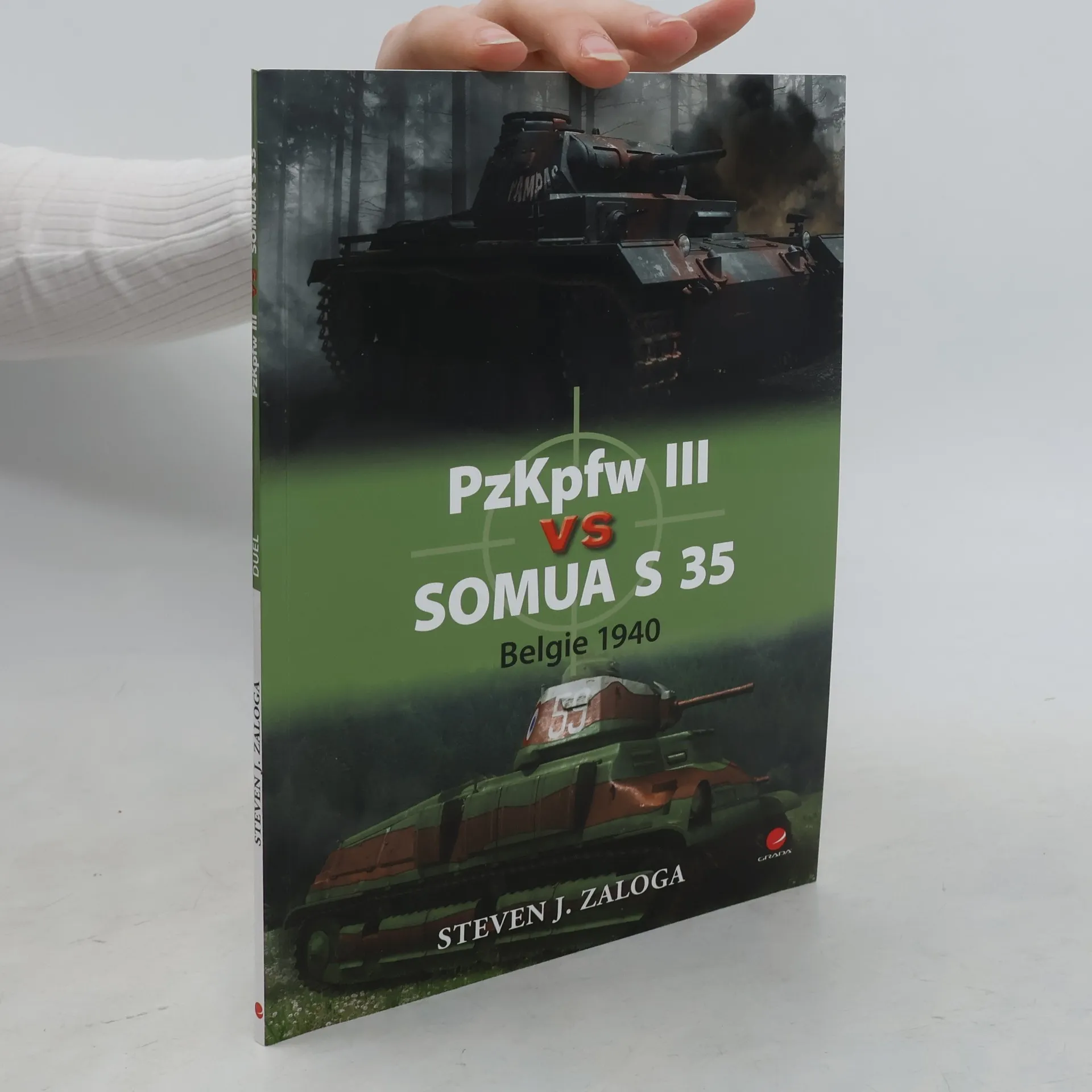
Zkušený autor a expert na bojovou techniku druhé světové války analyzuje průběh střetnutí mezi dvěma vysoce kvalitními tankovými konstrukcemi. Dva nejlepší tanky rané fáze blitzkriegu - německý PzKpfw III a francouzský Somua S 35 - svedly v květnu 1940 v okolí belgických měst Hannut a Gembloux na tzv. Gemblouxské plošině největší tankové boje, jaké do té doby svět viděl. PzKpfw III, snoubící v sobě vynikající palebnou sílu s vysokou mobilitou, těžily z výhody, kterou skýtalo inovativní řešení v podobě tříčlenné osádky věže. Propracovanou německou taktiku vedení tankového boje umocňovala dobrá soudržnost malých jednotek a fungující spojení na nižších stupních velení. Francouzské stroje Somua S 35 měly silnější pancéřovou ochranu i větší palebnou sílu než protivníkovy PzKpfw III. Jejich výkon však podstatnou měrou omezovalo archaické řešení konstrukce věže, nutící velitele nejen řídit boj, ale k tomu ještě obsluhovat hlavní zbraň tanku.
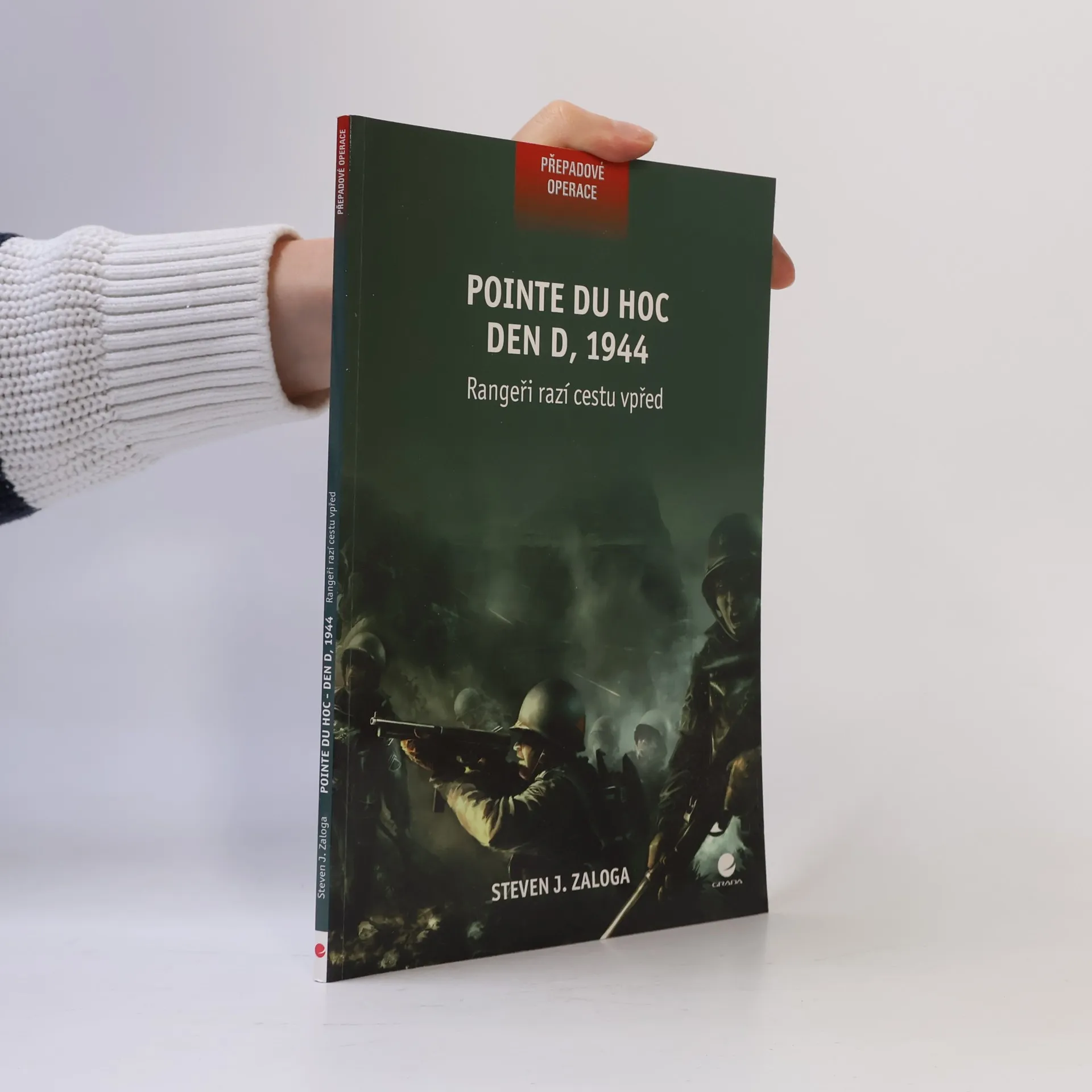
Rangers razí cestu vpřed.
Přepad německého opěrného bodu na normandském pobřeží, Pointe du Hoc, se stal legendou a klasickým příkladem zdánlivě neproveditelného bojového úkolu, který nakonec dokázala zvládnout odhodlaná skupina elitních vojáků, rangerů. Jednu z akcí při zlézání těžko přístupných břehů učinily nesmrtelnou úvodní scény filmu Zachraňte vojína Ryana. Pod povrchem celé legendy se však skrývá vážná otázka: bylo nutné tuto přepadovou akci, která stála životy mnoha vojáků, vůbec podniknout? Autor knihy se snaží celou bojovou akci znovu kriticky prověřit a čtenářům nabízí zároveň napínavý příběh nepochybného hrdinství.
1. vydání.
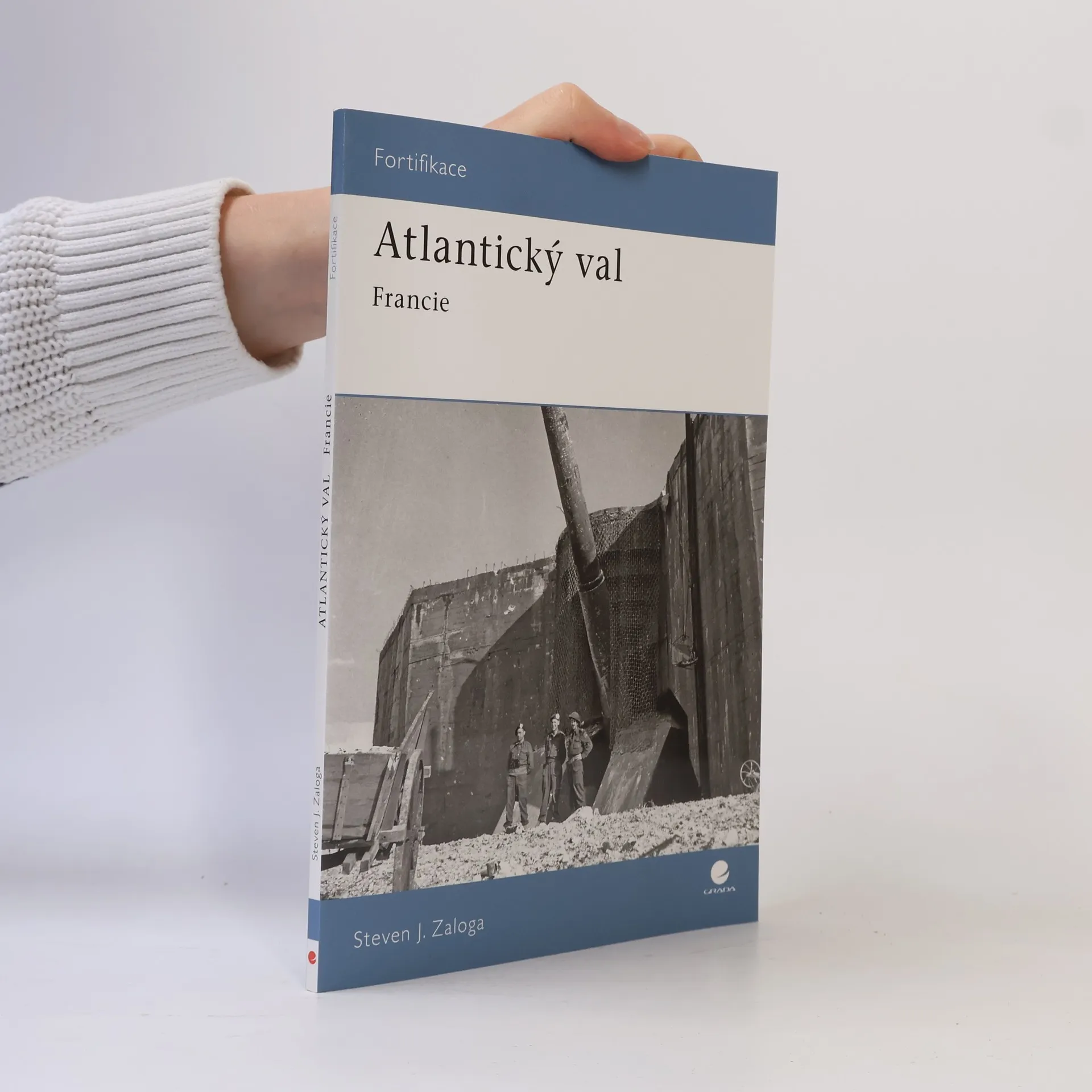
Atlantický val byl nejambicióznějším německým fortifikačním programem, k jehož vybudování dal Hitler pokyn v roce 1942. Tato kniha se podrobně zabývá jeho výstavbou ve Francii, pomocí četných fotografií a působivých schémat představuje jeho různé úseky a podává velice přehledný rozbor některých nejpřístupnějších opevnění druhé světové války, z nichž se mnohé dochovaly až dodnes. Čtenář se dozví množství detailů o důvodech stavby Atlantického valu, o technickém vybavení jednotlivých pevností, ale také o marnotratném plýtvání lidskými zdroji a materiálem a získá představu, nakolik se tento obludný a vlastně nesmyslný projekt stal projevem Hitlerova architektonického velikášství.
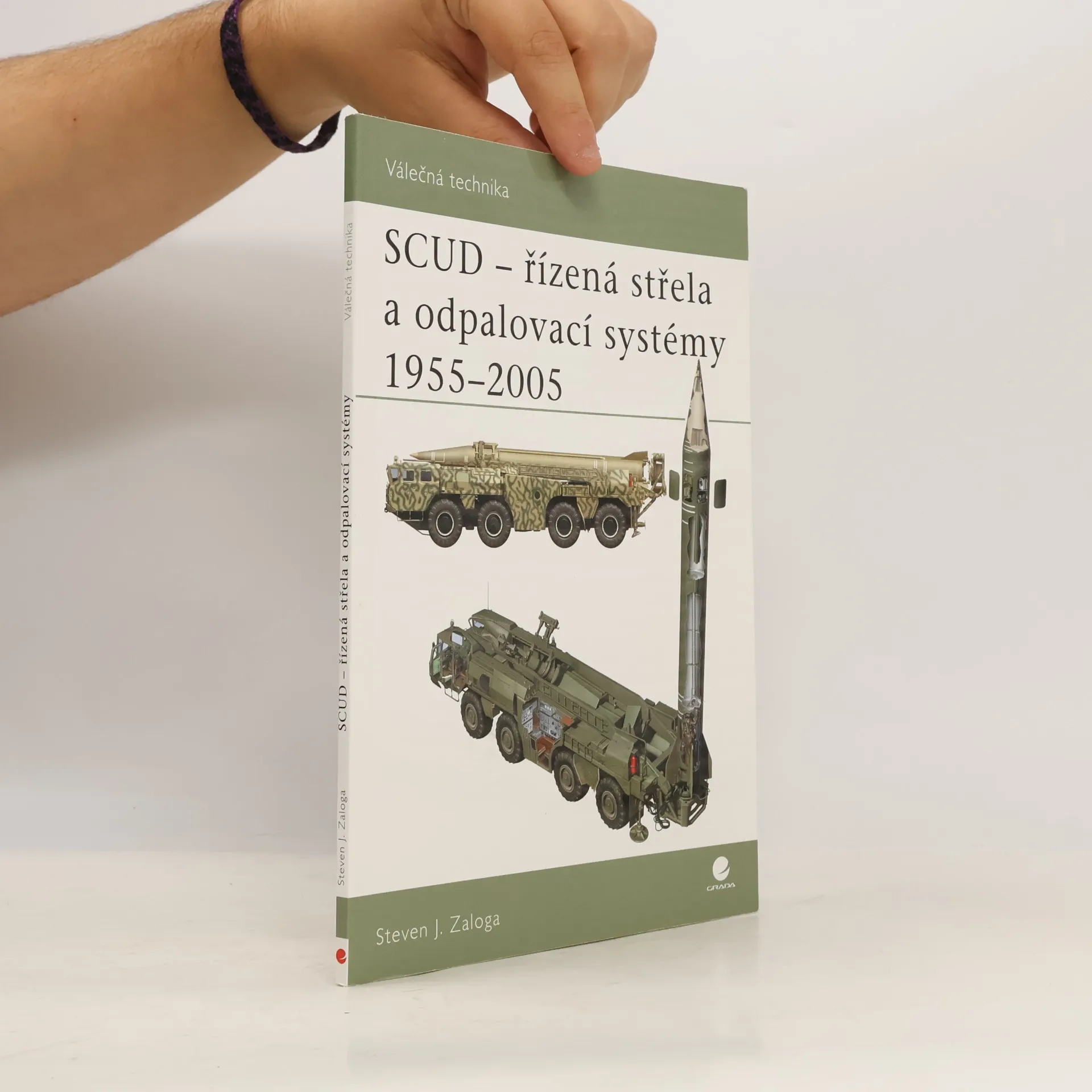
Podrobné a vcelku napínavé líčení vzniku a vývoje zbraně, která měla původně Sovětům sloužit k vedení omezené jaderné války ve střední Evropě. Autor představuje dlouholetý proces zkoušek a neustálých úprav a s tím související vznik nových verzí řízených střel SCUD, technické problémy, s nimiž se museli jejich konstruktéři potýkat, způsob fungování raket, rozmístění nejen na sovětském území, ale i v dalších evropských státech Varšavské smlouvy, a také na Středních východě, v Libyii či Severní Koreji, a asi nejznámější nasazení při válce v Perském zálivu.
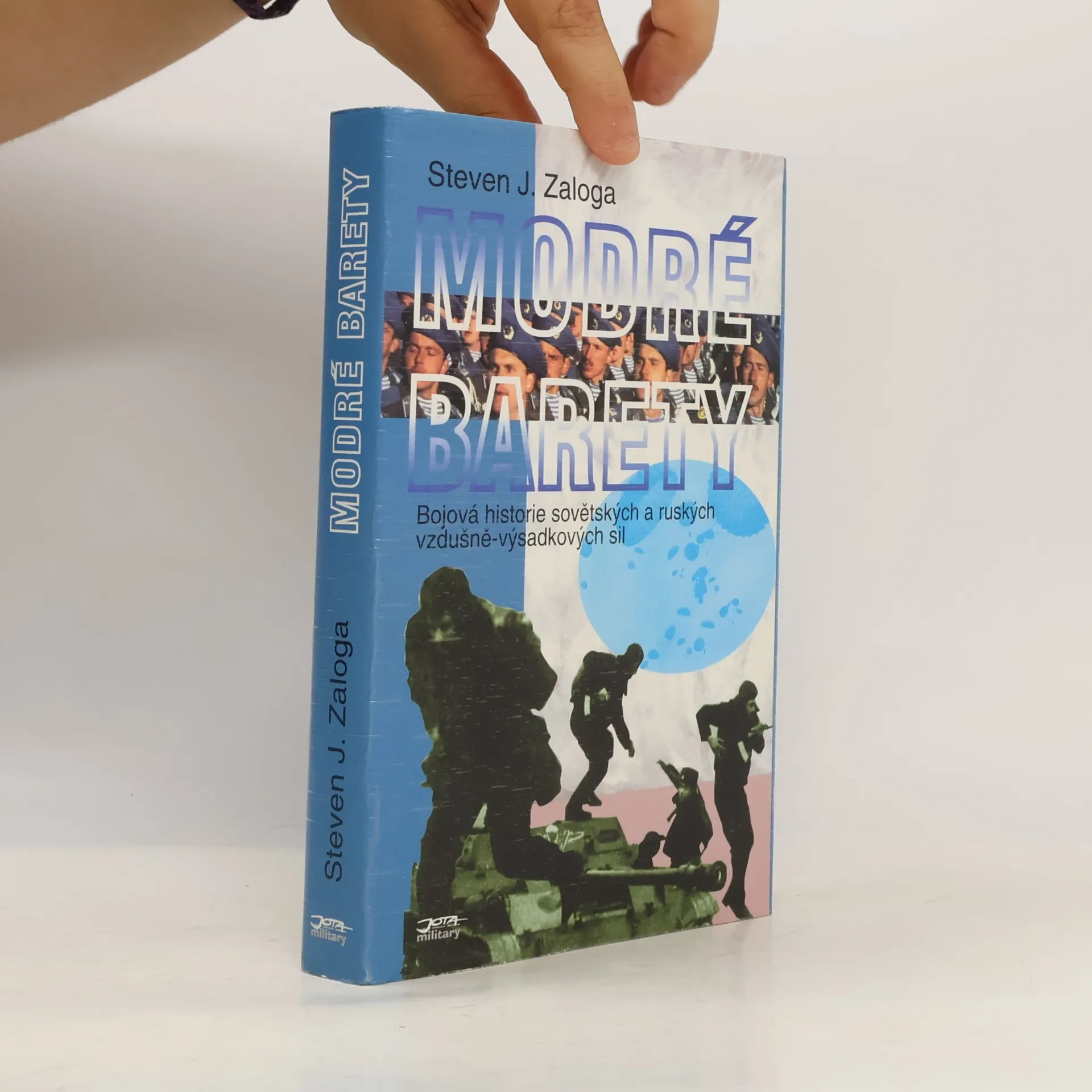
Dosud málo známá fakta o existenci a bojovém nasazení sovětských úderných jednotek VDV (vozdušno-děsantnyj vojsk) a brigád rychlého nasazení osvětluje autor ve své specializované monografii. Autor sleduje úlohu těchto jednotek v letech 2. světové války i v průběhu "studené války", přičemž zvláštní pozornost věnuje nasazení jednotek VDV v Afghánistánu v 80. letech. Z našeho hlediska je zajímavá pasáž o podílu výsadkových sil SSSR na invazi v Československu v r. 1968.
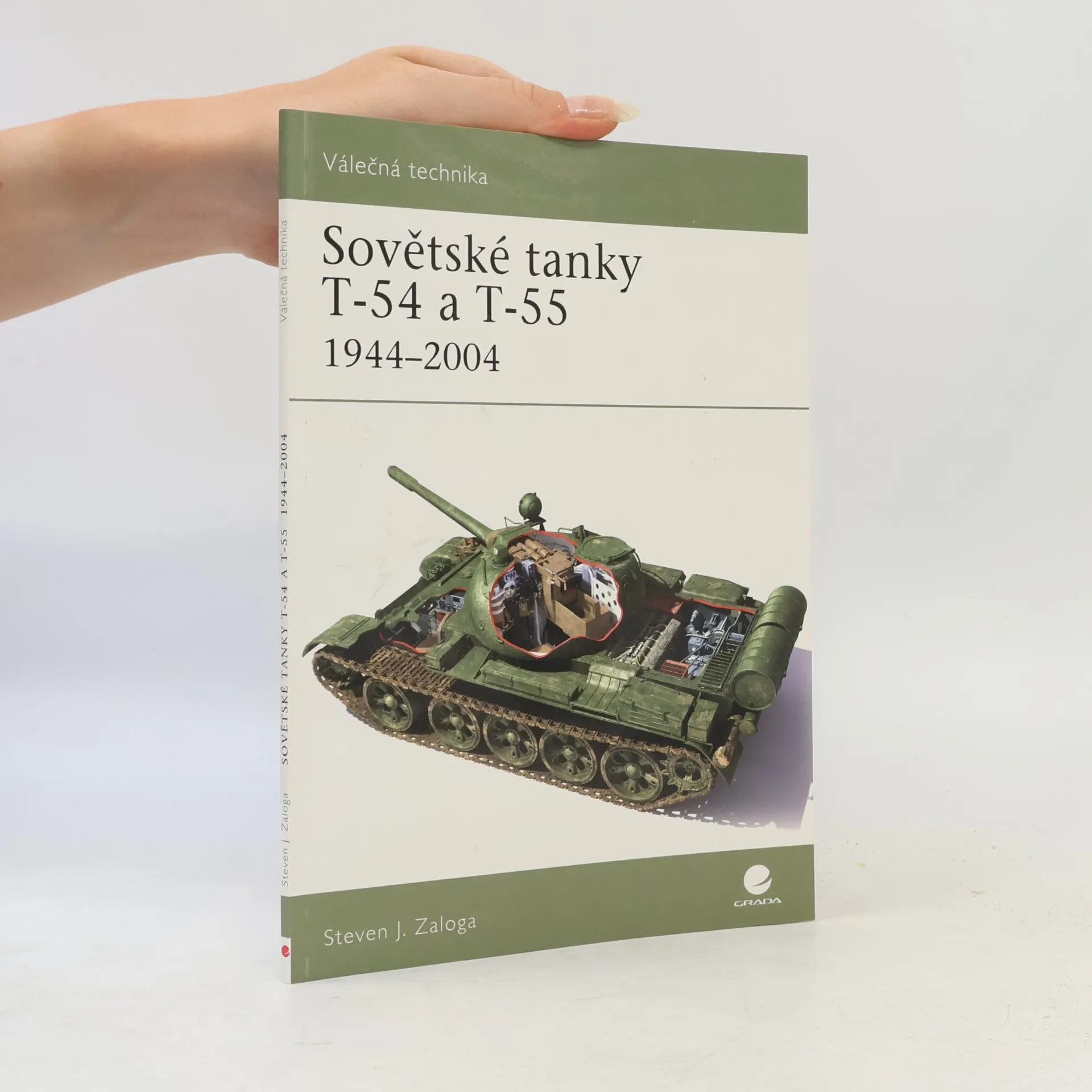
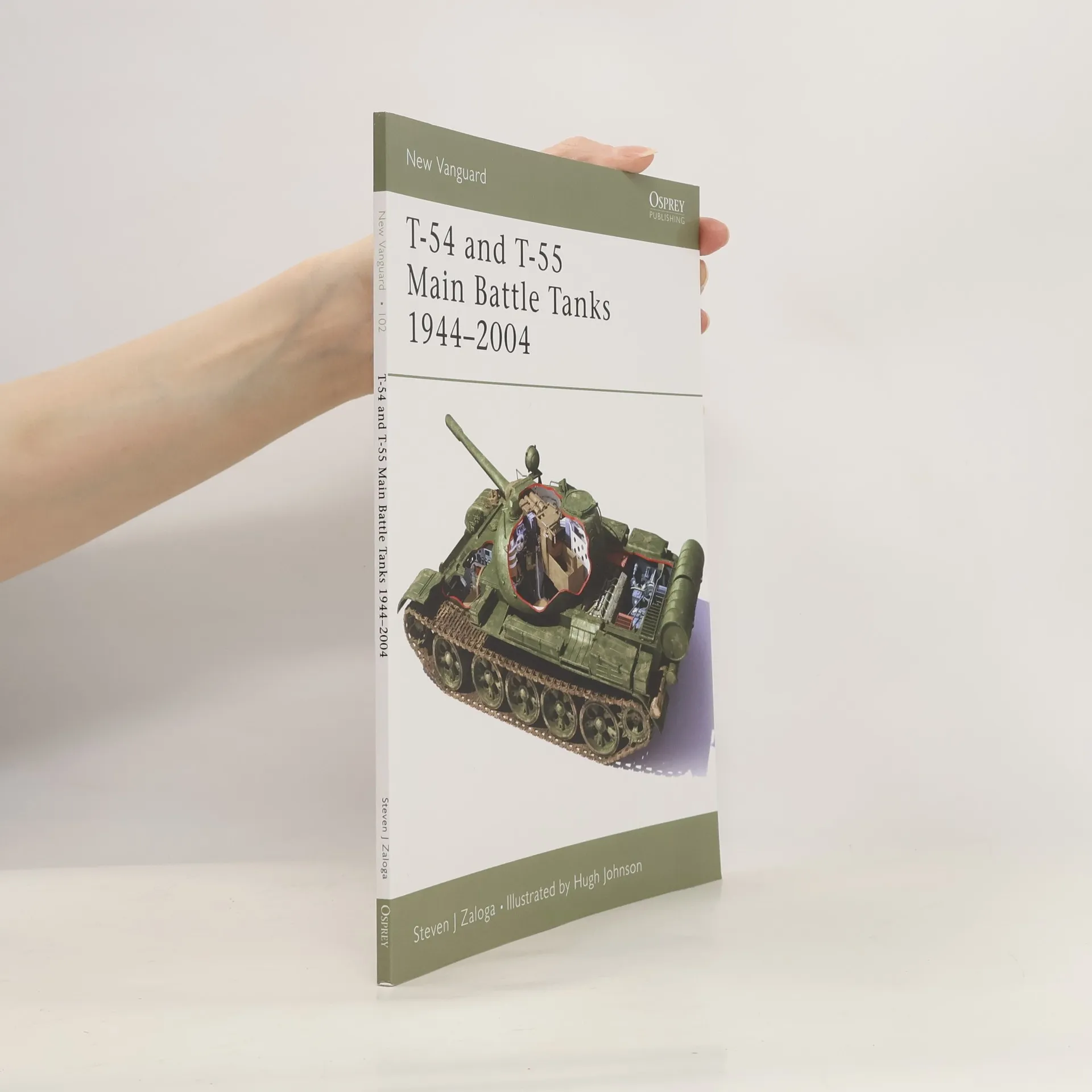
Tanky T-54 a T-55 jsou nejdůležitějšími obrněnými bojovými vozidly, používanými v období po 2. světové válce. Účastnily se konfliktů po celém světě, včetně maďarského povstání v roce 1956, arabsko-izraelských válek, války ve Vietnamu, íránsko-irácké války, operace Pouštní bouře, občanských válek na území bývalé Jugoslávie a operace Irácká svoboda. Patřily rovněž mezi hlavní typy nasazené během invaze armád Varšavské smlouvy do Československa v srpnu 1968. Autor této knížky se podrobně věnuje vývoji různých verzí a modernizací těchto obrněnců, který byl vzhledem k požadavkům sovětské armády a politickým okolnostem v zemi velice složitý, doprovázený nezměrným úsilím předstihnout v technických parametrech a schopnostech západní tanky. Text doprovází velké množství snímků a kreseb.
Německá invaze v roce 1941 vedla k řadě ohromujících porážek Ruska. V prvních pěti měsících bojů ztratili Sověti čtyři miliony mužů, což představovalo 80 % jejich celkové síly pozemních vojsk na počátku války. Rudá armáda však dokázala vytrvat a zvrátit nepříznivý vývoj. Když došlo k rozdrcení německé ofenzivy v kurském výběžku, nebyla již vážněji omezována a mohla směřovat k vítězství do Berlína.
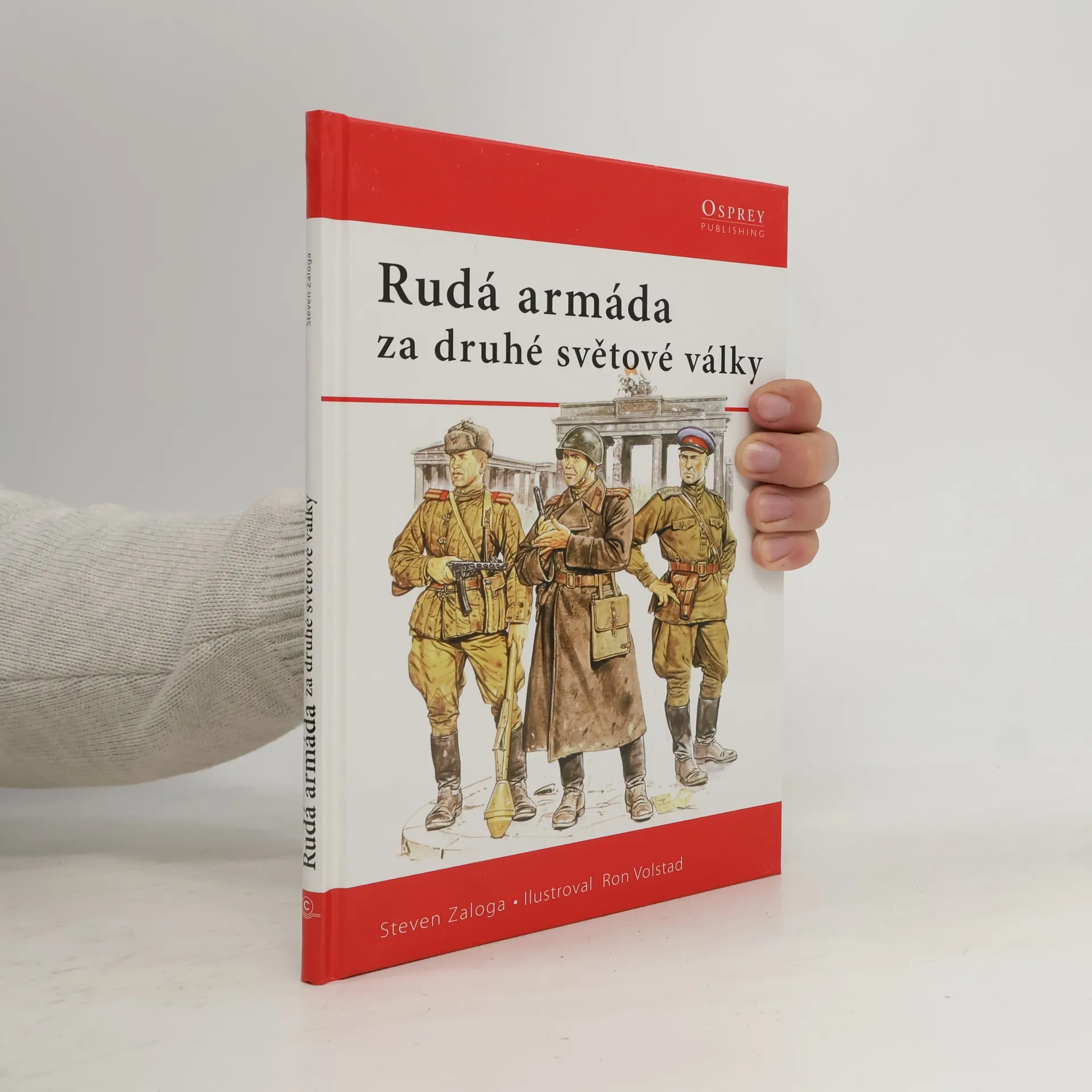
Tento titul přináší ucelený pohled na Rudou armádu – na její organizaci, výstroj, výzbroj a uniformy – v průběhu celé druhé světové války.
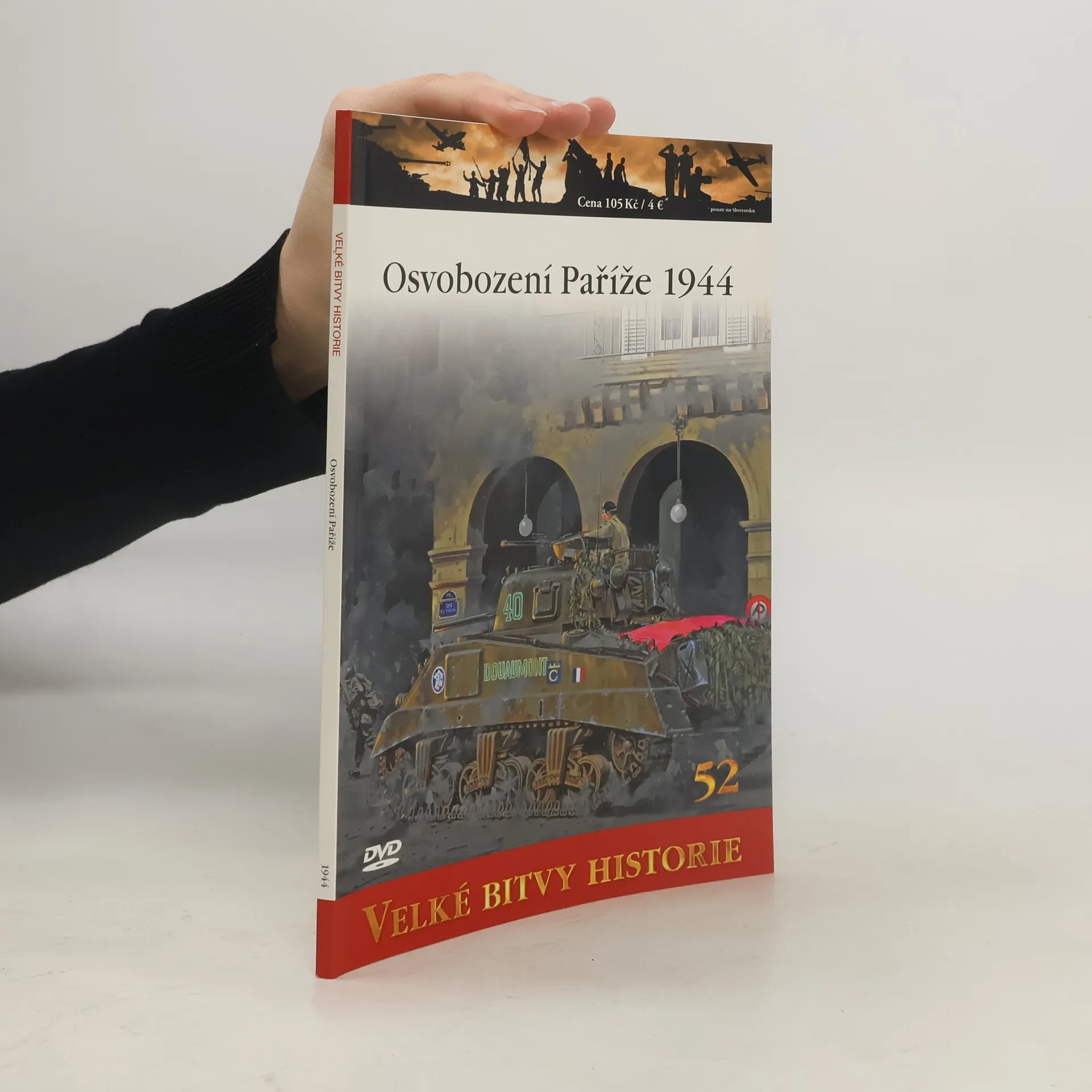
V červenci roku 1944 se spojeneckým vojskům v rámci operace Cobra podařilo vybřednout z dosavadní patové situace v Normandii a zahájit rychlý postup napříč Francií. Spojenecké velení ve svých původních plánech ignorovalo hlavní město Paříž jako vojenský cíl. Hodlalo se tak vyhnout riziku těžkých pouličních bojů, které by podle jeho mínění vedly k obrovským ztrátám, přesahujícím strategický význam města. Ale politický tlak francouzské strany, umocněný vypuknutím lidového povstání, však nakonec Spojence donutil zahájit okamžitou osvobozovací akci. Táto kniha popisuje operace Pattonovy 3. armády a její postup k Paříži, akce bojovníků hnutí odporu přímo ve městě a tažení francouzské 2. obrněné divize, která se 24. srpna 1944 probojovala do ulic metropole.
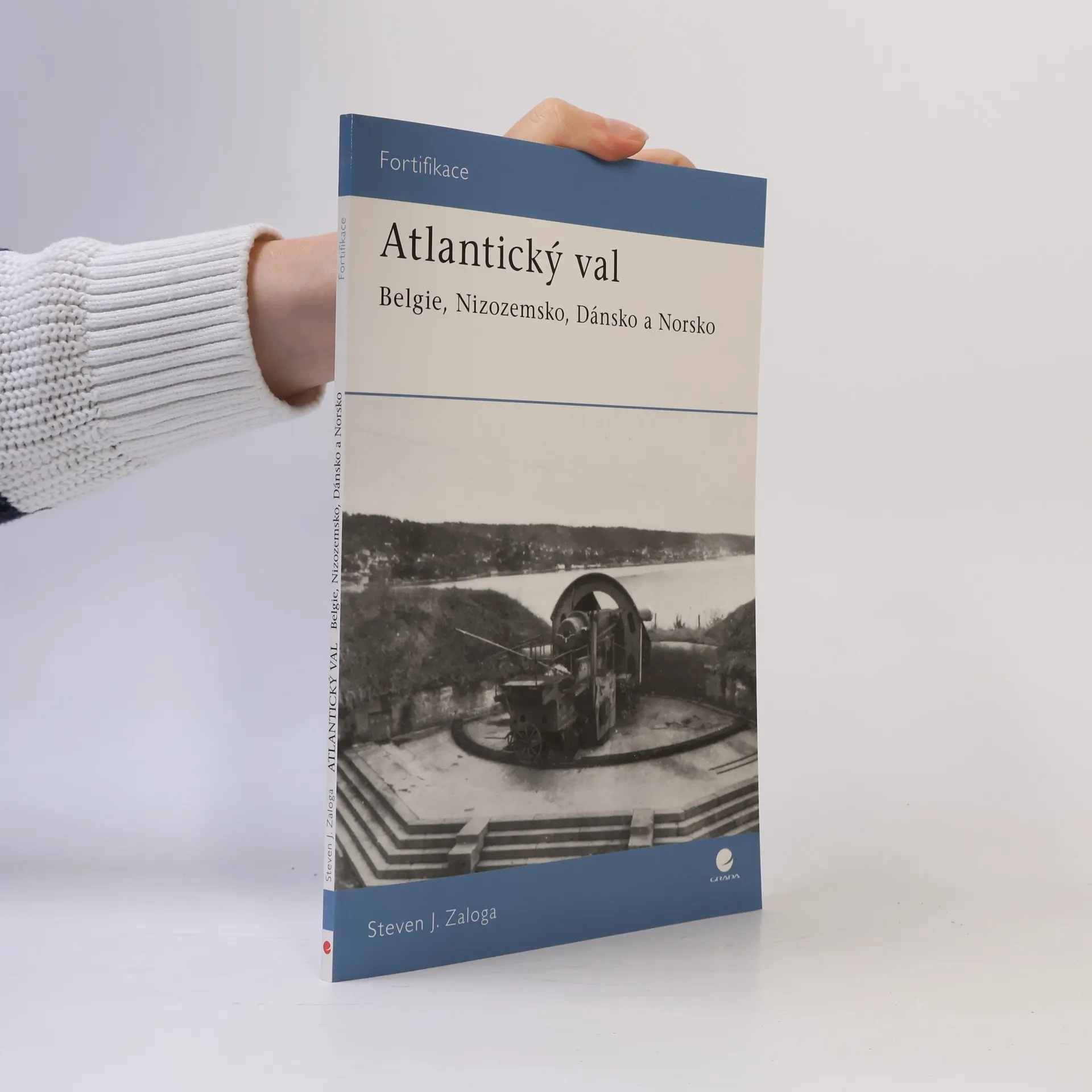
V tomto svazku, volně navazujícím na Atlantický val. Francie (Grada, 2009), se autor soustředil na pokračování tohoto pevnostního systému východním a poté severním směrem až po Norsko. Opevňovací práce měly zejména v severských zemích, s jejich nesmírně členitým pobřežím, svá specifika. Výborně jsou doložena množstvím technických údajů a dobovými obrazovými dokumenty, které autor shromáždil, aby doložil, kolik lidských sil a materiálu si vyžádala výstavba různých variant pevnostních objektů, jak obrovské náklady zatížily nacistickou státní pokladnu. Popsáno je podrobně rozmístění pobřežních dělostřeleckých baterií, role Wehrmachtu a válečného námořnictva, a v neposlední řadě také vývoj a uplatnění obranných zařízení, jako byl radar, řízená minová pole a miniponorky.
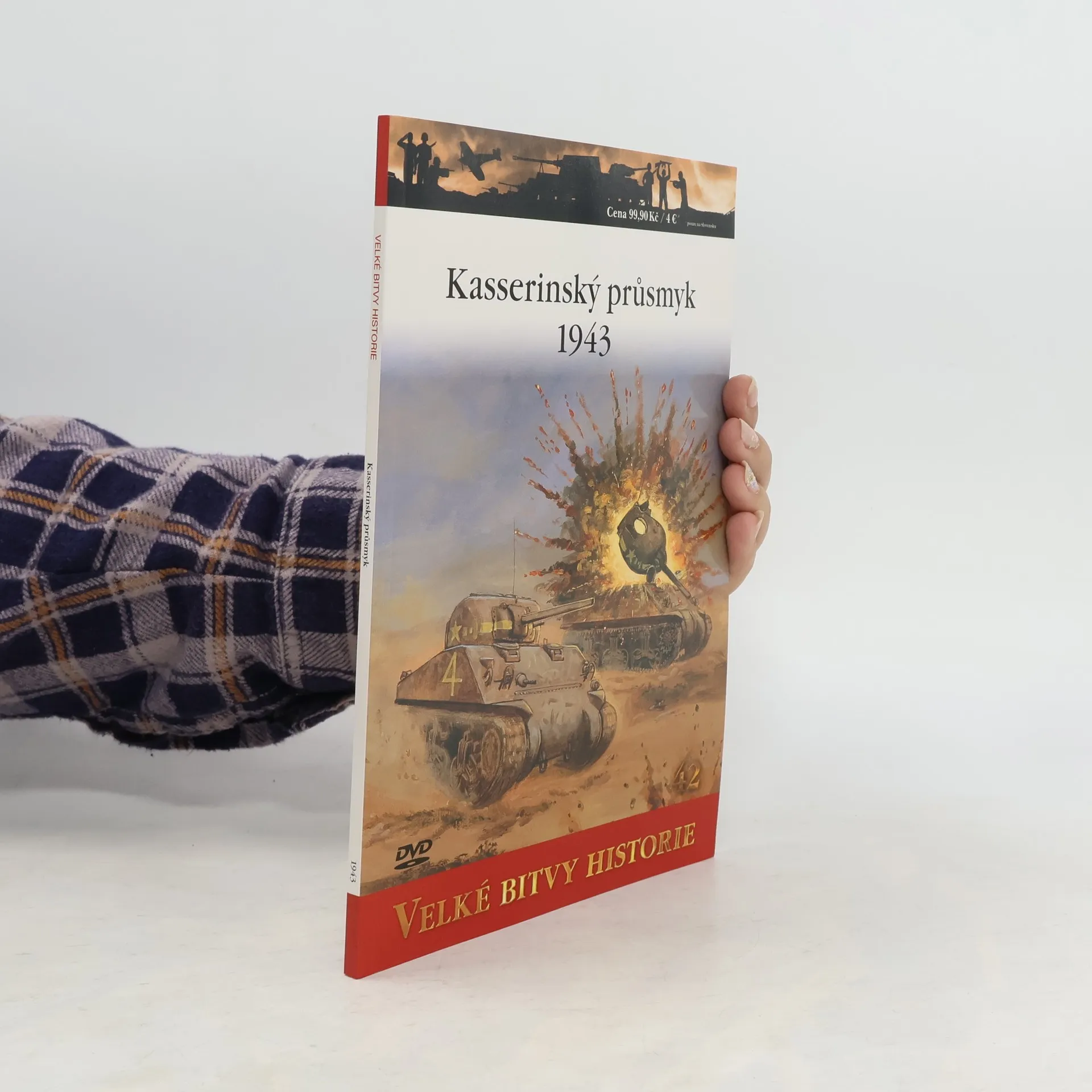
Poslední zoufalá snaha Rommela udržet pozice v severní Africe vyústila v tankovou bitvu v Kasserinském průsmyku. Pro americké jednotky to byl první a draze vykoupený křest ohněm.
Bojové akce na západních hranicích Velkoněmecké říše z podzimu 1944 patří k nejtěžším, jichž se americké vojenské jednotky za druhé světové války v Evropě zúčastnily. Když Spojenci pronikli v září 1944 k Siegfriedově linii, kam se stáhly zbytky německých vojsk z belgického území, čekalo je deštivé počasí a krutý boj, v němž nemohli počítat s obvyklou leteckou podporou. Pohraniční prostor v okolí Cách byl opevněn dvojí pevnostní linií.
Tato kniha v souvislostech rozebírá bojové akce spojeneckých jednotek, snažících se ještě před příchodem zimy překonat svěřepý německý odpor, který kulminoval v Hürtgenském lese.
This fully illustrated study assesses the origins, development, and combat record of Nazi Germany's legendary Tiger I and the US M26 Pershing during the final battles of World War II in Europe.
A comprehensive and detailed illustrated examination of the development and combat performance of US battle tanks from World War I to the end of World War II. In this, the first of two highly illustrated volumes examining the complete history of US Army and US Marine Corps battle tanks, Steven J. Zaloga focuses on the history of the tank in American service from the first experiments with armored vehicles in the early years of the 20th century through to the end of World War II. Expanding on material published in Osprey series including New Vanguard, Campaign, and Duel, US Battle Tanks 1917–1945 explores the concepts and practice of tank development from the Renault FT, through the M4 Sherman to the M26 Pershing. It describes the experiences of the crews who saw combat, the performance of each tank in battle, and how each American armored fighting vehicle compared with the enemy armor it faced, as well as the key lessons learned from combat that led to new concepts and technological breakthroughs.
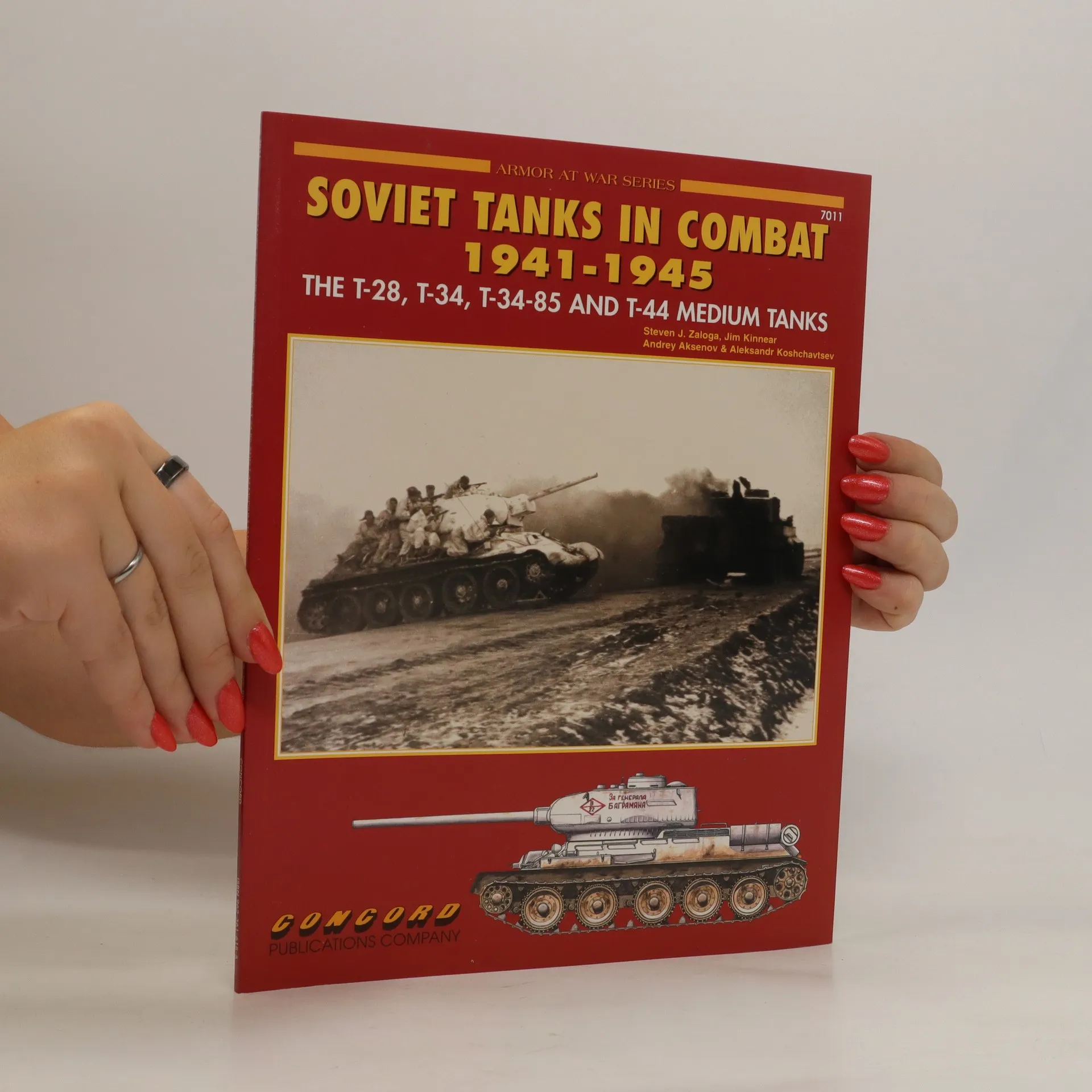
This book covers Soviet medium tanks in WWII, specifically the T-28, T-34-76, T-34-85, and T-44. The T-34 and its variants formed the bulk of the Soviet tank force in the Great Patriotic War. Its speed, firepower, and mobility were superior to its German counterpart in the early stages of the war. The simple design of the T-34 tanks provided the Soviets with the numerical superiority that helped to halt the German advances and later turn the tide of the war. The T-34-85 fought alongside the IS-2 against the German heavy tanks towards the end of the war. The core of this book consists of over 100 new photographs, never before published, located in archives in Russia, Poland, and Czechoslovakia. These photos are invaluable to modelers and historians alike.
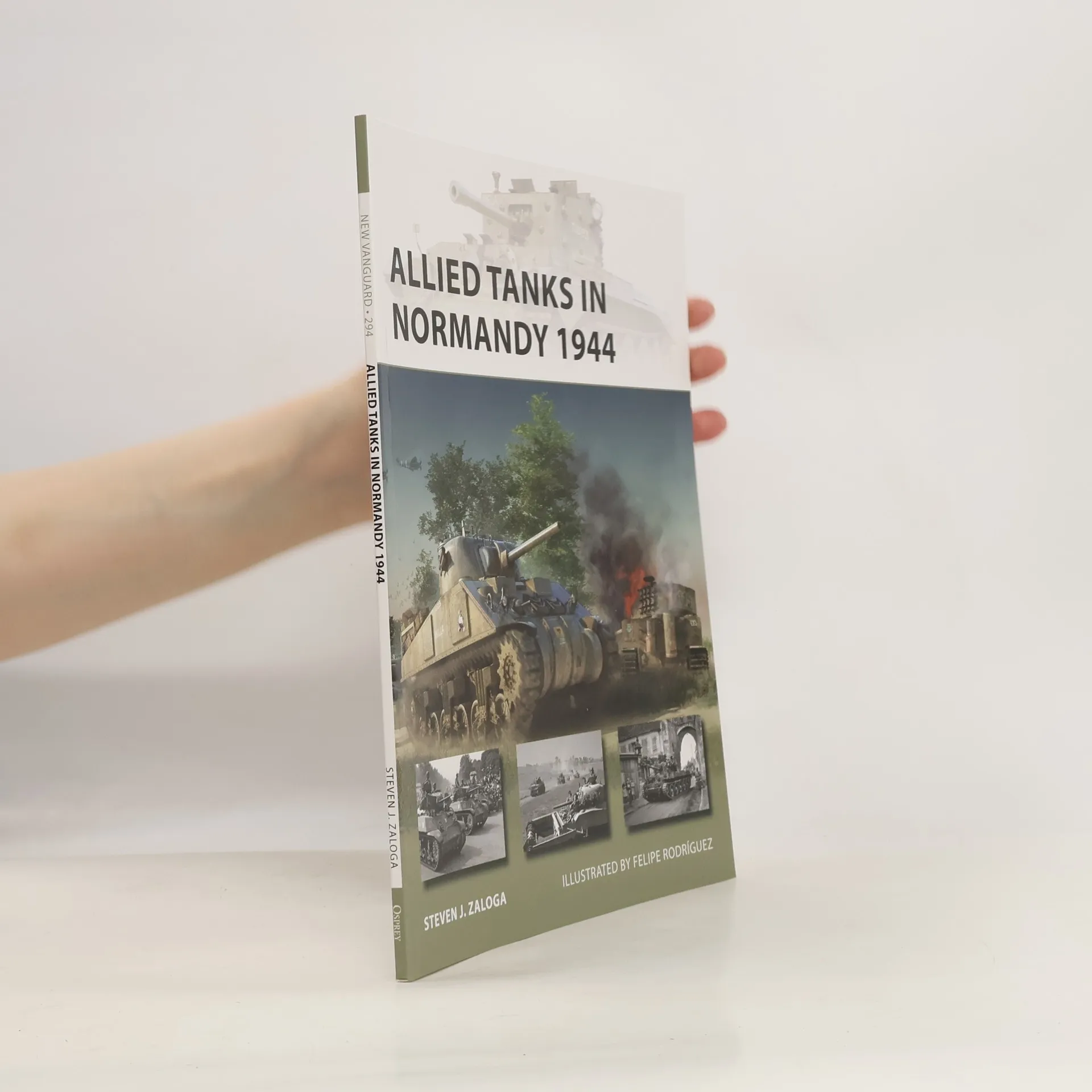
A concisely detailed guide to the Allied tanks that fought from D-Day to the break out from Normandy, their qualities, numbers and performance, and how they were used on the battlefield. When Allied tanks began to roll off the landing craft on D-Day, it marked the start of one of the great periods of tank warfare in World War II. Often outgunned by the German Panzers, and fighting in the close confines of bocage country, they nevertheless managed to break out of Normandy and begin the liberation of Europe. It was a battle that was dominated by the Americans' legendary Sherman, but also saw a wide and complex range of armour committed to battle across the many armies involved, from British Churchills and special-purpose 'Funnies' to the Canadians' Ram tank. This book explains the qualities, strengths and weakness of the major British and US tank types as well as associated Allied units in Normandy including those of the Canadians, Poles and French, and describes how they really fought. It discusses the organization and equipment of the units, providing thumbnail sketches as well as statistical data on the types and categories of AFVs that saw action. This is a handy and concise guide for military historians, wargamers and military modelers interested in tank warfare of World War II.
Carl Gustaf Emil Mannerheim is a legendary figure, whose life and career were
deeply influential in Finnish and European history. This study provides an
insight into Mannerheim's career, analysing his traits, his biggest victories
and his key enemies.
"Operation Tidal Wave was one of the boldest and most controversial air raids by the United States Army Air Forces (USAAF). At the time, the Romanian Ploesti oil fields produced about a third of all Axis oil, and was Germany's single most important fuel source. In the summer of 1943, the USAAF decided to stage a major raid on Ploesti from air bases in Libya. The resulting Operation Tidal Wave raid on 1 August 1943 was one of the costliest to date, losing 53 aircraft, about a third of the starting force. Of the more than 150 bombers that took part in the raid, only 88 B-24s returned to Libya, 55 of which were damaged. On the other hand, of the 17 Medals of Honor awarded to US soldiers and airmen from Pearl Harbor in 1941 to D-Day in 1944, 5 were awarded to pilots of the Tidal Wave mission in recognition of their extraordinary performance. Although undoubtedly bold and heroic, the mission had questionable results. Initial assessments argued that the mission caused 40% of the refinery capacity at Ploesti to be lost but subsequent studies concluded that the damage was quickly repaired and that output had exceeded August levels within a month."
"A new analysis of the technology and tanks that faced off against each other on opposite sides of the Iron Curtain, during the very height of the Cold War. From the 1960s onwards, there was a generational shift in tank design and warfare with the advent of CBR (chemical, biological, radiological) protection and a move away from HEAT ammunition to APFSDS. This shift confronted the growing threat of guided anti-tank missiles and saw the introduction of composite armor. Soviet heavy tanks and tank destroyer/assault guns became obsolete, giving way to the technological might of the T-62 and T-64, while NATO forces employed the Chieftain, AMX-30, Leopard I, and M60, plus the initial attempt at a common US-German tank, the MBT-70. Using detailed illustrations and contemporary photographs, this companion volume to NVG 301, Tanks at the Iron Curtain 1946–60 focuses on key battle tanks and their technology to give a comprehensive overall picture of how tanks developed during modern times."--Amazon.com
A study of the Soviet and NATO armored forces that faced each other off in Central Europe in the early Cold War, and how their technology, tactics, and doctrine were all rapidly developed.For 45 years, the most disputed point in the World was the dividing line between East and West in Europe; here the use and development of tanks was key. In this fully illustrated study, author Steve Zaloga, describes how Soviet and NATO tanks were deployed in the early years of the Cold War, and how a generation of tanks such as the Soviet T-44/T-54 and IS-3, British Centurion, US Army M26/M46 Pershing (all developed during World War II) saw extensive service after the war had ended. Initial post-war generation tanks including the Soviet T-54A, T-10 heavy tank, British late-model Centurions, Conqueror, US Army M41, M47, M48 and the French AMX-13 are examined in detail alongside the most important technical trends of the the development of shaped-charge anti-tank projectiles, the influence of anti-tank missiles, and the introduction of chemical/nuclear protection and night fighting equipment. The book also considers the influence of post-war doctrine and tactics on tank technology and the effect of regional conflicts such as the 1950 Korean War, the war in Indo-China, and the 1956 Mid East War on tank warfare.
The Soviet T-80 Standard Tank was the last tank fielded before the Soviet
collapse, and the most controversial. This title charts the history of the
T-80, covering the initial construction, through the development to the
subsequent variants, the T-84 and Russia's enigmatic Black Eagle Tank.
As the Allies attempted to break out of Normandy, it quickly became apparent
that there would be no easy victory over the Germans, and that every scrap of
territory on the way to Berlin would have to be earned through hard fighting.
This book deals with the battles between the German Panzer IV and US Sherman
of World War II.
This study analyzes the final months of tank warfare in World War II as Allied forces advanced into Germany, confronting the Wehrmacht's tanks on their home soil. The crossing of the Rhine signified the beginning of the end for the Third Reich, yet the Wehrmacht fought fiercely until Berlin's fall. The Battle of Germany featured advanced Allied tanks against the remnants of the once-mighty Panzerwaffe, which, despite being exhausted and lacking essential resources, deployed some of its largest and most powerful tanks. The Allies fielded advanced models like the M4A3E8 Sherman, alongside tanks like the Pershing, Comet, and Chaffee, which would see success postwar. In contrast, the German forces relied on a few formidable types, including the Jagdtiger and Tiger II, as well as the more common Sturmgeschütz and Panzer IVs and Vs. However, the crumbling German forces faced shortages in trained crews, replacement vehicles, and fuel. Meanwhile, the well-supported Allied tank forces advanced through Germany using effective combined-arms tactics. This book provides detailed insights into tank numbers, types, and performance, illuminating the organization and doctrine of both sides and revealing how the ultimate tank battles of World War II unfolded.
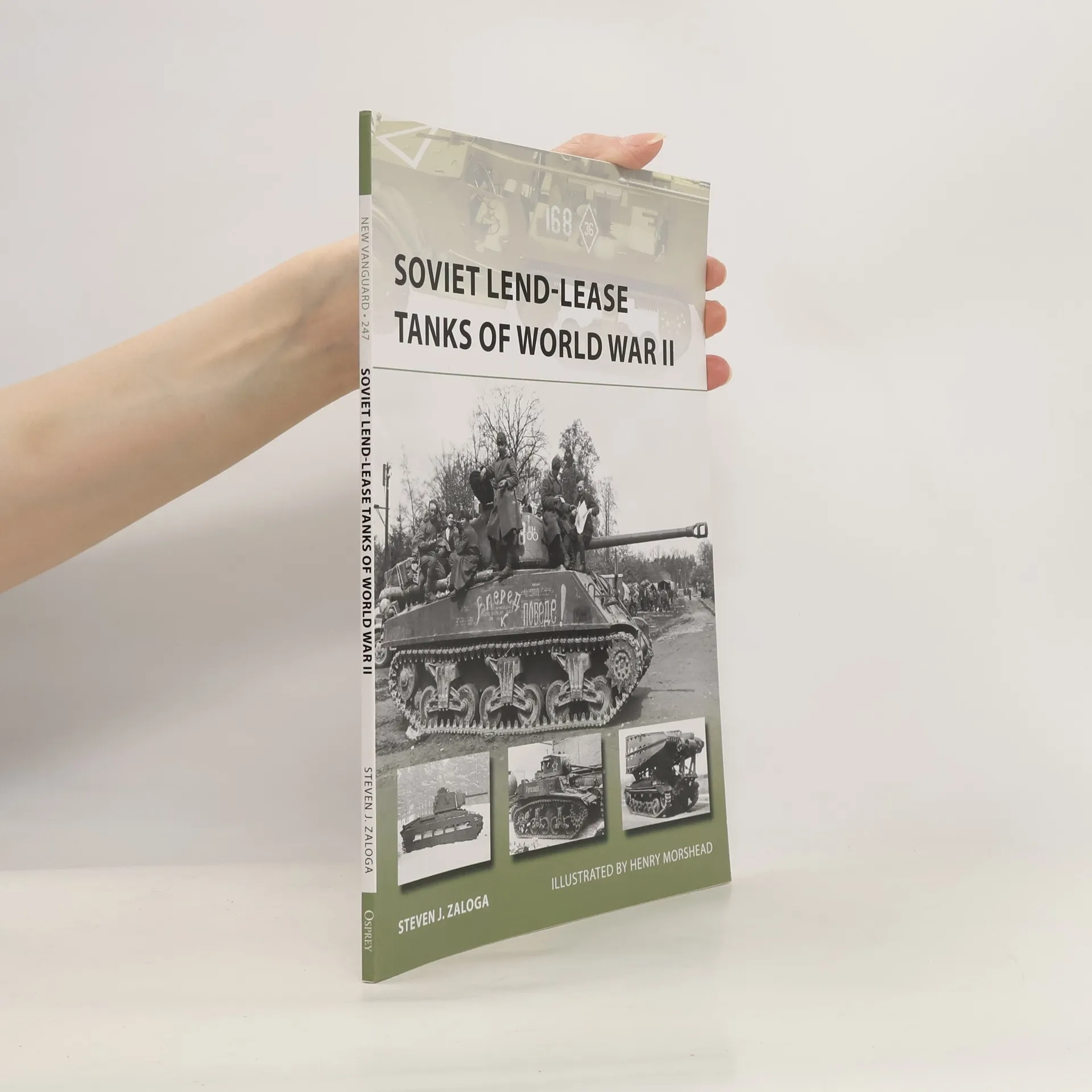
A fully illustrated book examining the thousands of tanks sent by Britain and the US to aid the Red Army and how they performed in Soviet service, which will appeal to any enthusiast of World War II-era armor.
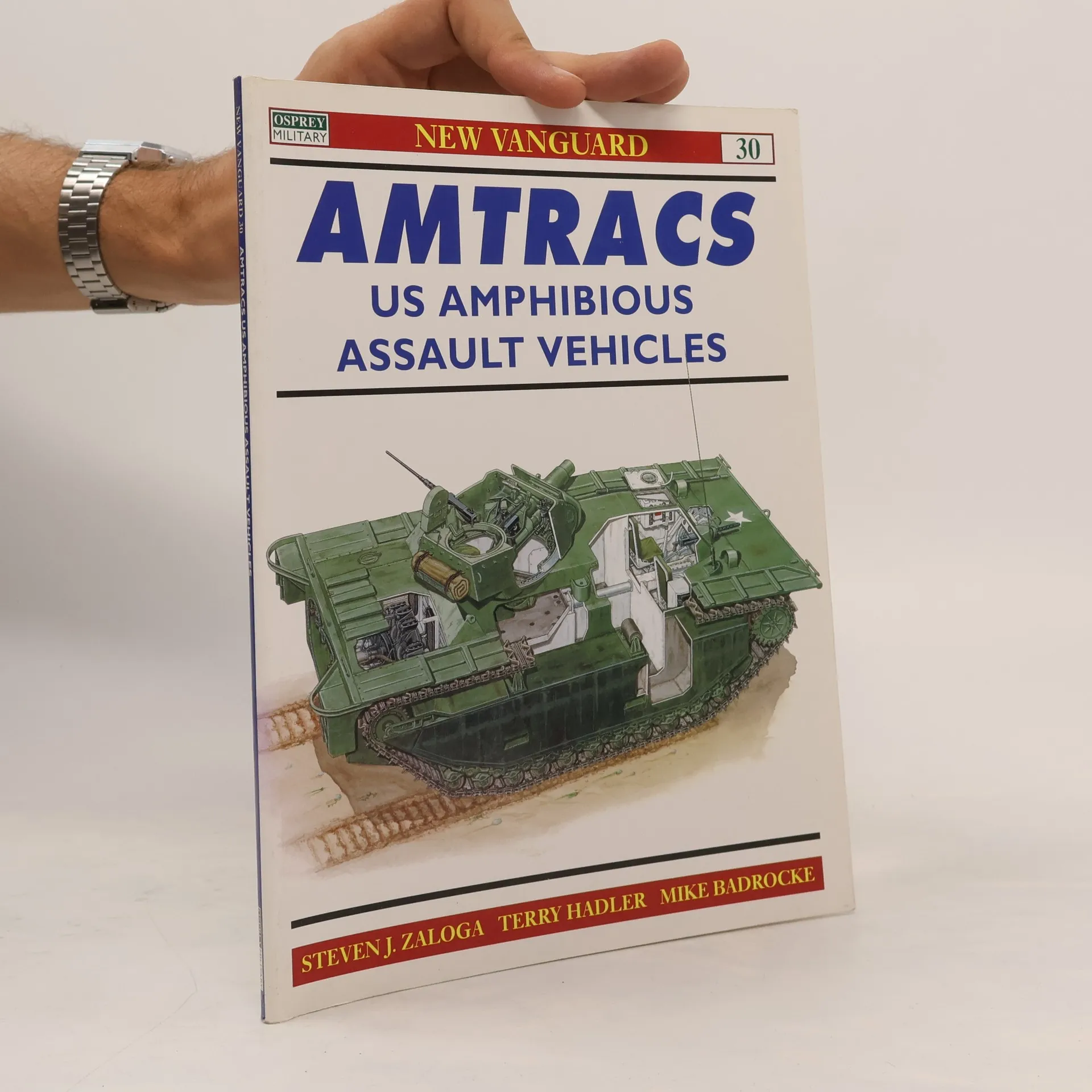
The first prototype for the LVT (Landing Vehicle Tracked) was completed in July 1941, its design based on the Alligator, a tracked amphibious vehicle developed for rescue operations in the swamps of Florida. Though the early conception of amtrac operations envisioned using LVTs solely as supply vehicles, at Tarawa amtracs demonstrated their utility as assault vehicles to carry troops, leading to the development of new models. This book covers the evolution of amtracs, from the first LVT-1 to the LVT-7; their numerous variants; and their use throughout World War II and beyond.
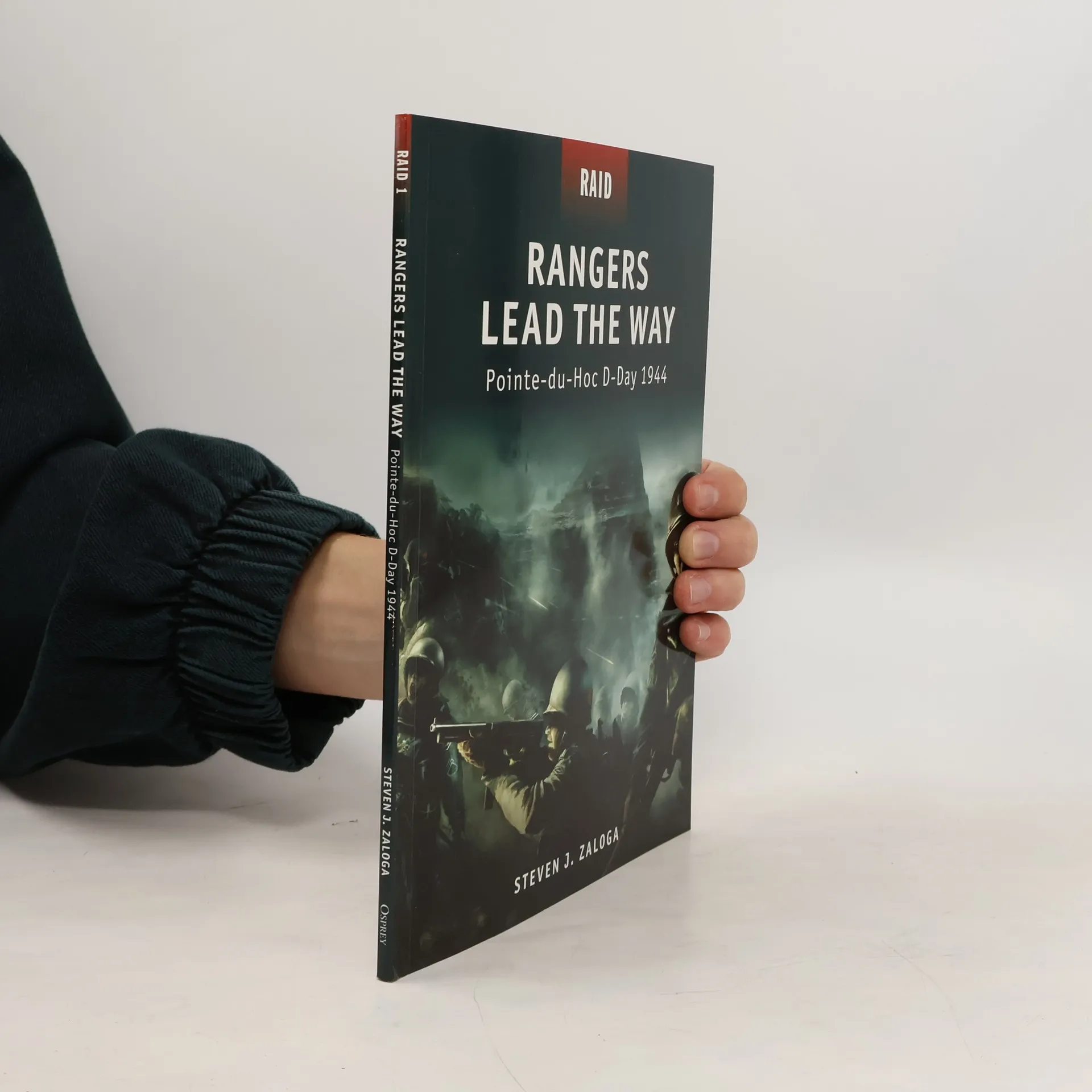
In the early hours of D-Day, 1944, a group from the US Army 2nd Rangers Battalion were sent on one of the legendary raids of World War II. Their mission was to scale the cliffs overlooking Omaha beach and assault the German coastal artillery at Pointe-du-Hoc, which allied intelligence had identified as a threat to the impending invasion. It was thought that only a raid could ensure that the guns would remain silent during the D-Day landings. But allied intelligence was wrong. After climbing the cliffs under aggressive German fire and securing the battery site, the Rangers discovered that the guns themselves were no longer there. The determination of those heroic Rangers involved in the initial raid allowed them to locate the guns, which had been relocated to firing positions facing Utah beach, and destroy them before they could be used.In the first of a brand new series for Osprey, this act of audacious daring is brought to life, complete with fully illustrated artwork, detailed maps and rare German accounts. Taking a closer, more critical look at a famous story, Steven Zaloga analyzes every detail of the raid, from the intelligence failings behind the mission to the boldness of the Rangers' actions in the face of incredible odds. You'll never get so close to the action!
The Battle of the Bulge raises many questions: How did the major tank types perform during the battle? What were the specific 'lessons learned' from the combat? And did these lessons result in changes to tanks in the subsequent months? Offering detailed answers to these questions, and many more, this book provides a survey of the principal tank and tank-equivalents (such as tank destroyers and Jagdpanzers) that took part in the Ardennes Campaign of December 1944-January 1945. Beginning with a basic overview of the campaign, accompanied by an order of battle of the major armoured units, it examines the opposing forces, covering the organization of the two tank forces to explain how they were deployed.
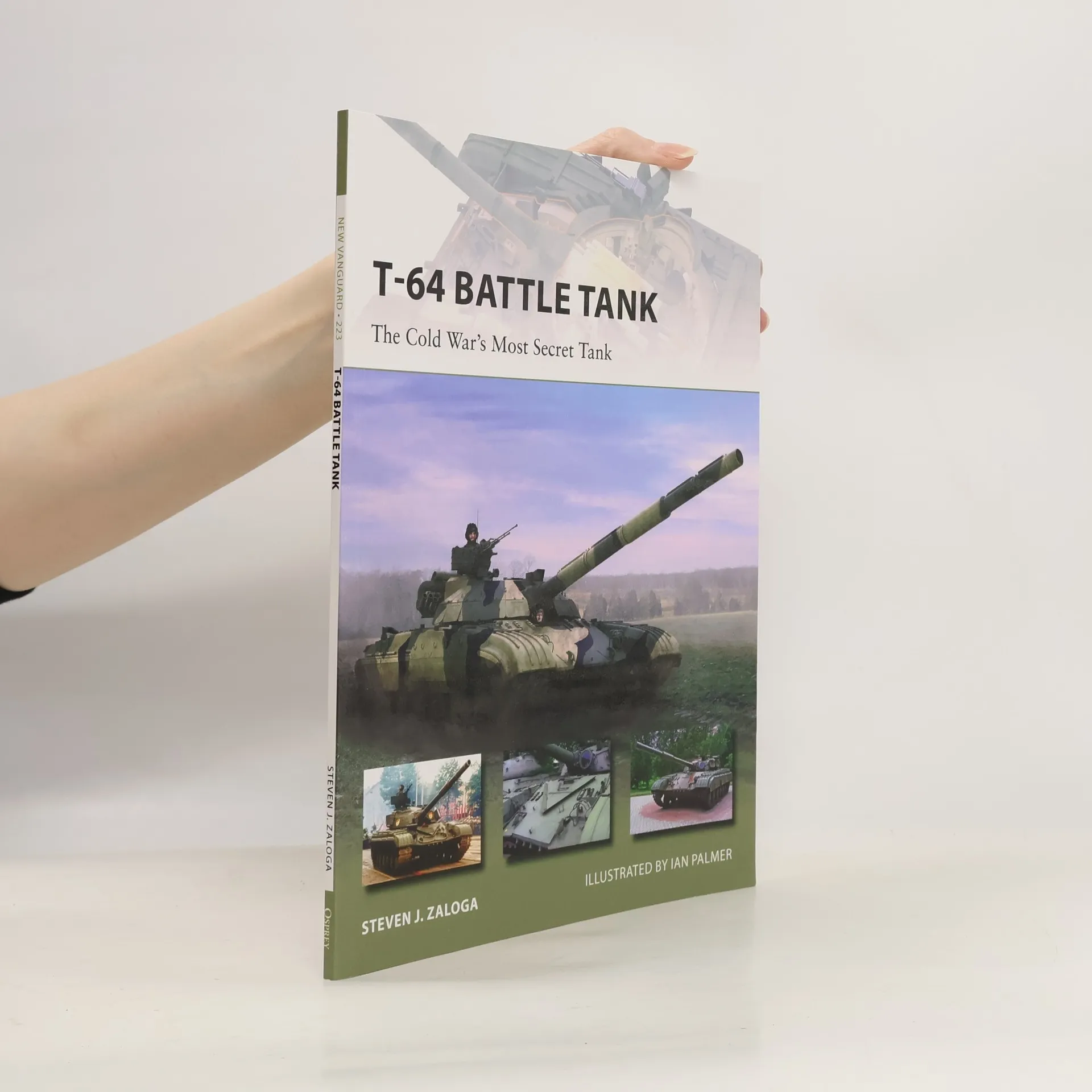
The T-64 tank was the most revolutionary design of the whole Cold War, designed to provide the firepower and armor protection of a heavy tank in a medium-weight design. It pioneered a host of sophisticated new technologies including laminate armor, stereoscopic tank rangefinders, opposed-piston engines, smooth-bore tank guns with discarding sabot ammunition, and gun-fired guided projectiles. These impressive features meant that the Russians were loath to part with the secrets of the design, and the T-64 was the only Soviet tank type of the Cold War that was never exported. Written by an armor expert, this detailed technical history sheds light on the secrets behind the Cold War's most controversial tank, revealing how its highly advanced technologies proved to be both a blessing and a curse.
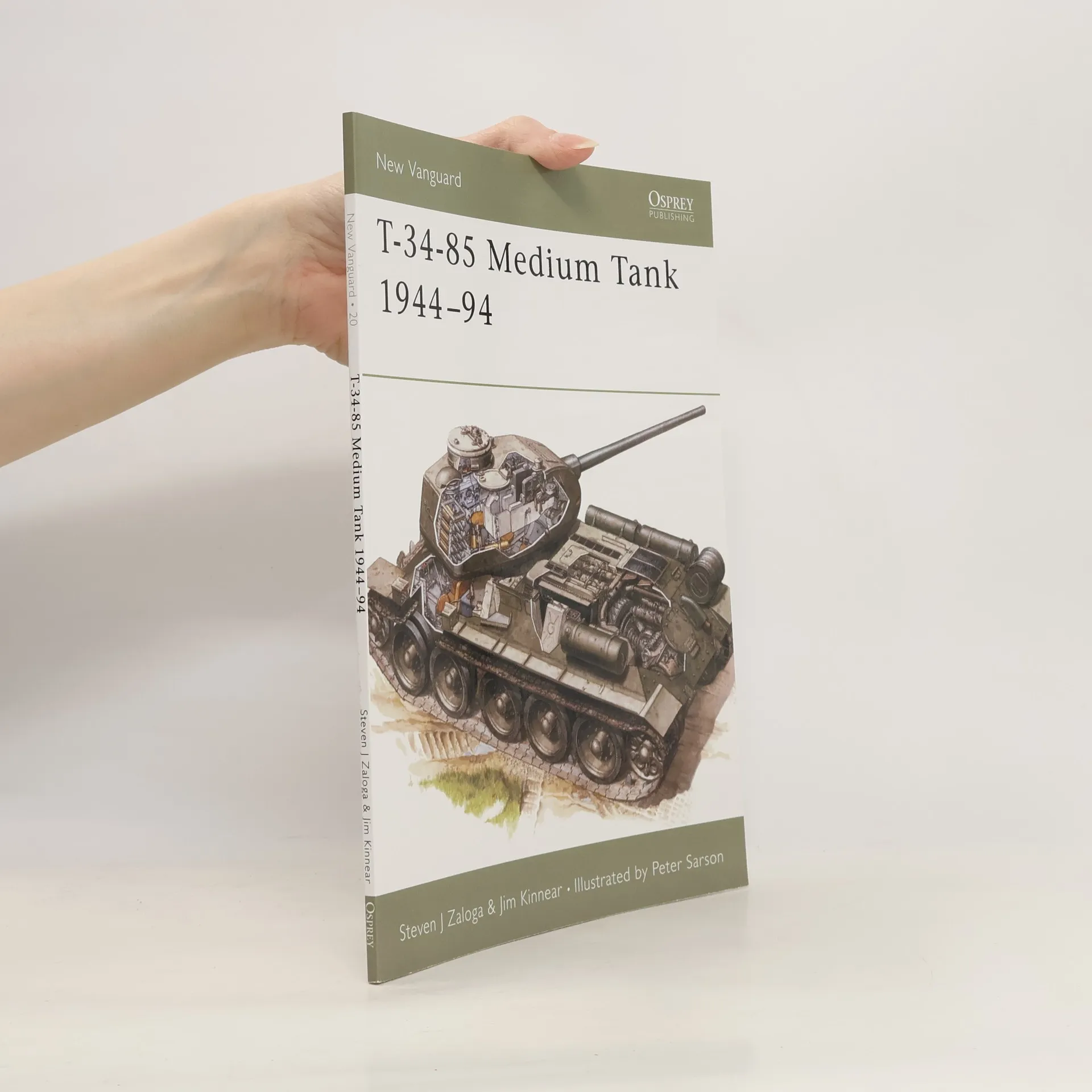
The T-34-85 tank is one of those rare weapons that have remained in service for more than half a century. First introduced in 1944, it has seen combat in nearly every corner of the globe. Steven Zaloga and Jim Kinnear look at this long-serving tank at length. Although long obsolete in Europe, it has proven a reliable and potent weapon in many Third World conflicts, and is still in service with more than a dozen armies around the world.
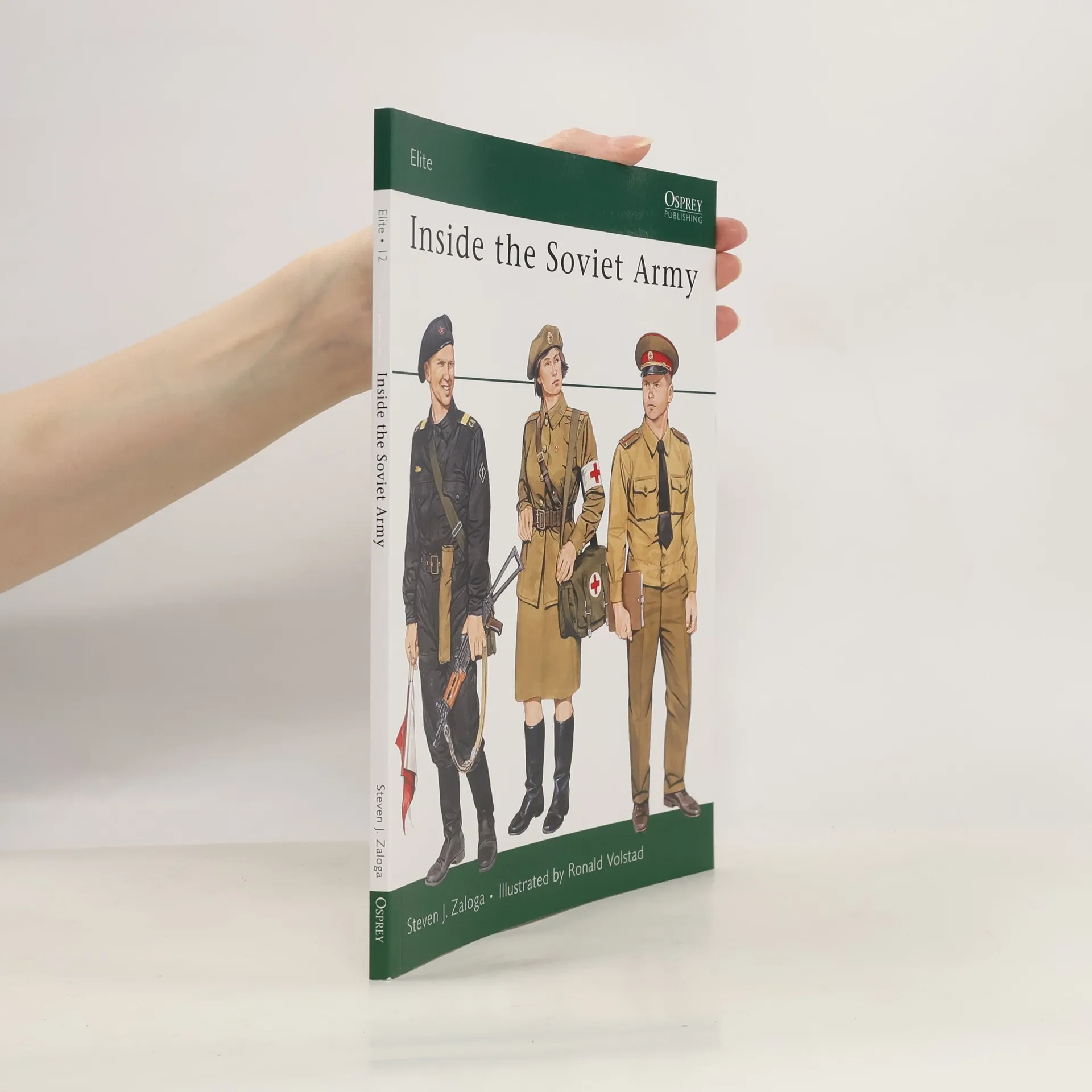
Osprey's survey of the Soviet Army during the Cold War period (1946-1991). For a young Soviet man in the 1980s, the chances were high that he would be obliged to serve for at least two years in the Soviet Armed Forces. At this time Soviet society was far more militarized than most other European countries; by the time they turned 18, most Soviet boys were far more familiar with military life than their Western European and American counterparts. Focusing on the daily experiences of a young recruit in the Soviet Army of the late 1980s, this book examines the history, organization, appearance and equipment of the Soviet forces, from pre-service indoctrination to uniforms and leadership.
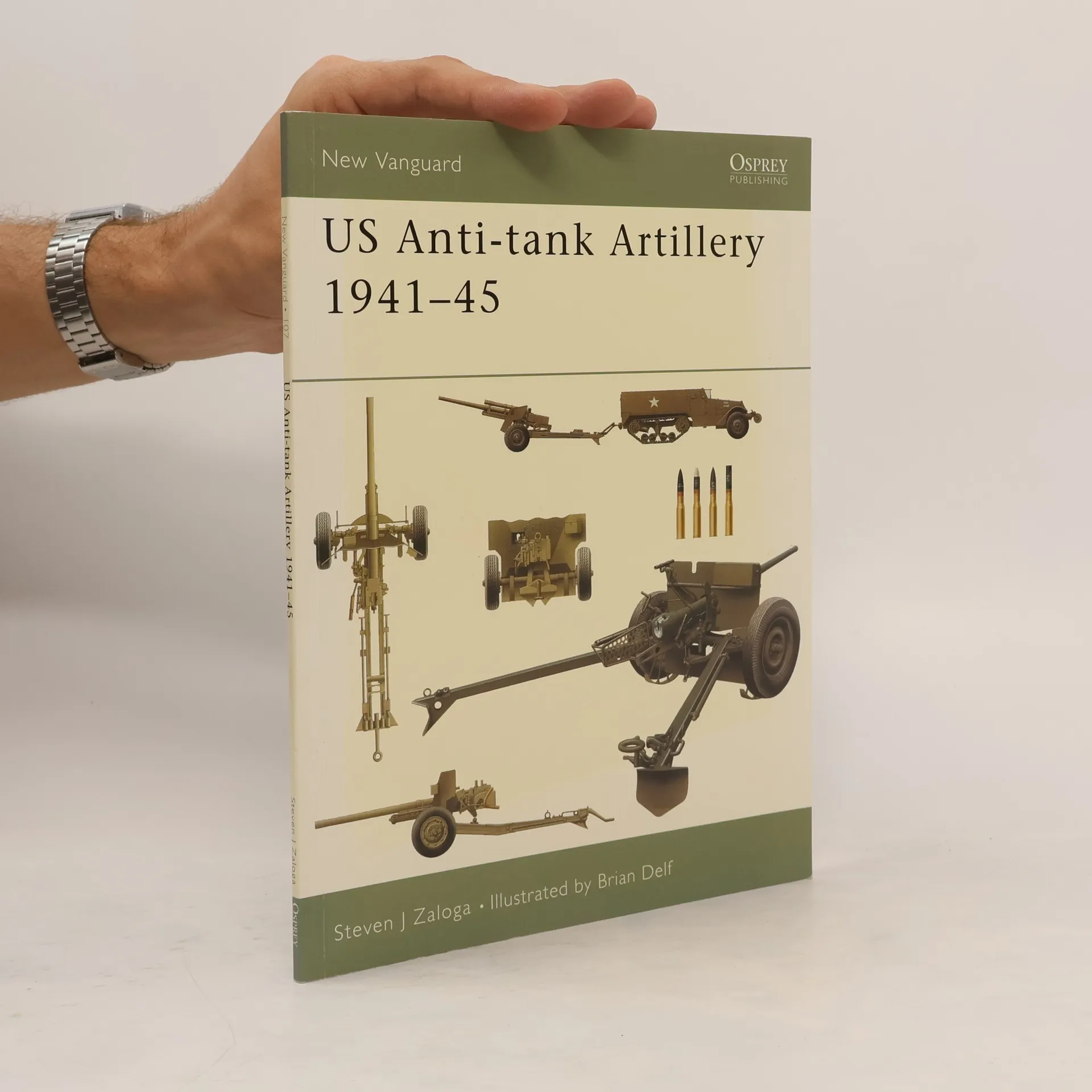
The US Army's development of the 37mm anti-tank gun began in response to needs identified during the Spanish Civil War. By the time it entered service in Tunisia in 1943, the gun was already obsolete, and the US began the licensed manufacture of the British 6-pdr in the hope of finding a quick solution to its artillery requirements. This in turn proved unequal to the demands of warfare in France in 1944, and further anti-tank measures were developed – rocket propelled grenades for infantry use, and weapons designed specifically for use by the Tank Destroyer Force.
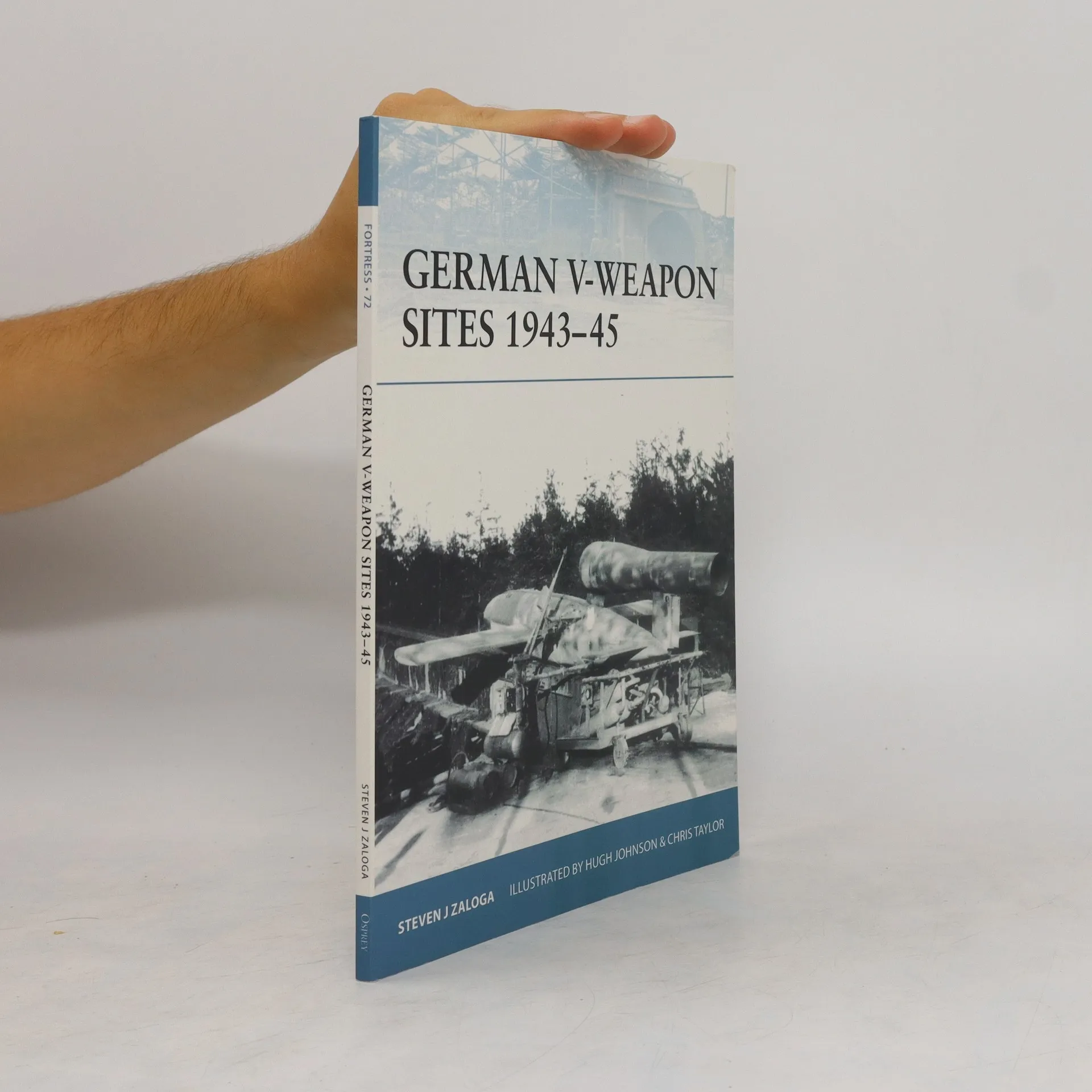
Designed to change the course of the war, the V-weapons required ambitious plans to defend their expensive and complicated launch sites. Steven J Zaloga describes the configuration and planned deployment of heavy missile sites, as well as the unique Allied tactics developed to counter this threat, including a remote-control version of the B-17 bomber. Covering the V-1 ski sites, the mobile units employed for V-2 launches and other secret weapons bases like the "V-3" high-pressure gun at Mimoyeques, he reviews the impact of these weapon systems and defenses not only on World War II but also on the development of modern weaponry. This book is an excellent guide to the sites described, many of which still survive and are visited on battlefield tours.
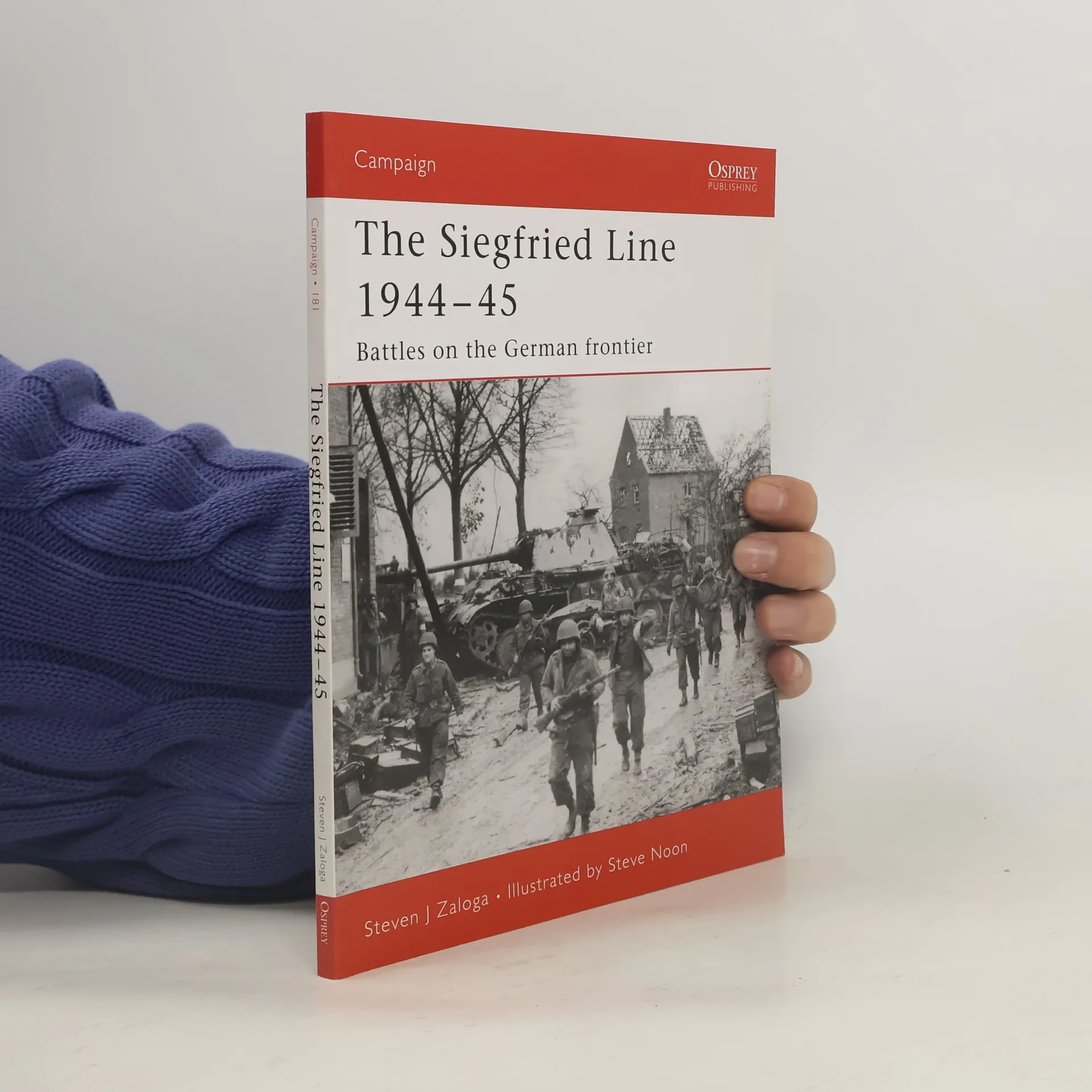
The Siegfried Line campaign was one of the most frustrating and bloody series of battles fought by the US Army in Europe. This book covers the battle for Aachen and the fighting that ensued in the Hurtgen Forest. It talks about the Siegfried Line campaign that witnessed the US Army's most bitter fighting, leading the way into the heart of Germany.
The M1 Abrams was the most radical departure in US tank design since World War II. Until the advent of the M1 in the early 1980s, the US Army had relied on the steady evolution of the M26 Pershing tank, through the M46, M47, M48 and M60. The M1 design came at a time when there were a host of important new tank technologies coming to fruition, in terms of structure and these were integrated into it. This book details the design, development and operational use of one of the world's best main battle tanks.
"Overshadowed by the United States Army's armored divisions, the separate tank and tank destroyer battalions had the difficult mission of providing armored support for US infantry divisions in the 1944-45 campaigns. This book details the organizational structures and deployment of these units: the standard tank battalions, tank battalions (light), tank battalions (mine exploder) and tank battalions (special), self-propelled and towed tank destroyer battalions. It also covers the tactics used by these units in their attempts to assist the infantry, as well as providing a listing of all the battalions that took part in the Northwest Europe campaign." -- Publisher's description
Focusing on the savage winter fighting during the Battle of the Bulge in
December 1944, this book will appeal to tank enthusiasts and anyone with an
interest in World War II.
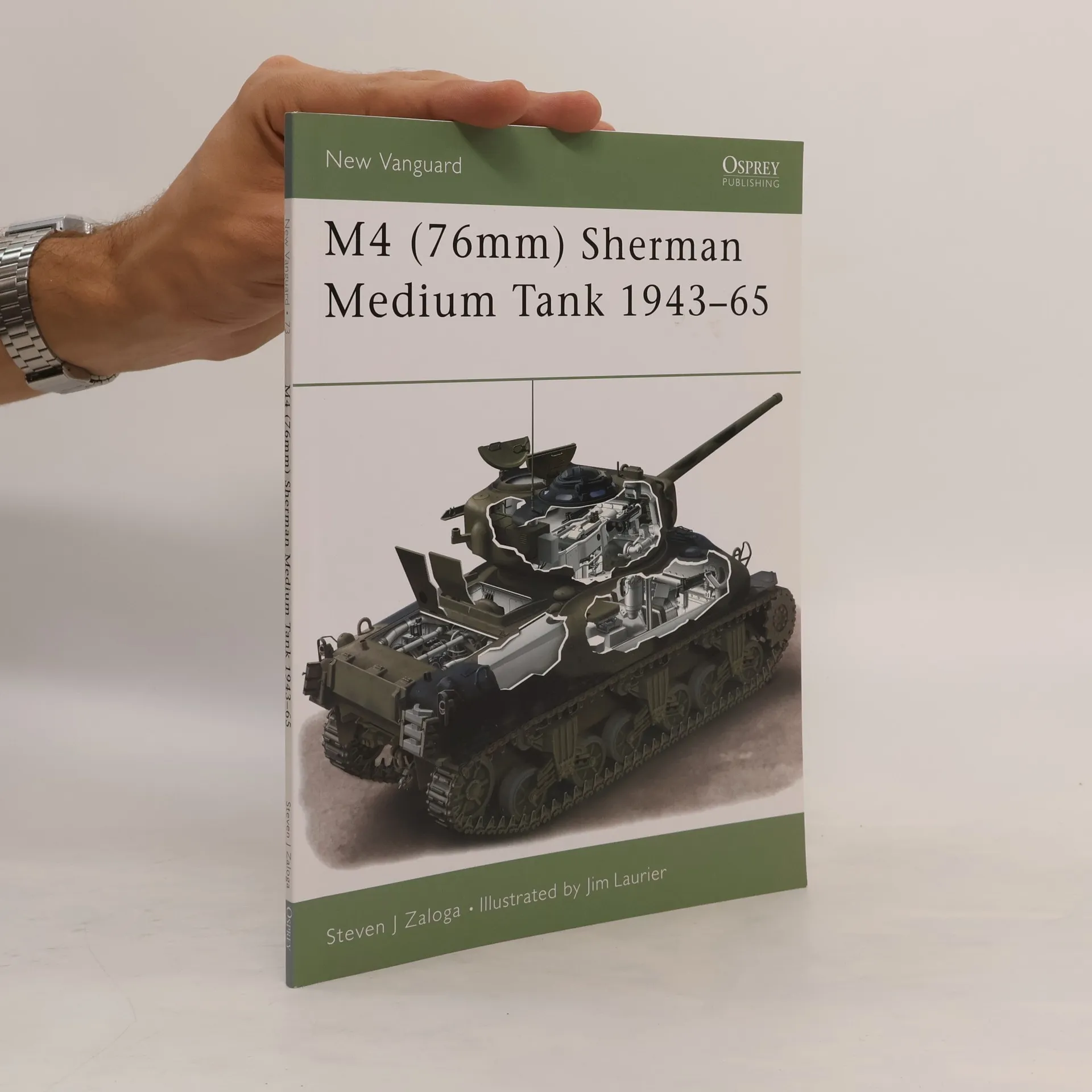
The M4 Sherman tank was the mainstay of the Western allies between 1942 and
1945. This title examines developments such as the HVSS suspension. It uses
rare archive material. číst celé
One of the most decisive months of World War II (1939-1945) was the 30 days between 25 July and 25 August 1944. After the success of the D-Day landings, the Allied forces found themselves bogged down in a bloody stalemate in Normandy. On 25 July General Bradley launched Operation Cobra to break the deadlock. US forces punched a hole in the German frontline and began a spectacular advance. As Patton's Third Army poured into Brittany and raced south to the Loire, the German army was threatened with encirclement. By the end of August German forces in Normandy were utterly destroyed, and the remaining German units in central and southern France were in headlong retreat to the German frontier. In this title Steve Zaloga explains how the breakout from Normandy came about.
In January 1944, the Allies decided to land at Anzio in order to overcome the stalemate at Cassino.This amphibious landing has become one of the most controversial campaigns of World War II (1939-1945). Questionable decisions by the Allied leadership led to three months of World War I-style trench warfare, and the entire beachhead suffered from continuous German observation and bombardment. Vividly describing each thrust and counter-thrust, this book takes us through the agonizing struggle as each side sought to retain or regain mastery. It shows how Anzio proved to be a stepping stone not only to Rome but also to the liberation of Italy.
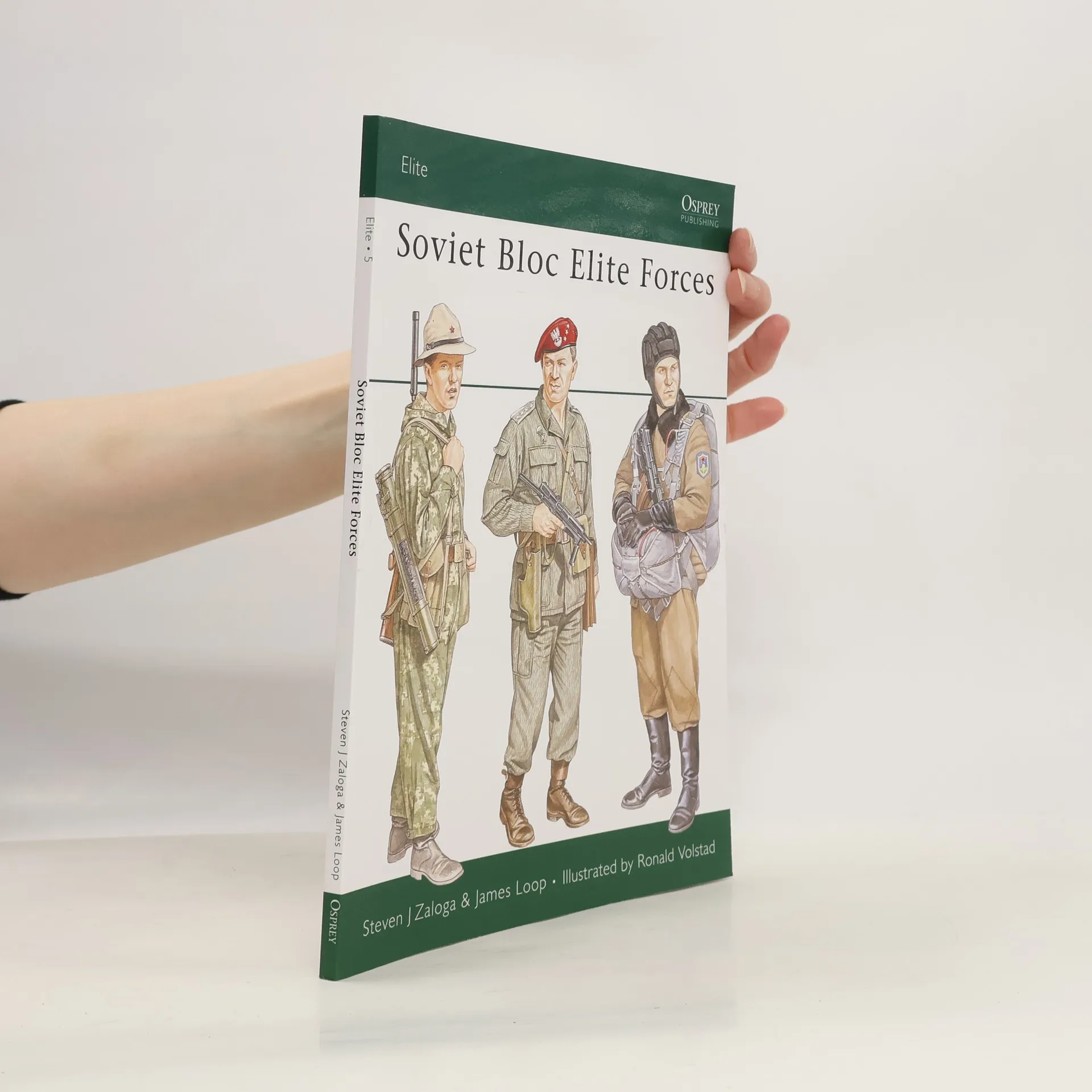
The elite forces of the Soviet Union and its Warsaw Pact allies in the mid-1980s were undoubtedly the largest in the world, and among the least known. The Soviet elite formations alone had a total strength comparable to that of the entire British armed forces. Besides the conventional military elite formations such as airborne and marine forces, most Warsaw Pact armies also possessed special, 'political' elite, which were used for internal security. Backed by numerous photographs and illustrations, this book uncovers the history, organization and equipment of both the conventional Soviet elite formations and the often ignored security units.
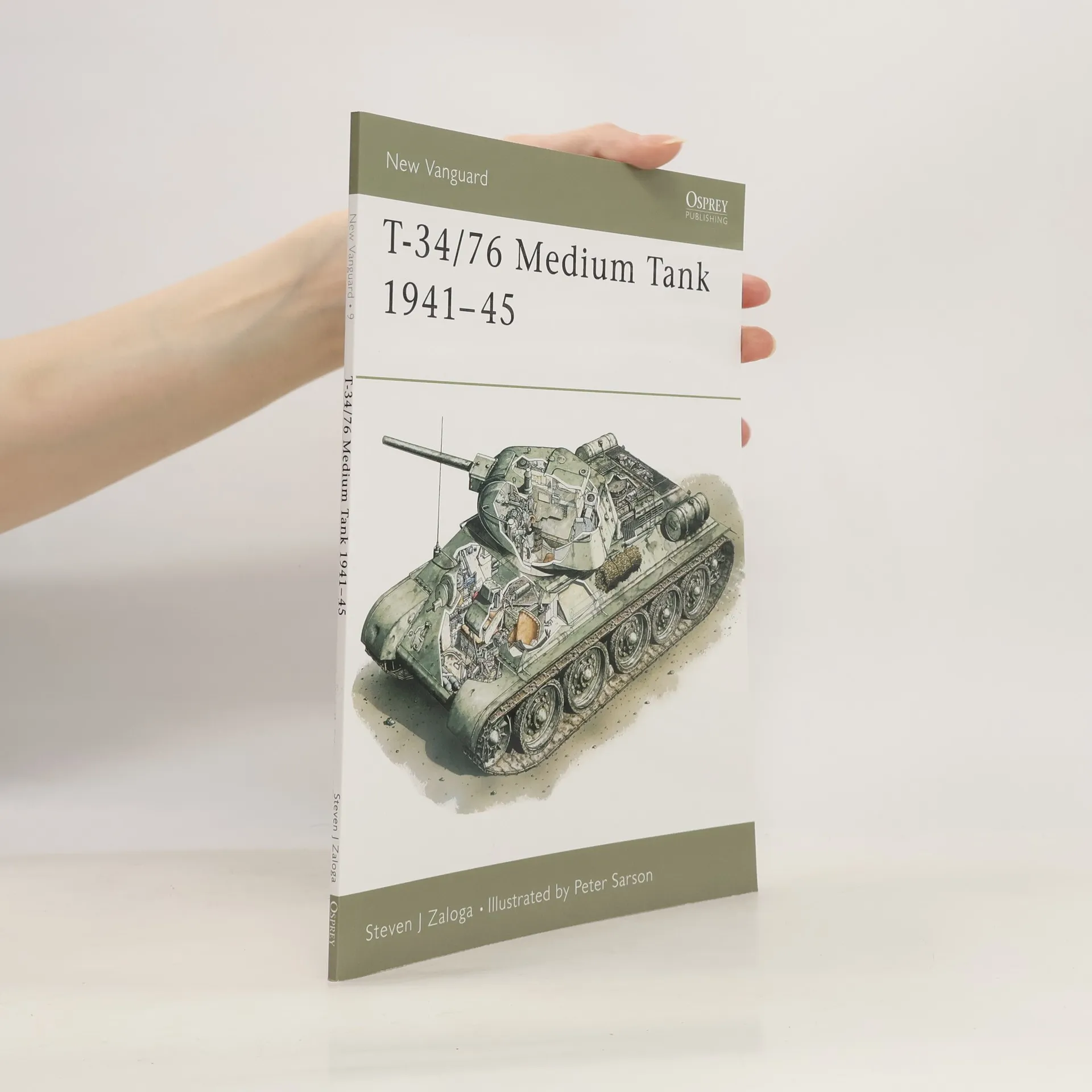
The T-34 was the most influential tank design of World War 2. When first introduced into combat in the summer of 1941, it represented a revolutionary leap forward in tank design. Its firepower, armour protection and mobility were superior to that of any other medium tank of the period. This superiority did not last long. While the T-34 underwent a series of incremental improvements during 1943, it was being surpassed by new German tank designs, most notably the Panther. This title traces the life of the original T-34 through all its difficulties to eventual success.
This illustrated title explores the deadly battle between the innovative Panzerfaust and Panzerschreck anti-tank weapons employed by the forces of Nazi Germany and the US tanks striving to defend against them.In the summer of 1944, across the battlefields of Normandy, US tanks were confronted with a dangerous challenge: the mobile and deadly Panzerfaust and Panzerschreck anti-tank weapons wielded by the German infantry. Having only occasionally encountered such weaponry before, the US tankers were ill-equipped to defend against this kind of attack, and the threat only increased as the summer wore on.This Duel title follows the technological battle for dominance that ensued, as the US Army devised new ways to defend against the threat posed by the German shaped-charge projectiles. From the addition of sandbags and spare tracks to individual tanks made by anxious crews on the ground to the large-scale programs put together by the US armies, the book explores the implementation and effectiveness of the various tactics employed by the tank crews, as well as the technology behind the anti-tank weapons wielded by their German adversaries. Drawing on first-hand accounts from the men on the ground, this illustrated title examines the evolving trial of strength between US armor and innovative German anti-tank weaponry in the climactic months of World War II in Europe.
Osprey's examination of the German invasion of Poland, which began World War II (1939-1945) in Europe, pitting the newly modernized army of Europe's great industrial power against the much smaller Polish army and introducing the world to a new style of warfare – Blitzkrieg. Panzer divisions spearheaded the German assault with Stuka dive-bombers prowling ahead spreading terror and mayhem. This book demonstrates how the Polish army was not as backward as it is often portrayed and fielded a tank force larger than that of the contemporary US Army. Its stubborn defence did give the Germans some surprises and German casualties were relatively heavy for such a short campaign.
The T-54 and T-55 tanks are the most widely manufactured tanks of all time. They have become ubiquitous to wars around the globe since the 1950s, starting with Hungary in 1956, and including the the Arab-Israeli wars of 1967, 1973 and 1982, the Vietnam war of 1967-75, the Iran-Iraq War of 1980-88, the Afghanistan conflict, Operation Desert Storm, the Yugoslav Civil Wars, and the recent conflict in Iraq. This book will examine the roots of this prolific tank family, starting with the Soviet Army's first attempts to replace the legendary T-34 during World War II, and covering the T-43 and the T-44, the more successful T-54, and its ultimate evolution into the T-55.
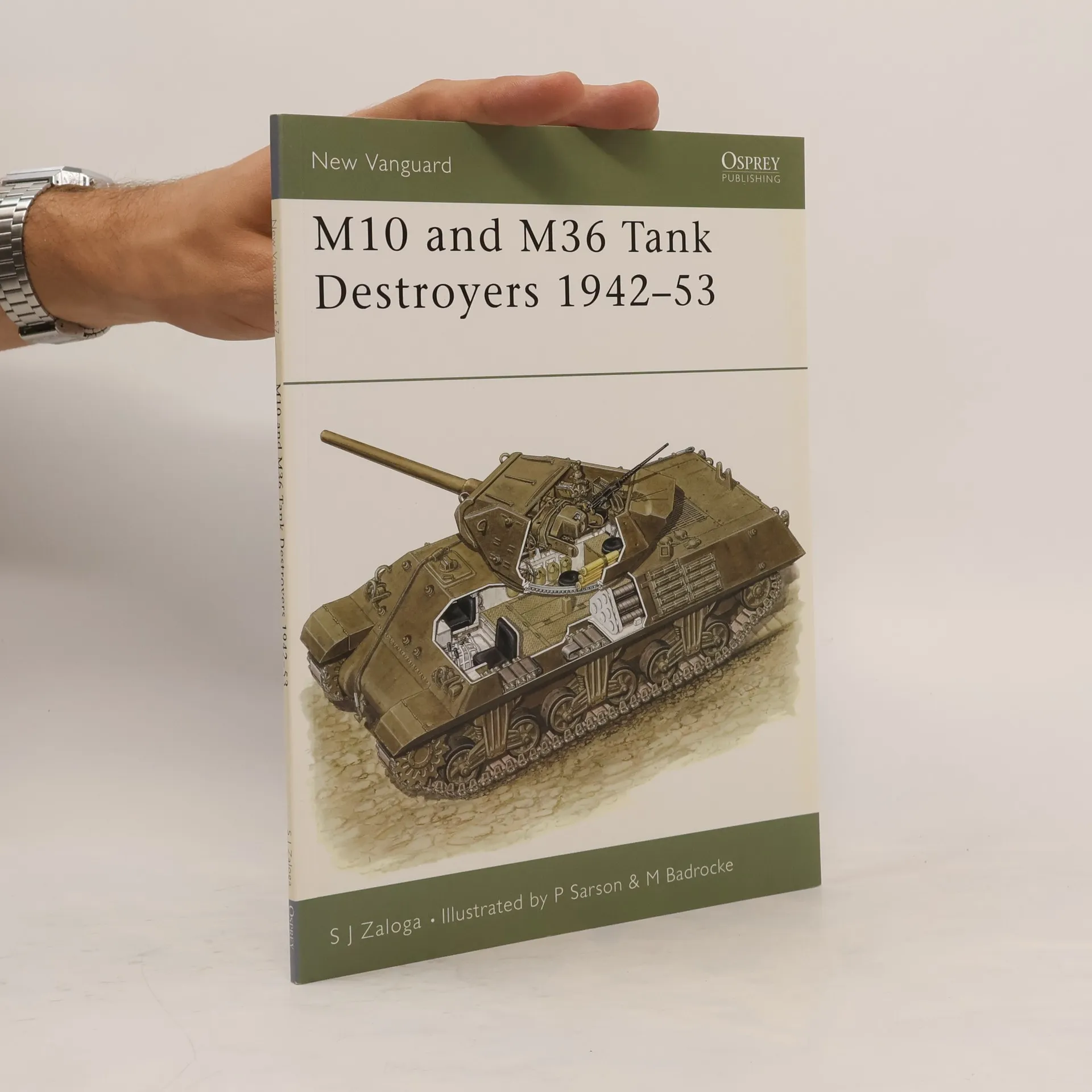
The US Army had a unique tactical doctrine during World War II, placing the emphasis for tank fighting on its Tank Destroyer Command whose main early-war vehicle was the M10 3-inch Gun Motor Carriage, based on the reliable M4A2 Sherman tank chassis. This durable and versatile vehicle saw combat service from the North Africa campaign in 1943. By 1944, its gun was not powerful enough and it was rearmed with the new 90 mm gun, becoming the M36 90mm Gun Motor Carriage. This book details one of the only US armoured vehicles capable of dealing with the Panther and Tiger during the Battle of the Bulge.
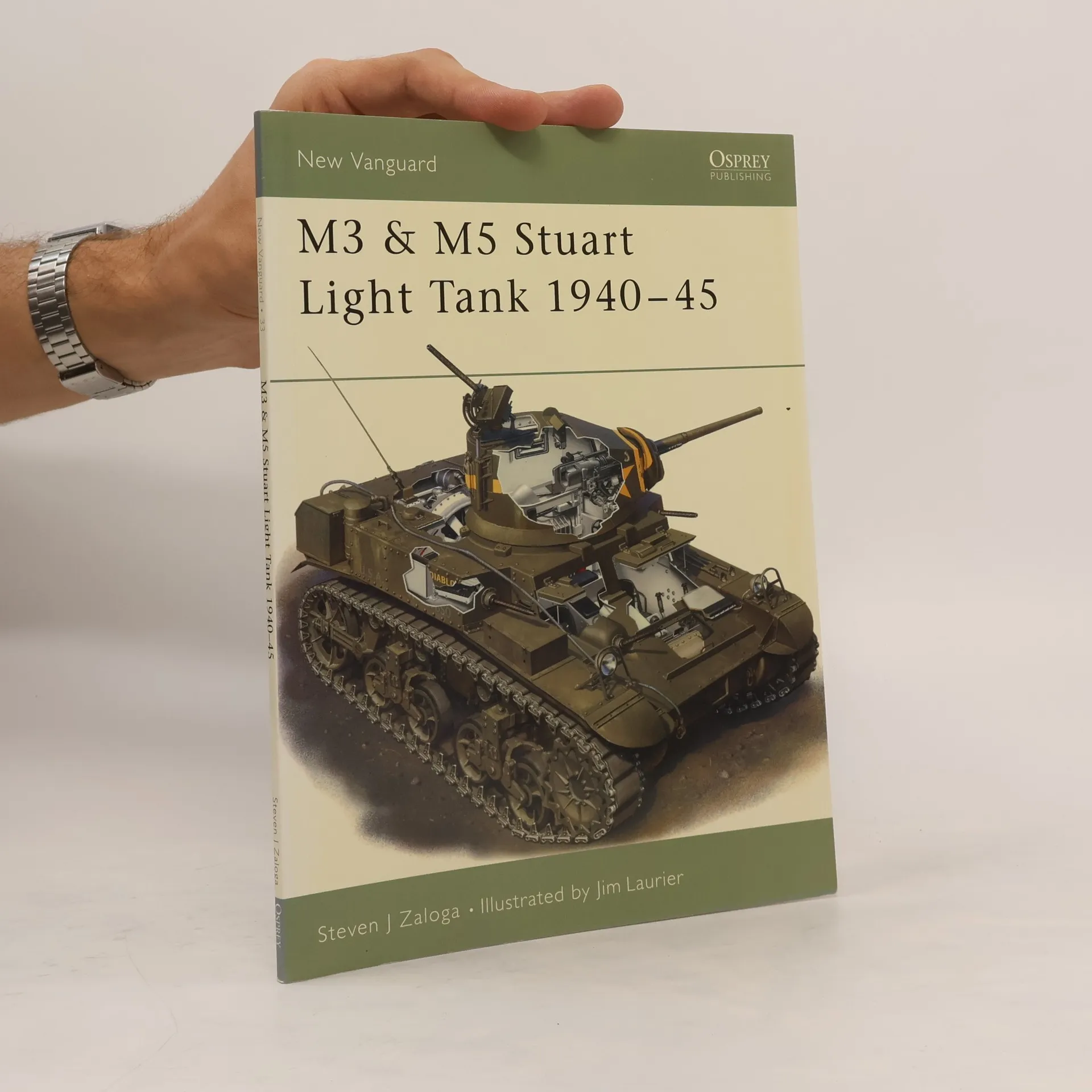
The M3 and M5 family of light tanks were the culmination of American tank development of the 1930s. By the time of the outbreak of the World War II, they were approaching obsolescence, as tank forces in Europe were shifting from light to medium tanks as the main element of their armored forces. First entering combat in the autumn of 1941 in the Western Desert with the British Army, the Stuart quickly proved its inadequacies. The M3 and M5 light tanks proved more suitable in the Pacific theater than in Europe, and fought successfully in many of the major battles including Guadalcanal, Tarawa and Peleliu. This title narrates this distinctive and unusual fighting vehicle's history.
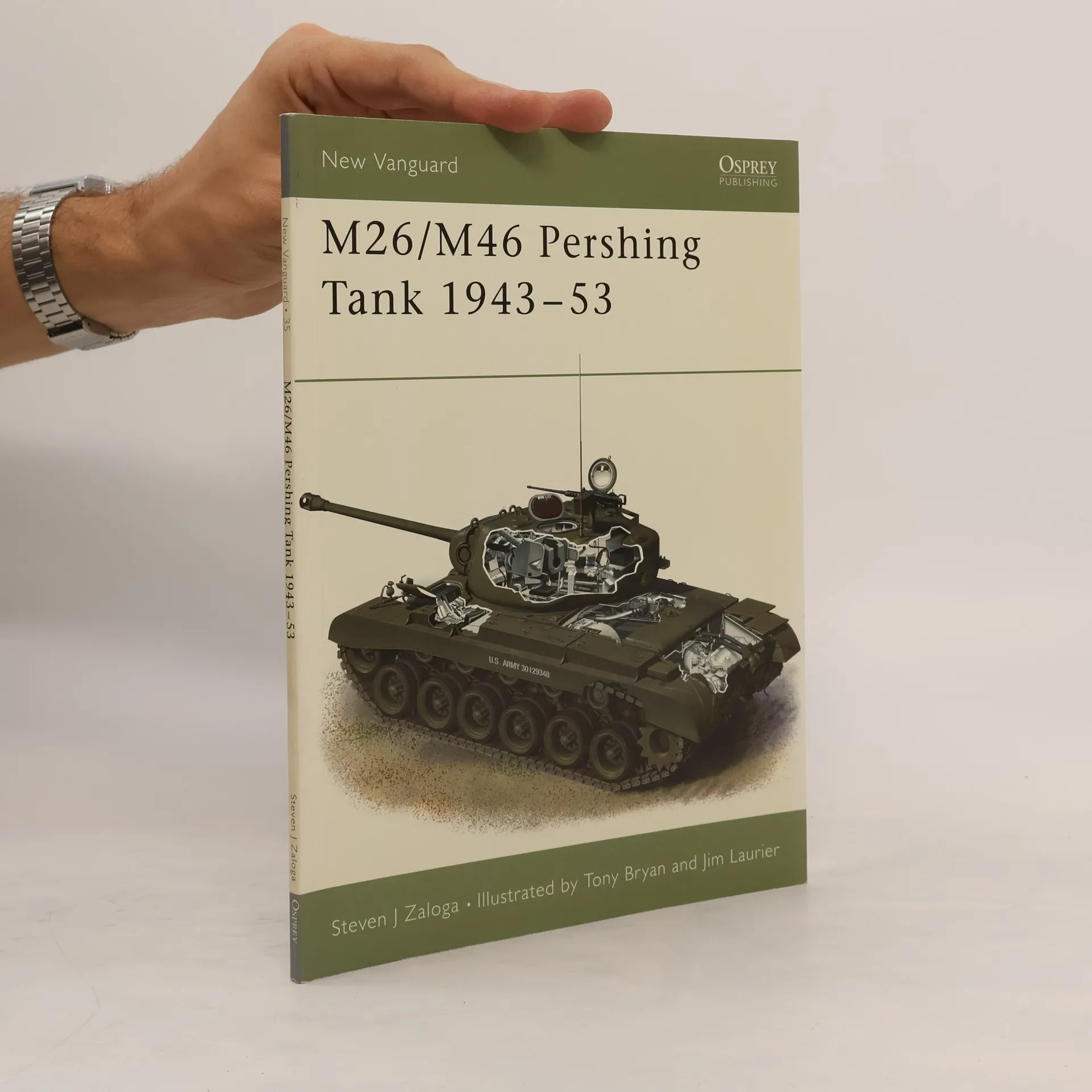
From the moment that the M4 Sherman had been matched against German Panther and Tiger tanks, the American tank crews had known that their vehicles were outclassed by the opposition. What was needed was a more powerful tank, more heavily armed and armored, that could take-on the powerful German panzers on a more equal footing. Although it took time to develop by the latter months of the war numbers of M26 Pershing tanks were reaching the frontline US armored units. Well armored and with a powerful 90mm gun the Pershing was a match for any tank in the German order of battle.
In this book Steven J Zaloga offers a fascinating comparison of the combat performance of the two most important tanks involved in the crucial fighting of 1944, the Sherman and the Panther. Examining the design and development of both tanks, Zaloga notes the obvious superiority that the Panther had over the Sherman and how the highly engineered German tank was eventually beaten back, not necessarily by the improvements made to the Sherman, but rather by the superior numbers of tanks that the Allies were able to put into the field.Putting the reader into the heart of this battle between quality and quantity Zaloga examines the tactical intricacies of the battles between these two rivals. Using a compelling account of the ferocious fighting in the Ardennes region to explain the successes and failures of each tank he also highlights the fact that a tank can only be as good as its crew, weighing up the impact of low morale, high cost and mediocre crew training on the Panthers superiority. Packed with full-colour battlescenes, technical drawings, photographs, digital gunsight views, extracts from crew training manuals and real combat reports, this book brings to life the titanic battles between the Sherman and the Panther.
The armored division were the shock force of the US Army's combat formulations
during the fighting in northwest Europe in the final year of the war. This
book examines the combat mission of the armored division in the US Army
wartime doctrine.
The Battle of the Bulge was the largest and most costly battle fought by the
US Army in World War II. This work covers this battle, and includes new
findings such as access to a US Army database, and providing unit data on a
day-to-day basis. schovat popis
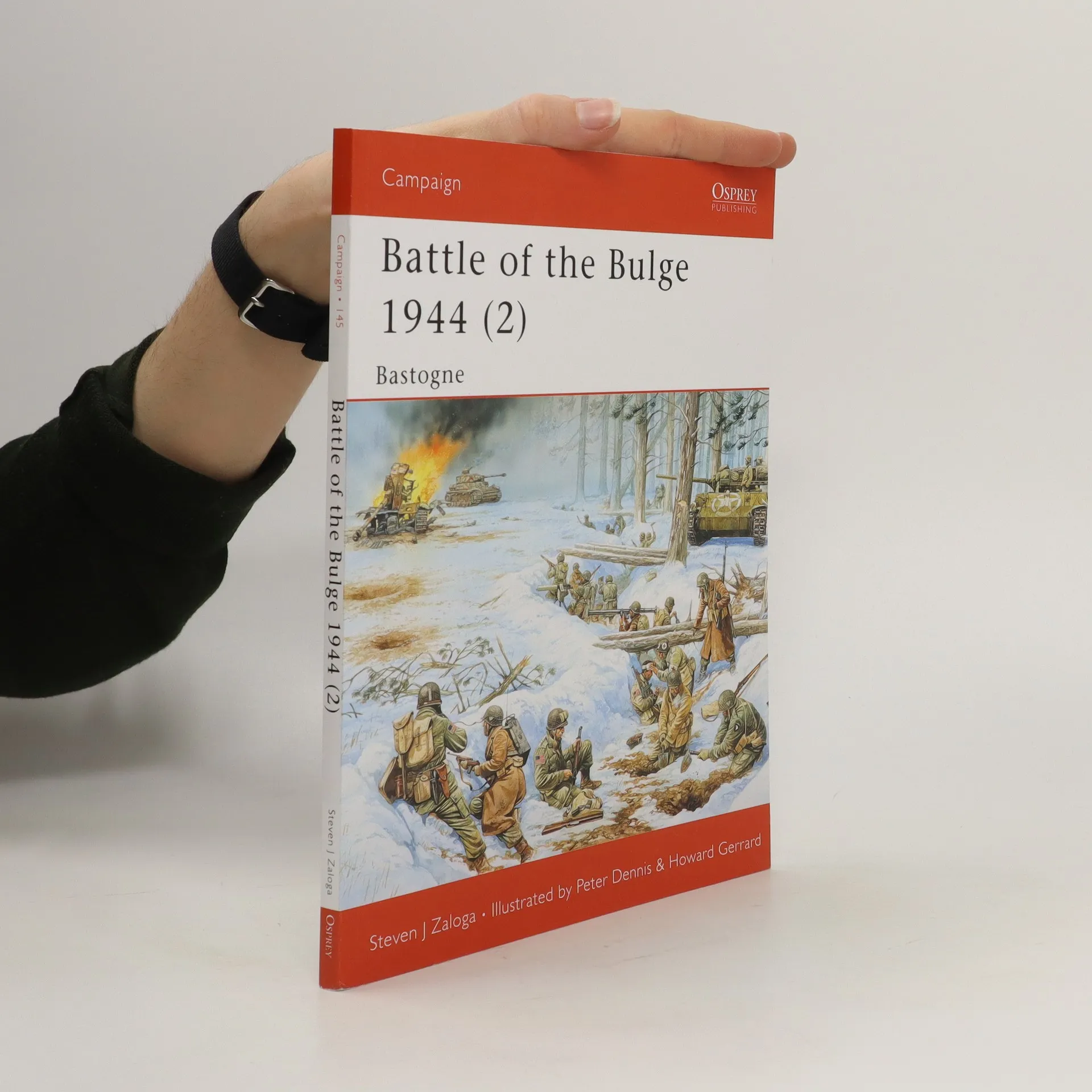
Osprey's second title examining the Battle of the Bulge, which was the largest and most costly battle fought by the US Army in World War II (1939-1945). When the attack in the north by 6th Panzer Army failed, Hitler switched the focus of the offensive to General Manteuffel’s 5th Panzer Army farther south. Overwhelming the green US 106th Division, German Panzers flooded towards the River Meuse. Barring their way was the crossroads town of Bastogne, reinforced at the last minute by the paratroopers of the 101st Airborne, the ‘Screaming Eagles”. The stage was set for one of the epic struggles of the war – the battle for Bastogne.
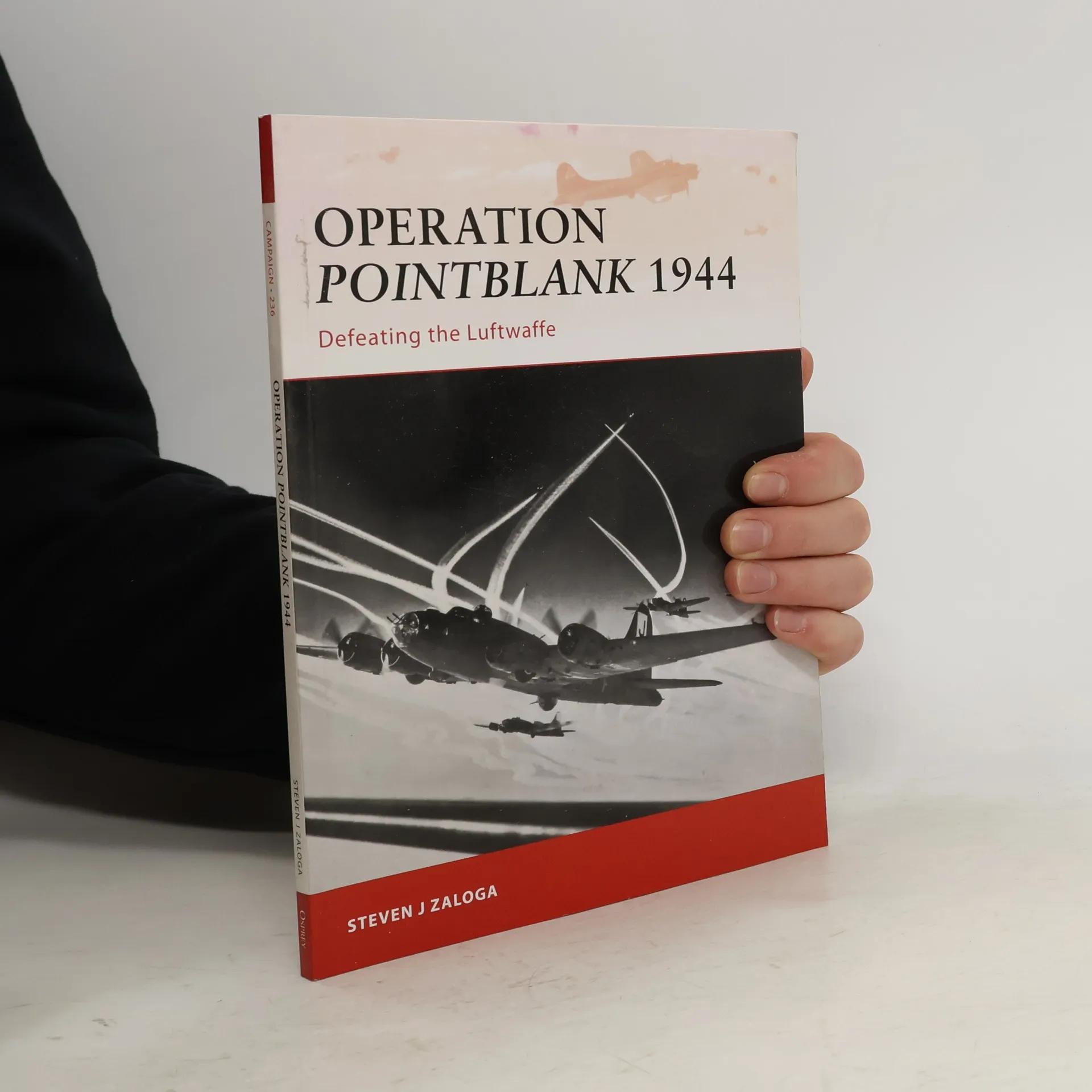
Operation Pointblank was the code name for the United States Army Air Force's attempt to destroy German fighter capability through the use of daylight strategic bombing in advance of the D-Day landings. This book examines the entire operation from both the Allied and the German perspectives.
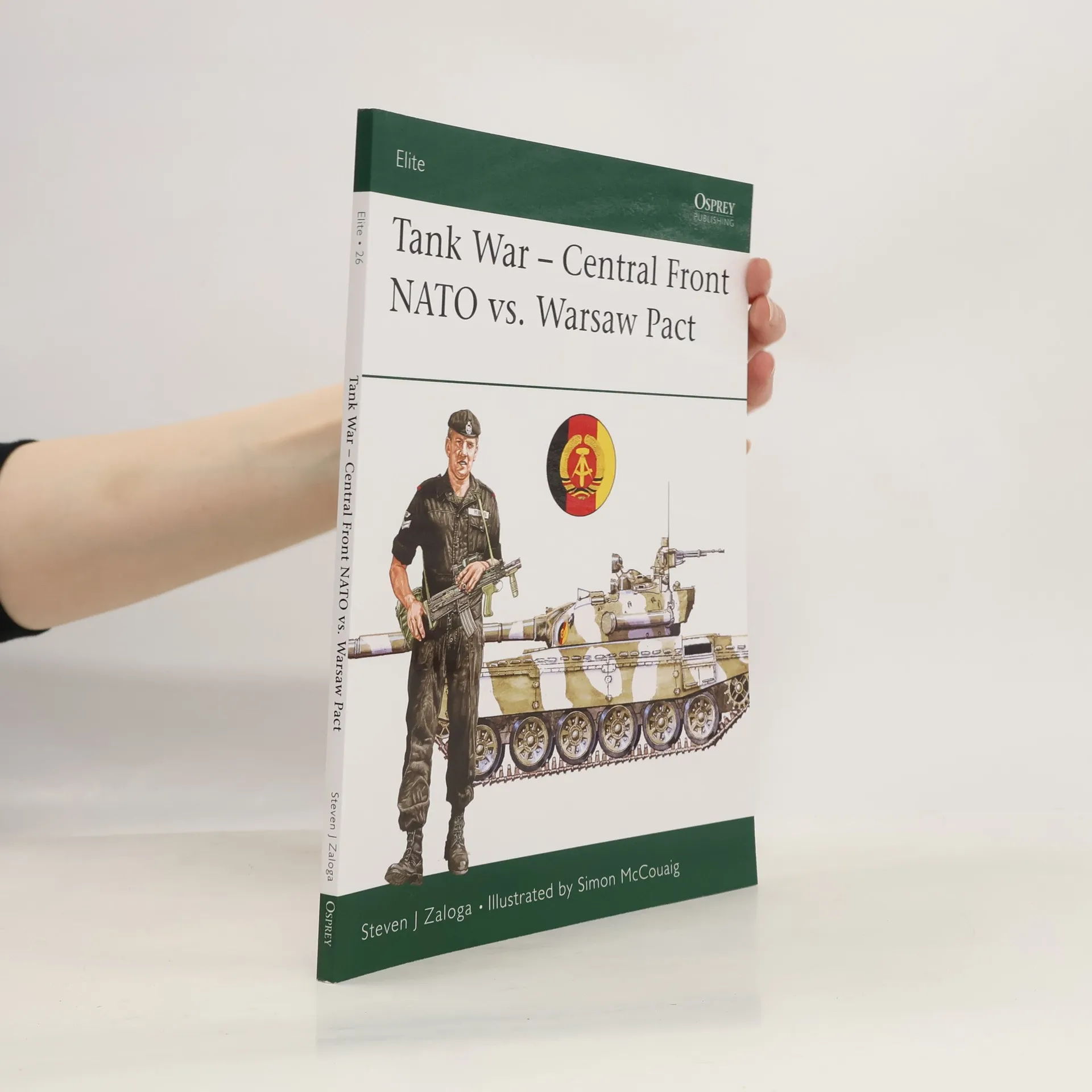
In the late 1980s, with the Intermediate Nuclear Force Treaty in effect, public attention turned to discussions of conventional weapons in Europe, particularly tanks. Though the importance of tanks had dimished since their heyday in the Second World War, on the modern battlefield they remained the dominant weapon.This text, enhanced by colour plates and photographs, examines the NATO and Warsaw Pact tank forces of that era, focusing on tank firepower and crew training, and speculates as to the possible outcome had a conventional land war been fought between them.
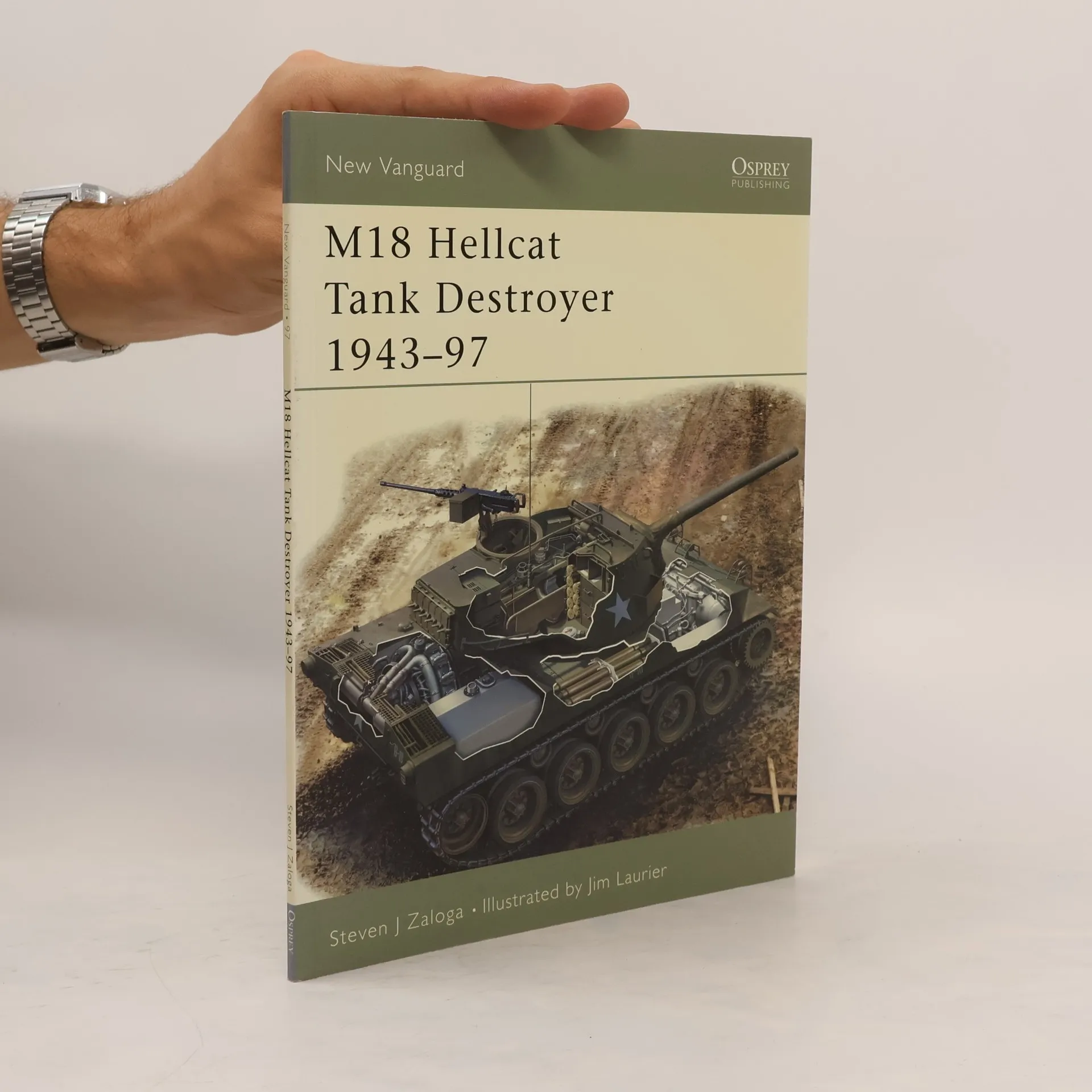
Developed for the US Army's Tank Destroyer Command, the M18 was the only tank
destroyer deployed during World War II that was actually based on their
requirements for speed and firepower. This book examines the need for such
requirements, as well as the performance of the M18 in battle. číst celé
The Allies' M10 Tank Destroyer and the Germans' Sturmgeschutz (StuG) lll were
the unsung workhorses of the northwest European battlefields of 1944-45. Fully
illustrated with specially commissioned artwork, this title tells the story of
their confrontation at the height of World War ll. číst celé
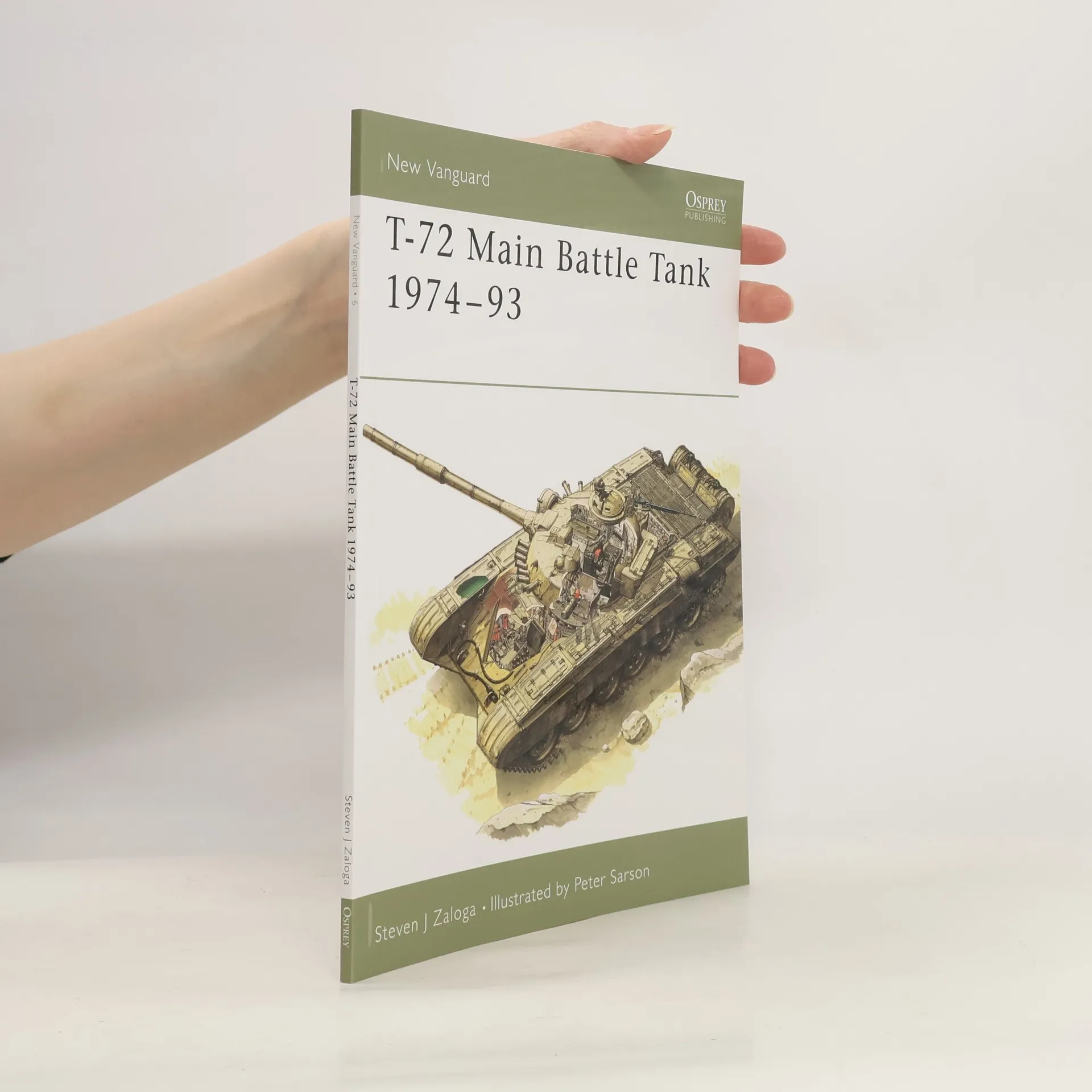
The Russian T-72 Ural tank is the most widely-deployed main battle tank of the current generation. Used by the armies of the former Warsaw pact and Soviet Union, it has also been exported in large numbers to many of the states in the Middle East. This book reveals the previously secret history behind the tank. Steven J Zaloga examines the conditions under which the T-72 was designed and produced. Technical aspects of the weapon are also discussed, including its EDZ reactive armour which, when it first appeared in December 1984, gave NATO a nasty shock.
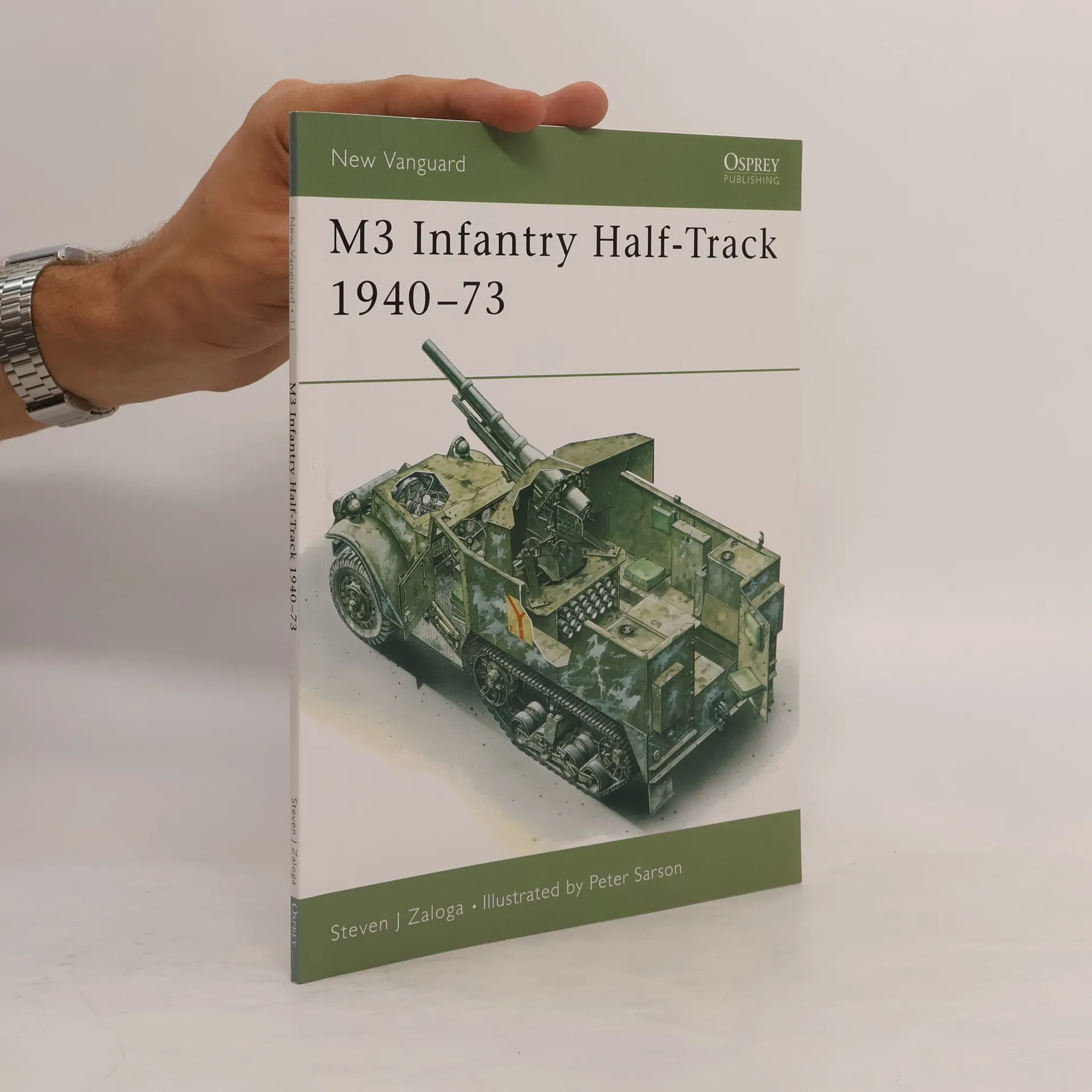
A history of the US M3 halftrack, one of the most successful infantry vehicles
in the history of armoured warfare, which came to symbolize the Allied armed
forces of World War II, which also saw service in the post-war era. The book
describes its development and combat history since the 1960s.
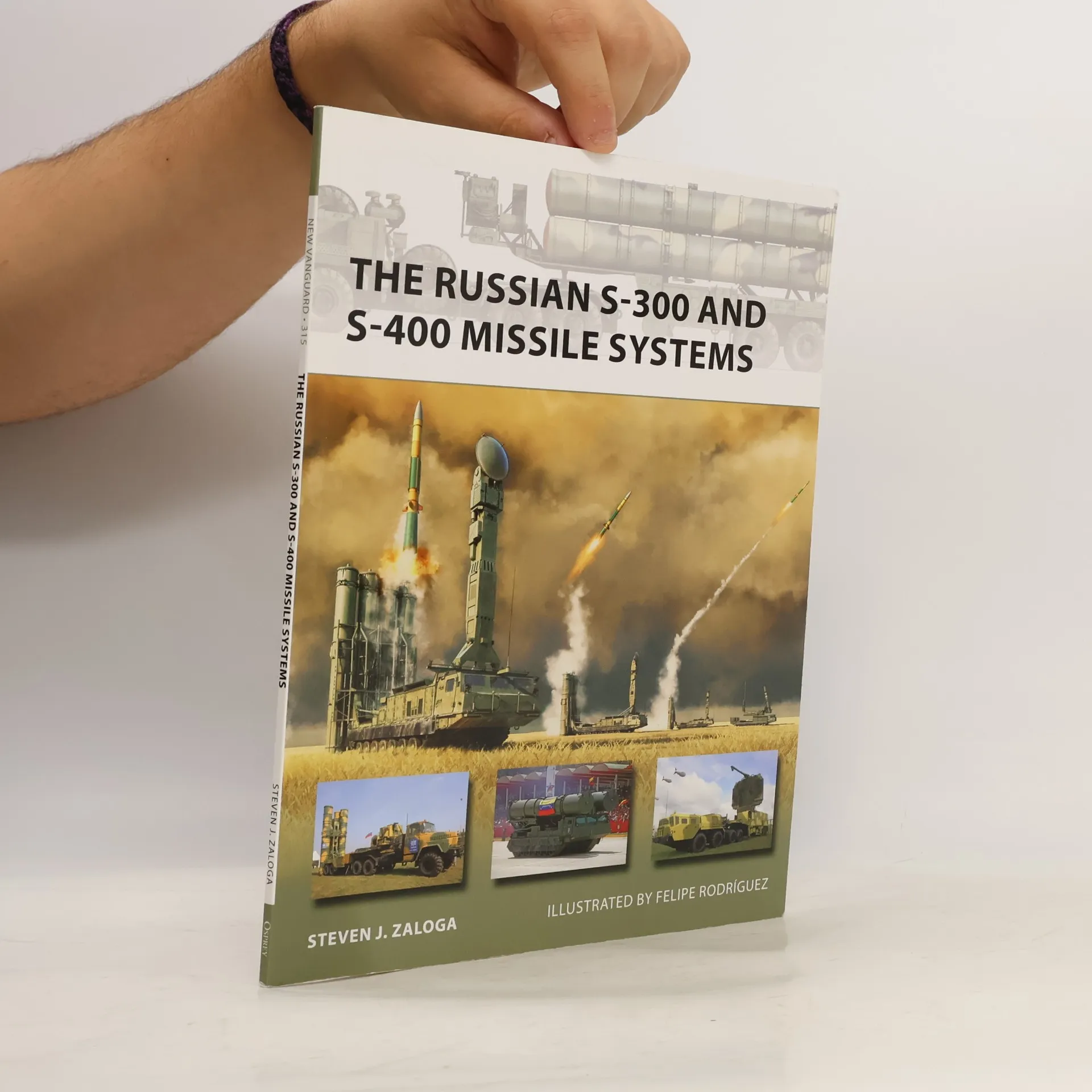
An expert account of the development, role, and capabilities of the S-300 and S-400 air defence missile systems, key strategic weapons in Putin's Russia. Few modern missile systems have had such significance as the S-300 family. Highly regarded technically, Russia's most powerful air-defense systems have been a major strategic asset to the country, exported to major powers around the world, and are a key weapon in many international hotspots and in recent wars. In this book, professional missile systems analyst Steve Zaloga uses his specialist knowledge to assess and analyse them in detail. He explains that the S-300 is, in fact, three systems: the S-300P, designed as a replacement for older Soviet strategic SAM systems, the S-300V, developed to defend against Pershing ballistic missiles, and the S-300F, designed for ship defense. He also considers the supplementary S-350 system and the new-generation S-400 system, deployed in Syria and sold to both China and Turkey. An assessment of the latest S-500 system, designed to counter ballistic missiles and hypersonic cruise missiles, is also provided. Packed with detailed colour artwork and new photos, this book explains the considerable evolution of the S-300 family, perhaps the world's most famous strategic SAM, over the last three decades.