Sofi Oksanenová vo svojich dielach často skúma prepojenie osobných osudov s historickými udalosťami, predovšetkým s pohnutou minulosťou Estónska. Jej písanie sa vyznačuje silným emocionálnym nábojom a prenikavým vhľadom do psychológie postáv, ktoré sa vyrovnávajú s traumou a stratou. Prostredníctvom literárneho spracovania sa snaží odhaliť zabudnuté kapitoly histórie a zdôrazniť ich dopad na súčasnosť. Autorka kombinuje pôsobivé rozprávanie s hlbokým porozumením ľudskej duši.
Román hovorí o strachu, zrade, hanbe, vine a potrebe očisty. Je to aj román o žene, ktorá sa zo strachu pred násilím, zakúseným na vlastnej koži, ktoré už nechce zažiť, vydá za komunistického funkcionára a hoci by tomu mohla zabrániť, dopustí, aby jej sestru s malou dcérkou odviezli na Sibír. Okrem strachu sú jej pohnútkami city k švagrovi, nepriateľovi štátu, ktorého schováva a chce mať iba pre seba. Neskôr, v starobe, keď sa tieto svoje skutky snaží v pamäti zatlačiť do úzadia, príde - akoby z minulosti - vnučka jej sestry prenasledovaná ruskými pasákmi, ktorí ju nútili k prostitúcii.
Mrazivý esej, v němž autorka ukazuje, jak Rusko na Ukrajině opakuje svůj starý návod – ten, který poprvé použila Kateřina Veliká na Krymu v roce 1783, a znovu – ovšem ve větším a krvavějším měřítku – Sovětský svaz za Stalinovy éry. Rusko se nikdy nevyrovnalo se svou imperialistickouminulostí. Místo toho se Kreml soustředil na vytváření nepřátel, které využívá k vytváření základů pro sexuální násilí, jež používá ve válkách, a k dehumanizaci těch, kteří se stali oběťmi porušování lidských práv. Pokrok v oblasti rovnosti žen a mužů v Putinově Rusku upadá. Rusko umlčuje ženy, používá znásilnění jako zbraň a své oběti ponižuje v médiích a vyhrožuje jim dalším sexuálním násilím.
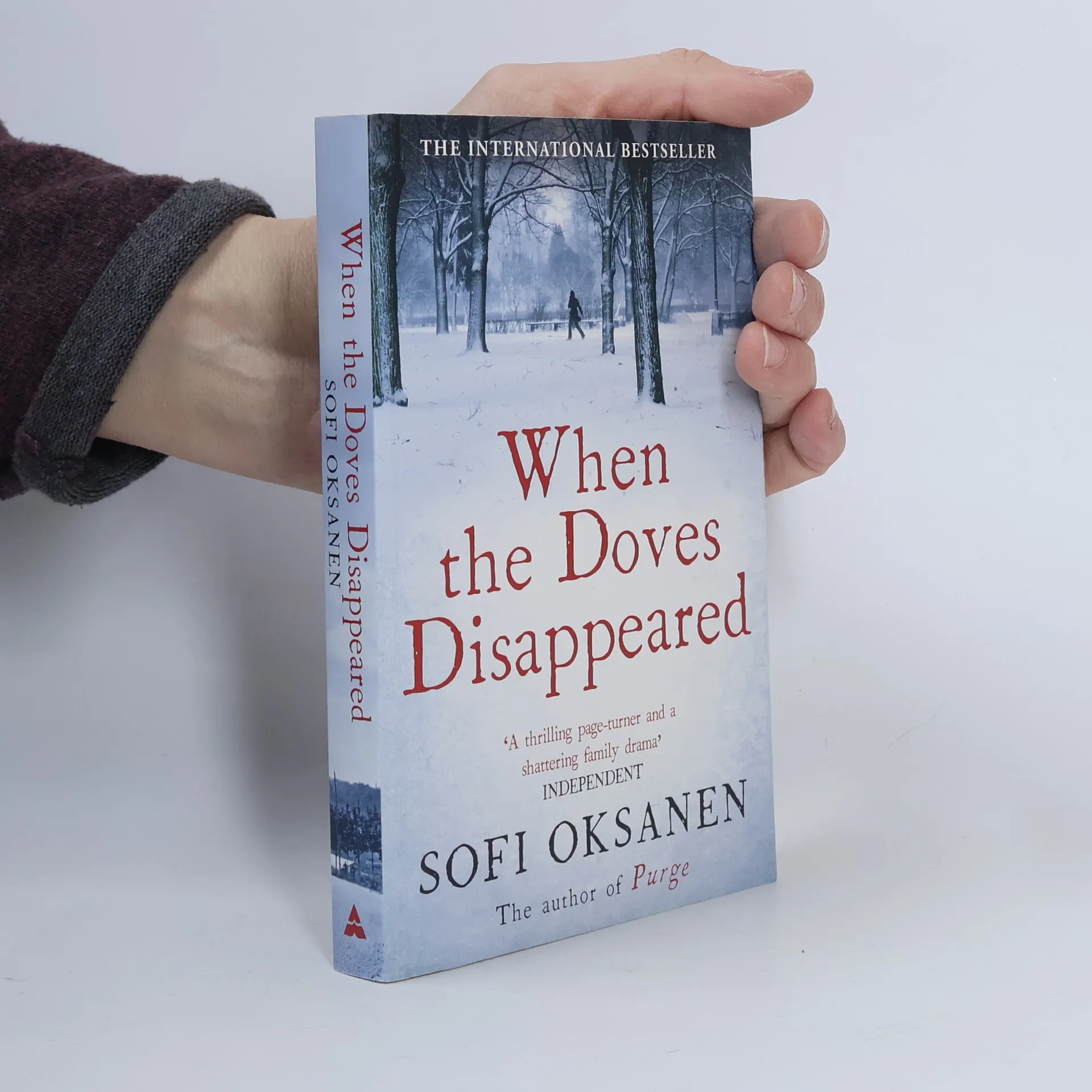
"1941: In Communist-ruled, war-ravaged Estonia, two men have deserted the Red Army - Roland, a fiercely principled freedom fighter, and his slippery cousin Edgar. When the Germans arrive, Roland goes into hiding; Edgar abandons his unhappy wife, Juudit, and takes on a new identity as a loyal supporter of the Nazi regime...1963: Estonia is again under Communist control, independence even further out of reach behind the Iron Curtain. Edgar is now a Soviet apparatchik, desperate to hide the secrets of his past life and stay close to those in power. But his fate remains entangled with Roland's, and with Juudit, who may hold the key to uncovering the truth...In a masterfully told story that moves between the tumult of these two brutally repressive eras - a story of surveillance, deception, passion, and betrayal - Sofi Oksanen brings to life both the frailty, and the resilience, of humanity under the shadow of tyranny."
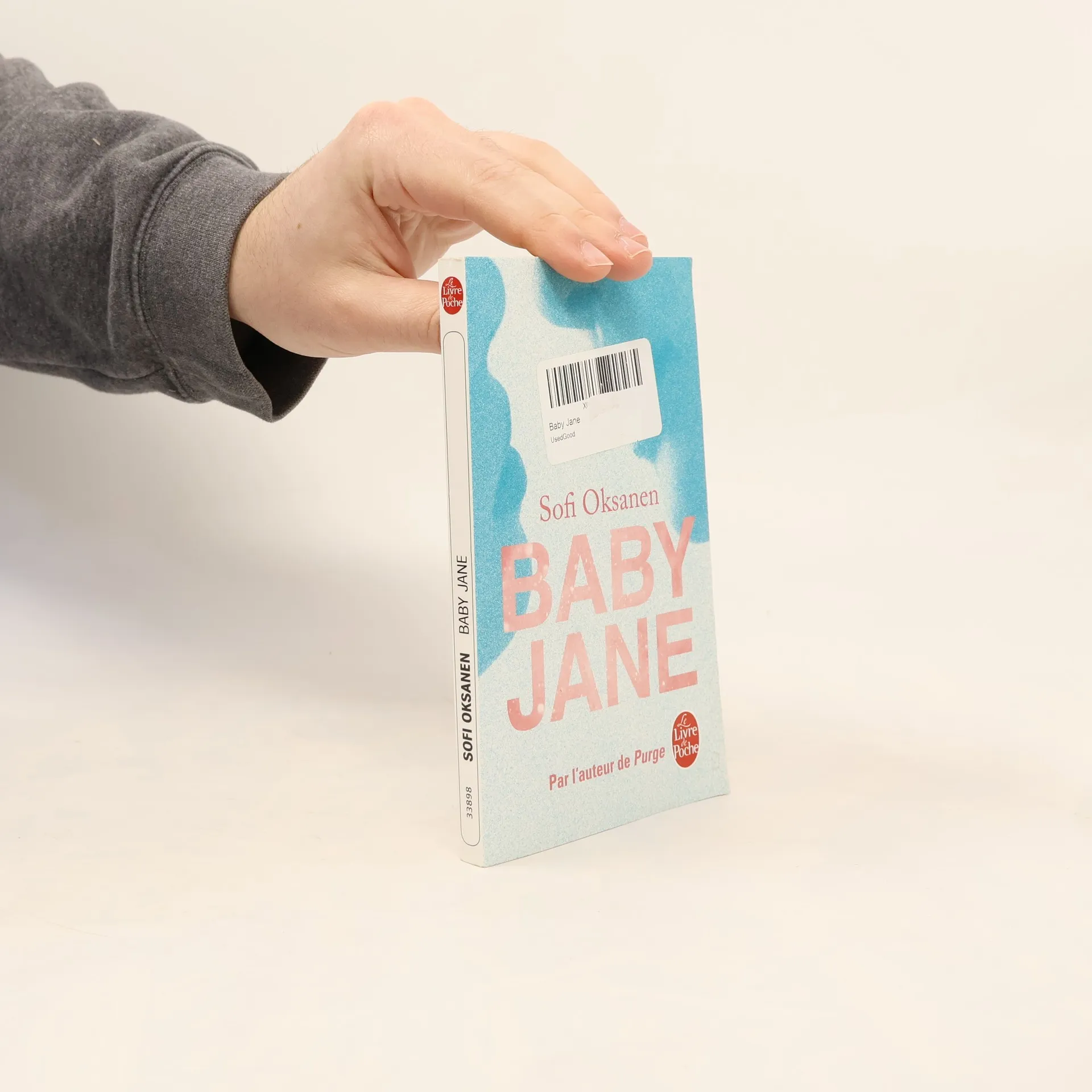
Qu'est-il arrivé à Piki, la fille la plus cool d'Helsinki, qui vit désormais recluse dans son appartement ? Submergée par de terribles crises d'angoisse, elle ne parvient plus à faire face au quotidien. Sans compter les problèmes financiers. Comment gagner sa vie lorsqu'on refuse d'interagir avec le monde ? La narratrice, son grand amour, tente de l’aider comme elle peut. Ensemble, elles vont monter une entreprise d'un goût douteux pour exploiter la faiblesse des hommes. Au mépris d’elle-même, elle va essayer de sauver Piki.
From a major internationally acclaimed writer - author of Purge - comes a ferociously plotted novel of intrigue, betrayal, and murder in the global fertility market.
From the internationally best-selling author of Purge and When the Doves
Disappeared, a spellbinding new novel set in present-day Helsinki, about a
young woman with a fantastical secret who is trying to solve the mystery of
her mother's death. When Anita Naakka jumps in front of an oncoming train, her
daughter, Norma, is left alone with the secret they have spent their lives
hiding: Norma has supernatural hair, sensitive to the slightest changes in her
mood--and the moods of those around her--moving of its own accord,
corkscrewing when danger is near. And so it is her hair that alerts her, while
she talks with a strange man at her mother's funeral, that her mother may not
have taken her own life. Setting out to reconstruct Anita's final months--
sifting through puzzling cell phone records, bank statements, video files--
Norma begins to realize that her mother knew more about her hair's powers than
she let on: a sinister truth beyond Norma's imagining. As Sofi Oksanen leads
us ever more deeply into Norma's world, weaving together past and present, she
gives us a dark family drama that is a searing portrait of both the
exploitation of women's bodies and the extremes to which people will go for
the sake of beauty.
The book offers a compelling analysis of Vladimir Putin's war on women, highlighting how sexual violence has been systematically weaponized throughout modern Russian history. It combines journalistic integrity with a feminist call to action, revealing the political motivations behind this strategy and its implications for women's rights and societal power dynamics in Russia. Through this lens, the author critiques the intersection of gender and politics in a regime that seeks to maintain control through oppression.
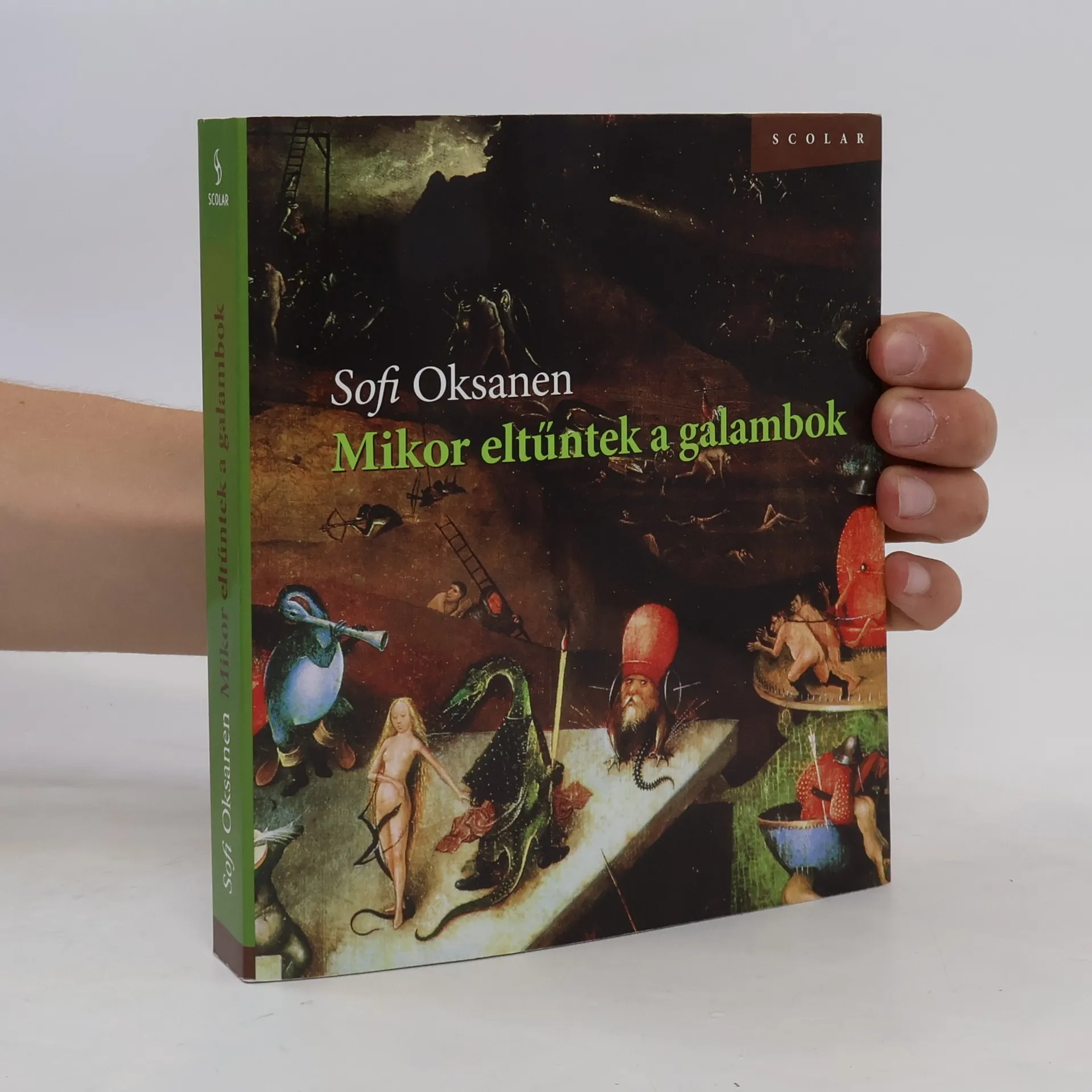
Lebilincselő és kivételesen bátor hangú „nagyregény” Észtország II. világháború alatti és utáni megszállásáról, az ellenállásról, a kollaborációról, a szerelemről és egy tragikus házasságról. A Baltikumban járunk, de a sodró lendületű történet játszódhatna bárhol a keleti tömb országaiban, ahol a történelem tapinthatóbban gázolt bele az emberek életébe, mint a Föld más szegleteiben. A regényben három szereplő életét követhetjük nyomon: Roland – az ideákat kergető, hazája függetlenségéért küzdő szabadságharcos; unokatestvére, Edgar – aki mindent elkövet azért, hogy elrejtse életének sötét oldalát és még sötétebb titkait, s megkaparintson magának legalább egy kis szeletet a hatalomból; és Edgar felesége, Juudit – akit házasságának szégyene és a reménytelen boldogtalanság köt béklyóba. E három ember sorsa örökre egybefonódik, nemcsak a rokoni kapcsolatok okán, hanem az olykor kusza érzelmek, szenvedélyek, s a megannyi rejtély és bűn miatt is. Oksanen a csak az igazán nagy írókat jellemző kivételes tehetség birtokosa. Művében fontos kérdéseket tesz fel, alaposan körüljárja ezeket, s a feldolgozásnál képes végig fenntartani a feszültséget. Nem bicsaklik meg a történetvezetése, a szálak összesodrása tökéletes, és okosan, átgondoltan, egy nyomozó logikájával illeszti össze a történelem és a magánélet töredezett darabkáit, míg végül összeáll a kép. S teszi mindezt úgy, hogy az utolsó lapokra is tartogat meglepetéseket – de a kulcsot már az olvasó illeszti a zárba. A történelmet, a politikát, a magántörténelmet és a fikciót egybeolvasztó, mesterien felépített regény több szálon futó cselekménye több idősíkon játszódik: hol a németek megszállta Észtország adja a hátteret a második világháború éveiben, hol ugyanaz az észt vidék, ám a szovjet megszállás alatt, a’60-as években, az ügynökök és Janus-arcú besúgók szőtte hálók közepette. A Mikor eltűntek a galambok Sofi Oksanen Észtország közelmúltját tárgyaló tetralógiájának harmadik része. A sorozat korábbi kötetei magyarul Sztálin tehenei és Tisztogatás címmel jelentek meg.