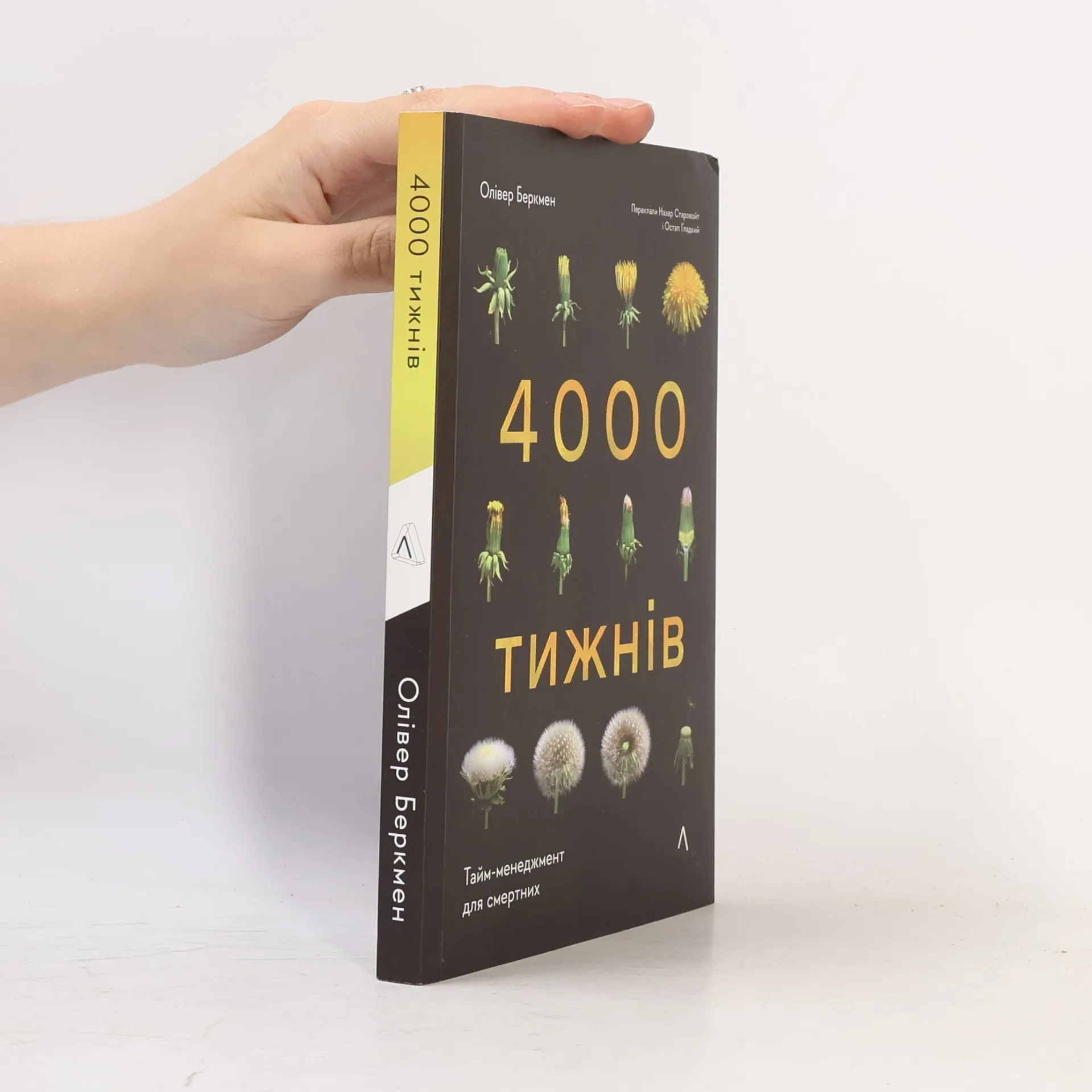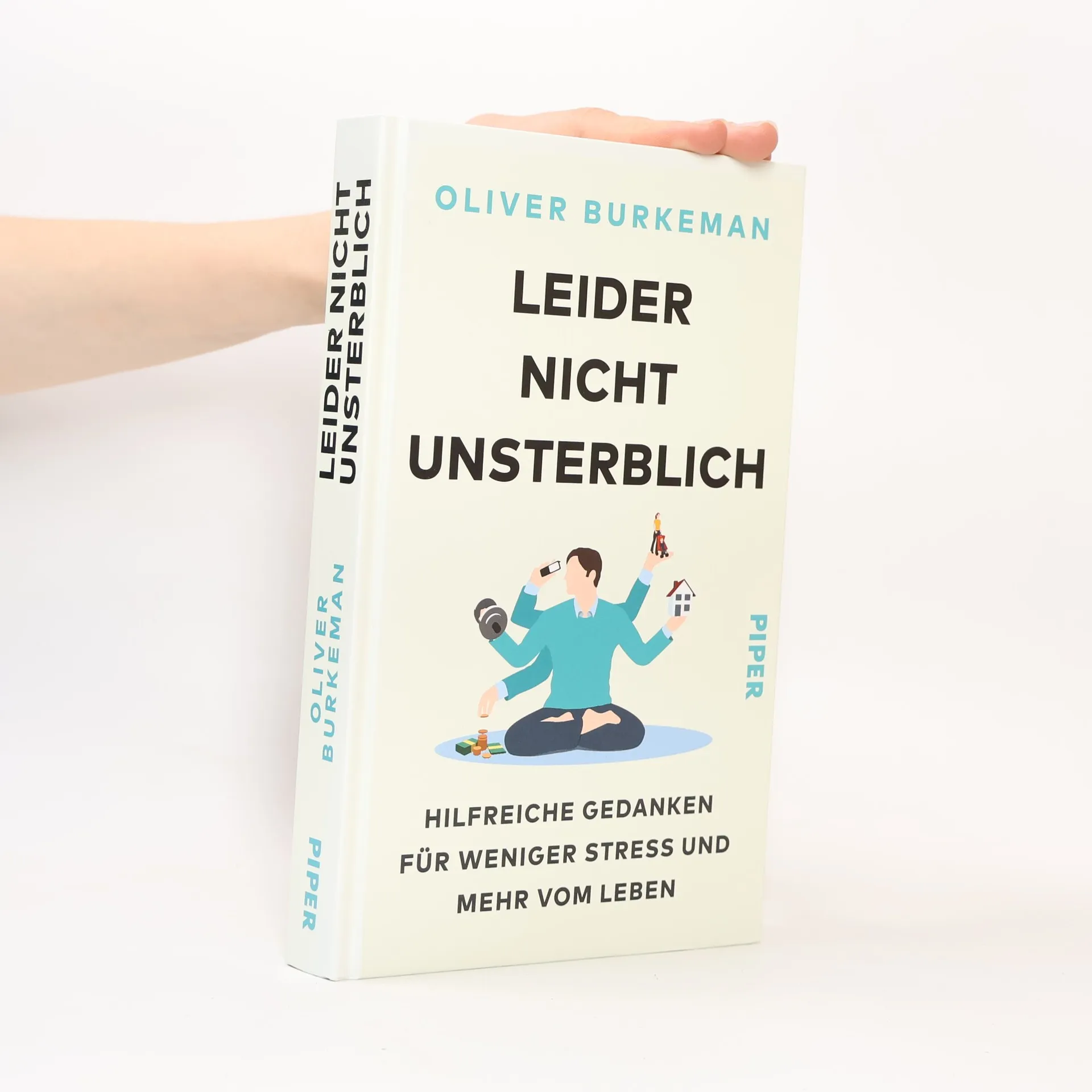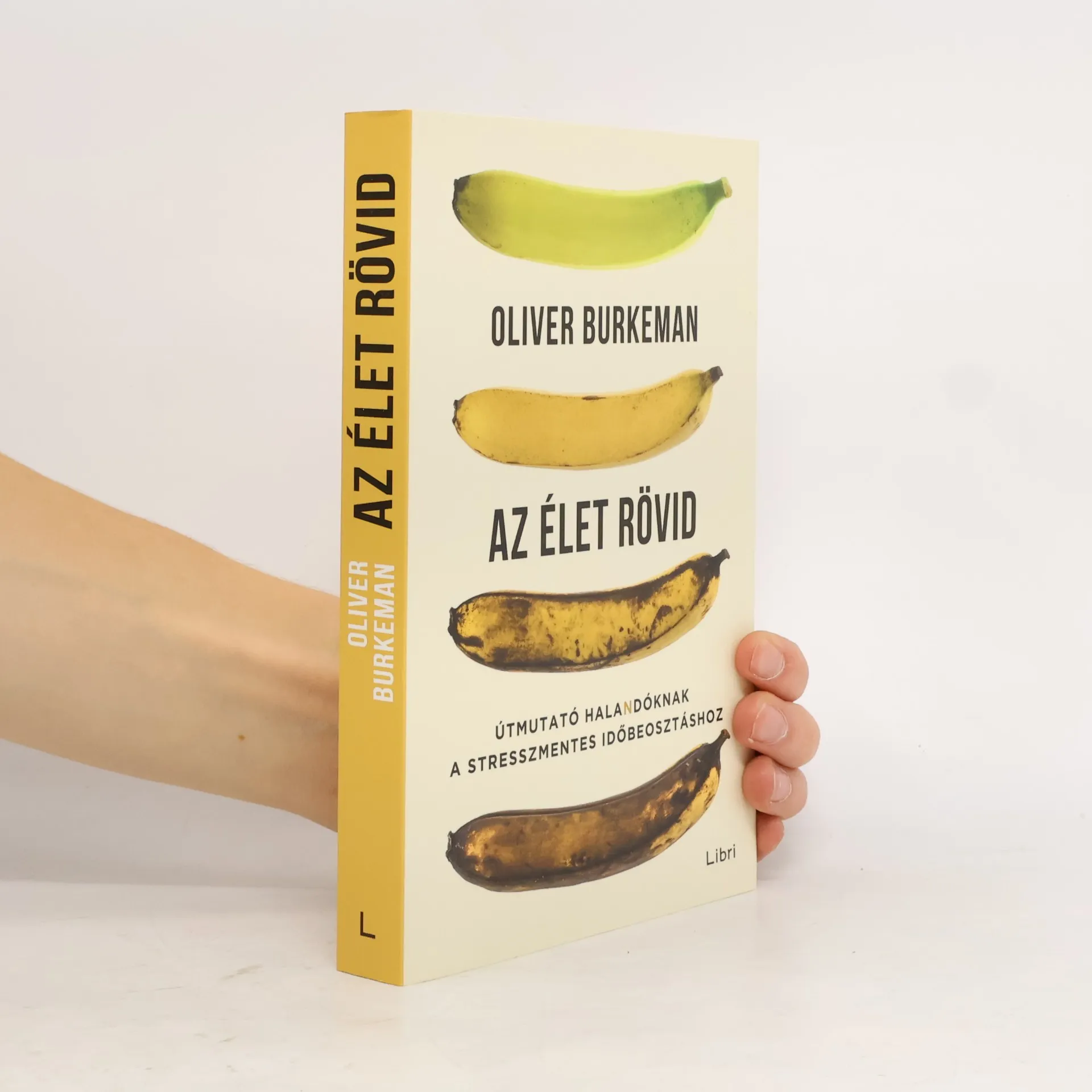
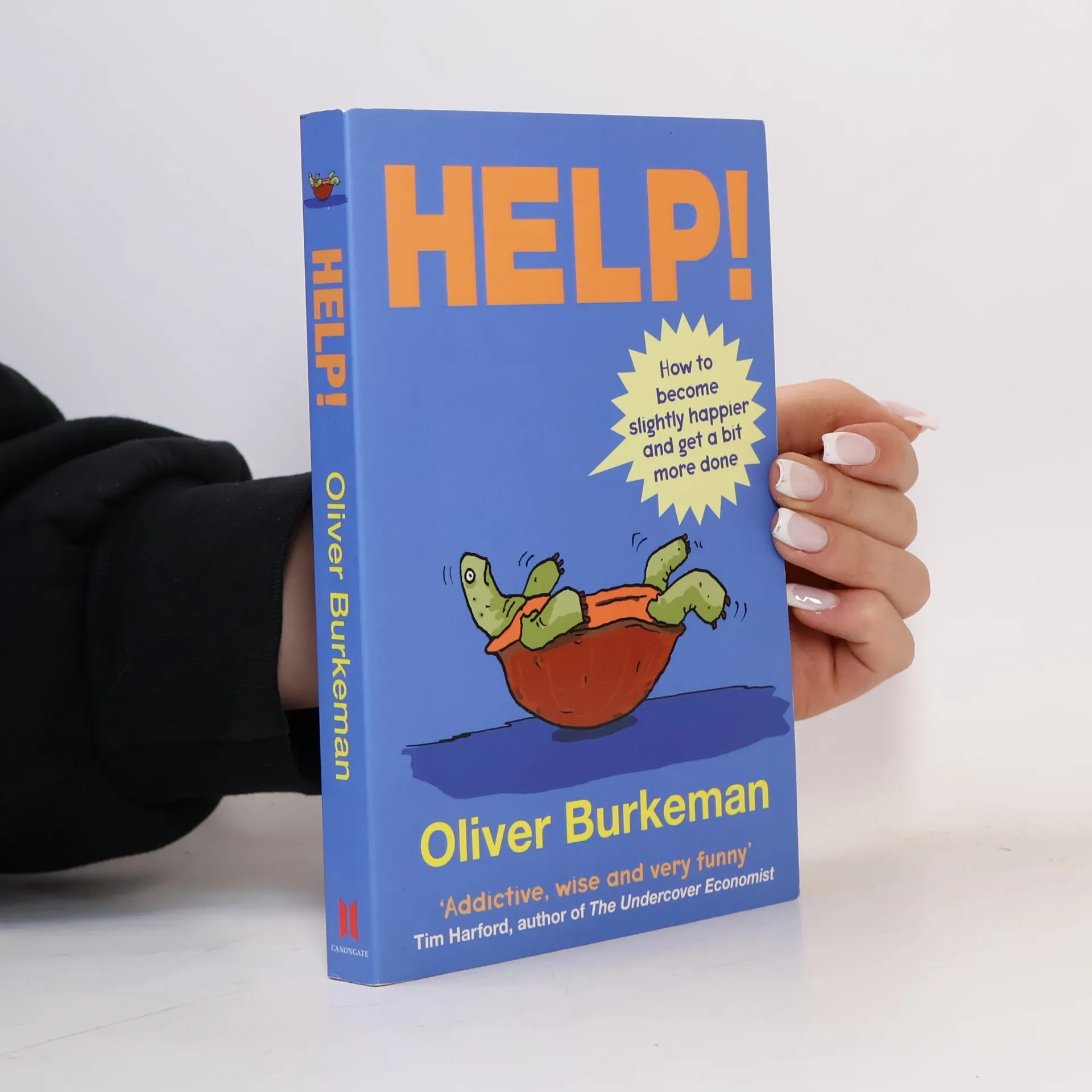
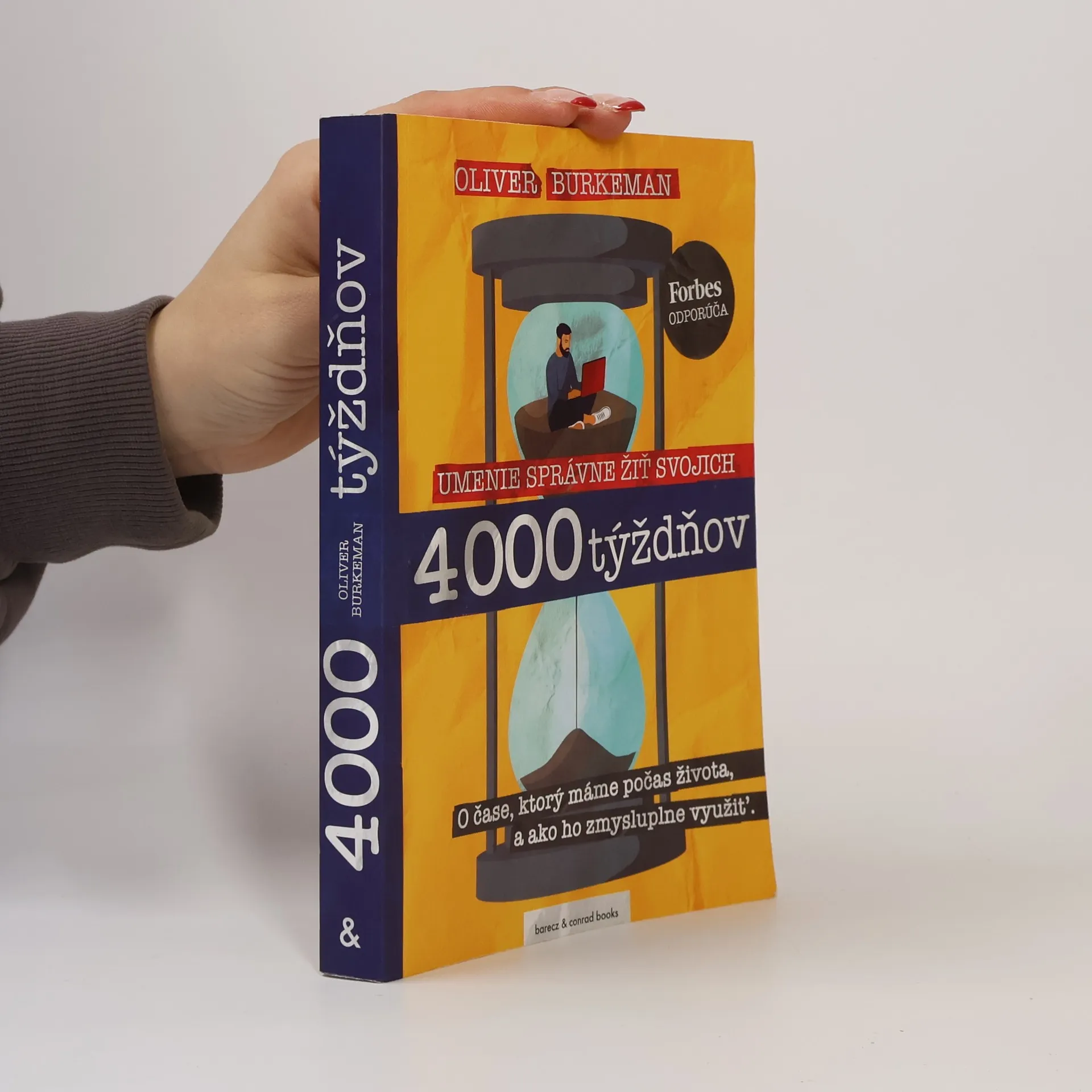
4000 týždňov
- 258 stránok
- 10 hodin čítania
Oliver Burkeman je britský spisovateľ a novinár, ktorý predtým písal týždenný stĺpček Tento stĺpec zmení váš život pre noviny The Guardian. V roku 2021 vydal knihu Four Thousand Weeks: Time Management for Mortals, svojpomocnú knihu o filozofii a...


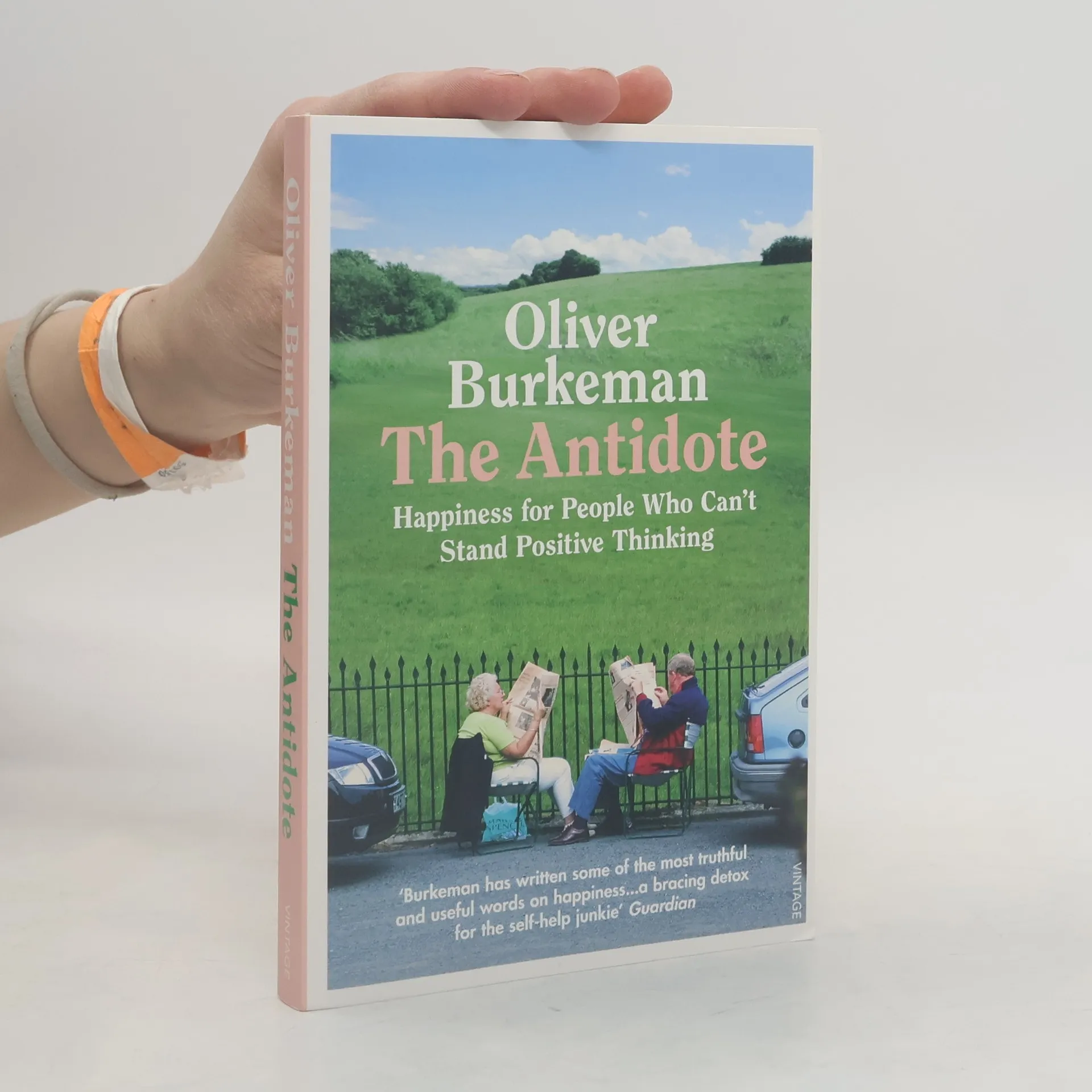
Is our search for happiness futile? Or are we just going about it the wrong way? In this fascinating new book, Oliver Burkeman argues that 'positive thinking' and relentless optimism aren't the solution to the happiness dilemma, but part of the problem. And that there is, in fact, an alternative path to contentment and success that involves embracing the things we spend our lives trying to avoid - uncertainty, insecurity, pessimism and failure. Thought-provoking, counter-intuitive and ultimately uplifting, "The Antidote" is a celebration of the power of negative thinking
Na světě pobudeme sotva čtyři tisíce týdnů. Musíme toho v nich stihnout spoustu a všechno zaráz: Vyřešit další pohromu v práci. Najít si lepší práci. Užít si krátký čas s dětmi, a přitom toho kolem nich tolik obstarat. Pravidelně sportovat. Hodně číst. Chodit brzo spát... Říkáte si, že to prostě nejde zkombinovat? Máte pravdu! Oliver Burkeman vás odnaučí vyhlížet vysněný dostatek času a ukáže vám, jak zažívat radost i ve dnech, kdy se na vás všechno sype. Jeho kniha je plná originálních postřehů z klasické literatury i psychologických výzkumů. A především ji napsal s pochopením pro smrtelníky, kteří se snaží smířit s tím, že nemůžou stihnout všechno. V knize se mimo jiné dozvíte: - Proč je zhoubné přemýšlet o čase jako o zdroji, který musíme využít naplno. - Že snaha o co nejvyšší efektivitu je zdrojem úzkostí, ne jejich řešením. - Jak a kdy pohnout s životními sny a plány, které kvůli povinnostem dokola odkládáte. - Které koníčky vám přinesou skutečný odpočinek a které jen další stresující seznamy úkolů. - Že není ostuda přiznat si porážku a některé věci prostě vzdát. - Jak někdy nedělat nic – a netrápit se kvůli tomu.
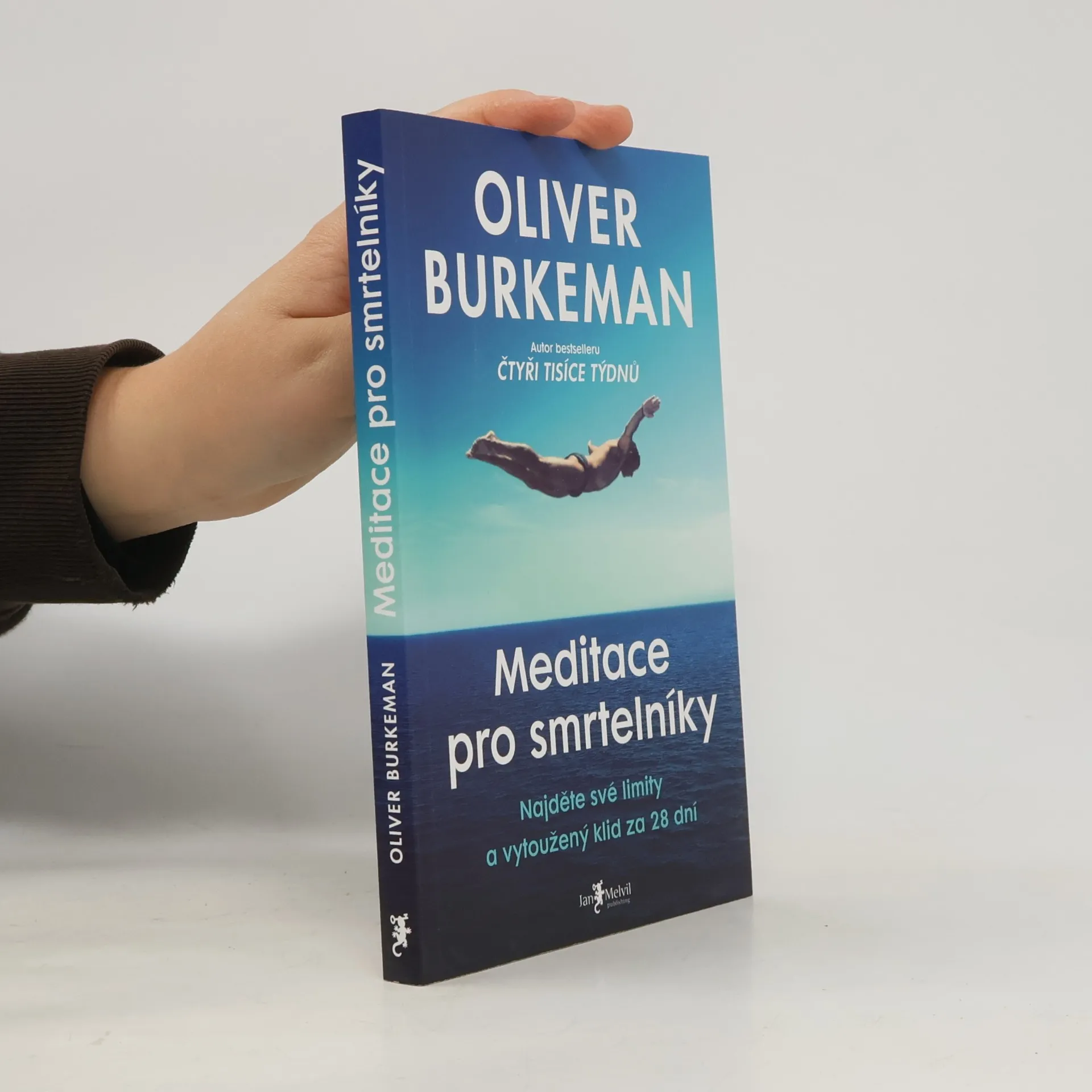
OPRAVDU VĚŘÍTE, ŽE JEDNOU PŘIJDE DEN, KDY BUDETE MÍT VŠECHNO POD KONTROLOU? Oliver Burkeman má pro vás jasnou zprávu: takovy den nikdy nenastane. A nabízí filozofii imperfekcionismu, ve které náš omezeny čas, neurčitá budoucnost a nekonečny seznam úkolů nejsou problémy k vyřešení, ale prostá realita. I v ní však může vzkvétat smysl, klid a radost – právě tehdy, když se realitu nesnažíme marně podmanit. S charakteristickym humorem a intelektuální přesností Burkeman odhaluje, jak se posedlost produktivitou stala náhradní vírou moderního člověka a jak se z ní vyléčit. V knize vás provede cestou od přijetí vlastní konečnosti přes odhodlání k nedokonalému konání až po plnější prožívání přítomnosti. Každá z osmadvaceti kapitol nabízí změnu perspektivy i prakticky krok, ktery můžete ihned vyzkoušet. V KNIZE SE MIMO JINÉ DOZVÍTE: - Přijetí lidské konečnosti a limitů není selhání, ale klíč ke svobodě. - Svůj seznam úkolů berte jako menu v restauraci – není třeba vybrat si všechno, jen to nejdůležitější. - Život bez jakychkoli problémů by nebyl ideál, ale nuda bez růstu. - Osvojte si „nedbalou pohostinnost“ a prohlubujte vztahy bez přetvářky. - Smířit se se svymi limity neznamená spokojit se v životě s málem. Naopak. „Tohle je ono. Ne zítra. Ne po dosažení cílů. Ne až budeš jiny. Ale tady a teď.“
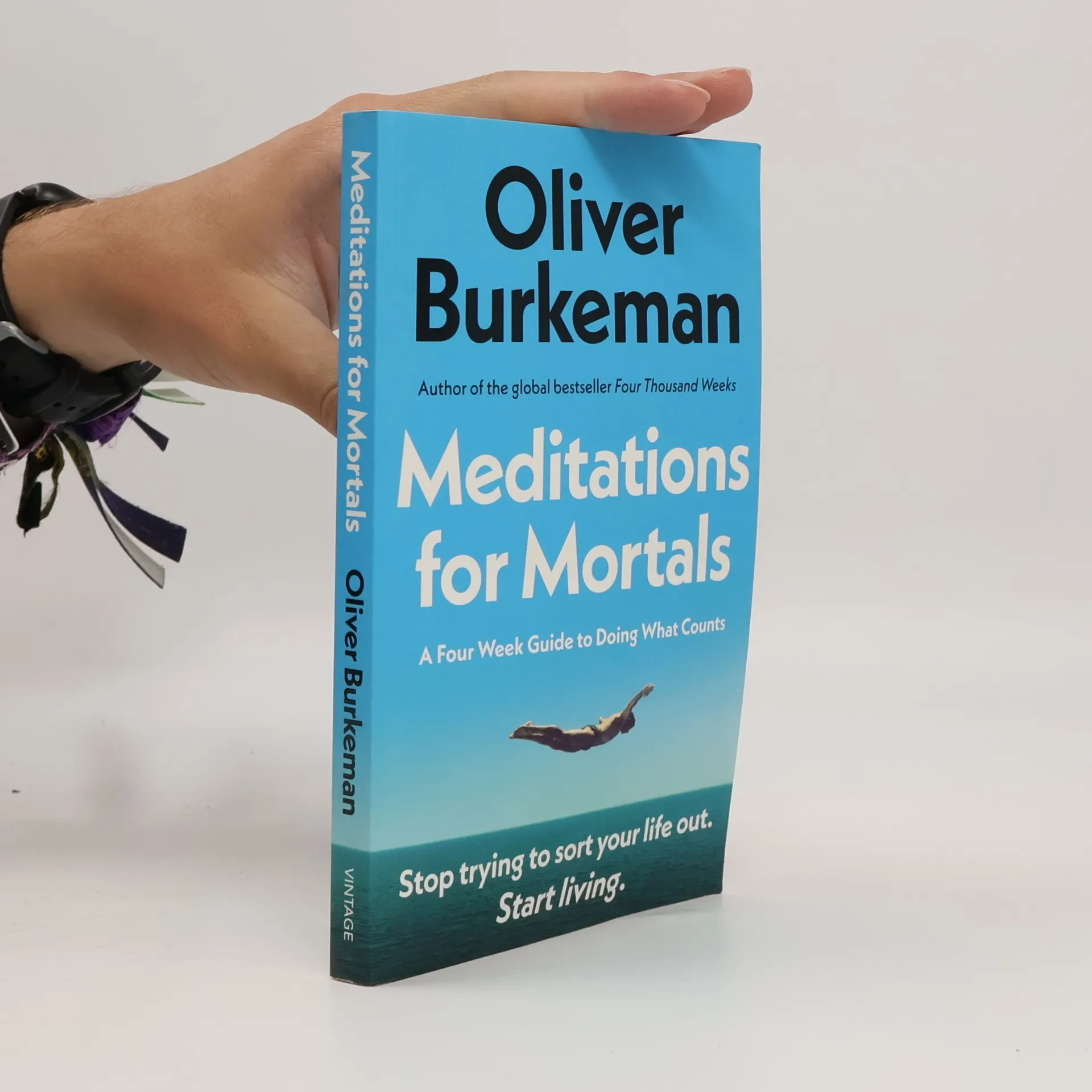
Four weeks to embrace your limitations and make time for what counts
This book presents a transformative approach to living a meaningful life by embracing imperfection and reality rather than chasing idealized fantasies. Structured as a four-week mental retreat, it provides daily insights and inspiration to foster a more fulfilling existence. Oliver Burkeman explores fundamental life questions through the lens of philosophy, psychology, and self-help, challenging conventional productivity notions. The result is a refreshing guide that encourages readers to accept their limitations and find deeper satisfaction in everyday life.
"The average human lifespan is absurdly, outrageously, insultingly brief: if you live to 80, you have about four thousand weeks on earth. How should we use them best? Of course, nobody needs telling that there isn't enough time. We're obsessed by our lengthening to-do lists, our overfilled inboxes, the struggle against distraction, and the sense that our attention spans are shrivelling. Yet we rarely make the conscious connection that these problems only trouble us in the first place thanks to the ultimate time-management problem: the challenge of how best to use our four thousand weeks. Four Thousand Weeks is an uplifting, engrossing and deeply realistic exploration of this problem that draws on philosophy, literature and psychology to cover the past, present and future of our battles with time. It goes far beyond practical tips, and its many revelations will transform the reader's worldview. Drawing on the insights of ancient philosophers, Benedictine monks, artists and authors, Scandinavian social reformers, renegade Buddhist technologists and many others, Oliver Burkeman sets out to realign our relationship with time - and in doing so, to liberate us from its grasp." -- Provided by publisher
How do you solve the problem of human happiness? It's a subject that has occupied some of history's greatest thinkers, from Aristotle to Paul McKenna. But how do we sort the good ideas from the bad ones? In the last five years Oliver Burkeman has travelled to some of the strangest corners of the 'happiness industry' to find out.
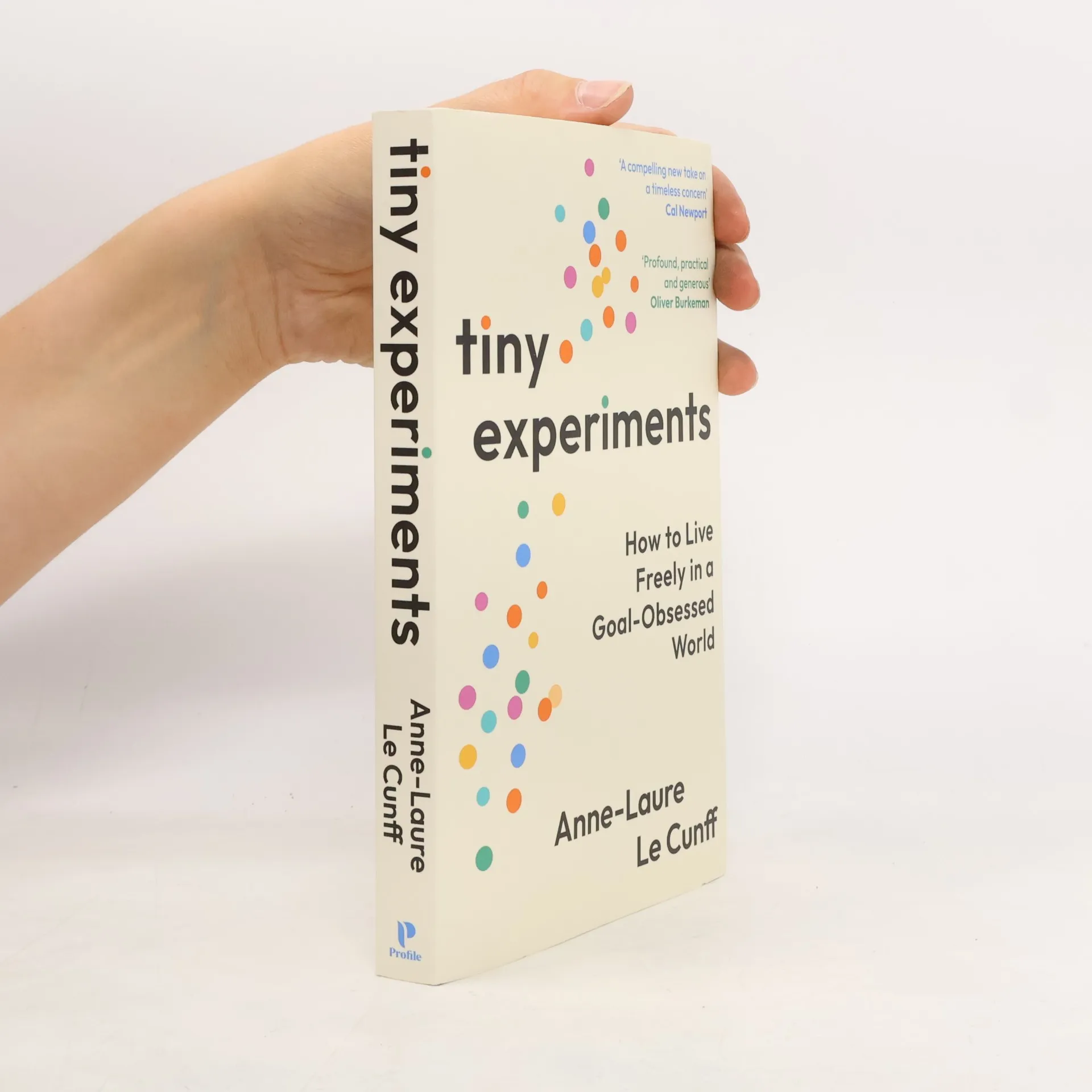
'A compelling new take on a timeless concern' CAL NEWPORT'I loved this profound, practical and generous book' OLIVER BURKEMAN'A paradigm-shifting exploration of how to apply the techniques of science to modern life' TIAGO FORTE'One of the best productivity books that I've read' RYDER CARROLLWe're told productivity is all about single-minded focus, hard grind and big goals. Deviating from the linear path means failure. The problem: it's not true. In this transformative book, neuroscientist and entrepreneur Anne-Laure Le Cunff reveals the easier, proven method to achieve our ambitions: an experimental mindset. Ditching out-dated notions of chasing success, she demonstrates the joyful power of 'tiny experiments' in which goals are discovered, pursued and adapted on your own terms. Rooted in science and real-world success stories, Tiny Experiments is packed with tools to help you break free from limiting beliefs, harness the power of imperfection and apply your curiosity - to create a meaningful, productive life in an ever-changing world.
Stare bene con se stessi senza preoccuparsi della felicità
La nostra cultura è ossessionata dalla ricerca della felicità, spesso suggerendo che basti pensare positivo per allontanare la tristezza e l'insuccesso. Tuttavia, pochi vantaggi della vita sembrano realmente migliorare il nostro umore. La ricchezza non garantisce felicità, mentre amore, famiglia e lavoro possono portare sia gioia che stress. Ci chiediamo se siamo condannati a una ricerca infruttuosa o se affrontiamo la questione nel modo sbagliato. Potrebbe essere il nostro incessante sforzo di essere felici a renderci frustrati? Oliver Burkeman, giornalista ironico, sostiene che i tentativi di eliminare tutto ciò che è negativo – incertezza, fallimento, malinconia – ci rendono insicuri e infelici. Accettare l'insuccesso e considerare la morte può aiutarci a comprendere cosa significhi realmente felicità. Burkeman presenta un gruppo eterogeneo di esperti, dai psicologi ai filosofi, che condividono una sorprendente visione: il «pensiero positivo» non è la soluzione, ma parte del problema. Esiste una «via negativa» alla felicità e al successo, che implica accettare il fallimento, il pessimismo e l'insicurezza. Provocatorio e stimolante, il libro celebra il potere del pensiero negativo.