Bookbot

Freeman Dyson

    15. december 1923 – 28. február 2020

    Freeman Dyson bol fyzik a pedagóg, známy svojou špekulatívnou prácou o mimozemských civilizáciách a prínosom v oblasti kvantovej elektrodynamiky, fyziky pevných látok, astronómie a jadrového inžinierstva. Jeho teoretické koncepty, ako Dysonova transformácia, Dysonov strom, Dysonova séria a Dysonova guľa, nesú jeho meno. Dyson, syn hudobníka a skladateľa, študoval na University of Cambridge, kde si už ako tínedžer osvojil vášeň pre matematiku. Jeho záujem o teoretickú fyziku a kozmológiu sa prelína s víziou budúcnosti ľudstva medzi hviezdami.

    Die Sonne, das Genom und das Internet
    Een schitterend ongeluk
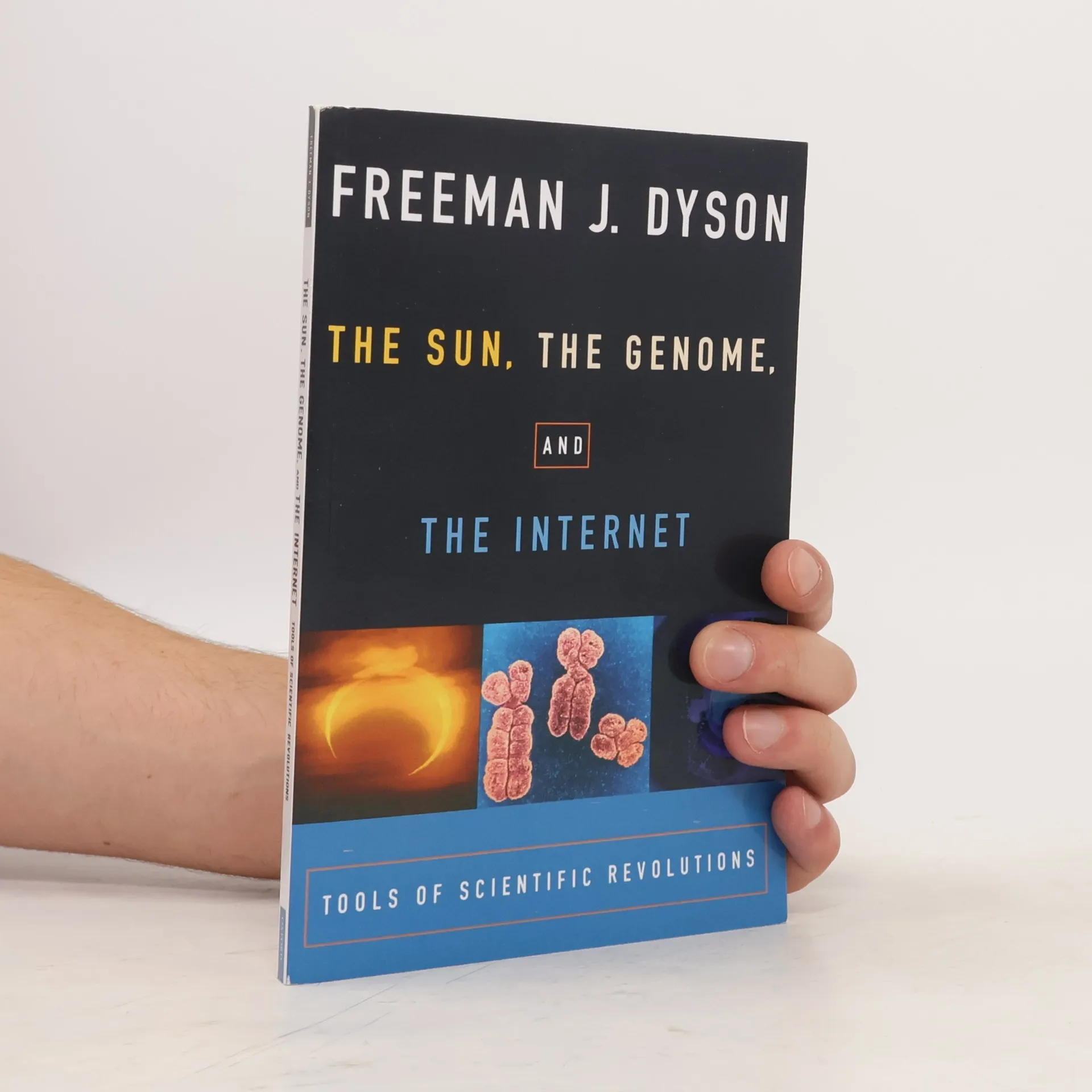
    The Sun, the Genome and the Internet
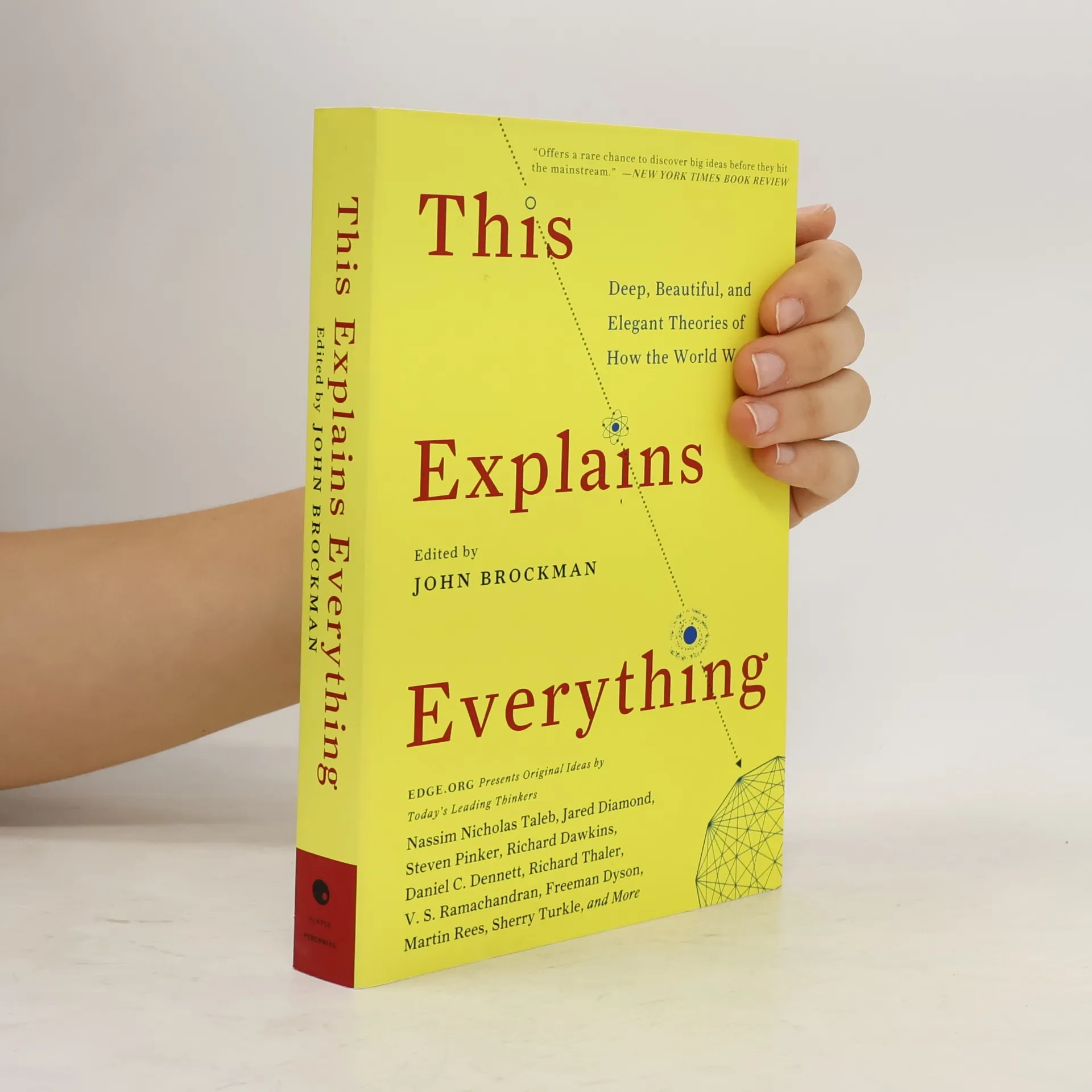
    The Scientist As Rebel
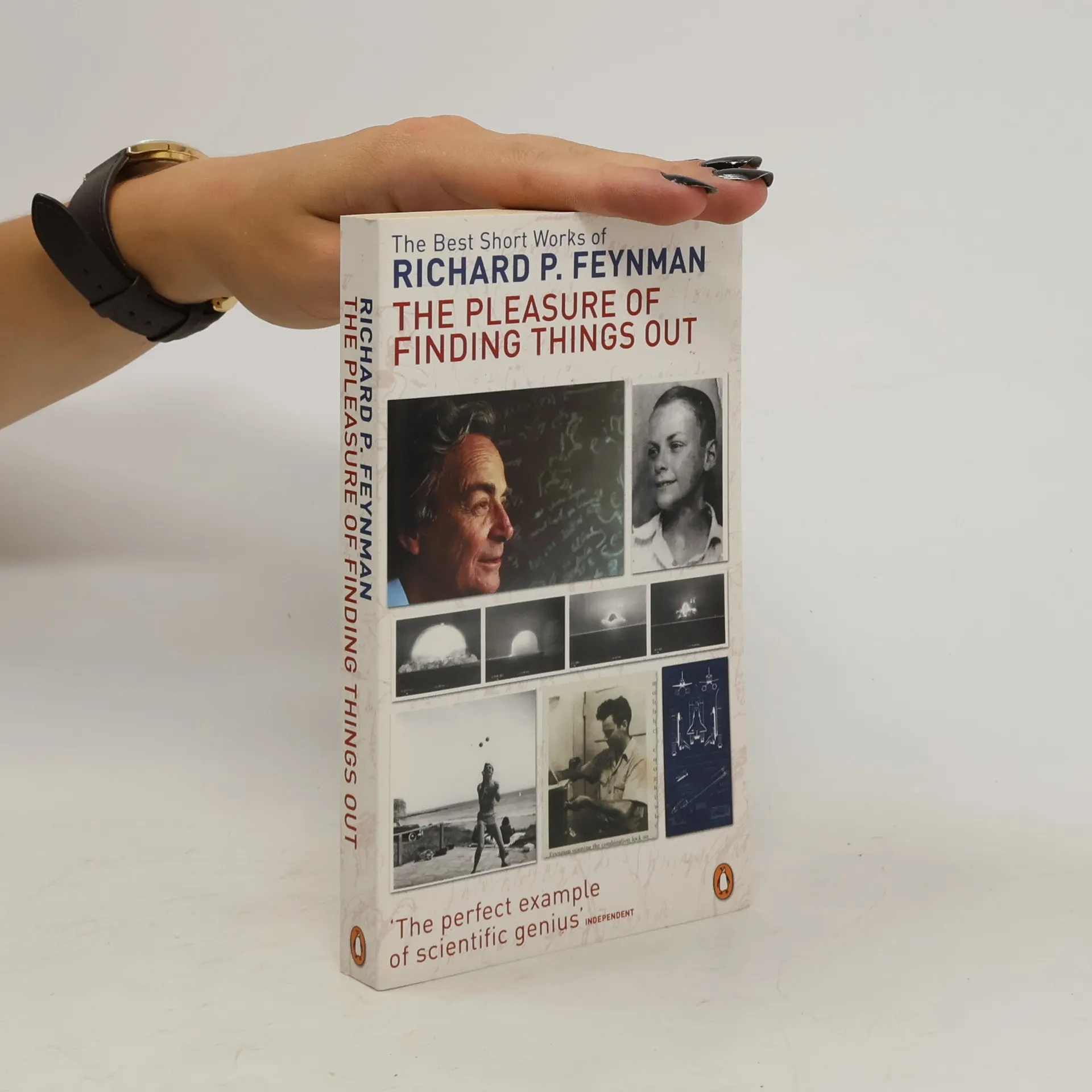
    Pleasure of Finding Things Out
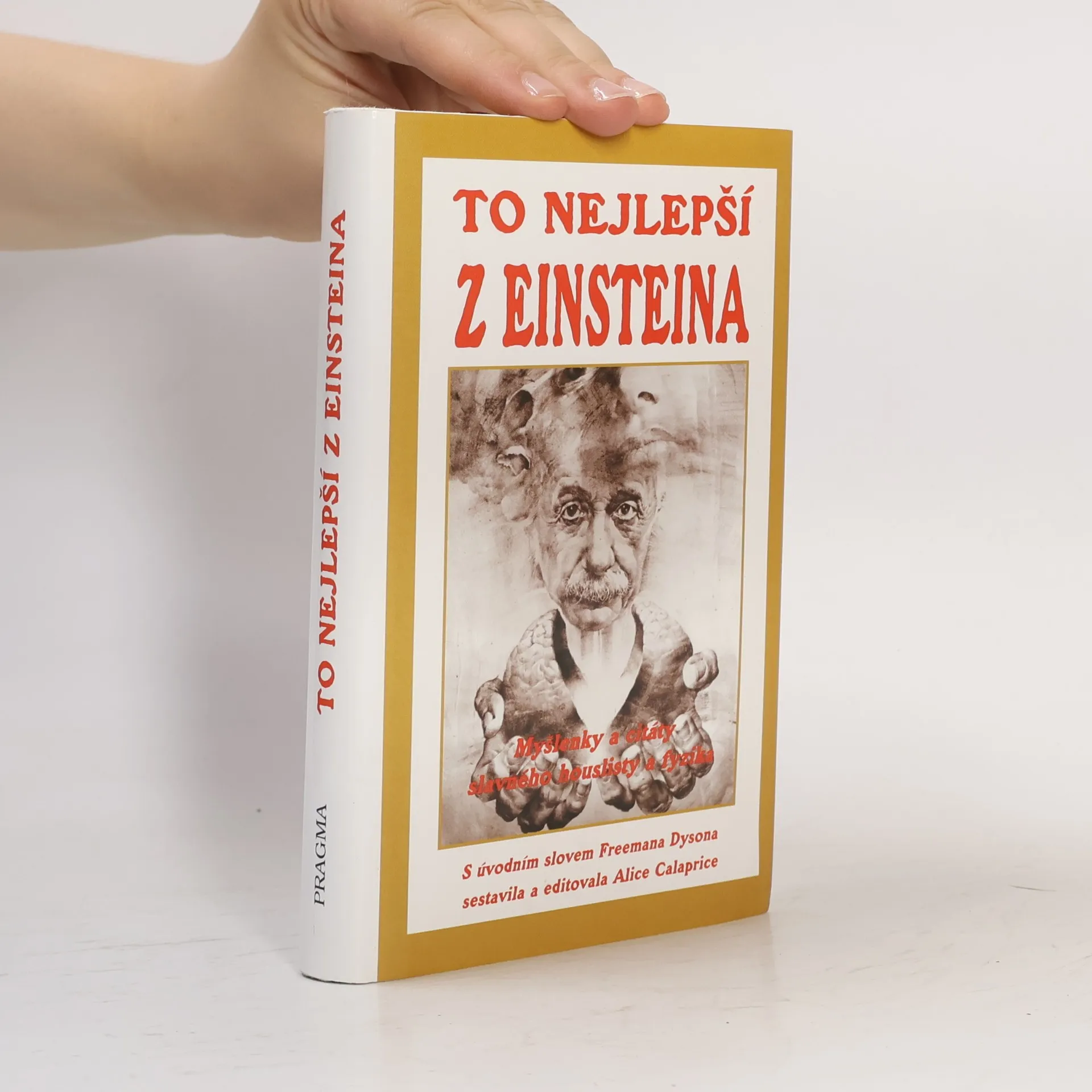
    To nejlepší z Einsteina. Myšlenky a citáty slavného houslisty a fyzika
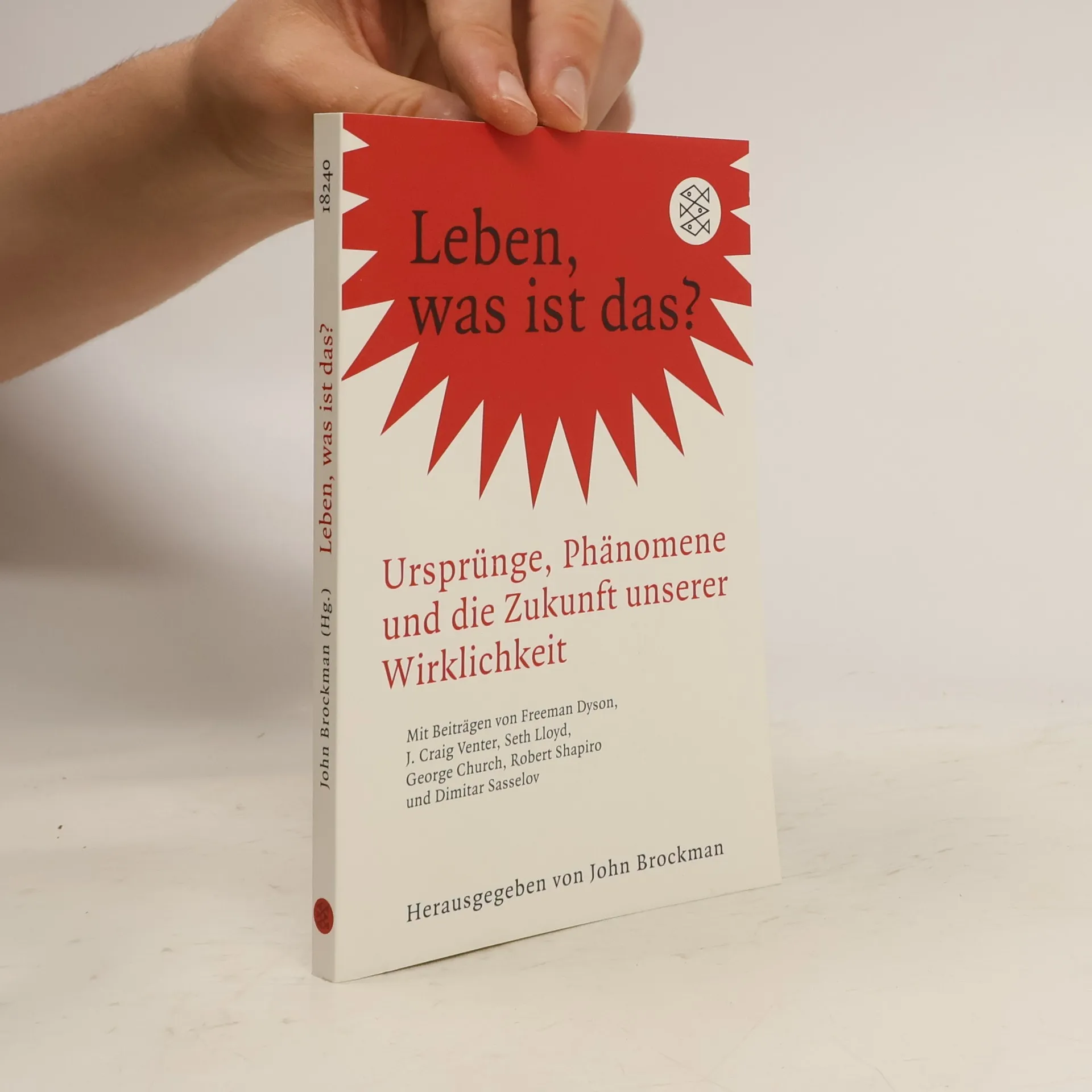
    • Leben, was ist das?

      Ursprünge, Phänomene und die Zukunft unserer Wirklichkeit

      Was ist der Ursprung, was ist die Zukunft des Lebens? Was bedeuten die neuesten biotechnischen Forschungen für unser bisheriges Konzept von Leben? Diese und andere Fragen beantworten sechs der führenden Wissenschaftler: der Physiker und Futurist Freeman Dyson, der Biochemiker J. Craig Venter, der Quantenforscher Seth Lloyd, der Molekulargenetiker George Church, der Chemiker Robert Shapiro und der Astrophysiker Dimitar Sasselov. Ein Meilenstein der Wissenschaftsgeschichte.

      Leben, was ist das?2009
      2,0
    • The Scientist As Rebel

      • 400 stránok
      • 14 hodin čítania

      Contemporary issues in science -- The scientist as rebel -- Can science be ethical? -- A modern heretic -- The future needs us -- What a world! -- Witness to a tragedy -- War and peace -- Bombs and potatoes -- Generals -- Russians -- Pacifists -- The race is over -- The force of reason -- The bitter end -- History of science and scientists -- Two kinds of history -- Edward Teller's Memoirs -- In praise of amateurs -- A new Newton -- Clockwork science -- The world on a string -- Oppenheimer as scientist, administrator, and poet -- Seeing the unseen -- The tragic tale of a genius -- Wise man -- Personal and philosophical essays -- The world, the flesh, and the devil -- Is God in the lab? -- This side idolatry -- One in a million -- Many worlds -- Religion from the outside

      The Scientist As Rebel2008
      4,0
    • The Sun, the Genome and the Internet

      Tools of Scientific Revolutions - New York Public Library Lectures in Humanities

      • 144 stránok
      • 6 hodin čítania

      In this visionary exploration, Freeman Dyson posits that technological advancements fundamentally reshape our ethical and social frameworks. He focuses on three rapidly evolving technologies—solar energy, genetic engineering, and global communication—that hold the potential to promote a more equitable distribution of wealth. Dyson challenges the notion that scientific revolutions are primarily driven by concepts, arguing instead that new tools often ignite scientific discovery. These tool-driven revolutions have significant social ramifications, illustrated by examples like the telescope's impact on the Medieval worldview and the rise of household appliances in the 1950s, which transformed domestic labor. Looking forward, Dyson suggests that solar energy, genetics, and the Internet will similarly revolutionize society. Solar power could provide electricity to the most impoverished and isolated regions, granting access to vast information and ending cultural isolation. Breakthroughs in genetics may enable healthier lives for future generations and more efficient crop production, revitalizing village cultures affected by the global market. With passionate conviction regarding the ethical applications of science, this work serves as both a profound reinterpretation of the scientific process and a call to harness new technologies to bridge the gap between the affluent and the disadvantaged.

      The Sun, the Genome and the Internet2000
    • Wie entstehen neue Forschungsprogramme und welche Rolle spielen technologische Innovationen dabei? Freeman J. Dyson untersucht diese Fragen in seinem Buch anhand von anschaulichen Beispielen aus Physik, Biologie, Astronomie und Technik. Der Leser erhält einen kompakten Überblick über die Dynamik naturwissenschaftlicher Forschungsprogramme und die entscheidende Antriebsfunktion technologischer Innovationen. Es wird deutlich, wie eng Technologien, Wissenschaften und gesellschaftliche Rahmenbedingungen miteinander verknüpft sind. Trotz ihrer Eigendynamik bleiben Technologien Instrumente, deren sinnvollen Einsatz wir verantworten müssen, ohne in Verteufelungen oder naive Erwartungen zu verfallen. Dyson hebt hervor, dass das Internet eine inhärente Tendenz zur Globalisierung hat und Barrieren von Sprache, Brauch und Kultur durchdringen kann. Die Schaffung gleicher Zugangsmöglichkeiten zum Internet ist technisch einfacher als die Gewährleistung von Wohnraum und medizinischer Versorgung. Während der allgemeine Zugang zum Internet nicht alle sozialen Probleme lösen wird, stellt er dennoch einen bedeutenden Schritt in die richtige Richtung dar und könnte ein wichtiges Werkzeug zur Minderung anderer Formen von Ungleichheit werden.

      Die Sonne, das Genom und das Internet2000
      4,0
    • This priceless collection of the best short works of rule-breaking genius Richard Feynman shows his passion for knowledge and sense of fun at their most infectious. The revealing, inspiring and hugely enjoyable pieces here span a lifetime of enthusiasm for discovering how the world works.

      Pleasure of Finding Things Out2000
      4,2
    • Tato sbírka přináší asi 550 citátů pronesených Einsteinem i týkajících se jeho osoby, které jsou poprvé shromážděny tématicky. Můžeme zde nalézt Einsteinovy myšlenky o Americčanech a Americe, o Němcích a o Německu, o Židech a sionismu, o válce a o míru, politice, víře, vědě i o osobnějších otázkách, jako jsou potraty, mládí a stáří, láska a manželství, hudba, domácí zvířata. Pro každého je zde něco, co ho potěší - i něco, co se ho dotkne. Čtenář objeví kapitoly věnované tomu, co Einstein řekl o jiných lidech, co řekli druzí o něm, dále obsahují biografické údaje a současný rodokmen, kde se objevují už i Einsteinova pravnoučata, odpovědi na nečastější otázky o Einsteinovi a vybranou bibliografii. Kniha je opatřena zasvěceným úvodním slovem princetonského fyzika Freemana Dysona. Sbírka uvádí dokumentaci - odkazuje především k hlavním pramenům jako Einsteinův archiv a Sebrané spisy Alberta Einsteina. Sbírka představuje Einsteina čtenářům z mhoha stránek - jednou popudivého, jindy laskavého, vřele vtipného i chladně odmítavého. Člověka, který byl zpočátku zmatený se slávy, kterou na něj svět naložil a který pak začal nenávidět lesk publicity. Vidíme také, jaké porodělal Einstein vývoj od prvího výroku sedmnáctiletého chlapce až k jeho posledním slovům, která pronesl ve svých sedmdesáti šesti letech.

      To nejlepší z Einsteina. Myšlenky a citáty slavného houslisty a fyzika1998
      4,2
    • Een schitterend ongeluk

      Wim Kayzer ontmoet Oliver Sacks, Stephen Jay Gould, Stephen Toulmin, Daniel C. Dennett, Rupert Sheldrake en Freeman Dyson

      • 430 stránok
      • 16 hodin čítania

      In this companion to the Public Television series, journalist Wim Kayzer invited a diverse cast of six of today's greatest scientific thinkers to discuss, debate, and argue their points regarding why we are here on this planet, in this universe.

      Een schitterend ongeluk1993
      5,0
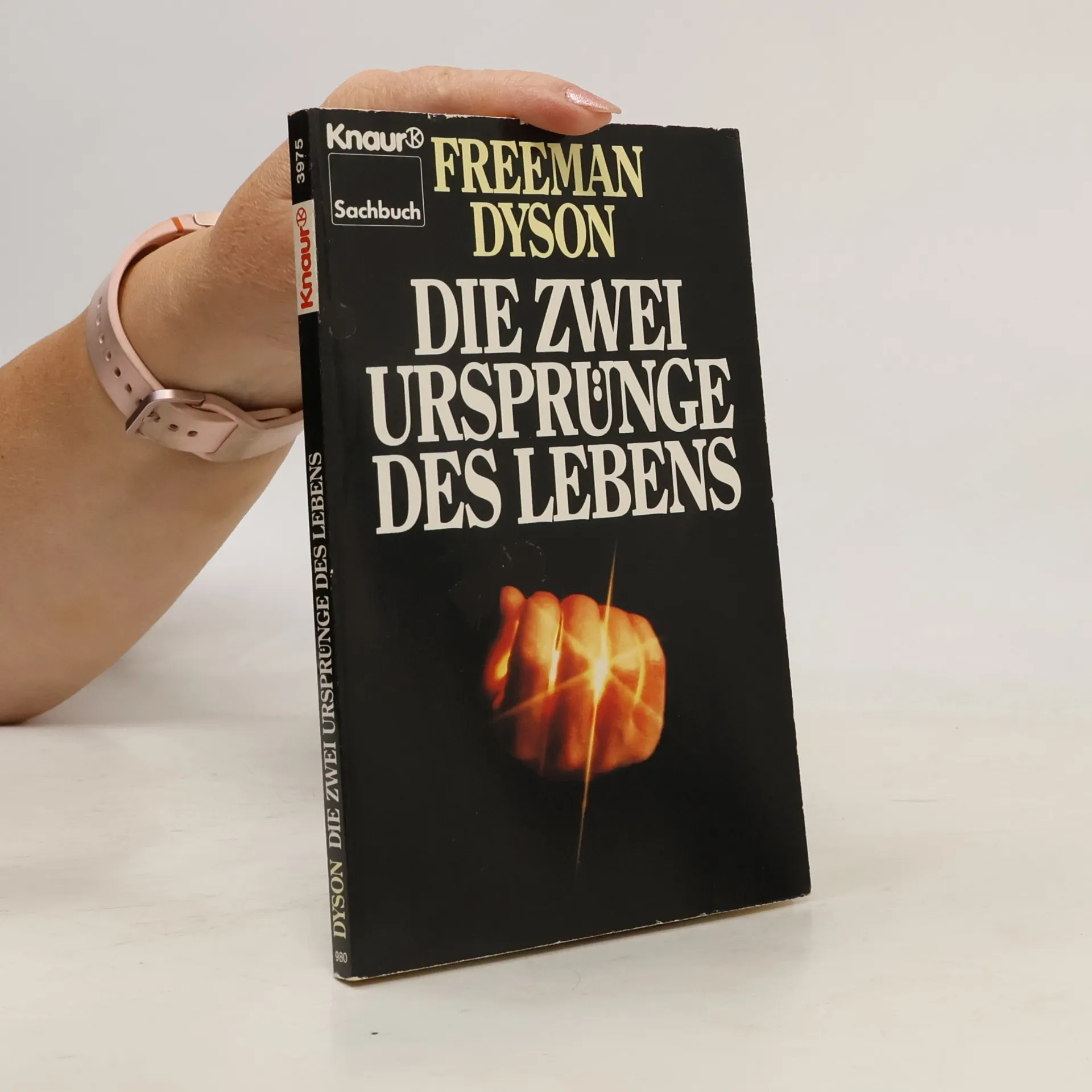
    • Die zwei Ursprünge des Lebens

      • 141 stránok
      • 5 hodin čítania

      Wie entstand das Leben auf der Erde? Kam die Replikation oder der Stoffwechsel zuerst in der Geschichte des Lebens? In diesem Buch untersucht Freeman Dyson diese Fragen und diskutiert die beiden Haupttheorien, die versuchen zu erklären, wie sich natürlich vorkommende Chemikalien zu lebenden Wesen organisieren konnten. Die Mehrheitsansicht ist, dass das Leben mit replizierenden Molekülen begann, den Vorläufern moderner Gene. Der Minderheitsglaube ist, dass zufällige Populationen von Molekülen metabolische Aktivitäten entwickelten, bevor eine exakte Replikation existierte. Dyson analysiert beide Theorien unter Bezugnahme auf wichtige jüngste Entdeckungen von Geologen und Chemikern. Sein Hauptziel ist es, neue Experimente anzuregen, die helfen könnten zu entscheiden, welche Theorie korrekt ist. Dieses Buch behandelt die enormen Fortschritte, die in den letzten zehn Jahren in der Biologie und Geologie erzielt wurden, und die Auswirkungen, die sie auf unsere Vorstellungen darüber hatten, wie das Leben begann. Es ist ein klar geschriebenes, faszinierendes Buch, das für jeden von Interesse ist, der sich mit den Ursprüngen des Lebens beschäftigt.

      Die zwei Ursprünge des Lebens1988
      4,0
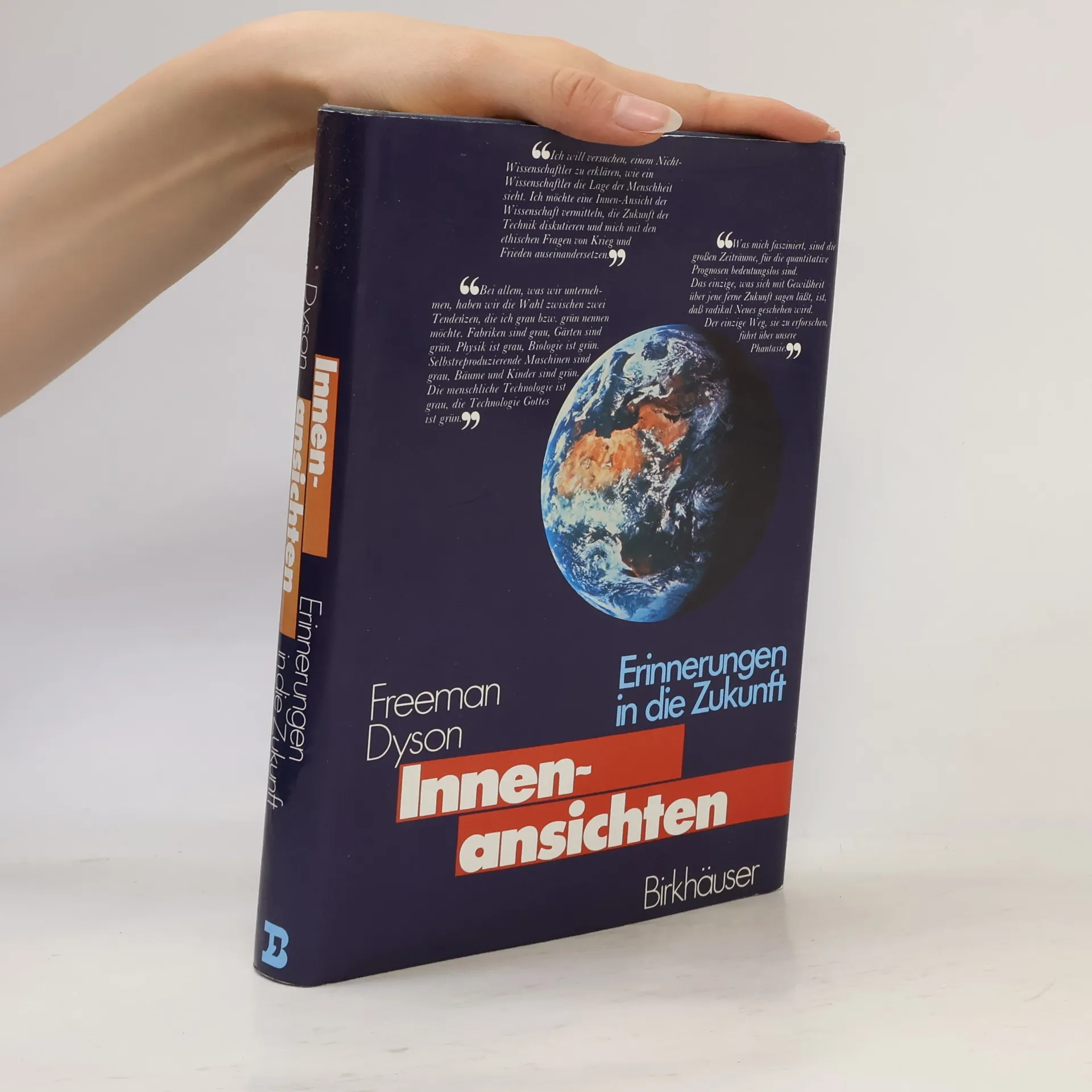
    • Innenansichten

      Erinnerungen in die Zukunft

      • 286 stránok
      • 11 hodin čítania

      S. 279-286: Bibliographische Hinweise.

      Innenansichten1981