

"A much needed book. It not only provides the proper orientation to its material, but its humanistic approach is more perceptive and illuminating than technical scholarship." ―Theodore H. Gaster, Columbia University This collection of writings is from authors who are either Indians who have tried to make themselves heard, or whites who have tried to hear Indians. The first part of the book emphasizes the practical and includes Isaac Tens's "Career of the Medicine Man". The second section concentrates on the theoretical and contains Benjamin Lee Whorf's "American Indian Model of the Universe" and chapters on Indian metaphysics, among other things. In addition to an introductory essay on the Indian's stance towards reality, the editors have contributed chapters entitled "The Clown's Way" and "An American Indian View of Death".
Dennis Tedlock Poradie kníh (chronologicky)
Tento autor sa zaoberá zložitými svetmi ľudskej kultúry a komunikácie, často skúma, ako sa jazyk a príbehy formujú a ako ovplyvňujú naše chápanie sveta. Jeho práca sa ponára do hlbín antropológie a lingvistiky, aby odhalila univerzálne témy ľudskej skúsenosti. Prostredníctvom starostlivého výskumu a literárneho citu zachytáva podstatu rôznych tradícií a myšlienkových prúdov. Jeho písanie ponúka jedinečný pohľad na to, čo znamená byť človekom v rozmanitom svete.
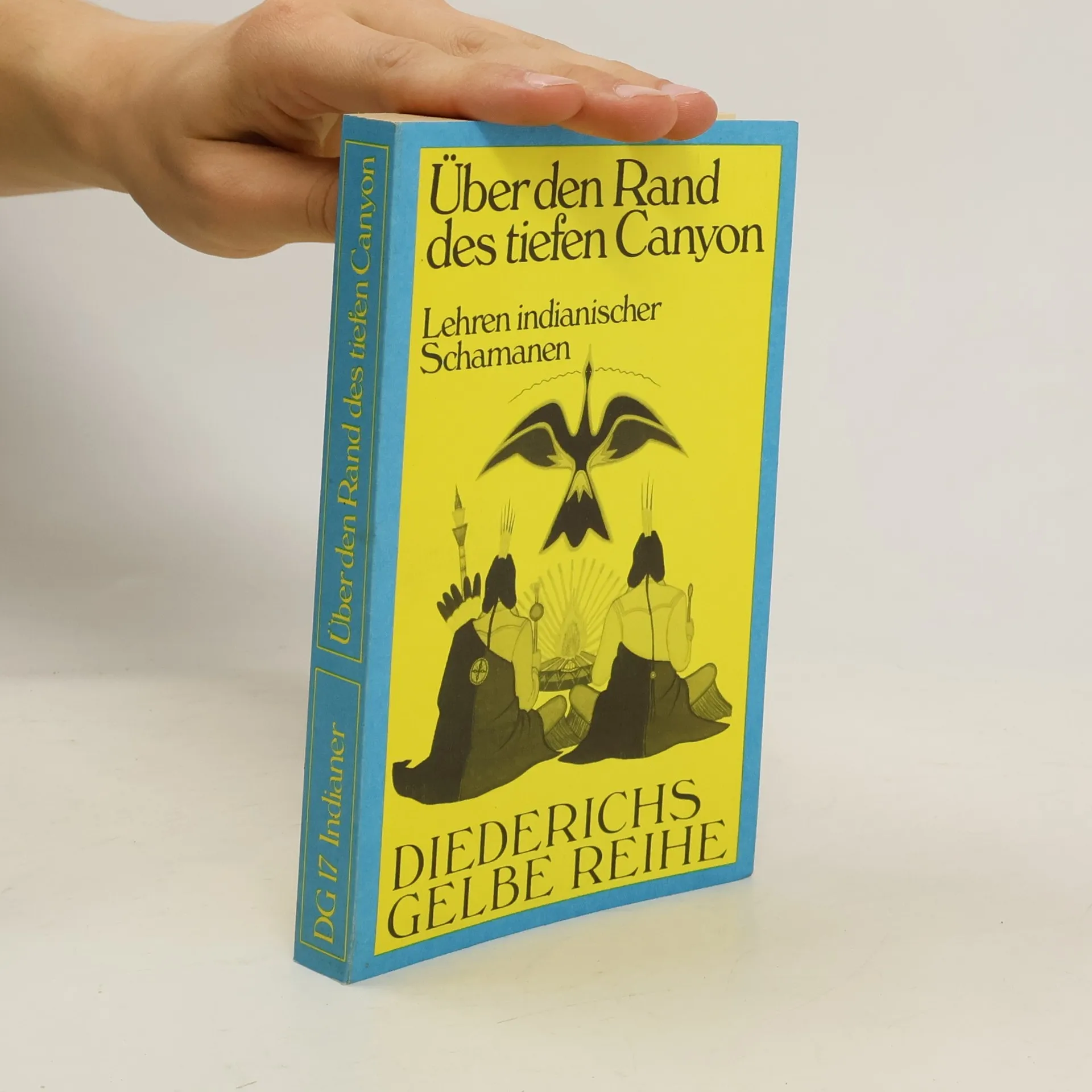
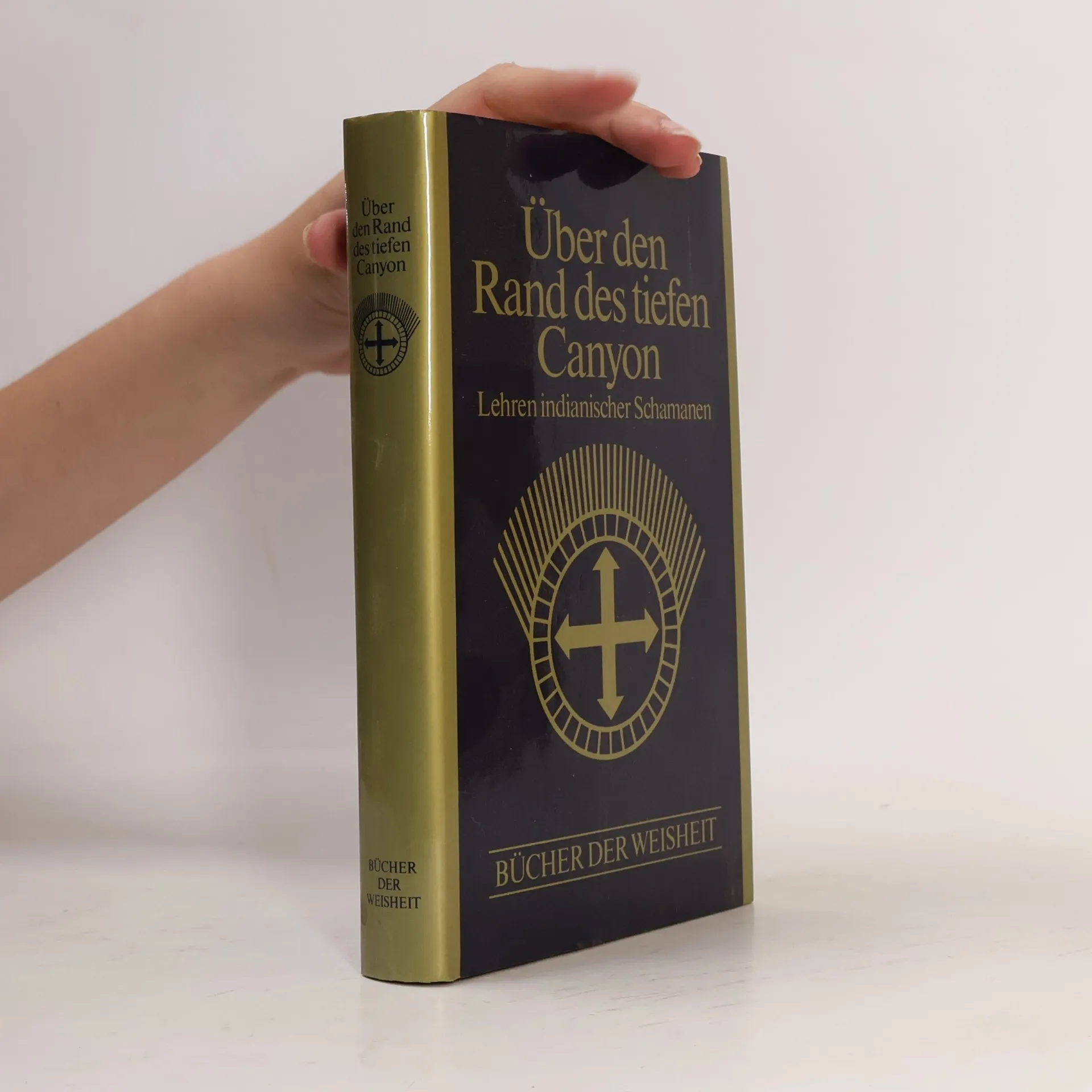

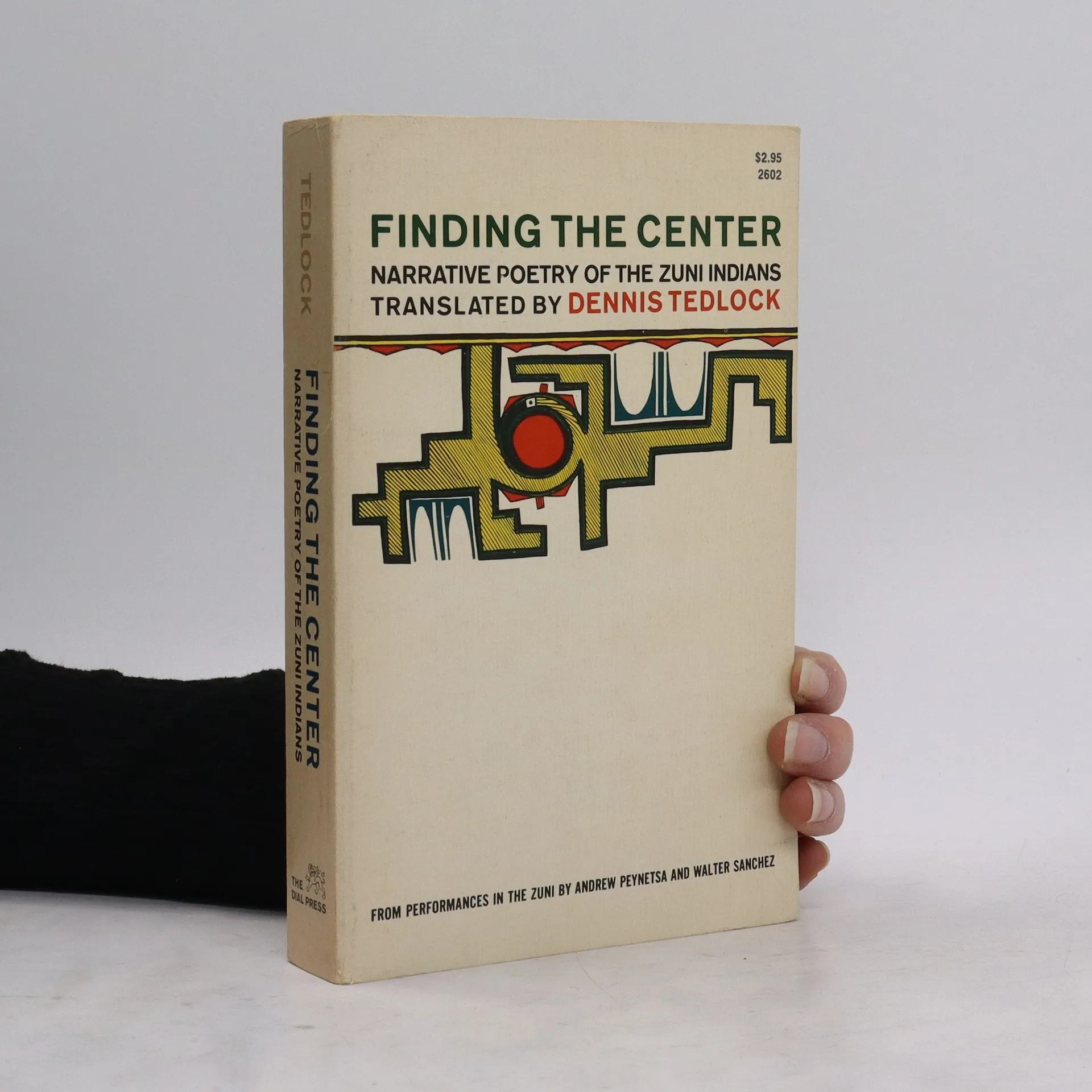

Hrsg. Tedlock, Dennis ; Tedlock, Barbara Mit Zeichn. 240 S. N.-A.
Popol Vuh
- 382 stránok
- 14 hodin čítania
Popol Vuh, the Quiché Mayan book of creation, is not only the most important text in the native languages of the Americas, it is also an extraordinary document of the human imagination. It begins with the deeds of Mayan gods in the darkness of a primeval sea and ends with the radiant splendor of the Mayan lords who founded the Quiché kingdom in the Guatemalan highlands. Originally written in Mayan hieroglyphs, it was transcribed into the Roman alphabet in the sixteenth century. This new edition of Dennis Tedlock's unabridged, widely praised translation includes new notes and commentary, newly translated passages, newly deciphered hieroglyphs, and over forty new illustrations.
Über den Rand des tiefen Canyon
Lehren indianischer Schamanen