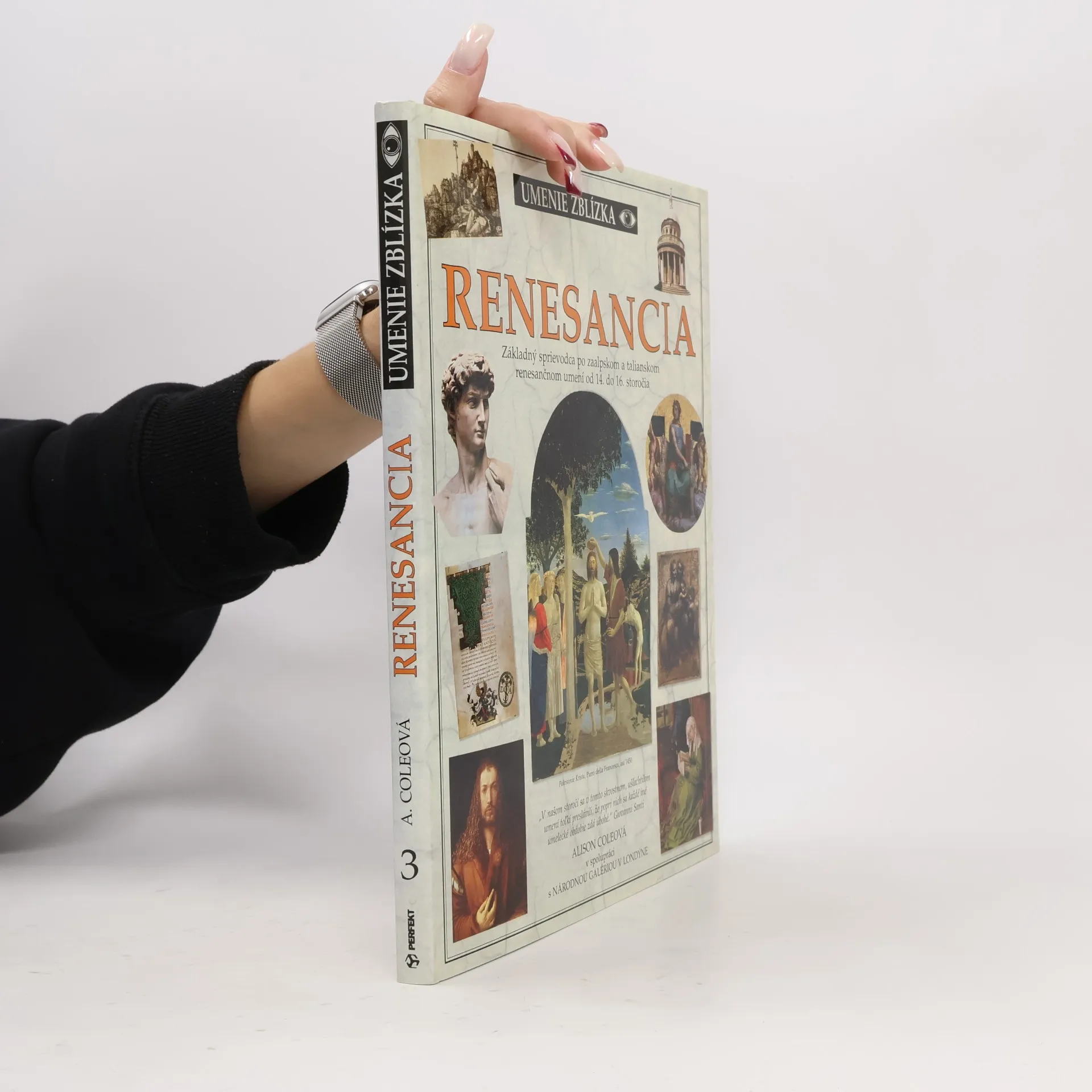
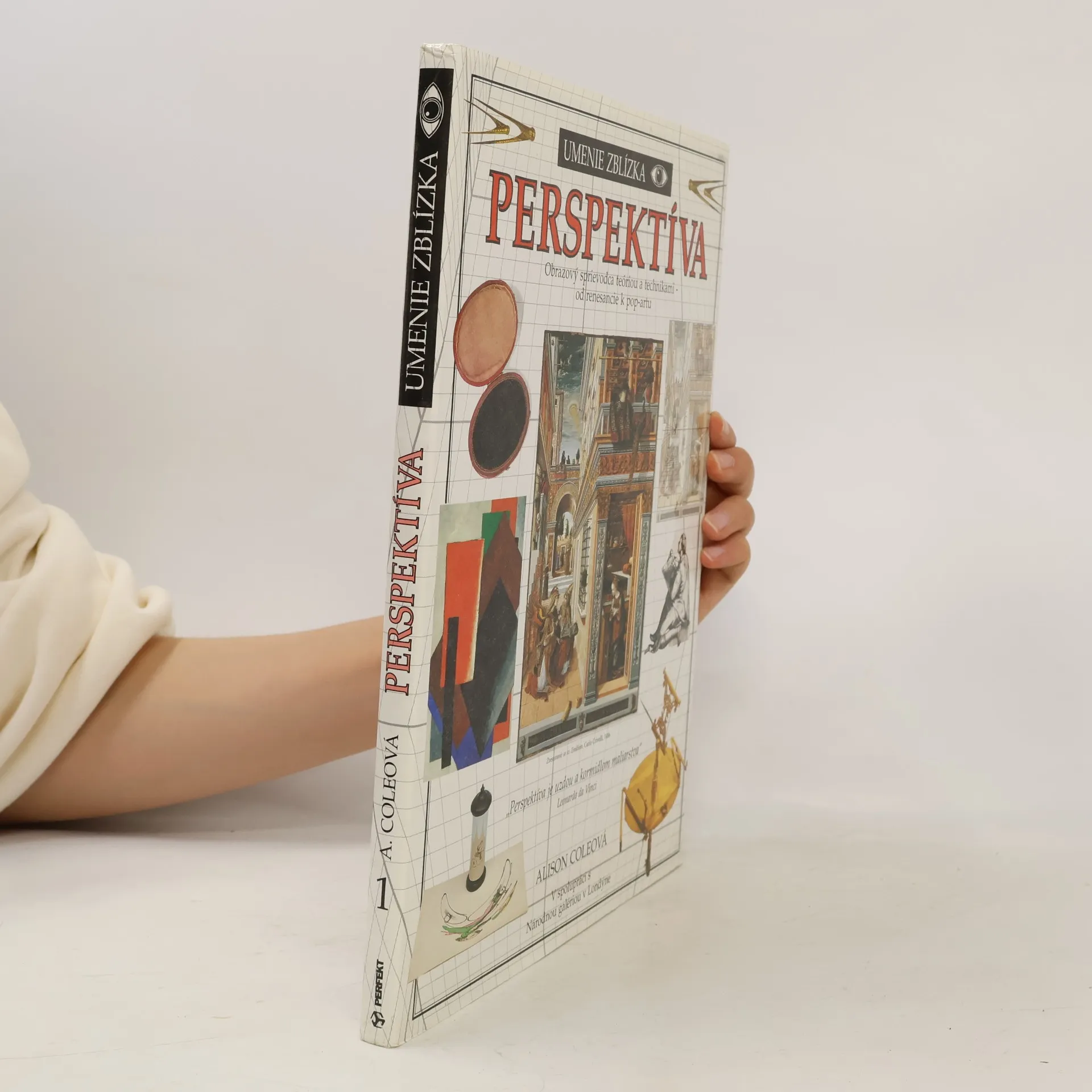
Nový prístup k svetu - rozbory umeleckých diel - preklad zaujímavými historkami zo života - porozumenie danému tématu - jedinečné "súkromné album" teoretických prác, skíc, kresliacich pomôcok maliarov - farebné reprodukcie...
Michelangelo's (1475-1564) "Taddei Tondo," in the collection of the Royal Academy in London, offers a fascinating insight into the master's technical and experimental skill. Joshua Reynolds, the Academy's first president, considered that Michelangelo represented everything that an artist should aspire to, combining technical brilliance with sublime poetical imagination, and the Tondo shows this in scintillating relief. Expertly researched and written by the renowned Renaissance art historian Alison Cole, this book moves through the life of the "Tondo," from Michelangelo's rivalry with Leonardo to the marble's arrival at the Royal Academy and its use in the RA Schools. Finishing with a fresh look at the Tondo's role in revealing Michelangelo's technical experimentalism, Cole explores the importance of finish and what constitutes a finished work of art. Lavishly illustrated and including new photos of the Tondo, this is an enriching exploration of a lesser-known side of the great Renaissance master's work.
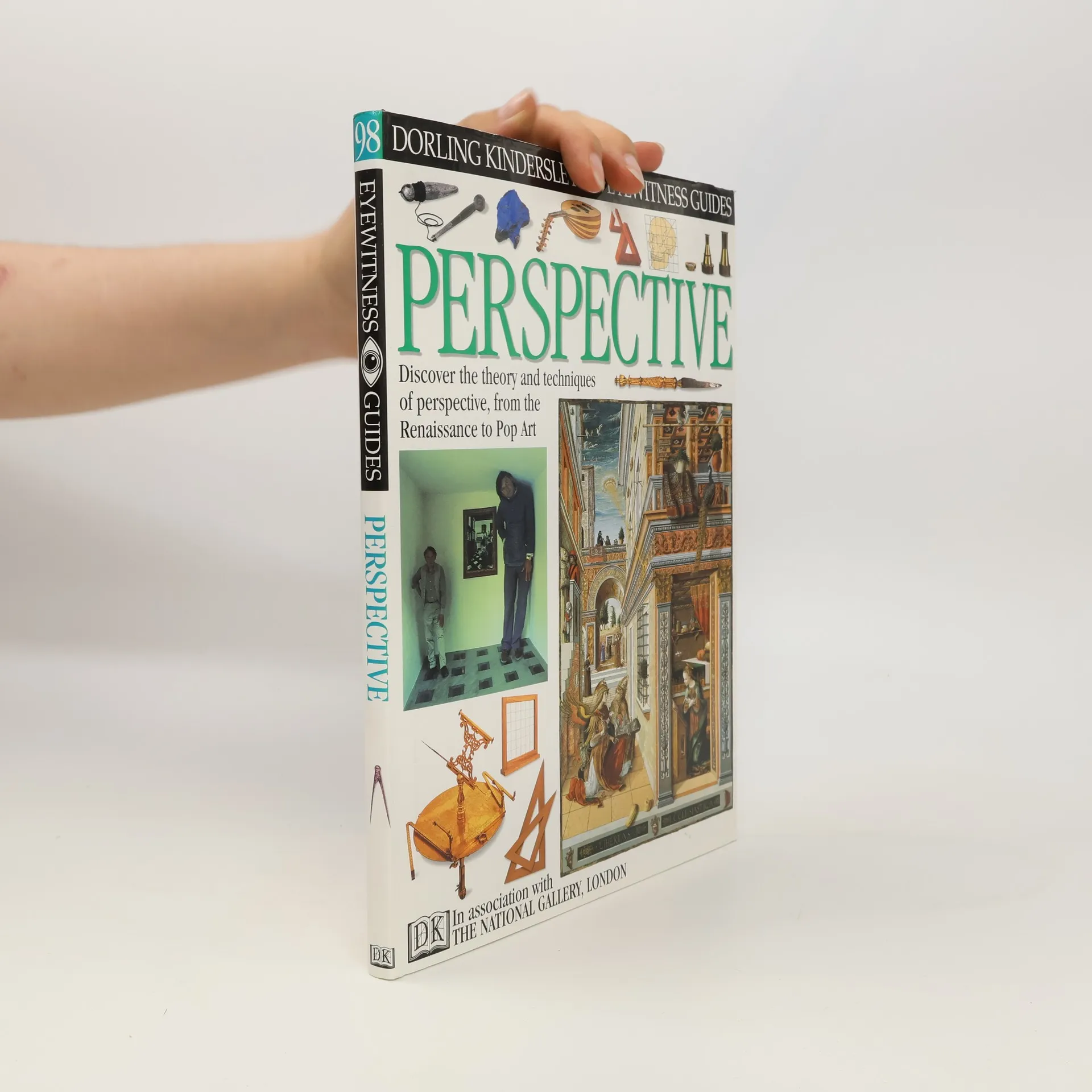
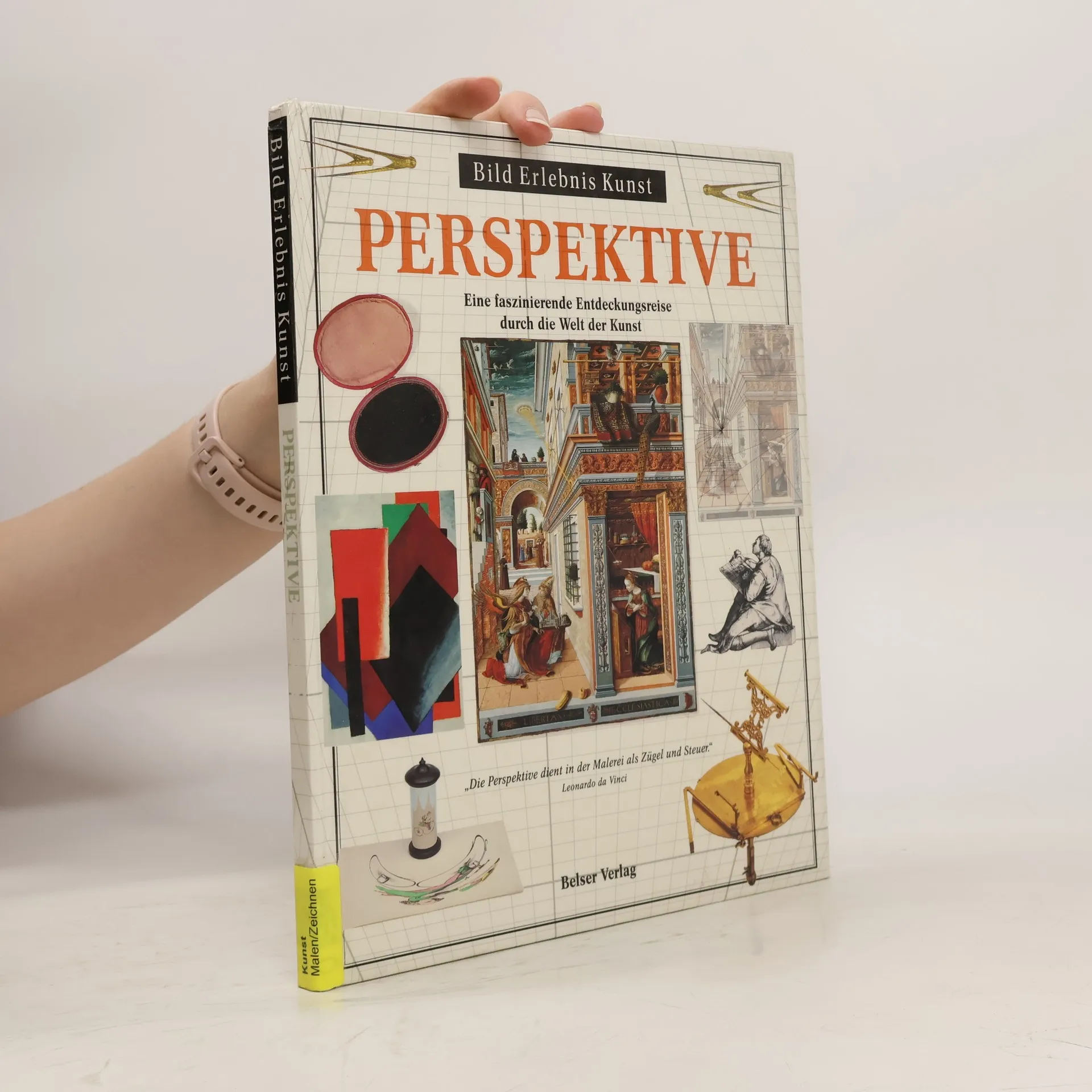
Discover the Theory and Techniques of Perspective, from the Renaissance to Pop Art
64 stránok
3 hodiny čítania
Since the principles of perspective were first demonstrated in Renaissance Italy, the interpretation of depth and space has held a central place in Western art. From the 15th century onwards, artists have endeavoured to present three-dimensional images that are as close as possible to what we actually see. When the Italian artist Alberti published his geometrical method for re-creating accurate perspectives, he transformed the art world, and led artists such as Leonardo da Vinci to produce ever more life-like illusions of space and distance. In the 20th century, artists such as Picasso often rejected classical principles in favour of distorted viewpoints.
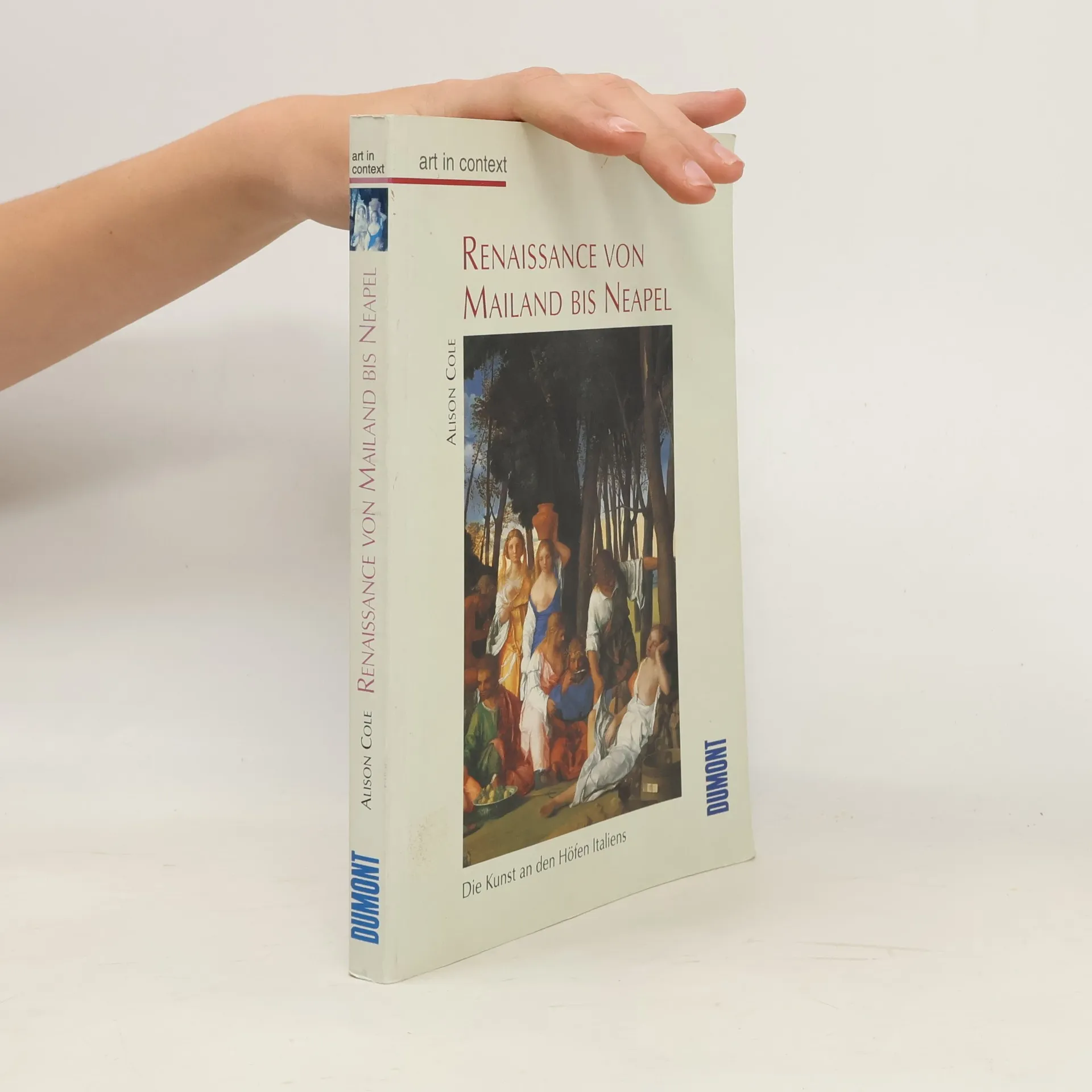
Dieser Text verbindet eine Diskussion über Geschichte und Kunst und konzentriert sich auf die kleineren Höfen von Mantua, Ferrara, Neapel und Urbino. Das Buch präsentiert die dort geschaffenen Werke als Höhepunkt des Wunsches von Fürsten und Herzögen, der Welt ihre Pracht als Herrscher und ihre Tugend als Kulturführer zu zeigen.
Die Rolle der Farben in der Geschichte der Malerei: Unter dem Aspekt der Farbe werden physikalische, maltechnische, aesthetische, kunst- und stilgeschichtliche Fragen erörtert. Was ist Farbe; Gold als Farbe; Eitempera; Ölmalerei; Chiaroscuro; Farbe und Raum; Ausdruck; Rokoko; Picasso; Restaurierung; Goethes Farbenlehre; Venezianische Schule etc. sind Beispiele von Obertiteln. Je Doppelseite führt ein kurzer Text in den Themenaspekt ein. Mit einer Anzahl von Bildbeispielen aus der Geschichte der Malerei werden die Aussagen illustriert. Damit entsteht eine interessante und wissensorientierte Einführung in die Geschichte der Malerei im Wesentlichen unter dem Aspekt der Farbe. Ein Glossar im Anhang klärt die verwendeten Fachbegriffe. Ab 12 Jahren, gut, Ruedi W. Schweizer.