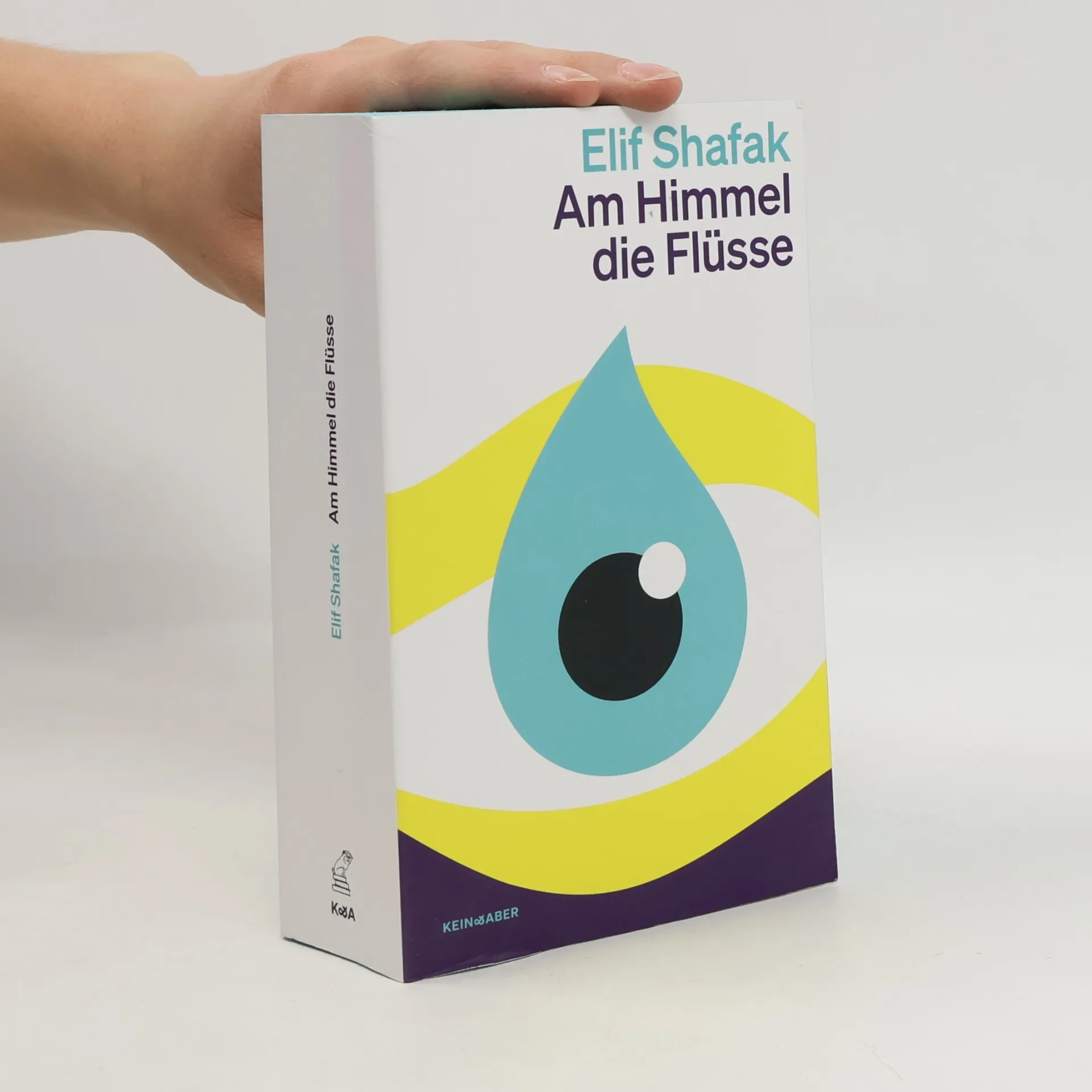
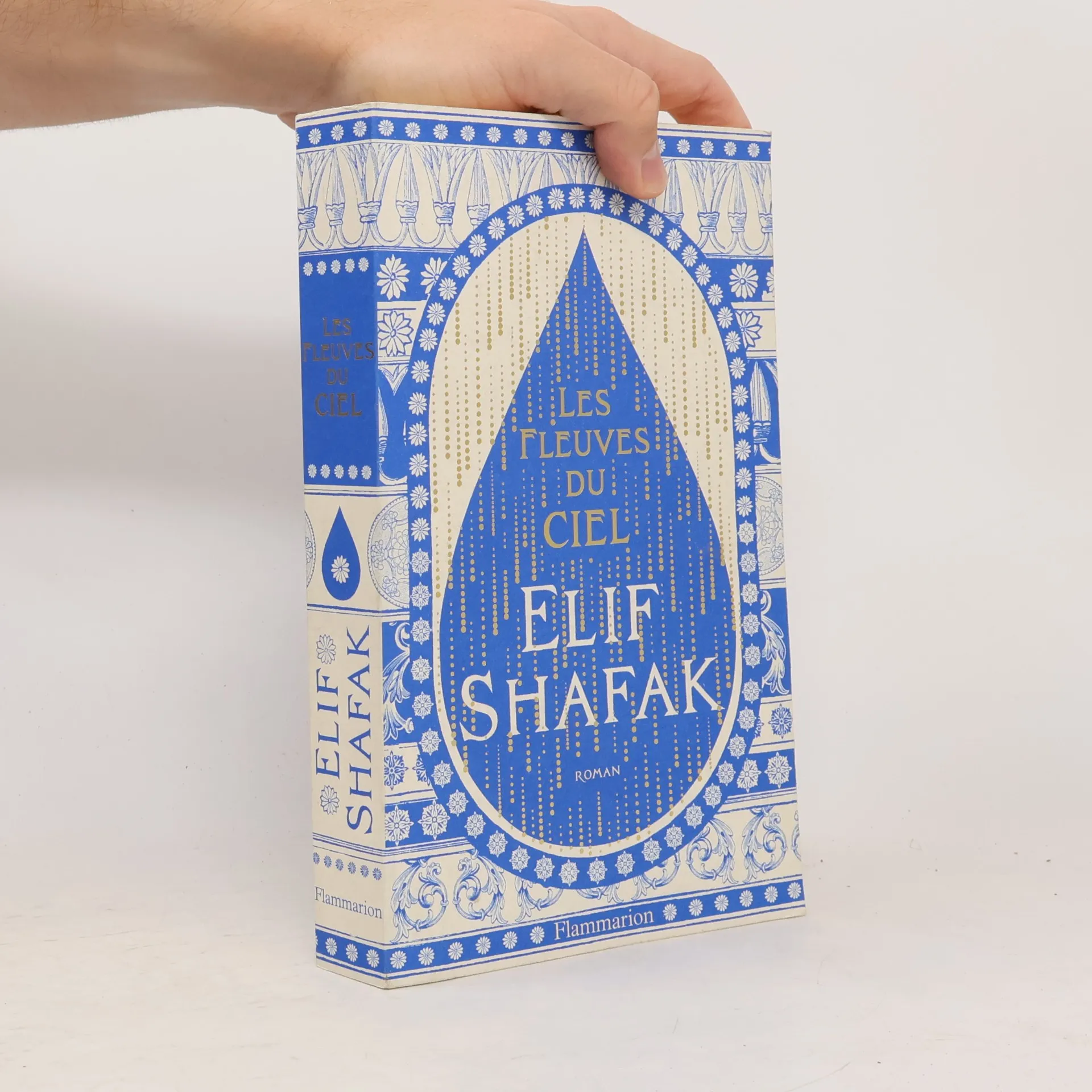
Am Himmel die Flüsse
- 592 stránok
- 21 hodin čítania


Elif Šafak je oceňovaná britsko-turecká autorka, najčítanejšia žena v Turecku. Vo svojej tvorbe, ktorú píše v turečtine aj angličtine, skúma priesečníky identity, kultúry a politiky s poetickým citom pre detail. Prostredníctvom svojej bohatej štylistickej palety obohacuje naratívnu krajinu a podnecuje čitateľov k zamysleniu nad zložitosťou ľudskej skúsenosti. Šafak je hlasnou obhajkyňou sociálnej spravodlivosti, ktorá vo svojich spisoch aj verejných vystúpeniach búra hranice a podporuje dialóg.

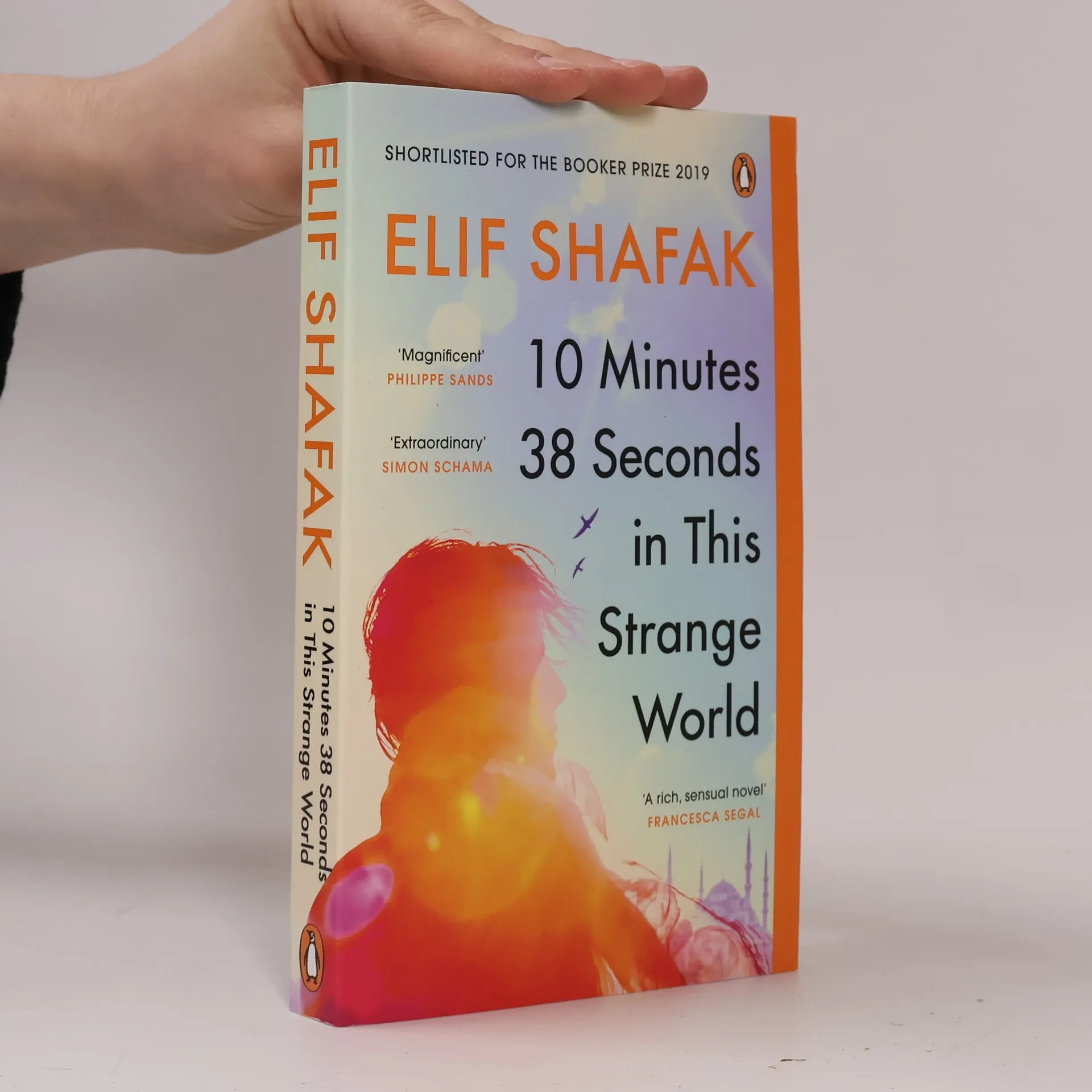
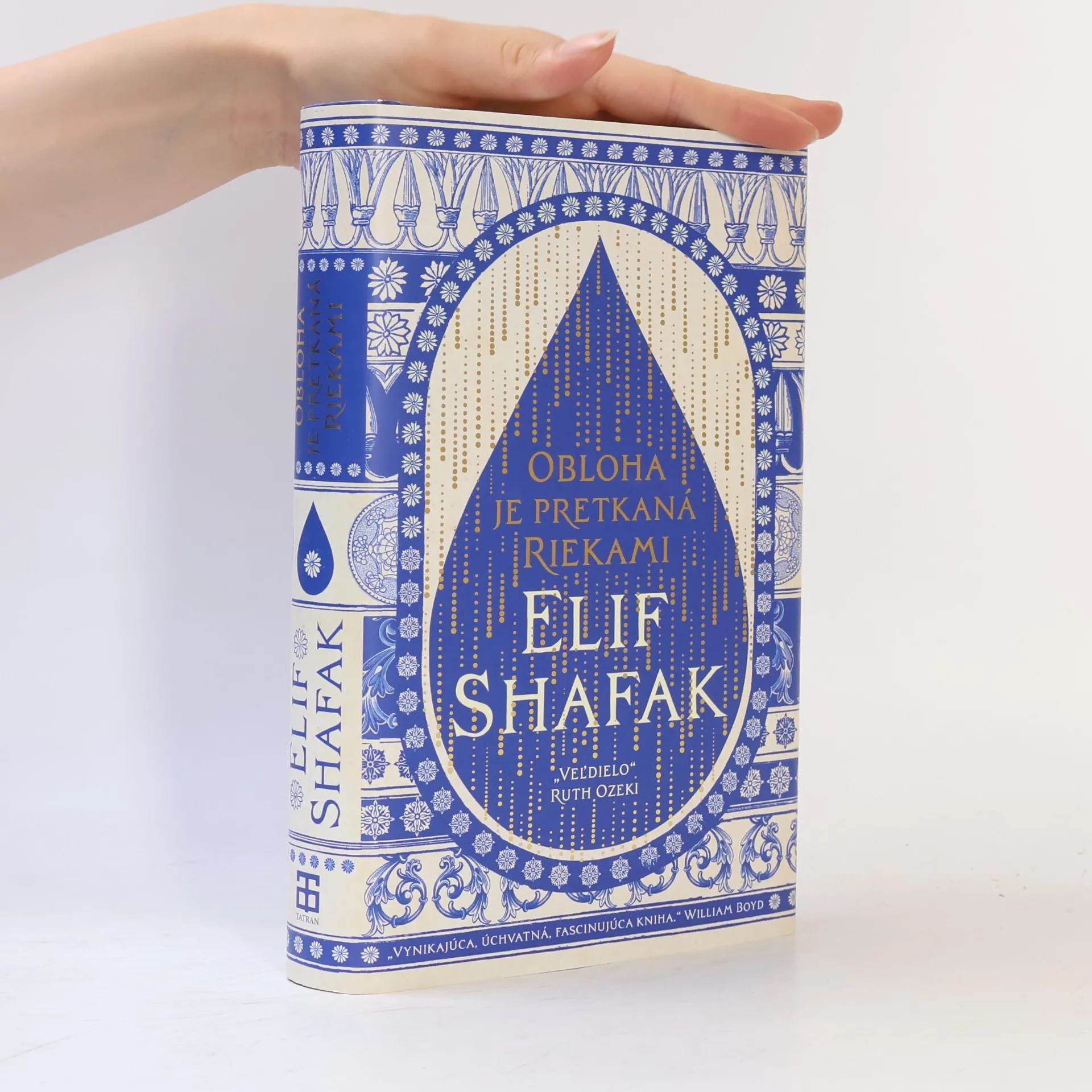
The narrative intertwines the lives of three individuals across different eras and locations, united by the theme of water. In ancient Mesopotamia, fragments of the Epic of Gilgamesh lie buried. In Victorian London, a gifted boy named Arthur escapes poverty through literature, while in modern Turkey, Narin faces a perilous journey amid conflict. Meanwhile, Zaleekhah, a hydrologist in London, seeks solace on a houseboat after personal loss. Elif Shafak's storytelling explores the connections between history, culture, and the enduring significance of water.
This breathtaking novel from a Booker-shortlisted, bestselling author weaves together the stories of a lost poem, two great rivers, and three remarkable lives, all linked by a single drop of water. In the ancient ruins of Nineveh, fragments of the Epic of Gilgamesh lie hidden in the sand. In Victorian London, a gifted child named Arthur, born on the banks of the Thames, escapes poverty through his exceptional memory. His talent earns him a place as an apprentice at a printing press, leading him to discover the book "Nineveh and Its Remains," which broadens his horizons. In 2014 Turkey, Narin, a Yazidi girl by the River Tigris, awaits baptism with water from the holy site of Lalish. Her ceremony is disrupted, forcing her and her grandmother to navigate war-torn lands to reach their sacred valley. In 2018 London, Zaleekhah, a hydrologist reeling from a broken marriage, moves onto a houseboat on the Thames. She anticipates a life devoid of love until an unexpected connection to her homeland transforms her perspective. This sweeping narrative spans centuries and cultures, exploring the enduring power of water: "Water remembers. It is humans who forget."
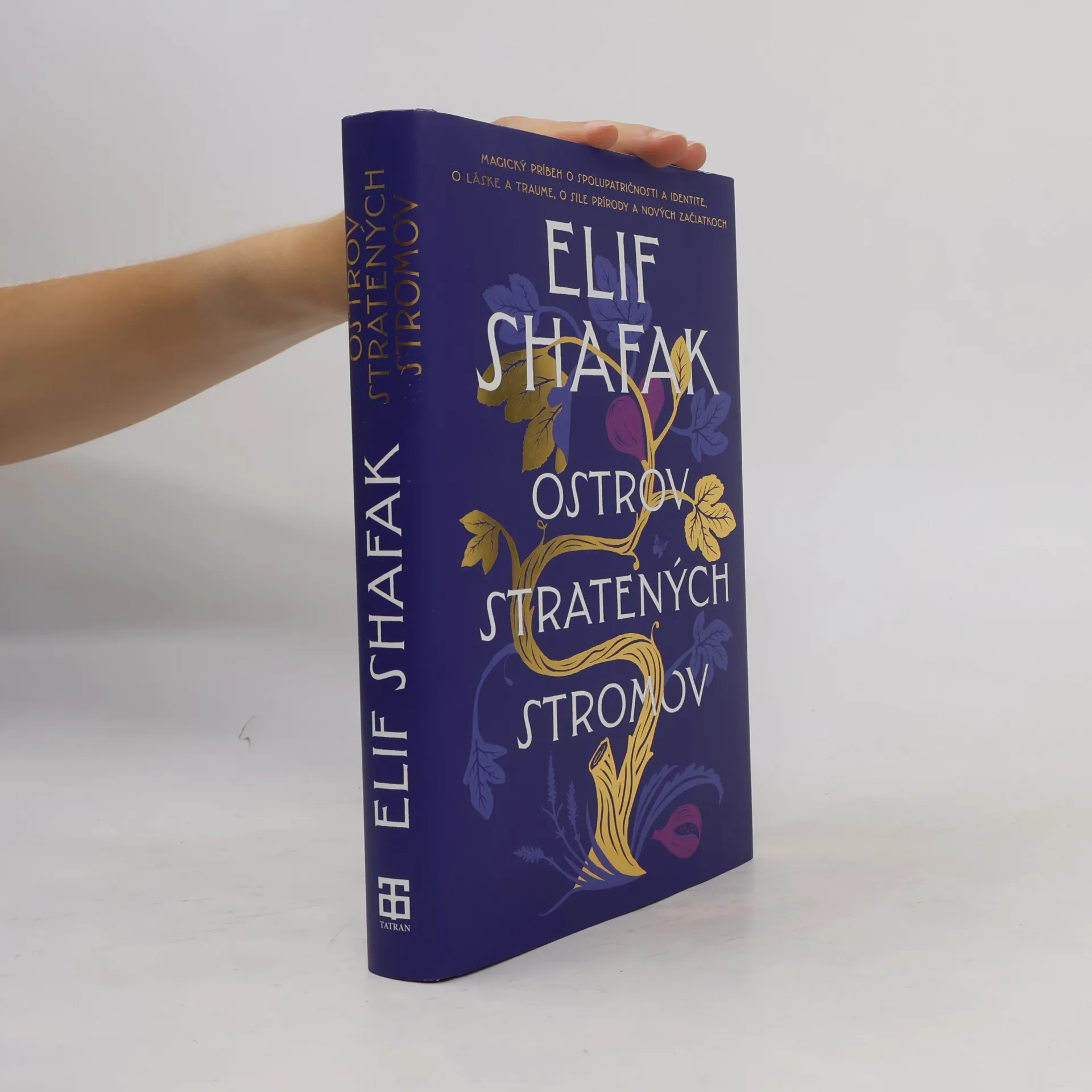
Magický príbeh o spolupatričnosti a identite, o láske a traume, o sile prírody a nových začiatkoch.Dvaja cyperskí tínedžeri – Kostas, Grék a kresťan, a Defne, Turkyňa a moslimka – sa spoznajú v taverne na ostrove, ktorý obaja považujú za svoj domov. V čarokrásnom prostredí exotických rastlín a pod konármi figovníka prepadnú zakázanej láske. Strom je nemým svedkom ich šťastných stretnutí, svedkom vojny, zničenia mesta aj svedkom osudu zaľúbencov.Figovník rastie takisto v záhrade londýnskeho domu, kde o desiatky rokov neskôr žije Ada Kazantzakisová. Ten strom je jediné spojenie s ostrovom, ktorý nikdy nenavštívila, jediné spojenie s boľavou rodinnou históriou a jej identitou, ktorú sa pokúša odhaliť, aby našla svoje miesto na svete.
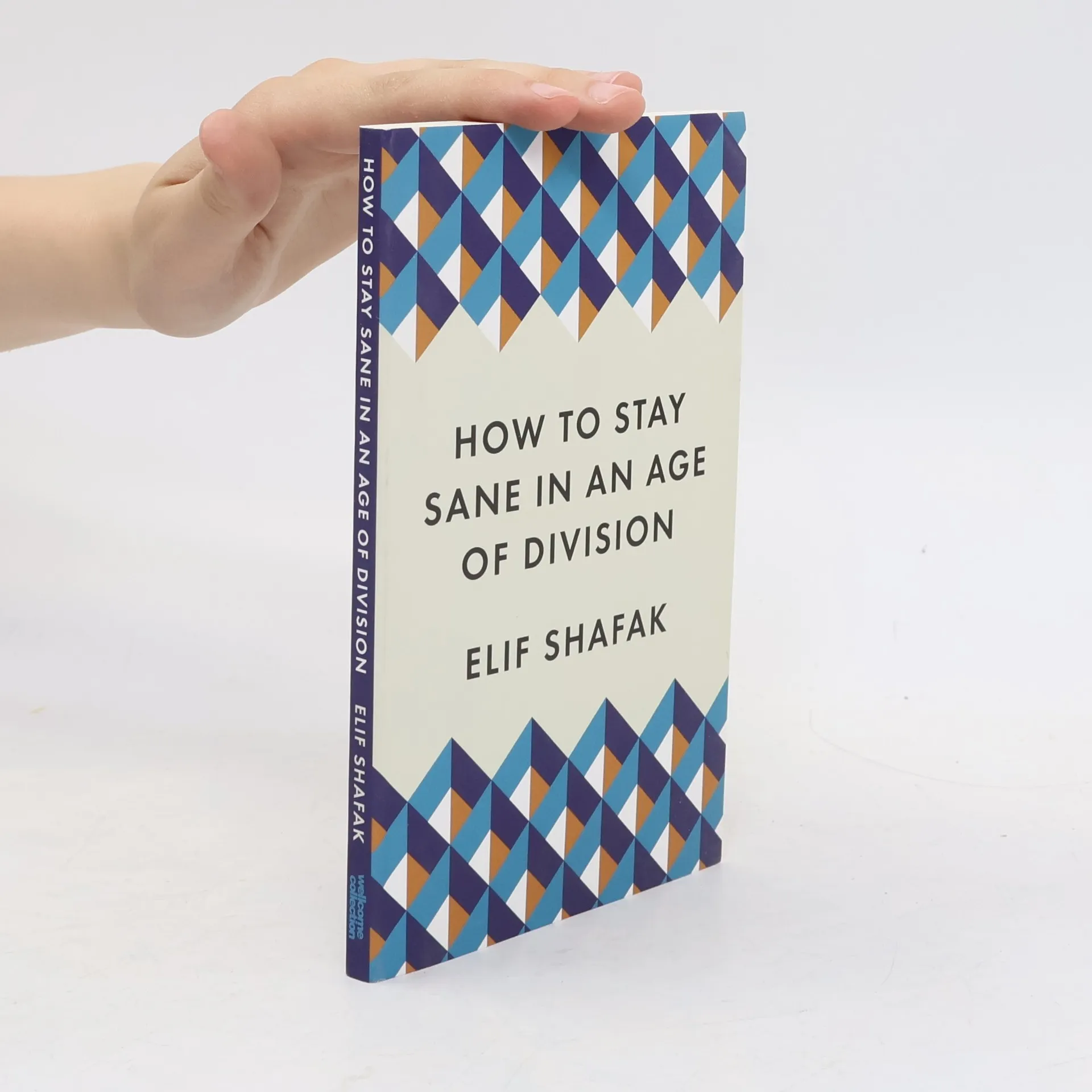
It feels like the world is falling apart. So how do we keep hold of our optimism? How do we nurture the parts of ourselves that hope, trust and believe in something better? And how can we stay sane in this world of division?In this beautifully written and illuminating polemic, Booker Prize nominee Elif Shafak reflects on our age of pessimism, when emotions guide and misguide our politics, and misinformation and fear are the norm. A tender, uplifting plea for optimism, Shafak draws on her own memories and delves into the power of stories to reveal how writing can nurture democracy, tolerance and progress. And in the process, she answers one of the most urgent questions of our time.
'In the first minute following her death, Tequila Leila's consciousness began to ebb, slowly and steadily, like a tide receding from the shore. Her brain cells, having run out of blood, were now completely deprived of oxygen. But they did not shut down. Not right away...' For Leila, each minute after her death brings a sensuous memory- the taste of spiced goat stew, sacrificed by her father to celebrate the long-awaited birth of a son; the sight of bubbling vats of lemon and sugar which the women use to wax their legs while the men attend mosque; the scent of cardamom coffee that Leila shares with a handsome student in the brothel where she works. Each memory, too, recalls the friends she made at each key moment in her life - friends who are now desperately trying to find her. . .
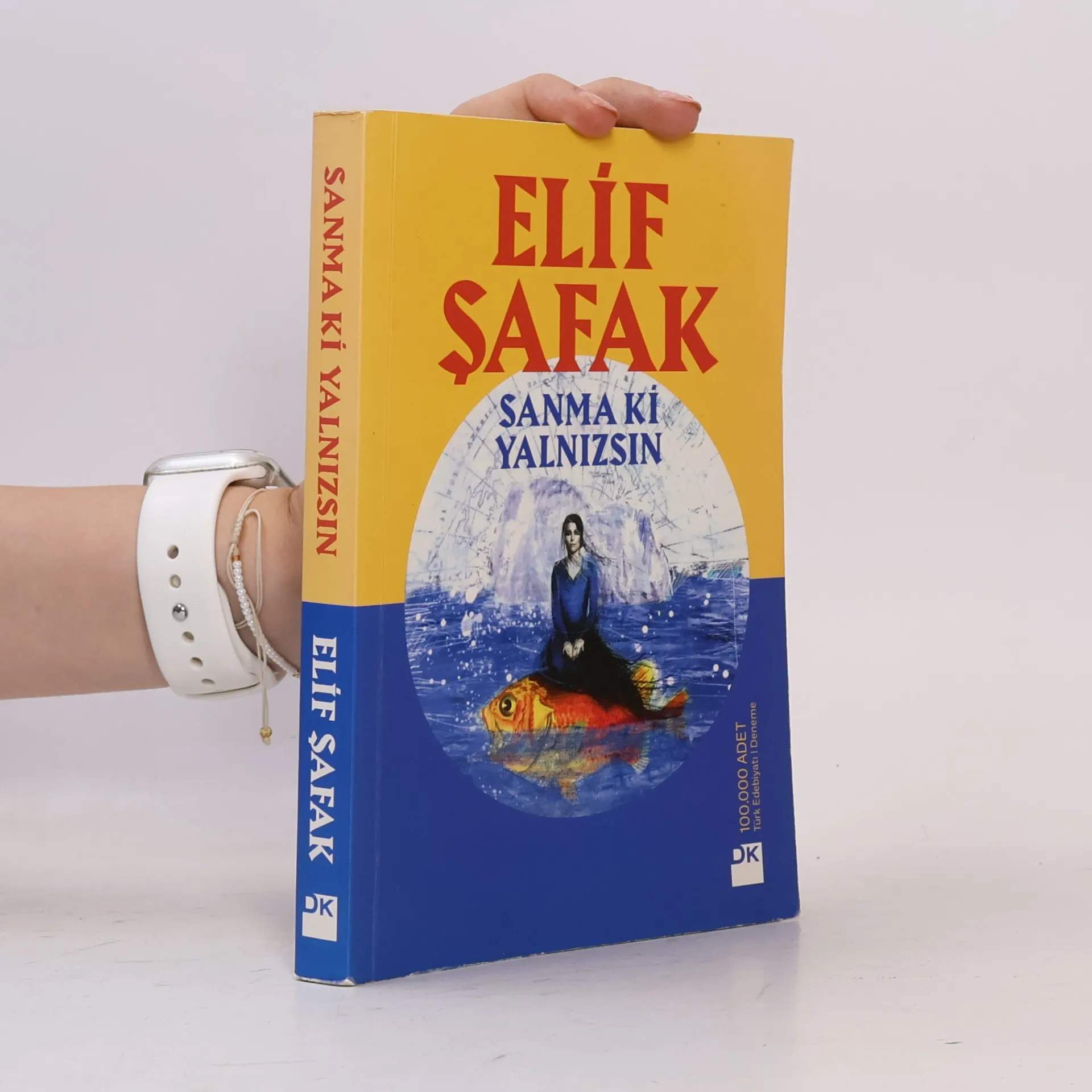
Sana kelimelerden kaleler yaptım. Hendekli, balkonlu, eflatun bayraklı, girişi saklı kocaman kaleler. Bir odasında bıraktım yüreğimi. Merasimsiz, habersiz, tantanasız ve beklentisiz usulca düşürüverdim elimden, olur da bulursan belki sevinirsin diye, öylesine. Sana harflerden sarmaşıklar ördüm; geceleri gözlerini kapadığında, uyku ile uyanıklık arası o tekinsiz aralıkta durduğunda, cinlerin meşveret alanında yapayalnız kaldığında koklarsın belki, hatırlarsın diye. Sana alfabeden kaftan diktim; azametle giyesin ve hiç üşümeyesin diye, kalın kadifeden, sırma ipliklerle. İşledim üzerine isminin baş harflerini, sessiz ve derinden, kimse bilmeden, sadece Yaradan'ın duyduğu bir yemin gibi. Sana noktalardan güller, virgüllerden bülbüller, ünlemlerden yaylalar, noktalı virgüllerden dağlar ve ovalar yaptım. Her bir imla işaretini özenle ekledim isminin büyüsüne. Çünkü sevmek, yeni bir dil inşa etmek demek. İki kişilik bir dil. Çünkü aşkın olduğu yerde muhakkak kelam vardır, sessizlik değil.
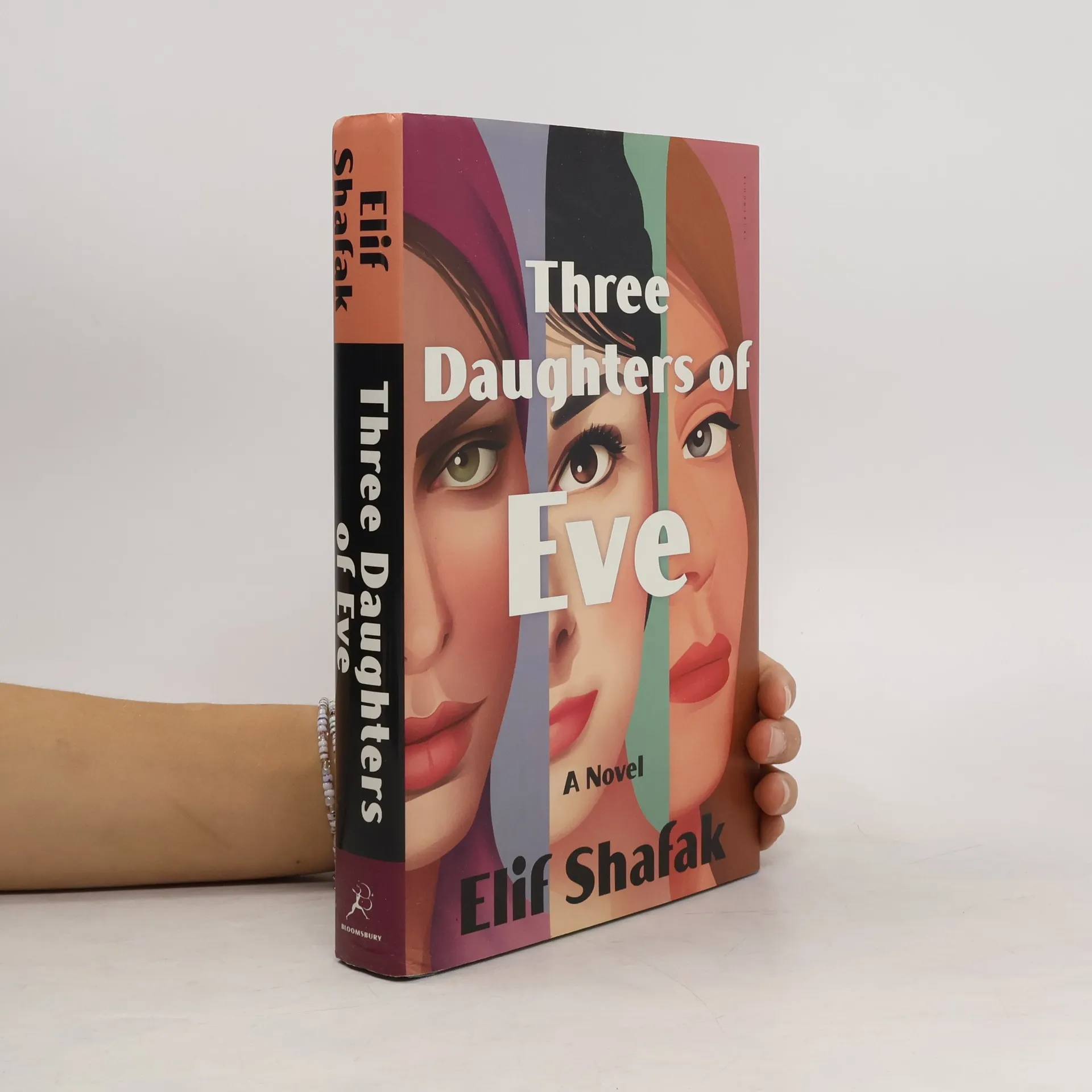
Peri, a married, wealthy, beautiful Turkish woman, is on her way to a dinner party at a seaside mansion in Istanbul when a beggar snatches her handbag. As she wrestles to get it back, a photograph falls to the ground--an old Polaroid of three young women and their university professor. A relic from a past--and a love--Peri had tried desperately to forget. Three Daughters of Eve is set over an evening in contemporary Istanbul, as Peri arrives at the party and navigates the tensions that simmer in this crossroads country between East and West, religious and secular, rich and poor. Over the course of the dinner, and amidst an opulence that is surely ill begotten, terrorist attacks occur across the city. Competing in Peri's mind, however, are the memories invoked by her almost-lost Polaroid, of the time years earlier when she was sent abroad for the first time, to attend Oxford University. As a young woman there, she had become friends with the charming, adventurous Shirin, a fully assimilated Iranian girl, and Mona, a devout Egyptian American. Their arguments about Islam and feminism find focus in the charismatic but controversial Professor Azur, who teaches divinity, but in unorthodox ways. As the terrorist attacks come ever closer, Peri is moved to recall the scandal that tore them all apart.
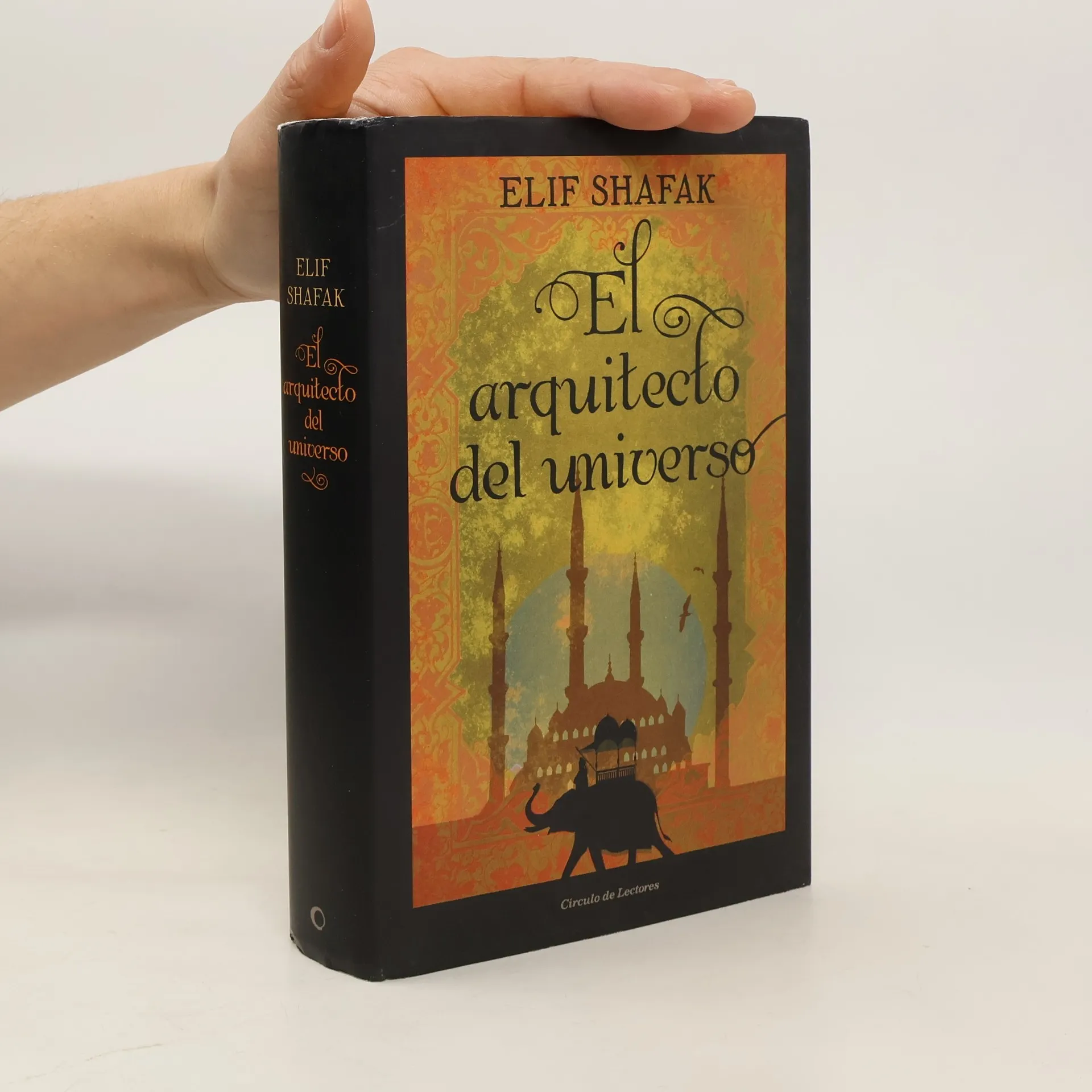
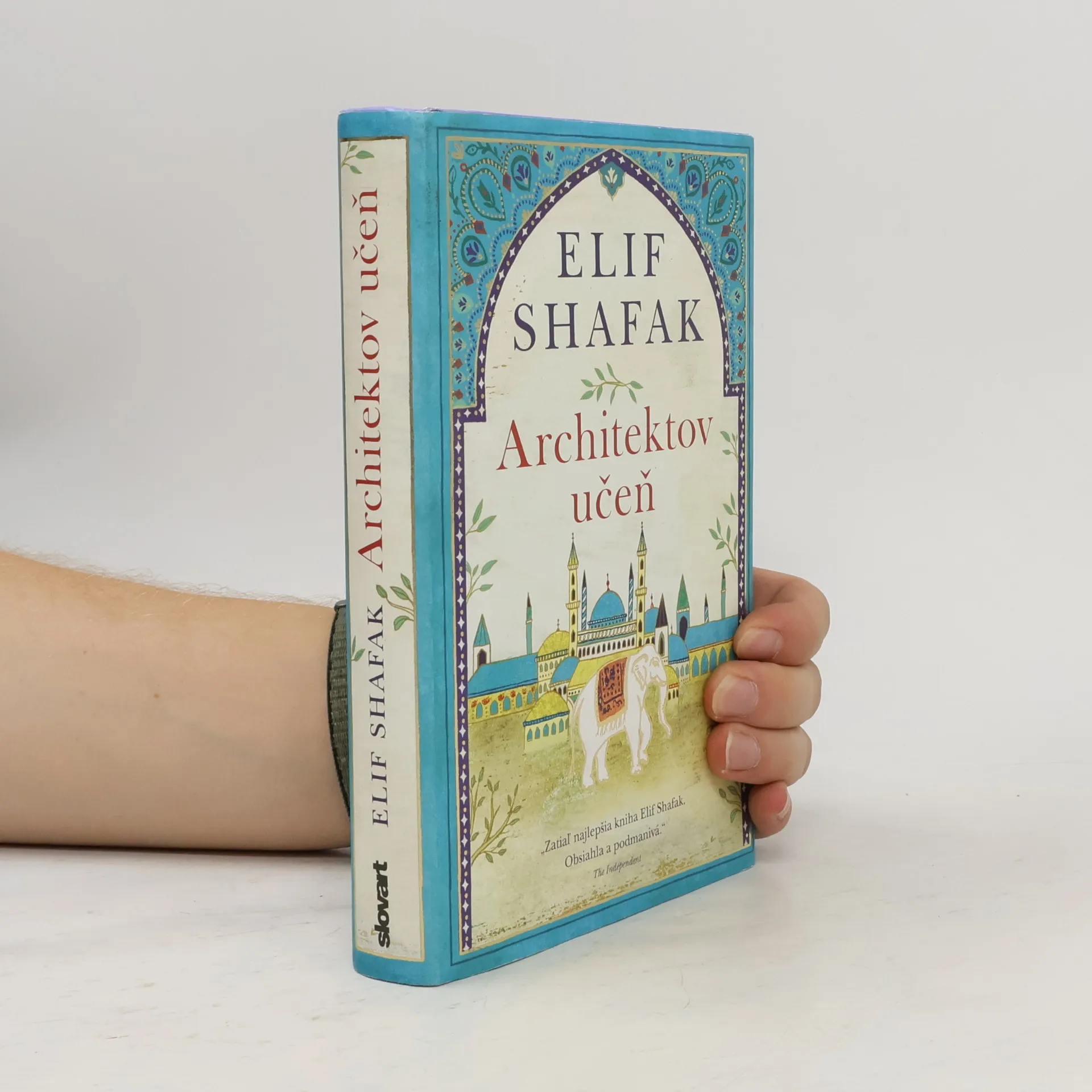
V polovici šestnásteho storočia, za vlády sultána Sulejmana, vpláva do istanbulského prístavu loď. Privezie indického chlapca Džahana a spolu s ním dar pre panovníka - bieleho slona Chotu. Mesto plné ľudí rôzneho vyznania a kultúr, labyrint ulíc, to všetko je nové pre sotva dvanásťročného Džahana i Chotu. Jedného dňa Džahan stretne architekta majstra Sinana a práve on zmení chlapcov osud.
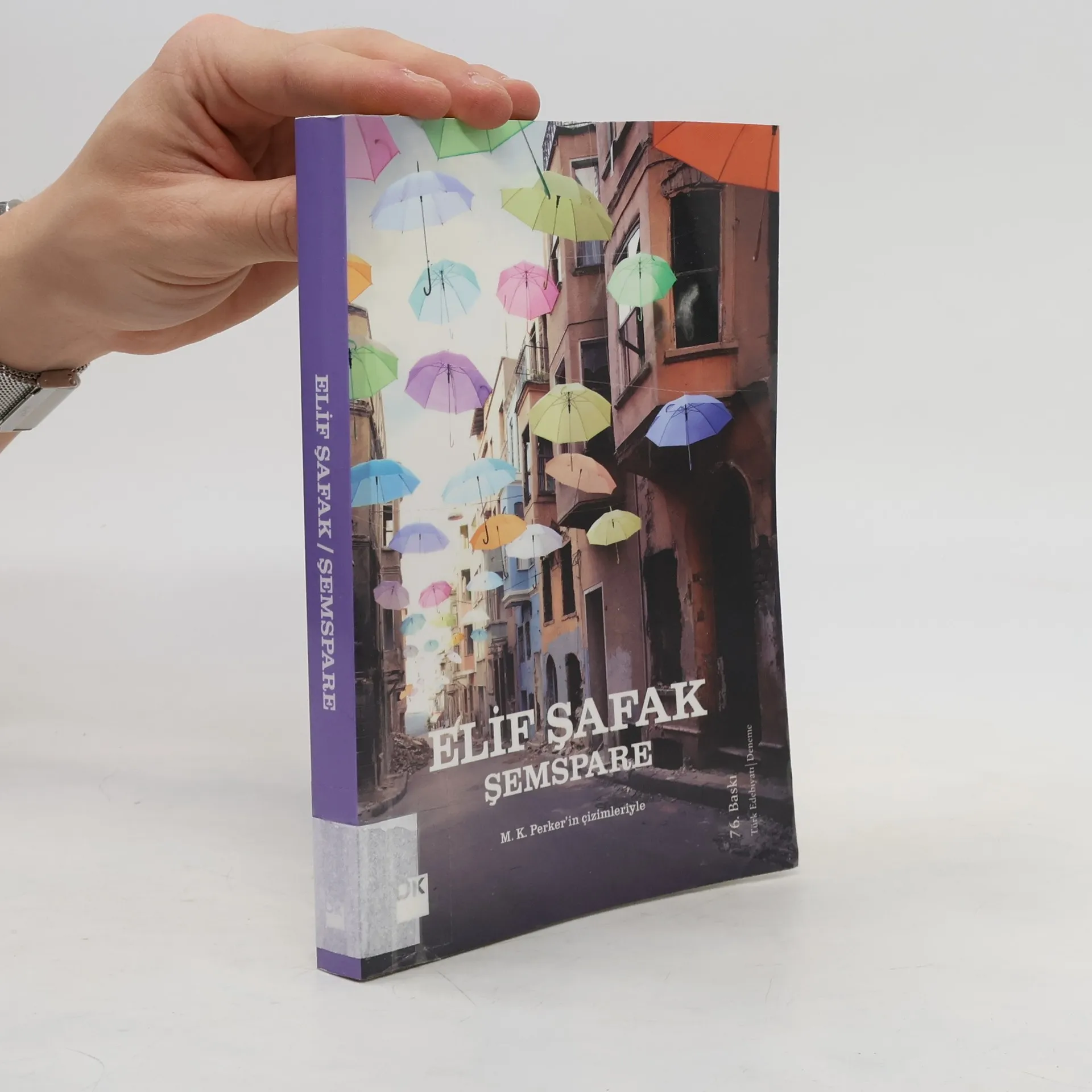
Kararır gökyüzü bazen; kasvetli bulutlar kaplar semayı. Hayatın ritmi durağanlaşır, sohbetler bildikleşir, içimizde birikir yalnızlık hissi. Nasıl özleriz güneşi o zaman, griler içinde aradığımız bir tutam renk demeti. Peri tozu gibi, inceden. Gönülden yazılmış her roman, her hikâye, her kelime bir şemsparedir... Güneş parçası... Düşer omuzlarımıza, kar tanesi gibi usulca, yağmur gibi yıkar ruhumuzu, arındırır tozdan kirden tekdüzeliklerden...
Tadına doyulmaz, kimi zaman kışkırtıcı, kimi zaman sakinleştirici ama ruhu hep özgür kalan yazılar.... İnsan ki eşrefi mahlukattır, içindeki semavi özü keşfetmekle yükümlüdür. Çıkacaksın yollara, kendine doğru git gidebildiğin kadar. Keşif boynumuzun borcudur. Kendimizi keşfetmek, aşkı keşfetmek, dünyayı keşfetmek, Ötekini keşfetmek... (…) Çakılı kalmamak sırf alışkanlıklardan ötürü demir attığın koylara. Çıkmak oralardan, geçmek dalgakıranların beri tarafına, bilmediğin memleketlere varmak, tatmadığın yemekler yemek, sözlerini anlamadığın şarkılarla içlenmek, risk almak, dağılmak ve parçalanmak ve hasret çekmek buram buram, gurbetin tadına bakmak ve kendini yabancının gözünden görmek, şaşırmak yeniden, şaşırmak bir çocuk gibi dünyanın hallerine, çeşitliliğine, güzelliğine, acımasızlıklarına... şaşırmak ölene kadar... şaşırma kabiliyetini hiç yitirmemek... budur son tahlilde Âdemoğullarına, Havvakızlarına kendilerini keşfettirten serüven.
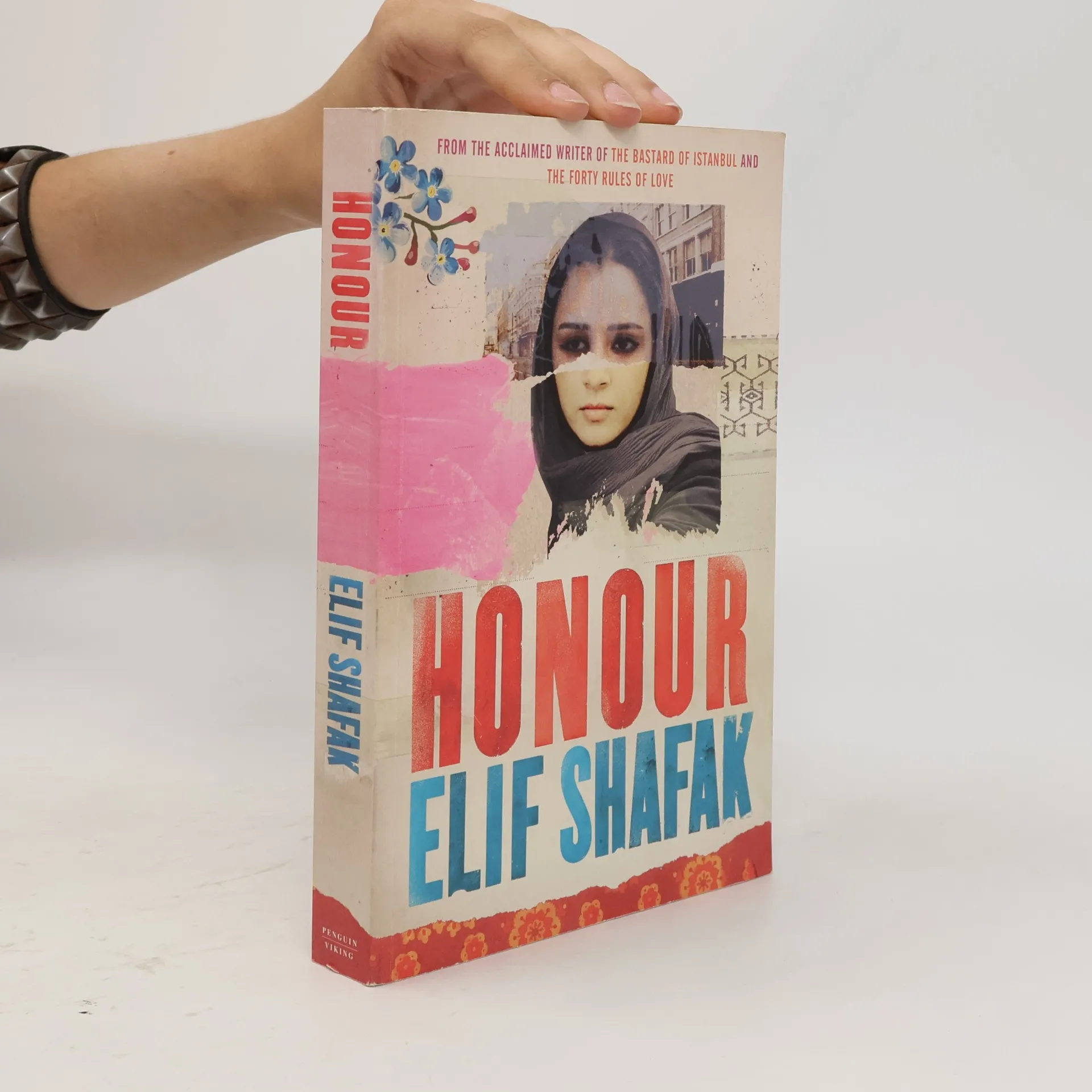
'My mother died twice. I promised myself I would not let her story be forgotten'. And so begins the story of Esma a young Kurdish woman in London trying to come to terms with the terrible murder her brother has committed. Esma tells the story of her family stretching back three generations; back to her grandmother and the births of her mother and Aunt in a village on the edge of the Euphrates. Named Pembe and Jamila, meaning Pink and Beautiful rather than the names their mother wanted to call them, Destiny and Enough, the twin girls have very different futures ahead of them all of which will end in tragedy on a street in East London in 1978. A powerful, brilliant and moving account of murder, love and family set in a Kurdish village, Istanbul and London.
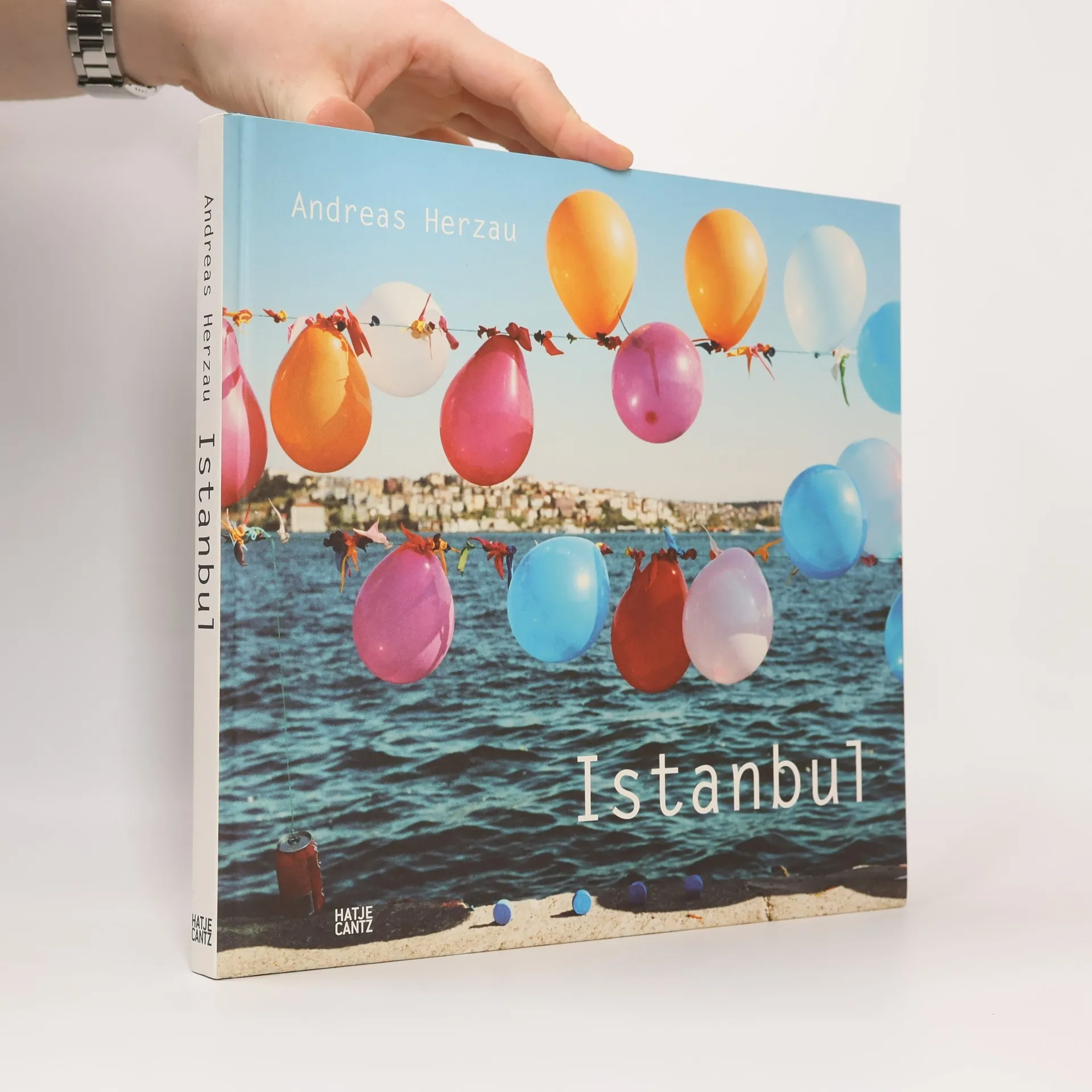
With an essay by renowned Turkish author Elif Safak.The debate surrounding Turkey’s potential membership in the European Union prompted Andreas Herzau to take a closer look at this country. Istanbul is situated at the border between Europe and Asia, and it was there that he found a concentrate of the challenges facing Turkey today. Yet the city also displays the opportunities that are open to the country as a whole. Herzau’s images capture precisely the many facets of the Turkish port: workers being ferried from one continent to the other, Muslims at prayer, people window shopping and looking at fashion advertising. Working with the genre of street photography, the photographer discovers the city on foot—watching, walking, and waiting until the pictures find him. In this way, the photographer creates spontaneous snapshots of public life. And since people from all walks of life are encountered on the street, the photographs reveal much about present-day conditions and a life between tradition and modernity.
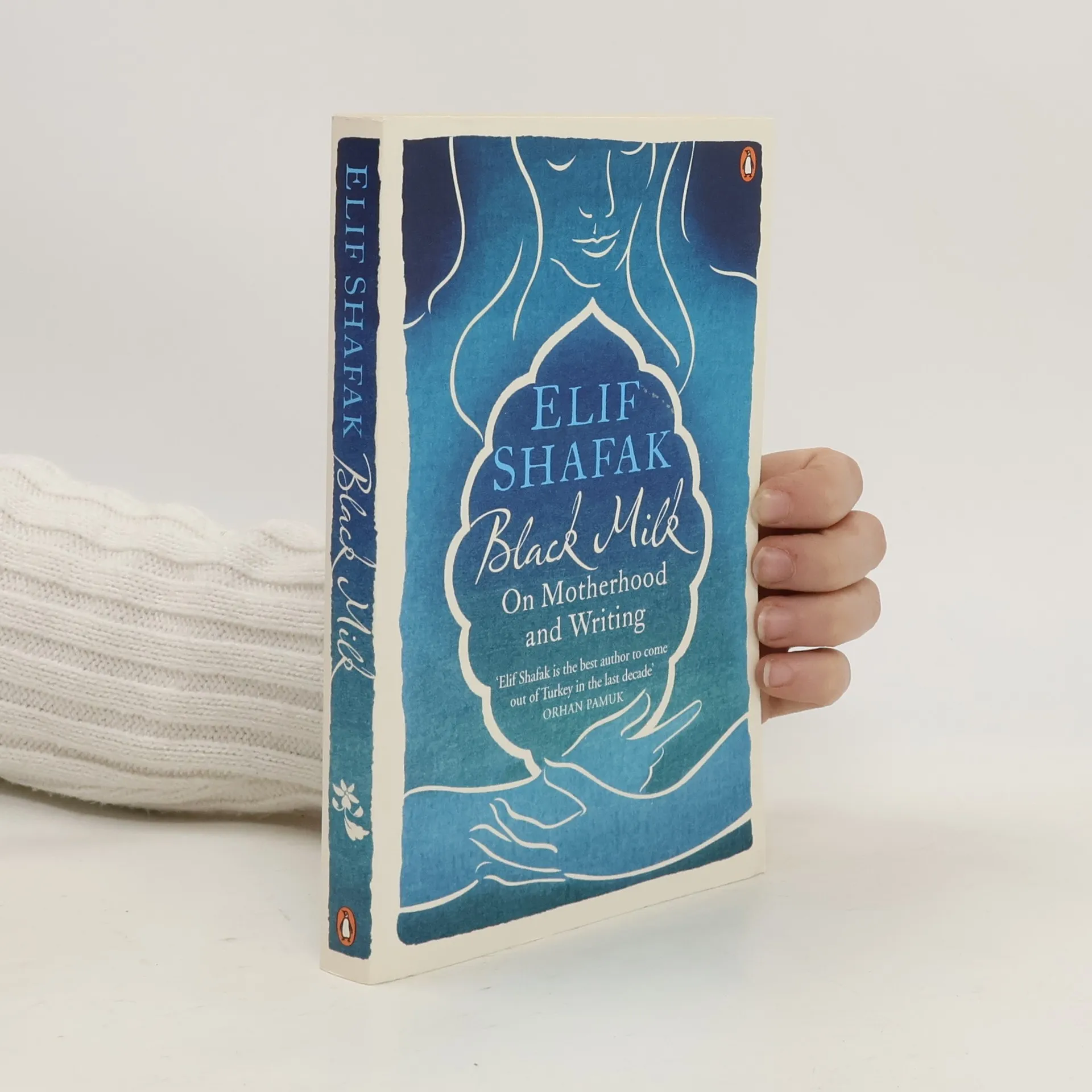
The author recounts her effort to balance her writing career and her parenting responsibilities, describing her battle with postpartum depression, her views on prominent women authors, and the many roles she embraced throughout her journey.
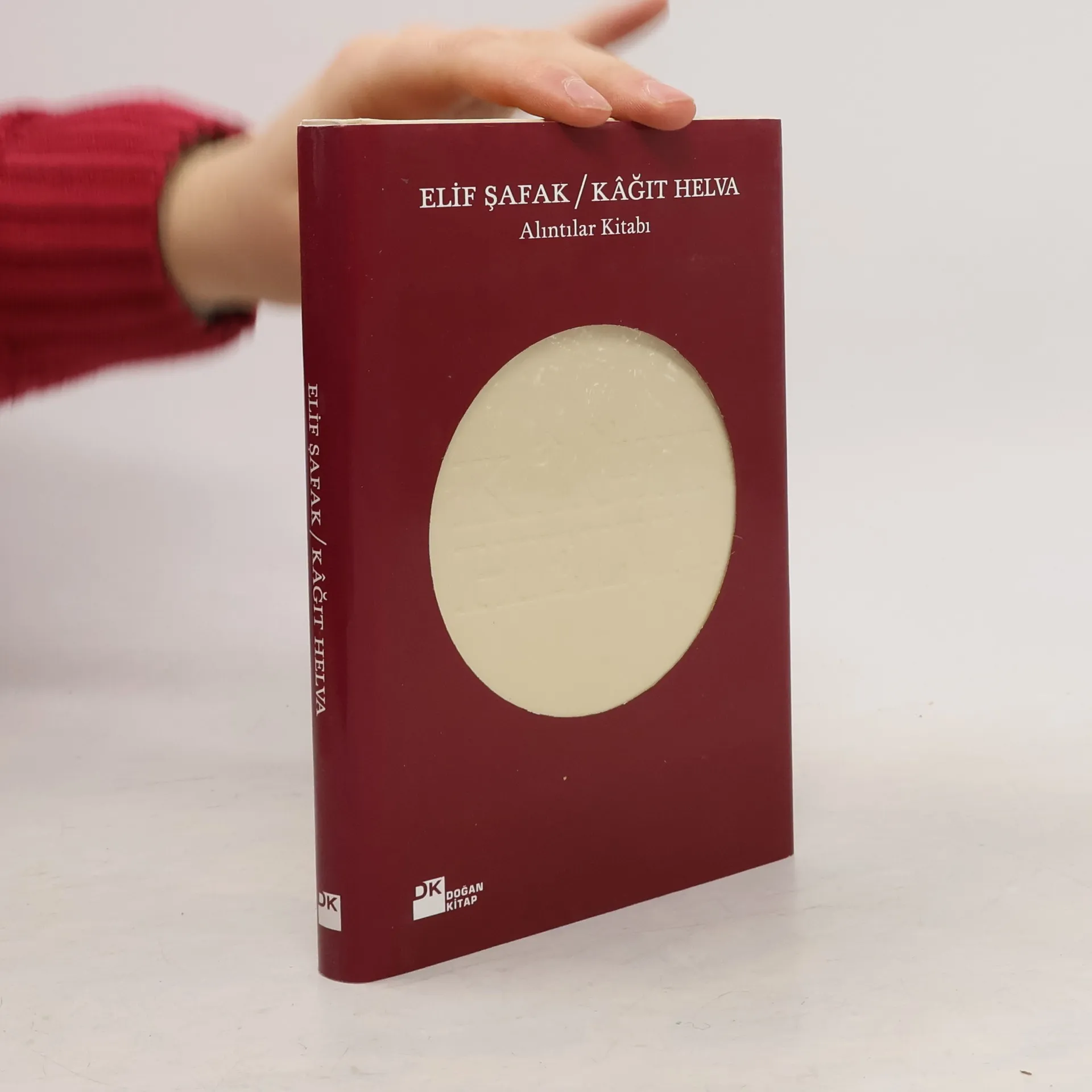
(...) Derken o yolculukta bir an geliyor, durup geriye bakma gereği duyuyorum. Geçtiğim yolları, uğradığım durakları, güzergah boyu karşılaştıklarımı anımsıyorum. Bu kitap dünden bugüne yazdıklarımdan ufacık bir seçkidir. Bir alıntılar kitabı. Karın doyursun diye değil, tadımlık niyetine. Kağıdın üzerine konmuş birkaç tatlı kelam. Kağıt Helva...
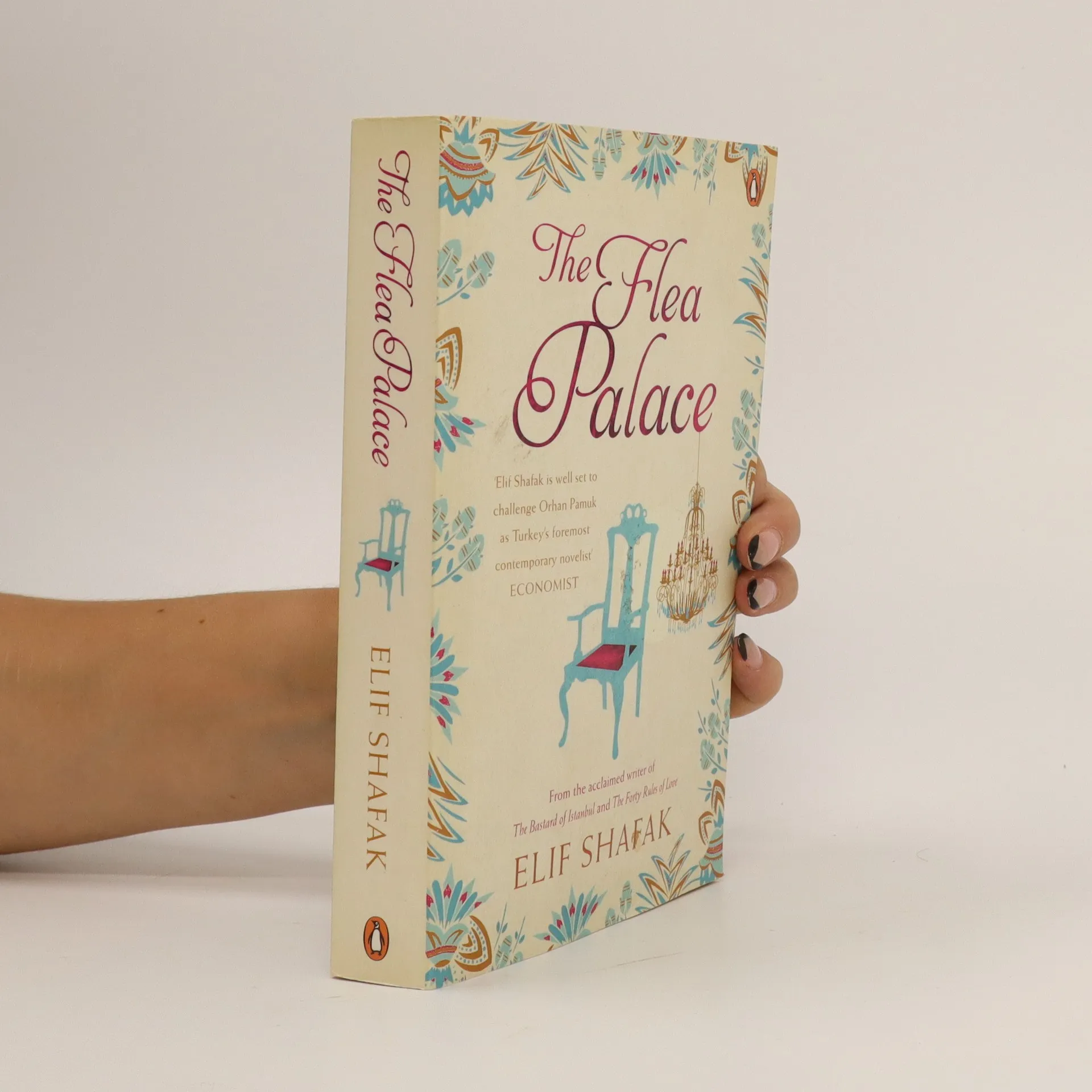
Bonbon Palace was once a stately apartment block in Istanbul. Now it is a sadly dilapidated home to ten wildly different individuals and their families. There's a womanizing, hard-drinking academic with a penchant for philosophy; a 'clean freak' and her lice-ridden daughter; a lapsed Jew in search of true love; and a charmingly naïve mistress whose shadowy past lurks in the building. When the garbage at Bonbon Palace is stolen, a mysterious sequence of events unfolds that result in a soul-searching quest for truth.
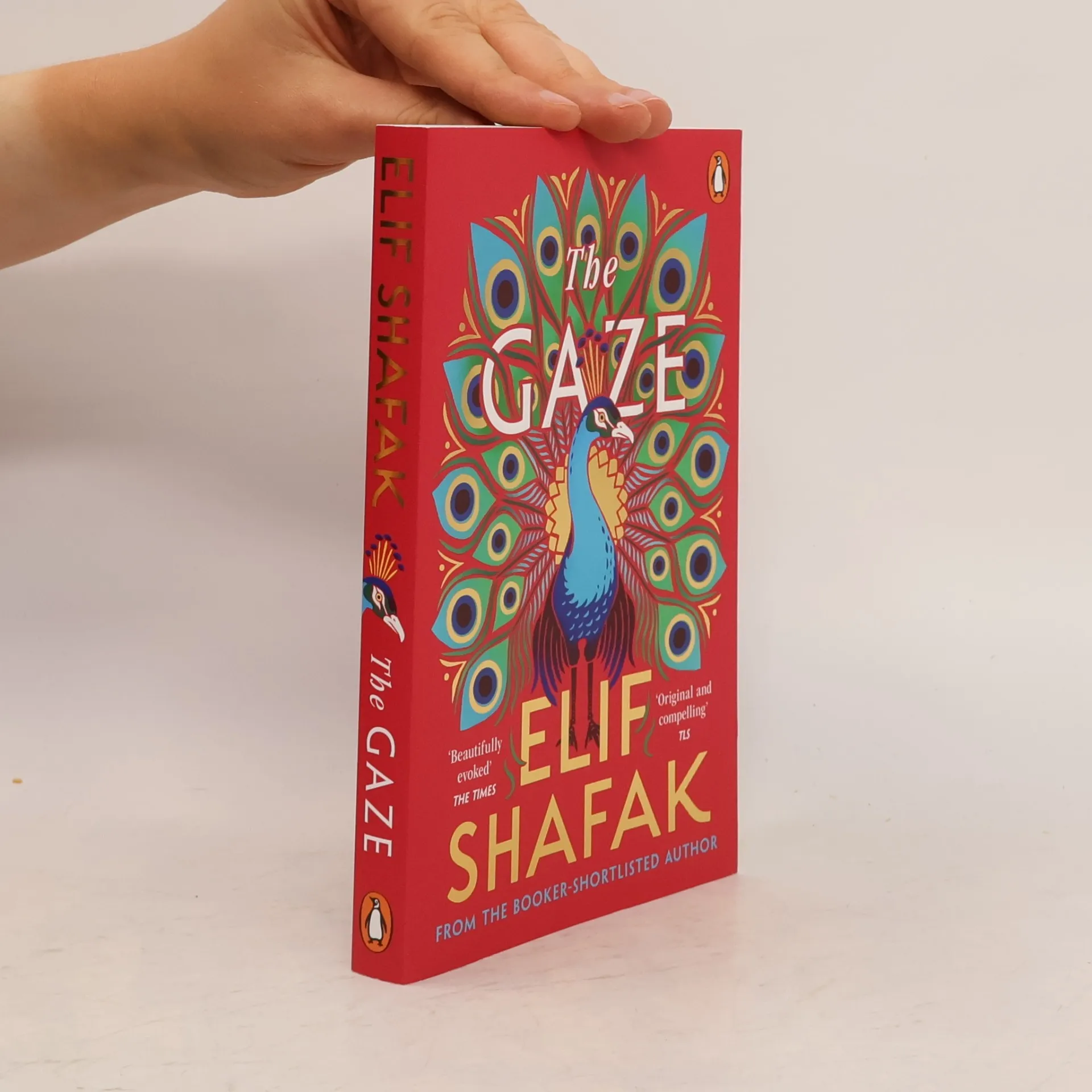
From award-winning writer Elif Shafak, the Orange Prize long-listed author of The Forty Rules of Love and The Architect's Apprentice, The Gaze is a humorous and carnivalesque exploration of what it means to look and be looked at... An obese woman and her lover, a dwarf, are sick of being stared at wherever they go and so decide to reverse roles. The man goes out wearing make-up and the woman draws a moustache on her face. This elegant, unforgettable novel explores our desire to look at others. 'Beautifully evoked' The Times 'Original and compelling' TLS
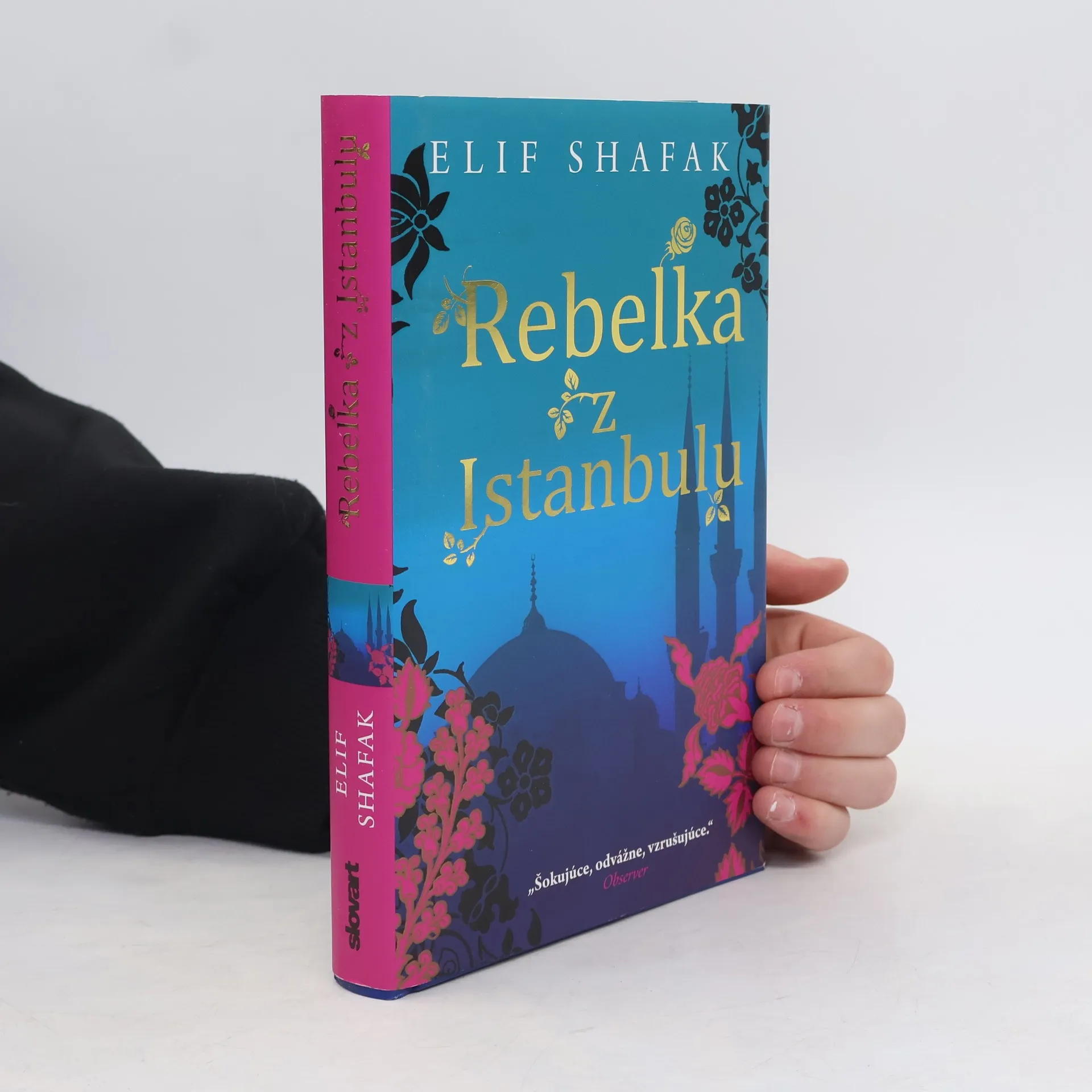
Rovnako ako kniha Štyridsať pravidiel lásky, aj román Rebelka z Istanbulu je ďalším fascinujúcim rozprávaním tureckej autorky Elif Shafak. Román bol v roku 2008 nominovaný na cenu Orange Fiction Prize. Autorka v ňom na pozadí mystického a multikultúrneho mesta Istanbul opisuje osud rodiny Kazandžiovcov, v ktorej už po mnoho pokolení vládnu ženy a muži zomierajú mladí. Keď sa v jedno daždivé popoludnie v ordinácii lekára zjaví mladé slobodné dievča a žiada, aby mu urobili potrat, ani len netuší, že udalosti toho dňa ovplyvnia život celej jej rodiny. O dvadsať rokov neskôr žije krásna Asya Kazandžiová s početnými príbuznými vo veľkom dome v Istanbule. Mladá žena nepozná svojho otca, a teda ani svoju minulosť a je presvedčená, že taký človek nemá budúcnosť. Keď rodinu navštívi príbuzná z USA, pokojný život Kazandžiovcov sa nečakane zvrtne.
Freundschaft und Liebe, Tradition und Veränderung, Sprache und Nationalität im Schmelztiegel des modernen Amerika. Wenn Omar eines in den wenigen Monaten in Boston gelernt hat, dann dies: Amerikaner lieben es, wenn sie Namen aussprechen können. Den Namen von jemand anderem zu lernen heißt, einen Teil seiner Existenz zu verstehen. Und so hat sich Ömer in Omar verwandelt, ist in eine WG mit Abed und Piyu gezogen und hat sich Hals über Kopf in die ausschweifende Amerikanerin Gail verliebt. Was Gail und Omar vereint, ist das Gefühl, nur in ihrer Beziehung sie selbst sein zu können. Auch wenn ihre Vorstellung vom amerikanischen Traum nicht dieselbe ist ... »Die Heilige des nahenden Irrsinns« – der erste Roman, den Elif Shafak auf Englisch geschrieben hat – fasziniert mit all den Themen, die ihr gesamtes Werk prägen: Identität, Kultur und Sprache.
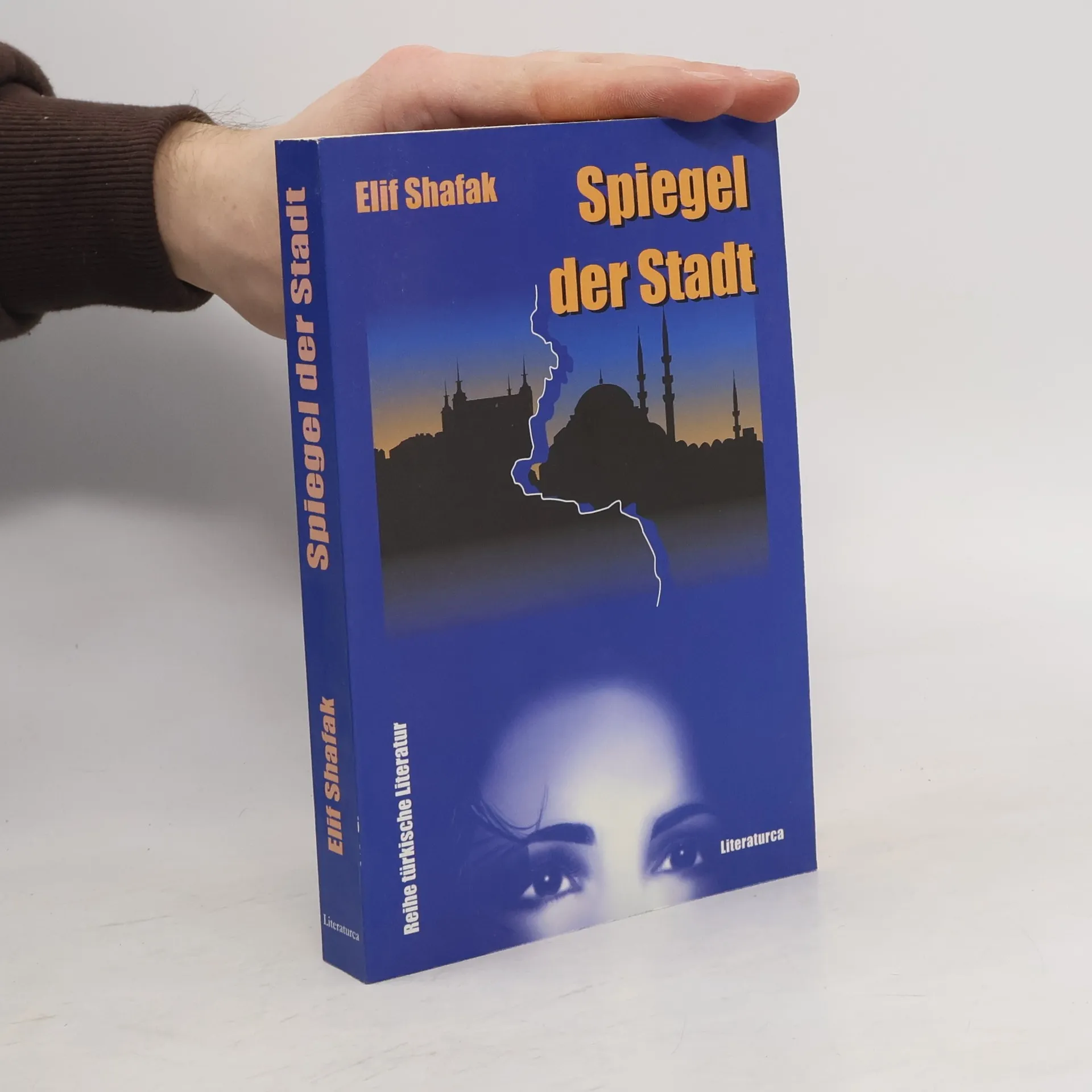
Spiegel der Stadt ist ein fesselnder historischer Roman von Elif Shafak, der den Leser durch ein ernstes Thema unterhält. Die Handlung beginnt im Spanien der Inquisition im 17. Jahrhundert und erstreckt sich über Italien bis ins Osmanische Reich. Die jüdischstämmige Familie Pereira wird von der Inquisition verfolgt, wobei Neid der Auslöser für ihre Verfolgung ist. Eine verbotene Liebe dient als Vorwand für die nächtliche Verhaftung durch die Inquisitoren. Kurz vor der Katastrophe, dem Verbrennen auf dem Scheiterhaufen, gelingt es zwei Familienmitgliedern, nach Istanbul zu fliehen, wo sie eine neue Heimat unter den Sepharden finden. Im Mittelpunkt stehen große Gefühle, insbesondere die leidenschaftliche Liebe zwischen Isabel und Miguel, die die historische Realität greifbar machen. Gleichzeitig bietet der Roman einen realistischen Blick auf oft vergessene Dimensionen einer dunklen Phase der europäischen Geschichte. Die Aktualität des Werkes wird durch die Thematisierung der Beziehungen zwischen Judentum, Christentum und Islam verstärkt, die eine andere Vergangenheit aufweisen, als sie in der heutigen politischen und medialen Darstellung vermittelt wird. Shafak hinterfragt auch die exotischen Vorstellungen des "Orients" und karikiert dabei subtil bekannte türkische Schriftsteller.
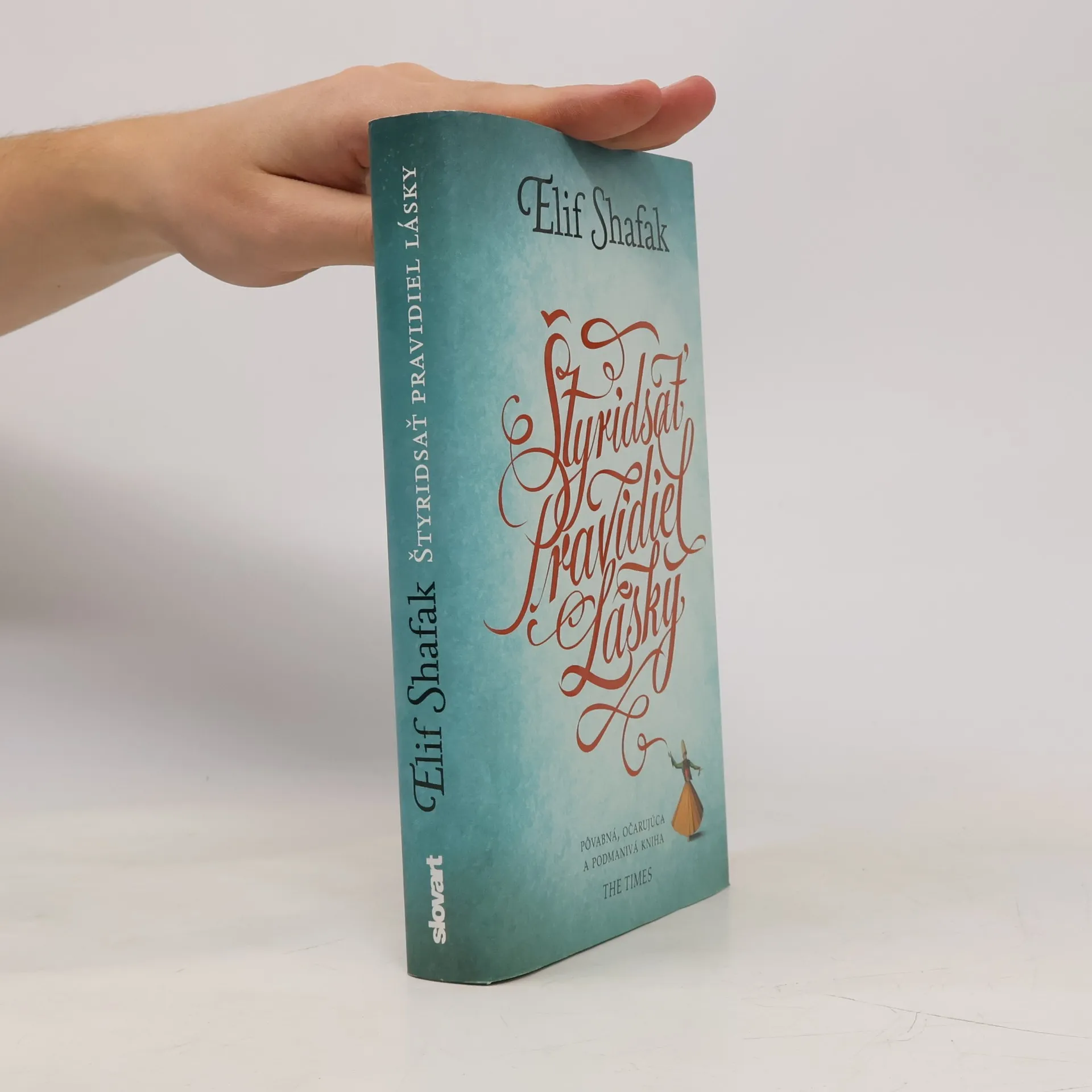
Ella Rubinstein má štyridsať rokov, perfektnú rodinu a dom, a už dávno zabudla, akú chuť má láska. Nedokáže si predstaviť, že niečo naruší jej existenciu, ktorá je ako stojatá voda jazera: kniha. Volá sa Sladká heréza, autor je neznámy a literárna agentúra, s ktorou Ella spolupracuje, jej ju poslala na posúdenie. Tak sa príbeh fenomenálneho priateľstva medzi básnikom Rumi, „Shakespearom islamu“, a dervišom Shamsom, mužom, ktorý žil z mystickej lásky, dostáva ako teplý vietor do Ellinej života, aby otvoril dvere, ktoré sa zdali navždy zatvorené. Čítaním sa Ella necháva unášať do Turecka 13. storočia, na krídlach tej „náboženskej duchovnosti“, ktorá inšpirovala Rumiho k najkrajším veršom lásky všetkých čias, a učí sa slávne „štyridsať pravidiel lásky“, ktoré Shams učil Rumiho a odhaľoval mu nečakané zázraky srdca. A keď sa Ella stretne s Azizom Z. Zahara, autorom knihy a už jeho majstrom emócií, láska, na ktorú je konečne pripravená, sa stane realitou... Od Turecka dervišov po Ameriku beznádejne zúfalej gazdinky, Elif Shafak nás očarúva románom, ktorý je mimoriadnym hymnom na lásku, na jej neuchopiteľnú krásu, na jej nekonečnú schopnosť nás pohltiť. A zároveň oslavou príbehov, ktoré nám knihy dokážu rozprávať, a ktoré môžu naozaj zmeniť náš život.