


Petr Aleksejevič Kropotkin Knihy


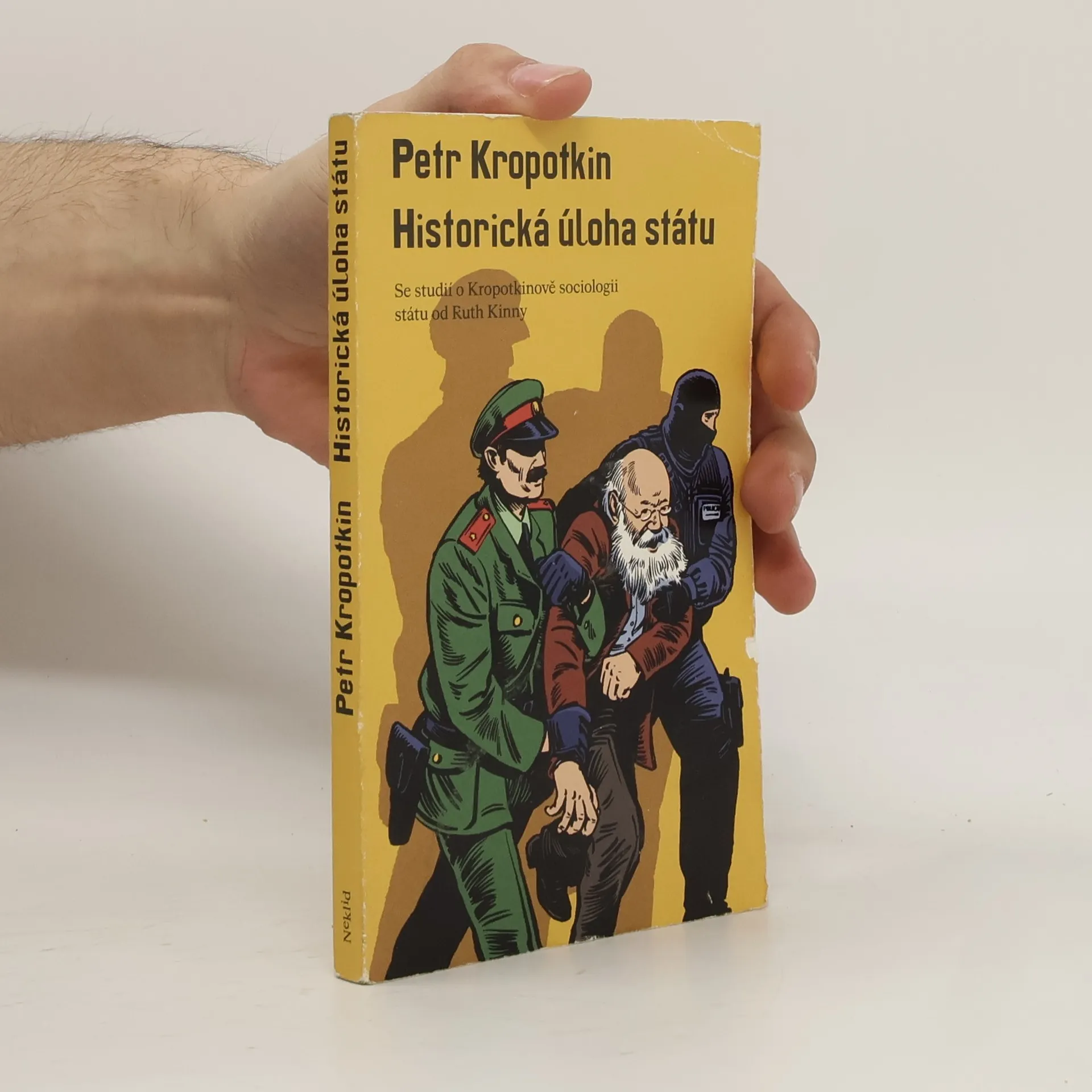
Historická úloha státu
- 139 stránok
- 5 hodin čítania
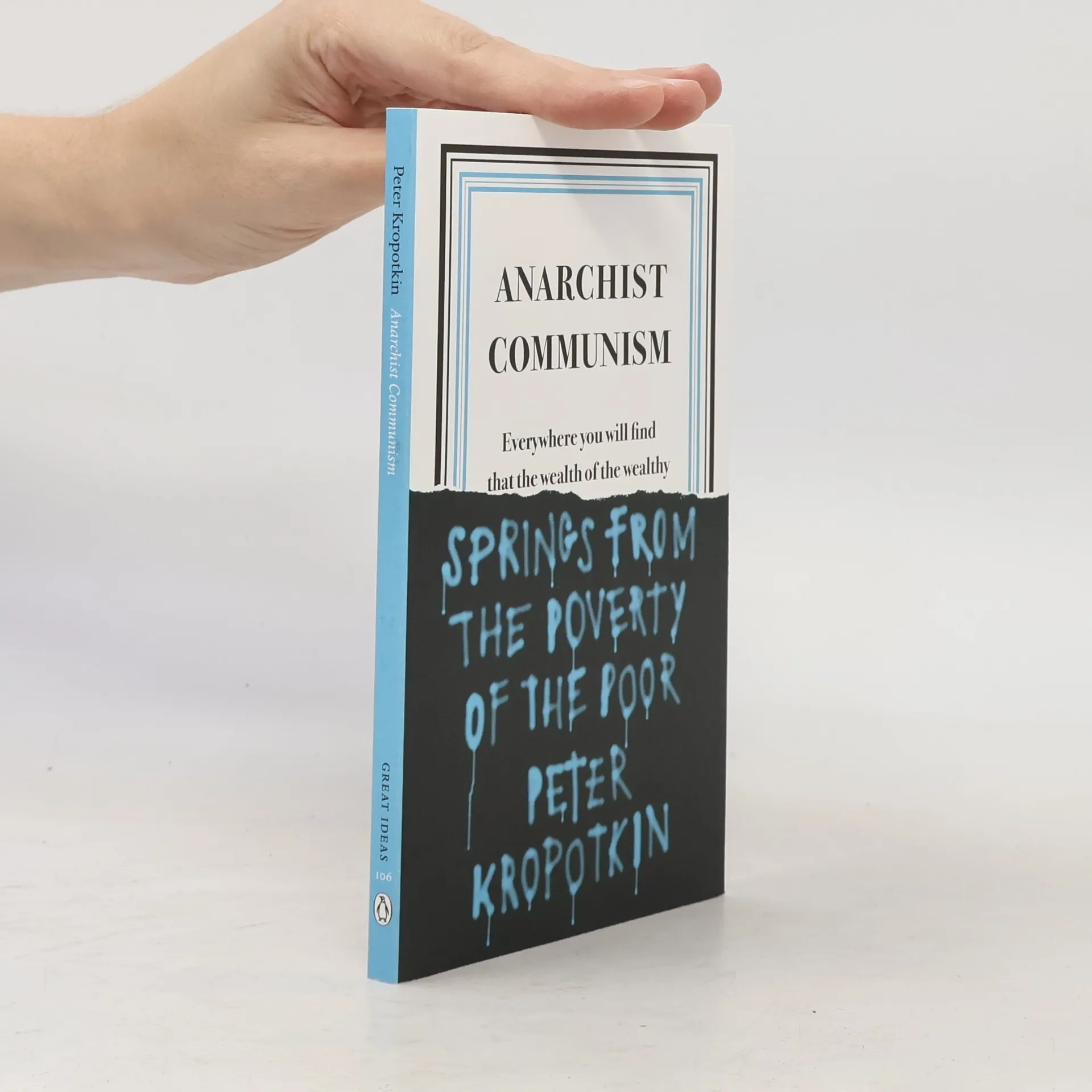
Kniha Historická úloha státu, napsaná Petrem Kropotkinem na konci 19. století, reflektuje intenzivní sociální a politické změny v Evropě, kdy se rozvíjel průmyslový kapitalismus, vedoucí k nerovnostem a vykořisťování pracujících tříd. Kropotkin zdůrazňuje, že stát a kapitalismus jsou neoddělitelné instituce, které se historicky vyvíjely společně a vzájemně se posilovaly. Jeho analýza státní moci ukazuje, jak vytváří hierarchické struktury a centralizovanou autoritu, což často potlačuje individuální svobodu. Místo toho navrhuje spolupráci na základě dobrovolné solidarity a vzájemné pomoci, což by vedlo k harmoničtější a spravedlivější společnosti. Kropotkinův anarchistický pohled, zasazený do socialistického hnutí, zdůrazňuje autonomii jednotlivce a odmítá nadvládu státní moci. Kriticky hodnotí státní instituce a představuje alternativní model organizace společnosti založený na rovnosti a svobodě. Nové vydání obsahuje studii politické filosofky Ruth Kinny, která se zabývá Kropotkovou sociologií státu z transnacionálního pohledu.
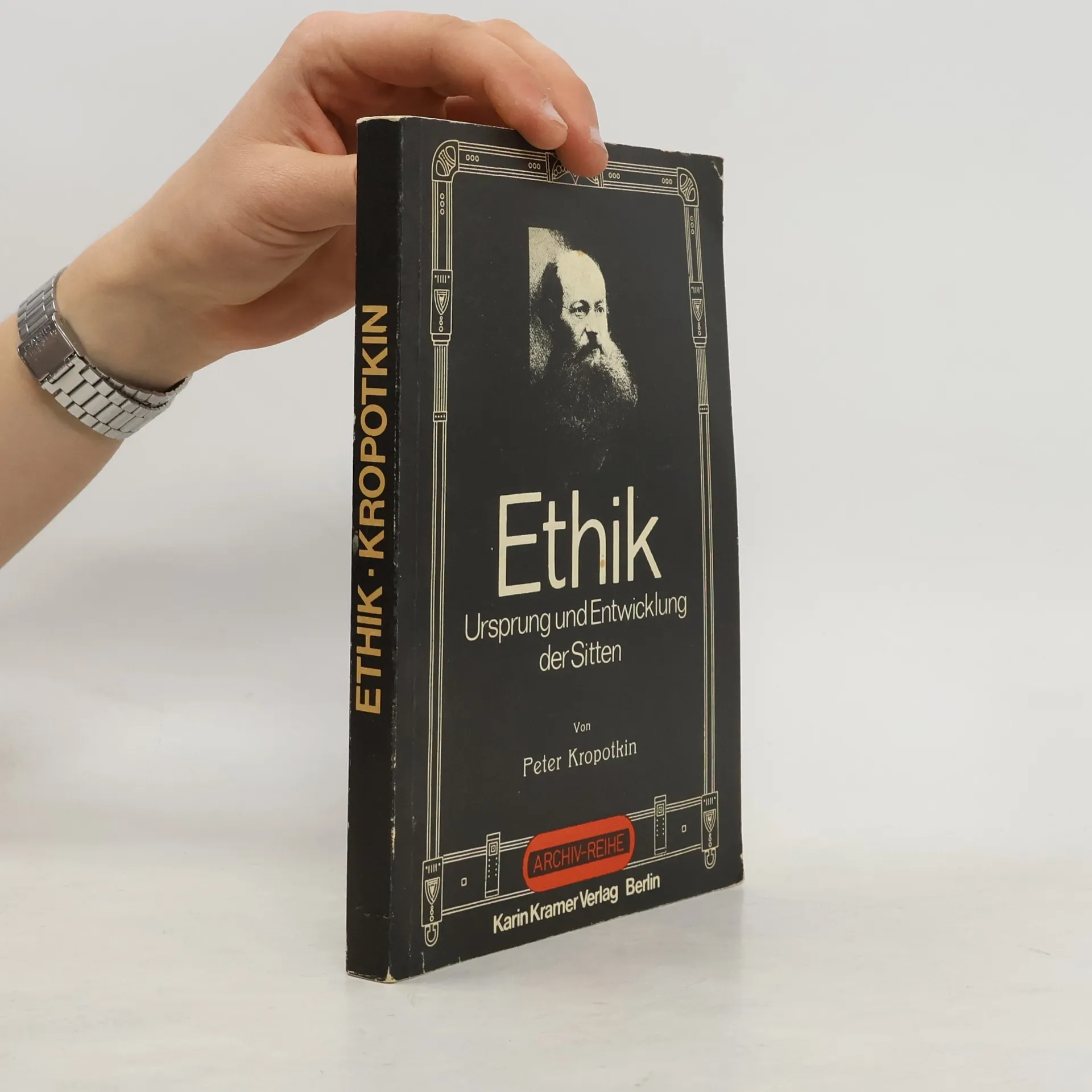
Die vorliegende Ausgabe von Kropotkins "Anarchistische Moral" bietet eine sorgfältig überarbeitete Neuauflage des ursprünglichen Textes von 1889. Sie wurde an die neue deutsche Rechtschreibung angepasst und erscheint im lesefreundlichen Großdruck. Der Band, Teil der Berliner Ausgabe von 2023, beinhaltet eine historische Umschlagabbildung des Autors um 1900. Kropotkins Werk untersucht die moralischen Grundlagen des Anarchismus und fordert eine ethische Neuausrichtung der Gesellschaft. Die Ausgabe ist in einem ansprechenden Großformat gestaltet und eignet sich sowohl für Fachinteressierte als auch für eine breitere Leserschaft.
Analysujeme-li kteroukoliv sociální teorii, brzo zpozorujeme, že obsahuje nejen nějaký program strany a ideál přestavby společnosti, ale že se všeobecně pojí k nějakému filosofickému systému - k všeobecnému pojetí přírody a lidských společností. Na tomto základě se Kropotkin v jednom zesvých nejzákladnějších děl pokouší dokázat, že jeho (anarchokomunistické) pojetí anarchie představuje nutný důsledek všeobecného velkého probuzení se přírodních věd, které se událo během 19. století. Sepsal tak nejen filosofický, ale i teoretický a praktický základ moderního anarchismu.
Mutual Aid: A Factor of Evolution: University Edition
- 200 stránok
- 7 hodin čítania
Kropotkin challenges the notion that competition drives evolution, emphasizing the critical role of cooperation in both nature and human societies. Through an exploration of various examples, including animals and historical communities, he illustrates how mutual aid has been essential for survival and development. This edition features Kropotkin's comprehensive notes, conveniently placed as footnotes for easy reference, enhancing the reader's understanding of his arguments.
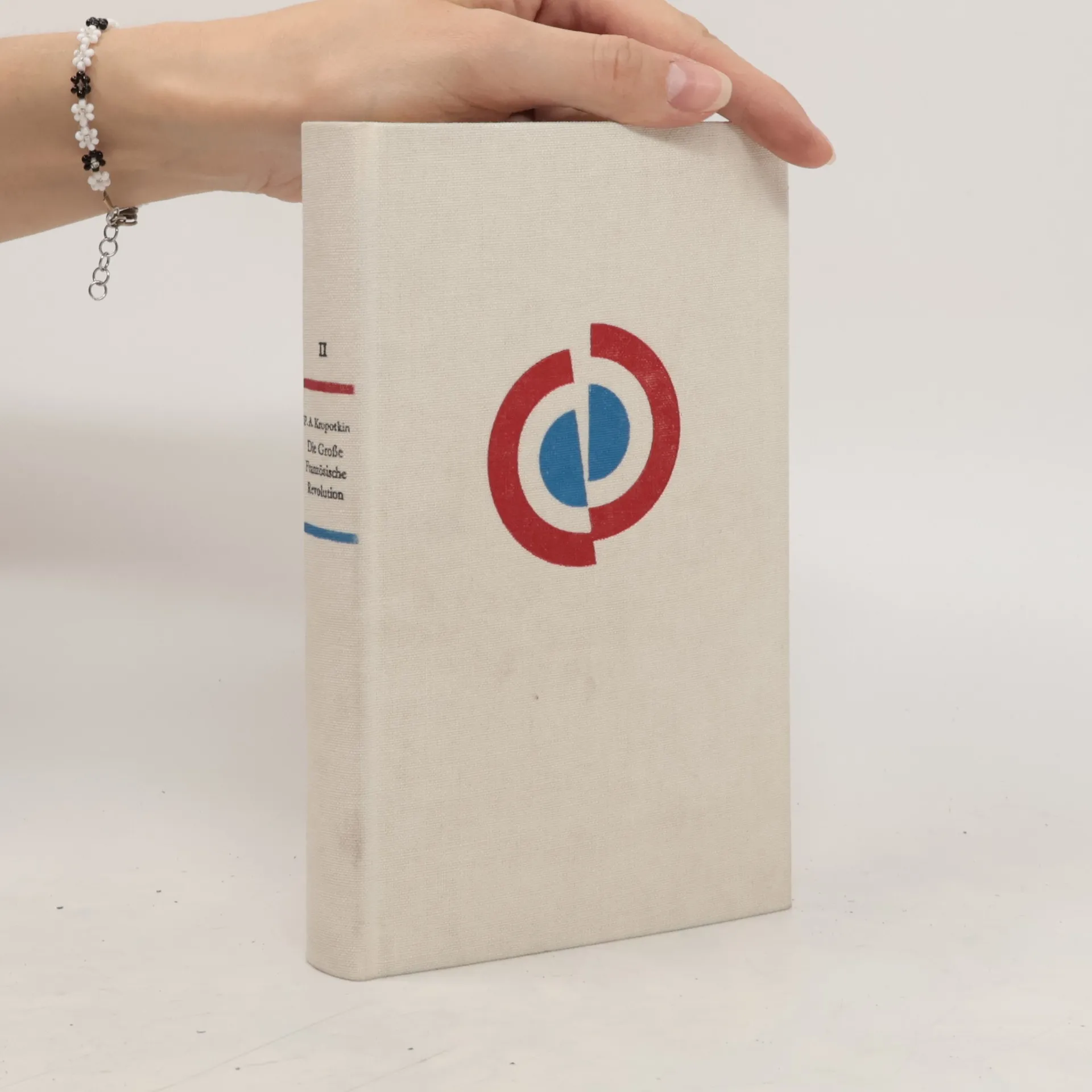
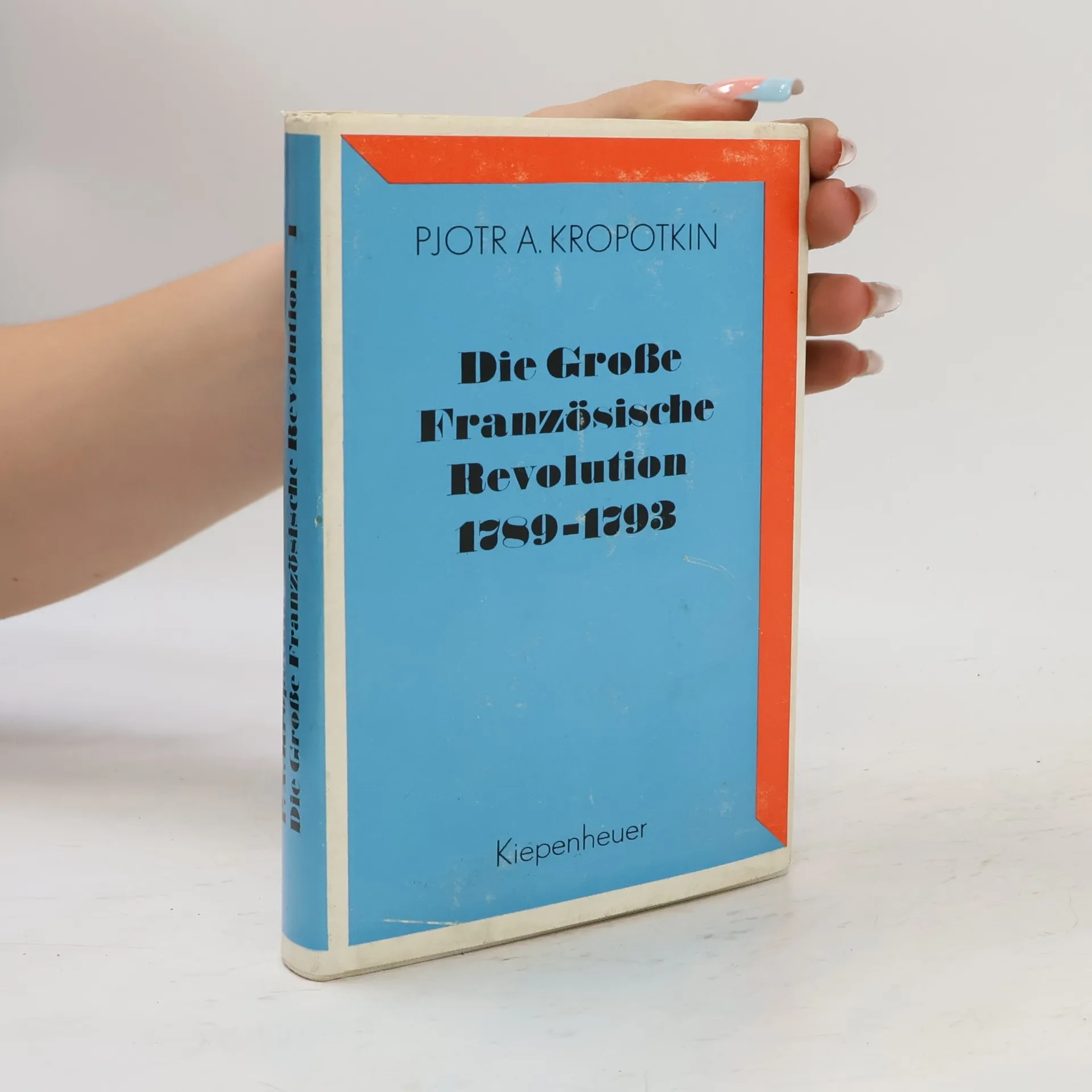
The Great French Revolution 1789-1793
- 584 stránok
- 21 hodin čítania
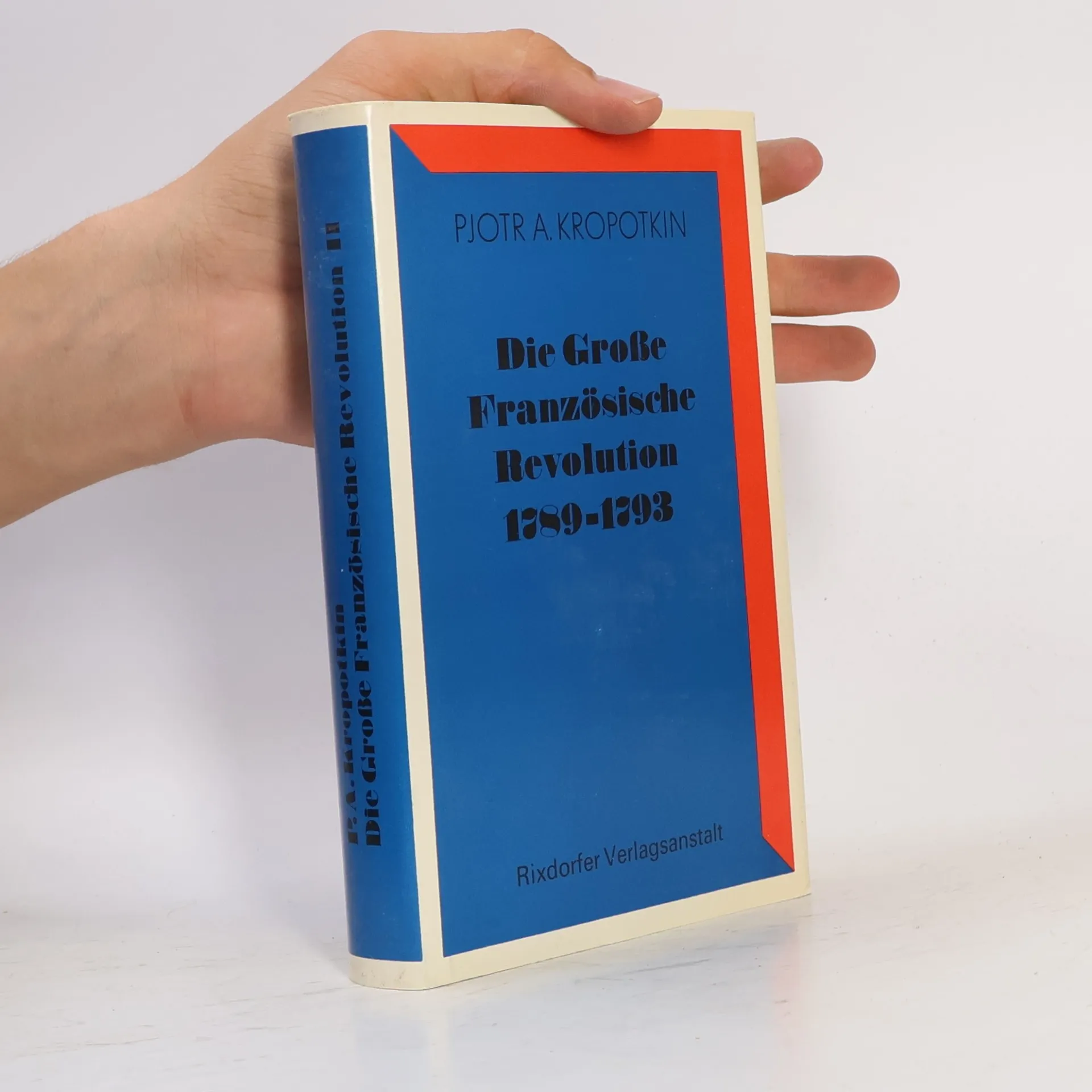
"This edition is based on the 1909 edition, translated by N.F. Dryhurst"--Editor's note.
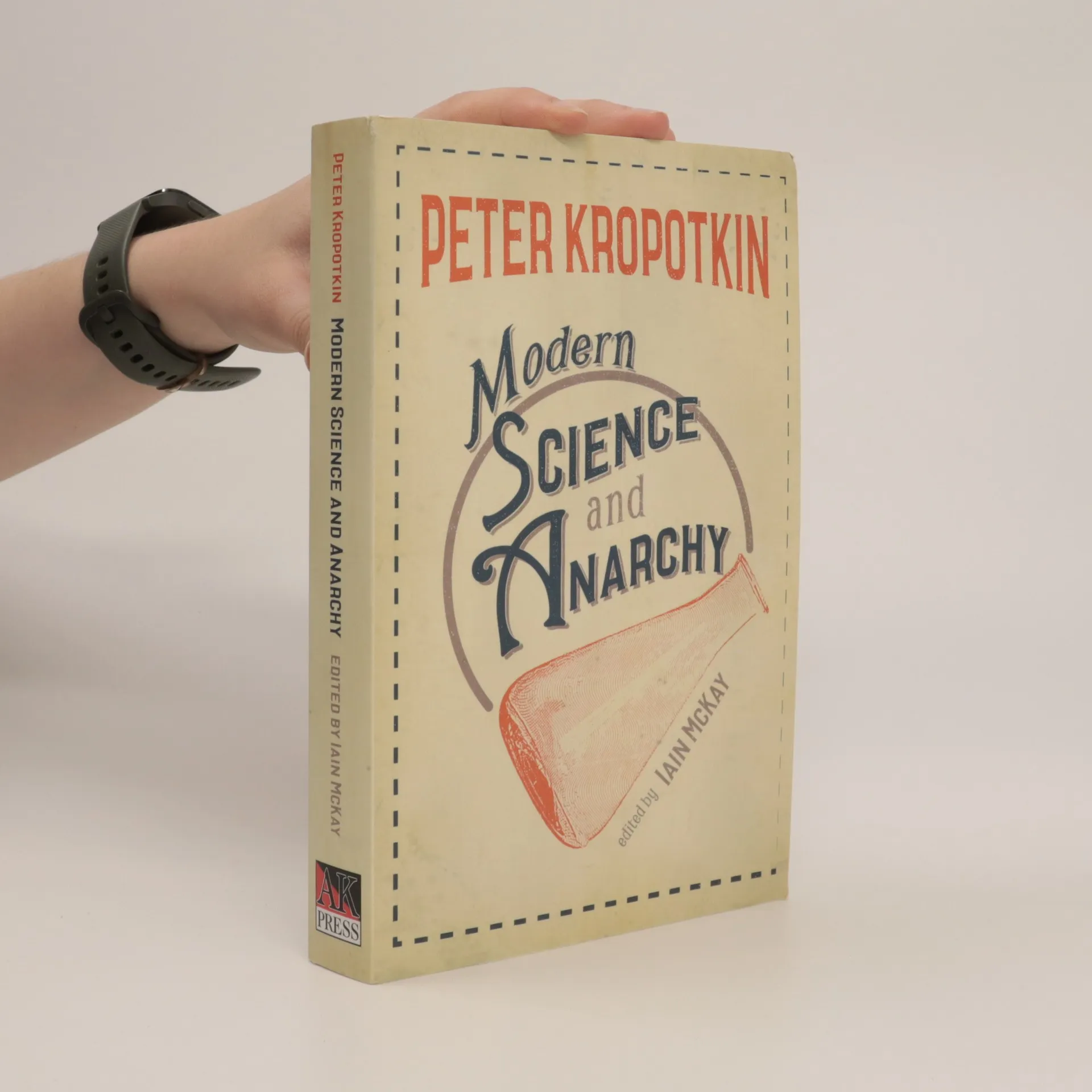
This is a new translation from the French original by Iain McKay except for a few chapters previously translated by Nicolas Walter. It includes all the original 1885 text along with the preface to the 1904 Italian as well as the preface and afterward to the 1919 Russian editions. It also includes many articles on the labour movement written by Kropotkin for Le Revolte which show how he envisioned getting from criticism to a social revolution, and a comprehensive glossary and an introduction by Iain McKay. This is the definitive edition of an anarchist classic.
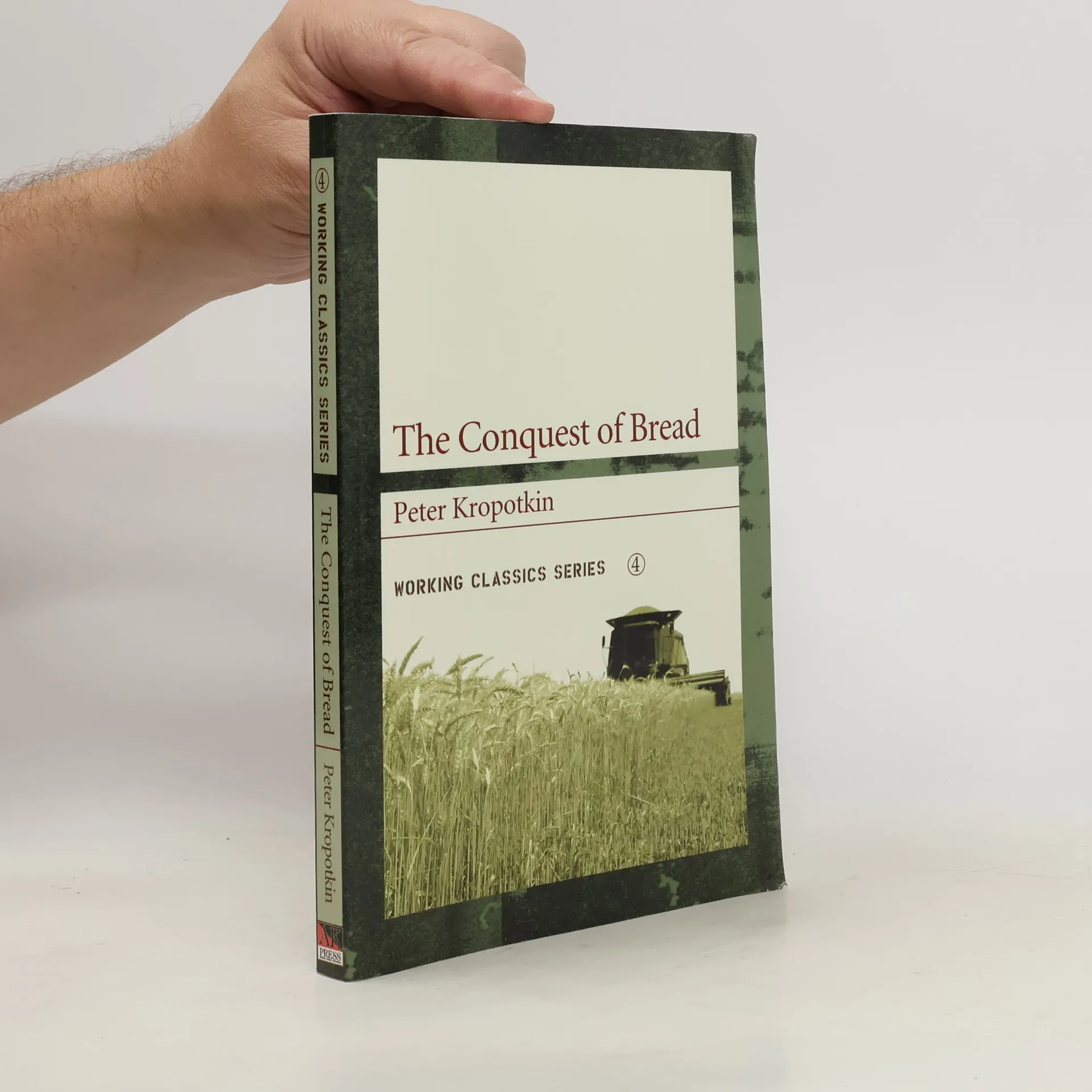
The Peter Kropotkin Anthology The Conquest of Bread & Mutual Aid A Factor of Evolution
- 444 stránok
- 16 hodin čítania
Exploring the thoughts of Peter Kropotkin, this anthology offers a compelling perspective on communist society during the late 19th and early 20th centuries. The collection presents two significant works that delve into Kropotkin's ideas, encouraging readers to reflect on his critiques and visions for social organization. Through his unique lens, the anthology invites a deeper understanding of historical and ideological contexts, highlighting Kropotkin's influence on anarchist theory and communal living.