

Z Knihobotu sa stal Bookbot!
Bookbot

Jannis Varoufakis

    24. marec 1961
    Jannis Varoufakis
    Talking to My Daughter about the Economy. A Brief History of Capitalism
    The Global Minotaur
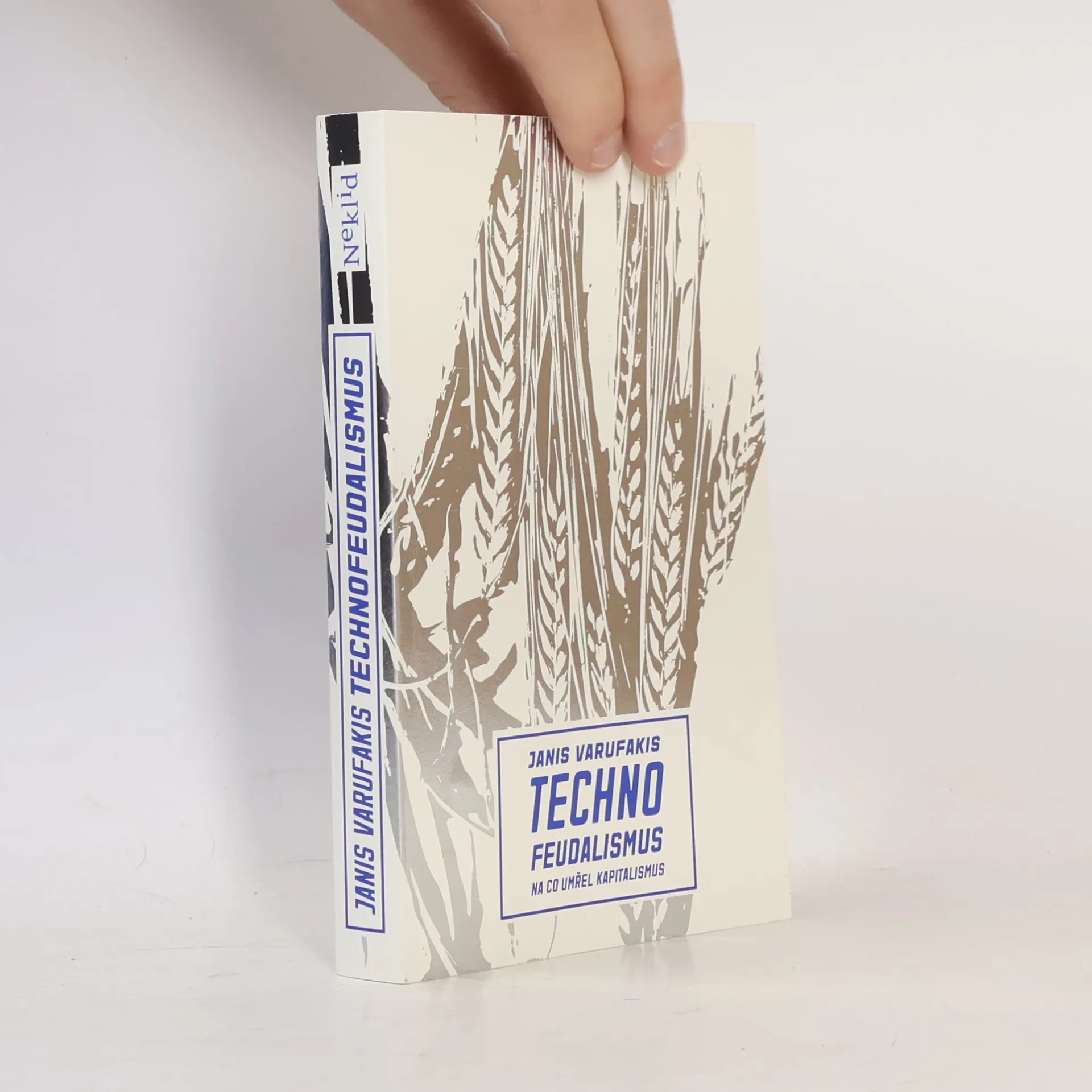
    Technofeudalismus: Na co umřel kapitalismus
    Co jsem řekl své dceři o ekonomii. Stručná historie kapitalismu
    Globální Minotaurus. Amerika, Evropa, krize a budoucnost globální ekonomiky
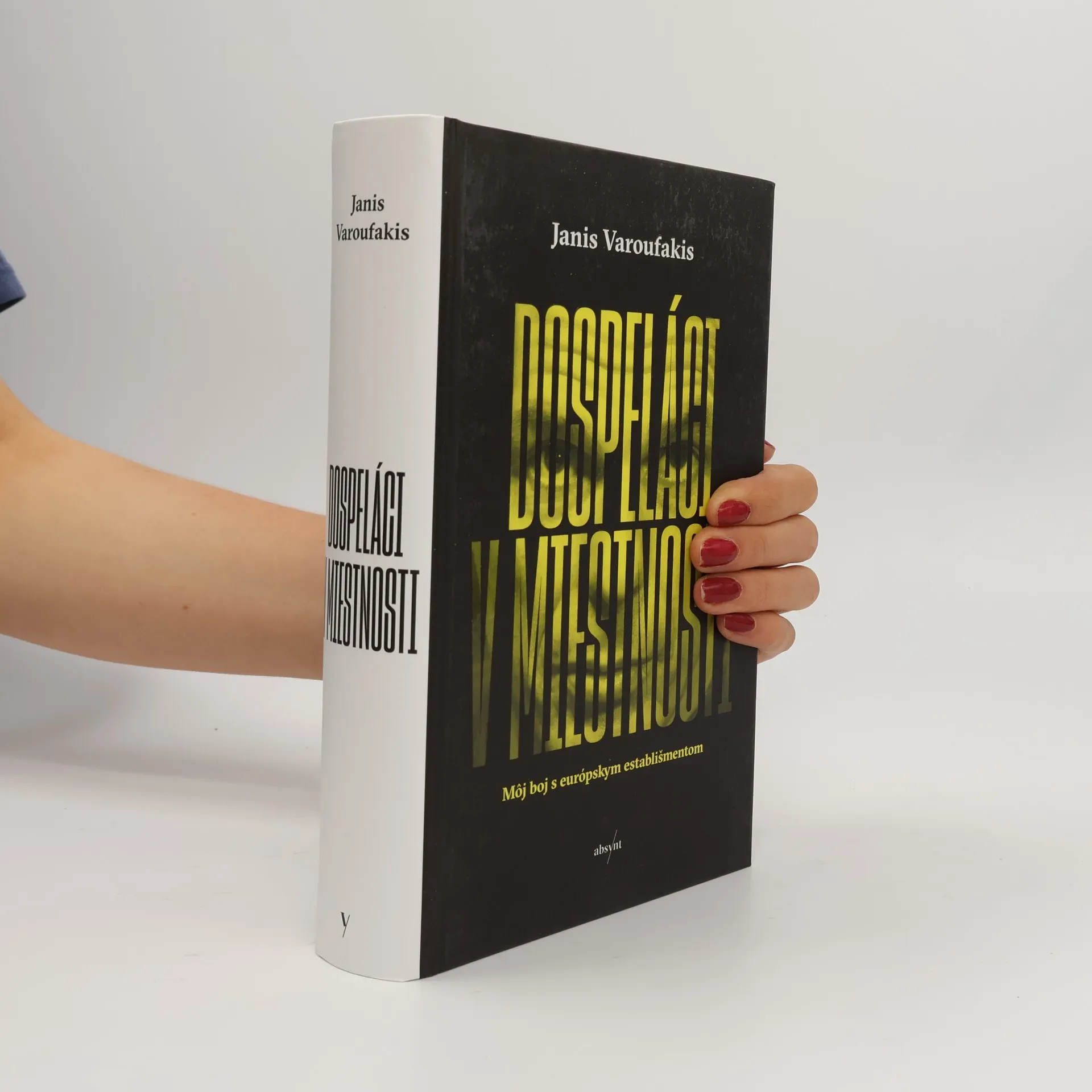
    Dospeláci v miestnosti
    • Dospeláci v miestnosti

      • 624 stránok
      • 22 hodin čítania
      4,4(224)Ohodnotiť

      Môj boj s európskym establišmentom. Zahryznite sa do skutočného európskeho politického trileru. Tajné nahrávky. Prepisy telefonátov. Úskoky. Falošné úsmevy. A bezohľadné intrigy. Nahliadnite za oponu moci v nevšednom osobnom spracovaní bývalého gréckeho ministra financií Janisa Varoufakisa. Počas gréckeho krachu v roku 2015 sa európski lídri na spoločných stretnutiach snažili nájsť cestu a východisko z krízy. Vtedajší grécky minister financií s nimi rozohral jednu z najveľkolepejších a najkontroverznejších politických bitiek histórie, keď sa pokúsil o prerokovanie vzťahov svojej krajiny k Európskej únii. S masovou podporou gréckeho obyvateľstva a jednoduchou logikou svojich argumentov privádzal vedenie Európskej únie do šialenstva. Skutočný príbeh o tom, čo sa dialo za zavretými dverami však zostával dlho neznámy. Varoufakisove nebojácne ťahy odkrývajú faloš a pokrytectvo politickej moci, ktorá sa viac ako o stabilitu usiluje o vlastný prospech a zároveň s chirurgickou presnosťou popisujú fungovanie politického zákulisia. Dospeláci v miestnosti sú mimoriadne dôležitým a vážnym zvonením na poplach. Zobuďme sa a pomôžme európskej demokracii k znovuzrodeniu!
      Dospeláci v miestnosti
    • Mezinárodně uznávaný řecký ekonom Yanis Varoufakis nabízí nekonvenční pohled na krizi, která vypukla v roce 2008 a přetrvává dodnes. Zkoumá historické kořeny a souvislosti této krize, včetně příčin krachu systému, který fungoval po desetiletí, a vyhlídky na ekonomické oživení. Varoufakis tvrdí, že běžně uváděné důvody, jako neoliberální ideologie a chamtivost, sice odrážejí realitu, ale neodhalují jádro problému. To spočívá v kolapsu globálního uspořádání, které vzniklo kolem roku 1971, jež autor přirovnává k mytické obludě Glogálnímu Minotaurovi. V období od padesátých do sedmdesátých let USA vytvářely zahraniční poptávku po svém exportu a pomáhaly rozvíjet ekonomiky svých bývalých nepřátel, jako jsou Německo a Japonsko. Když USA začaly ztrácet postavení tvůrce globálního přebytku, zvolily strategii záměrného zvyšování deficitů, což se stalo nástrojem posílení jejich hegemonie. Tyto deficity přitahovaly zahraniční kapitál a umožnily americkým spotřebitelům konzumovat zboží vyprodukované přebytkovými ekonomikami. Krize v roce 2008 nastala, když Globální Minotaurus, který zajišťoval stabilitu a růst, byl vážně zraněn. Jeho pád vedl k narušení globální ekonomiky a vyvolal radikální nejistotu a stagnaci. Bez nalezení způsobu, jak žít bez této obludy, hrozí pokračující nebezpečí a hrozby.

      Globální Minotaurus. Amerika, Evropa, krize a budoucnost globální ekonomiky
    • Stručná historie kapitalismu. Co se stane, když se profesor ekonomie, který je zároveň radikálním levicovým politikem, rozhodne své dospívající dceři vysvětlit, jak funguje ekonomika a svět kolem nás? Nečekejte žádné „ismy“, matematické vzorce ani šermování autoritami. Bude to nevšední čtení: setkáte se například s australskými domorodci, s reky Homérových eposů, Faustem a Mefistofelem, s Frankensteinem a Mary Shelleyovou, šamany afrického kmene Azandů, obyvateli německého tábora pro válečné zajatce a s hrdiny filmů Matrix a Blade Runner. A jen tak mimochodem se dozvíte, jak fungují peníze a zisk, jaký je mechanismus dluhu, odkud se bere nerovnost a chudoba, proč vznikají ekonomické krize – a ještě mnoho dalšího. Odborná erudice a celkový přehled se u Janise Varufakise pojí se svižným perem a jasnými názory – pro někoho provokativními, pro jiné inspirujícími. Jedno je ale jisté: tuto knihu přečtete jedním dechem! Pro české vydání napsal autor speciální předmluvu.

      Co jsem řekl své dceři o ekonomii. Stručná historie kapitalismu
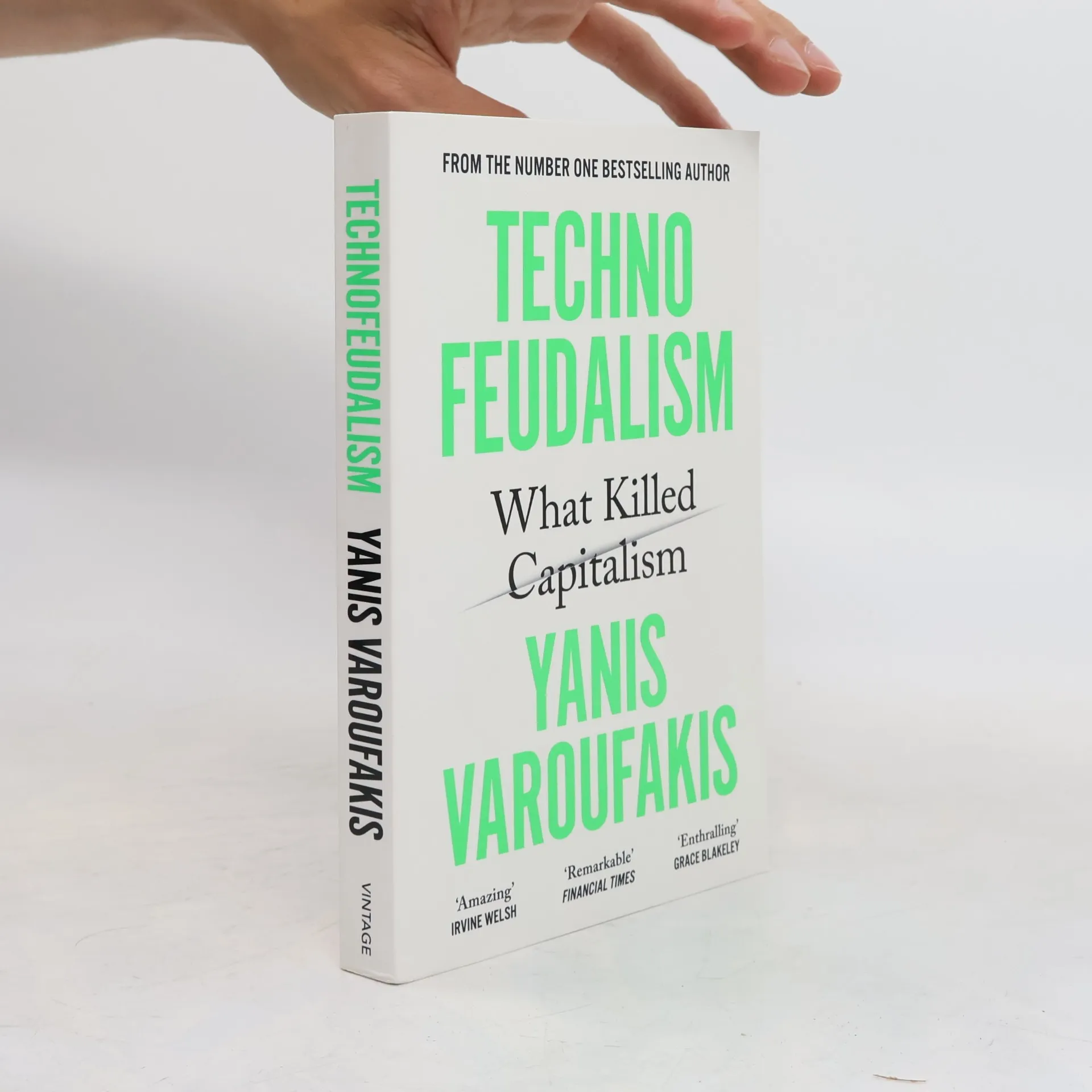
    • Technofeudalismus: Na co umřel kapitalismus

      • 337 stránok
      • 12 hodin čítania

      Kapitalismus je mrtvý. Vítejte v technofeudalismu. Zatímco jsme byli příliš rozptýleni pandemií, nekonečnými finančními krizemi nebo vzestupem sociálních sítí, prosadil se nový, ještě více vykořisťující systém. Miliardy, které měly pomoci postavit ekonomiku na nohy, skončily u velkých technologických firem. Ve své nejodvážnější a nejzávažnější knize odhaluje vizionářský ekonom a autor mnoha bestsellerů Janis Varufakis, jak noví feudální vládci nahradili kapitalismus s jeho dvěma pilíři, trhem a ziskem, systémem, který si podrobuje naši mysl, znemožňuje demokracii a přepisuje pravidla globální moci. Pomocí příběhů z řeckých mýtů a popkultury, od Homéra po Mad Men, vysvětluje Varufakis tuto revoluční transformaci, ale také odhaluje, že technofeudalismus obsahuje nové možnosti, jak jej zvrátit a nahradit. Jasněji než kdy dřív vyzdvihuje potřebu revoluce, která nás osvobodí z digitálního vězení. Technofeudalismus je četba pro novou dějinnou éru.

      Technofeudalismus: Na co umřel kapitalismus
    • The Global Minotaur

      America, Europe and the Future of the World Economy

      • 304 stránok
      • 11 hodin čítania

      Challenging conventional narratives, the author argues that the Eurozone and global economic crises are symptoms of a deeper malaise rooted in historical events dating back to the Great Crash of 1929. He introduces the concept of a "Global Minotaur," representing an unsustainable and imbalanced economic system. Varoufakis emphasizes the need to restore rationality to the current irrational economic order, offering insights into the socio-economic events and hidden histories that have shaped contemporary challenges.

      The Global Minotaur
    • In this letter to his teenage daughter, one of the world's most famous economists uses vivid stories to explain what economics is and why it is so dangerous. What is money and why does debt exist? Where do wealth and inequality come from? How come economics has the power to shape and destroy our lives? Economics is not a technical science, it is an epic drama: a battleground of ideas, a war between the powerful for our allegiance. In this universally accessible book, Yanis Varoufakis describes how this drama first emerged and has since come to dominate the fate of human societies worldwide. In answering all of the big questions about money and debt, power and inequality, he shows how economics has sought to solve the problems of our world but ended up being a major cause of many of them. Drawing on history and literature, science fiction and personal memories, this intimate and inspiring book shines a light for readers of all ages on some of the most bewildering questions and important challenges that humanity faces.

      Talking to My Daughter about the Economy. A Brief History of Capitalism
    • 'The emerging rock-star of Europe's anti-austerity uprising.' Daily Telegraph 'A spirited book.' New Yorker In this remarkable and provocative book, Yanis Varoufakis, former finance minister of Greece, explodes the myth that financialisation, ineffectual regulation of banks, greed and globalisation were the root causes of both the Eurozone crisis and the global economic crisis. Rather, they are symptoms of a much deeper malaise which can be traced all the way back to the Great Crash of 1929, then on through to the 1970s: the time when a Global Minotaur was born. Today's deepening crisis in Europe is just one of the inevitable symptoms of the weakening Minotaur; of a global system which is now as unsustainable as it is imbalanced. Going beyond this, Varoufakis reveals how we might reintroduce a modicum of reason into what has become a perniciously irrational economic order. An essential account of the socio-economic events and hidden histories that have shaped the world as we now know it.

      The global minotaur : America, Europe and the future of the global economy
    • 'Why is there so much inequality?' Xenia asks her father, the world famous economist Yanis Varoufakis. Drawing on memories of her childhood and a variety of well-known tales - from Oedipus and Faust to Frankenstein and The Matrix - Varoufakis explains everything you need to know in order to understand why economics is the most important drama of our times. In answering his daughter's deceptively simple questions, Varoufakis disentangles our troubling world with remarkable clarity, while inspiring us to make it a better one.

      Talking to my daughter : a brief history of capitalism
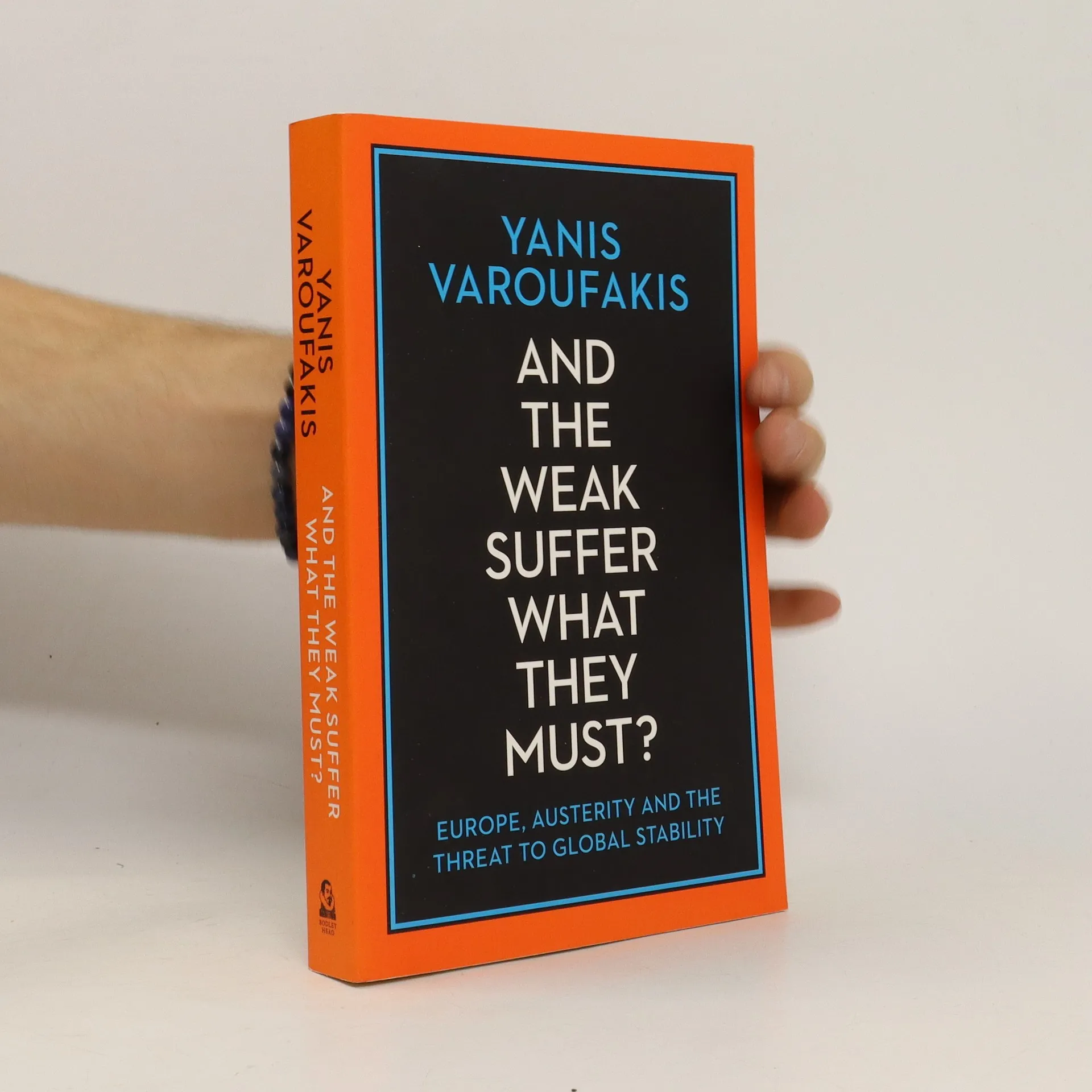
    • And the weak suffer what they must?

      • 318 stránok
      • 12 hodin čítania
      4,1(2288)Ohodnotiť

      The crisis in Europe is not over - it's getting worse. In this narrative of Europe's economic rise and spectacular fall, the author, former finance minister of Greece, shows that the origins of the recent collapse go far deeper than our leaders are prepared to admit - and that we have done nothing so far to fix them.

      And the weak suffer what they must?
    • No one noticed when capitalism died. Perhaps we were too distracted by the implosion of global finance, or the rise of populism, or the demise of the planet - or all of those cute cats on Instagram. But gradually, quietly, a yet more exploitative new system has taken hold- techno-feudalism. Written in the form of a letter to his late father, who first taught him about the power of new technologies to shape human history, Yanis Varoufakis explains how Big Tech has effected an invisible but fundamental transformation in all our lives. Drawing on stories from Greek Myth and pop culture, from Mad Men to Karl Marx, he explains how the key ingredients of capitalism - profit and markets - have both been replaced. And he exposes the hidden connection between your personal data and the transformative power of 'cloud capital' which means that without our realising it, we are all working every day for the tech giants, for free.

      Technofeudalism : what killed capitalism