

Z Knihobotu sa stal Bookbot!
Bookbot

Werner Herzog

    5. september 1942

    Werner Herzog je režisér, ktorého filmy sa často ponárajú do ríše neuveriteľných snov a podivuhodných talentov. Jeho diela sú spájané s Novou vlnou nemeckého filmu a vyznačujú sa jedinečným pohľadom na ľudskú povahu. Herzog skúma hranice ambícií a posadnutosti, často v kontexte nehostinných prostredí. Jeho filmy provokujú diváka k zamysleniu nad zmyslom úsilia tvárou v tvár nepriazni osudu.

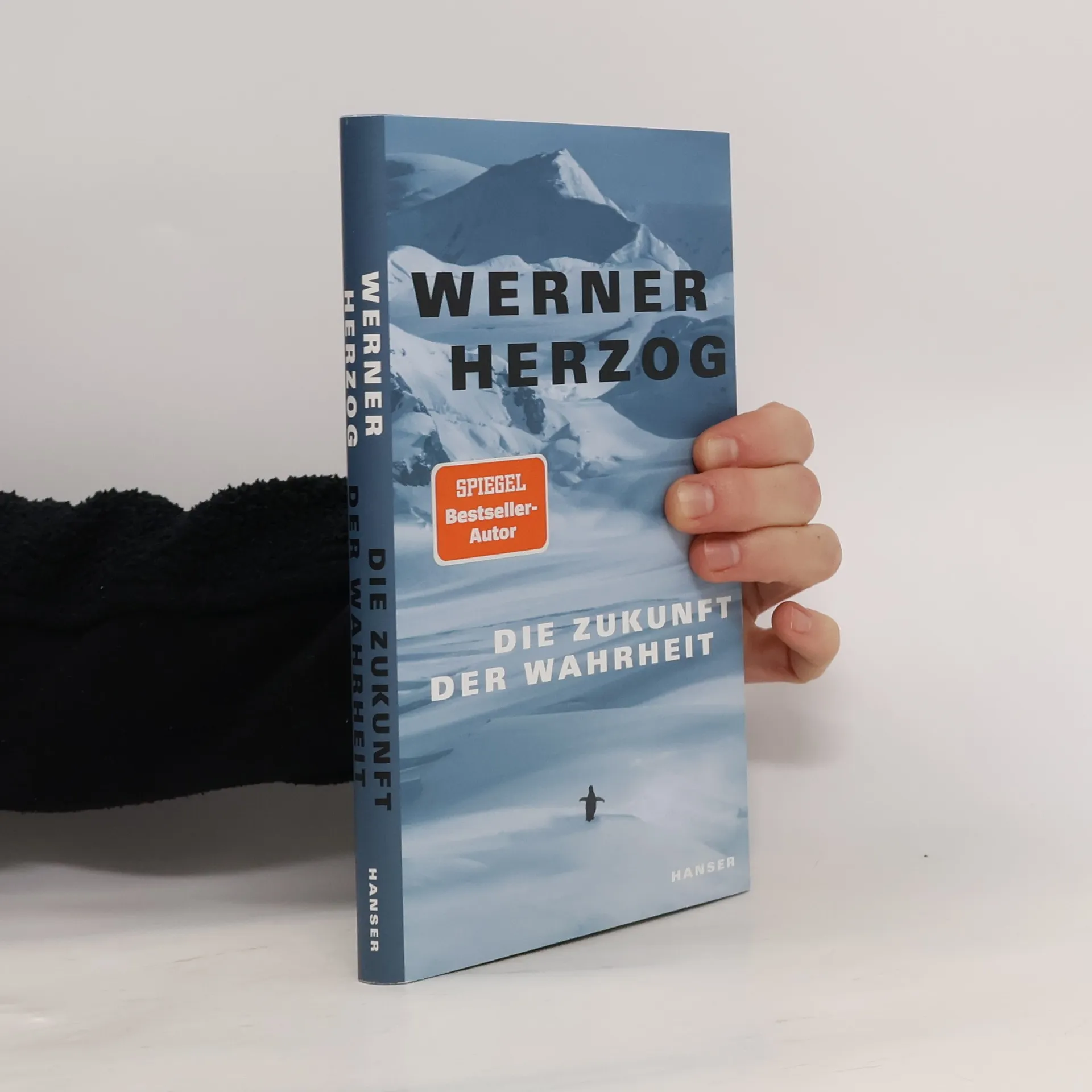
    Werner Herzog
    Every Man for Himself and God Against All
    Screenplays
    A Guide for the Perplexed
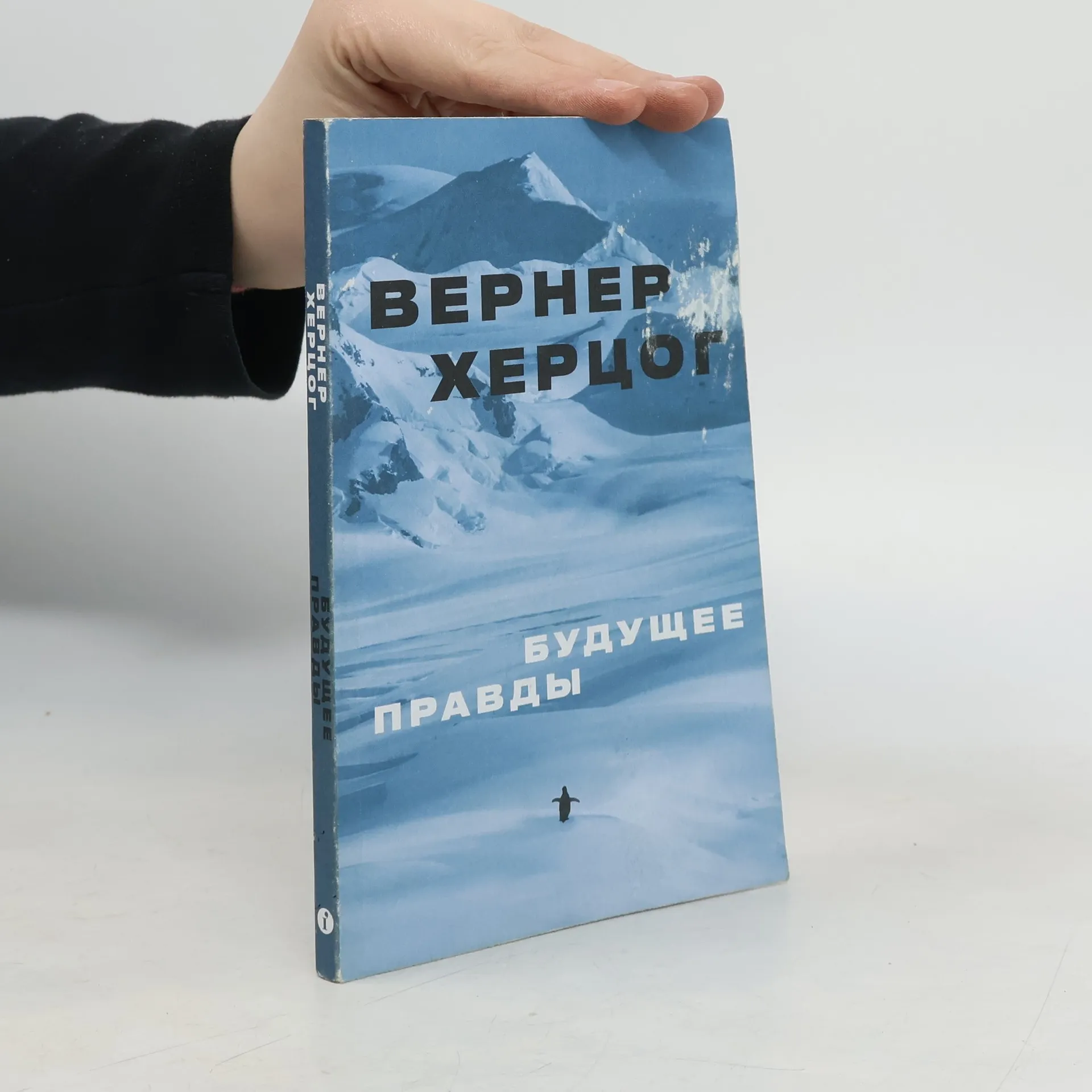
    Vom Gehen im Eis
    Conquest of the Useless
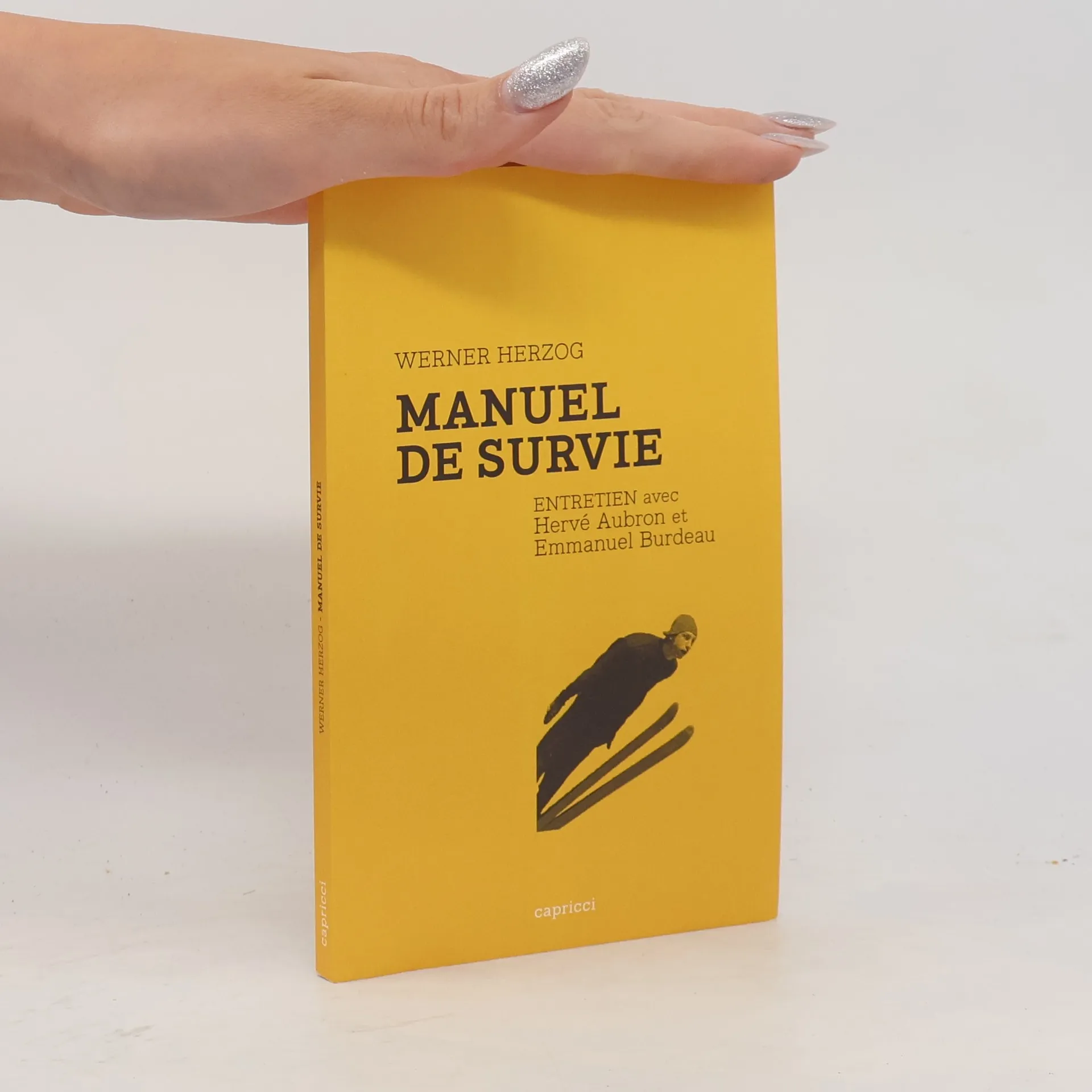
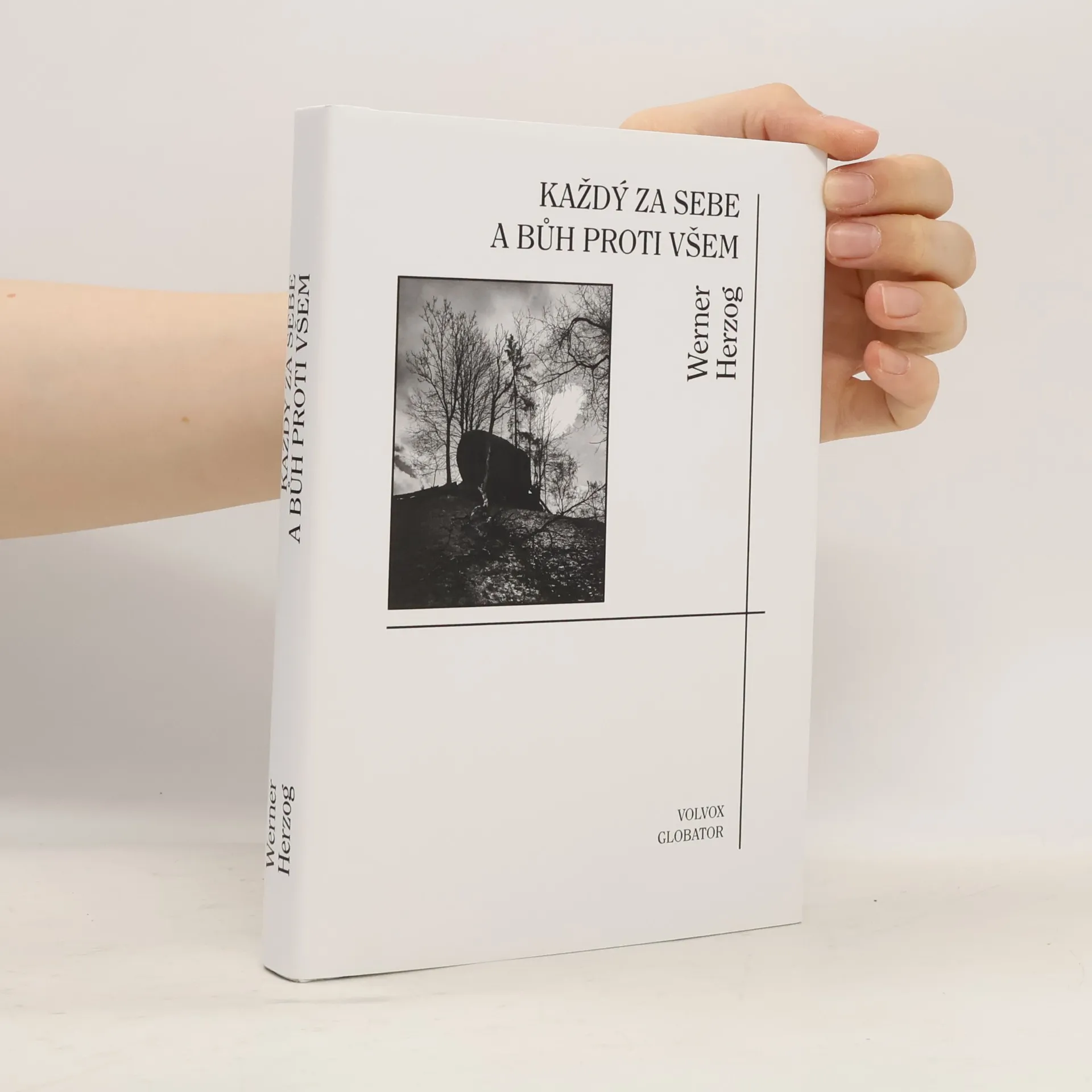
    Každý za sebe a Bůh proti všem
    • Každý za sebe a Bůh proti všem

      • 308 stránok
      • 11 hodin čítania

      Paměti Wernera Herzoga líčí v 36 krátkých pasážích scény a obrazy z neuvěřitelně bohatého autorova života, doplněné jeho krátkými úvahami. Zachycují život v rozpětí jednoho století, který by se nevešel ani do jednoho z jeho slavných filmů. Mladý, věčně hladový Herzog, s nímž matka uprchla z rozbombardovaného Mnichova do chudičké vsi v Alpách, vyroste v mladíka toulajícího se osaměle světem, na něhož záhy číhá v nejzazších končinách Egypta v horečkách smrt. Je to nadšenec a ctižádostí poháněný individualista, který uprostřed džungle tiše rozmlouvá s rozběsněným Klausem Kinským a rozpláče se u smrtelného lože přítele Bruce Chatwina. Ať už mluví o situacích během natáčení, jež občas ohrožují i životy ostatních, nebo o svém vztahu s Kinským, vždy jsou ve hře riziko a silné emoce. Tato kniha plná nespoutané touhy po životě a údivu nad naším nádherným světem je skutečnou literární událostí.
      Každý za sebe a Bůh proti všem
    • Conquest of the Useless

      • 320 stránok
      • 12 hodin čítania
      4,0(2346)Ohodnotiť

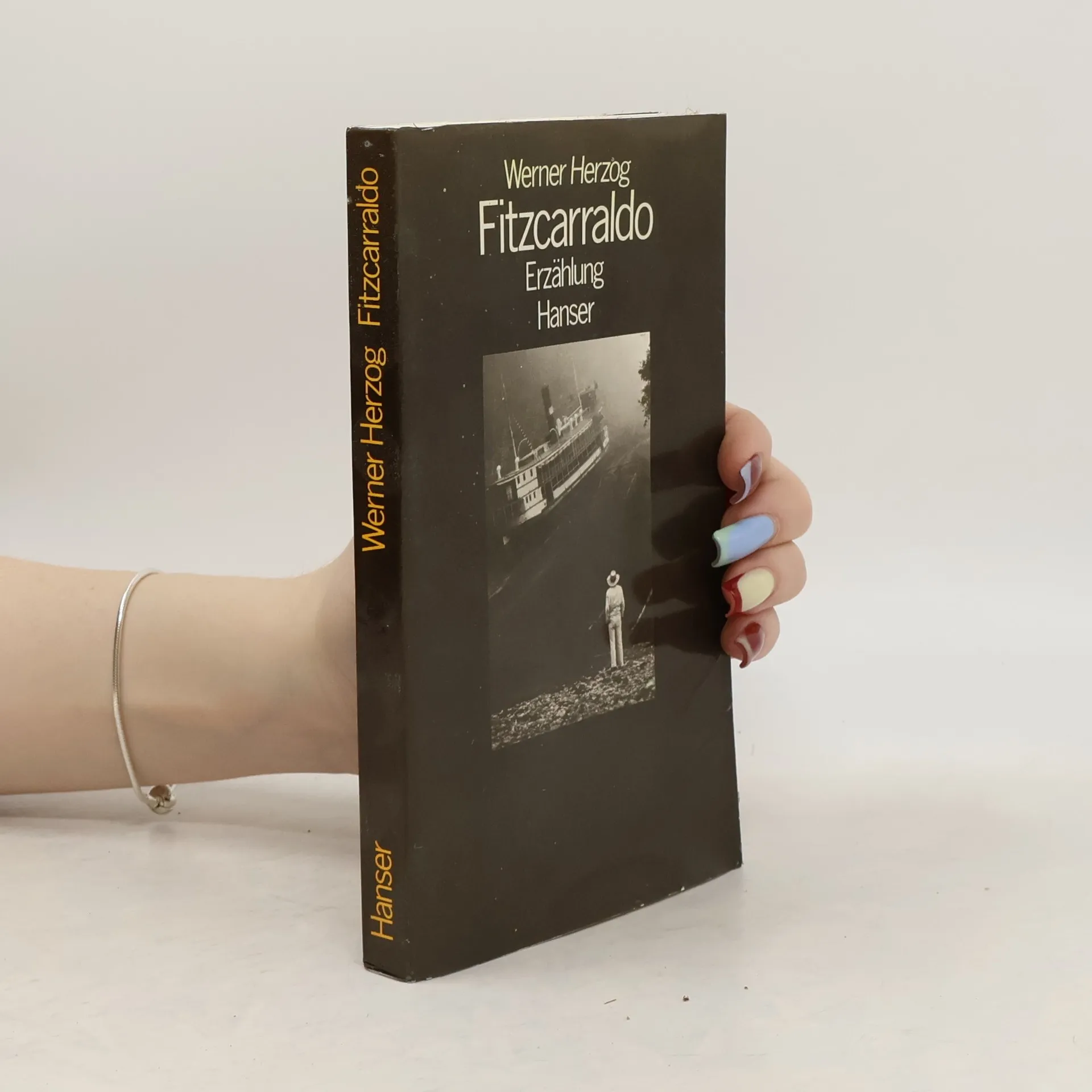
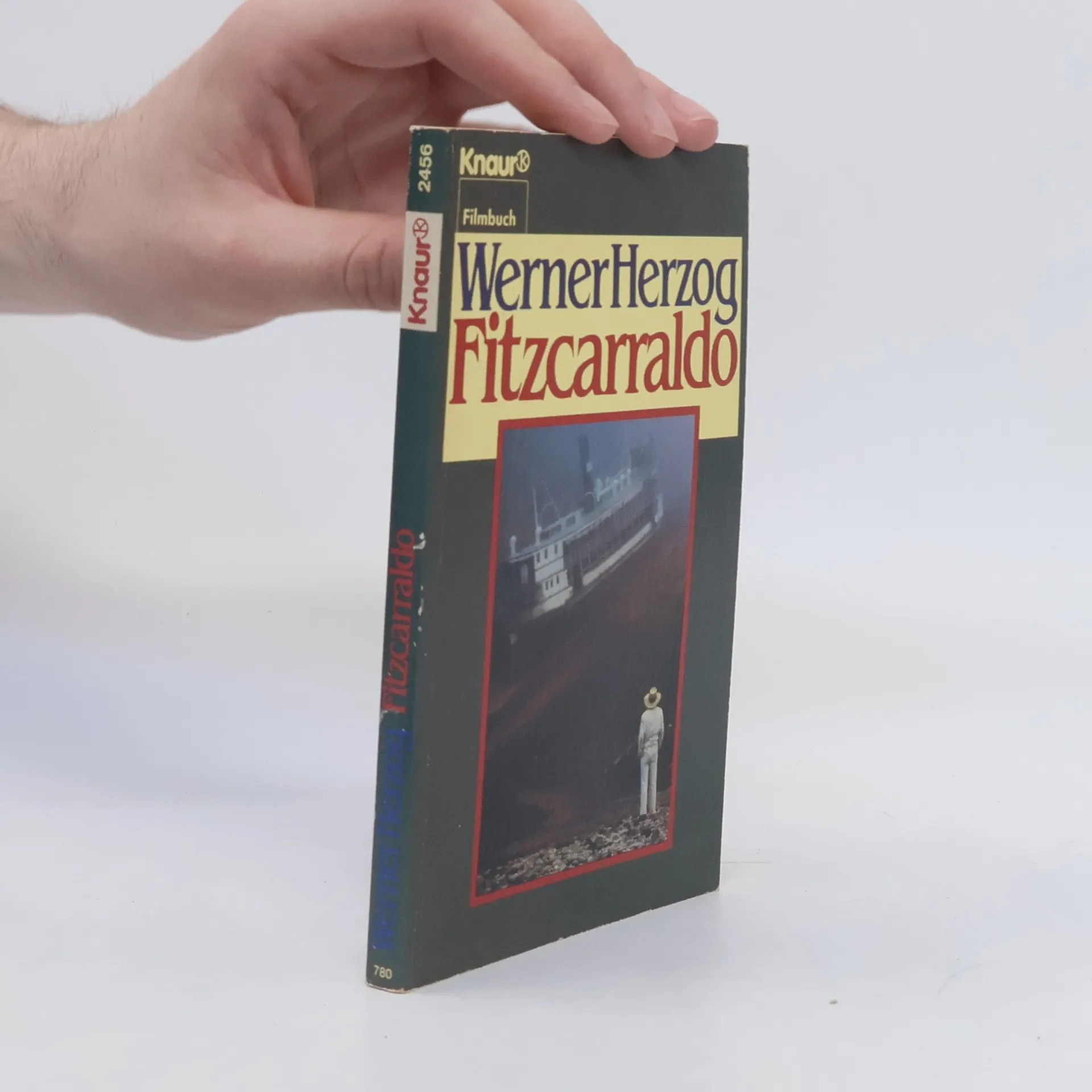
      The diary captures the surreal and chaotic experiences of Werner Herzog during the filming of Fitzcarraldo, a film about a rubber baron's ambitious endeavor to transport a steamship over a mountain. Spanning from 1979 to 1981, Herzog’s entries reveal bizarre events, including attacks on the crew's camp and logistical nightmares. He emphasizes that these writings reflect his inner turmoil rather than a straightforward account of the film's production, offering a unique insight into the creative process of a visionary filmmaker amidst the challenges of the Amazon jungle.

      Conquest of the Useless
    • »Mit einem Matchsack, einem Kompass ausgerüstet, geht Werner Herzog in Richtung Paris, es ist kalt, schmelzender Schnee und Eis, kein Handy auf dem Herzogsweg, kein Verlag, der Geld bei Fuß steht, kein Videoteam, das im Tagesetappenhotel wartet. Was heute eine Extremform des medialen Spaziergehens ist, umweht hier der Hauch der Lenzschen Verwirrung, ist manchmal der Selbststilisierung zum ›Schmerzensmann‹ nahe. Wo er später wie in Fitzcarraldo ein Schiff durch den Urwald ziehen lässt, nimmt er hier das körperliche Leid auf sich, Erschöpfung, entzündete Achillessehne, bewusstloses Weitergehen. Es ist das Körperliche, das ihm zur Bedingung der Wahrheit wird, und das vermeintlich Chancenlose dieser Unternehmung, um sie gegen jede Logik durchzusetzen. ›Lieber die Sinnlosigkeit, wenn es eine ist, bis zur Neige gekostet‹, notiert er kurz vor Paris, als er nahe am Aufgeben ist. Der Anlass des Gehens, die Rettung der ›Eisnerin‹, wie Bertolt Brecht sie nannte, tritt in den Hintergrund (›Im Nachhinein noch dieses‹: Sie wird gerettet, stirbt 1983). Das Gehen wird zum Mittelpunkt (›Das Wissen kommt von den Sohlen‹), die Szenen der inneren Landschaft, des Schauens, das Fremd- und wieder Vertrautwerden des eigenen Landes.« Konrad Heidkamp, Die Zeit

      Vom Gehen im Eis
    • A Guide for the Perplexed

      • 592 stránok
      • 21 hodin čítania
      4,7(27)Ohodnotiť

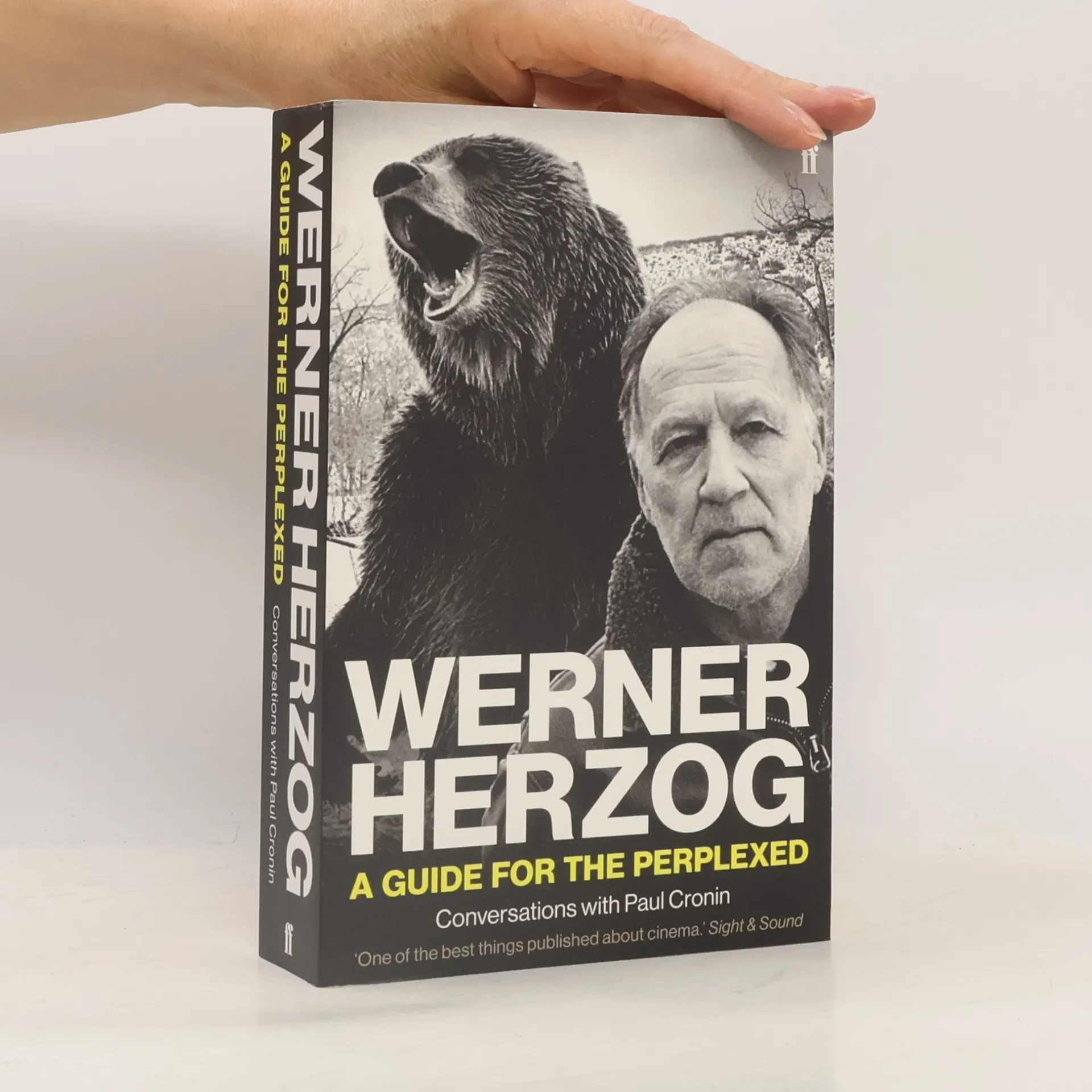
      'One of the best things published about cinema.' Sight & Sound Herzog was once hailed by Francois Truffaut as the most important director alive. Famous for his frequent collaborations with mercurial actor Klaus Kinski - including the epics Aguirre, the Wrath of God and Fitzcarraldo, and the terrifying Nosferatu - and more recently with documentaries such as Grizzly Man, Cave of Forgotten Dreams and Into the Abyss, Herzog has built a body of work that is one of the most vital in post-war German cinema. Here, he reflects on his legendary and inspiring career.

      A Guide for the Perplexed
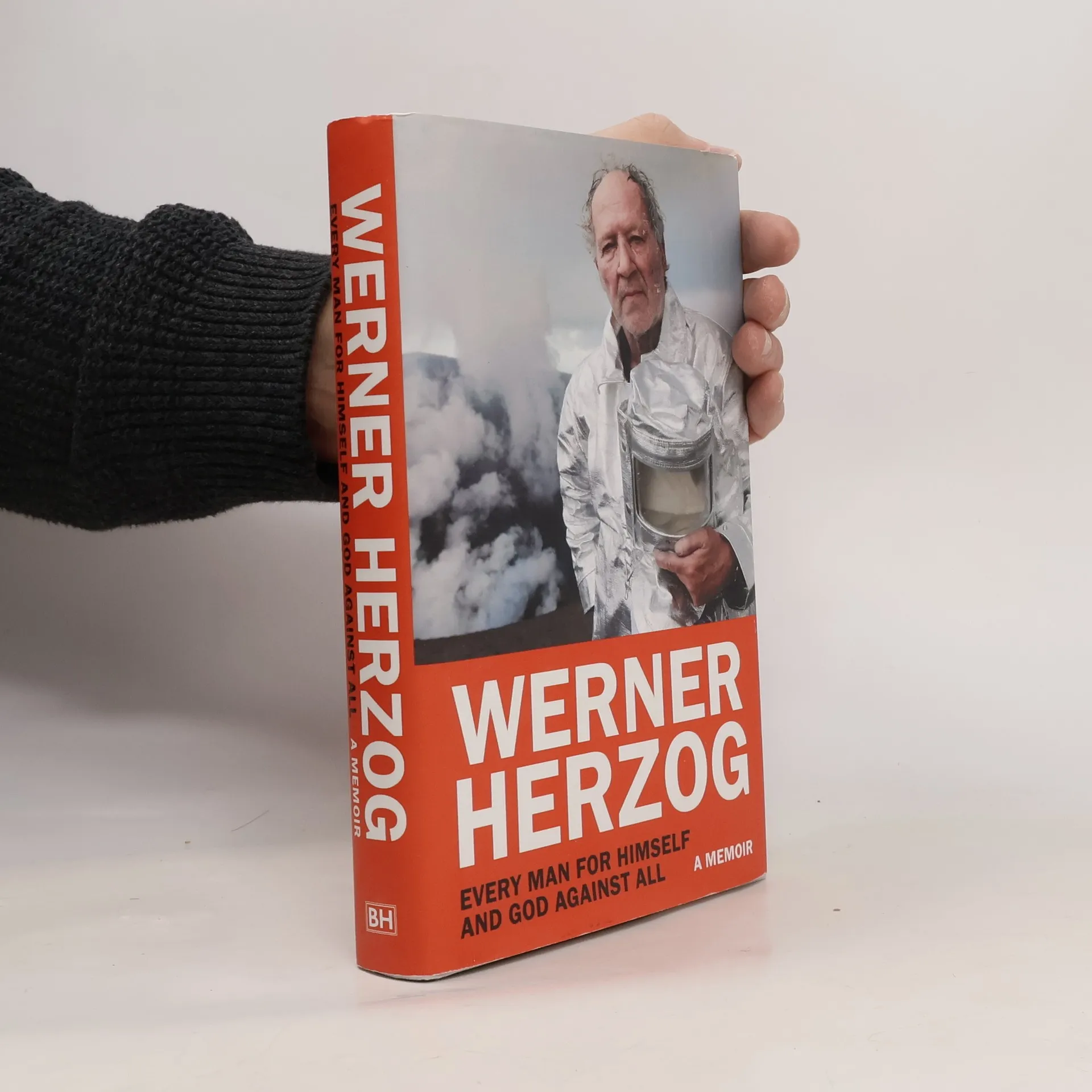
    • Werner Herzog is the undisputed master of extreme cinema: building an opera house in the middle of the jungle; walking from Munich to Paris in the dead of winter; descending into an active volcano; living in the wilderness among grizzly bears - he has always been intrigued by the extremes of human experience. From his early movies to his later documentaries, he has made a career out of exploring the boundaries of human endurance: what we are capable of in exceptional circumstances and what these situations reveal about who we really are. But these are not just great cinematic themes. During the making of his films, Herzog pushed himself and others to the limits, often putting himself in life-threatening situations. As a child in rural Bavaria, a single loaf of bread had to last his family all week. The hunger and deprivation he experienced during his early years perhaps explain his fascination with the limits of physical endurance.All his life, Herzog would embrace risk and danger, constantly looking for challenges and adventures. Filled to the brim with memorable stories and poignant observations, Every Man for Himself and God against All unveils the influences and ideas that drive his creativity and have shaped his unique view of the world. This book tells, for the first time, the story of his extraordinary and fascinating life.

      Every Man for Himself and God Against All
    • Werner Herzog

      • 208 stránok
      • 8 hodin čítania

      Interviews with the director of Signs of Life; Aguirre, the Wrath of God to Grizzly Man; and Cave of Forgotten Dreams

      Werner Herzog
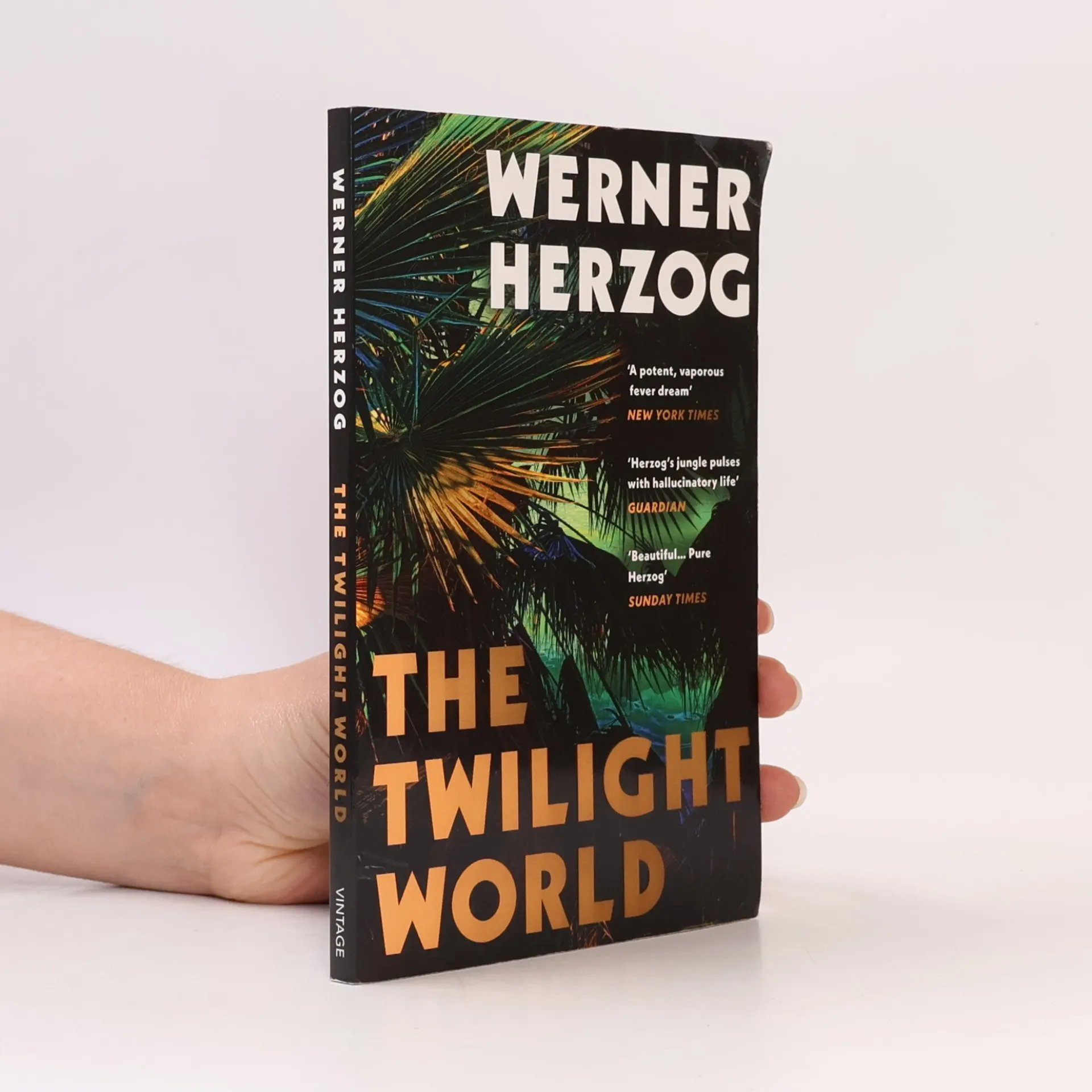
    • Werner Herzog, a revered filmmaker, shares the extraordinary story of Hiroo Onoda, a Japanese soldier who defended a small Philippine island for twenty-nine years after World War II ended. In 1997, while in Tokyo to direct an opera, Herzog expressed a desire to meet Onoda, known for his quixotic defense of the island unaware that the war was over. Their hours-long conversation unraveled Onoda's remarkable journey. At the end of 1944, with Japanese troops withdrawing from Lubang Island, Lieutenant Onoda received orders to hold the island until the Imperial army's return, using guerilla tactics and never taking his own life. He retreated into the jungle, embarking on a campaign that turned weeks into months, months into years, and ultimately decades. Onoda adhered to his orders, surviving first with fellow soldiers and then alone, becoming one with the jungle. Time seemed to dissolve as he continued his mission. In this work, Herzog immortalizes Onoda's absurd yet epic struggle, blending documentary, poetry, and dreamlike narrative. The result is akin to a modern-day Robinson Crusoe, reflecting on the purpose and meaning we assign to our lives.

      The Twilight World
    • Nosferatu

      The Vampyre

      • 172 stránok
      • 7 hodin čítania
      3,7(106)Ohodnotiť

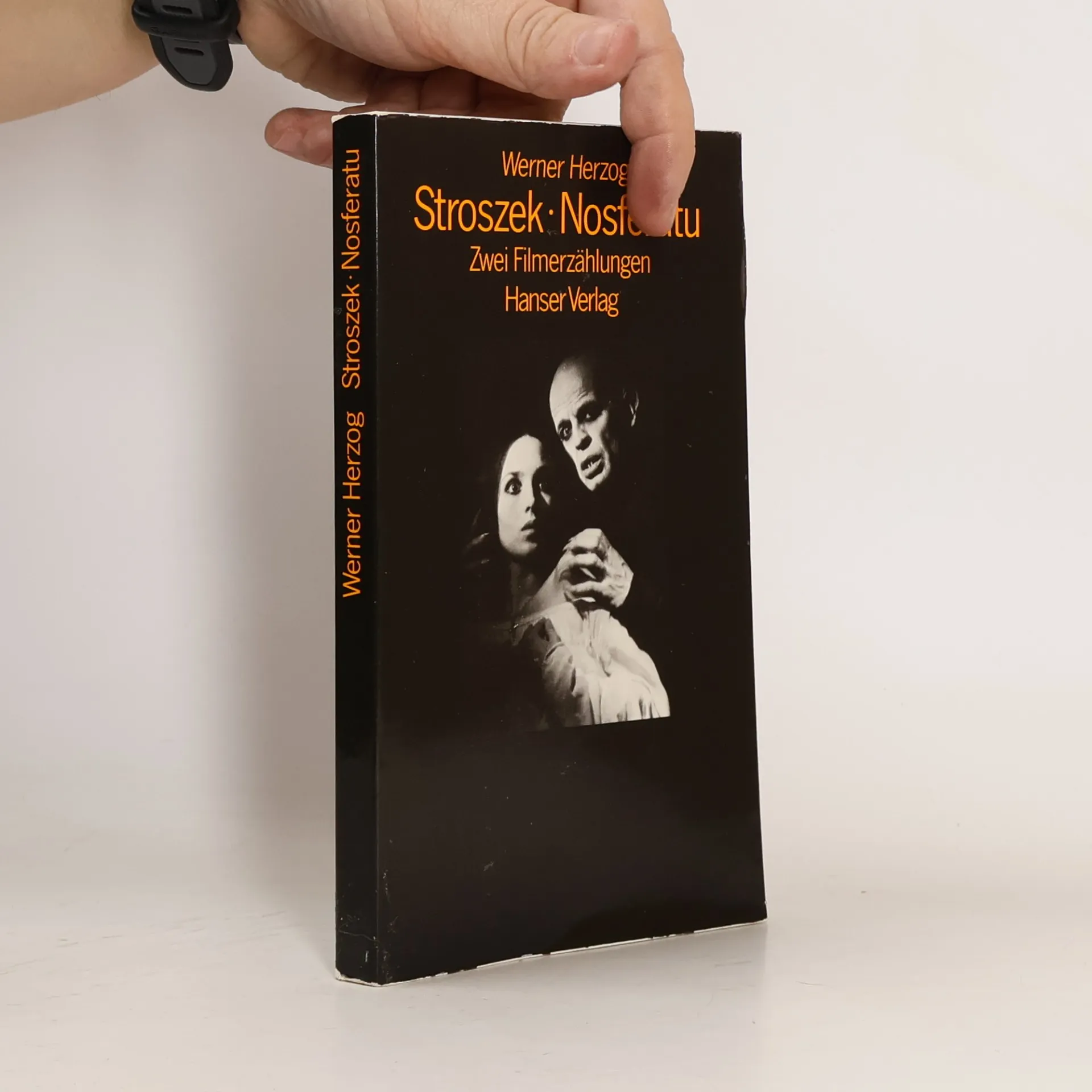
      Retelling of Bram Stoker's Dracula based on the screenplay of the 1979 German film Nosferatu.

      Nosferatu
    • Mexico

      The Aztec Account of the Conquest [SCREENPLAY]

      • 156 stránok
      • 6 hodin čítania

      The screenplay presents an epic dramatization of Hernán Cortes' conquest of the Aztec empire in 1521, showcasing Werner Herzog's unique storytelling style. Although it has remained unfilmed for over thirty years, readers can now explore this ambitious narrative that delves into themes of power, culture, and the clash of civilizations. Herzog's vision offers a captivating glimpse into a pivotal moment in history, bringing to life the complexities of conquest and its lasting impact.

      Mexico