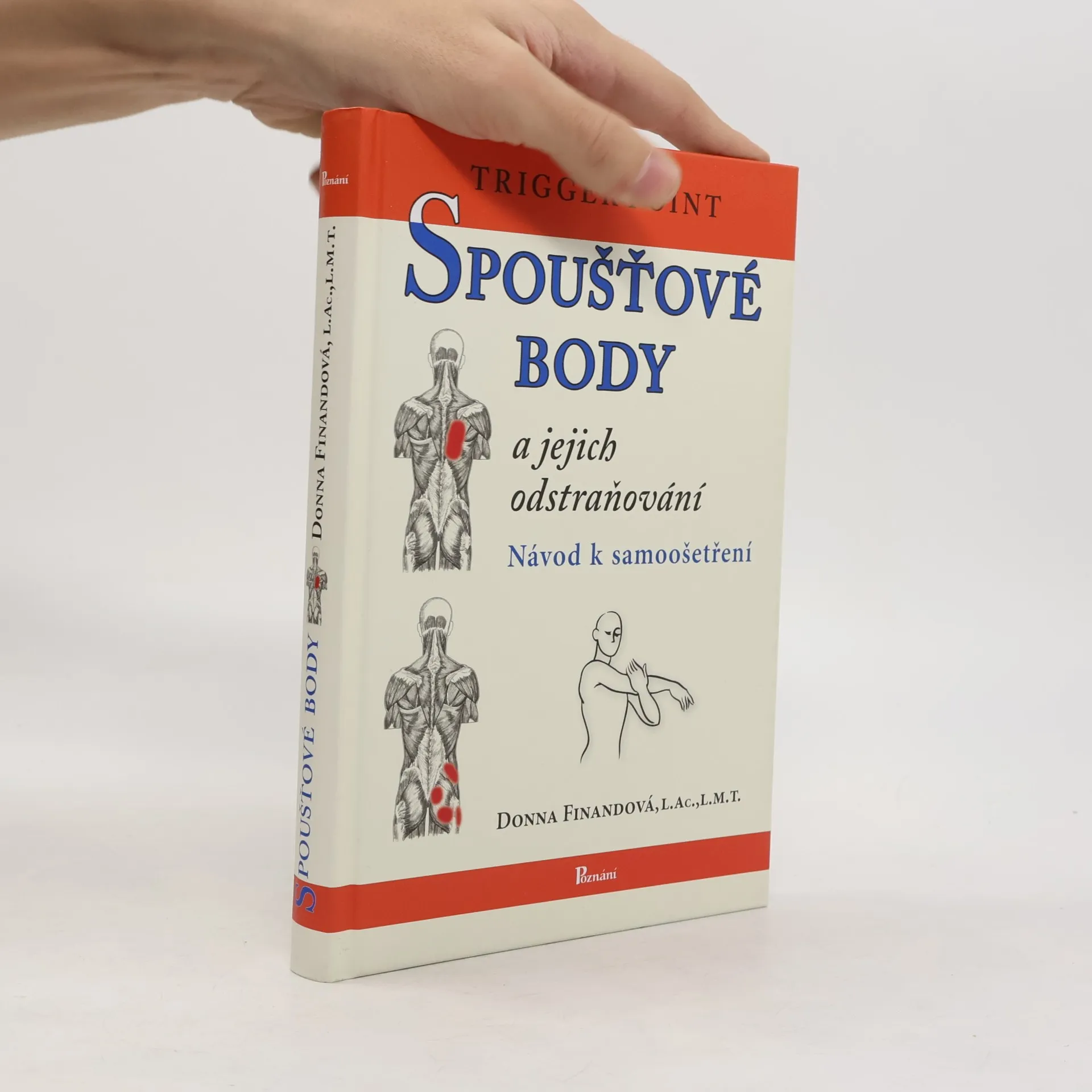
Naše svaly mohou obsahovat ztuhlá místa vyznačující se zvýšeným napětím. Říkáme jim spoušťové body (angl. trigger points). Tyto body bývají zdrojem bolesti, omezení pohybu a dalších potíží.Tato kniha je průvodcem (se snadným vyhledáním konkrétních potíží podle obrazového rejstříku) na cestě k rozpoznání těchto bodů a pomocí manuálního tlaku k jejich odstranění.
Donna Finando ukazuje, že dotek je také klíčem k obnovení zdraví. Jako akupunkturistka a masérka zjistila, že je mnoho jednoduchých způsobů, jak mohou rodiče díky doteku pomoci svým dětem, a dokonce vyléčit mnoho běžných dětských nemocí.
1.vydání Hodnocení a léčba myofasciálních poruch. Tato kniha je určena čtenářům, kteří již mají obecné znalosti z myologie, a proto již tuto oblast nerozebírá teoreticky. Je tedy určena především pro odborníky, kteří se s pacienty udávajícími tyto druhy bolesti setkávají.
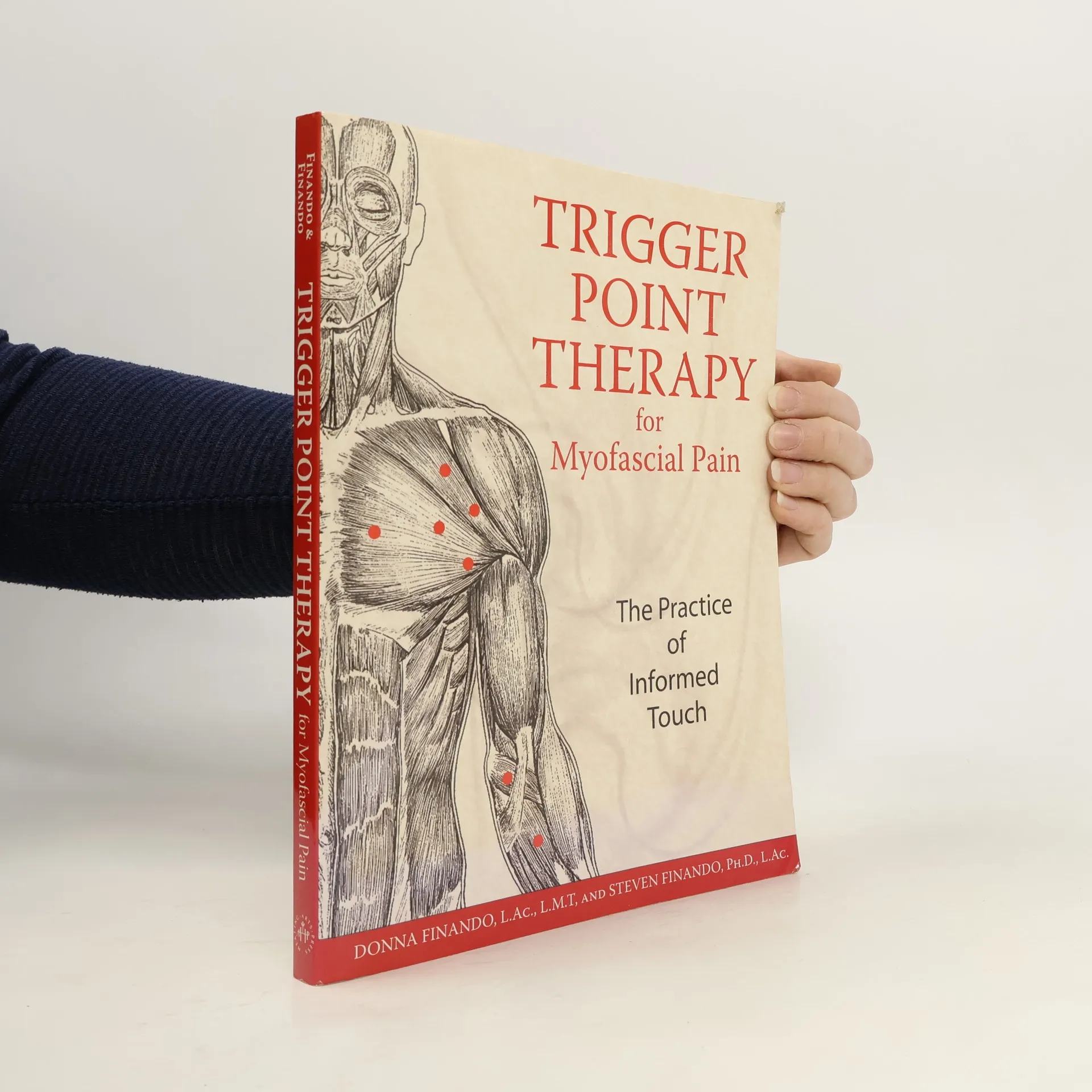
A clinical reference manual for the evaluation and treatment of muscle pain• Contains detailed illustrations of pain patterns and trigger-point locationsMyofascial pain syndromes are among the fastest growing problems that physicians, osteopaths, acupuncturists, and physical, occupational, and massage therapists encounter in their patients. In Trigger Point Therapy for Myofascial Pain Donna and Steven Finando have organized vast amounts of information on treating myofascial pain into an accessible "user's manual" for healthcare practitioners. They examine a wide range of pain patterns and present evaluation and palpation techniques for reducing trigger points--and thereby alleviating pain--in the most clinically significant musculature of the body.This comprehensive yet easy-to-use reference guide to treatment of muscle pain begins with chapters on the concept of Qi and its relationship to myology, specific trigger point location and activation, and palpatory skill-building techniques. Subsequent sections provide detailed information on each muscle to teach clinicians to locate quickly and accurately individual points of pain and compensation. A visual index allows easy identification of the muscles that may be involved. Trigger Point Therapy for Myofascial Pain provides necessary and invaluable information for sufferers and any professional involved with myofascial disorders.
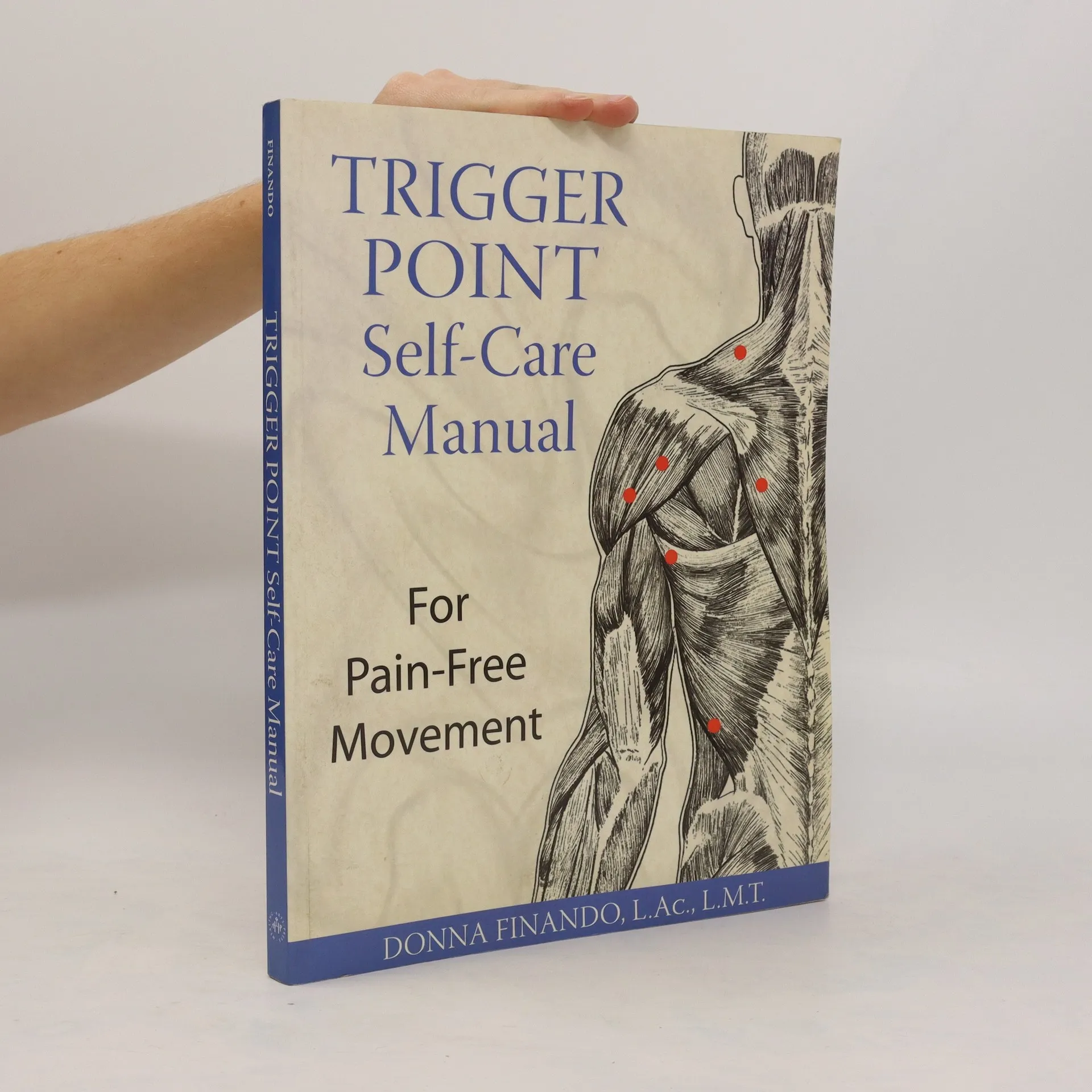
A guide to the treatment of pain from common sports injuries and other physical activities• Contains at-home techniques to promote healing and self-awareness of the body’s musculature• Explains how to relieve pain using manual massage in conjunction with small physio balls• Includes an illustrated treatment reference section organized by region of the bodyThe vast majority of physical injuries incurred by active people begin with muscular injuries that are not addressed by the conventional medical approach to orthopedic care. Injuries of this type are generally too minor to warrant splinting, casting, or medication and often do not prevent participation in physical activities. They do, however, produce noticeable discomfort and, over time, frequently lead to more severe injuries.In Trigger Point Self-Care Manual Donna Finando presents methods for the healing and prevention of musculature injuries. She identifies the causes of and remedies for areas of muscular tightness and restriction and details many self-care techniques, including precise self-massage, stretching, and the use of wet heat and/or ice. In the fully illustrated reference section, organized by body part, she identifies the pain associated with trigger points in each muscle of the body and provides instructions for palpating, treating, and stretching the muscle in order to release it.
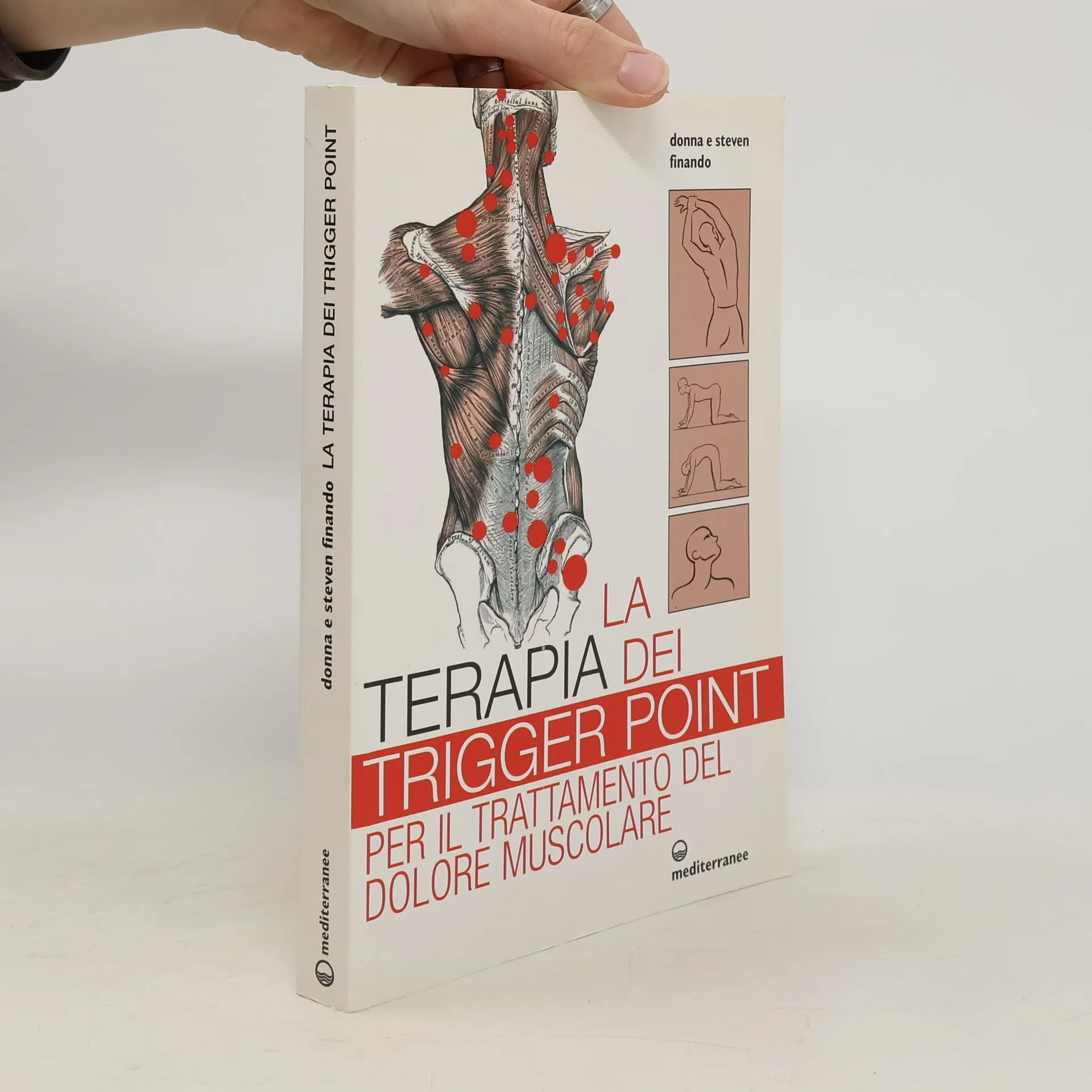
Le sindromi dolorose miofasciali rappresentano un problema che medici, osteopati, agopuntori, terapisti fisici e del massaggio incontrano sempre più spesso nei loro pazienti. Donna e Steven Finando, che da più di vent'anni si occupano di terapie analgesiche, hanno organizzato numerose informazioni sul trattamento del dolore muscolare in un esauriente e comprensibile manuale di riferimento destinato a tutti gli specialisti. In esso viene presa in esame un'ampia gamma di schemi di propagazione del dolore e vengono proposte tecniche di valutazione e di palpazione per disattivare i trigger point, ovvero quei punti lungo la banda muscolare contratta in cui la sensibilità al dolore raggiunge il massimo grado. Il testo spiega il concetto di qi, il suo rapporto con la miologia, le ragioni per cui si sviluppano i trigger point e alcune tecniche per migliorare l'abilità palpata. Sezioni successive forniscono informazioni dettagliate sui singoli muscoli per insegnare come individuare con rapidità e precisione i punti specifici del dolore e gli schemi di compensazione. La trattazione di ciascun muscolo comprende illustrazioni che mostrano tecniche di stretching che il paziente può eseguire autonomamente, oltre a diagrammi anatomici dei trigger point e agli schemi di propagazione del dolore.