The boy who could change the world : the writings of Aaron Swartz
- 368 stránok
- 13 hodin čítania
The writings of the computer genius and Internet hacktivist whose tragic suicide shook the world.


Larry Lessig je americký akademik a politický aktivista, známy ako zástanca obmedzenia právnych obmedzení autorských práv, ochrannej známky a spektra rádiovej frekvencie, najmä v technologických aplikáciách. Je riaditeľom Centra pre etiku Edmonda J. Safru na Harvardovej univerzite a profesorom práva na Harvard Law School. Lessig je zakladajúcim členom predstavenstva Creative Commons a je známy svojím zápalom pre otvorenosť a obmedzovanie reštrikcií v digitálnom priestore.



The writings of the computer genius and Internet hacktivist whose tragic suicide shook the world.
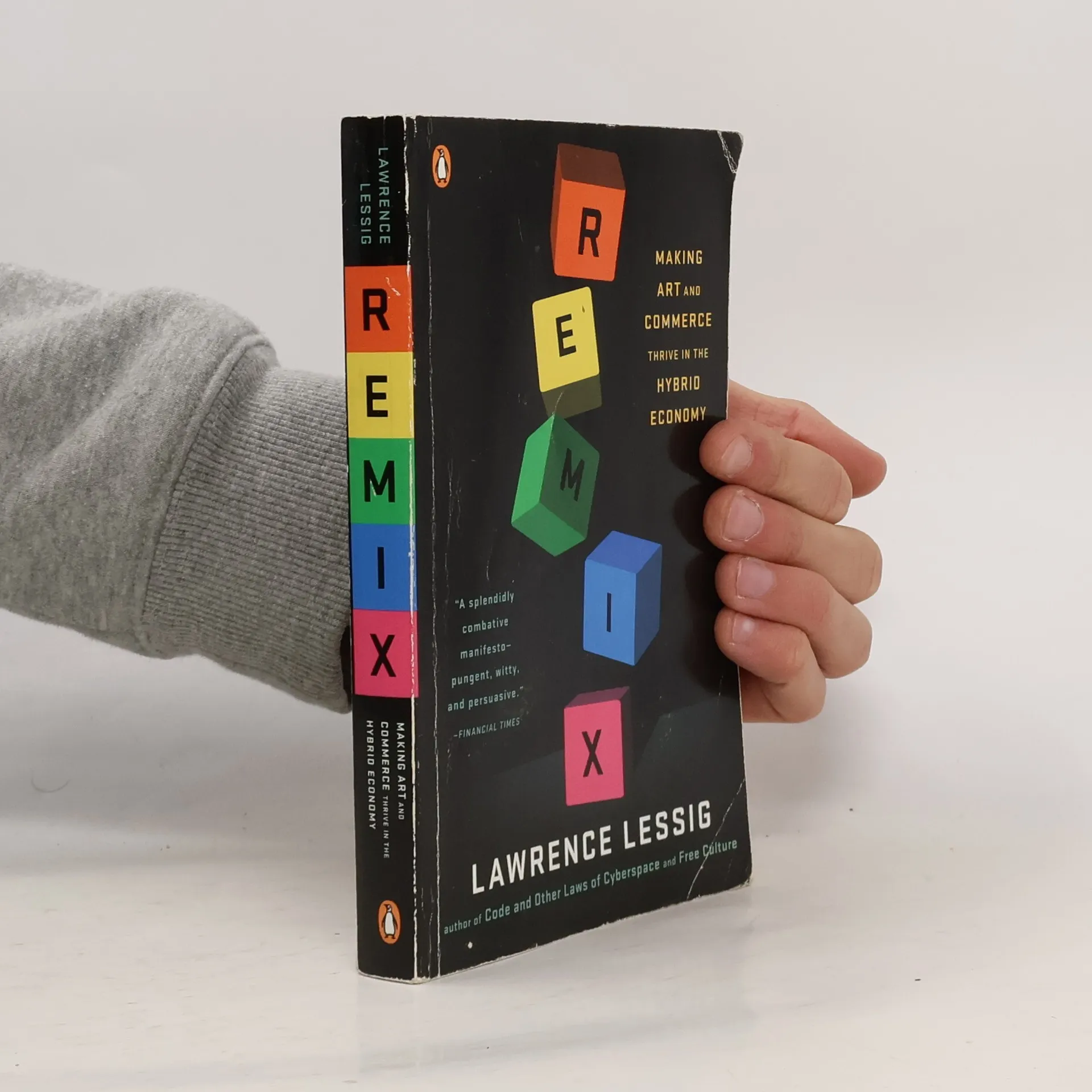
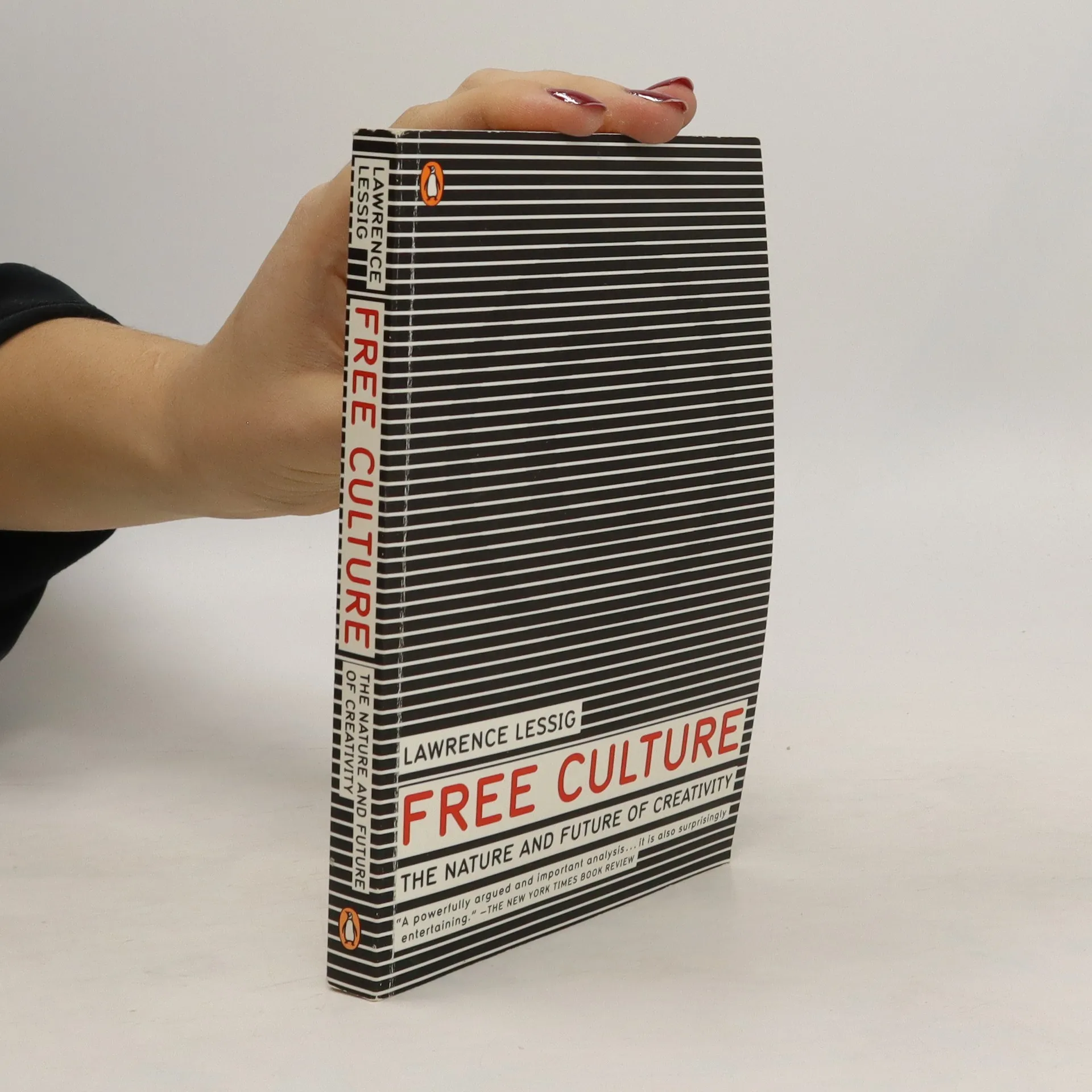
Lawrence Lessig, “the most important thinker on intellectual property in the Internet era” (The New Yorker), masterfully argues that never before in human history has the power to control creative progress been so concentrated in the hands of the powerful few, the so-called Big Media. Never before have the cultural powers- that-be been able to exert such control over what we can and can’t do with the culture around us. Our society defends free markets and free speech; why then does it permit such top-down control? To lose our long tradition of free culture, Lawrence Lessig shows us, is to lose our freedom to create, our freedom to build, and, ultimately, our freedom to imagine.
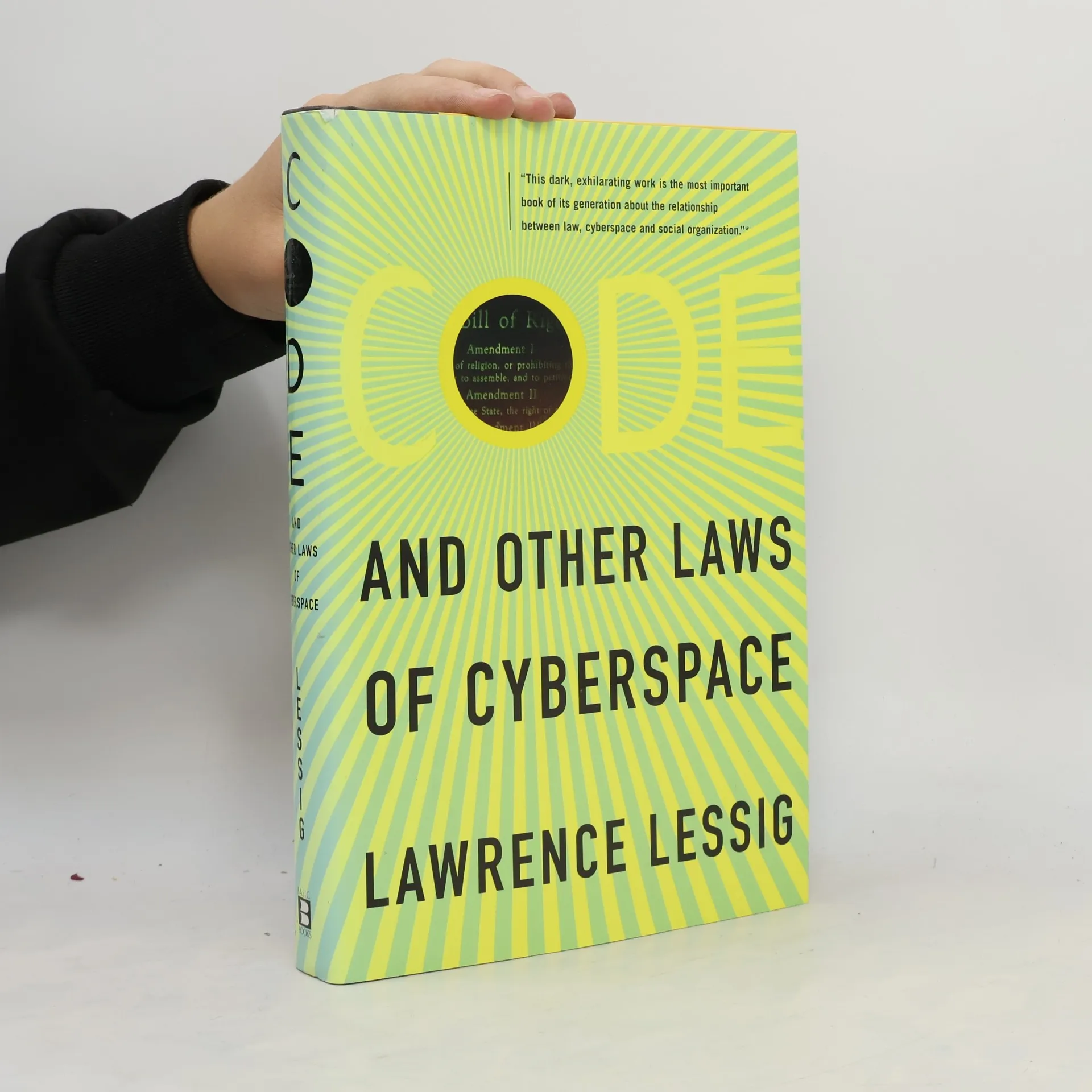
Examines the relation between cyberspace and government, particularly the government's ability to regulate. Contrary to popular belief, cyberspace can be regulated through architecture and its representation as code. Government and commerce are working to regulate cyberspace, although each in a different way and for different reasons. In the opposite direction, cyberspace challenges the basic assumptions underlying American governance.
"Code counters the common belief that cyberspace cannot be controlled or censored. To the contrary, under the influence of commerce, cyberspace is becoming a highly regulable world where behavior will be much more tightly controlled than in real space." -- Cover.
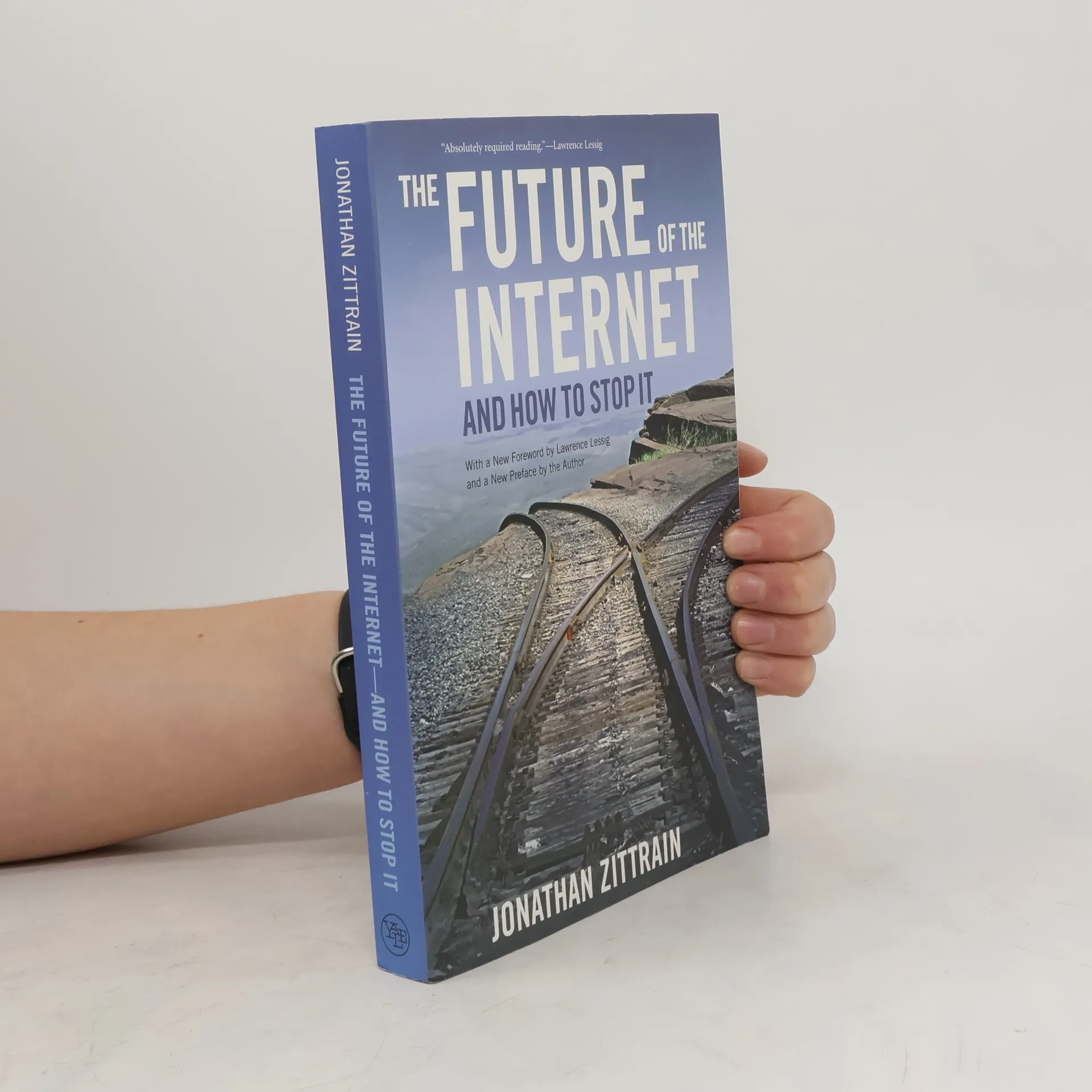
Zittrain's extraordinary book pieces together the engine that has catapulted the Internet ecosystem into the prominence it has today--and explains that it is sputtering precisely because of its runaway success.
The reigning authority on intellectual property in the Internet age, Lawrence Lessig spotlights the newest and possibly the most harmful culture war?a war waged against those who create and consume art. America?s copyright laws have ceased to perform their original, beneficial role: protecting artists? creations while allowing them to build on previous creative works. In fact, our system now criminalizes those very actions. Remix is an urgent, eloquent plea to end a war that harms every intrepid, creative user of new technologies. It also offers an inspiring vision of the postwar world where enormous opportunities await those who view art as a resource to be shared openly rather than a commodity to be hoarded.
Culture libre, sciences ouvertes
Dans cet essai très documenté, Florent Latrive met à jour les enjeux de la bataille en cours autour de la propriété intellectuelle. Qu'il s'agisse de musiques ou d'images en ligne, de circulation des savoirs ou de brevets sur les médicaments, il plaide pour une ouverture raisonnée et contre le tout juridique. Au lieu de criminaliser tous les « pirates » sans distinction, établissons un régime équilibré de l'immatériel. Où créateurs et public ne seront plus soumis aux diktats des intermédiaires et producteurs.
