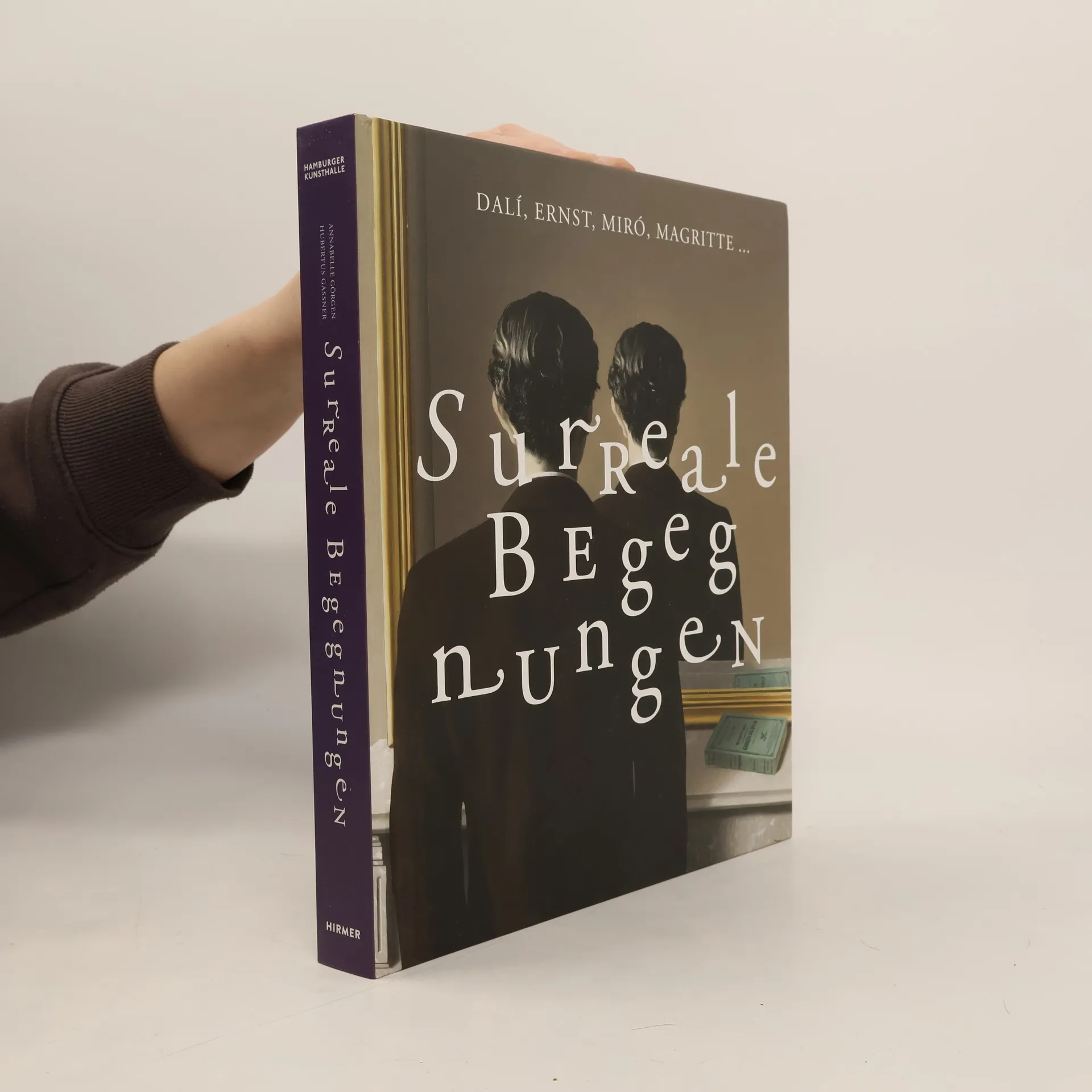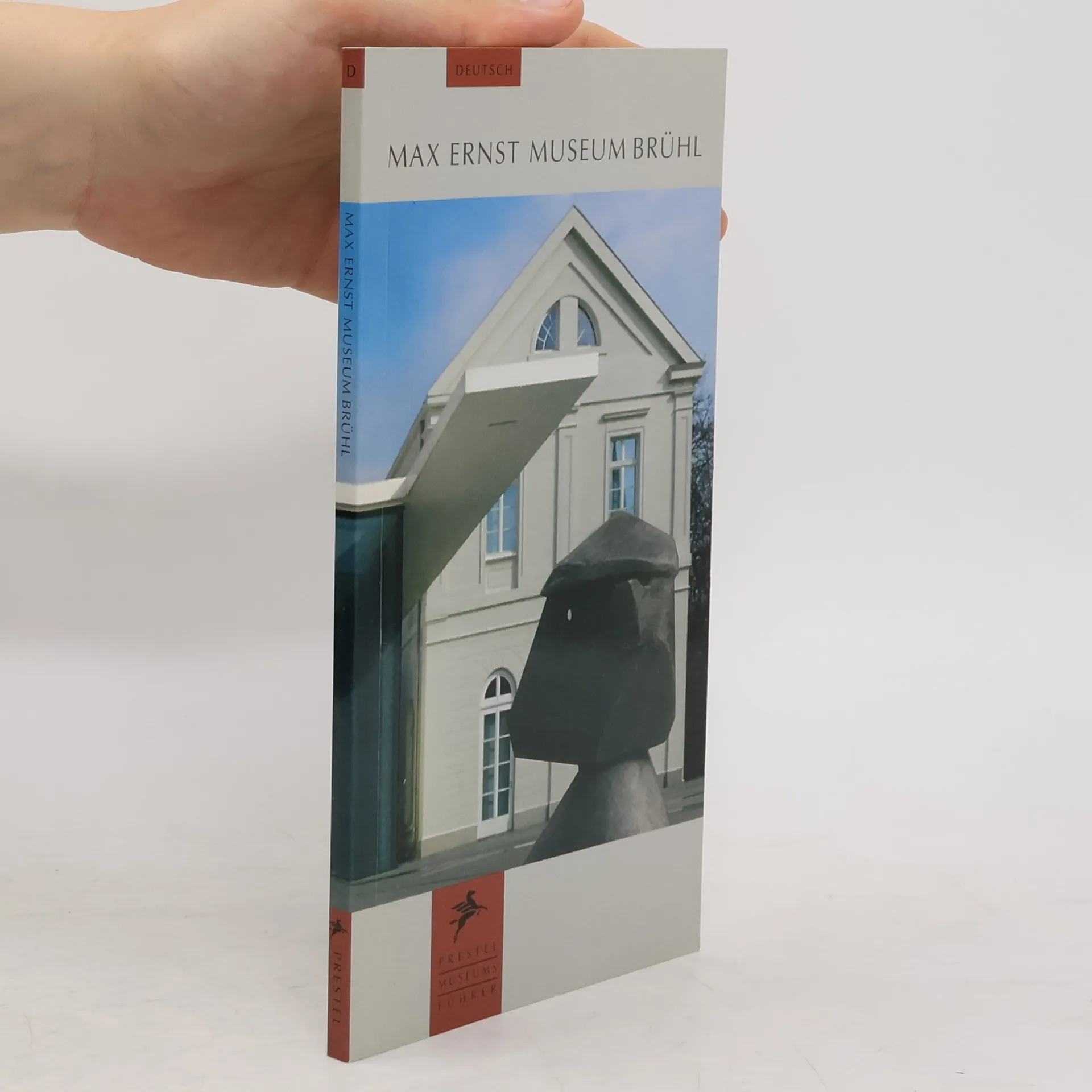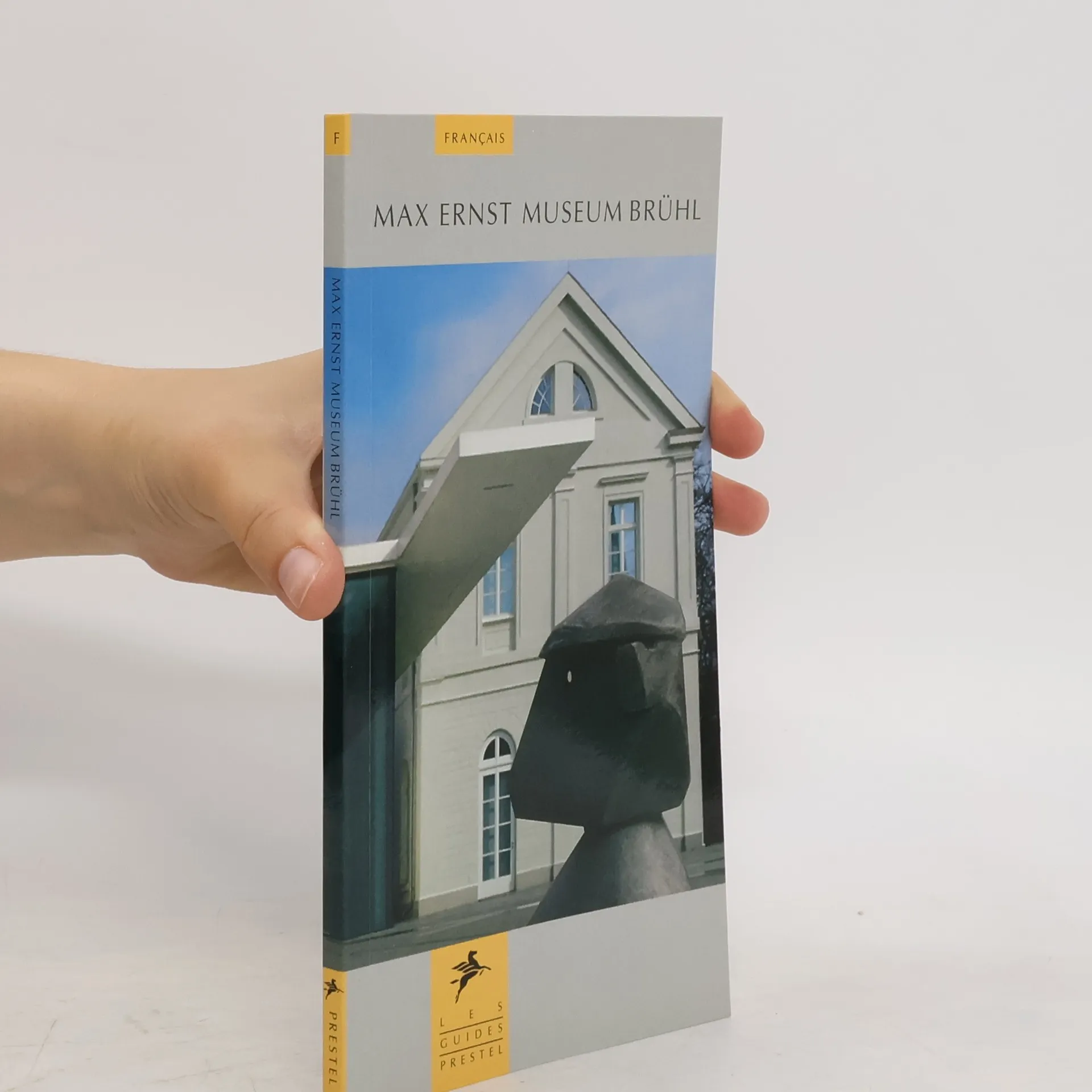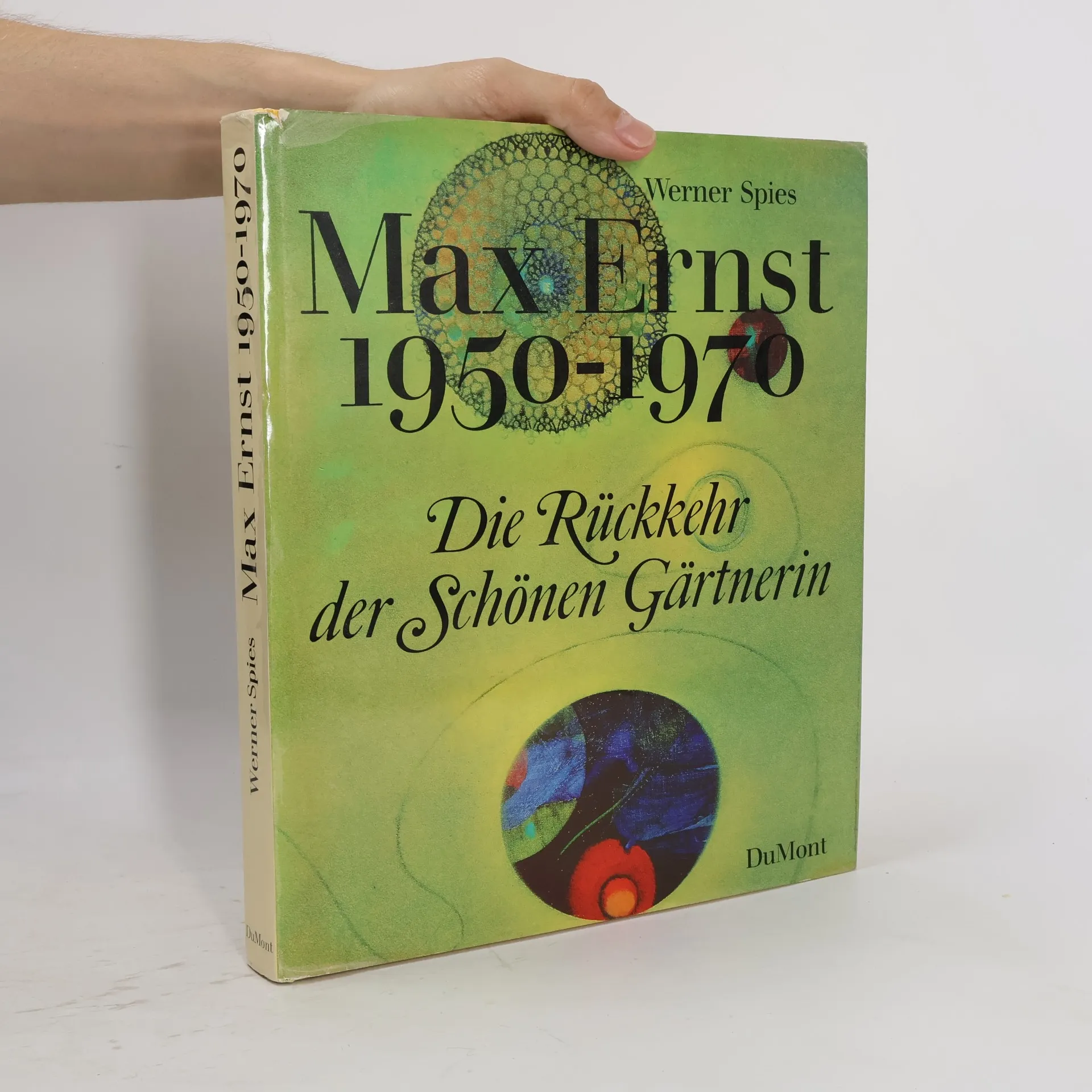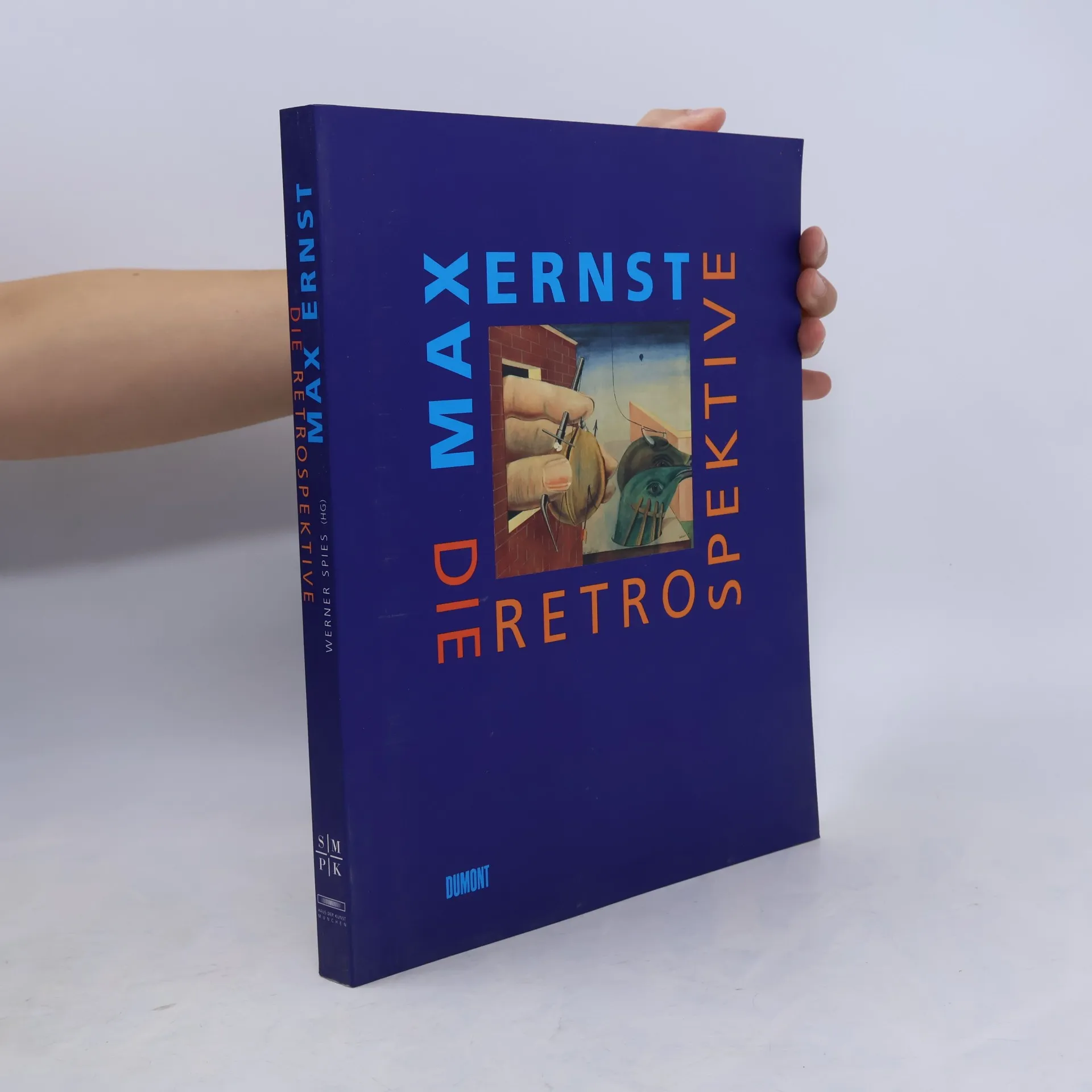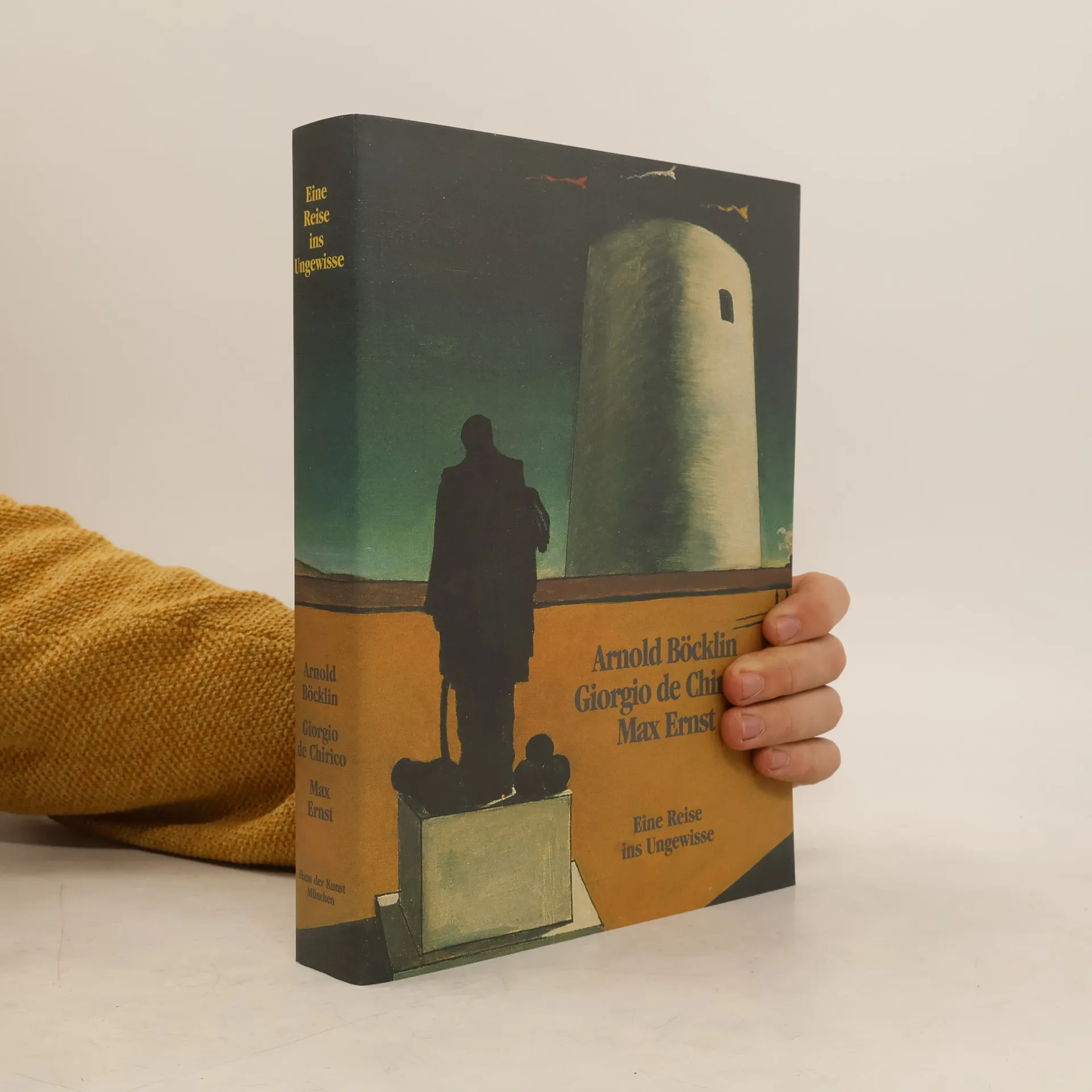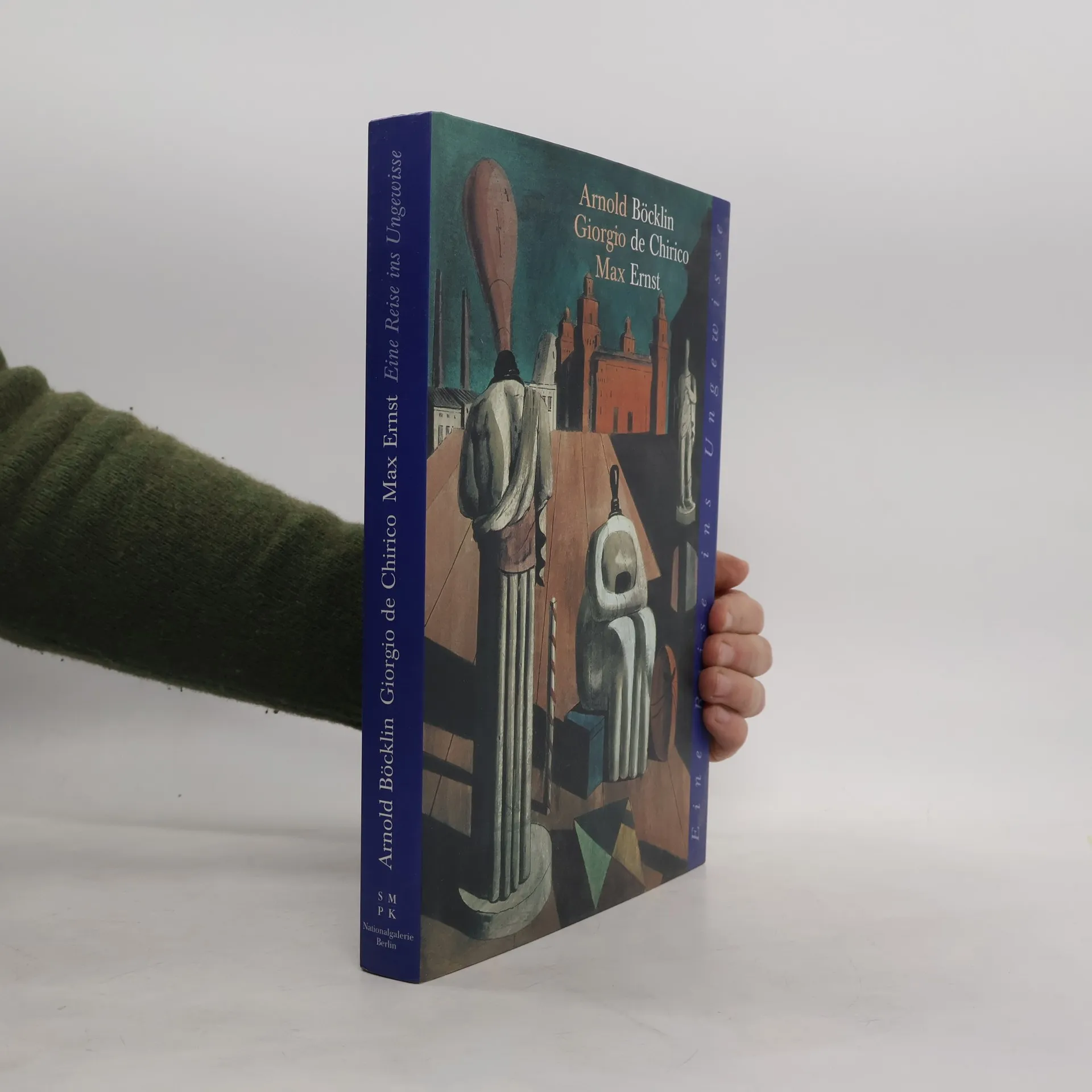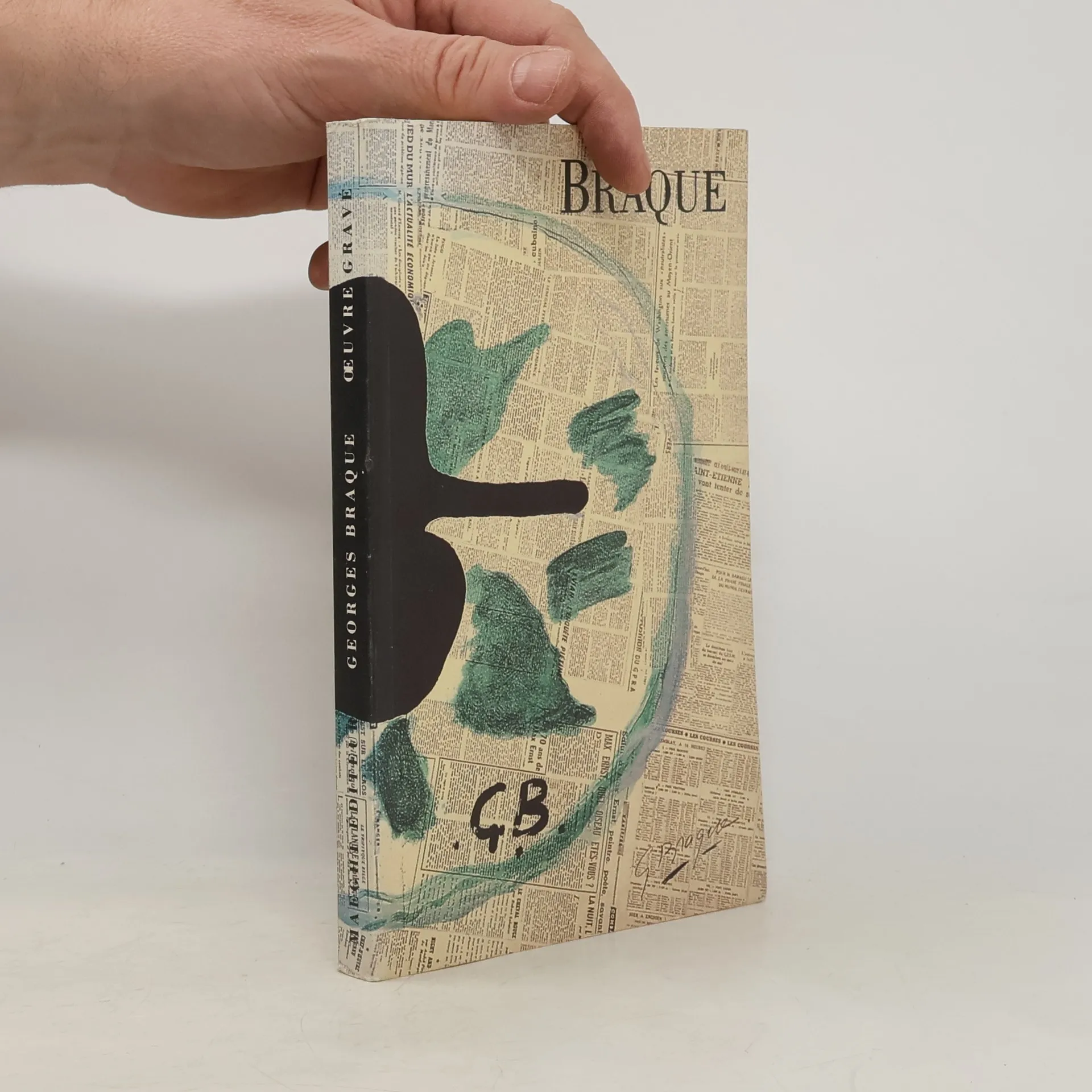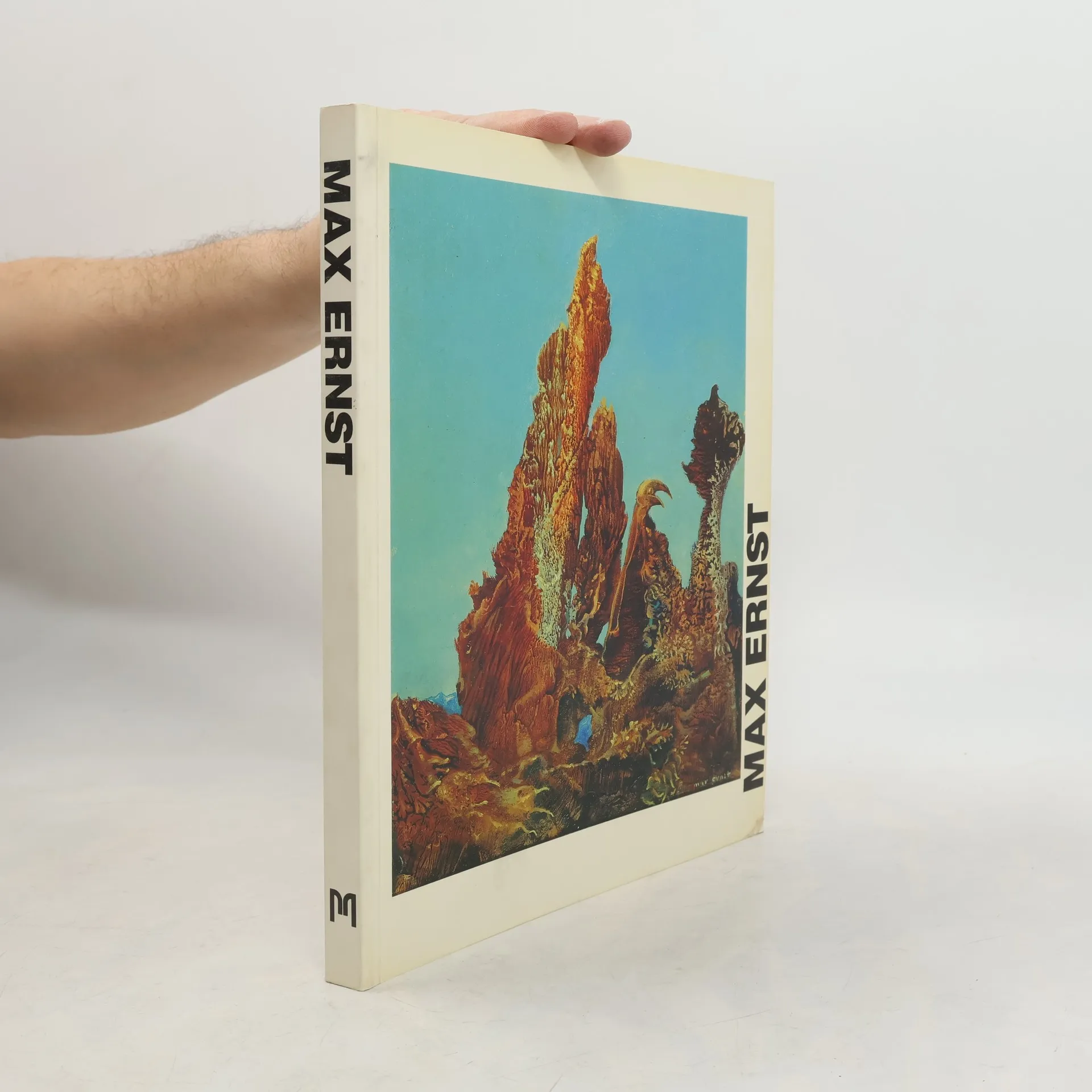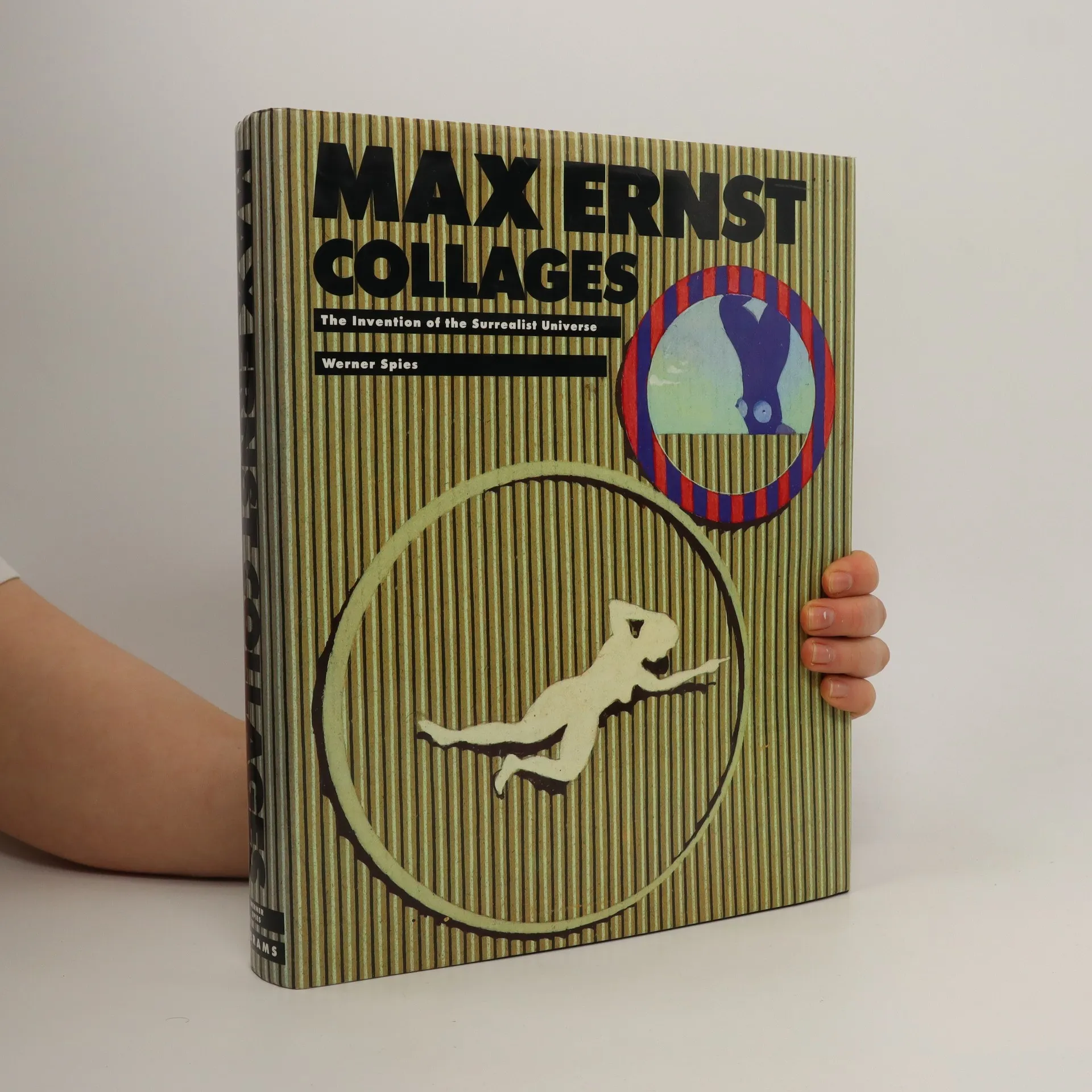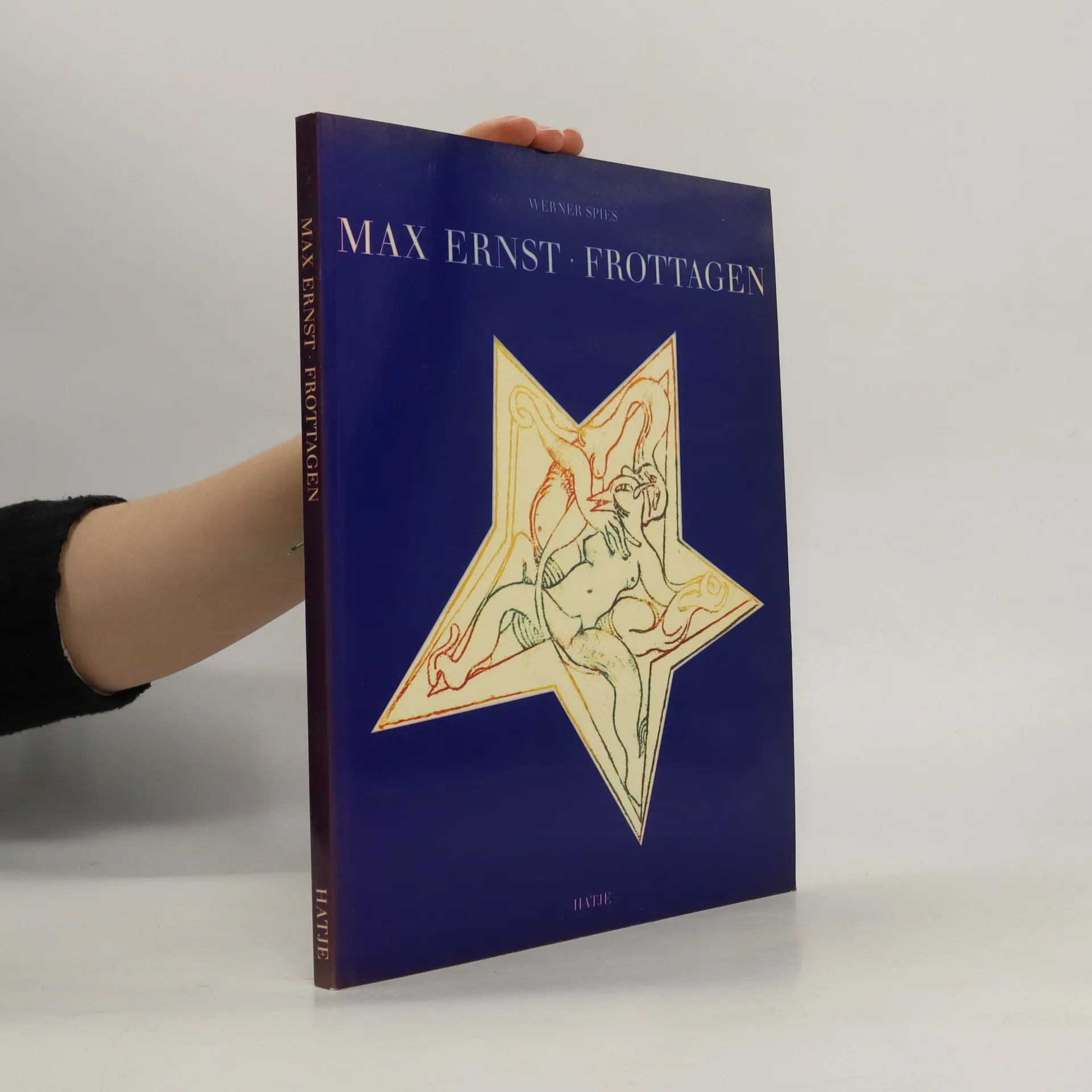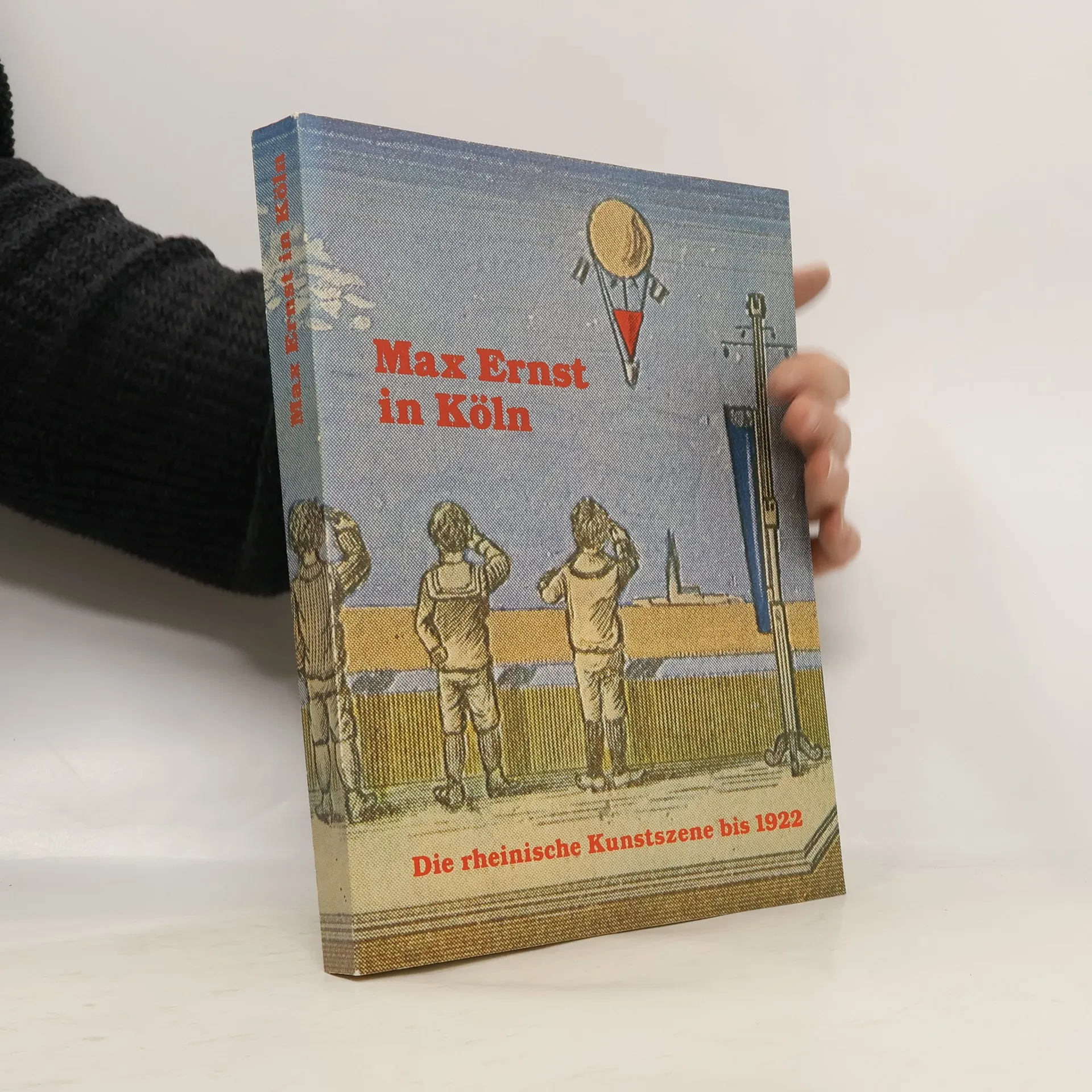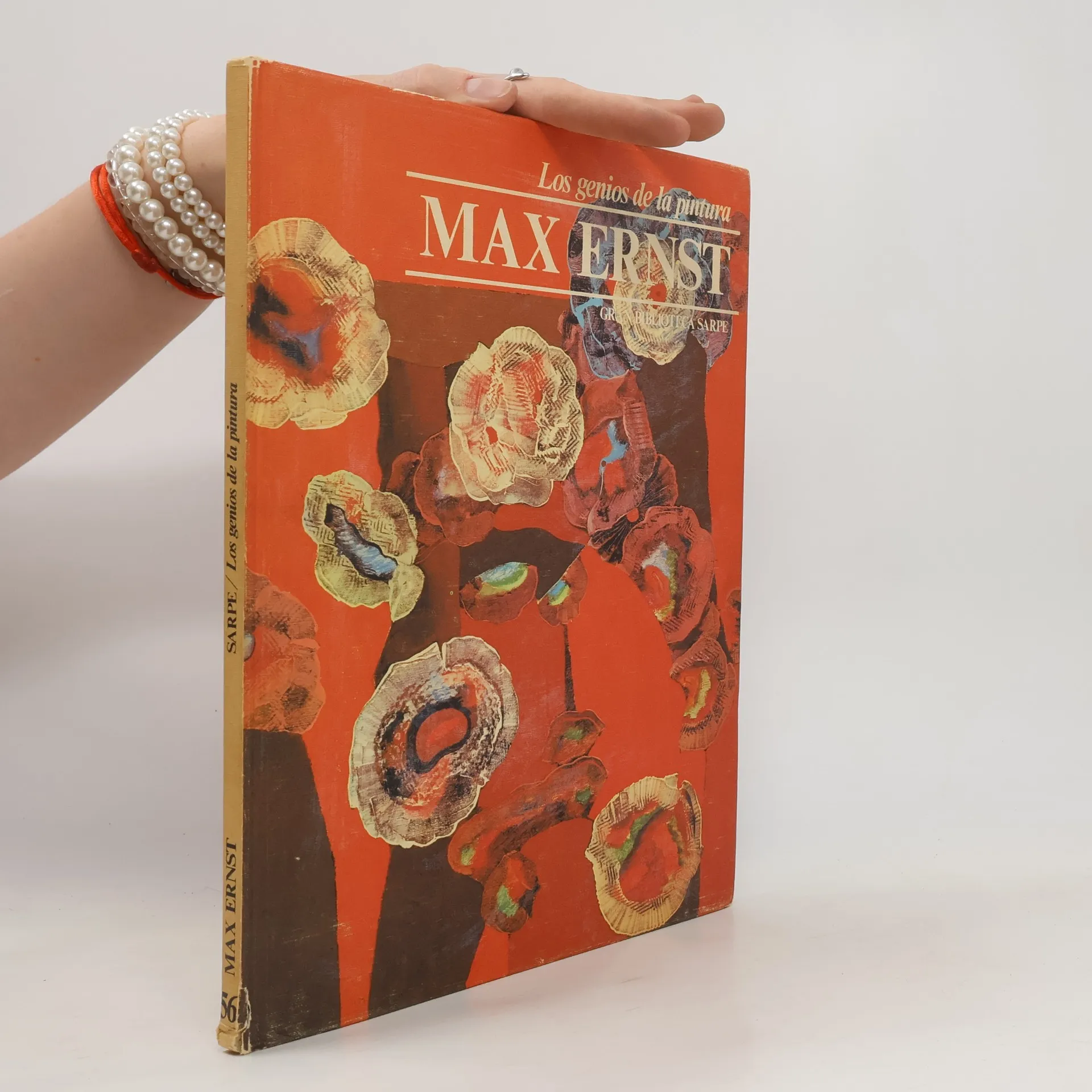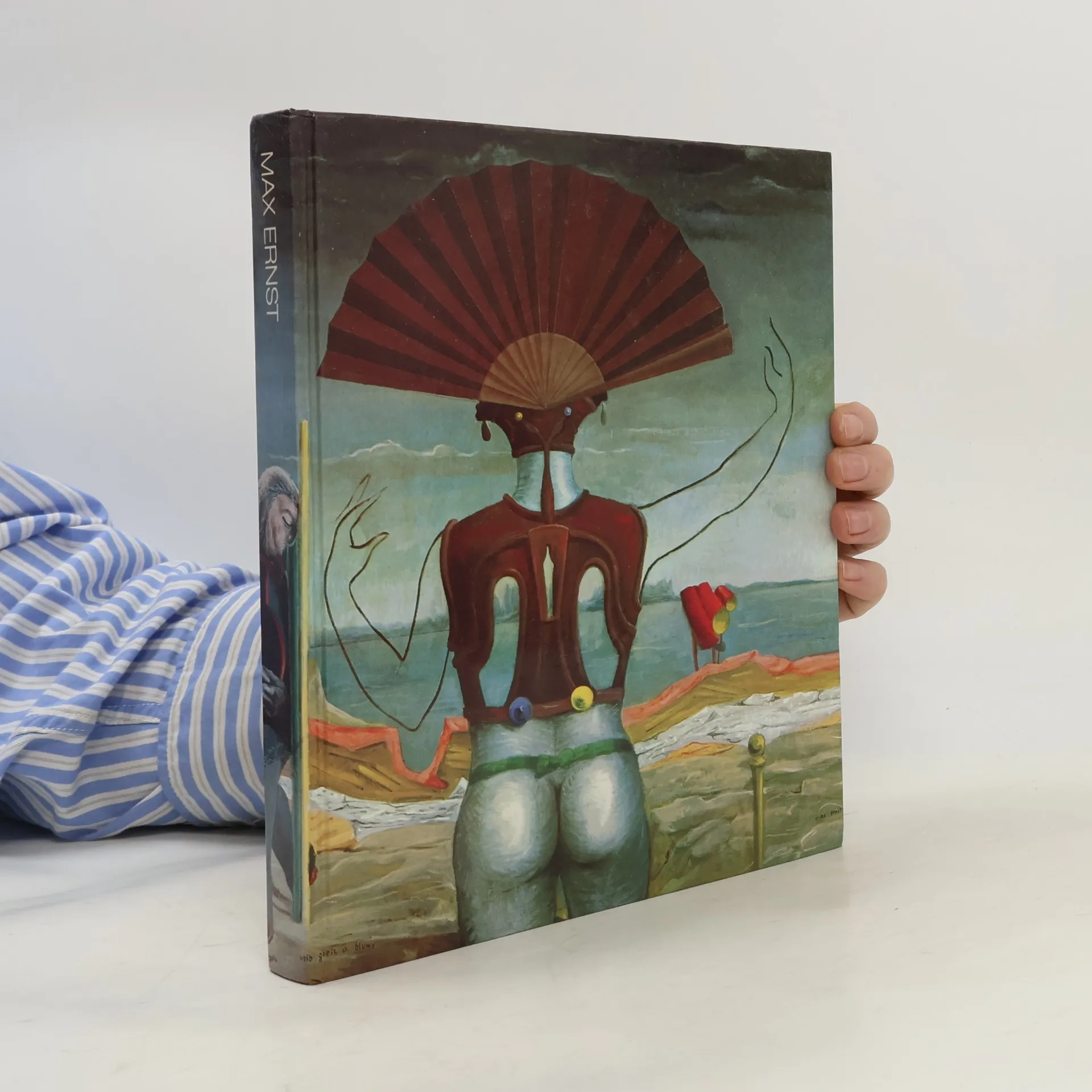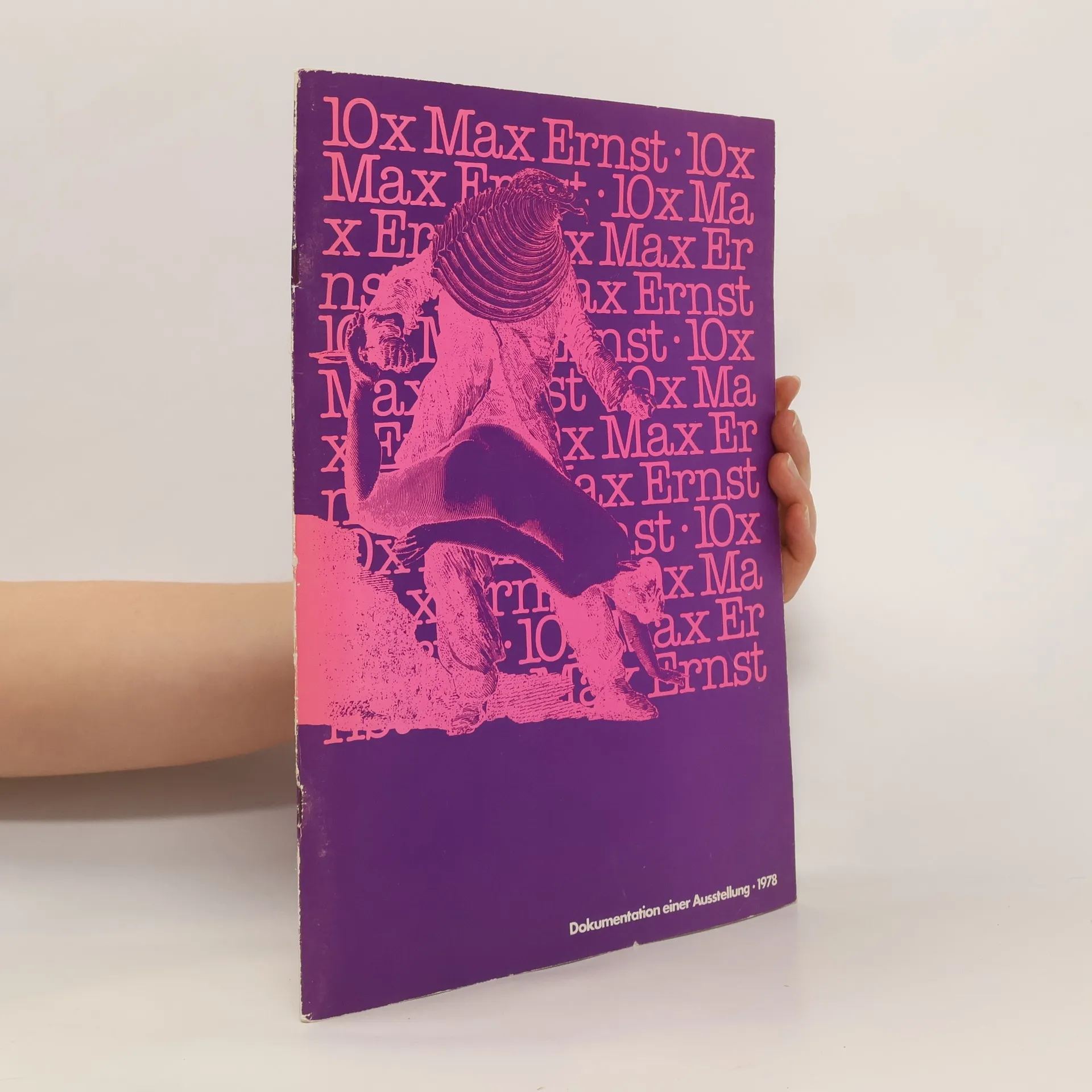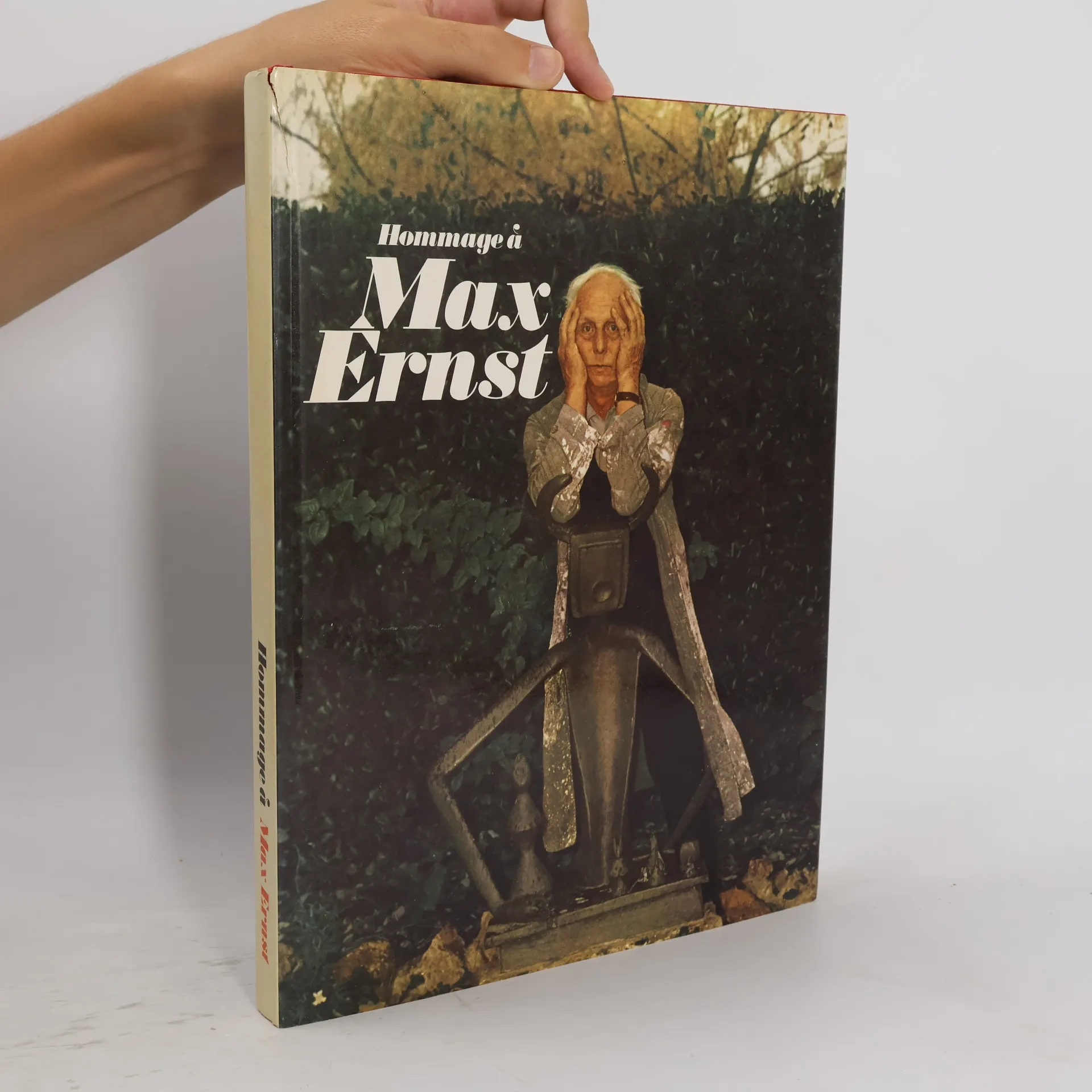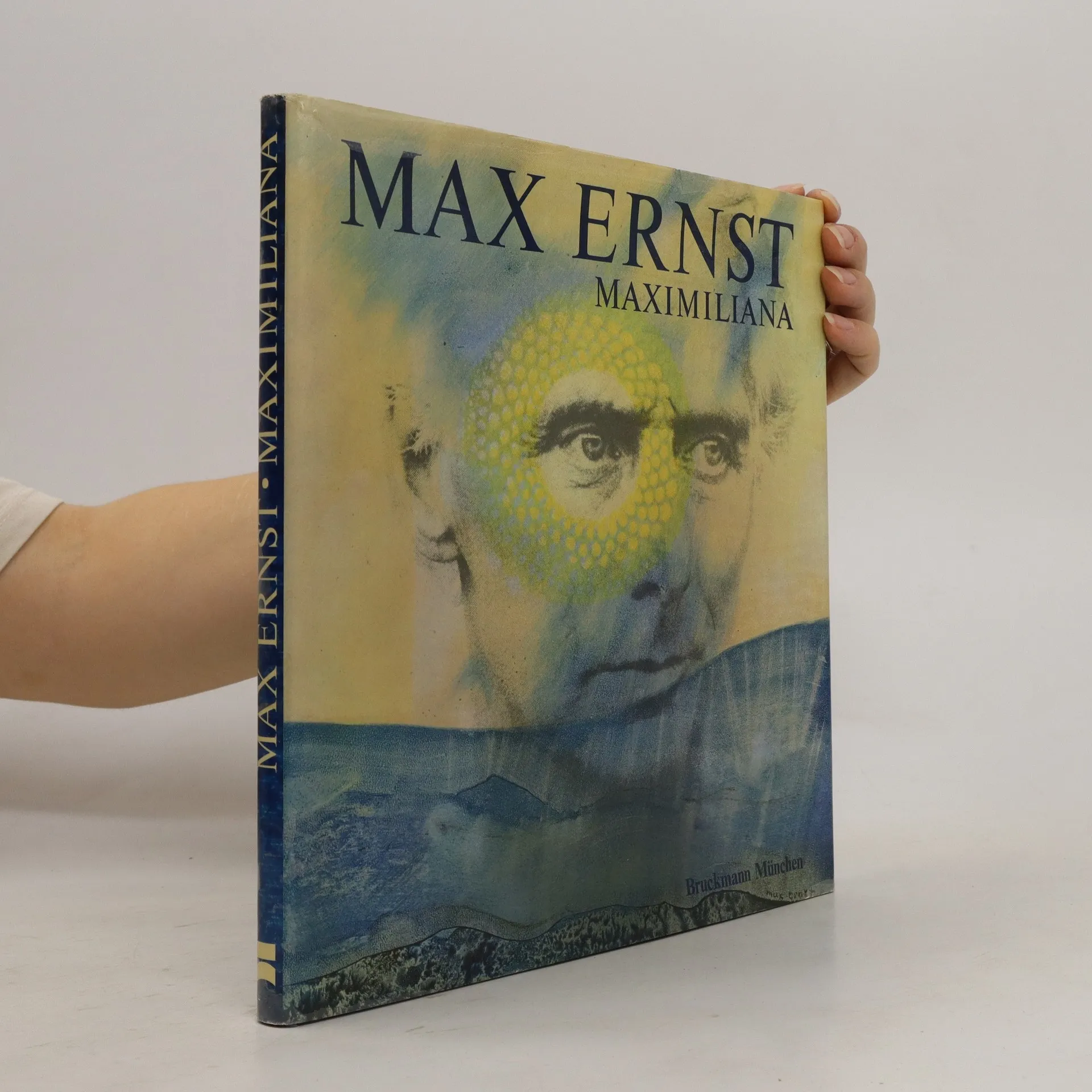
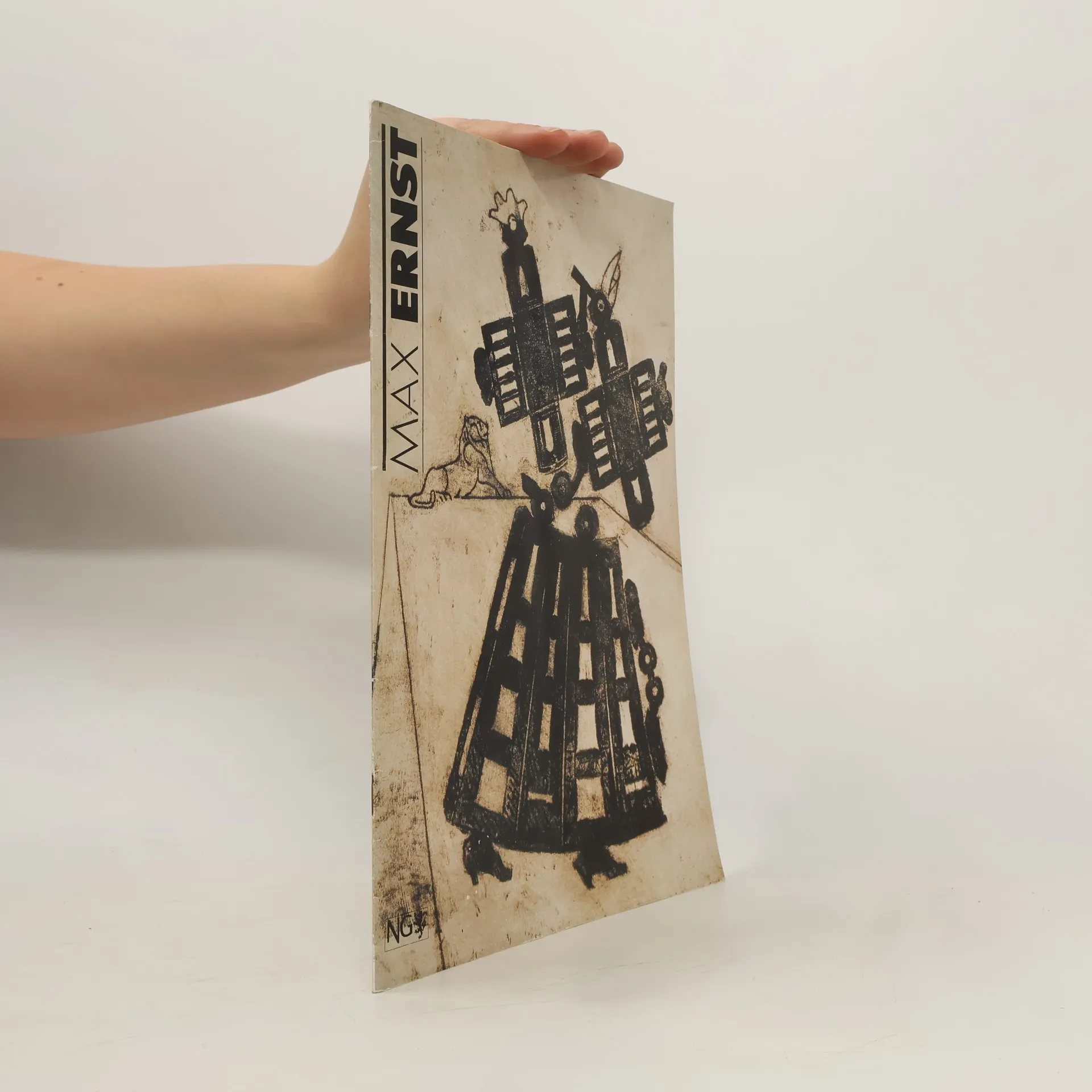
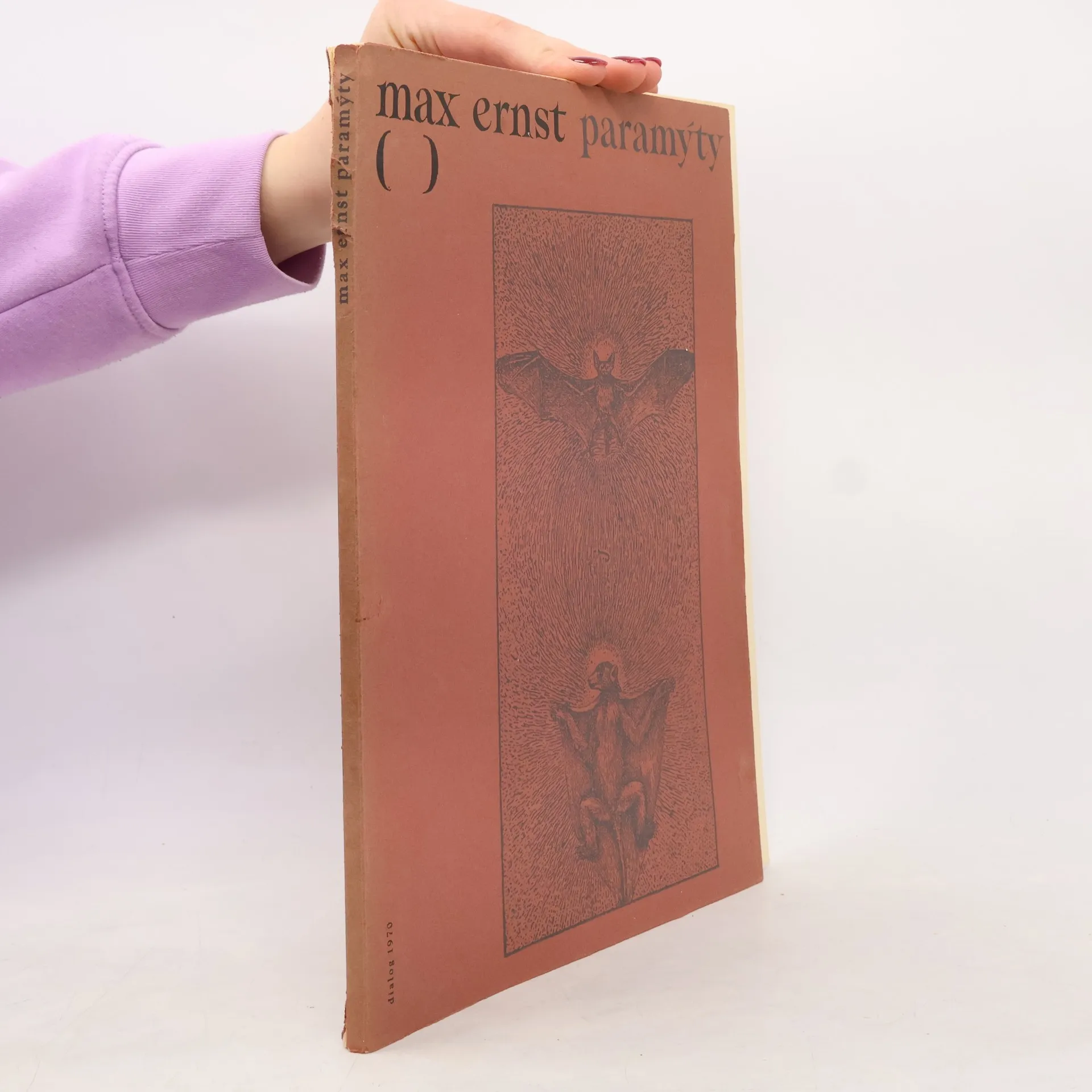
From the collections of Edward James, Roland Penrose, Gabrielle Keiller, Ulla and Heiner Pietzsch.The dream worlds of the four legendary Surrealist collections of the twentieth century demonstrate the long-term seductive power of Surrealism. With over 150 top works in all artistic media, Surrealism, the defining art movement of the twentieth century, can be experienced here in a breadth which has hitherto never been shown before.
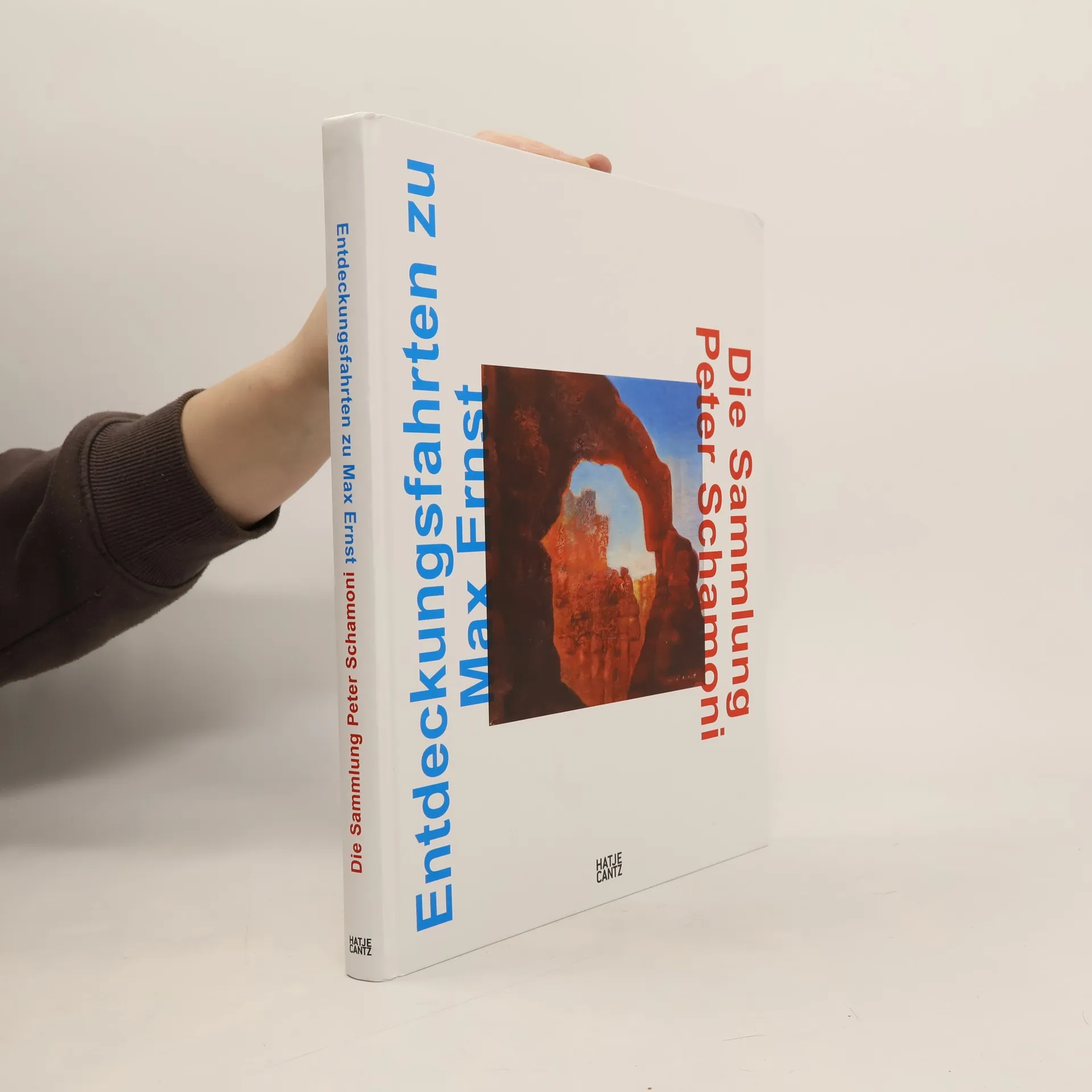
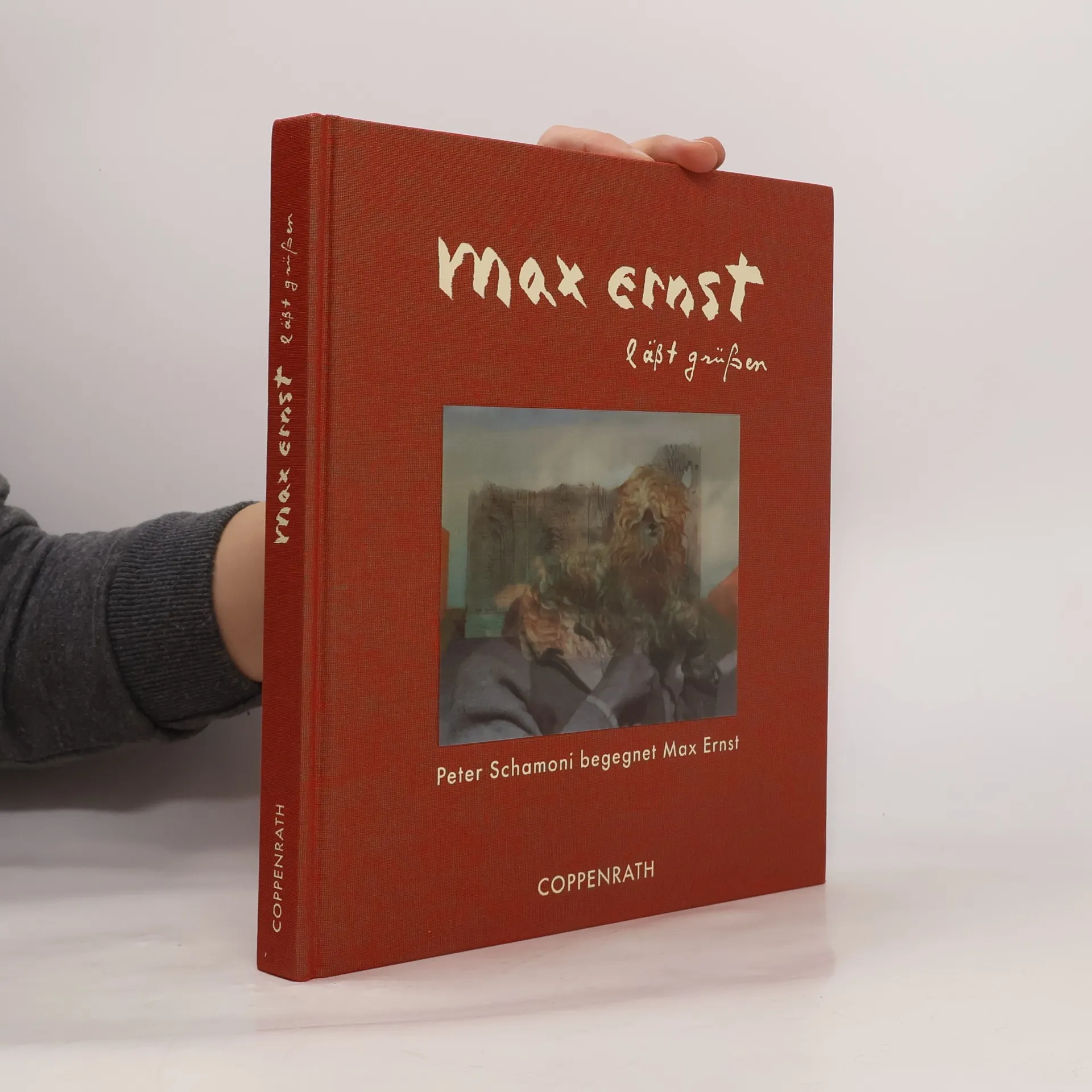
Vor 50 Jahren drehte der Filmemacher Peter Schamoni seinen ersten Dokumentarfilm über Max Ernst, was eine lebenslange Freundschaft begründete. Die Ausstellung im Max Ernst Museum Brühl zeigt erstmals umfassend seine Sammlung und über 80 Werke des Künstlers sowie persönliche Dokumente der Freundschaft.
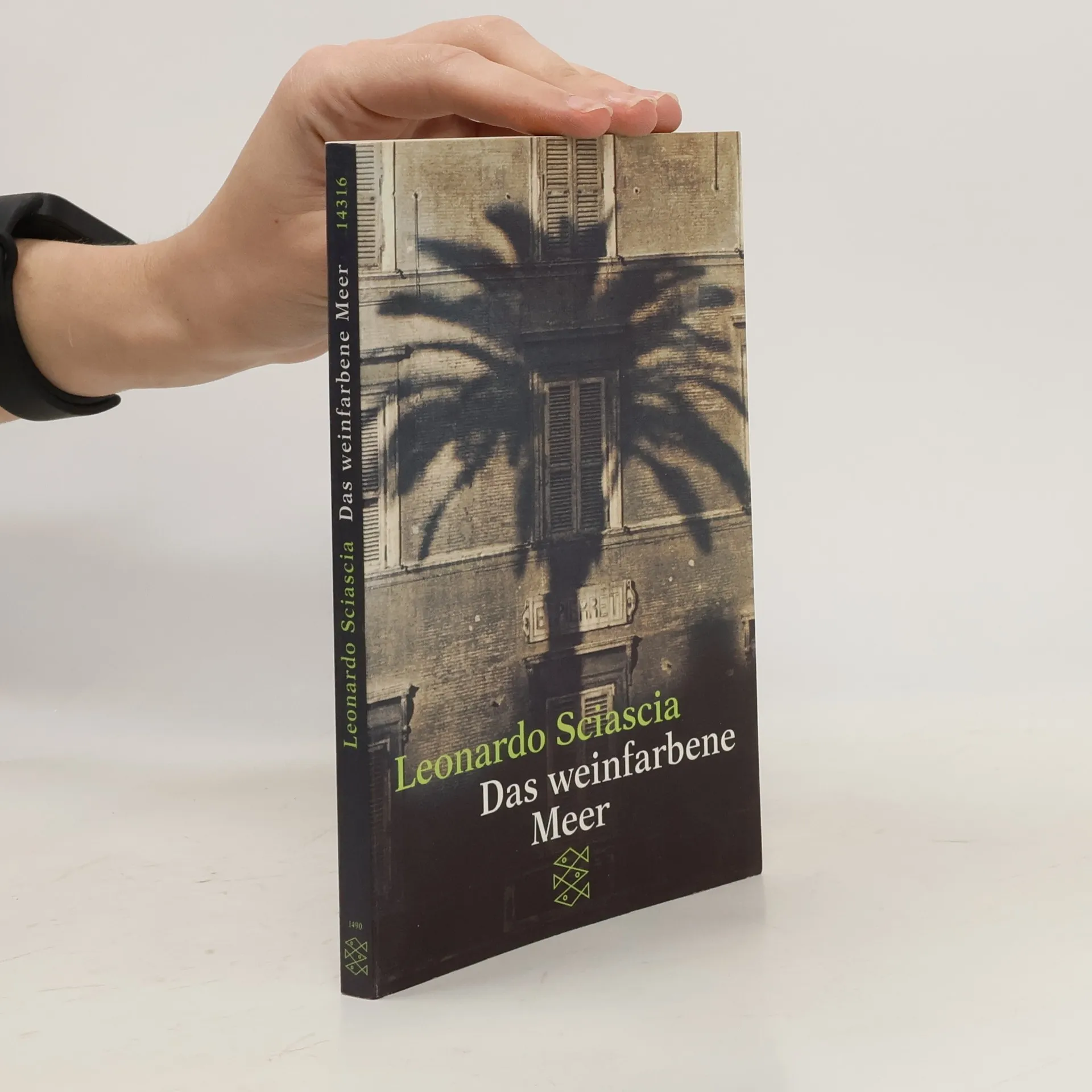
Così Sciascia volle presentare questo bellissimo libro di racconti, scritti fra il 1959 e il 1972: «... mi pare di aver messo assieme una specie di sommario della mia attività fino ad ora e da cui vien fuori (e non posso nascondere che ne sono in un certo modo soddisfatto, dentro la mia più generale e continua insoddisfazione) che in questi anni ho continuato per la mia strada, senza guardare né a destra né a sinistra (e cioè guardando a destra e a sinistra), senza incertezze, senza dubbi, senza crisi (e cioè con molte incertezze, con molti dubbi, con profonde crisi); e che tra il primo e l’ultimo di questi racconti si stabilisce come una circolarità: una circolarità che non è quella del cane che si morde la coda». Resta da dire che il tempo trascorso non ha per nulla intaccato, e anzi esalta, la felicità e l’efficacia delle storie qui riunite come in un breve compendio delle molte voci narrative di Sciascia: scoprirle (o riscoprirle) oggi significa anche lasciarsi sorprendere dalla loro sconcertante, amara lucidità.
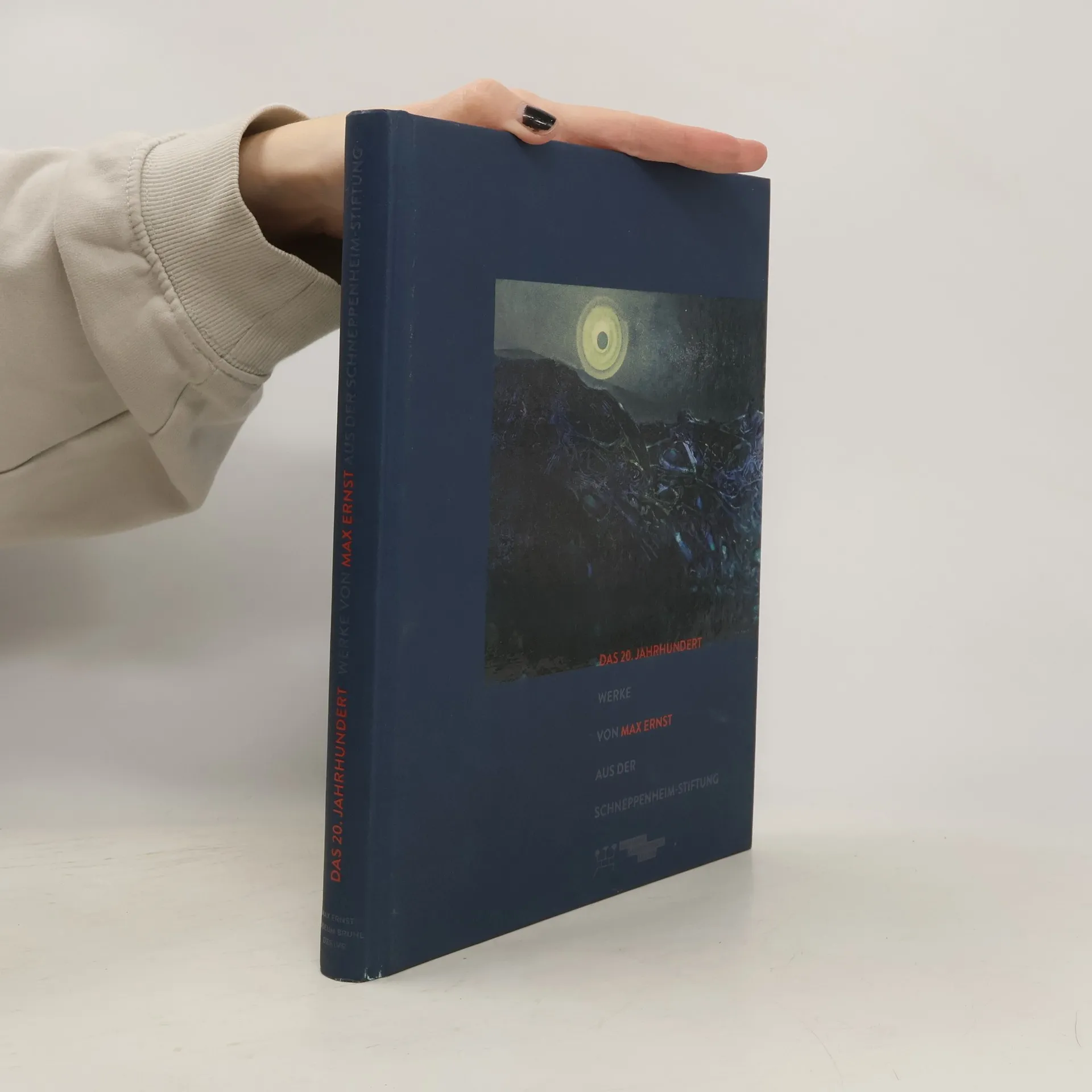
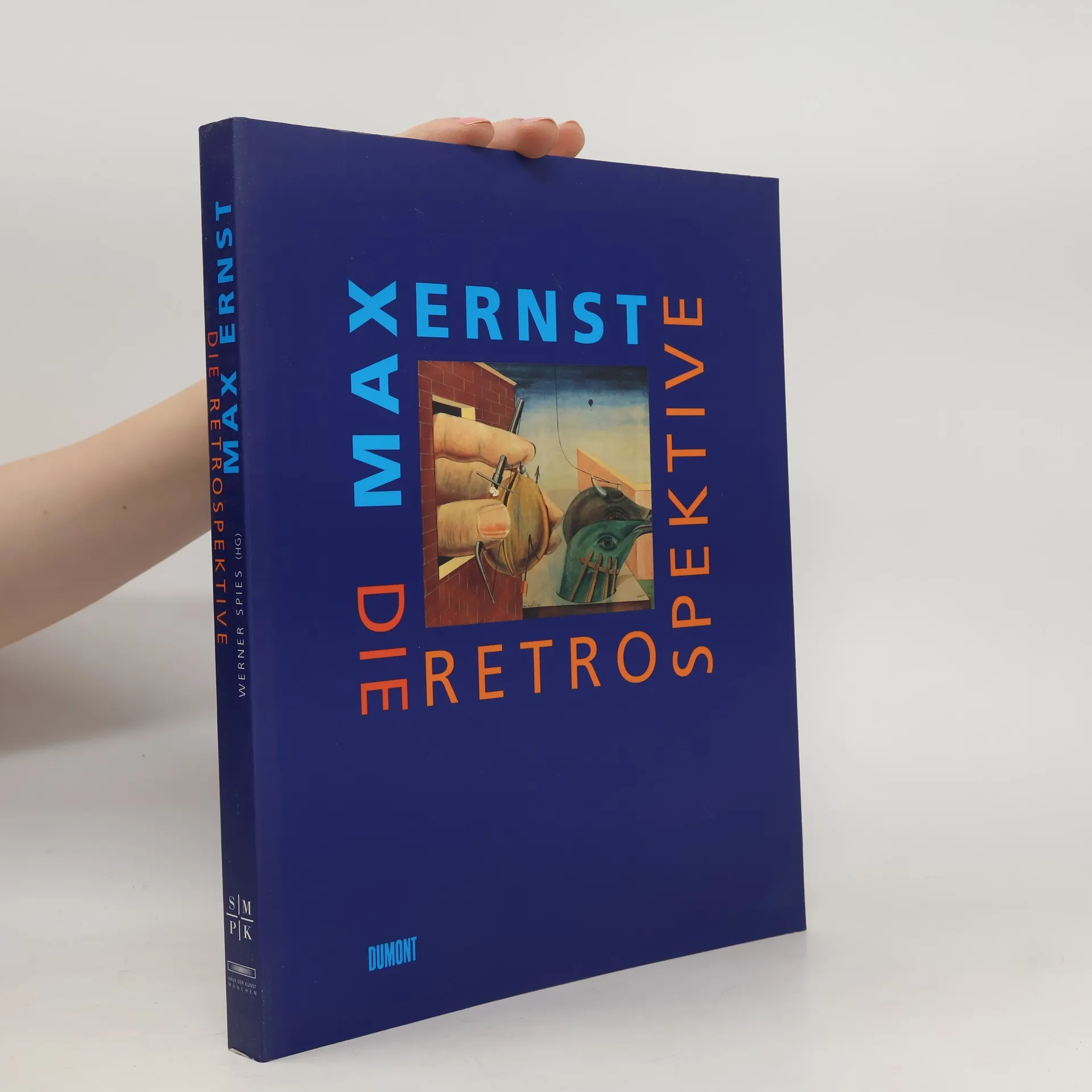
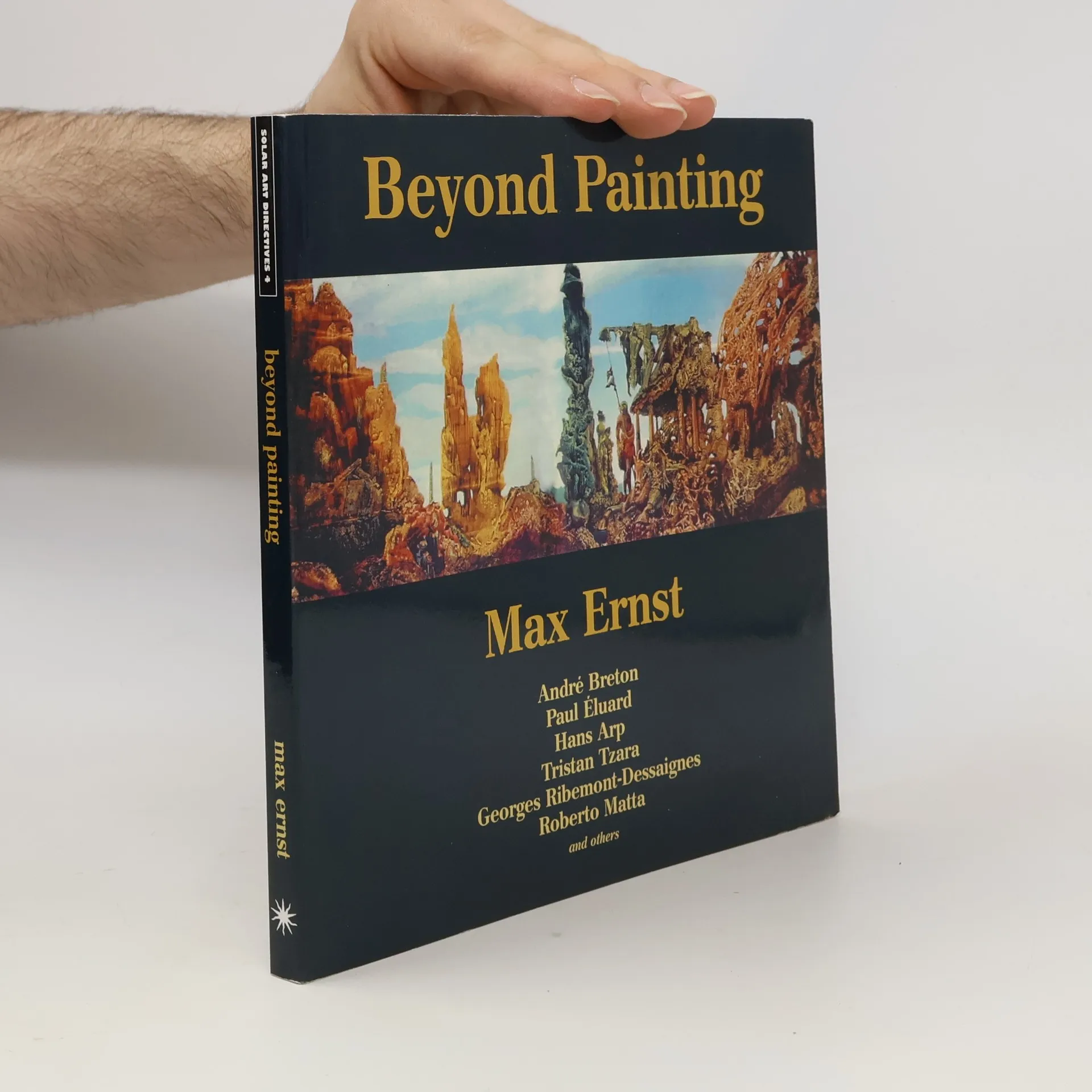
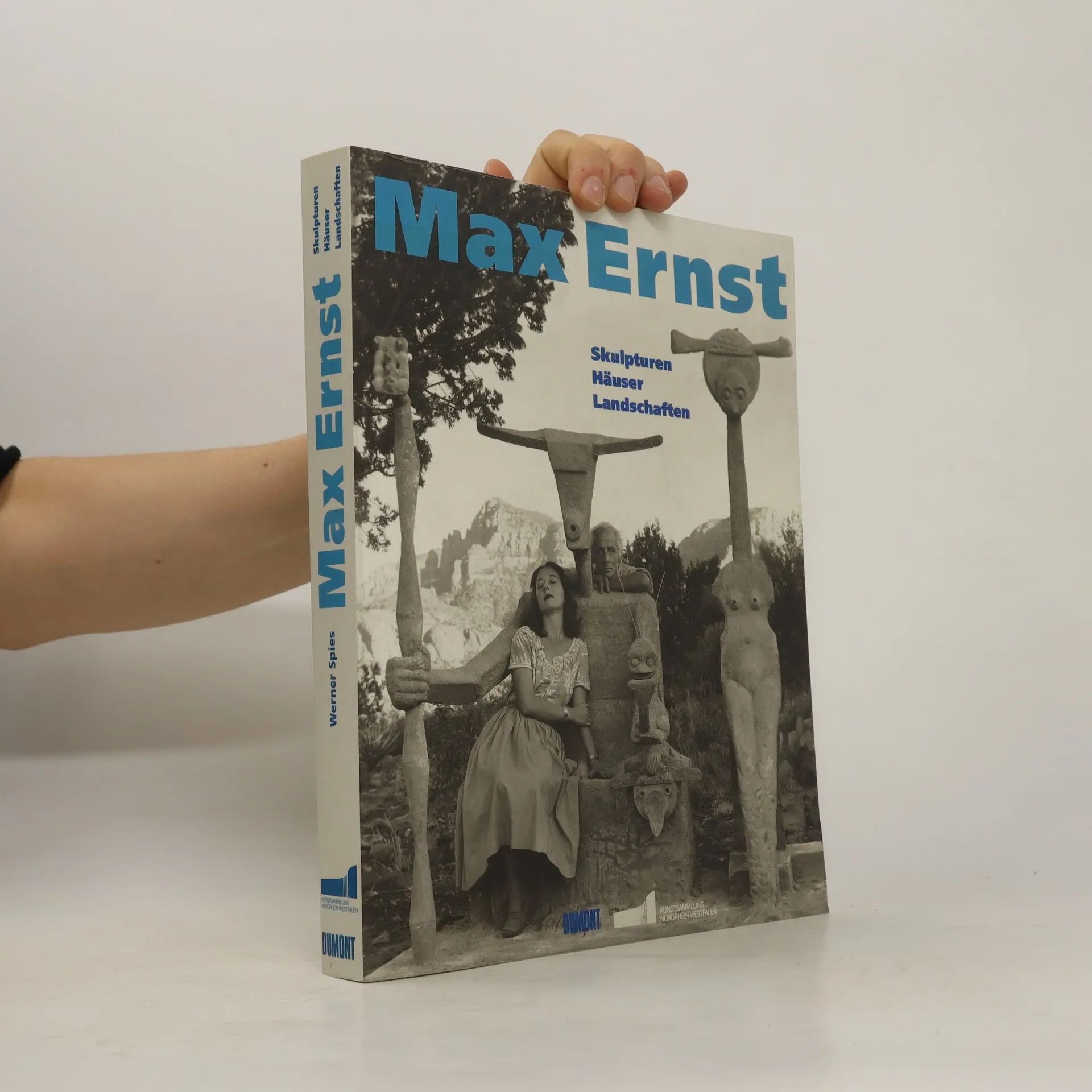
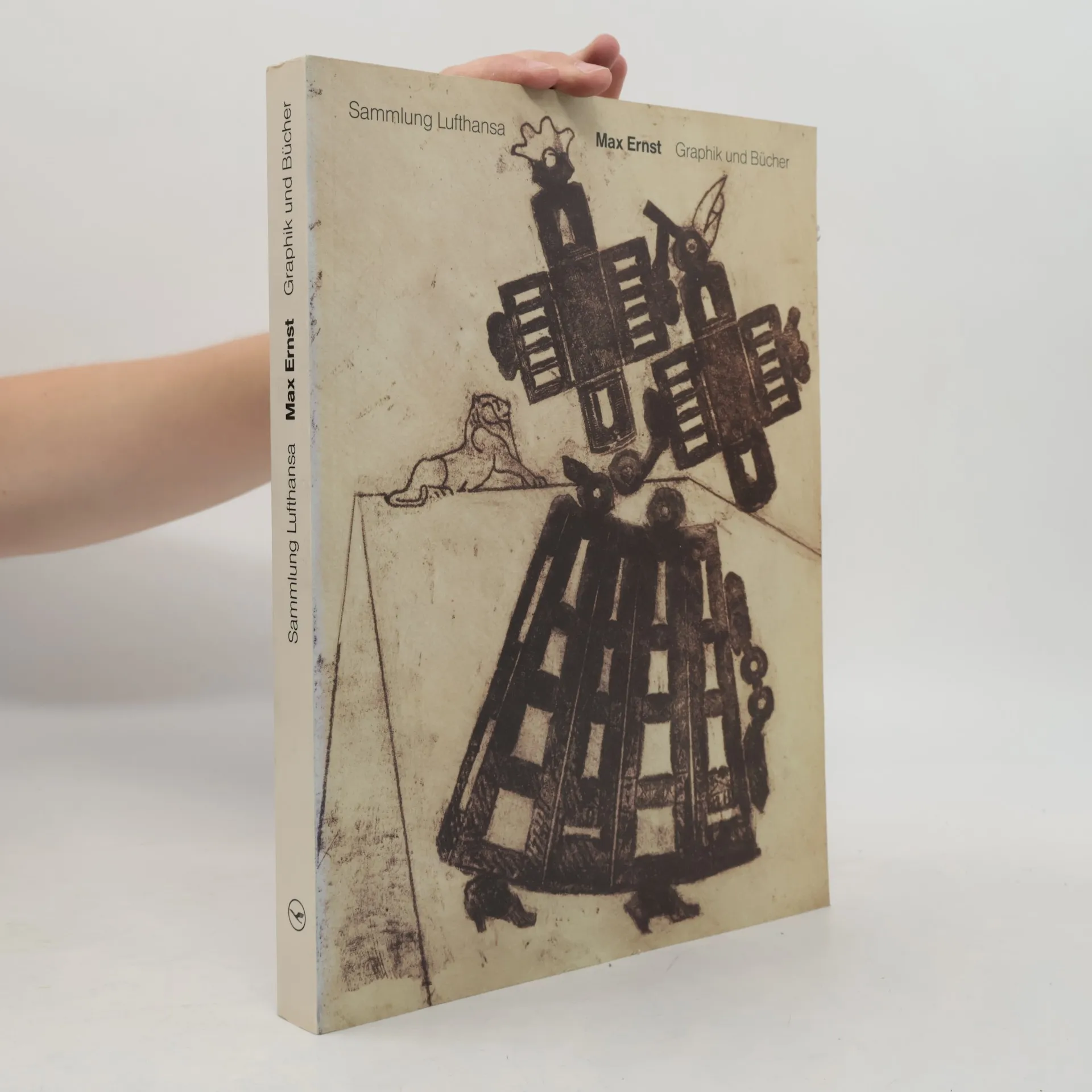
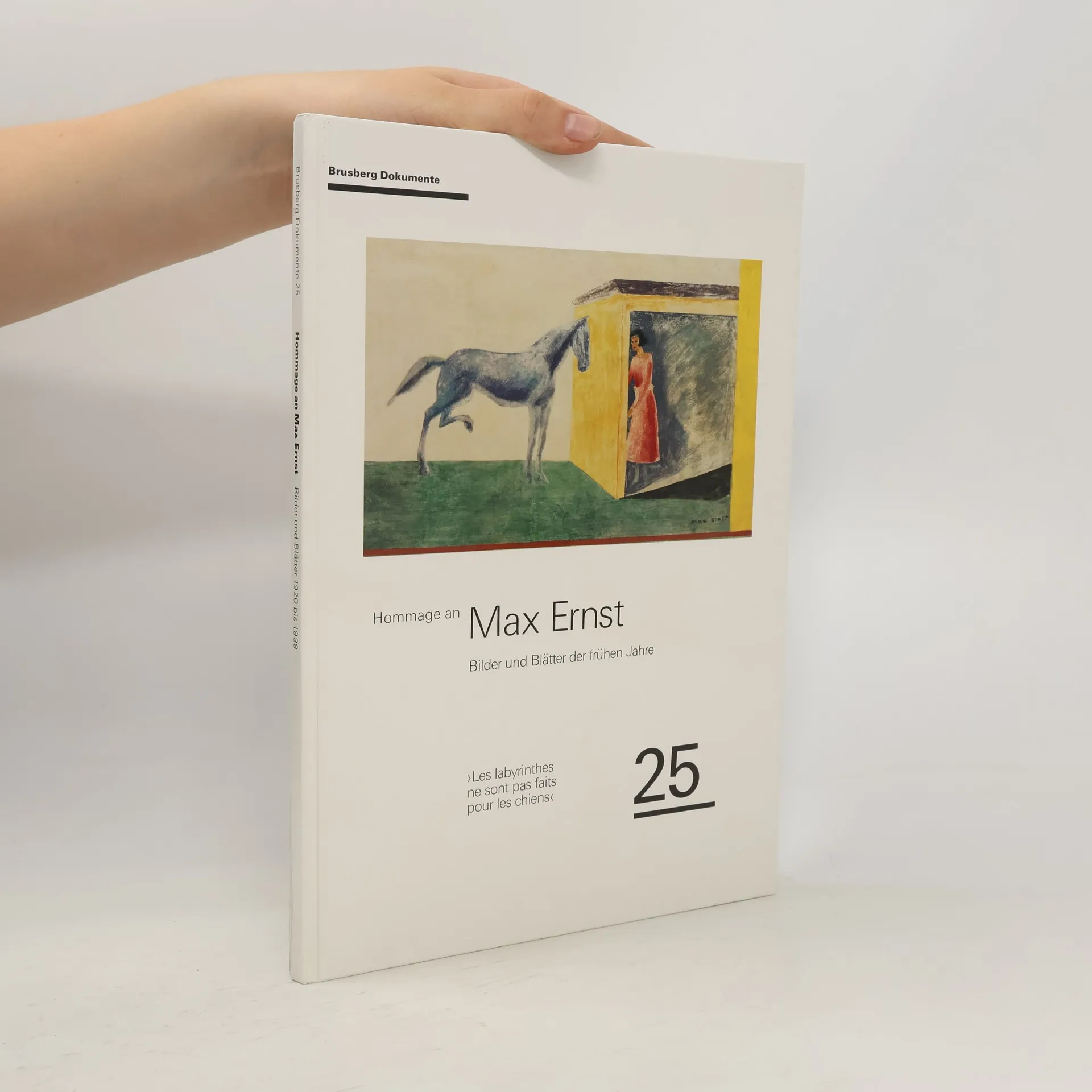
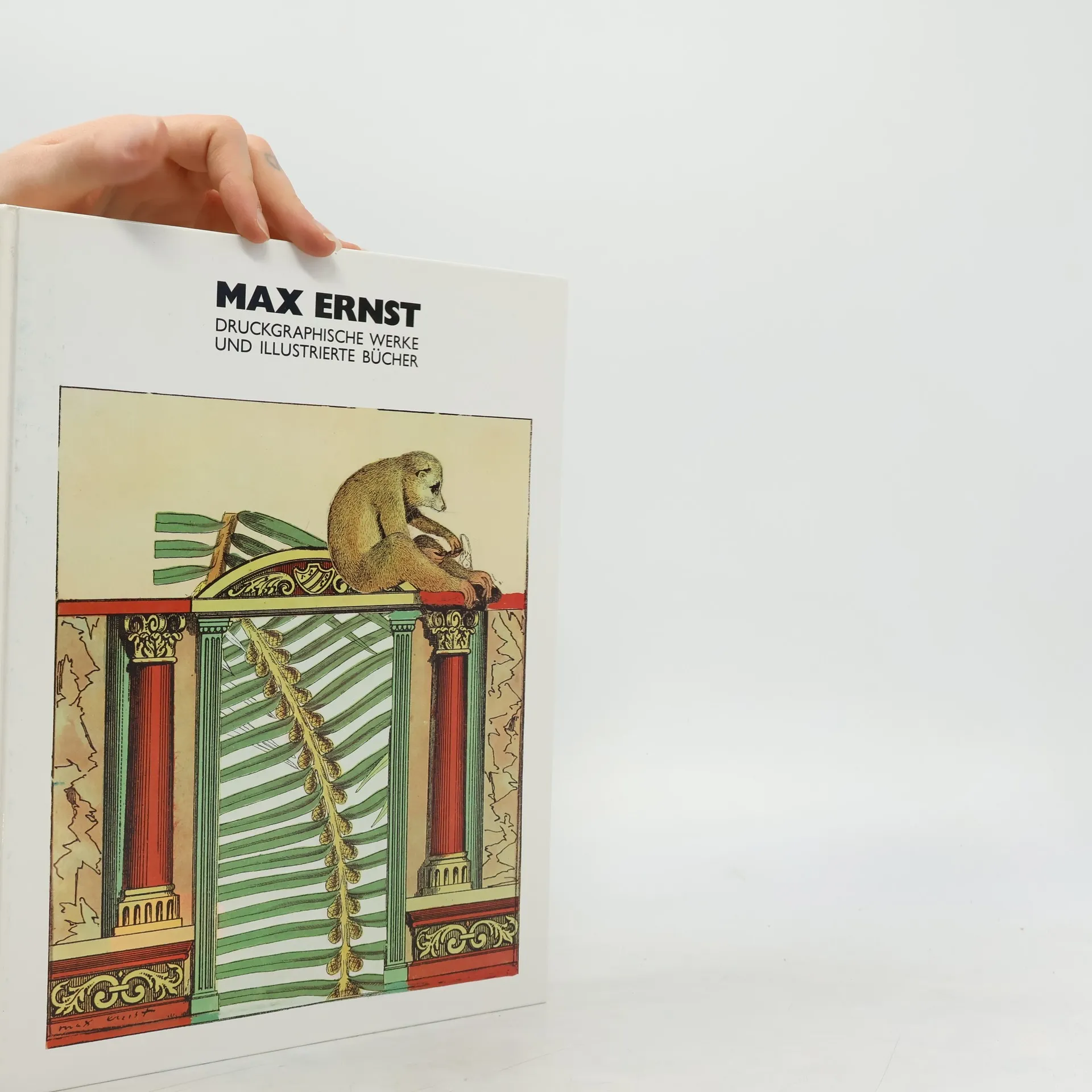
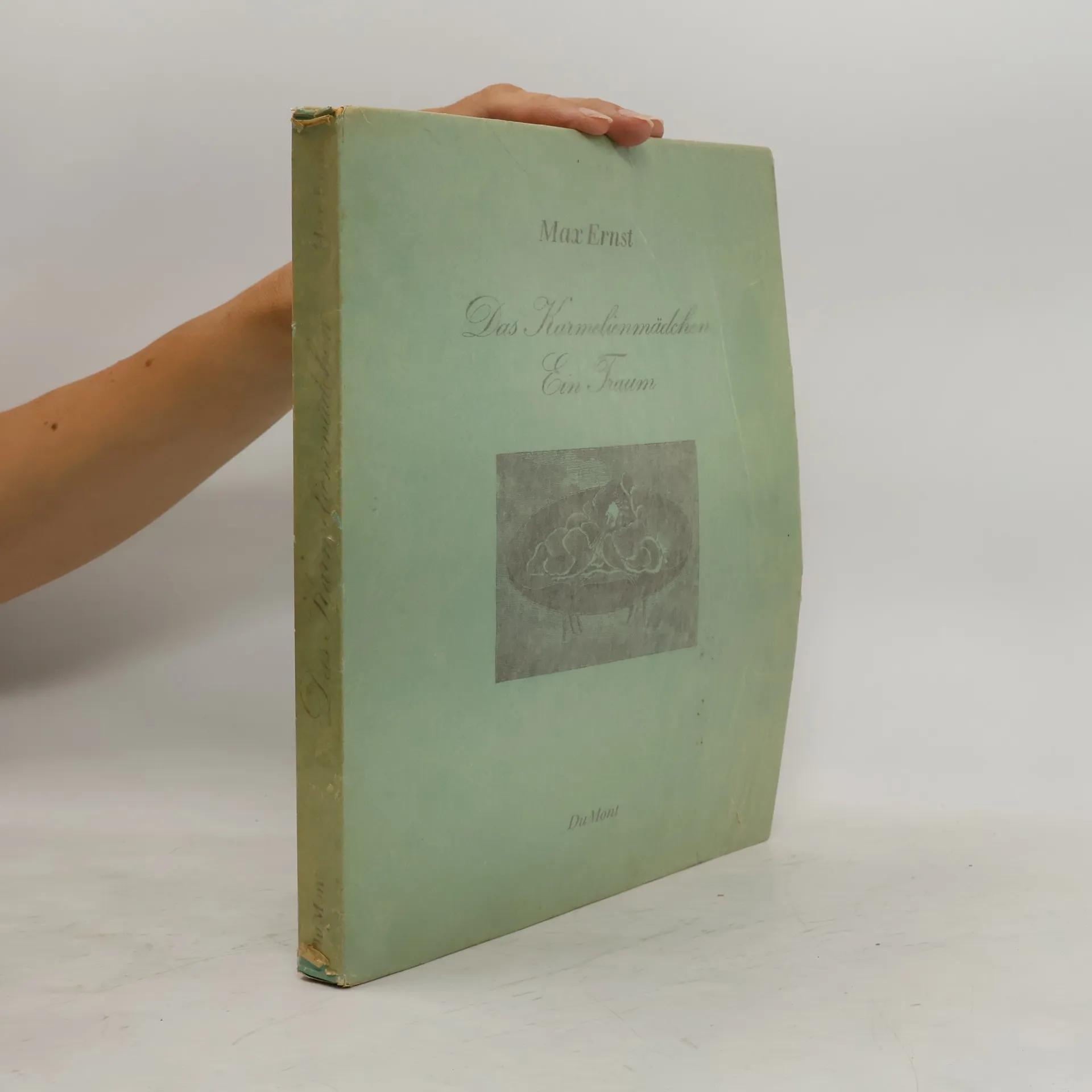
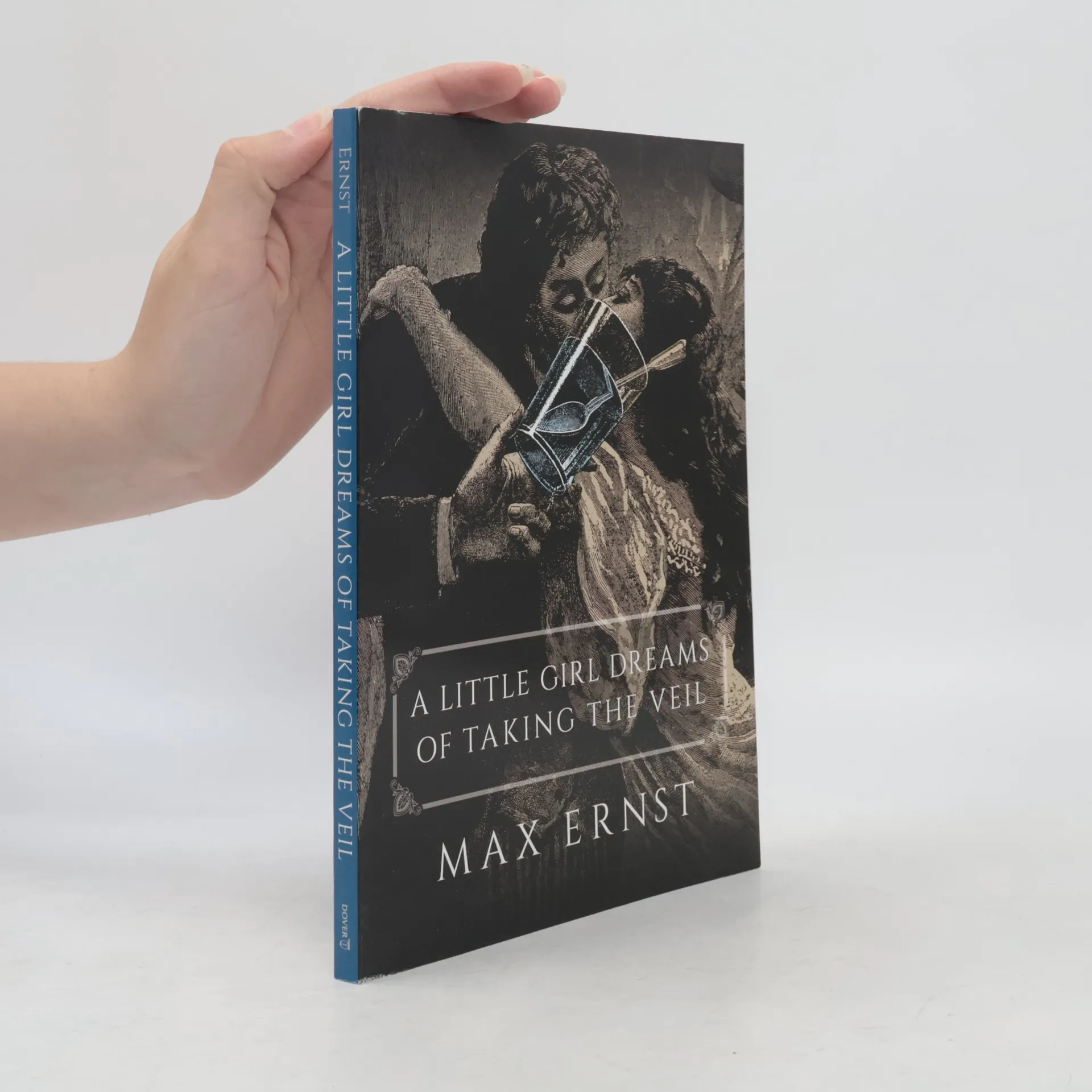
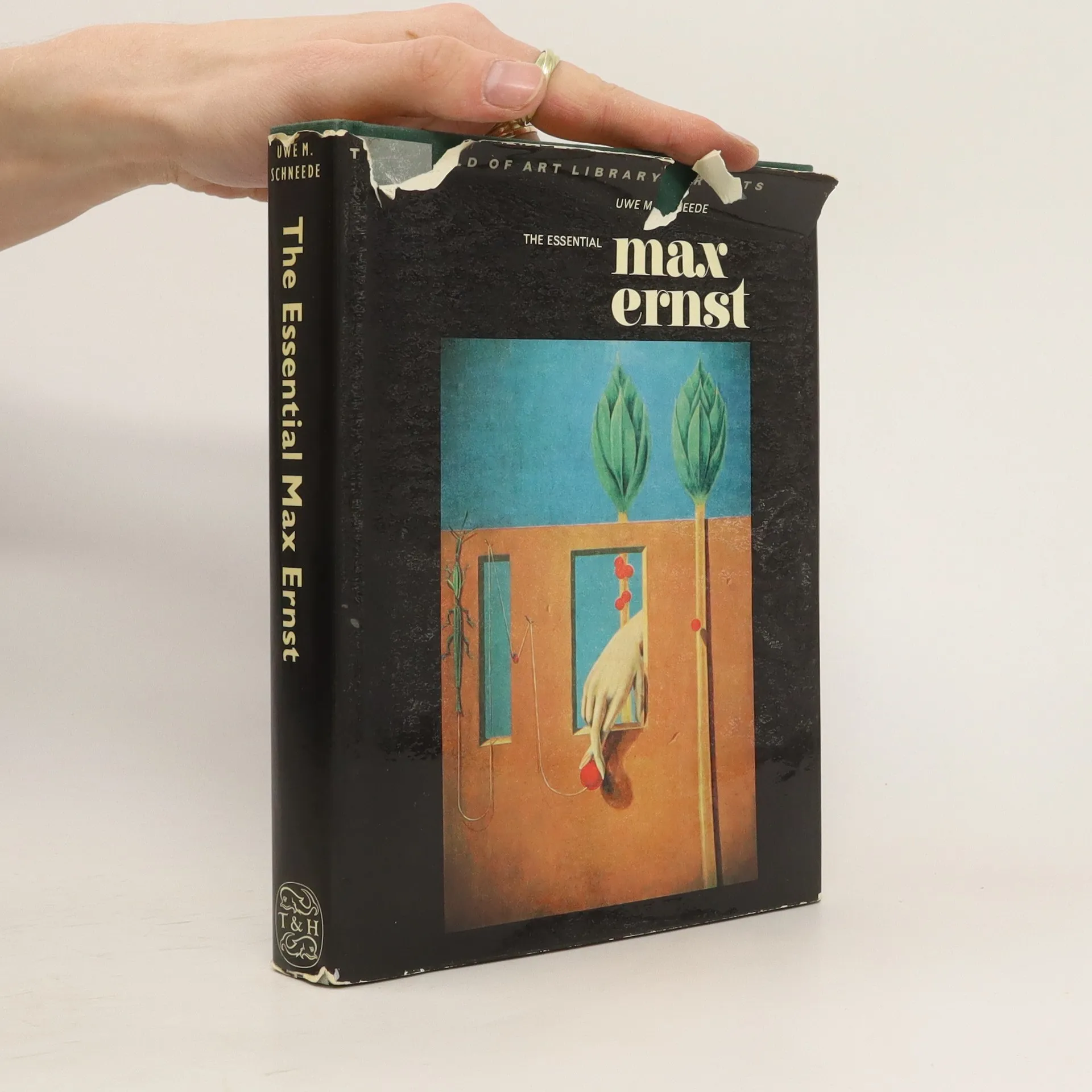
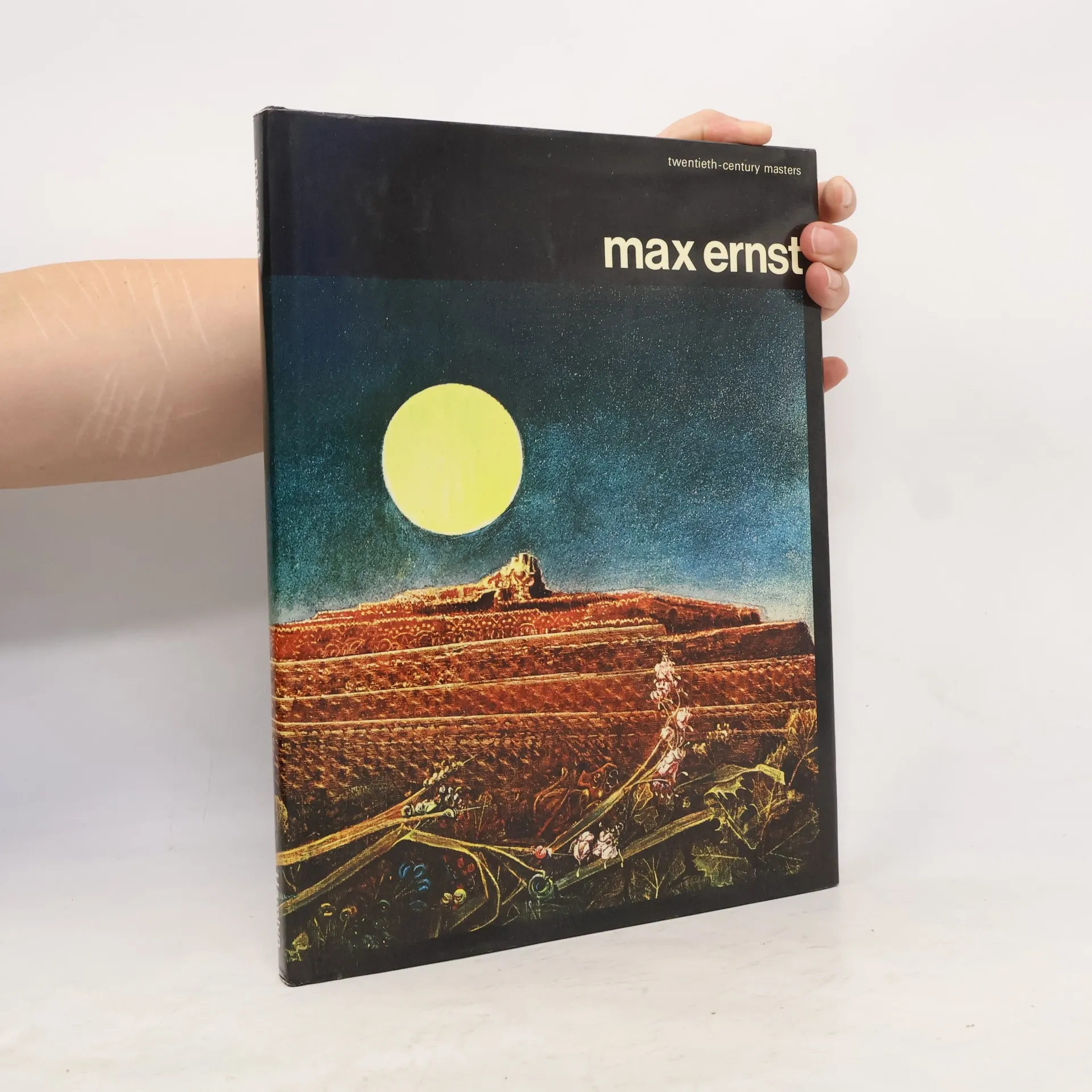
Alongside Salvador Dali and Andre Breton, Max Ernst remains one of the most famous names to be associated with Surrealism, and must now be regarded as one of the most original, prolific and best-known artists of the 20th century. Assembled in 1947, when Ernst had attained the height of his artistic powers, BEYOND PAINTING is a definitive autobiographical document of the painter and the creative processes behind his work, enhanced by testaments by many of his friends including fellow Surrealists Andr Breton, Paul luard, Roberto Matta and Hans Arp, as well as others such as New York art dealer Julien Levy. BEYOND PAINTING also contains over 150 illustrations dating from 1917-1947, including complete versions of Ernst's revolutionary experiments in frottage and collage, Natural History and The Lion of Belfort. Also included is a preface by New York artist Robert Motherwell and a chronology of Ernst's life written by the painter himself. Solar Art Directives features the most innovative artists of the 20th century.
The First Three Billion Years of Evolution on Earth
277 stránok
10 hodin čítania
Australopithecines, dinosaurs, and trilobites evoke images of lost worlds, but they represent just a fraction of life’s nearly four-billion-year history. The exploration of life’s origins on a young planet to the Cambrian explosion reveals a compelling explanation for the emergence of biological novelty. The latest paleontological discoveries, many by the author and his students, are integrated with insights from molecular biology and earth system science, providing a comprehensive understanding of how our biological diversity evolved. By examining regions from Siberia to Namibia to the Bahamas, the narrative illustrates the co-evolution of life and environment throughout Earth's history. Biological innovations have shaped our atmosphere and oceans, while environmental changes have influenced evolutionary paths, closing opportunities for some species and opening new avenues for others. Readers are taken into the field to confront fossils, into labs to explore cellular mechanisms, and even to Mars, contemplating how terrestrial experiences inform the search for extraterrestrial life. The text addresses pressing scientific questions, including the oldest fossils, life beyond Earth, global glaciation, and the unifying concept of "permissive ecology." By uncovering Earth’s biological roots, the work enhances our understanding of our place in the universe and our responsibilities as stewards of this ancient planet.