

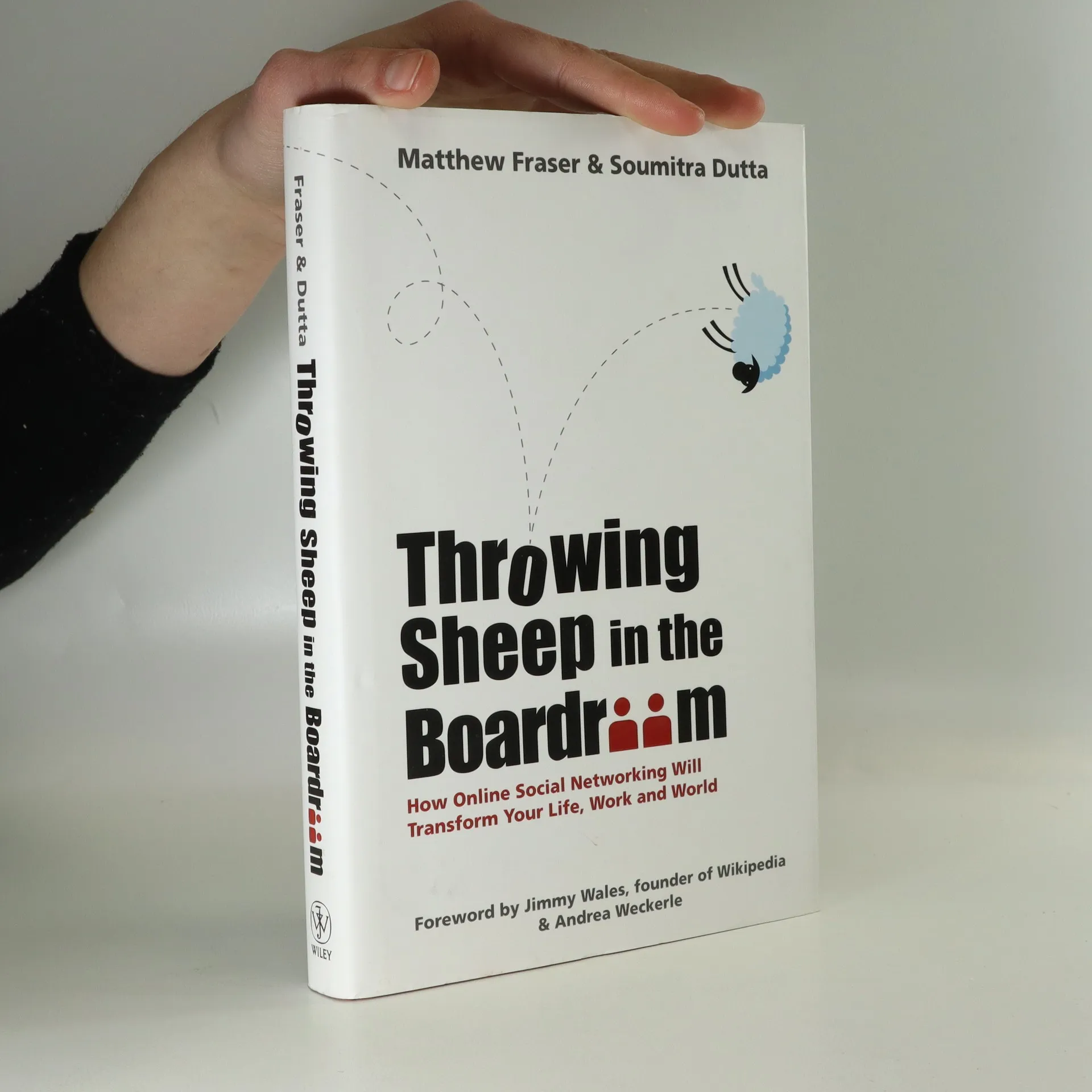
The rise of social networks like Facebook and MySpace is reshaping our self-perception, interactions, work dynamics, and business practices. This exploration delves into the forces driving the social networking revolution and its profound societal impacts. It highlights how social networks influence both individuals and organizations, particularly in the business realm. The new workforce generation is deeply engaged with social networking, prompting business leaders to embrace this phenomenon rather than resist it. The text emphasizes that the next generation of CEOs may possess unconventional skills honed in virtual environments, suggesting that the qualities developed in online gaming can translate to effective leadership. It challenges the misconception that Enterprise 2.0 is merely a product, asserting instead that it represents a revolutionary mindset that transcends traditional organizational structures. Meetings, often seen as tools of authority and exclusivity, are critiqued for reinforcing status hierarchies. The book argues that the Enterprise 2.0 model disrupts these hierarchies, empowering individuals through horizontal networks. By harnessing the potential of Web 2.0 social media, it aims to illustrate the transformative effects of these tools on traditional organizational dynamics, offering insightful perspectives on the ongoing evolution in business and society.
Soumitra Dutta Knihy
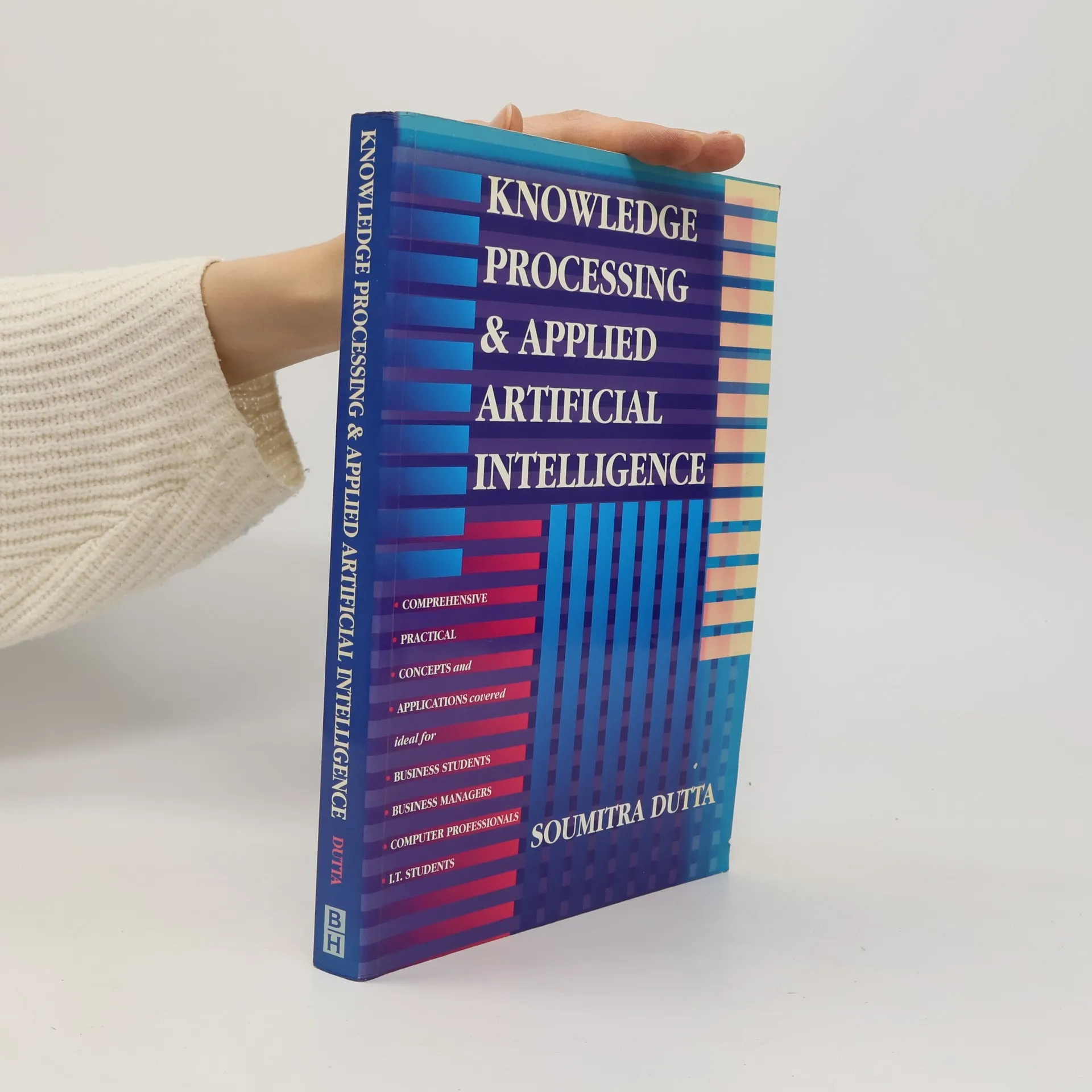
Knowledge Processing and Applied Artificial Intelligence
- 368 stránok
- 13 hodin čítania
Knowledge Processing and Applied Artificial Intelligence discusses the business potential of knowledge processing and examines the aspects of applied artificial intelligence technology. The book is comprised of nine chapters that are organized into five parts. The text first covers knowledge processing and applied artificial intelligence, and then proceeds to tackling the techniques for acquiring, representing, and reasoning with knowledge. The next part deals with the process of creating and implementing strategically advantageous knowledge-based system applications. The fourth part covers intelligent interfaces, while the last part details alternative approaches to knowledge processing. The book will be of great use to students and professionals of computer or business related disciplines.