Peter Godman je popredný odborník na stredoveké a moderné náboženské dejiny. Jeho rozsiahle akademické pôsobenie na prestížnych univerzitách v Cambridge, Oxforde a Tübingen, ako aj jeho súčasné pôsobenie v Ríme, svedčia o hlbokom zasvätení do štúdia viery a jej prejavov v priebehu stáročí. Práce Petra Godmana ponúkajú čitateľom prenikavý pohľad na formovanie náboženského myslenia a praxe v západnej kultúre, skúmajúc zložité vzťahy medzi spiritualitou, mocou a spoločnosťou. Jeho analýzy sú cenené pre svoju dôkladnosť a schopnosť osvetliť kľúčové momenty náboženského vývoja s akademickou presnosťou a literárnym pôvabom.
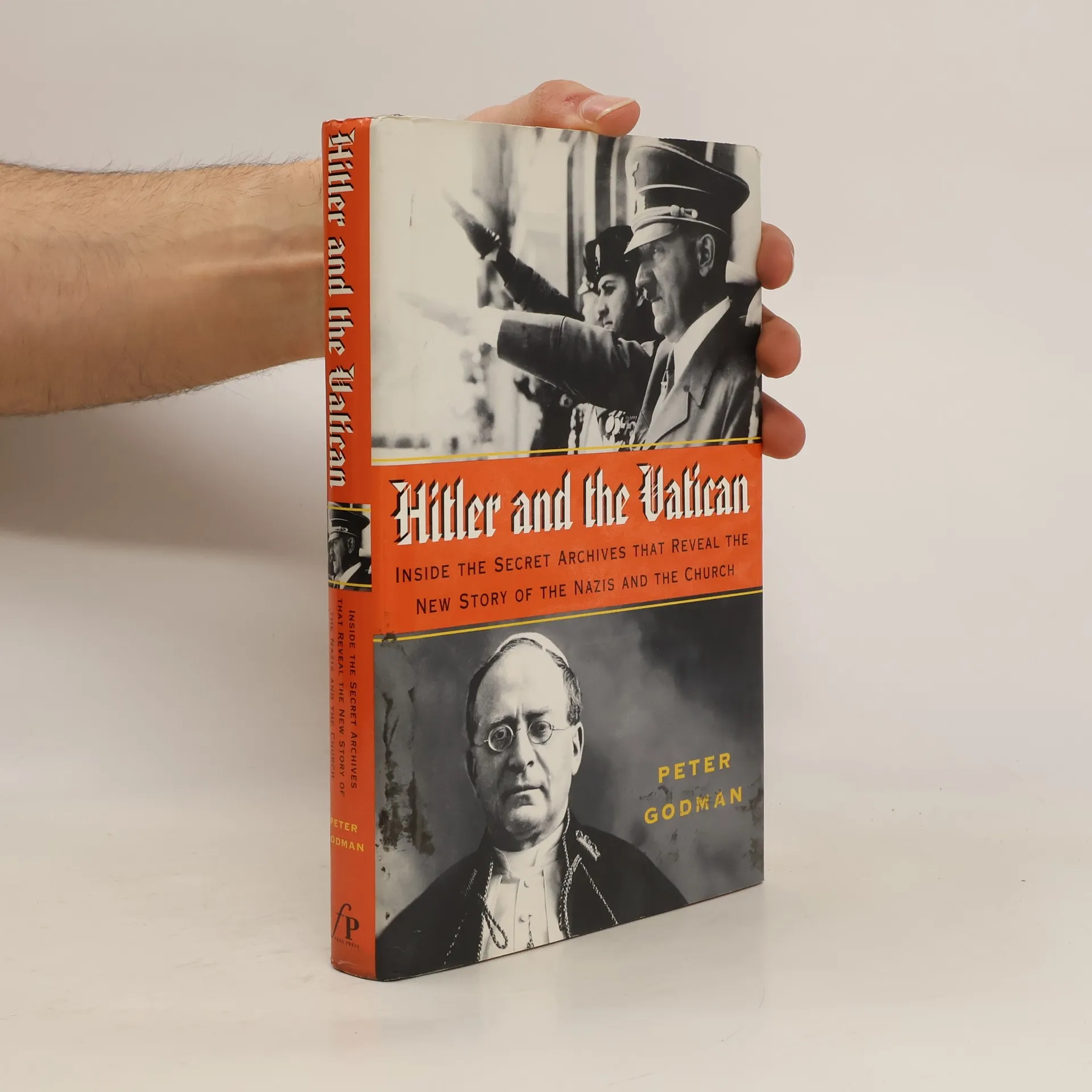
Inside the Secret Archives That Reveal the New Story of the Nazis and the Church
304 stránok
11 hodin čítania
Documents the controversial relationship between the Catholic Church and the Nazis, citing how a communist-wary Vatican maintained a policy of non-interference in Nazi persecutions and withheld crucial information about Nazi activities. 50,000 first printing.
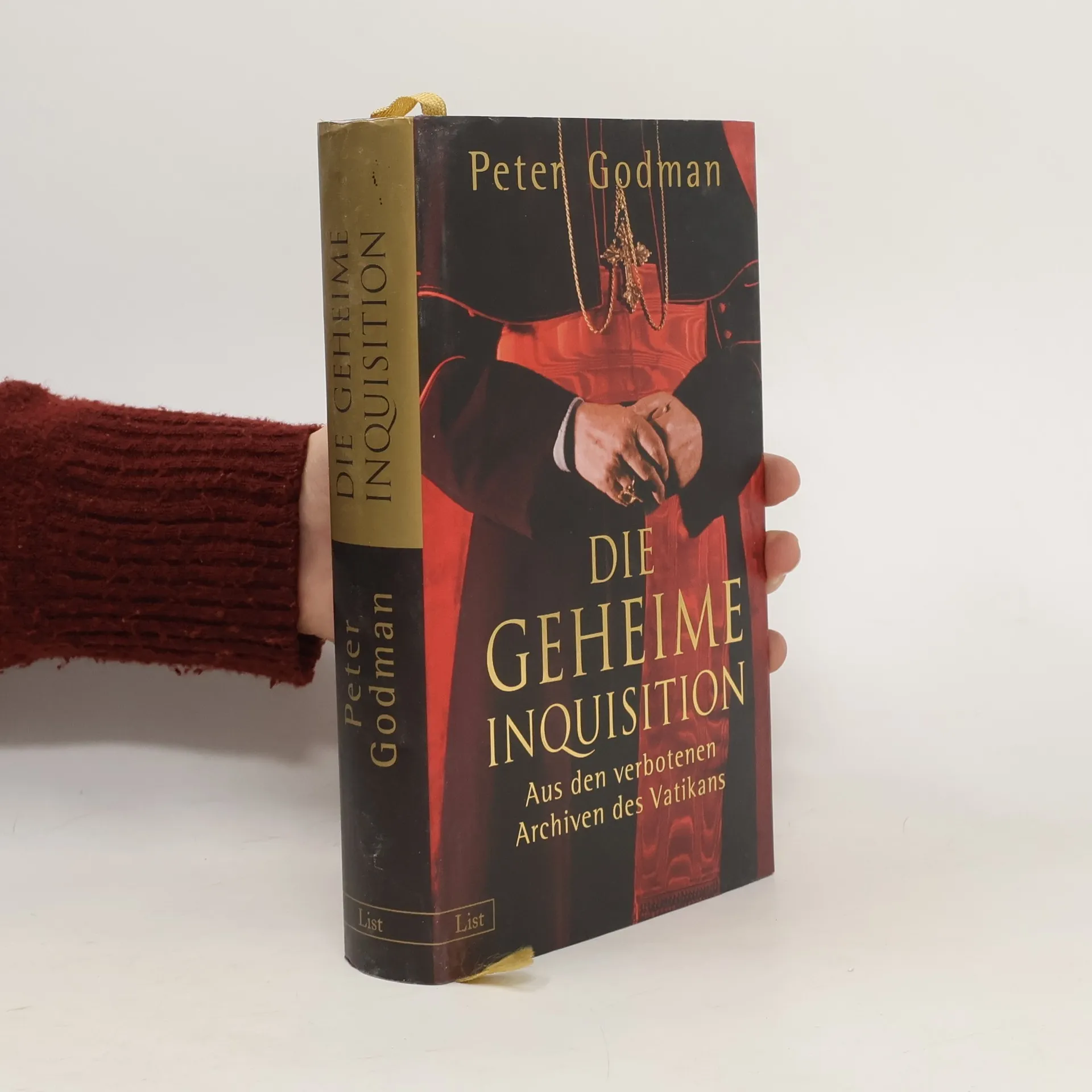
Sensationelle Funde enthüllen ein neues Bild von einer mächtigen Institution. Eine Charakterstudie der Herren in roter Seide und ein hochspannendes Porträt der Inquisition
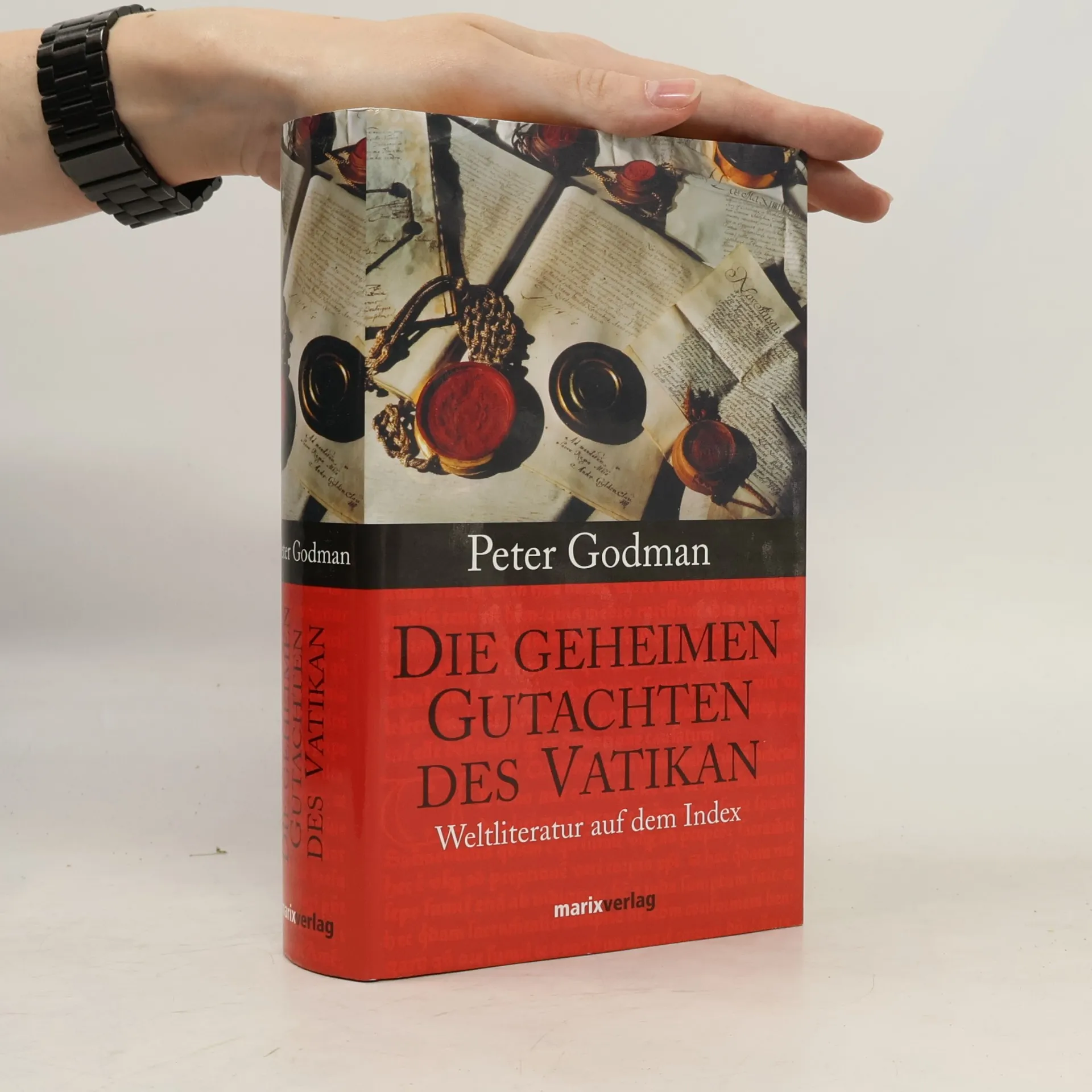
„In höchster Sorge“ wandte sich das Fünfte Laternakonzil im Jahr 1515 einem neuen Medium zu: Der Buchdruck beunruhigte die Konzilsväter; schließlich ließen sich mit Gutenbergs Erfindung nicht nur Psalter drucken, sondern auch häretische Schriften und reformatorische Flugblätter. Als Antwort schuf man eine Zensurbehörde, die Indexkongregation, die über vier Jahrhunderte als Instrument kirchlicher Wissens- und Kommunikationskontrolle diente. Der Historiker Peter Godman schildert hier die spektakulärsten Fälle: Werke der Philosophie, der Literatur, der Naturwissenschaften und der Geschichtsschreibung, die längst als Meisterwerke zum globalen Bildungskanon gehören – von Boccaccio über Erasmus, Kant und Darwin, Flaubert und Voltaire -, fanden sich auf dem päpstlichen Index wieder, überführt durch geheime Gutachten, die in ihrer Willkür und Ineffizienz eine makabre, aber gerade deshalb höchst unterhaltsame Lektüre bieten.