

Bookbot

Richard Panek

    Richard Panek je autor, ktorého dielo sa zameriava na zložité vedecké koncepty a ich pútavé rozprávanie. Jeho písanie vyniká schopnosťou sprístupniť komplexné témy širšiemu publiku s jasnosťou a eleganciou. Panek skúma najhlbšie záhady vesmíru aj ľudského mozgu a jeho práca podnecuje k zamysleniu nad naším miestom vo vesmíre.

    Richard Panek
    Das Auge Gottes
    Seeing and Believing
    Pillars of Creation
    The Autistic Brain: Exploring the Strength of a Different Kind of Mind
    The 4 percent universe: dark matter, dark energy, and the race to discover the rest of reality
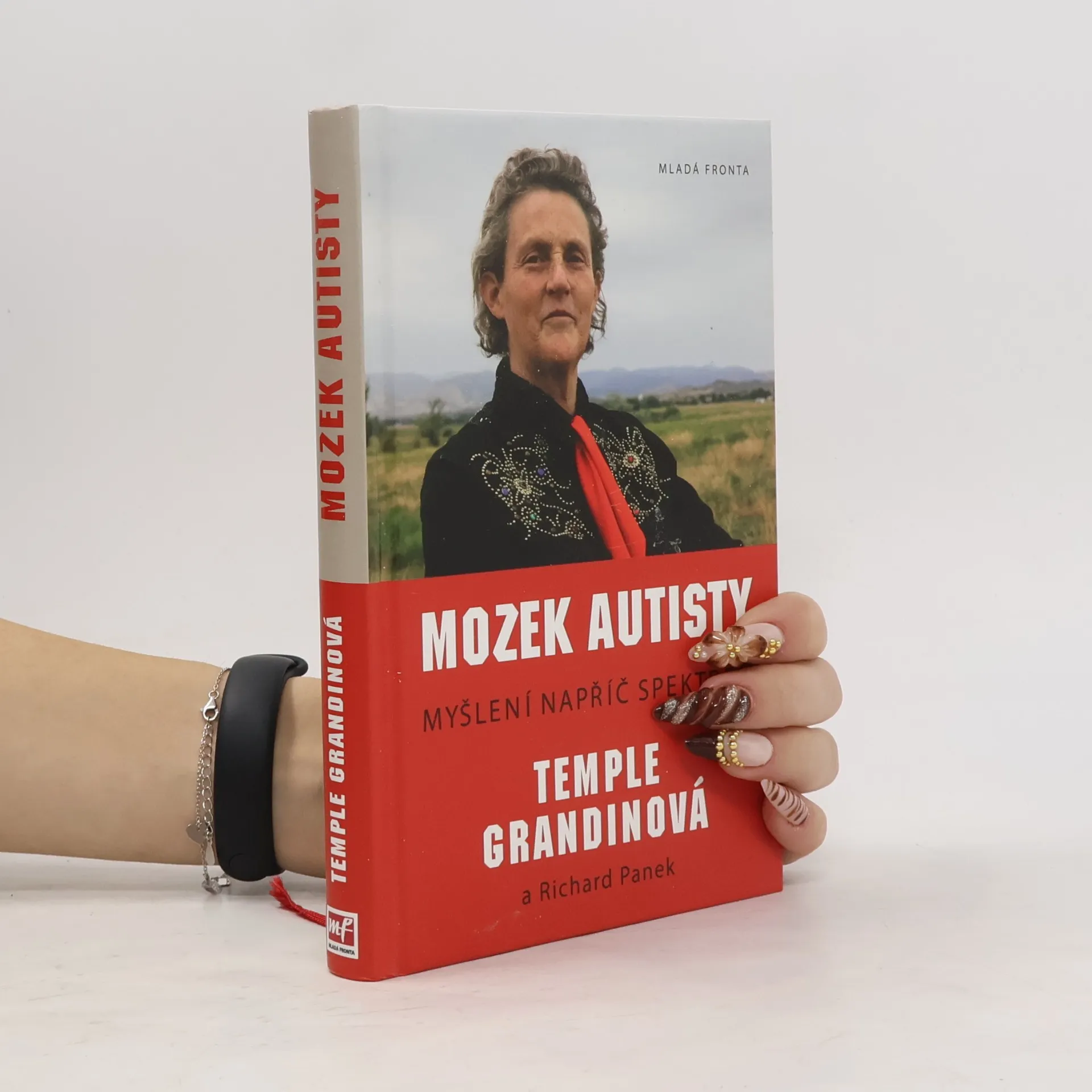
    Mozek autisty. Myšlení napříč spektrem
    • Mozek autisty. Myšlení napříč spektrem

      • 272 stránok
      • 10 hodin čítania

      Když se v roce 1947 Temple Grandinová narodila, autismus teprve dostal jméno. Dnes je častější než kdy jindy, jedno z osmdesáti osmi dětí má diagnózu spadající do tohoto spektra. A naše přemýšlení o autismu prošlo v průběhu jejího života proměnou: studie autismu se posunuly ze sféry psychologie k neurologii a genetice a díky výzkumu v oblasti příčin a léčby existuje mnohem větší naděje na zlepšení stavu než kdy dřív. Temple Grandinová teď podává zprávu o stavu znalostí o autismu a přináší svůj jedinečný pohled na vzrušující cestu do srdce autistické revoluce.
      Mozek autisty. Myšlení napříč spektrem
      4,5
    • Over the past few decades, a handful of scientists have been racing to explain a disturbing aspect of our universe: only 4% of it consists of the matter that makes up you, me, our books, and every star and planet. The rest of the universe is completely unknown. Acclaimed science writer Richard Panek tells the dramatic story of the quest to unlock the secrets of "dark matter" and the even stranger substance known as "dark energy", which comprise a startling 96% of existence. These are perhaps the greatest mysteries remaining in science, and solving them will reshape our understanding of the universe and our place in it. Panek's fast-paced narrative, filled with original, in-depth reporting and intimate, behind-the-scenes details, brings this epic story to life for the very first time. Book jacket.

      The 4 percent universe: dark matter, dark energy, and the race to discover the rest of reality
      3,8
    • WINNER OF 'BEST NON FICTION' IN THE GOODREADS CHOICE AWARDS 2013 It's estimated that one in almost a hundred people are diagnosed as being on the autistic spectrum but there is far more hope for them today than ever before thanks to groundbreaking new research. In this fascinating and highly readable book, Temple Grandin offers her own experience as an autistic person alongside remarkable new discoveries about the autistic brain, as well as genetic research. She also highlights long-ignored sensory problems as well as the need to treat autism symptom by symptom, rather than with an umbrella diagnosis. Most exciting of all, she argues that raising and educating children on the autistic spectrum needs to be less about focusing on their weaknesses, and more about fostering their unique contributions.

      The Autistic Brain: Exploring the Strength of a Different Kind of Mind
      4,1
    • Pillars of Creation

      How the James Webb Telescope Unlocked the Secrets of the Cosmos

      • 256 stránok
      • 9 hodin čítania

      Delving into the origins and groundbreaking achievements of the James Webb Space Telescope, this account offers an insider's perspective on its mission. It highlights the telescope's scientific capabilities and the stunning images it captures, which are reshaping our understanding of the universe. The narrative emphasizes the innovative technology and the profound discoveries that are unfolding as a result of this remarkable space observatory.

      Pillars of Creation
      4,0
    • Seeing and Believing

      How the Telescope Opened Our Eyes and Minds to the Heavens

      • 198 stránok
      • 7 hodin čítania

      "Seeing and Believing" tells the story, visionary by visionary and discovery by discovery, of the telescope, one of the few inventions that have revolutionized our view of the universe and how we fit into it. In the tradition of Dava Sobel's "Longitude," "Seeing and Believing" focuses on the often larger-than-life figures whose insights and breakthroughs made our cosmological odyssey possible - from Galileo himself to William Herschel, the musician-turned-astronomer who discovered Uranus, to George Ellery Hale, who regularly conversed with an elf yet managed nonetheless to found both the Mount Wilson and Mount Palomar observatories. But the most fascinating character of all is the telescope itself, which, designed solely to help us determine our place in the scheme of things, is an evolving metaphor for how we see ourselves.

      Seeing and Believing
    • Das Auge Gottes

      • 196 stránok
      • 7 hodin čítania

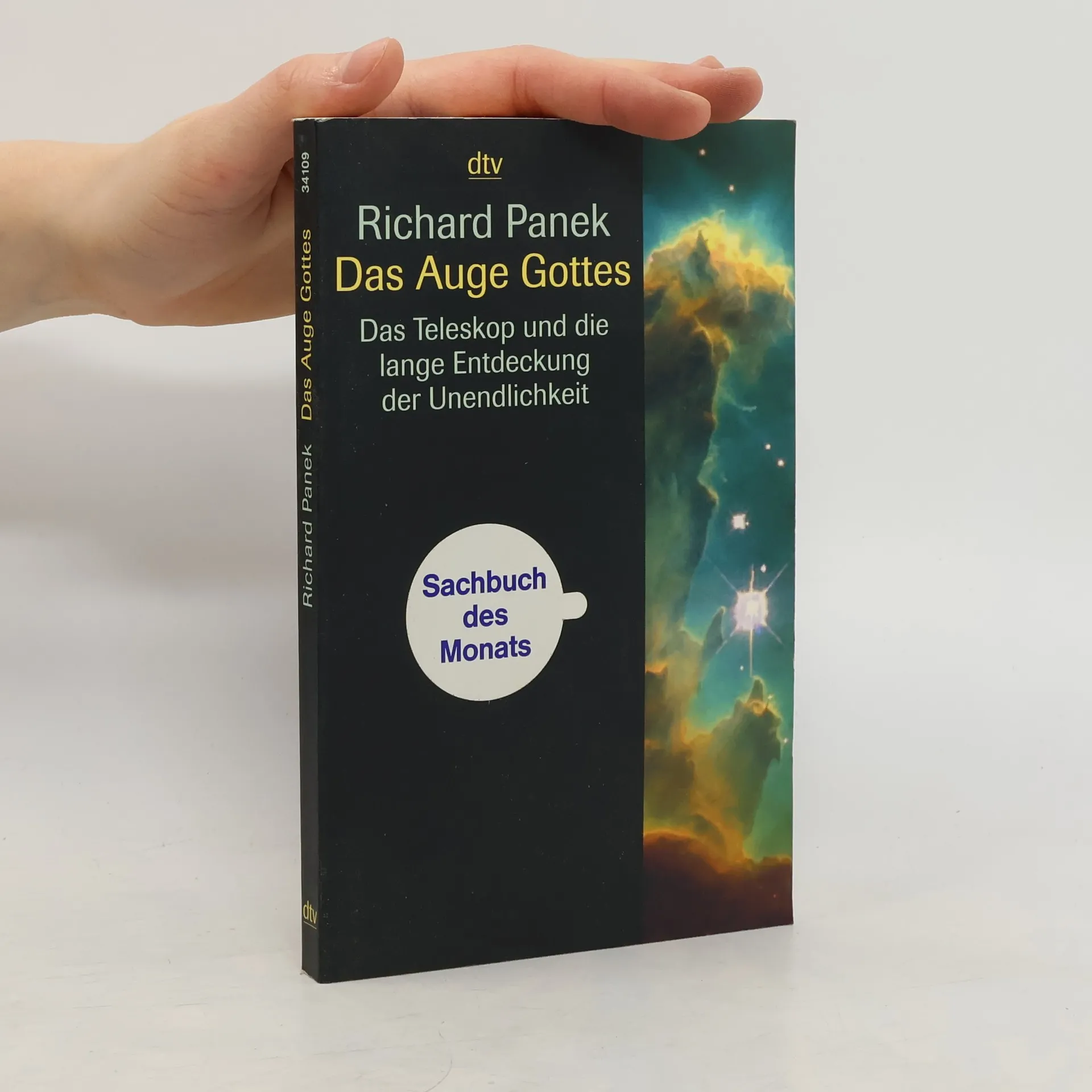
      Vom Hand- bis zum Hubble-Teleskop 1996 ist es nur ein kosmischer Wimpernschlag, aber in diesem Augenblick befreit sich die Menschheit von Mythen und Märchen. Der Mensch hat sich ein göttliches Instrument gebaut, mit dem er die Sterne und, ohne es zu ahnen, sich selbst erforscht. Er erkennt sich selbst als genauen Beobachter, modernen Forscher, abenteuerlichen Revolutionär und gedemütigten Prometheus. Augenblicklich ist er sich seiner Winzigkeit, seiner unaufhebbaren Nichtigkeit bewußt. Ohne es zu wollen, entthront sich der Mensch durch seine Erfindung. Er ist nicht mehr die Krone, sondern höchstens noch ein Staubkörnchen der Schöpfung. Er entdeckt seine Anfänge und die Anfänge von allem, und er weiß bislang nur, daß er allein im Weltraum ist. Und doch, je tiefer wir heute in diese schiere Unendlichkeit blicken, und je mehr wir wissen, desto geheimnisvoller, desto magischer und unheimlicher wird das Weltall und seine Geschichte, die hier so pointiert wie noch nie erzählt wird.

      Das Auge Gottes
      4,5
    • Das Auge Gottes

      Das Teleskop und die lange Entdeckung der Unendlichkeit

      • 191 stránok
      • 7 hodin čítania

      »Panek hat ein kluges Buch geschrieben, das mit viel Hingabe über die Entwicklung eines der wichtigsten naturwissenschaftlichen Instrumente der Neuzeit berichtet.« Die Welt Eine unscheinbare Entdeckung am Beginn des 17. Jahrhunderts hat über Nacht ein Jahrtausende altes Weltbild zum Einsturz gebracht. Mit einem einfachen Fernrohr beobachteten Galilei und seine Nachfolger den Sternenhimmel und begannen die Odyssee der Wissenschaft hinaus in die Unendlichkeit des Weltalls. Am 15. Januar 1996 gelang es mit Hilfe des Hubble-Teleskops, unser Wissen über das Universum um vierzig Milliarden Galaxien zu erweitern. Vom Hand- zum Hubble-Teleskop ist es nur ein kosmischer Wimpernschlag, doch je tiefer wir heute in diese schiere Unendlichkeit blicken, desto mehr Geheimnisse entdecken wir. Noch nie wurde diese unglaubliche Geschichte so pointiert erzählt.

      Das Auge Gottes