This book explores the philosophical questions surrounding the science of the mind, making complex concepts accessible to readers without a psychology background. It covers topics like perception, attention, consciousness, and the mind-body relationship, providing a comprehensive overview valuable for students and specialists in related fields.
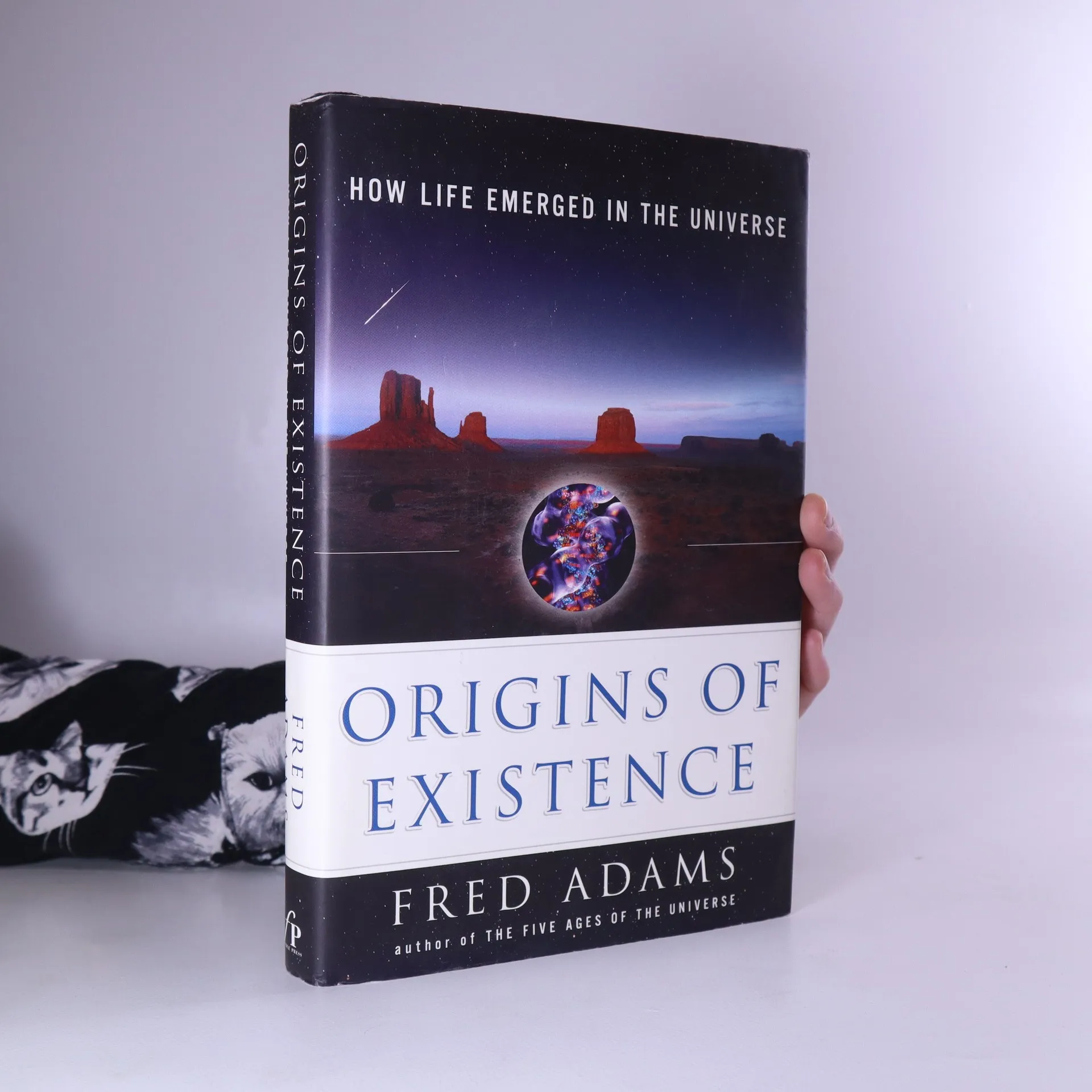
In his groundbreaking first book, FIVE AGES OF THE UNIVERSE, Fred Adams established the five eras of the universe from birth to demise. Now, he gives us a stunning new perspective on how the laws of physics created our non-random universe and life itself. This handful of laws resulted in the big bang, which led to stars, galaxies and then to solar systems with planets such as Earth. That process was absolutely necessary for all the tiny chemical structures and vast landscapes required for life to emerge. One of Adams's amazing claims is that organisms did not evolve in a primodial soup in a pond on the Earth's surface, but rather one of many such structures in the vast cosmic landscape. In seven chronological chapters, Adams takes the reader from the general subjects of physics and the universe to the specific origins of life on earth - showing clearly how energy flowed, exploded and was harnessed in replicating organisms. He reveals how the evolution of the universe followed a clear path toward the emergence of life. His insight provides an answer to humankind's deepest anxiety - we are almost certainly not alone in the universe - and throws a whole new light on our identity and beliefs. Life wasn't a lucky break, but the result of physics.
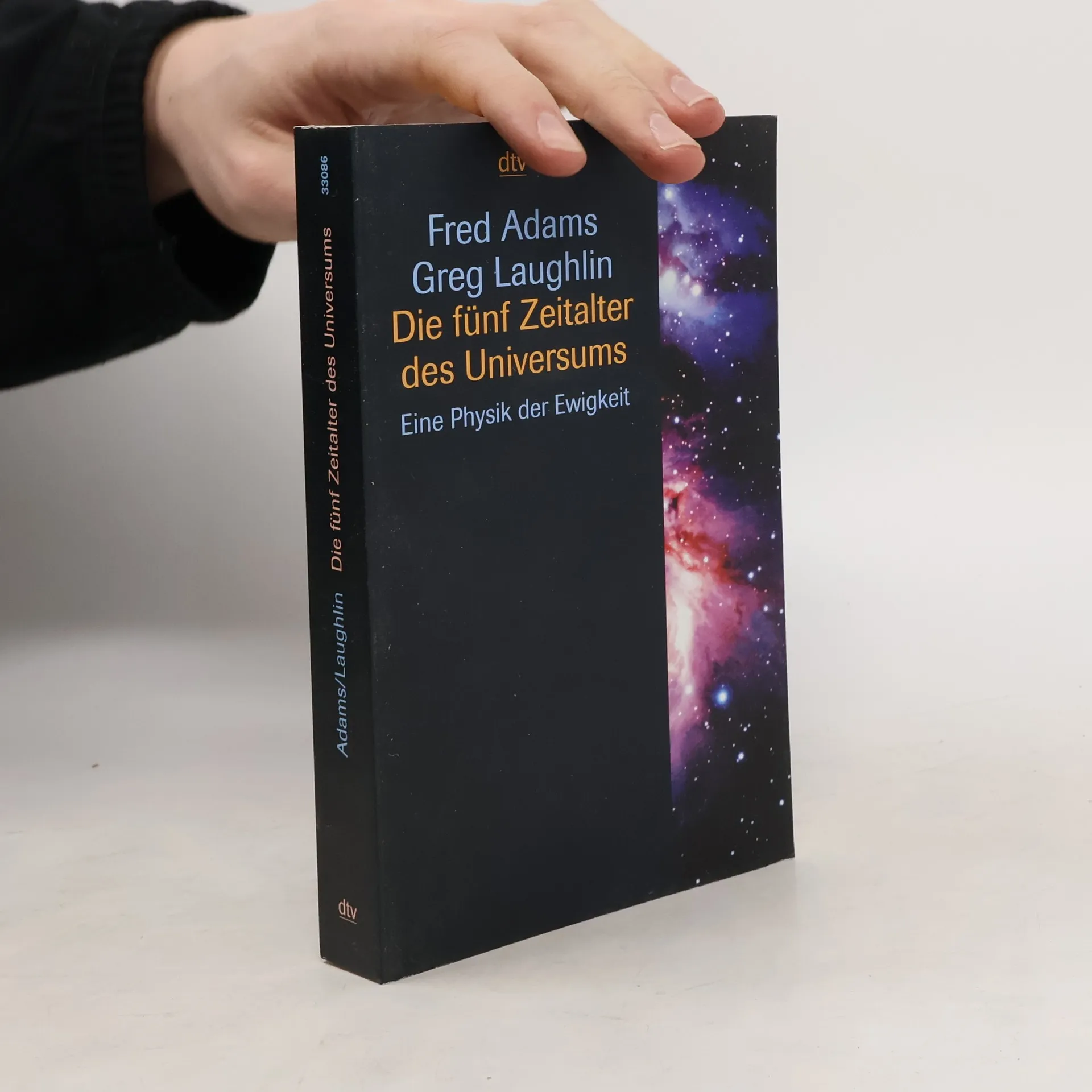
»Die bislang umfassendste Untersuchung über die letzten Tage des Kosmos.« Der Spiegel In der Biografie des Universums sind die seit dem Urknall vergangenen 15 Milliarden Jahre ein höchst unbedeutender Zeitraum. Inhalt und Wesen des Universums werden sich noch drastisch verändern. Die Autoren schreiten mit ihrer glänzend geschriebenen Darstellung über vier Milliarden Jahre Erdgeschichte über die Teilchenphysik, die Astronomie und die Kosmologie, bis sie zum Endpunkt, dem Erlöschen der Sterne, gelangen. Niemals zuvor wurde die Zukunft des Planetensystems so genau ausgeleuchtet. Sie präsentieren ihre Kenntnisse allgemeinverständlich, spannend und anschaulich und bieten zugleich eine Einführung in astronomisches und physikalisches Grundwissen: Welche Rolle spielen die Schwarzen Löcher, auf welchen Sternen kann Leben existieren, welche Bedeutung besitzt der Wert der Zeit für den Fortbestand des Universums?