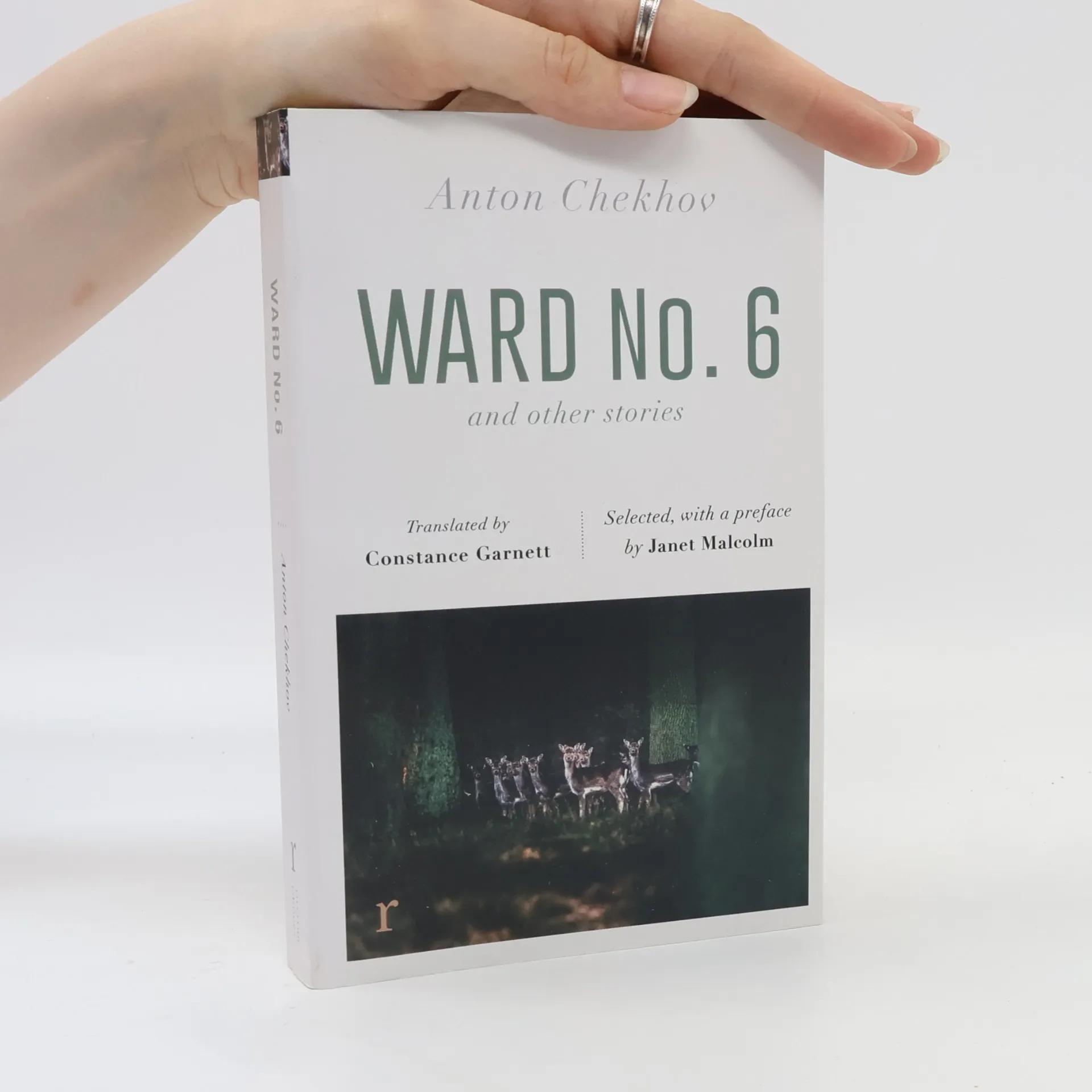
Constance Garnett bola anglická prekladateľka ruskej literatúry. Patrila medzi prvých, ktorí sprístupnili diela Leva Tolstého, Fiodora Dostojevského a Antona Čechova anglicky hovoriacemu publiku. Jej preklady významne formovali vnímanie ruskej literatúry v anglicky hovoriacom svete. Vďaka nej sa títo autori stali široko dostupnými a populárnymi.
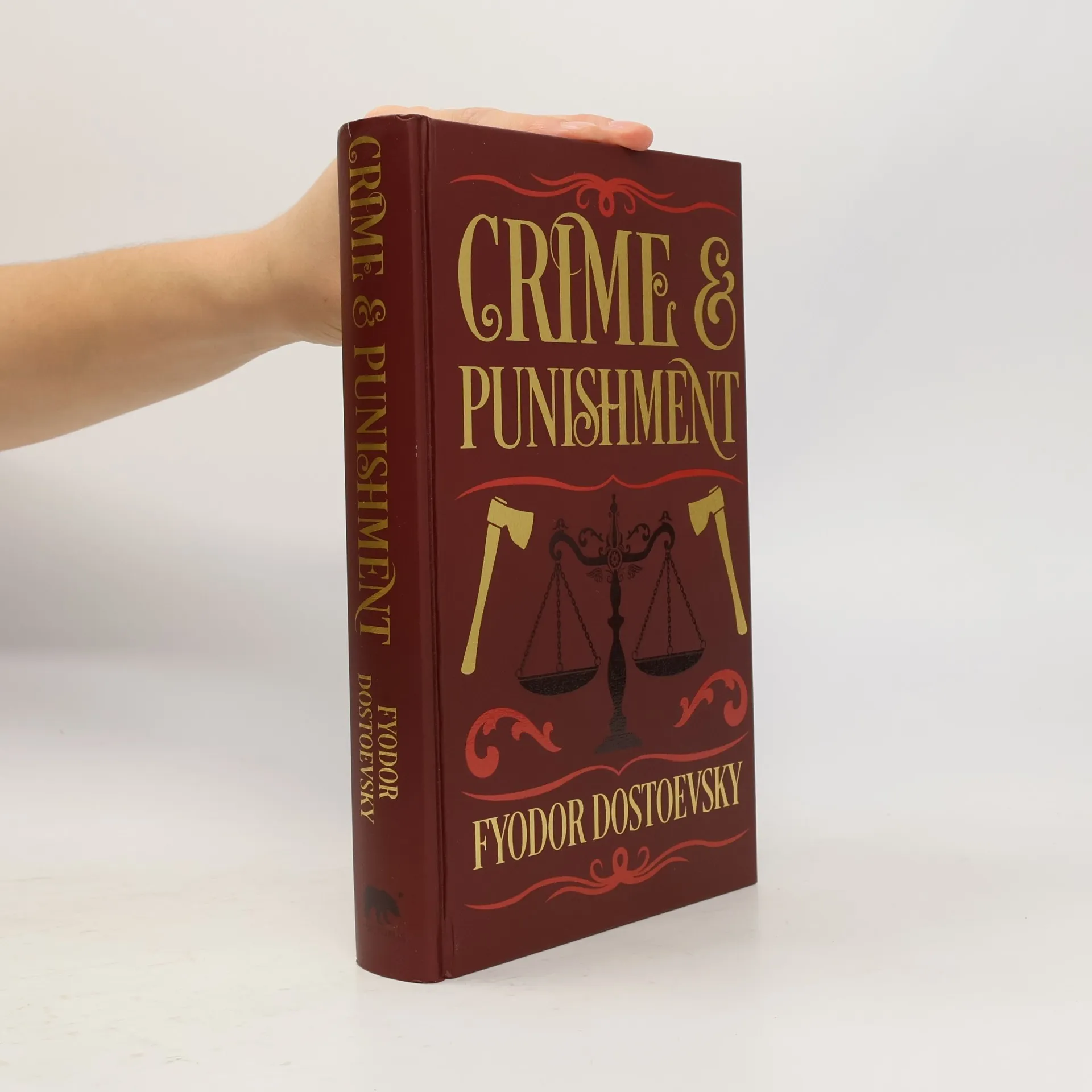
This classic begun as a novel concerned with the psychology of a crime and the process of guilt, surpasses itself to take on the tragic force of myth. Raskolnikov is desperate for money, but convinces himself that his motive for the murder is to benefit mankind.
Už vyše sto rokov neutíchajú spory o tom, ktorý z románov F.M. Dostojevského je najlepší. Jedni tvrdia, že prvý – Chudobní ľudia, – pretože znamenal novú kvalitu v ruskej literatúre (podľa Belinského to bol prvý ruský sociálny román); iní sa nazdávajú, že Zápisky z mŕtveho domu, pretože sú v nich všetky základné myšlienky a problémy Dostojevského tvorby posibírskeho obdobia; tretí zaň označujú Zločin a trest, pretože znamená novú kvalitu v spisovateľovej tvorbe (prechod od dialogického románu k polyfonickému) a je aj skladobne najucelenejší; štvrtí dokazujú, že Diablom posadnutí, pretože prináša jeho najhlbšie rozvažovanie o človeku a svete a piati vyzdvihujú práve Bratov Karamazovovcov, pretože je to posledný román, v ktorom sa ako v oceáne zlievajú všetky témy predchádzajúcich autorových veľtokových románov.
Tak ako každý z Dostojevského románov, predstavujú aj Bratia Karamazovovci neopakovateľnú myšlienkovú a umeleckú kvalitu, takže z hľadiska jeho stúpencov môže byť najlepší. Ide o to, že tak ako celé jeho dielo, predstavuje ďalší, iný, nový pokus myšlienkovo a umelecky preniknúť k „človeku ako k tajomstvu, ktoré treba odhaliť.“ Tak totiž svoje autorské vyznanie, svoj program, charakterizoval ešte na začiatku spisovateľskej dráhy on sám. Za toto odhaľovanie ľudského tajomstva platil tým najcennejším – zdravím a životom.
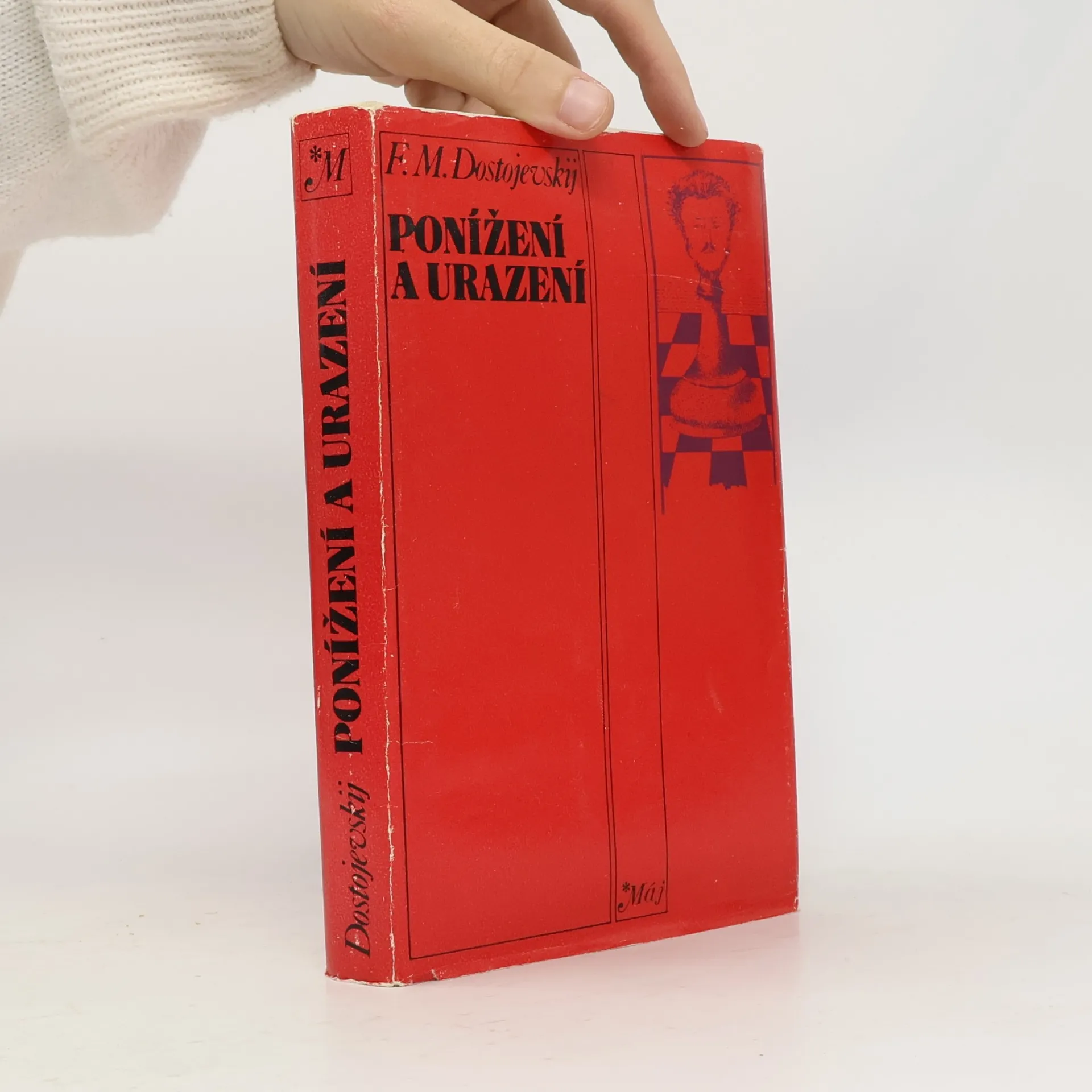
Autor patrí k vrcholným predstaviteľom ruskej i svetovej realistickej literatúry. Vo svojich dielach venoval najviac pozornosti mestskému životu a jeho obyvateľom. Jeho "ponížení a urazení" sú zle platení úradníci, vyslúžilci, študenti, rodiny skrývajúce úzkostlivo svoju biedu a často závislosť od úžerníkov.
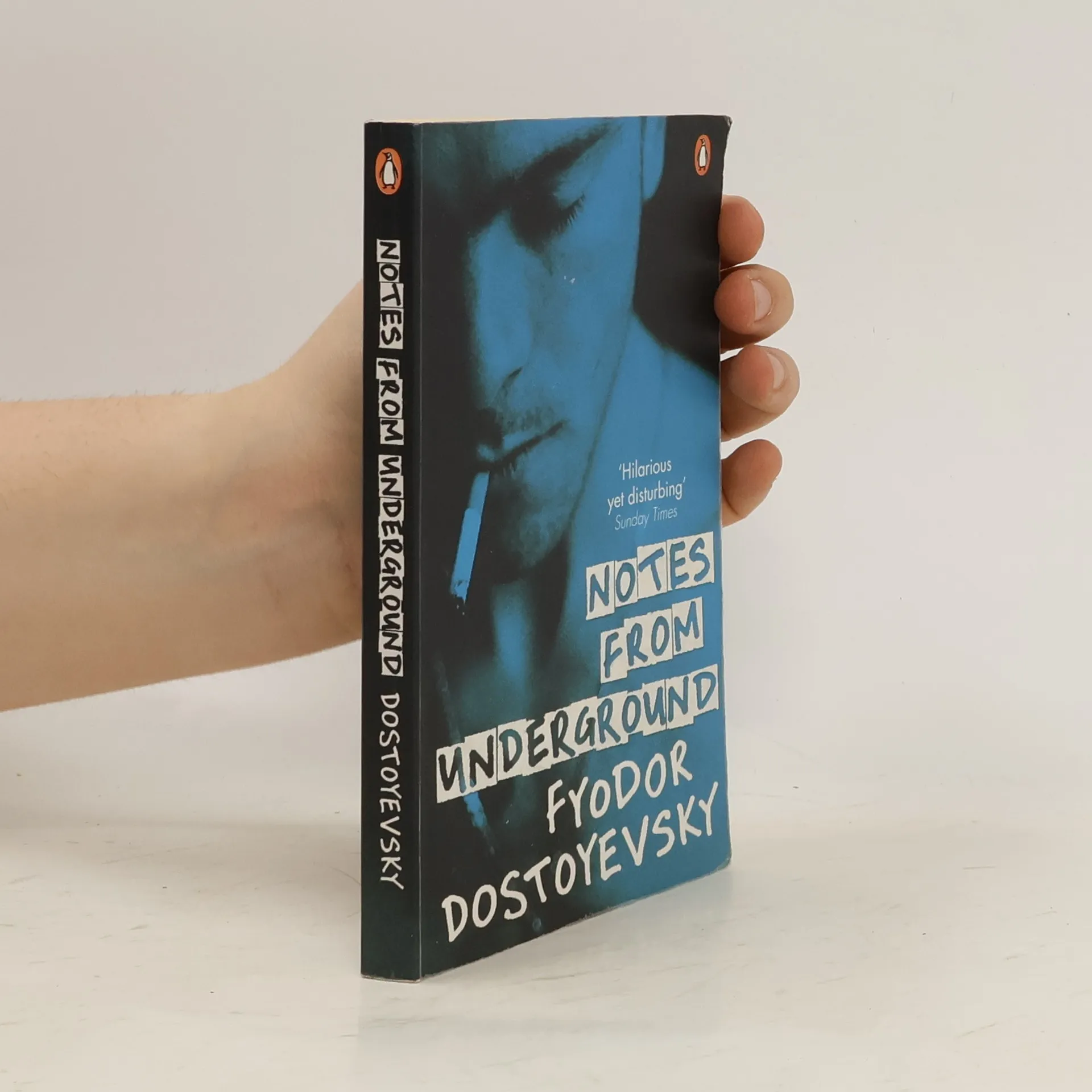
How far would you go to escape the real world? The underground man had always felt like an outsider. He doesn't want to be like other people, working in the 'ant-hill' of society. So he decides to withdraw from the world, scrawling a series of darkly sarcastic notes about the torment he is suffering. Angry and alienated, his only comfort is the humiliation of others. Is he going mad? Or is it the world around him that's insane?
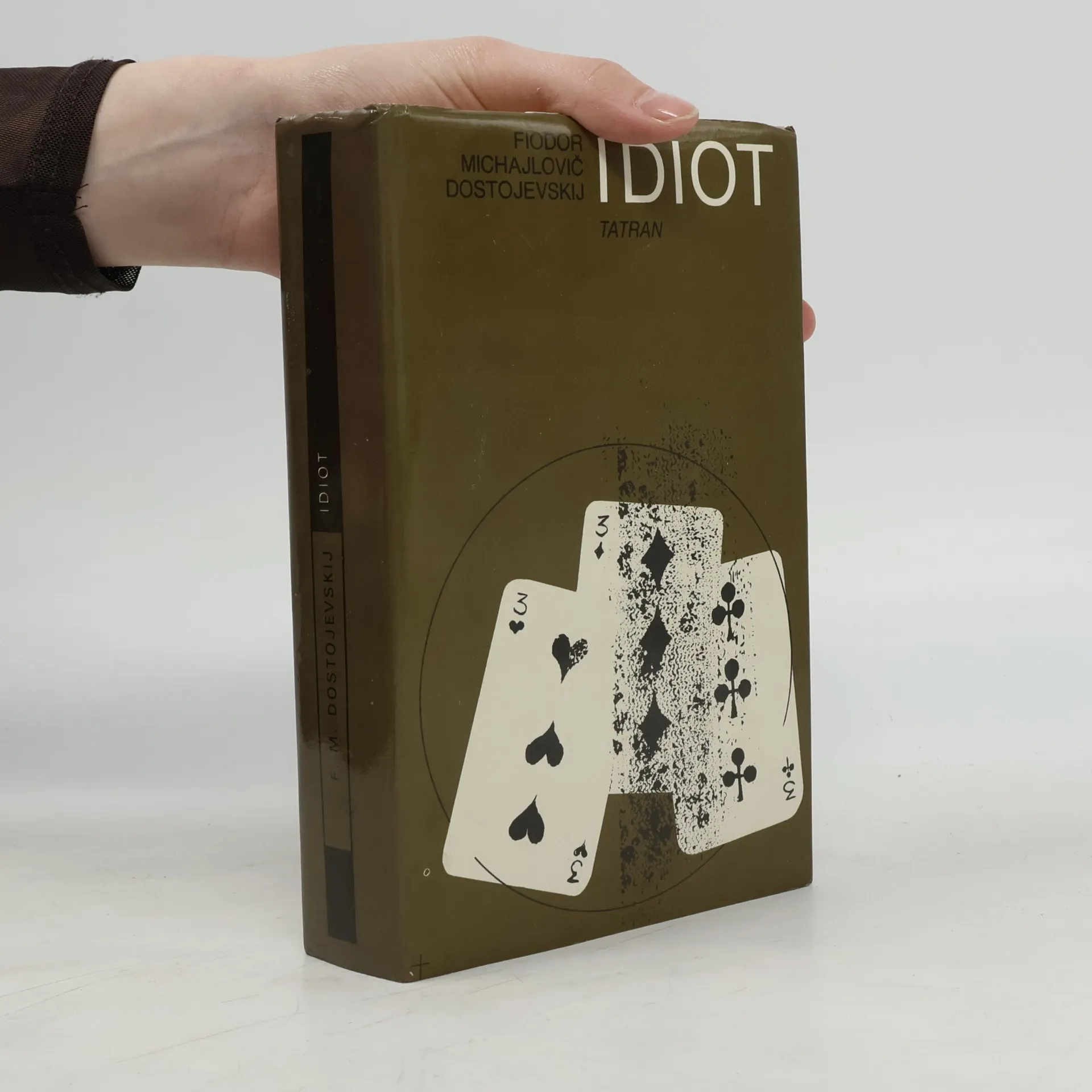
Proslulý psychologický román, v němž Dostojevský zobrazuje ideál dokonalého a krásného člověka. Hlavní hrdina kníže Myškin okouzluje svou nevinností a vyrovnaností prostředí ruských měšťáků a kupců, lidi mravně a citově narušené, nedokáže však v nich vzkřísit člověka...
Man is sometimes extraordinarily, passionately, in love with suffering...
205 stránok
8 hodin čítania
Fyodor Dostoyevsky was born on November 11, 1821, and was introduced to literature early in life, with his mother teaching him to read and write using the Bible. His literary immersion was profound, fueled by his parents' nightly readings. Tragedy struck in 1837 when his mother died of tuberculosis, and he and his brother were enrolled at the Nikolayev Military Engineering Institute, where Dostoyevsky found little interest in military studies, preferring drawing and architecture. His father's death in 1839 may have triggered his epilepsy, yet he persevered, eventually becoming an engineer cadet. His first completed work, a translation of Balzac's "Eugénie Grandet," was published in 1843 but failed commercially. He then wrote "Poor Folk," which was a success, followed by "The Double," which received poor reviews and exacerbated his health issues. Involved in socialist circles, Dostoyevsky faced arrest in 1849 for distributing banned works, leading to a death sentence commuted to four years of hard labor in Siberia. His prison experiences inspired "The House of the Dead," published in 1861. He later completed "The Gambler" in just 26 days. Despite continued health decline, including a diagnosis of pulmonary emphysema, he published "Demons" in 1873. Dostoyevsky died on February 9, 1881, after suffering multiple pulmonary hemorrhages.
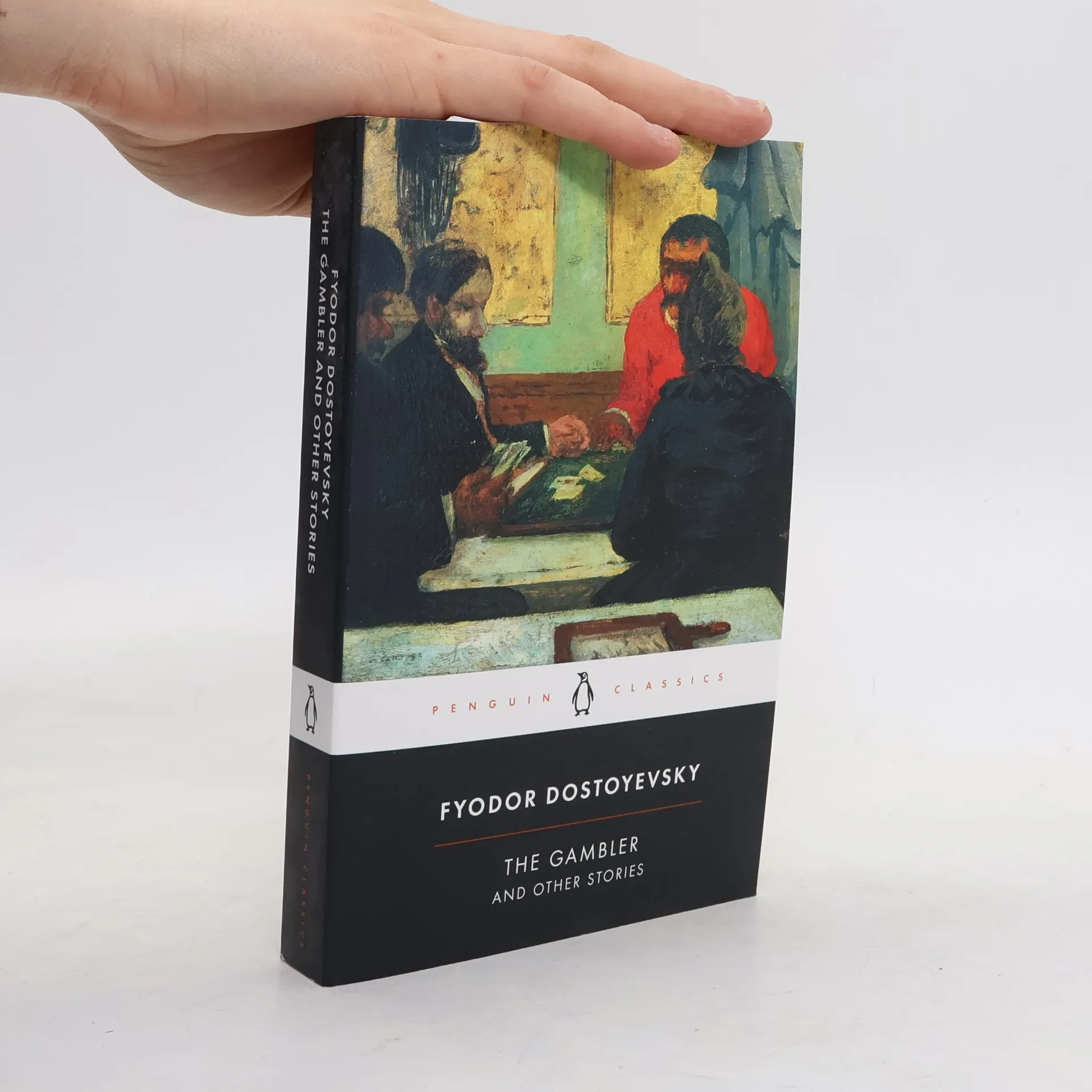
A collection of one novella and six short stories - The Gambler, Bobok, The
Dream of a Ridiculous Man, A Christmas Party and a Wedding, A Nasty Story and
The Meek One.
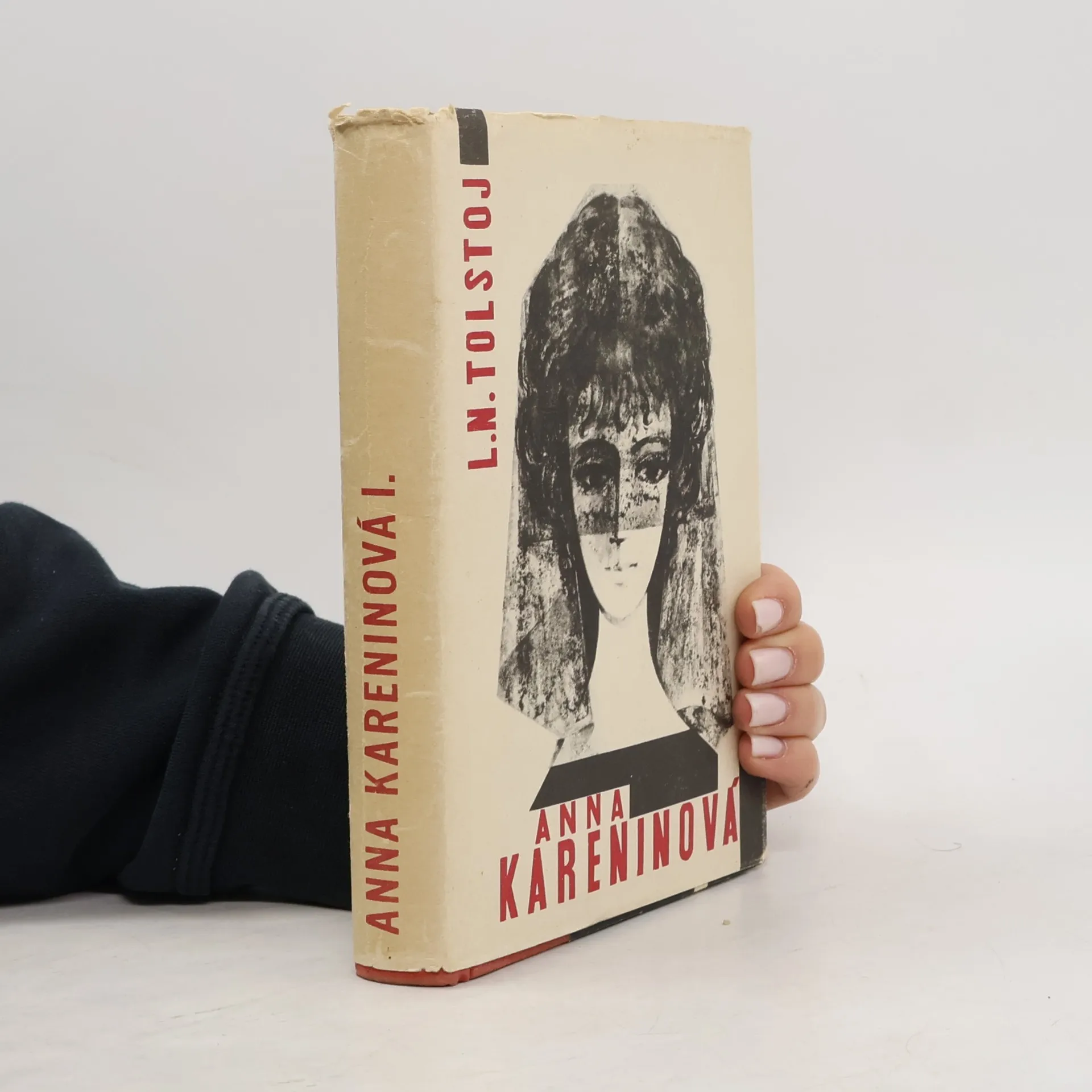
Pobyt v cudzine v blízkosti milovaného muža a nové zážitky Anne na chvíľu prinesú pocit šťastia a radosti. Po návrate do Ruska milenci pochopia, že sa dostali na okraj spoločnosti. Anne neprinesie pokoj ani odchod na vidiek. Trápi ju strata spoločenského postavenia, bojí sa o lásku milovaného muža a trpí ustavične sa stupňujúcimi výčitkami svedomia. Uvedomuje si bezvýchodiskové postavenie a čoraz nástojčivejšie sa jej vynára myšlienka, že jediné riešenie je smrť.
Presented here in a masterful new translation by Michael Pursglove, this
landmark collection established the literary reputation of the author, who
considered it his most significant contribution to Russian literature, and is
universally regarded as a milestone in the Russian realist tradition.
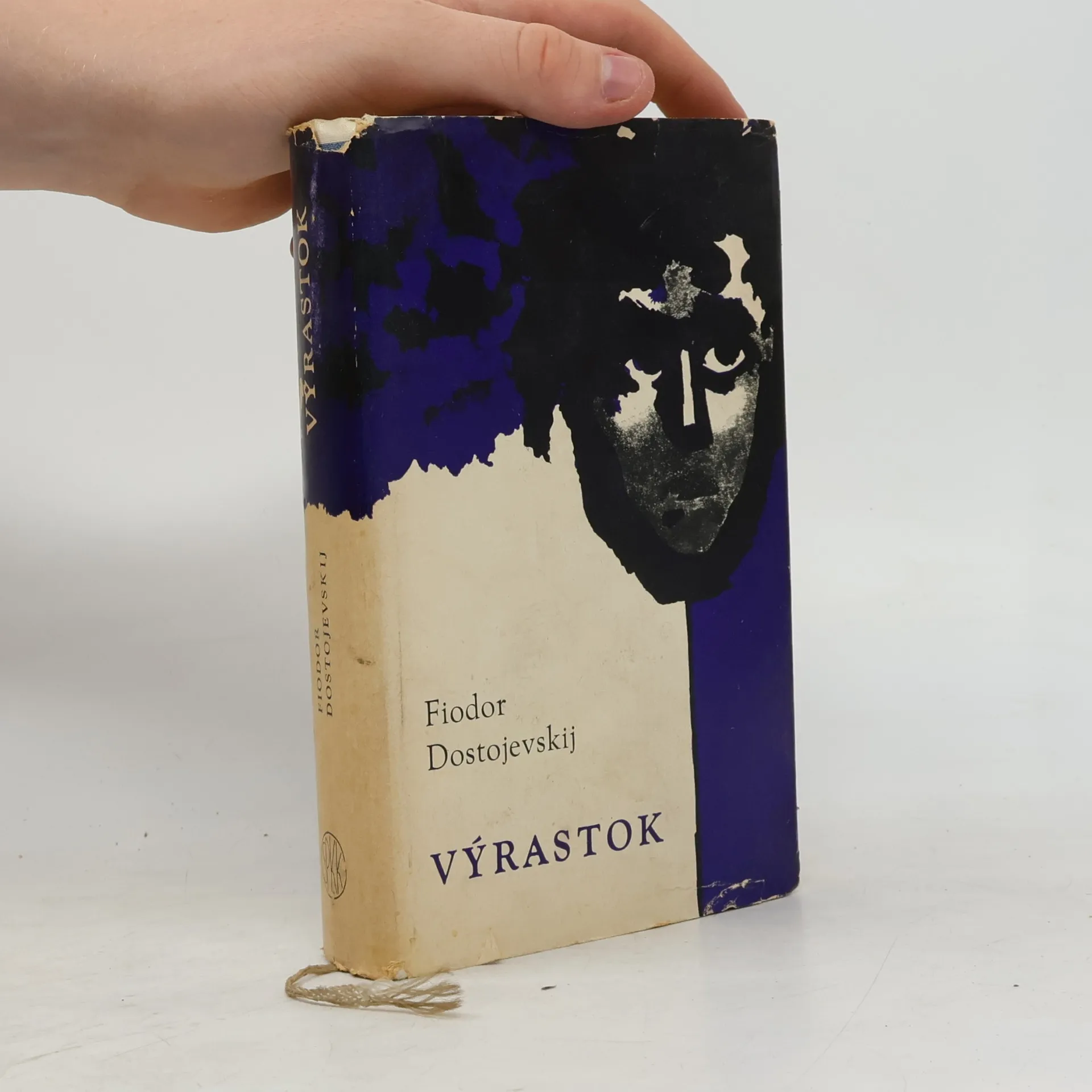
Menej známy román ruského klasika predstavuje nejednoznačného mladého hrdinu s jeho marnou túžbou vymaniť sa z celoživotného poníženia. Rozprávačom a protagonistom dejovo košatého románu je mladík Arkadij Dolgorukij, ktorý má po truchlivom detstve ponižovaného nemanželského dieťaťa jediný životný cieľ - získať bohatstvo a nezávislosť. Odpútava sa od matky a v jeho snahe žiť na vysokej nohe ho podporí knieža Sokolskij. Ten však má k svojmu "priatelstvu" vlastné pohnútky a Arkadij sa dočká ešte hlbšieho poníženia. Neslávne sa vyvíja aj Arkadijov pokus urovnať vzťahy s otcom, ktorého ako dieťa takmer nepoznal, rovnako ako jeho snaha zorientovať sa v spoločnosti plnej intríg a pretvárok. Dostojevskij tu majstrovsky predstavuje nejednoznačného, zmateného a naivného hrdinu s dobrým jadrom, ktoré sa však nemôže prejaviť, kým Arkadij nevymení svoju "veľkú ideu" o zbohatnutí za zrelší životný cieľ.
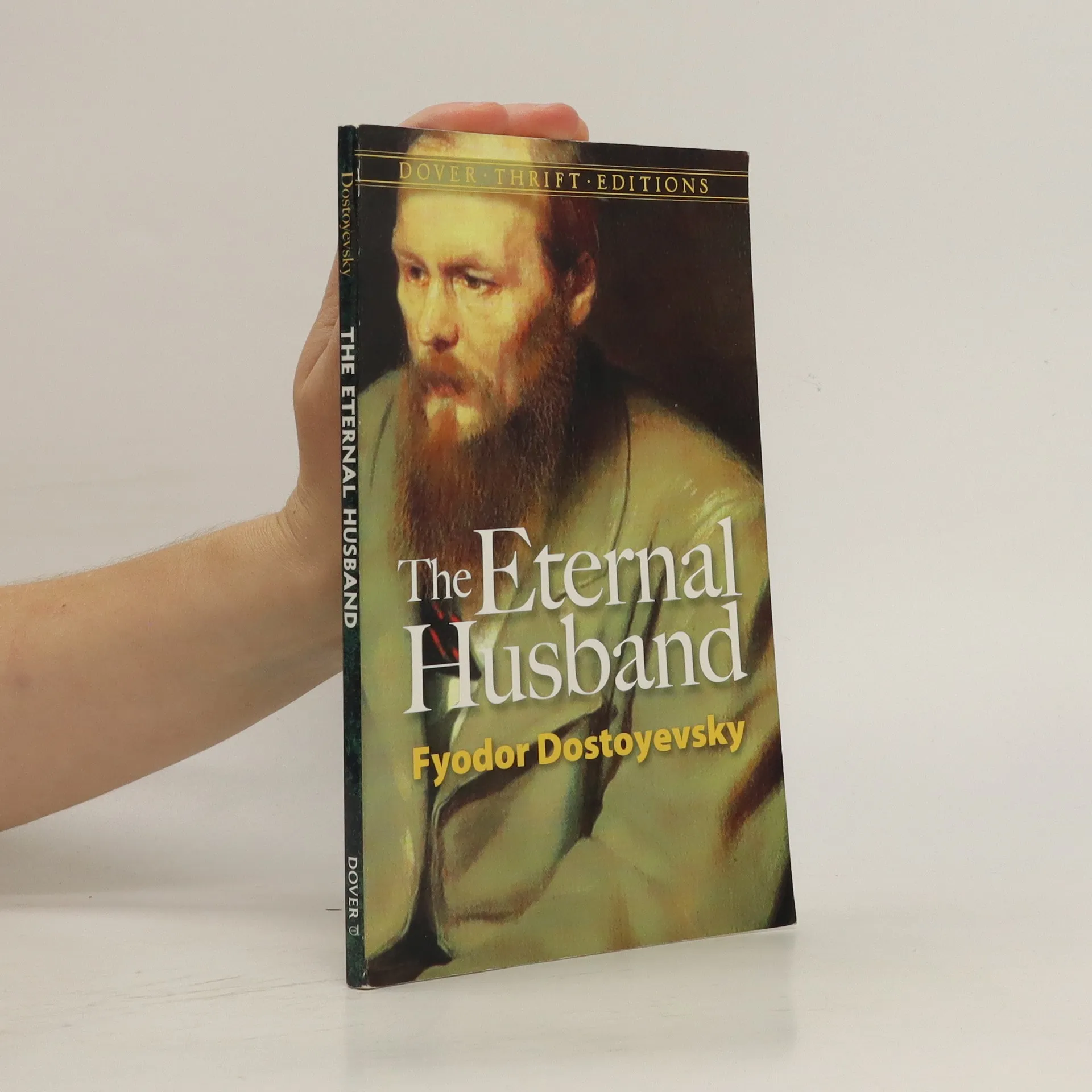
A rich and idle man confronts his dead mistress's husband in this psychological novel of duality. Powerful and accessible, it offers a captivating and revealing exploration of love, guilt, and hatred.
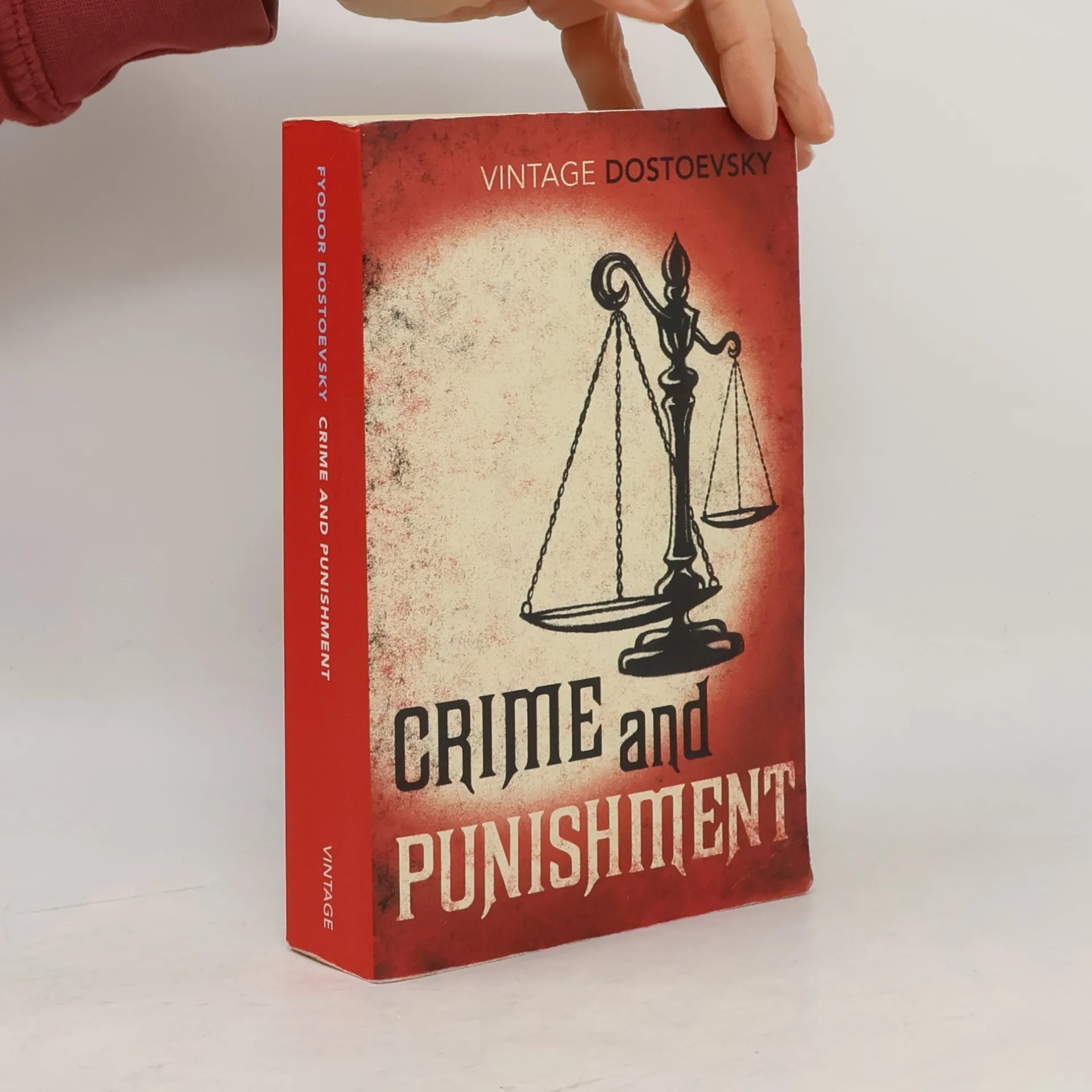
This classic Russian novel has it all: murder, suspense, passion, struggle, and redemption. Originally published in 1866, Crime and Punishment is a psychological thriller that deals with issues of morality, conscience, and redemption. Widely considered to be one of the greatest novels written in any language, this novel explores the life of Rodin Raskolnikov, a young Russian man who robs and murders a pawnbroker to save himself from a life of poverty. As a consequence, he must deal with the oppressive mental anguish of being a criminal while attempting to maintain relationships with his friends and family.
The Insulted & Injured, published soon after Dostoevsky's political imprisonment, clearly foreshadows his later preoccupation with unconscious psychological drives & their external effects on the lives of his characters. Where his later works carry these drives to inevitably dramatic conclusions, The Insulted & Injured confines them within the smaller boundaries of everyday event. In this story the impulse toward self-abnegation in love, which appears so markedly in both Vanya & Natasha, isn't itself enough to direct their lives; instead, it combines with their social world & the mundane ambitions of Prince Valkovsky to defeat their hope of happiness. Of all the characters in the novel, only Natasha's lover, the Prince's son Alyosha-the person least driven to mold life to his own terms-emerges untouched. Here are, to a greater extent than in Dostoevsky's more familiar works, flesh-&-blood people as we see them around every day. They are made up of both good & evil, of will & acceptance. Unfailingly they command interest & illuminate understanding.
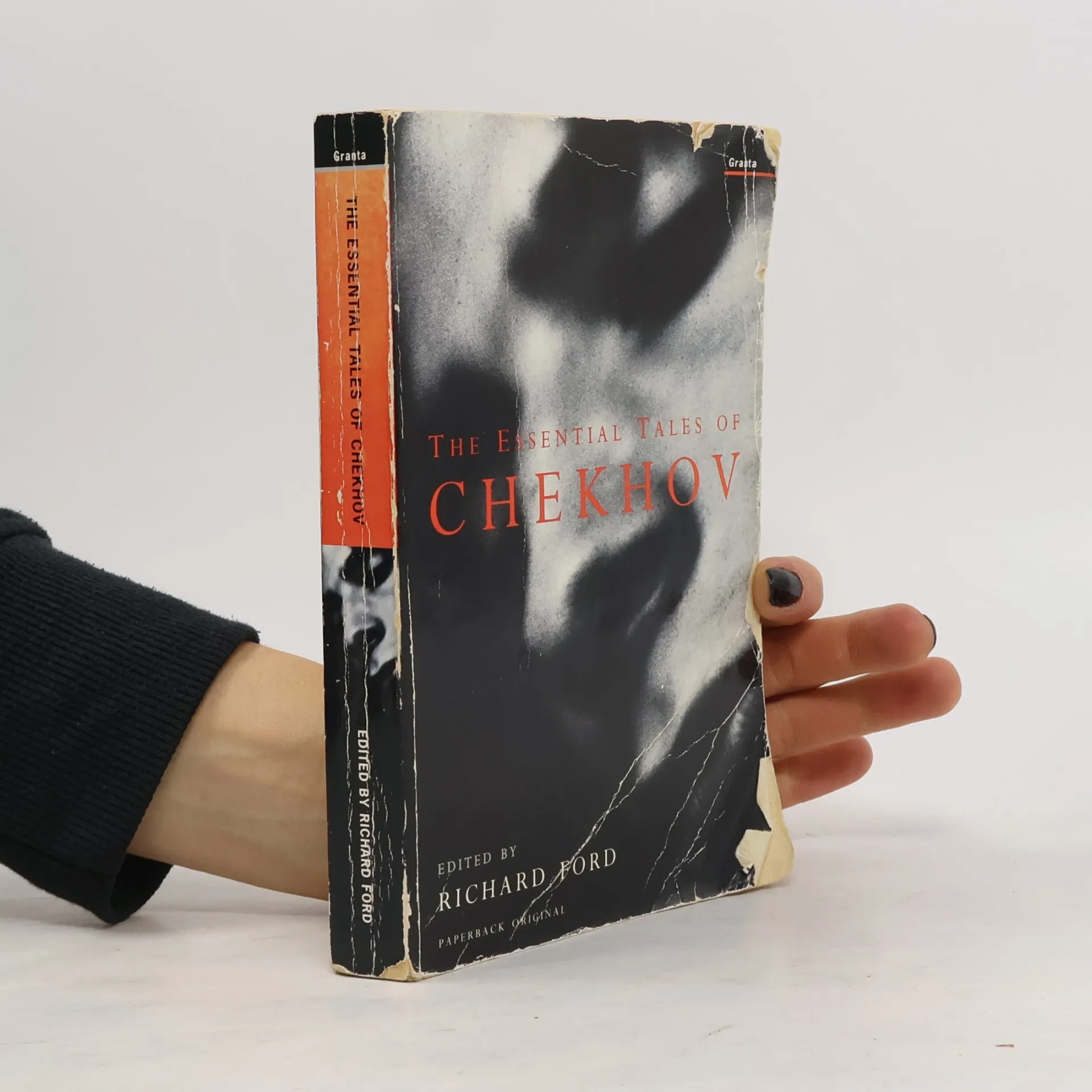
In this collection of 20 short stories, the editor Richard Ford has selected his personal favourites of Chekhov's work. Includes are The Kiss, The Darling, as well as lesser known tales such as A Blunder, Hush and Champagne.
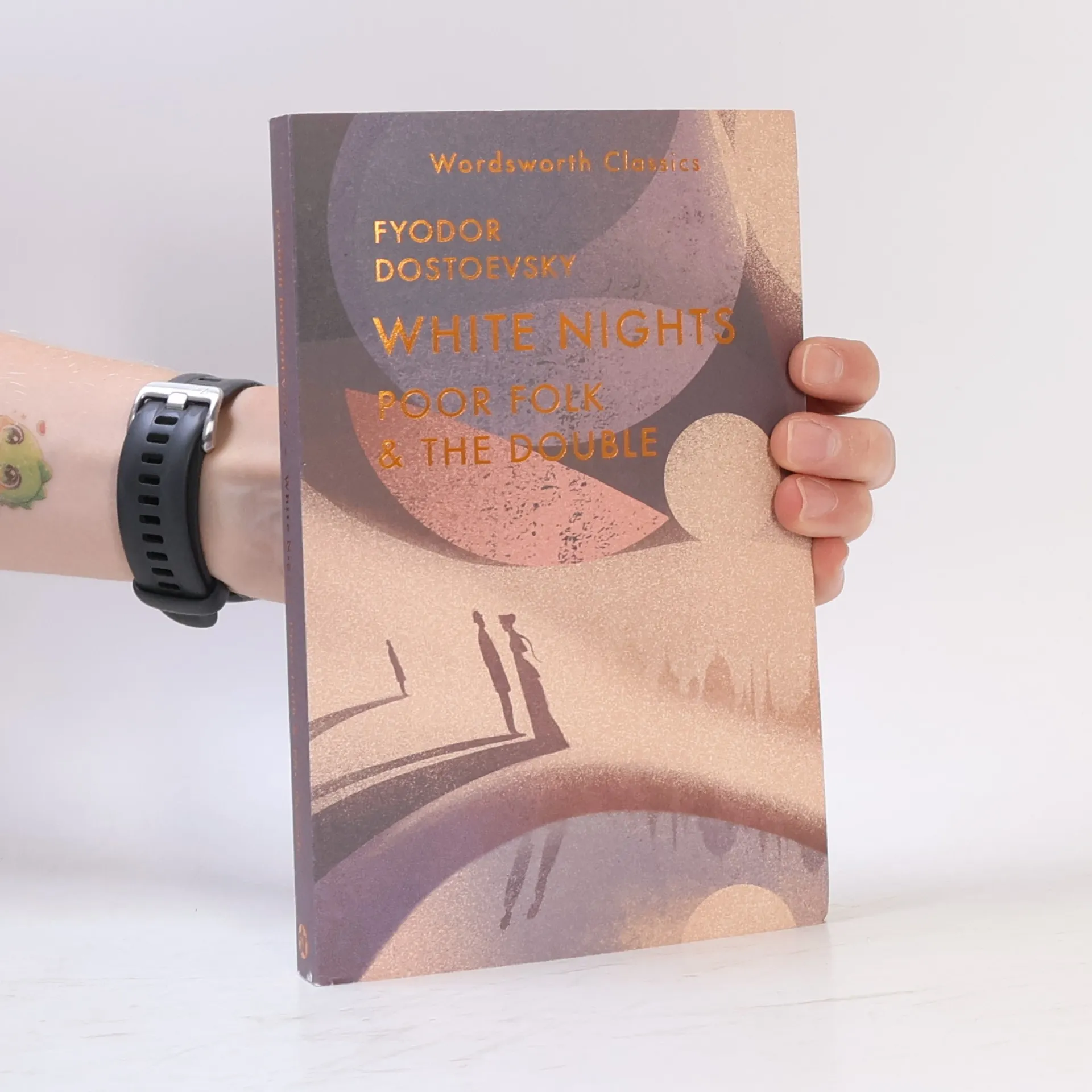
'White Nights' is one of Dostoevsky's earlier short stories but one of his most enduringly popular. It tells the story of four nights in the life of the lonely narrator, who meets and falls in love with the mysterious and beautiful Nastenka. Poor Folkwas Dostoevsky's first novel, written to try and alleviate his financial plight, and was a commercial success. It tells the story of Makar Devushkin, a clerk, and Varvara Dobroselova, a seamstress, by means of the letters they exchange; they are in love, but too poor to marry. Its exploration of humanitarian themes led to it being described as Russia's first 'social novel'. By contrast, Dostoevsky's second novel, The Doublewas not well received. First published in 1846, it was revised and republished by Dostoevsky in 1866, but he did not consider it a success. By contrast, Vladimir Nabokov called it 'the best thing he ever wrote' and described it as 'a perfect work of art'.
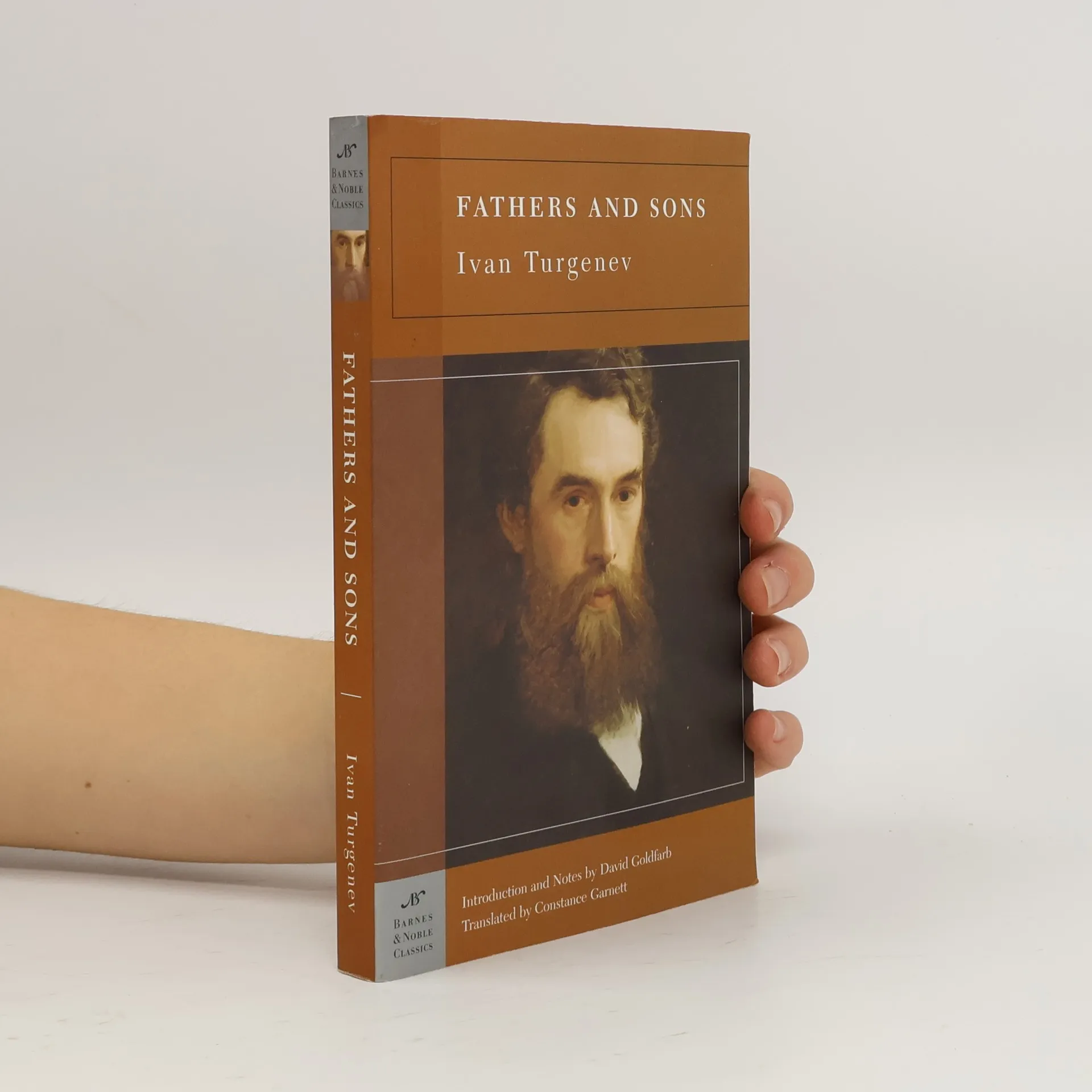
Youth rebels. It was true in Russia in 1862 when Fathers & Sons appeared. At its center stands Evgeny Bazarov, medical student, doctor's son & nihilist. Bazarov rejects authority, all so-called truths based on faith rather than science & experience. His ideas bring him into conflict with his best friend, recent graduate Arkady Kirsanov, with Arkady's family, with his own parents & eventually with his emotions when he falls in love with the beautiful Madame Odintsova.