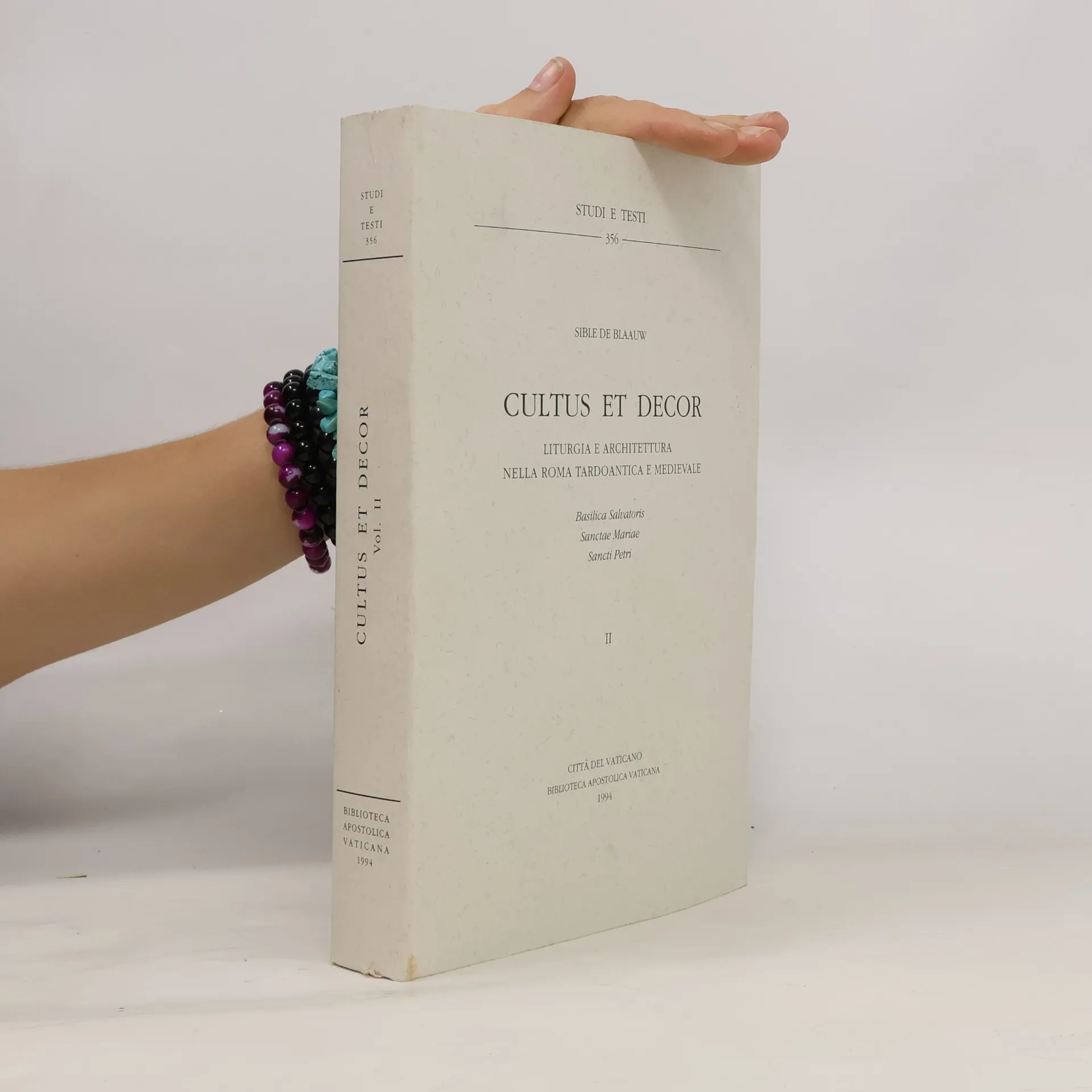
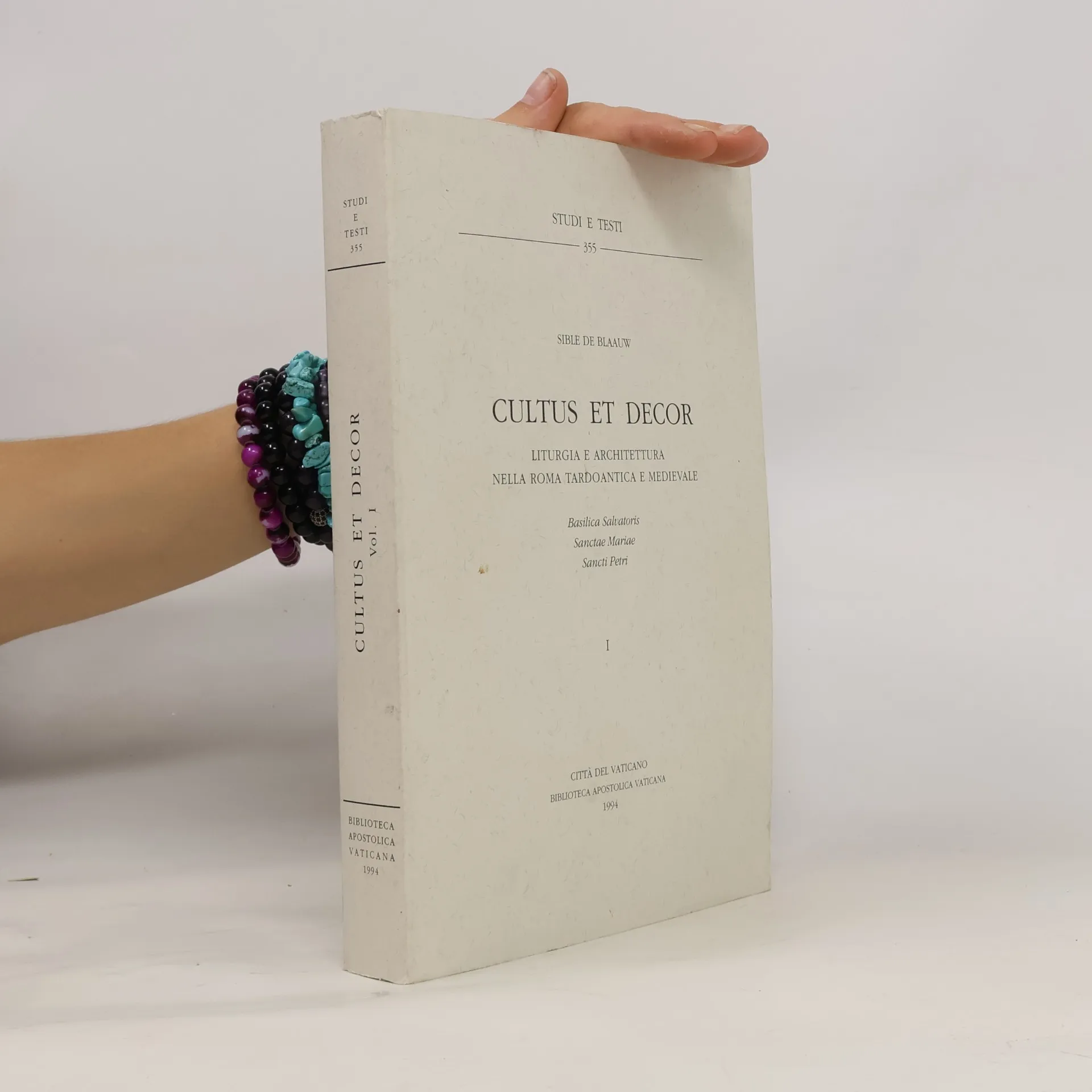
Jahrbuch für Antike und Christentum Jahrgang 66/2023
- 142 stránok
- 5 hodin čítania



Inhalt des 59. Bandes: A u f s ä t z e Wolfgang Speyer Das Verhältnis vom Alten Testament zum Evangelium Jesu Christi. Kontinuität und Differenz sowie geschichtliche Folgen Thomas Kuhn-Treichel Biblisches Paradies und mythologische Idealvorstellungen. Die lateinische Bibeldichtung und Eudokia im Vergleich Görge K. Hasselhoff Hieronymus und die Aussprache des Hebräischen nach seinen Briefen Cristina Cumbo Balaam e la stella. La controversa storia del profeta Veterotestamentario e della sua iconografia nelle rappresentazioni cristiane dei primi secoli (con tavole 1) 67 Jos Ossewaarde Bilder der Hoffnung und der Erwartung. Eine Untersuchung zu biblischen Darstellungen auf römischen Kindersarkophagen aus dem 3. und 4. Jahrhundert und ihrer Bedeutung (mit Taf. 2/5) Diana Gorostidi / Jordi López Vilar Inscripciones visigodas en el ordo Apostolorum del ábside de Sant Miquel de Terrassa (Barcelona). Evidencias a partir de los tituli picti (con laminas 6/10) Harald Mielsch Manichäisch oder ptolemäisch? Zu einem sassanidischen Silberteller in Kuweit (mit Taf. 11/12) Bernhard Domagalski + Spiegel einer römischen Tonlampe mit Darstellung eines Hirschen (mit Taf. 13) .
Aus dem Inhalt des 60. Bandes: A u f s ä t z e Christian Gers-Uphaus Paganer Monotheismus anhand der ¿e¿¿ ¿¿¿st¿¿- und e¿¿ ¿e¿¿-Inschriften Dan Batovici Dating, Split-Transmission Theory, and the Latin Reception of the Shepherd Pascal Weitmann Cantilena, winileod und organum. Von der Macht beharrlicher Tradition (mit Tafel 1) Johannes G. Deckers Der Dionysosbehang in der Abegg-Stiftung/Riggisberg. Bemerkungen anlässlich des Erscheinens der Hauptpublikation (mit Tafeln 2/5a) Cornelius Vollmer Zu den Hütten im linken Rundnischenmosaik >Dominus legem dat
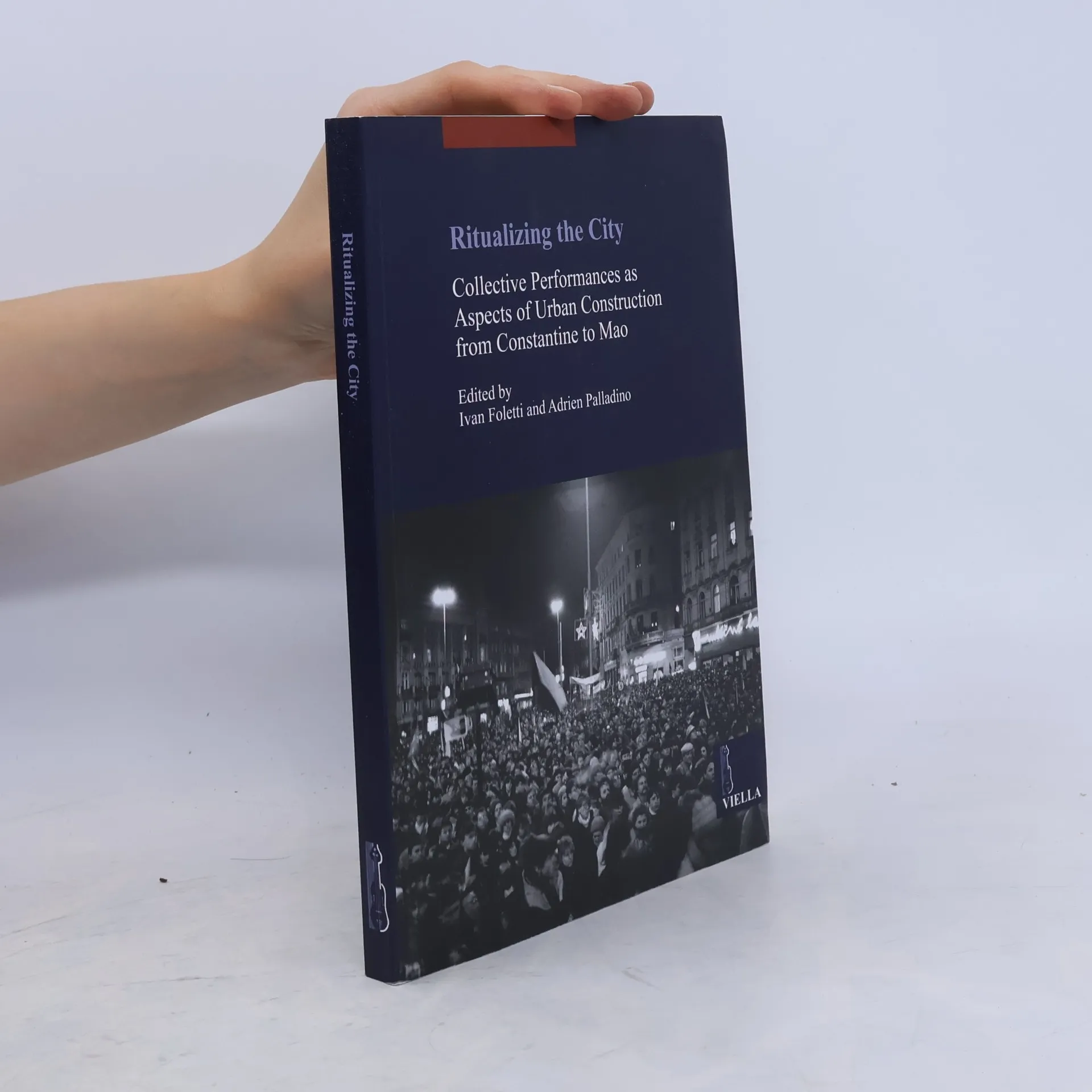
Collective Performances as Aspects of Urban Construction from Constantine to Mao
The city has always been, and remains, the ideal place of collective rituality. It is the city that has hosted, since Antiquity, collective celebrations of victory, important religious ceremonies, but also ritual consecrations of the elite. Based on these essential notions, the aim of this book is to reflect on a specific the interaction between ritual and city space. Our wish is to understand, in a multidisciplinary and cross-epochal approach, how a collective liturgy, civic or religious, can unfold within the public space and transform it. In addition to sacred buildings and seizures of power, the square and the streets become in this sense important identity-shaping loci. Bringing places of power to the street or the square - which are by definition liminal spaces - means entering into a dialogue constructed between those who organise the ritual, those who perform it and those who witness it. It seems that it is in compromise between the different components of society that collective rituals can happen within the public space. Therefore, it is no surprise that the crucial question for this book is the way in which this same space is adapted to the requirements of the ritual, or, on the contrary, how the ritual adapts to the space.
Wetenschappers + kunstenaars in de ban van stoffelijke resten
Liturgia e architettura nella Roma tardoantica e medievale (Italian Edition)
Italian (translation)Original Dutch