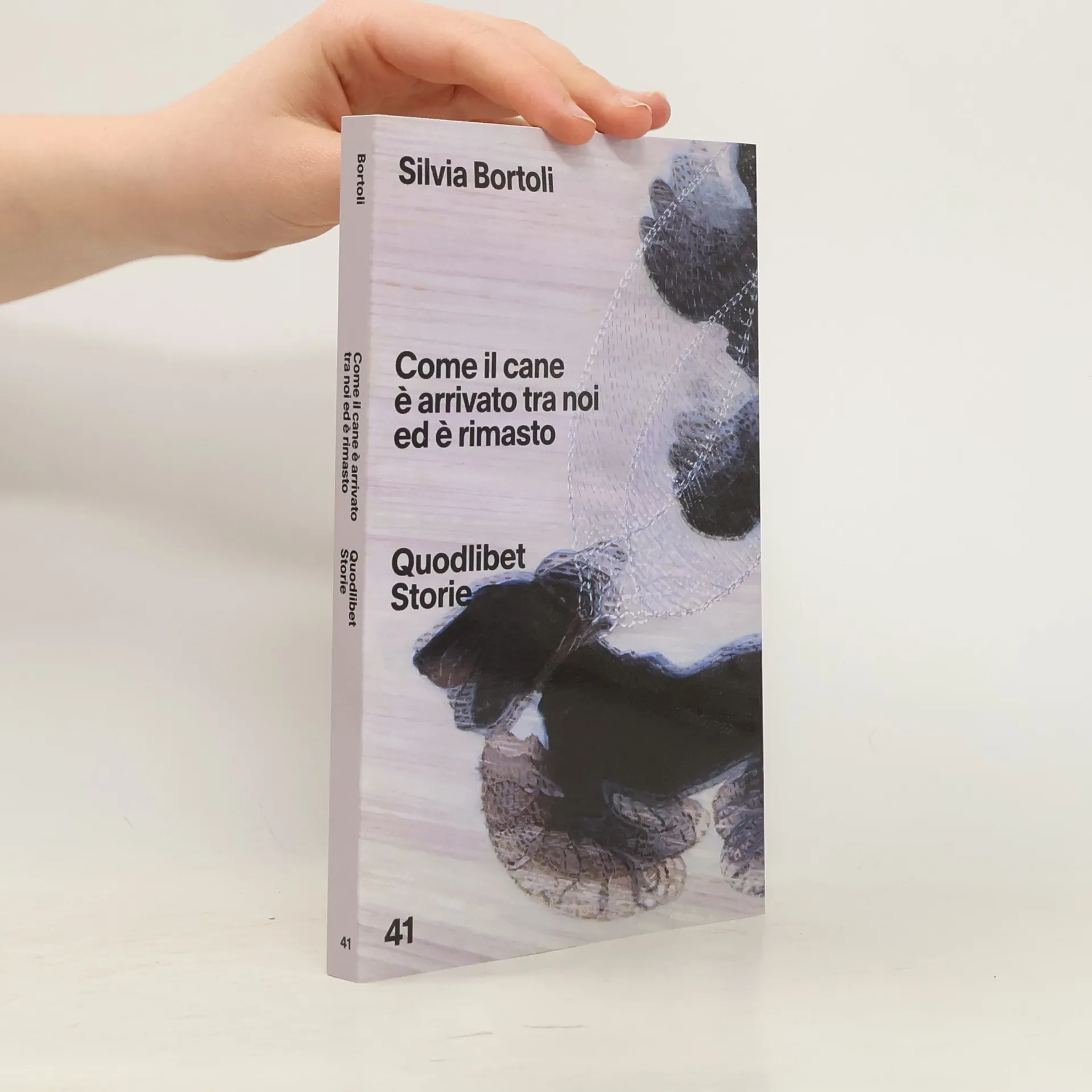
Quodlibet Storie - 41: Come il cane è arrivato tra noi ed è rimasto
- 150 stránok
- 6 hodin čítania


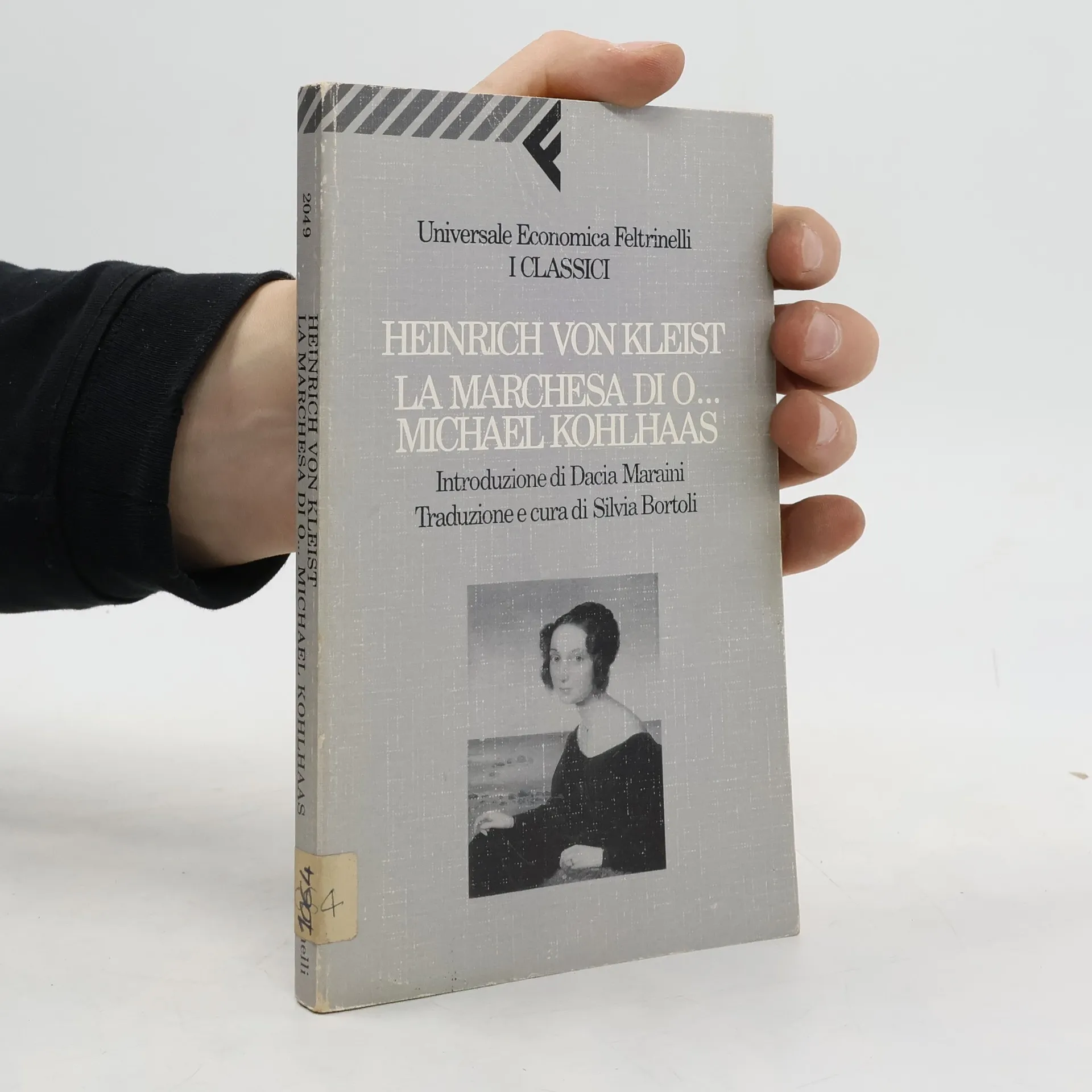
Nel XVI secolo, il commerciante di cavalli Michael Kohlhaas viene privato dei suoi due migliori cavalli, dei suoi diritti e infine della vita di sua moglie dal nobile Junker von Tronka, dal suo amministratore e dal castellano. Infuriato, intraprende con i suoi servitori una straordinaria vendetta contro il castello del malvagio nobile... La marchesa Julietta, una donna di fine classe, non ha avuto contatti con uomini dalla morte del marito, ma poi un medico e successivamente una levatrice le rivelano che è incinta. I suoi genitori la cacciano e vogliono anche portarle via i figli. A tutto ciò si aggiunge la pressione di un conte russo...
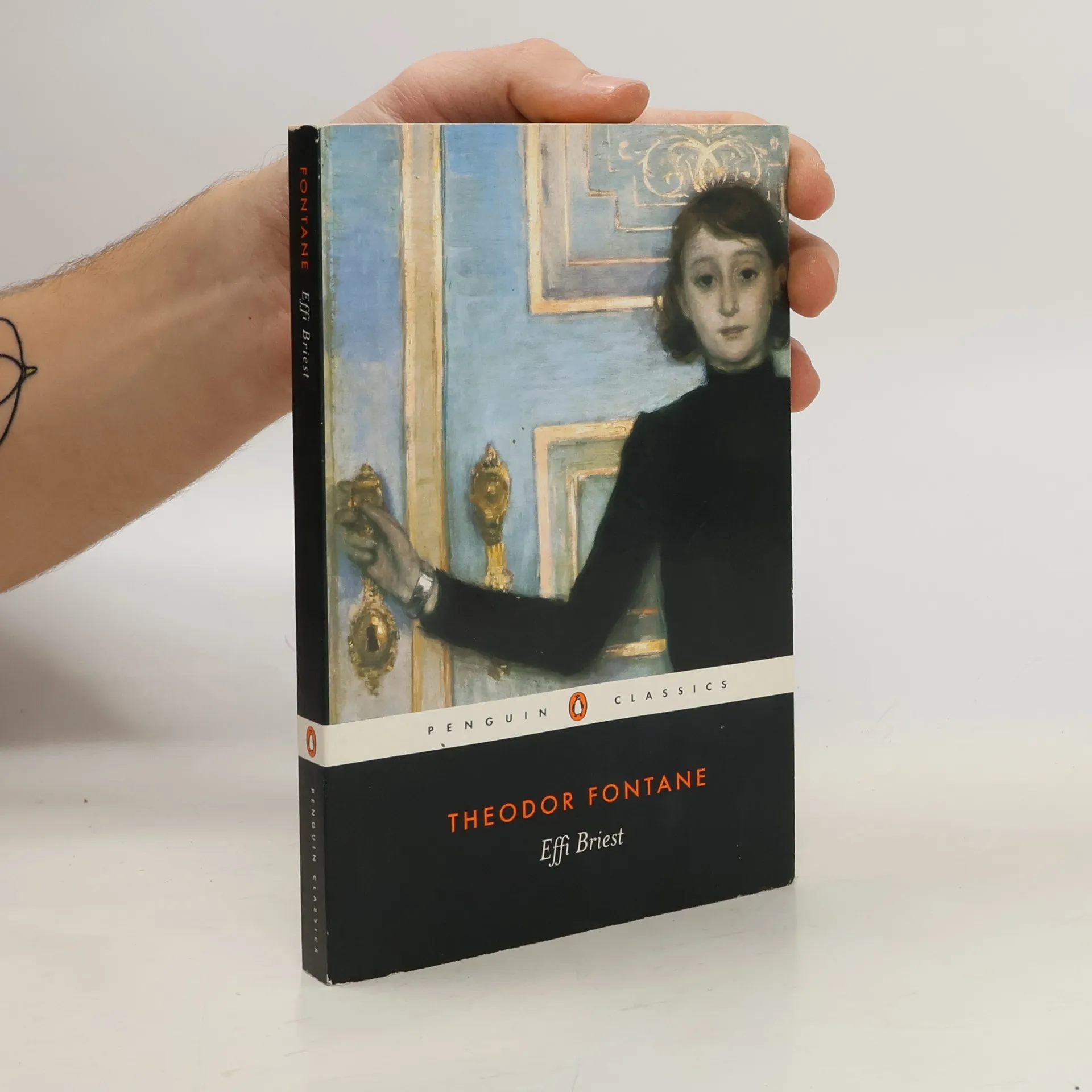
Unworldly young Effi Briest is married off to Baron von Innstetten, an austere and ambitious civil servant twice her age, who has little time for his new wife. Isolated and bored, Effi finds comfort and distraction in a brief liaison with Major Crampas, a married man with a dangerous reputation.
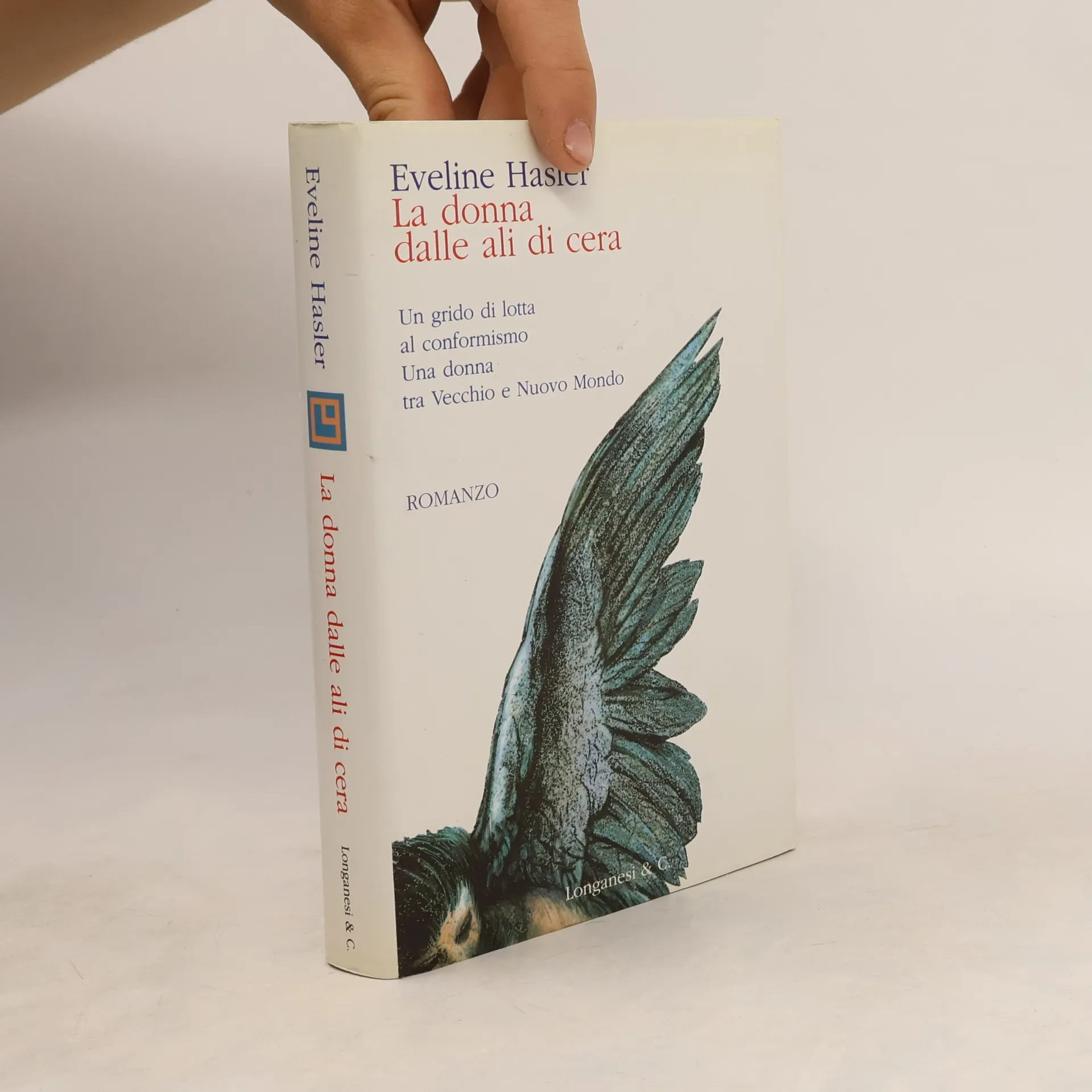
Nata nella seconda metà dell'Ottocento, figlia di un pastore protestante, poi alto dirigente delle ferrovie (uomo progressista nella professione ma conservatore e conformista nella vita privata) sposatasi contro il volere della famiglia con un pastore di modeste condizioni sociali ed economiche che tuttavia la aiuterà, prima donna svizzera, a laurearsi in legge e a emigrare negli Stati Uniti per esercitare la professione negatale in patria, Emily Kempin Spyri è un personaggio emblematico delle prime lotte femministe. Questo volume ne presenta la biografia romanzata.