Inventing the Universe
- 256 stránok
- 9 hodin čítania
From the author of the bestselling The Dawkins Delusion - an accessible account of the biggest questions around science and faith, grounded in the very best scholarship.




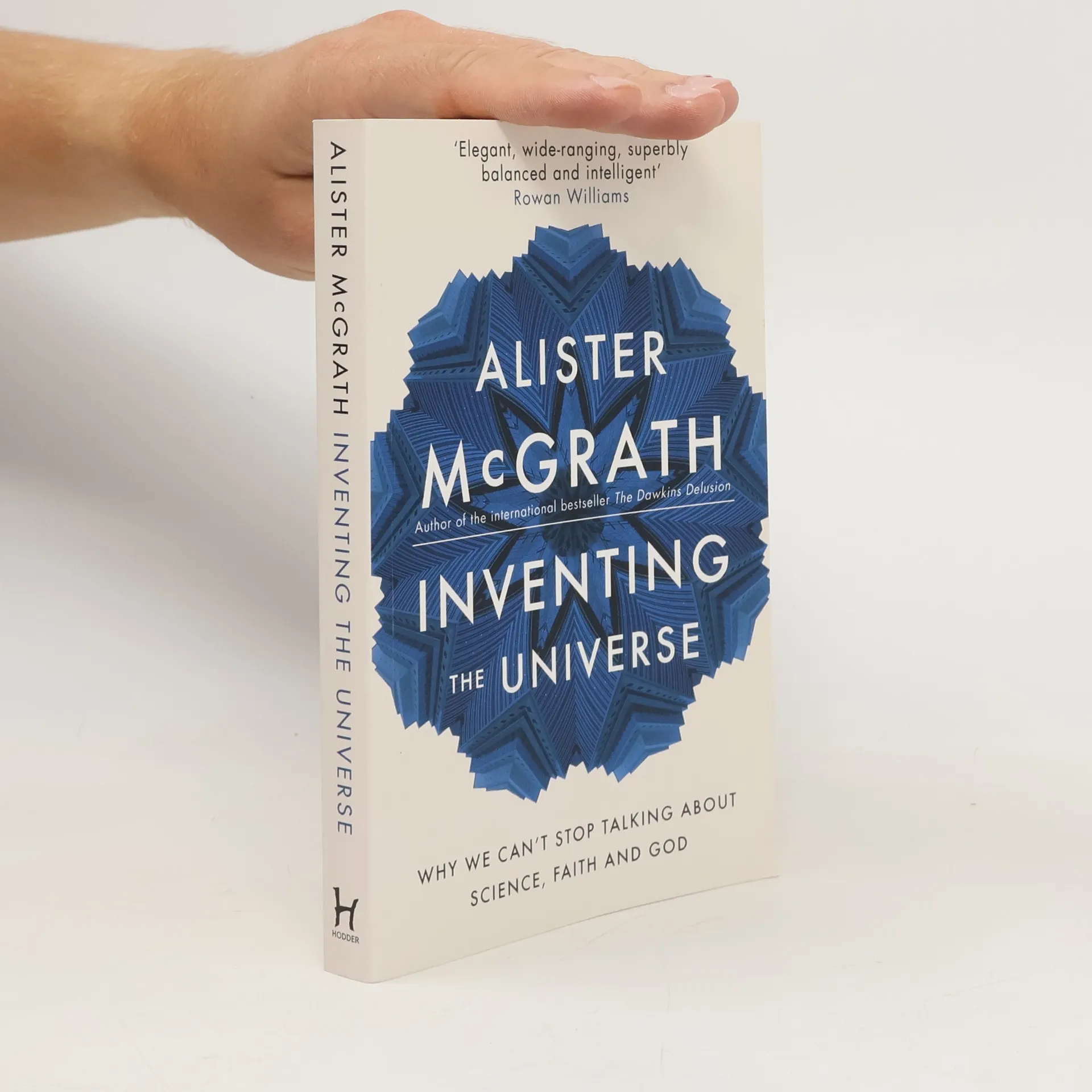
From the author of the bestselling The Dawkins Delusion - an accessible account of the biggest questions around science and faith, grounded in the very best scholarship.
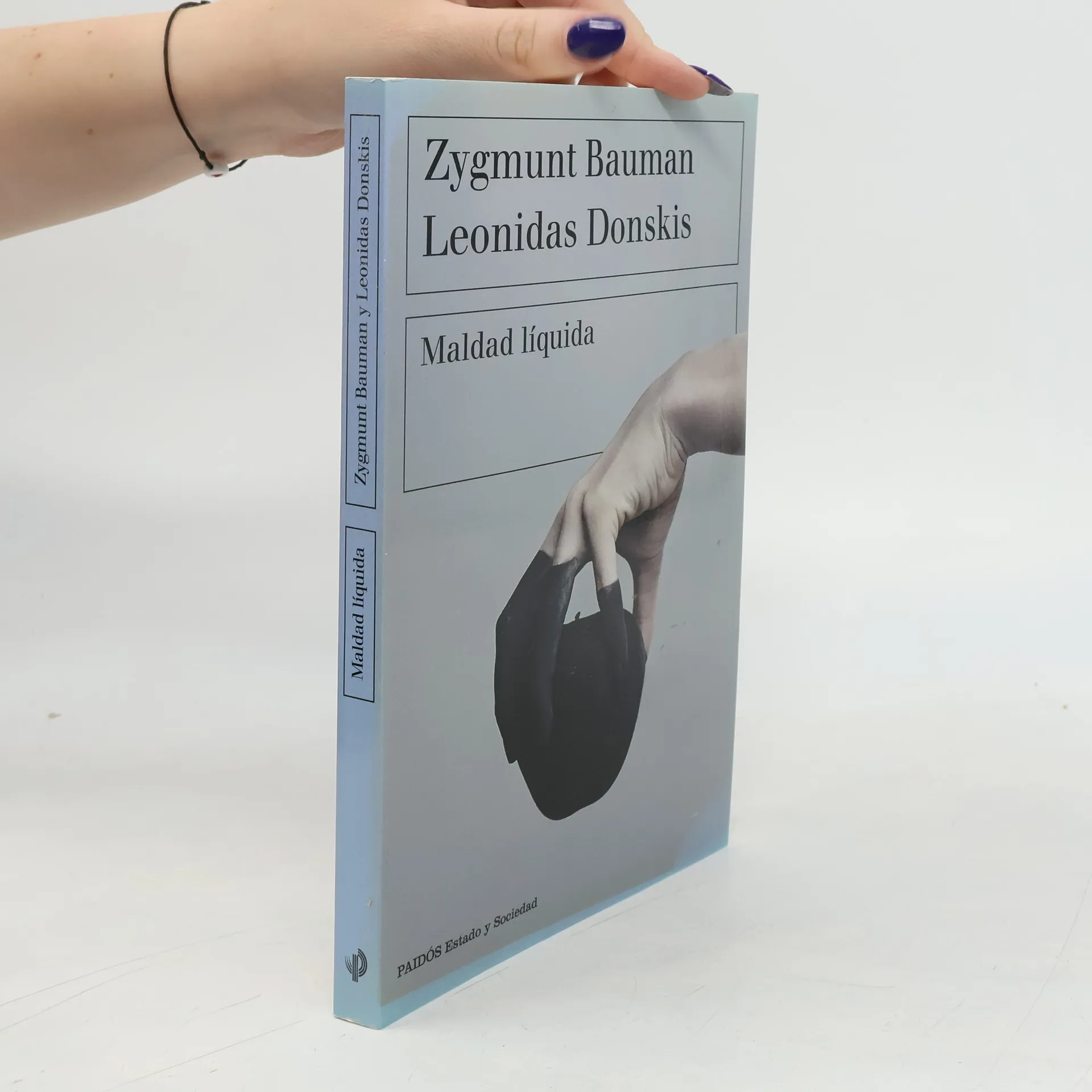
Che cos’è il male oggi? In che modo si può dire che le sue manifestazioni, le sue spinte, le sue modalità di aggredire il tessuto del mondo e delle persone che lo abitano si siano modificate? Zygmunt Bauman, uno dei più grandi pensatori viventi, già nel 1989, con Modernità e olocausto, aveva riletto le atrocità del Terzo Reich sovvertendo l’opinione comune che si fosse trattato un «incidente» della Storia e dimostrando che invece la «società dei giardinieri» della modernità aveva raggiunto con l’olocausto il suo risultato più esemplare. In questo libro Bauman compie un ulteriore decisivo passo avanti nell’identificazione del «male» ai giorni nostri. E lo fa con una ricognizione delle tesi fallaci che si erano affermate nel Novecento (dalla «personalità autoritaria» di Adorno alla «banalità del male» di Hannah Arendt) per mostrare poi, in un corpo a corpo con le opere di Jonathan Littell e di Günther Anders, che la presa di distanza dagli esiti dei nostri atti distruttivi (resa non solo possibile, ma obbligata, dalle mirabilia tecnologiche e dalla costrizione «diversamente morale» a non sprecare armi la cui produzione ha richiesto quantità esorbitanti di denaro) contribuisce a erodere la nostra sensibilità già gravemente indebolita e oggi prossima alla cancellazione.
Nassim Taleb je bez pochyby jedným z najväčších mysliteľov 21. storočia. Jeho prvý bestseller „Čierna labuť“ ukázal, ako silný vplyv môžu mať na naše životy neočakávané udalosti. Vo svojom druhom bestselleri „Antifragile“ zachádza ešte o mnoho ďalej, keď predstavuje podstatu nestálosti sveta. Na mnohých príkladoch z reálneho života ukazuje, ako budujeme svet, ktorý sa stáva stále krehkejší a náchylnejší k turbulenciám. Pritom by sme sa mali snažiť o pravý opak, poučiť sa z prírody a byť antikrehký – profitovať z nepoznaného a neistého. Profitovať z toho, aký svet v skutočnosti je.
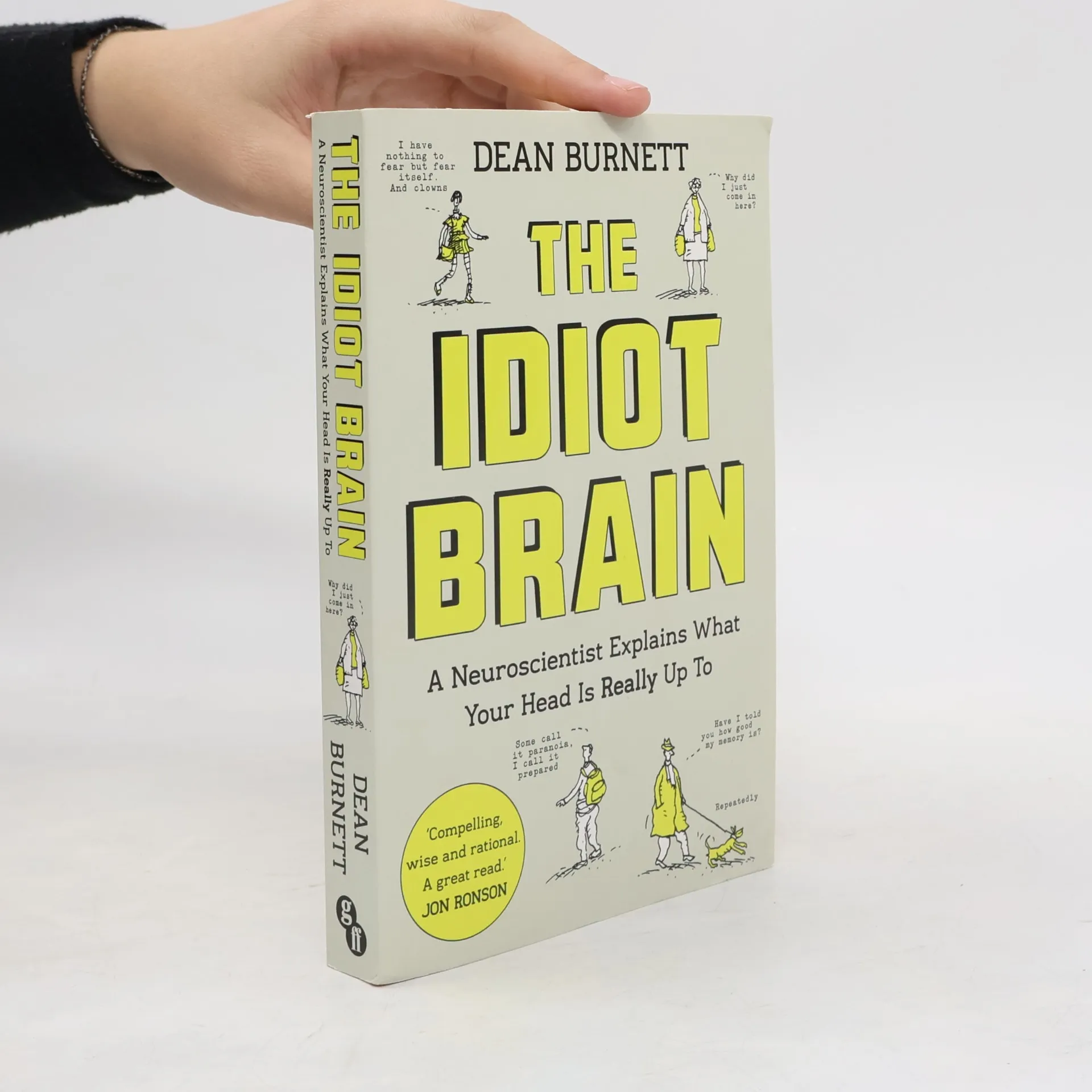
From the hugely popular Guardian science blogger, a surprising, funny and mind-bending examination of how and why the brain sabotages our behaviour.
Neuroscientist Dean Burnett, author of the acclaimed The Idiot Brain, investigates the Science of Happiness. Or whether such a thing even exists.
From one of the world's most celebrated moral philosophers comes a thorough examination of the current American political crisis and recommendations for how to mend a divided country.