Bookbot

Julia Kristevová

    24. jún 1941

    Julia Kristeva, narodená v Bulharsku, je francúzska psychoanalytička, sociologička, kritička, feministka, filozofka a nedávno aj spisovateľka. Jej výskum sa opiera o lacanovskú tradíciu psychoanalýzy a zaujíma sa o sémiotiku. Kristevina práca sa vyznačuje hlbokým záujmom o jazyk, jeho štruktúry a vplyv na ľudské vnímanie a identitu. Prostredníctvom svojich esejí, filozofických úvah a prózy skúma zložité aspekty modernej psychiky a spoločnosti.

    Julia Kristevová
    Crisis of the European Subject
    Time and Sense
    Themes & Movements: The Artist's Body
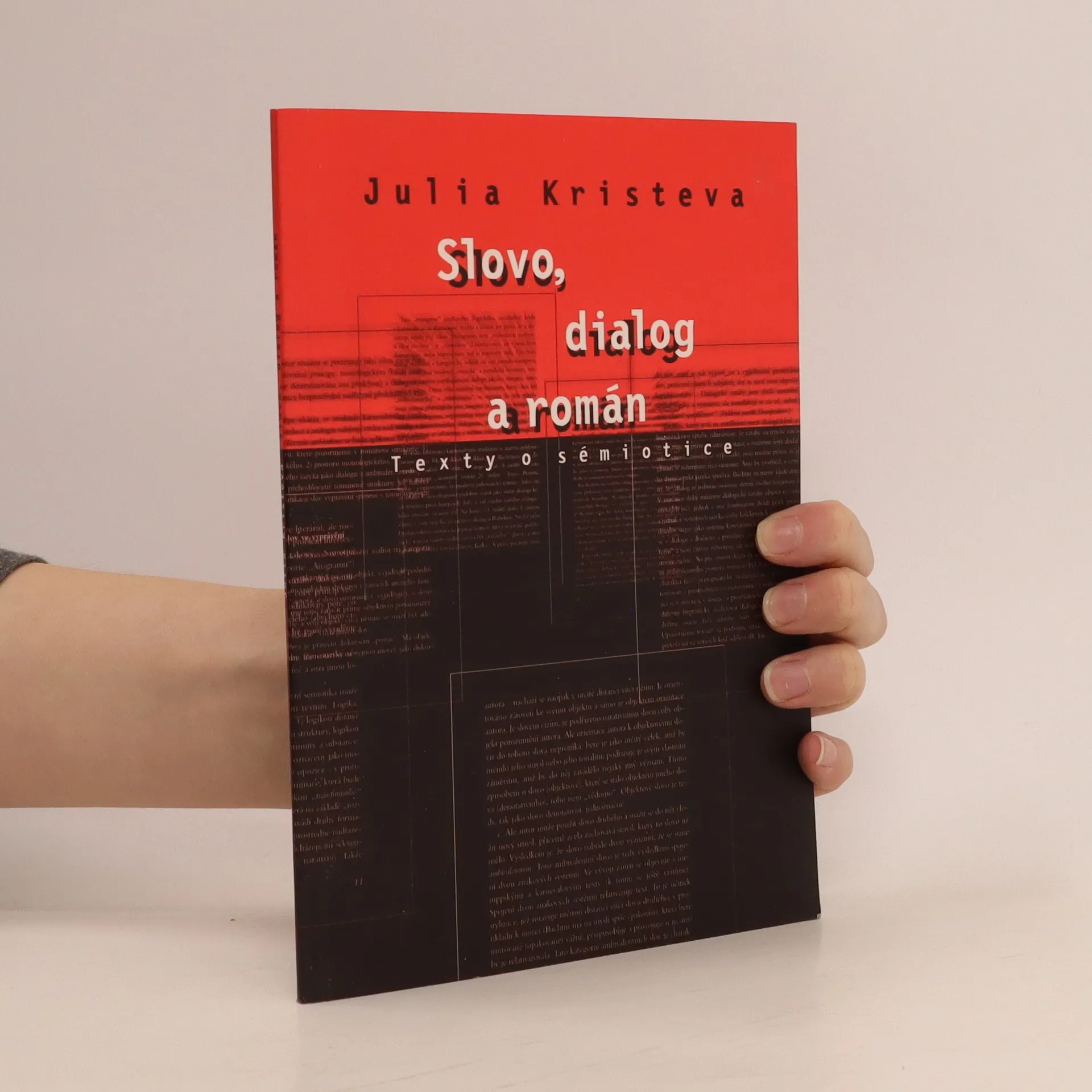
    Slovo, dialog a román
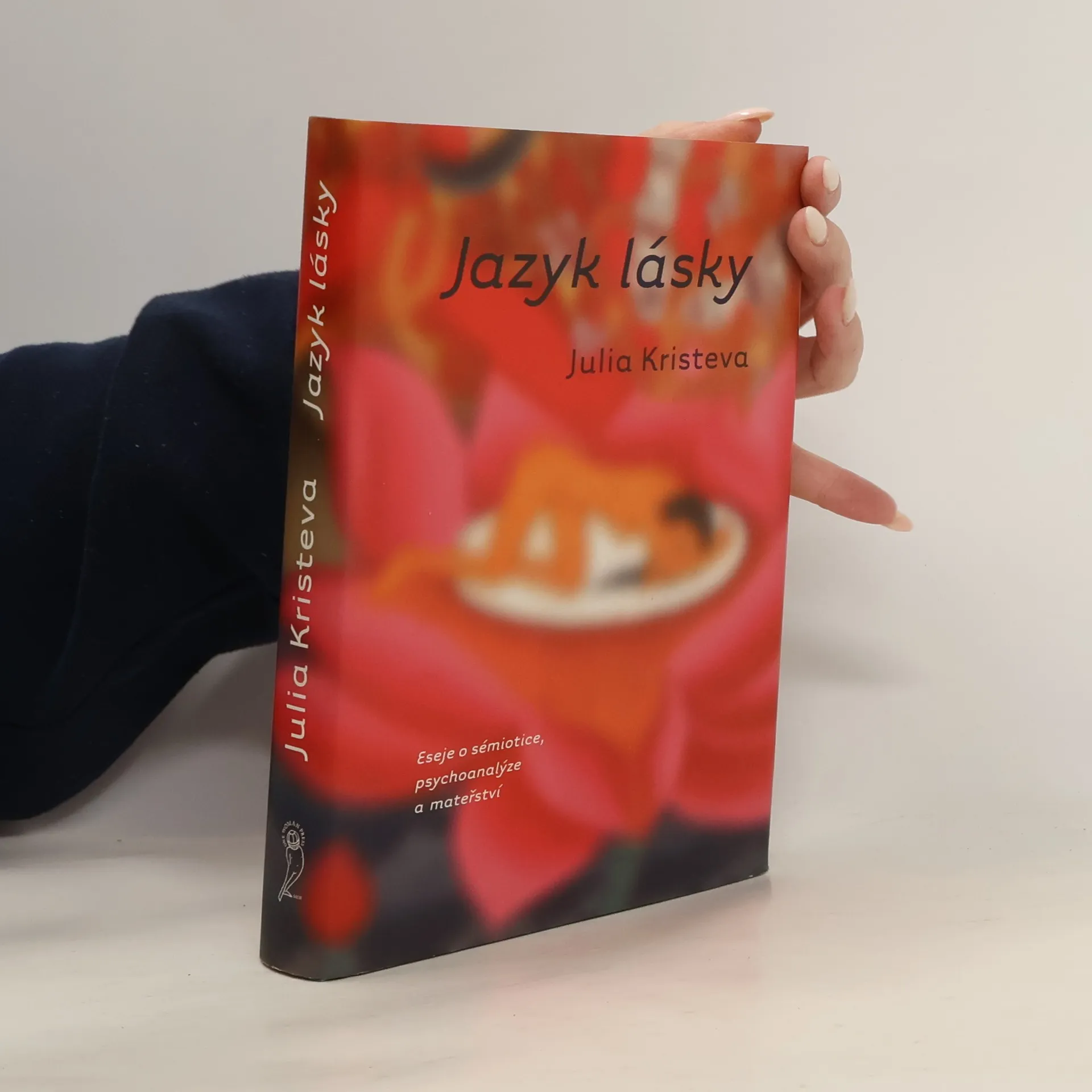
    Jazyk lásky
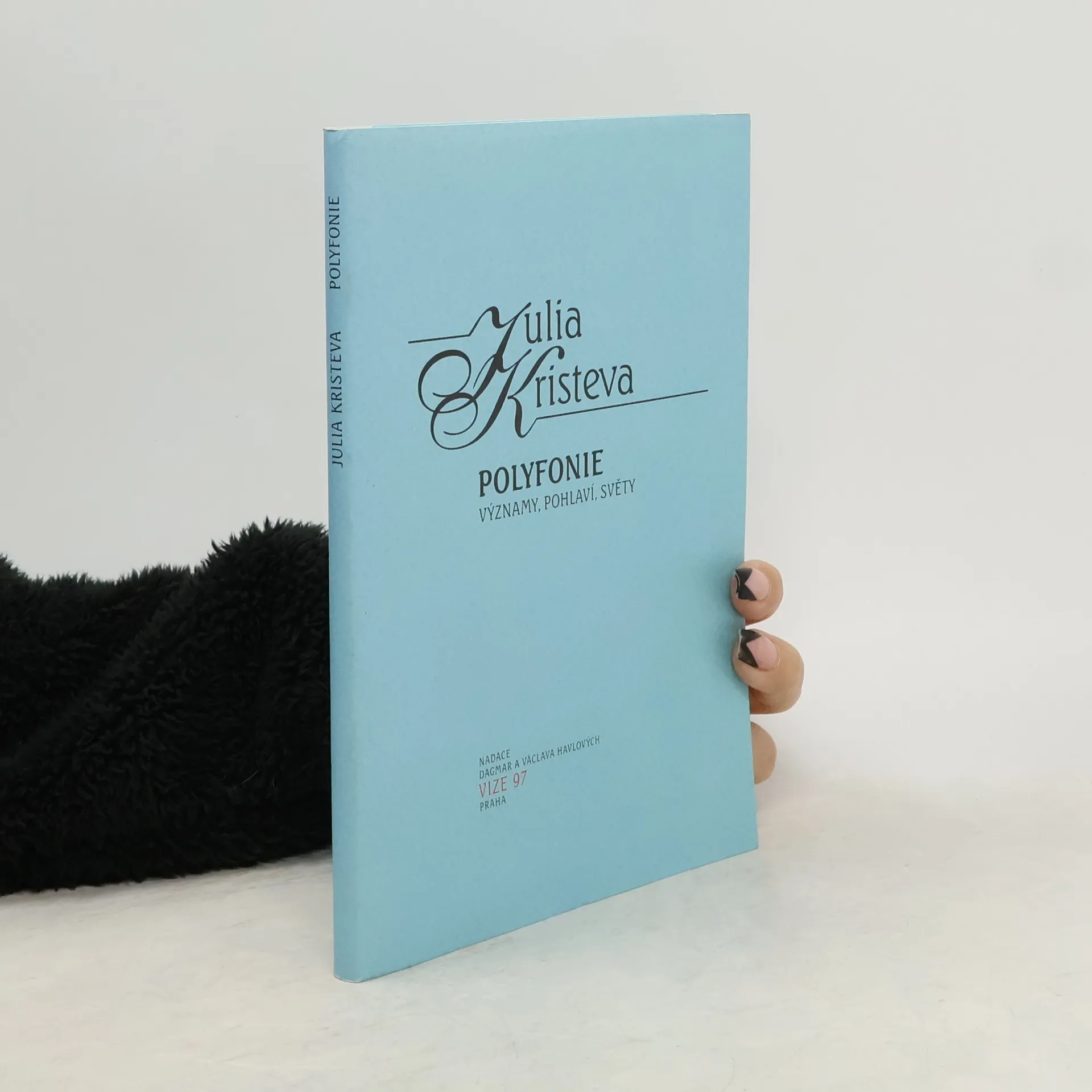
    Polyfonie: významy, pohlaví, světy
    • Polyfonie: významy, pohlaví, světy

      • 138 stránok
      • 5 hodin čítania

      Uvedený soubor esejů představuje průřez literárním i vědeckým dílem Julie Kristevy, bulharské migrantky ve Francii, kde vyučuje na univerzitě Paris Diderot. Středobodem jejích vědeckých zájmů je literární věda, lingvistika a psychoanalýza. Do termínu intertextovost autorka přetlumočila bachtinovský dialogismus čili polyfonii – tam, kde sděluje nějaký smysl, je slovo prolínáním textů, na jejichž pozadí vystupuje. Slovo je z principu dialogické, protože je to svého druhu kulturní křižovatka (Slovo, dialog a román), opětovně zařazené do tohoto souboru. Další část esejů je věnována psychoanalýze v otázce biologie, řeči, pudu a imaginace, pojmu cizince a univerzality. Následující eseje nahlíží adolescenci jakožto idealitu, speciálně pojetí Romea a Julie. V závěrečných úvahách se Julia Kristeva zabývá otázkou chápání ženské sexuality v díle Hanah Arendtové, Melanie Kleinové a Colette, které pokládá za symptomatické jevy kultury 20. století – spojuje je mnohé, především snaha zachránit život myšlení, protože myšlení, to je život.

      Polyfonie: významy, pohlaví, světy
      4,0
    • Výbor je sestaven z textů dvou knih. Úvodní kapitola, věnovaná vysvětlení pojmů z textů J. Kristevy, pochází z knihy Revoluce v básnické řeči (La révolution du langage poétique, 1985) a zaměřuje se především na sémiotiku. Následující tři eseje, opírající se o psychoanalýzu, jsou převzaté z knihy Příběhy lásky (Histoires d'amour, 1983). Reflektují problematiku pohlavní diference ve vztahu k primární identifikaci a narcismu, sexualitě a mateřství. Velmi náročný text vyžaduje přijetí specifického poststrukturálního jazyka, příznačného pro příslušníky skupiny teoretiků a spisovatelů shromážděných kolem francouzského časopisu Tel Quel, ke kterým Kristeva patří.

      Jazyk lásky
      3,5
    • Themes & Movements: The Artist's Body

      • 304 stránok
      • 11 hodin čítania

      Tracing artists' increasing use of their bodies as subject and actual material of their artworks, this title charts the rise of new forms of expression such as Body Art, Happenings, Performance and Live Art.

      Themes & Movements: The Artist's Body
      4,4
    • Time and Sense

      Proust and the Experience of Literature

      • 432 stránok
      • 16 hodin čítania

      Focusing on Marcel Proust's work, Julia Kristeva's exploration delves into the intricate relationship between literature, time, and sensory experience. This reassessment not only offers insights into Proust's narrative but also reflects on the broader implications of how literature engages with our perception of time and sensory awareness. Through this lens, Kristeva invites readers to reconsider the profound impact of literary experiences on our understanding of existence.

      Time and Sense
      4,0
    • A gem of a personal exploration by Julia Kristeva, examining contemporary issues such as European identity, the role of religion in political life, and the meaning of equality for women.

      Crisis of the European Subject
      4,1
    • Black Sun

      • 300 stránok
      • 11 hodin čítania

      In Black Sun, Julia Kristeva addresses the subject of melancholia, examining this phenomenon in the context of art, literature, philosophy, the history of religion, and culture, as well as psychoanalysis. She describes the depressive as one who perceives the sense of self as a crucial pursuit and a nearly unattainable goal and explains how the love of a lost identity of attachment lies at the very core of depression's dark heart.In her discussion she analyzes Holbein's controversial 1522 painting "The Body of the Dead Christ in the Tomb," and has revealing comments on the works of Marguerite Duras, Dostoyevsky and Nerval. Black Sun takes the view that depression is a discourse with a language to be learned, rather than just strictly a pathology to be treated.

      Black Sun
      4,1
    • Julia Kristeva has been both attracted and repelled by Dostoyevsky since her youth. In this extraordinary book, by turns poetic and intensely personal, she brings her unique critical sensibility to bear on the tormented and visionary Russian author.

      Dostoyevsky in the Face of Death
      3,4
    • Julia Kristeva offers an extensive and profound consideration of the nature of abjection. Drawing on Freud and Lacan, she analyzes the nature of attitudes toward repulsive subjects and examines the function of these topics in the writings of Celine, Proust, Joyce, and other authors.

      Powers of Horror
      4,1
    • Revolution in Poetic Language

      • 304 stránok
      • 11 hodin čítania

      Julia Kristeva explicates her foundational distinction between the semiotic and the symbolic and explores their interrelationships. Linking the psychosomatic to the literary and the literary to a larger political horizon, she questions the premises of linguistic, psychoanalytic, philosophical, and literary theories.

      Revolution in Poetic Language
      4,1