

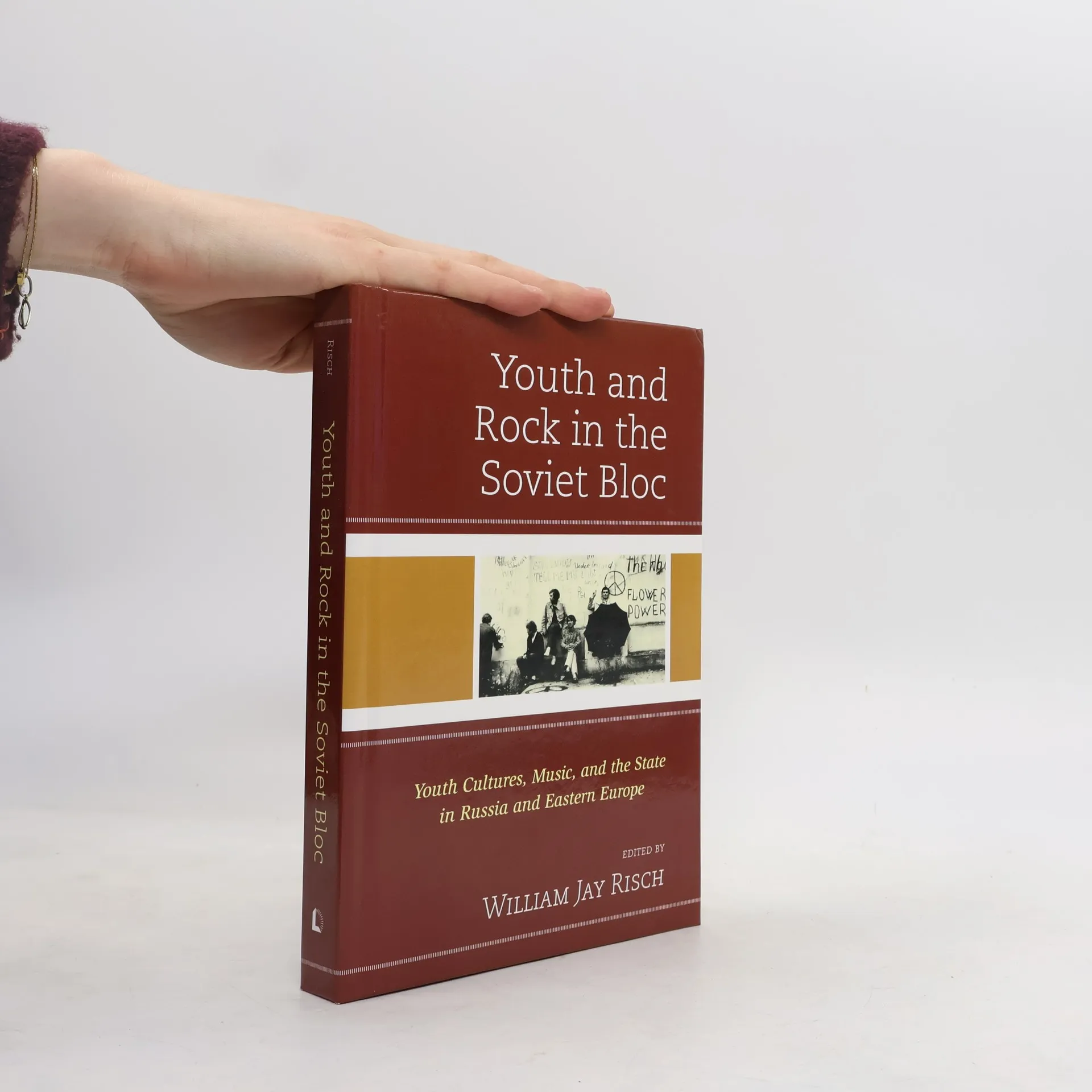
Youth and Rock in the Soviet Bloc
Youth Cultures, Music, and the State in Russia and Eastern Europe
- 318 stránok
- 12 hodin čítania
Youth and Rock in the Soviet Bloc examines the emergence of youth as consumers of popular culture and the globalization of music in Russia and Eastern Europe. The essays challenge the notion that Communist leaders and Western youth cultures were fundamentally opposed. Initially, Western trends like jazz and rock-and-roll faced bans, but Communist leaders adapted elements of these genres to create a socialist popular music. They promoted organized leisure activities to steer youth away from perceived Western excesses. Officially sanctioned rock and pop bands provided a socialist soundtrack for young people. Despite their attraction to Western music and subcultures, youth still aligned with the values of Communist organizations. Although there were challenges in supplying consumer goods, leaders of Soviet bloc states sought to offer a socialist alternative to the modernity of the capitalist West. However, the influence of Western youth cultures was limited. State-sponsored rock festivals fostered rebellion among youth, yet official definitions of culture restricted the integration of rock music. Countercultures from the West, such as hippies and punks, undermined the legitimacy of Communist youth organizations. Insufficient access to Western cultural goods in provincial areas fueled resentment towards Moscow and supported nationalist movements that contributed to the Soviet Union's collapse in 1991. Throughout the Cold War, poli