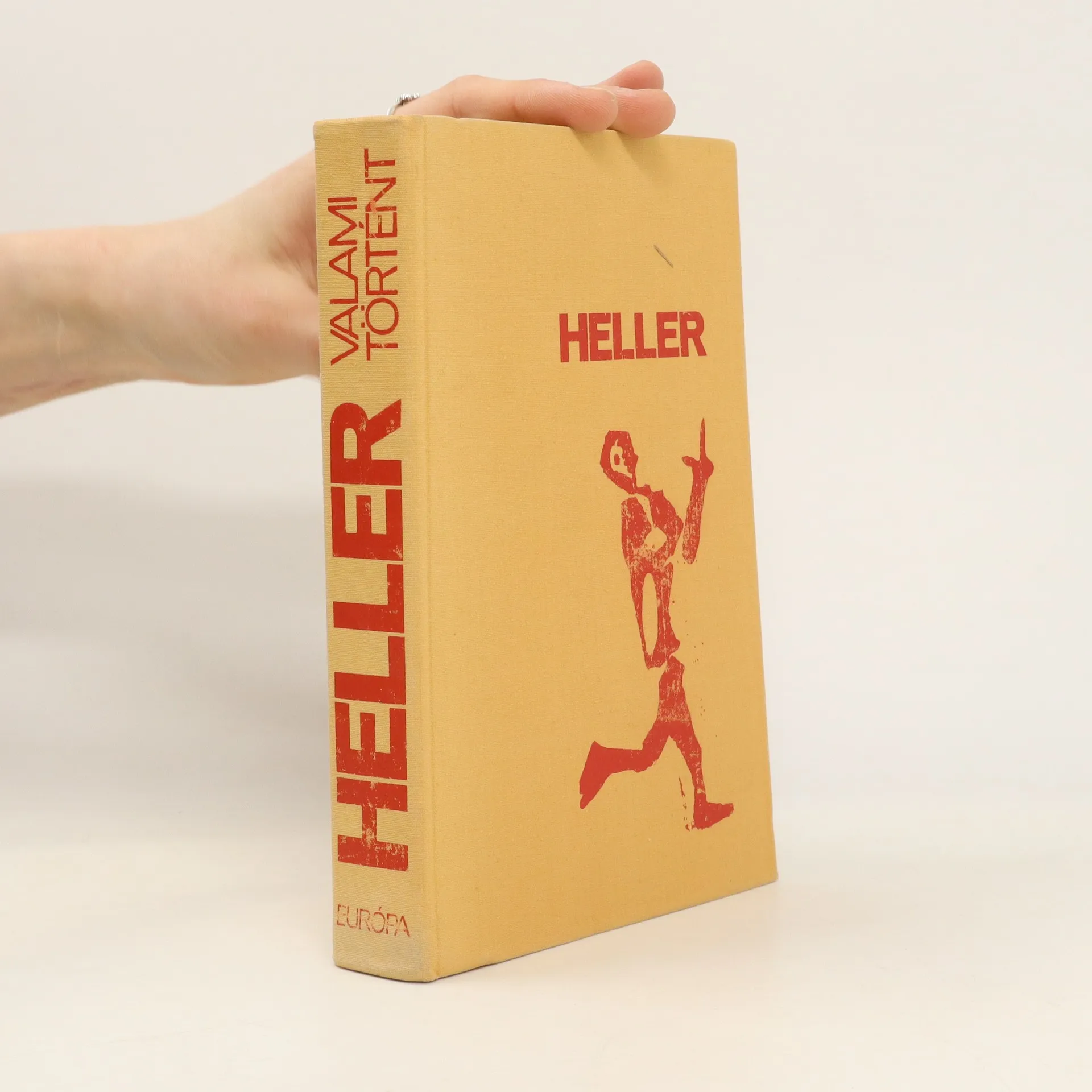
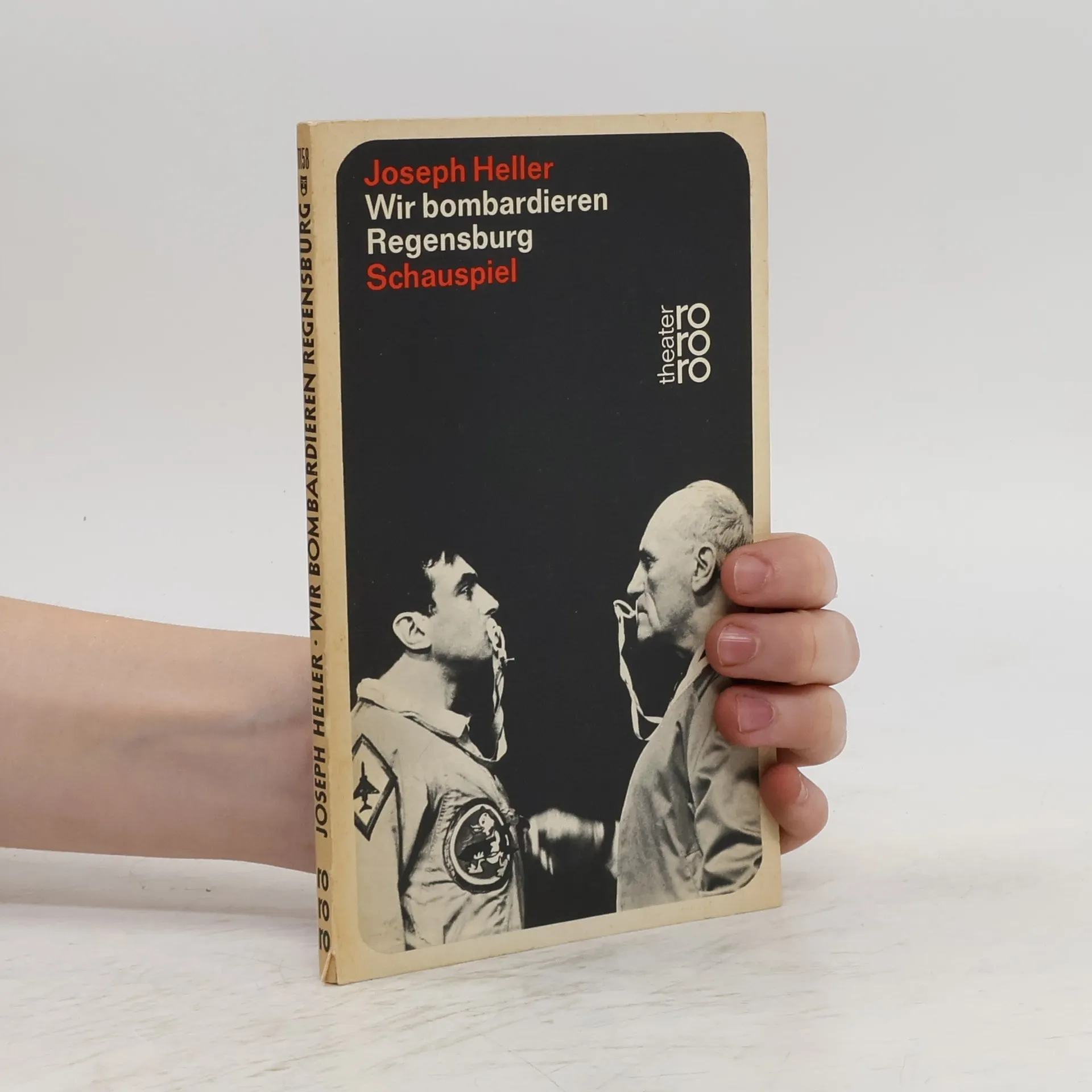
Yosef Heller je autor, ktorého diela skúmajú hlboké ľudské otázky s prenikavou inteligenciou a jedinečným pohľadom. Jeho písanie sa vyznačuje štylistickou eleganciou a schopnosťou zachytiť zložitosť ľudskej skúsenosti. Heller sa často zameriava na témy identity, pamäti a hľadania zmyslu v modernom svete. Jeho literárny prínos spočíva v jeho schopnosti vyvolať introspekciu a empatiu u čitateľov prostredníctvom svojich premyslených a pôsobivých rozprávaní.
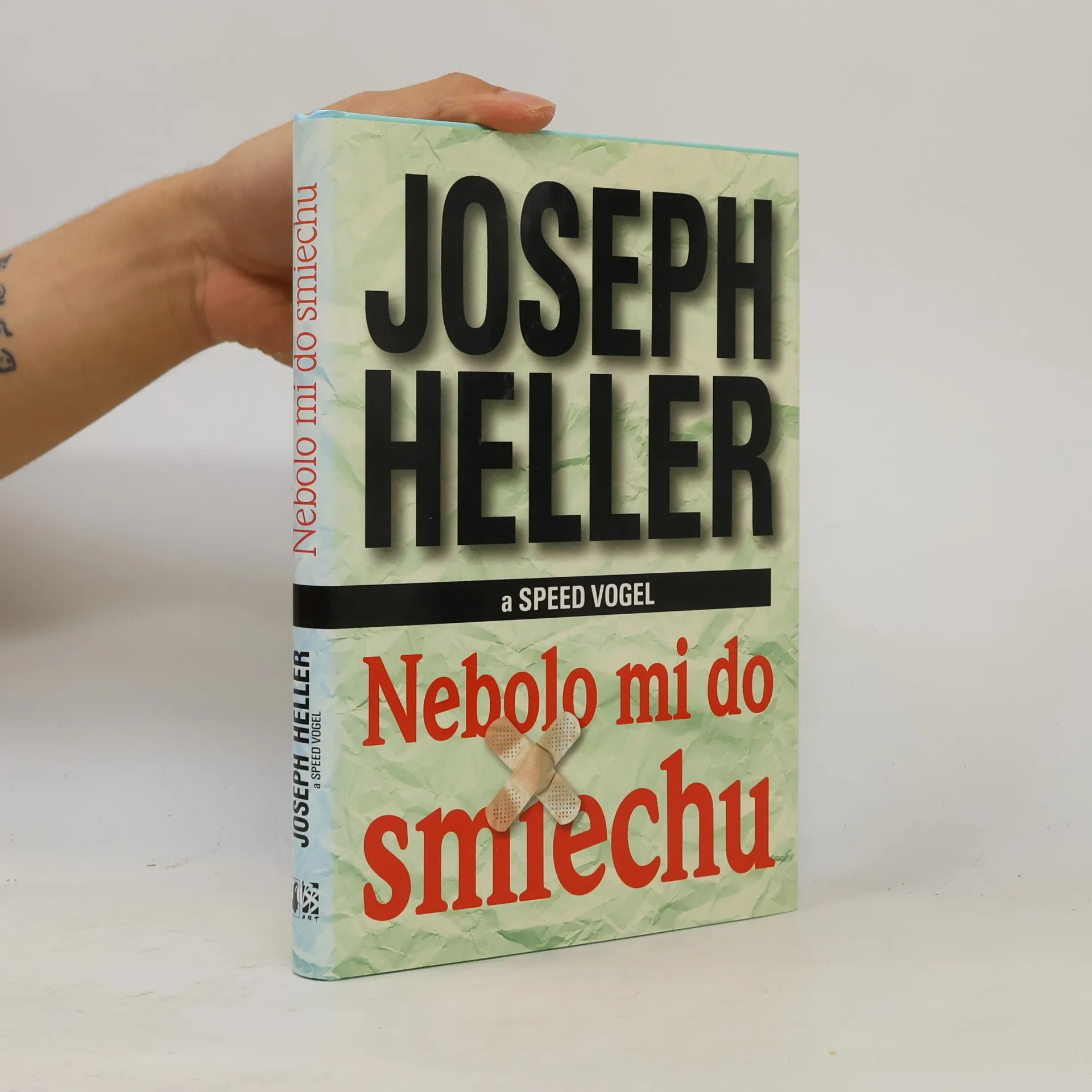
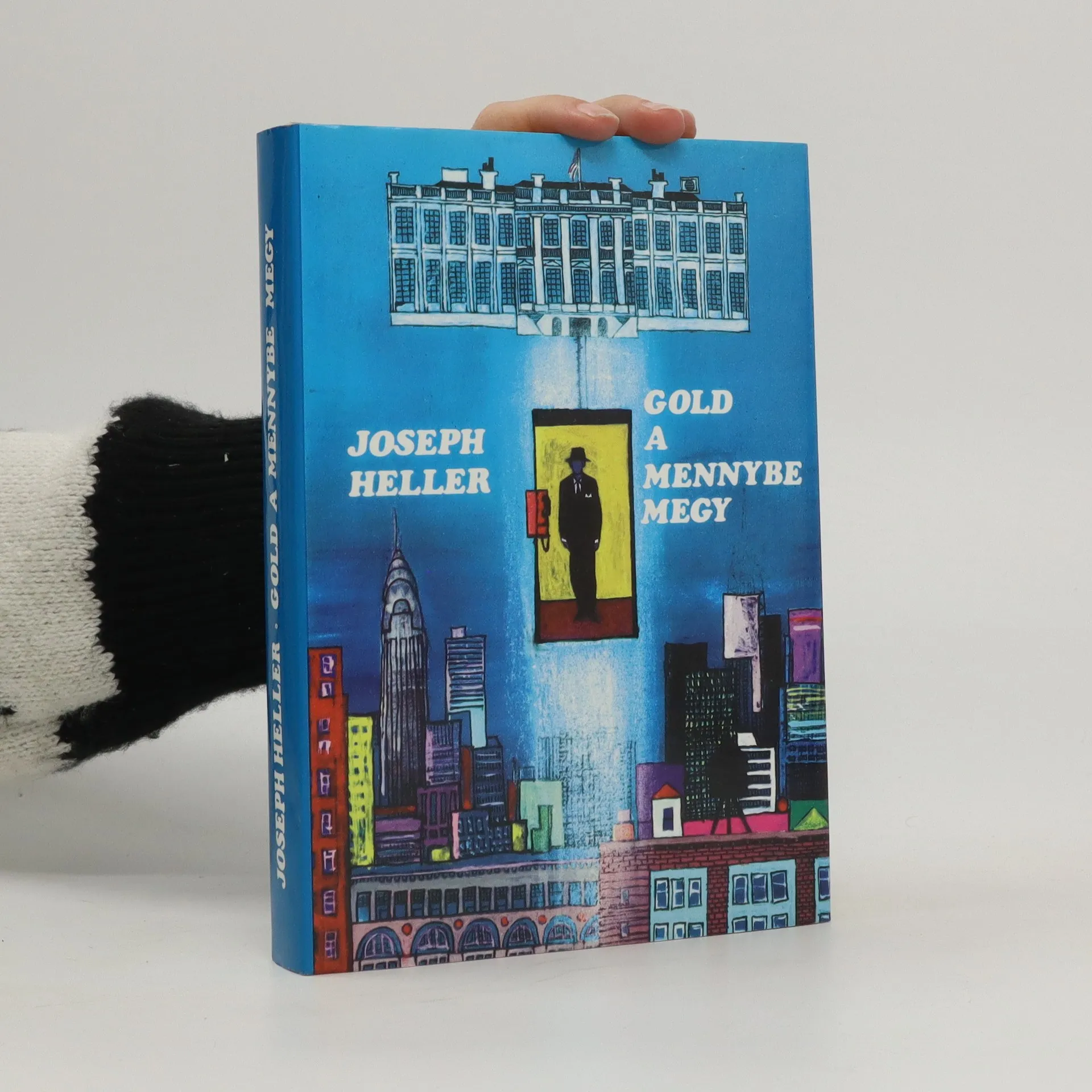
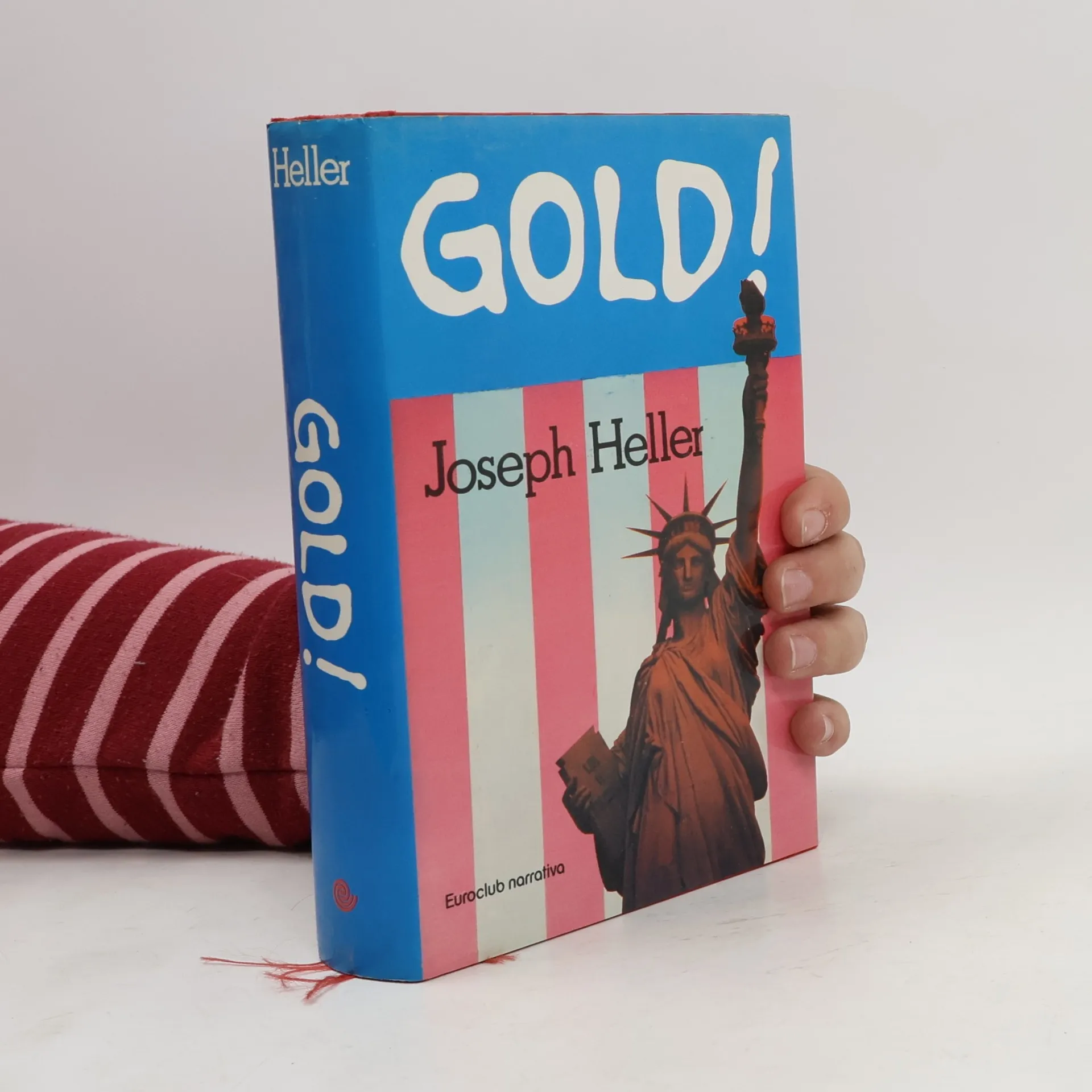
So svojráznym prístupom a humoristicko-satirickým podtónom nám dvaja autori-kamaráti, umelci-bonviáni, gurmáni a obdivovatelia pekných žien - na pozadí nepríjemného nemocničného prostredia podávajú fascinujúcu atmosféru americkej metropoly hmýriacej sa slávnymi osobnosťami zo sveta filmu, šoubiznisu, hudby a literatúry (Mario Puzo, Dustin Hoffman, Mel Brooks, Woody Allen, Paul Simon) i príslušníkmi smotánky, ku ktorým patria aj členovia kennedyovskej rodiny...
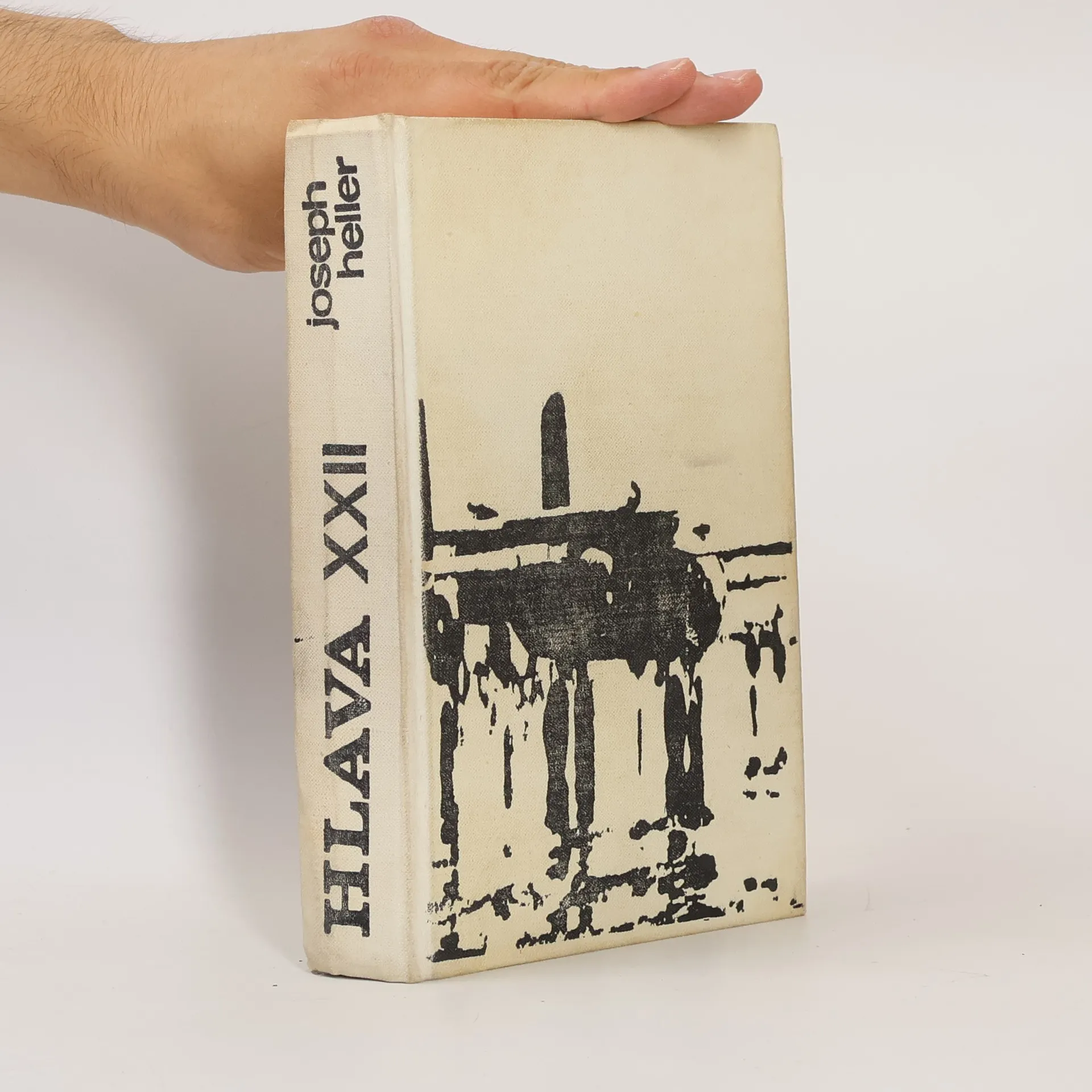
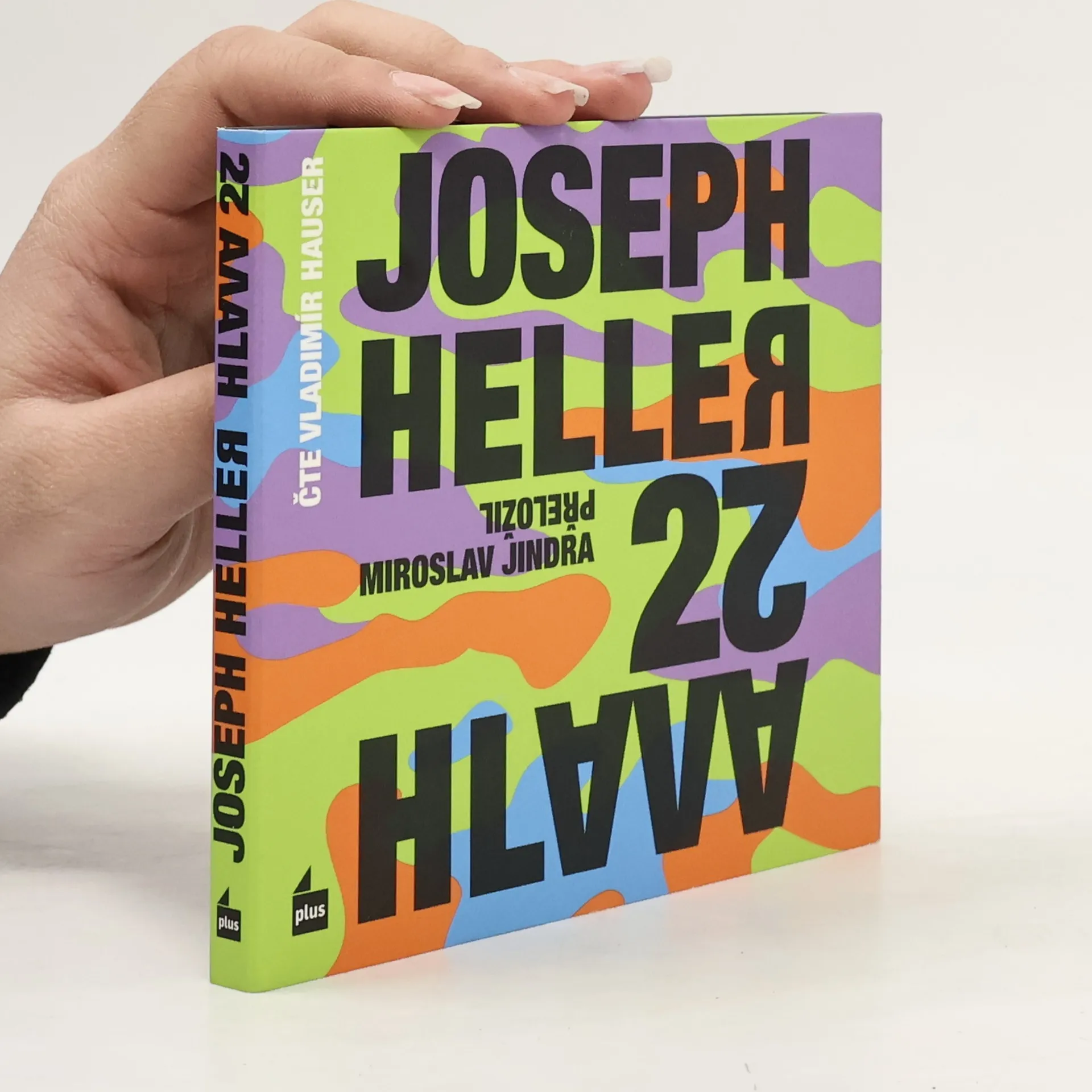
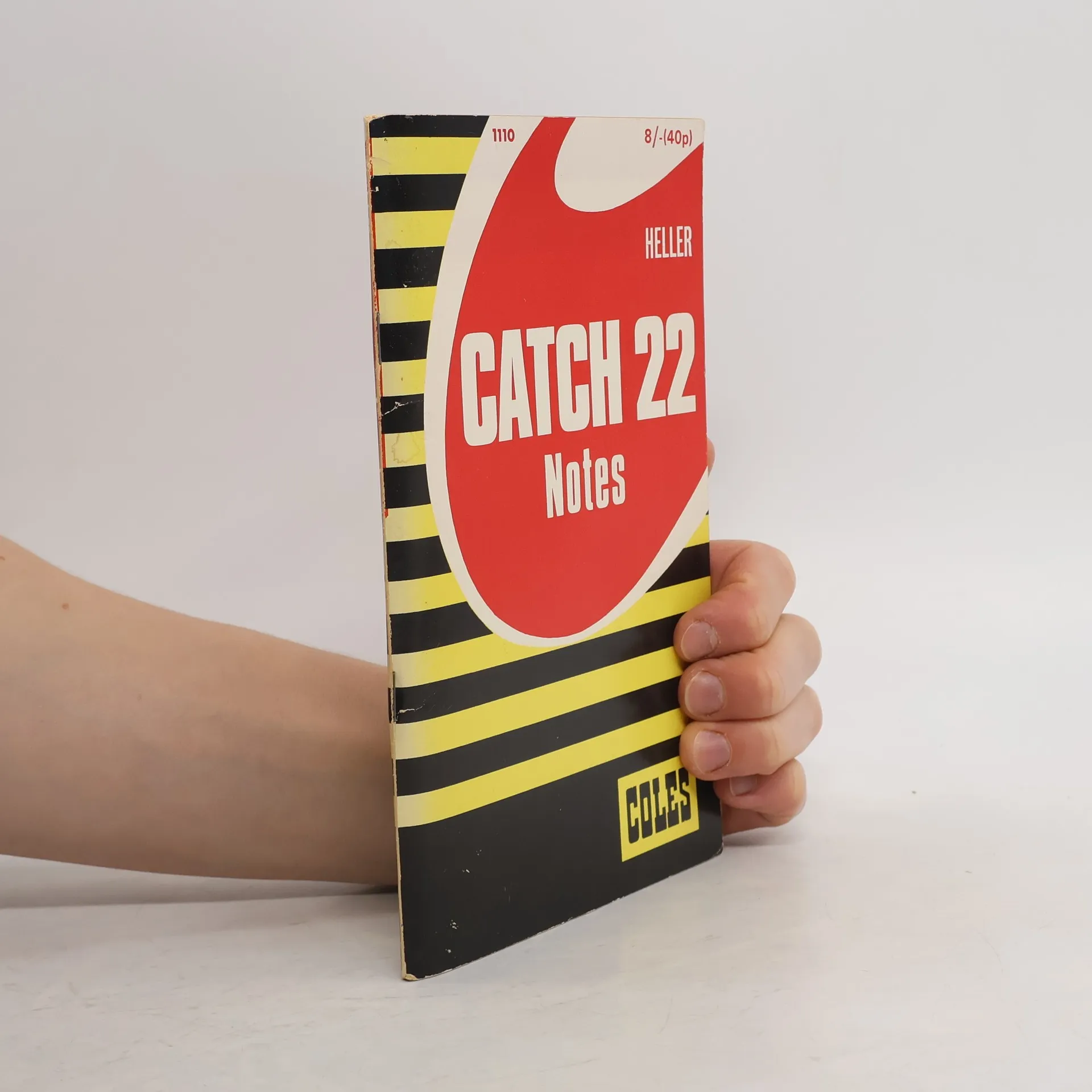
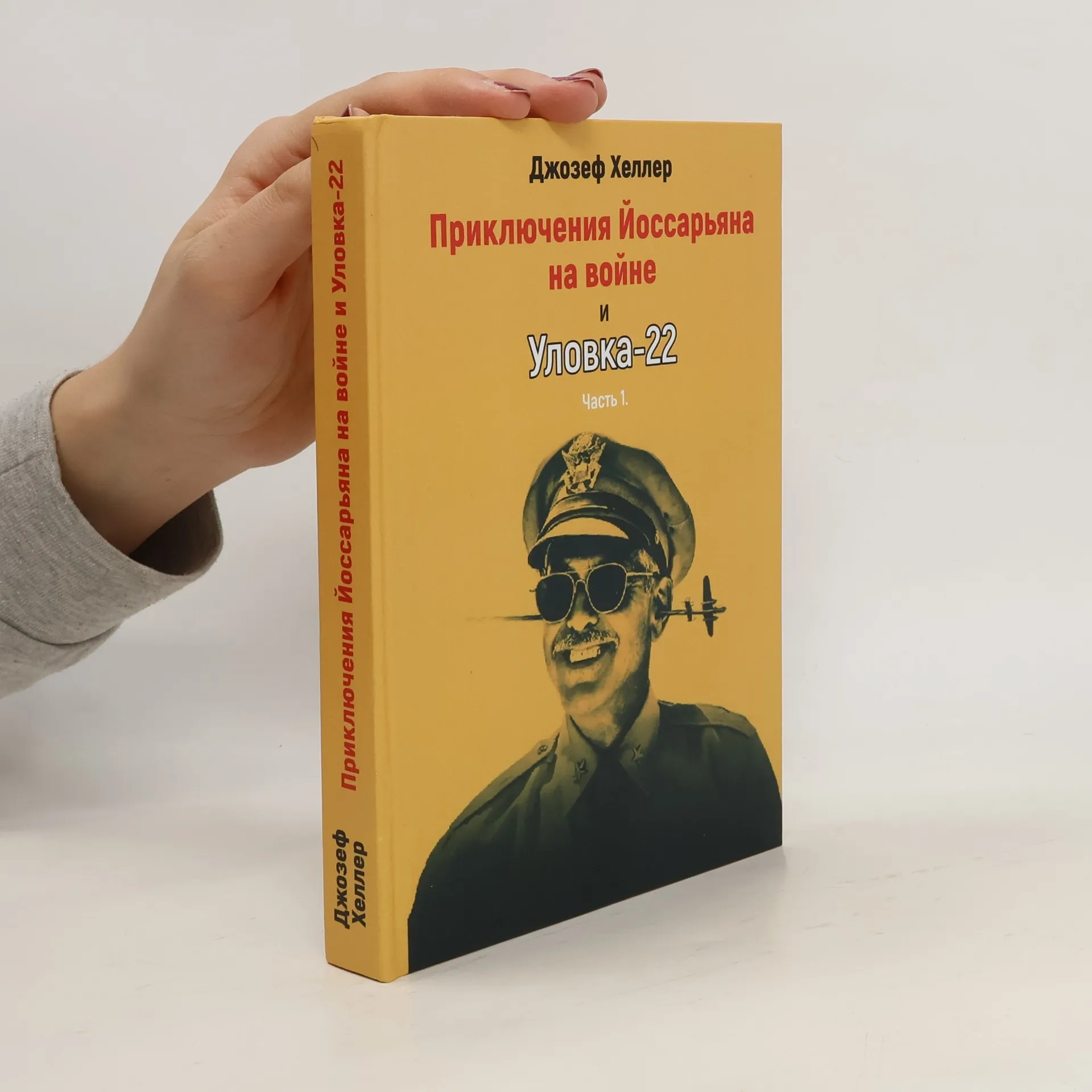
Román Hlava XXII je jedným z najdôležitejších protivojnových diel, ktoré vyšli po druhej svetovej vojne. Autor opisuje márny boj hlavného hrdinu Yossariana proti absurdnej vojenskej mašinérii, pričom hojne využíva čierny humor a neustále balansuje medzi komikou a hororom. Názov knihy odkazuje navojenský predpis, podľa ktorého vojakov s istým počtom náletov odvelia z vojny, no zároveň nariaďuje, že vojak musí za každých okolností poslúchnuť svojho nadriadeného a plukovníci neustále zvyšujú počet náletov. Podľa románu bol nakrútený úspešný film.
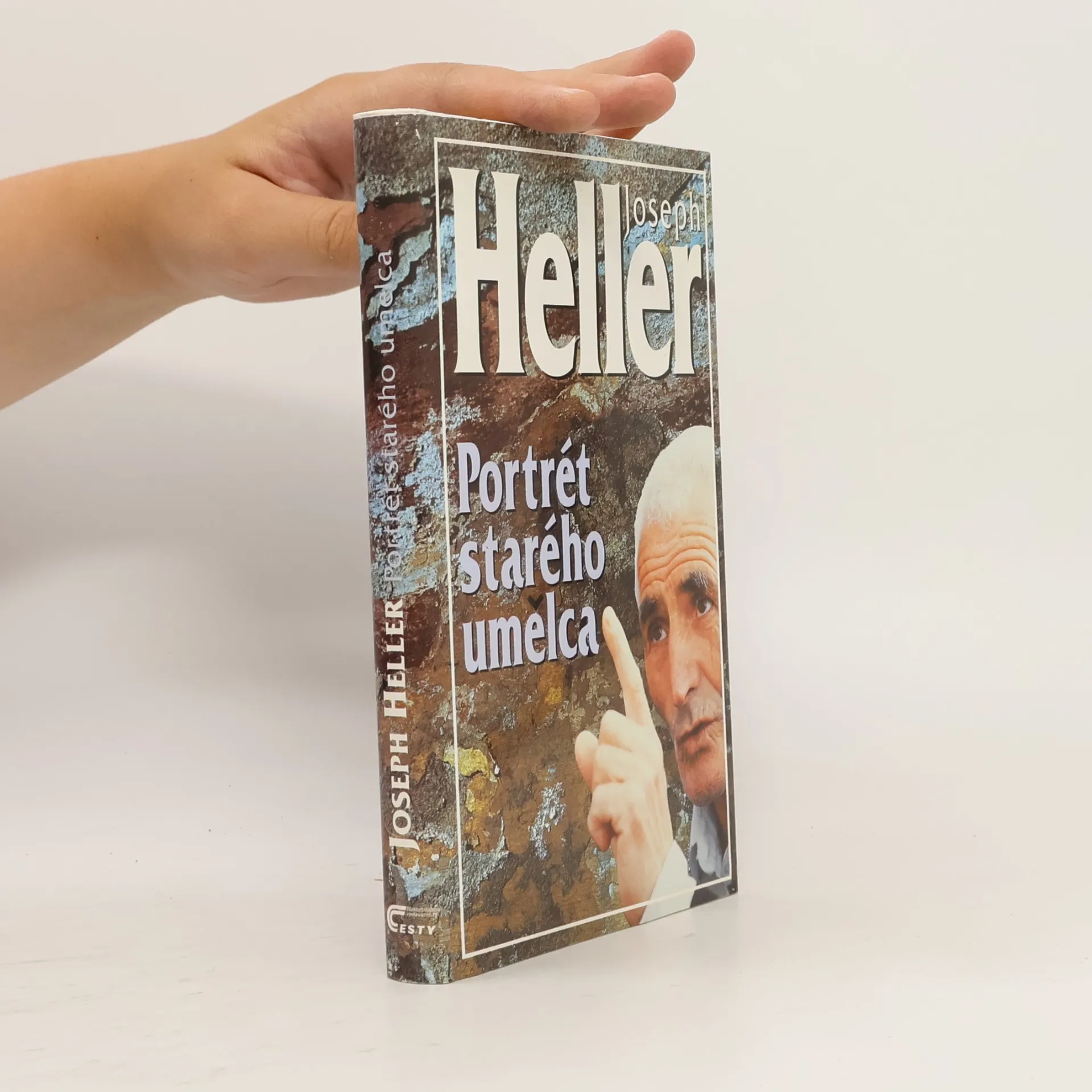
Portrét starého umelca je posledné dielo popredného amerického prozaika Josepha Hellera, ukončené krátko pred smrťou. Je to dojímavá, fascinujúca sonda do myslenia starnúceho spisovateľa, ktorý spätne hodnotí svoj život a hľadá inšpiráciu na svoju novú knihu.
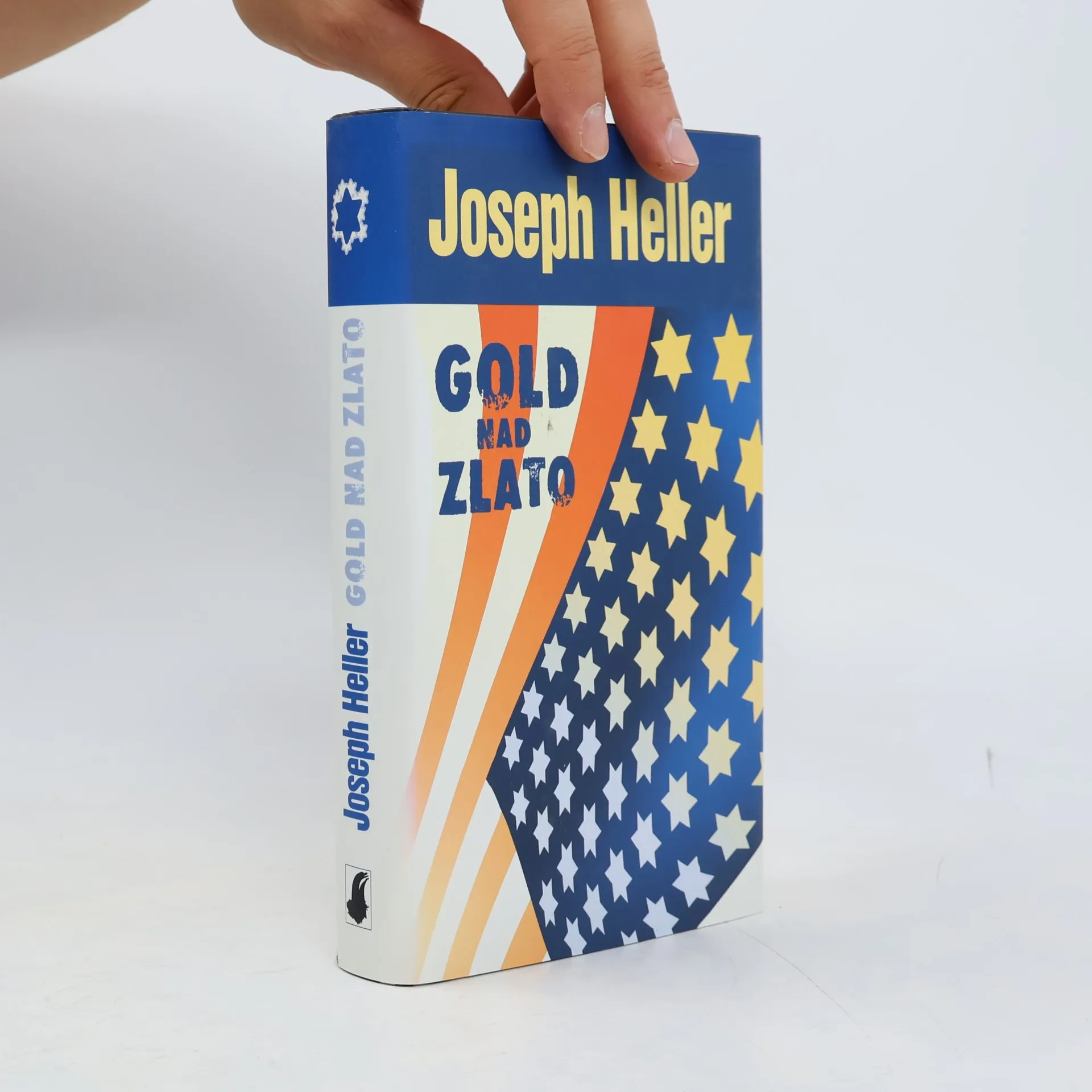
Hlavným hrdinom románu je Bob Sloucum, priemerne úspešný úradník obchodnej firmy, ktorý si kladie otázku, čo sa stalo s jeho rodinou, s manželkou, s jeho snami a túžbami. Narušené medziľudské vzťahy, tápanie v začarovanom kruhu ambícií, morálnych kompromisov a spoločenských tlakov ho núti mysliet na pôvod a príčinu strácajúcich sa ideálov. Bezvýchodiskovosť situácie pri hľadaní zmyslu života je pre Boba Slocuma pri ironickom, typicky hellerovskom humore tragédiou bytia.
Román popredného amerického spisovateľa zaiste vyvolá ľahký úsmev a možno aj hlasný smiech nad grotesknými situáciami v živote hrdinu, ale aj nepríjemné, trpké pocity a vari až obavy z budúcnosti ľudstva.
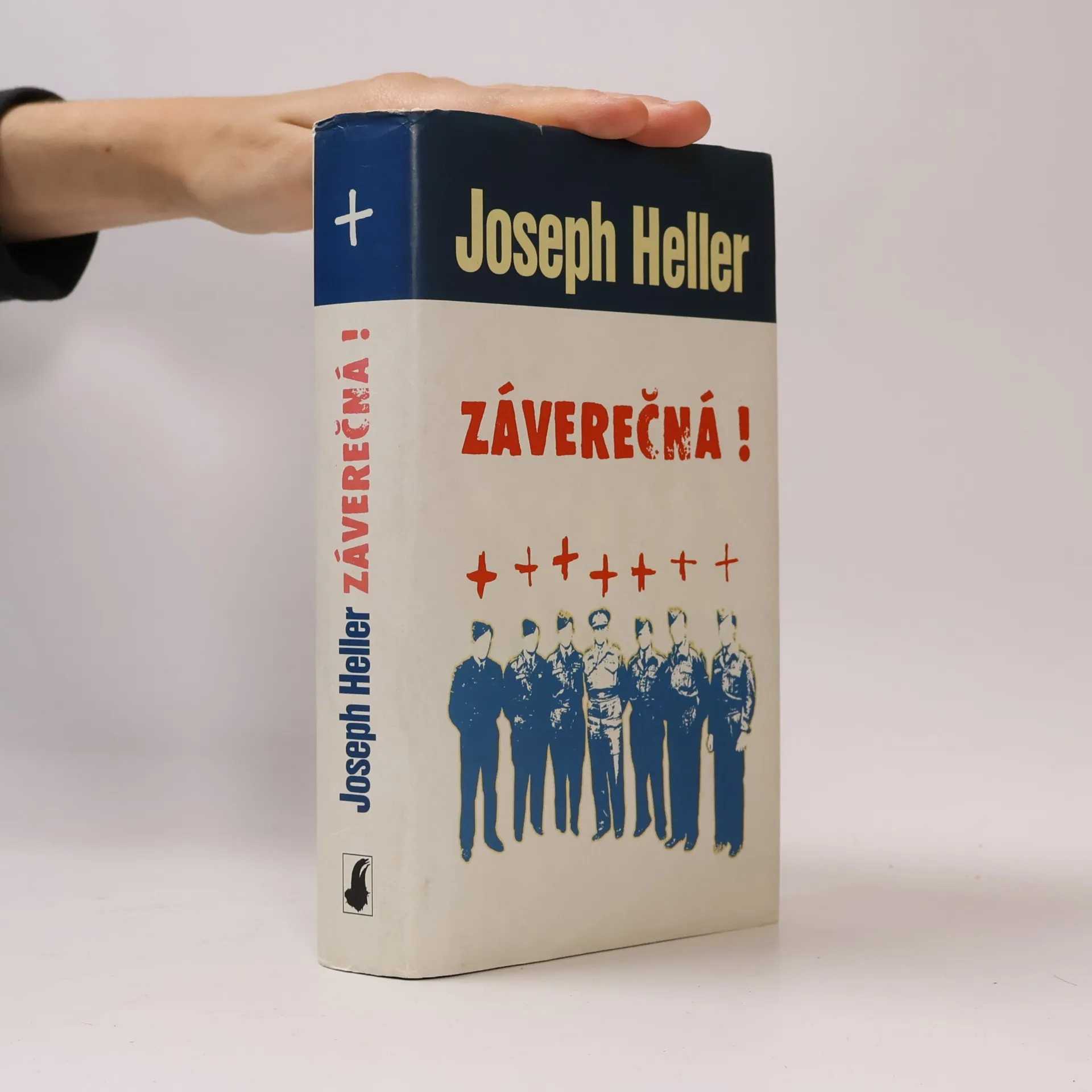
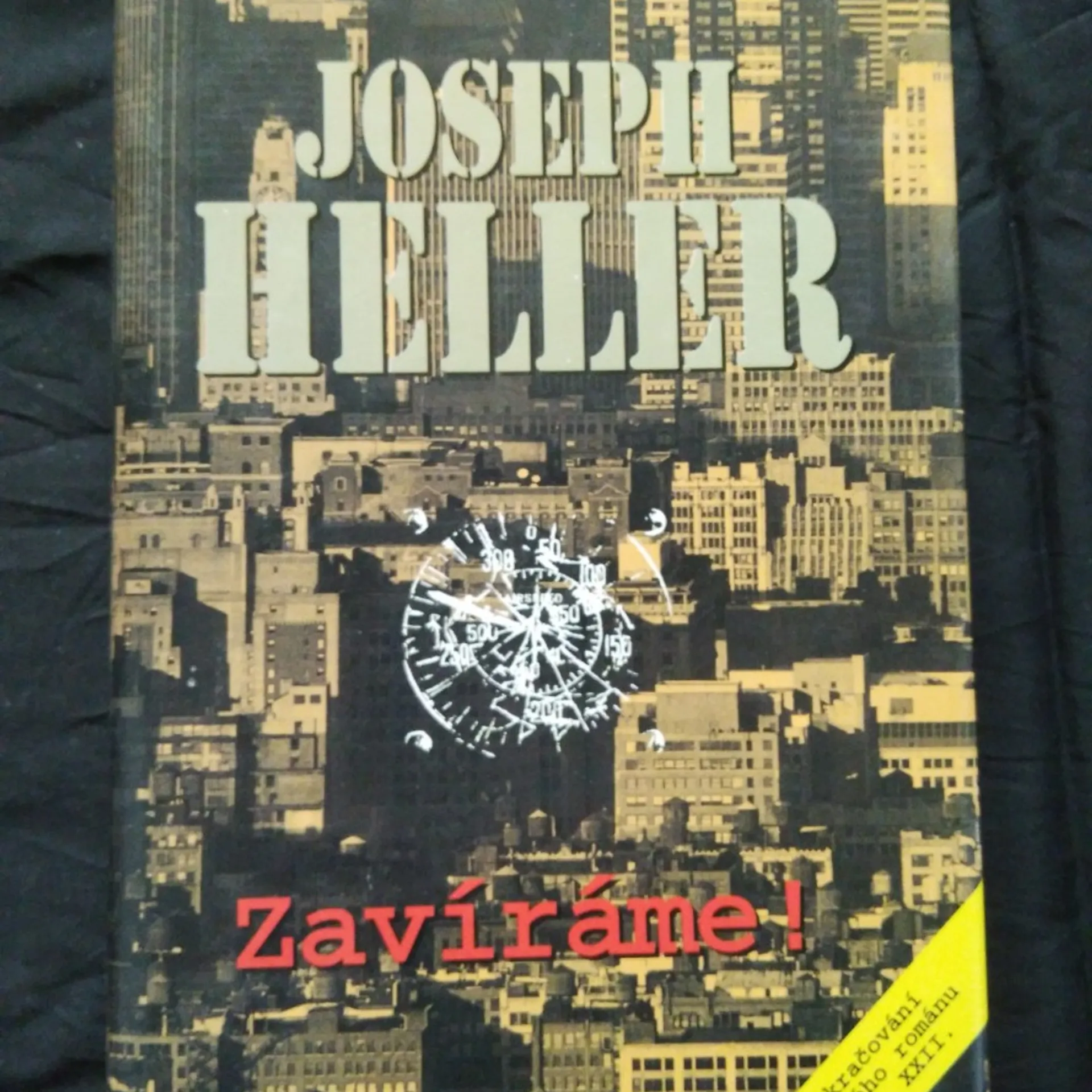
Voľné pokračovanie slávneho románu Hlava XXII, v ktorom autor bravúrne zachytil tragikomickú podstatu vojny. Čitateľ sa po 33 rokoch znova stretáva s postavami, ktoré medzitým zostarli, no nie vždy zmúdreli, a sleduje ich osudy v civilnom živote. Už nebojujú s Nemcami, ale s chorobami, so starobou a s koncom, so záverečnou pre všetkých. Záverečná! je šokujúcim a invenčným pohľadom na moderný svet konca 20. storočia, mrazivý opis kolapsu západného sveta a zároveň nesmierne zábavná čierna komédia, ktorá sa nepochybne radí medzi nesmrteľné americké romány.
The novel is an eclectic journey across three historical periods, all connected by Rembrandt van Rijn's painting, Aristotle Contemplating a Bust of Homer. With constant reflection between the different eras, we jump back & forth between the time of Aristotle, Rembrandt & Heller: the Golden Age of Athens, the 17th century golden age of Holland & the golden age of the USA. Like Heller's version of King David's story, God Knows, the author changes little in the storyline of the original–-he excels in narrative & historical counterpoints, some explicit, some implicit. Incomprehension may have contributed to the cool reception this book received. Heller concludes that we don't learn from history. In fact, so much of history may be nonfactual that learning may be impossible. Being a pessimistic chronicler of the American Century, his main unspoken theme is the parallel between the onetime Hellenic overlord & his home country. This is most apparent in his treatment of the downfall of Athens, when after the victory over Persia, it formed the Delian League & got embroiled in the Peloponnesian War. He describes a beacon of democracy that destroys its advances, transforming them into tools of abuse, turning on its own allies just to demonstrate its power & losing to weaker enemies due to self-deception.
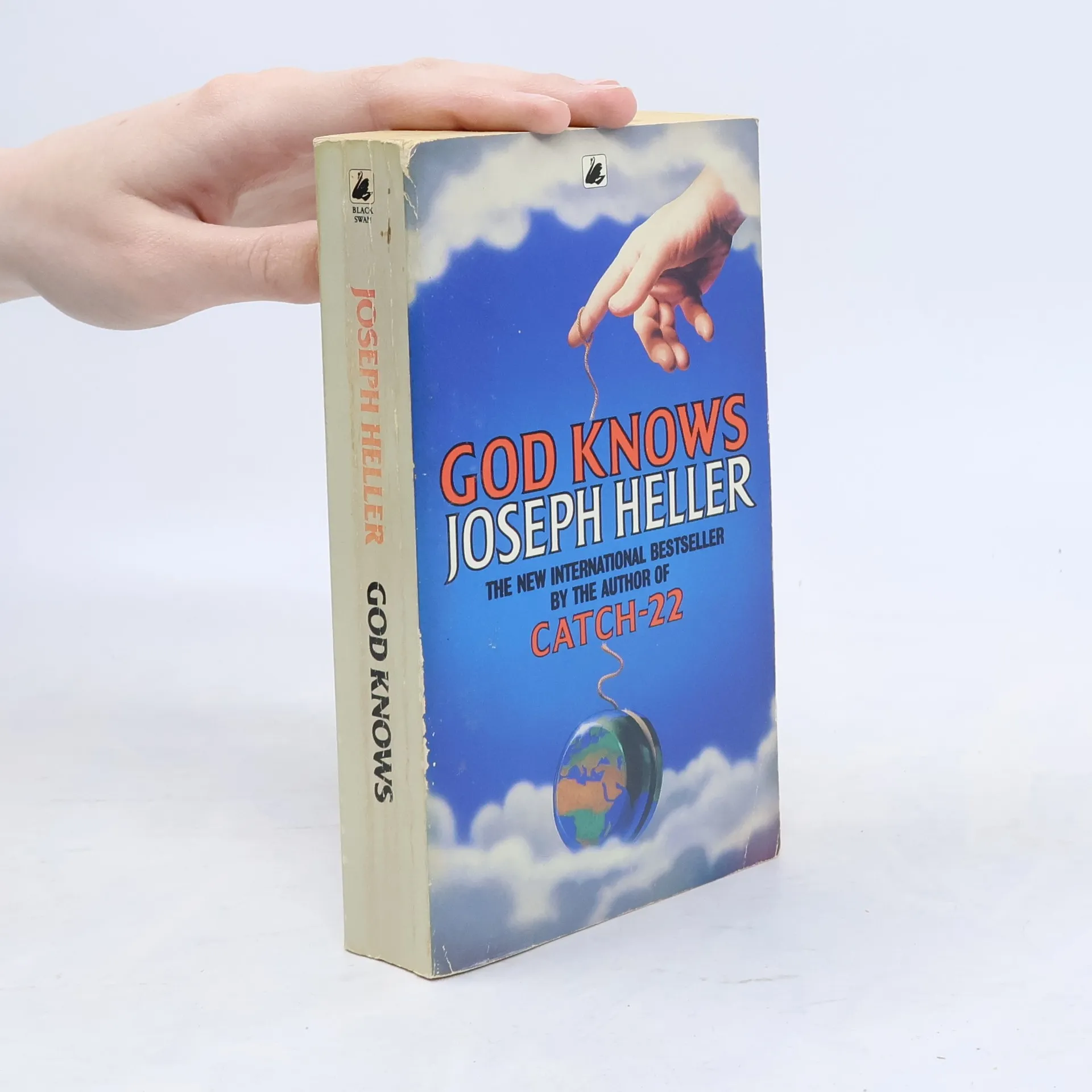
Joseph Heller's powerful, wonderfully funny, deeply moving novel is the story of David -- yes, King David -- but as you've never seen him before. You already know David as the legendary warrior king of Israel, husband of Bathsheba, and father of Solomon; now meet David as he really was: the cocky Jewish kid, the plagiarized poet, and the Jewish father. Listen as David tells his own story, a story both relentlessly ancient and surprisingly modern, about growing up and growing old, about men and women, and about man and God. It is quintessential Heller.
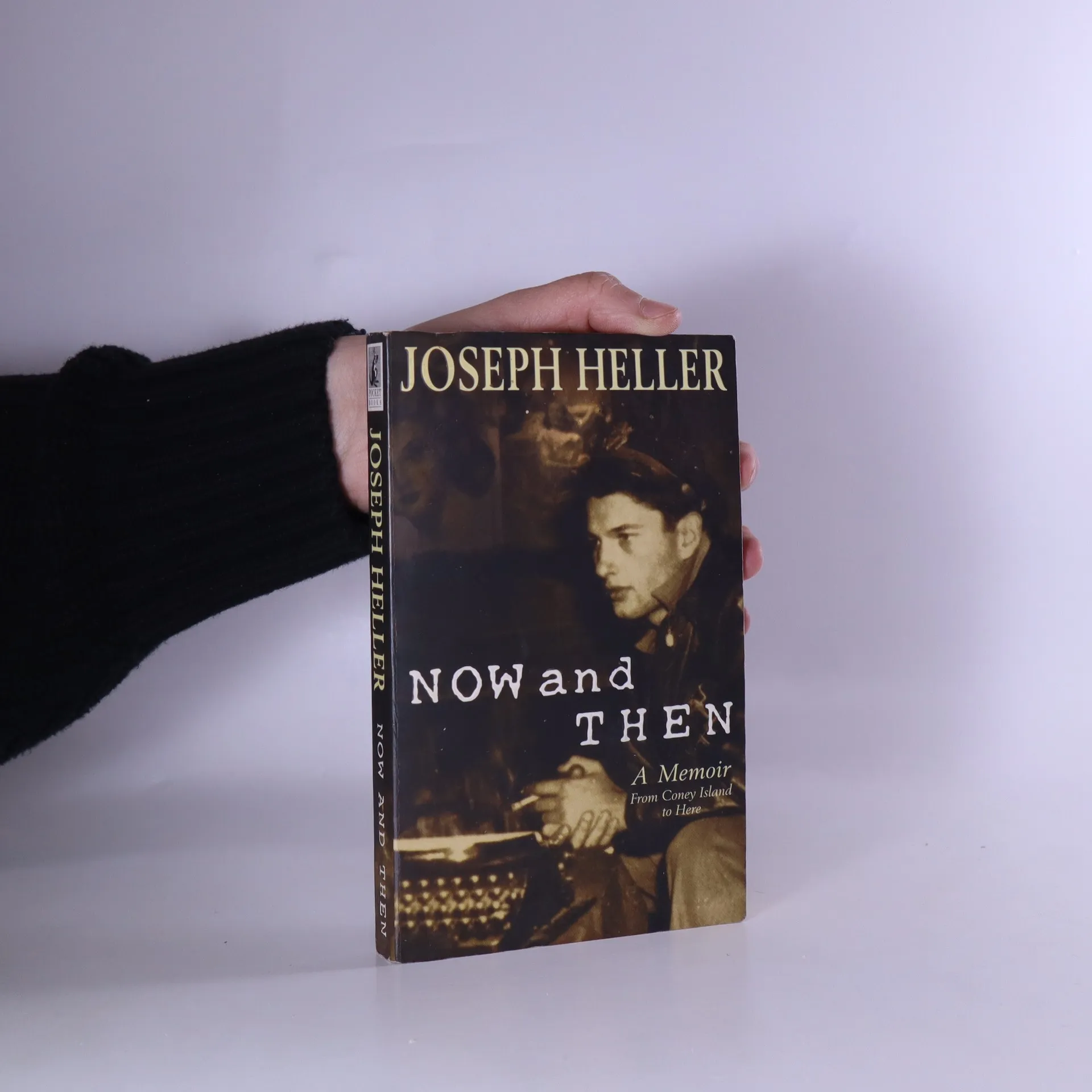
The demented Army Air Force of Catch-22, the lethal business world of Something Happened, and the dysfunctional family of Good as Gold are rooted in Joseph Heller's past. Over thirty-five years after Catch-22's explosion into the world, Heller shares his life story. He recounts his Coney Island childhood during the Depression, growing up in a fatherless family yet enjoying life on the boardwalk, in the ocean, and in school. His journey includes various jobs, from delivering telegrams to working in a navy yard, leading to his service in the air force during World War II. After the war, he attended college thanks to the G.I. Bill, pursued teaching, and ventured into Madison Avenue, all while continuously writing. The success of Catch-22 marked the beginning of a remarkable literary career. The strengths of this memoir lie in the energy, humor, and mischief characteristic of Heller's work, alongside the dark undertones that accompany them. He vividly recalls a Coney Island that symbolizes fun and a seemingly golden age of innocence. For the first time, he discusses the people and events that inspired memorable characters and scenes in his writing. This memoir offers both an account of a remarkable life and insight into the creative process of a major American writer.
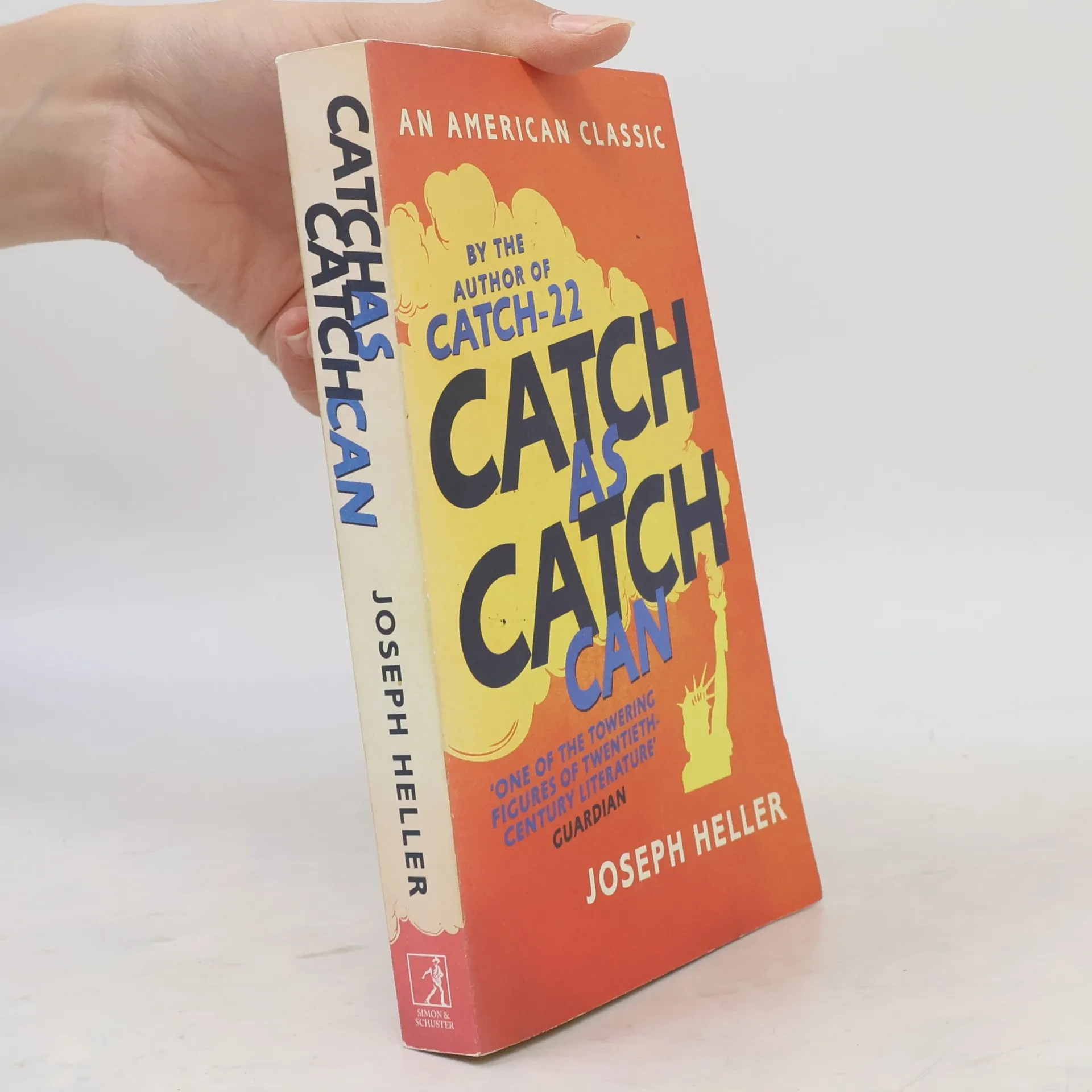
Not many writers introduce a phrase – let alone a whole idea – into the language. In Catch-22, Joseph Heller invented a motif for the modern world. The book shaped everything that came after it, establishing Heller's reputation as one of the greatest American writers of the twentieth century. But where did the author who was able to create that novel come from? And what happened to those remarkable characters? In Catch as Catch Can, Joseph Heller’s stories are collected for the first time, and clearly chart the development of a genius. From Heller's recollections of his Coney Island childhood to the later stories of his greatest creation, Yossarian, Catch as Catch Can is the last great work of one of the twentieth century's most important literary figures
Two rival businessmen meet in the Warsaw train station. "Where are you going?" says the first man."To Minsk," says the second."To Minsk, eh? What a nerve you have! I know you're telling me you're going to Minsk because you want me to think that you're really going to Pinsk. But it so happens that I know you really are going to Minsk. So why are you lying to me?"Four men are walking in the desert.The German says, "I'm tired and thirsty. I must have a beer."The Italian says, "I'm tired and thirsty. I must have wine."The Mexican says, "I'm tired and thirsty.I must have tequila."The Jew says, "I'm tired and thirsty. I must have diabetes."
De zwarte humor, de absurde logica en onvergetelijke personages als Yossarian, de bommenrichter die denkt dat de vijand erop uit is hem te vermoorden, en de gewiekste messofficier Milo Minderbinder, maken Joseph Hellers Catch-22 tot een indrukwekkend boek. Catch-22 is de oorlogsroman die alle andere oorlogsromans overbodig maakt: origineel, bitter, vulgair, geestig, spitsvondig en ontroerend.
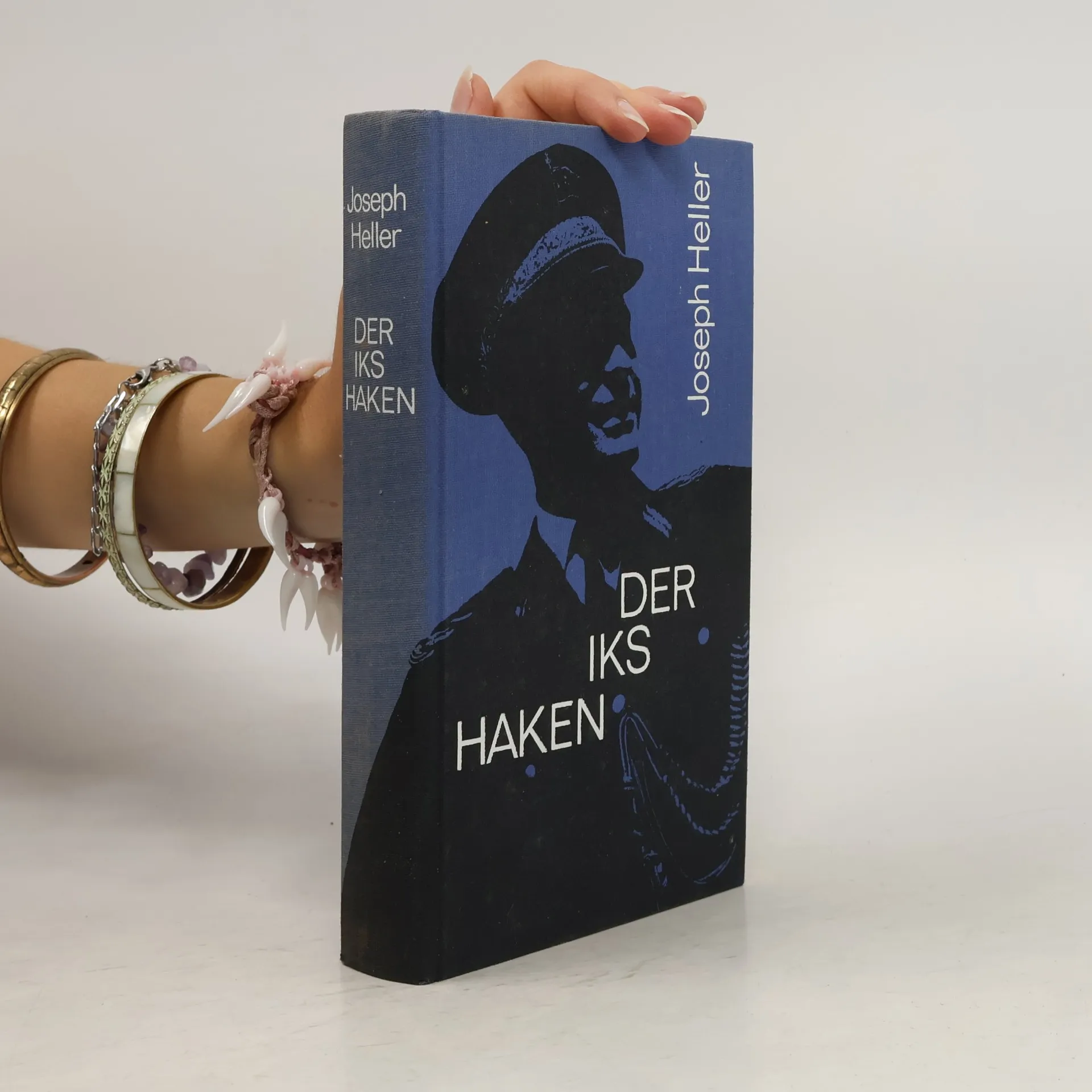
Das Konzept des "Paragraf 22" wurde von Joseph Heller in diesem Roman geschaffen - einem der großen literarischen Meisterwerke des 20. Jahrhunderts. Es bedeutet allgemein ein Paradoxon im Gesetz, in Regeln oder in der Realität, das den Menschen zum Opfer seiner eigenen Handlungen macht, unabhängig davon, was sie sind. Im Werk geht es um einen scheinbar gewöhnlichen Absurdität. Wenn ein Pilot verrückt ist, kann er aufhören zu fliegen. Er muss nur ablehnen. Aber wenn er ablehnt, ist er normal und muss weiter fliegen. Diese raffinierte und schreckliche Definition wurde nach der Veröffentlichung des Romans häufig verwendet und missbraucht. Sie ist zu einem Symbol für die Widersprüche in der "entwickelten Gesellschaft" geworden.
Portret van een briljante joodse taal- en letterkundige uit New York, die ondanks zijn doordringen in de hoogste maatschappelijke kringen, een geboren en getogen schlemiel blijft.