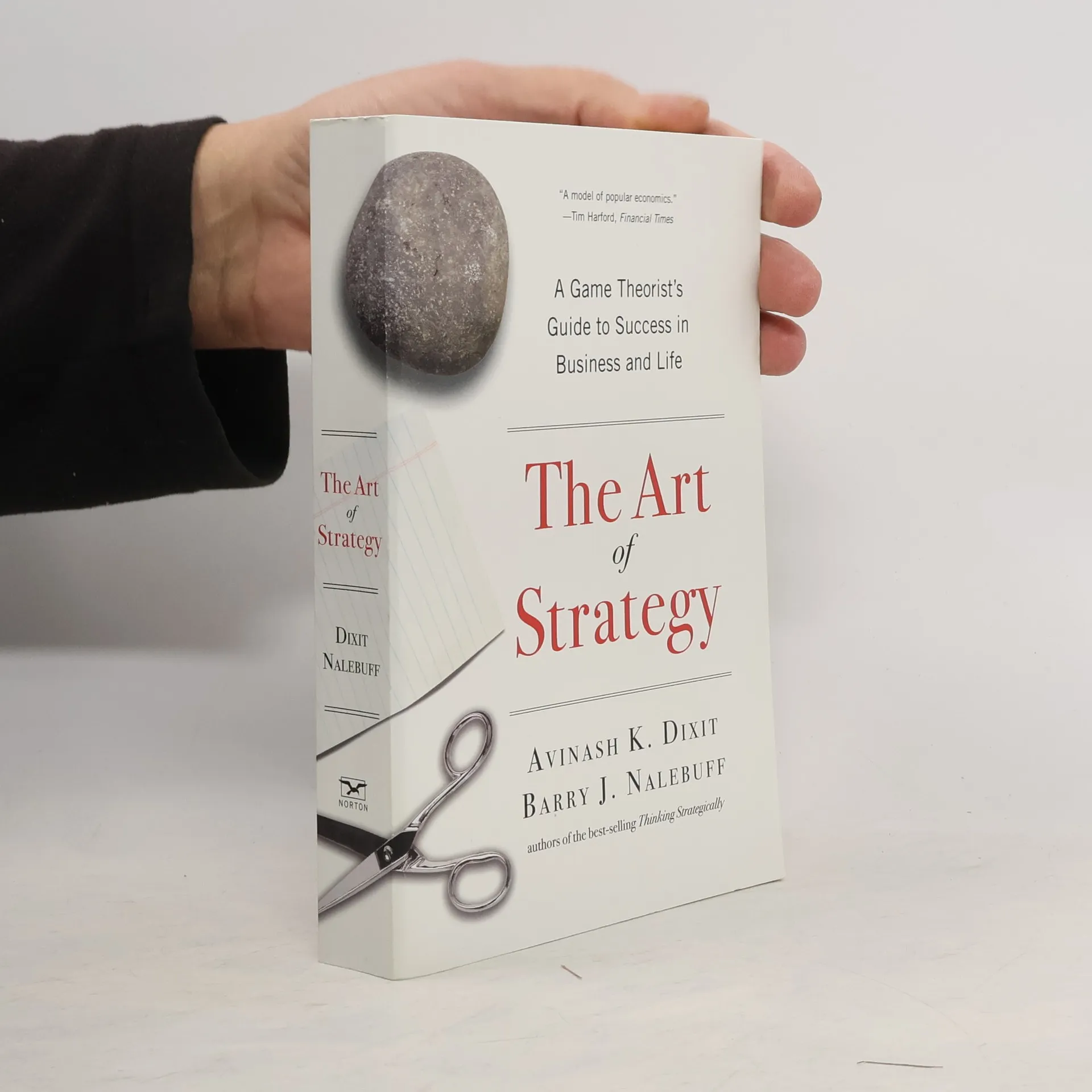
Avinash Kamalakar Dixit je uznávaný indicko-americký ekonóm, ktorého práca sa hlboko ponára do teórie investícií a rozhodovania v podmienkach neistoty. Jeho vplyvné texty, často písané s odbornými kolegami, skúmajú zložitosť ekonomických stratégií a ponúkajú nové pohľady na reálne opčné prístupy k investíciám. Dixitove príspevky formujú akademickú krajinu a poskytujú čitateľom pokročilé nástroje na pochopenie ekonomických princípov.
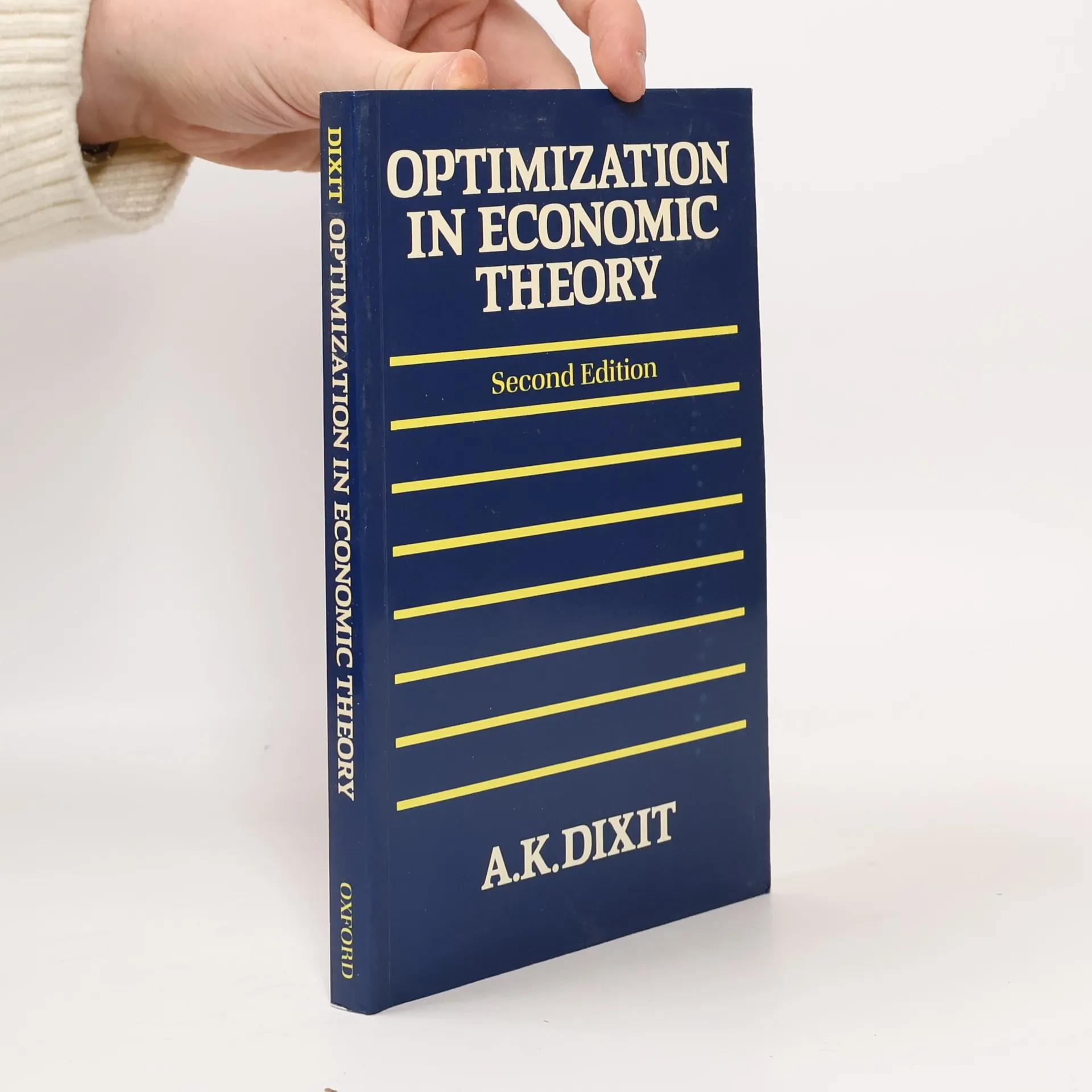
Building on a base of simple economic theory and elementary linear algebra and calculus, this broad treatment of static and dynamic optimization methods discusses the importance of shadow prices, and reviews functions defined by solutions of optimization problems. Recently revised and expanded, the second edition will be a valuable resource for upper level undergraduate and graduate students.
All introductory textbooks aim to highlight the subject's significance, urging students to engage with it. While physical sciences and engineering are seen as the foundation of modern technology, and social sciences tackle governance issues, the humanities aim to rejuvenate the spirit dulled by these fields. So where does "games of strategy," or game theory, fit in, and why study it? Dixit and Skeath's work provides a personal motivation that resonates with your everyday experiences. You engage in strategic games constantly—with family, friends, and even professors. You likely possess instinctive skills in this area, and the authors aim to build on that foundation, systematizing your knowledge to enhance your strategic abilities. These skills will serve you throughout life, as you navigate interactions with employers, employees, spouses, and even strangers. Beyond personal relevance, the subject holds broader implications; similar strategic games occur in business, politics, diplomacy, and conflict resolution. Recognizing these dynamics will deepen your understanding of the world and enhance your effectiveness in various interactions.
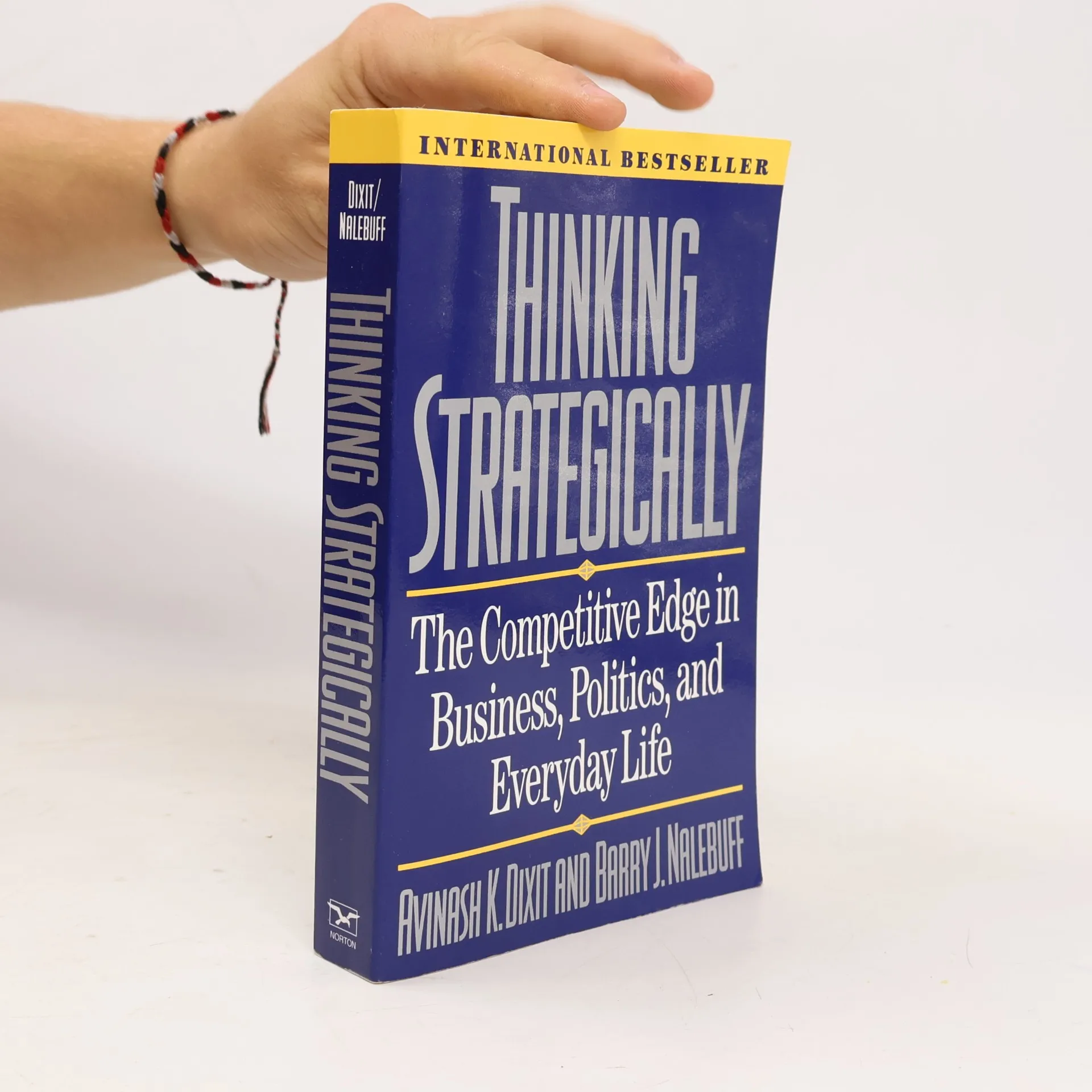
The international bestseller — don't compete without it! A major bestseller in Japan, Financial Times Top Ten book of the year, Book-of-the-Month Club bestseller, and required reading at the best business schools, Thinking Strategically is a crash course in outmaneauvering any rival. This entertaining guide builds on scores of case studies taken from business, sports, the movies, politics, and gambling. It outlines the basics of good strategy making and then shows how you can apply them in any area of your life.
The issues of microeconomics - including individuals' financial choices and firms' decisions about hiring and firing - have a large impact on the economic world, arguably as much, if not more than, macroeconomics. In this Very Short Introduction Avinash Dixit clearly explains what microeconomics is by using examples from around the world.
The authors of Thinking Strategically demonstrate how to apply the principles in game theory to achieve greater personal and professional successes, drawing on a diverse array of case studies to explain how to develop a win-oriented way of seeing the world.